
The barat outfit carries the most weight of the whole wedding, in every sense. It has to look regal on the stage, hold up through hours of sitting and greeting, and still let you walk out at the rukhsati with dignity. In my fittings the embroidery is rarely the problem. The problem is usually a skirt that is too heavy, a dupatta that pulls at the scalp, or a red that turns orange under the stage lights. Below are 20 complete looks: classic red lehengas, ghararas, pishwas, jewel tones and softer modern palettes. Bridal designers are pairing heritage handwork with cleaner tailoring and lighter layers right now, while deep red is still the colour most families expect. As you read, keep your venue, season, height and preferred coverage in mind.
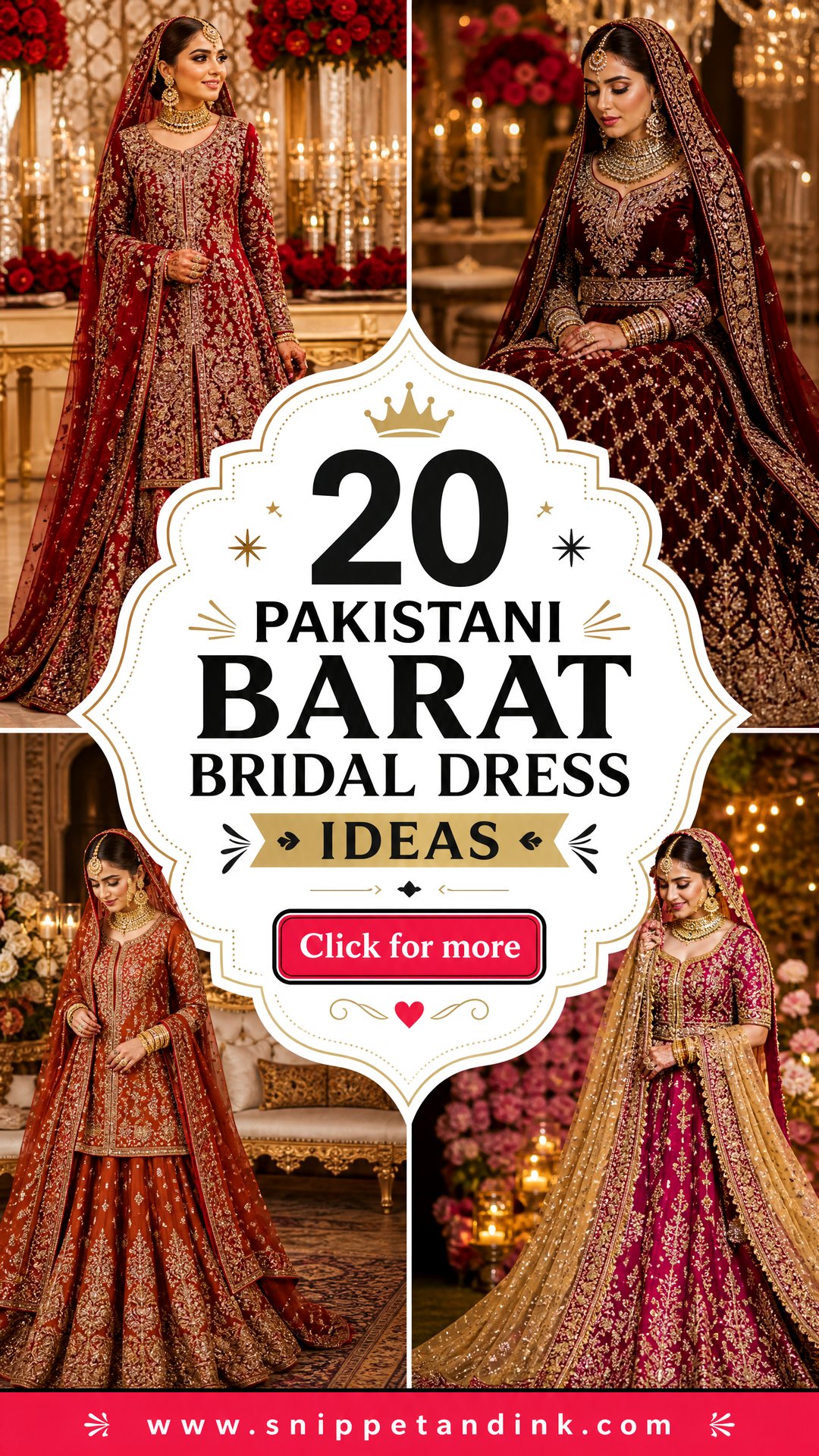
Will Your Red Still Look Red Under the Stage Lights?
Barat stages are usually lit warm and bright, and photographers often add flash. That combination shifts colour. A red with a lot of orange in it can turn tomato-coloured; a cool, blue-leaning red can drift toward pink. Dark maroons lose their embroidery detail and can photograph almost brown.
I never approve a red from a screen or a shop light alone. Ask the designer for a fabric swatch, then look at it three ways:
- Near a window in daylight, which shows the true base colour.
- Under a warm yellow bulb, closest to most hall and stage lighting.
- In a phone photo taken with the flash on, which shows how the embroidery and sheen behave.
Hold the swatch against your bare face and hand. If it makes your skin look grey or sallow in any of those tests, try a red with a different undertone before committing to months of handwork.
1. Red Pakistani Barat Bridal Lehenga With Double Dupatta
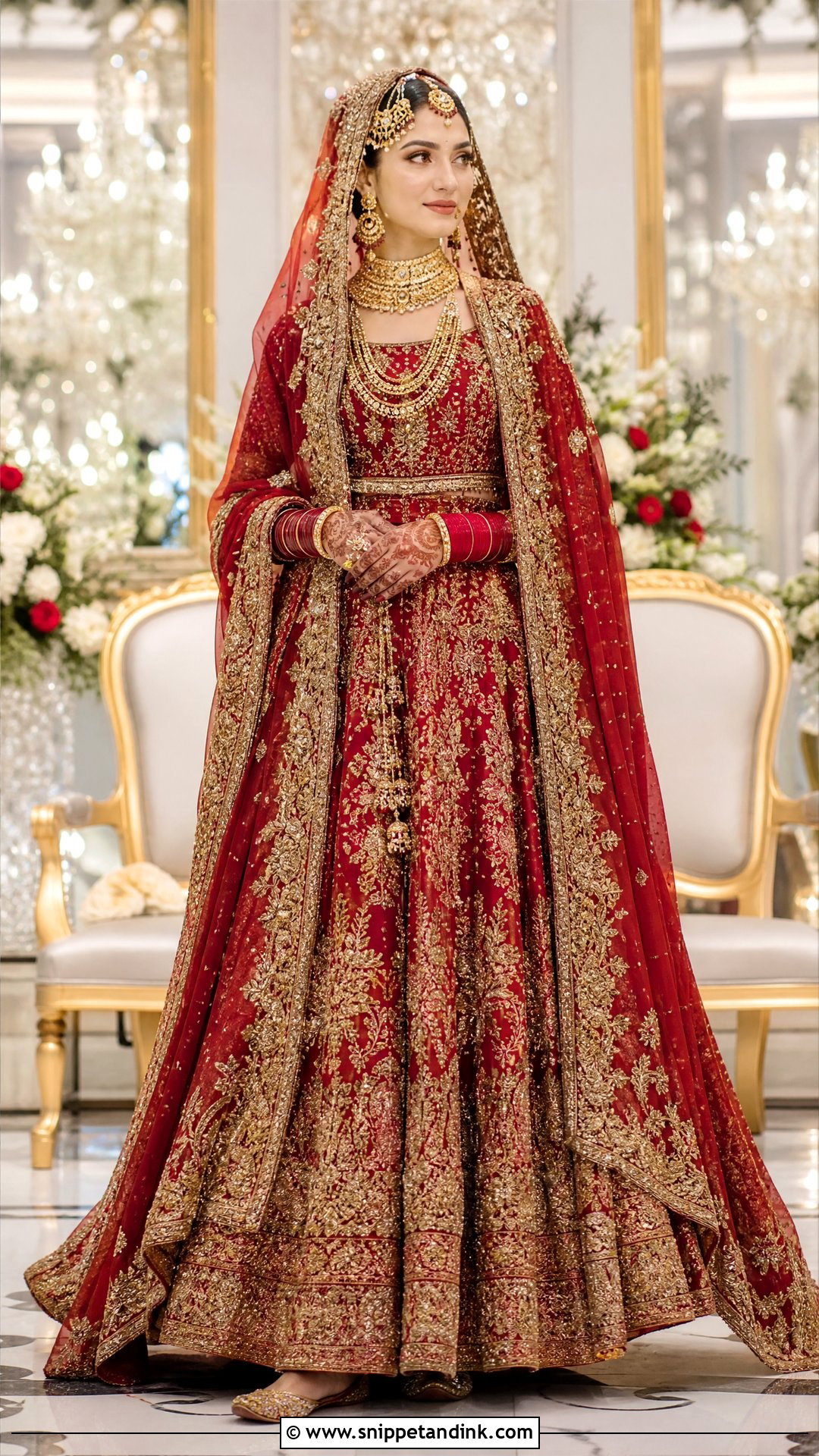
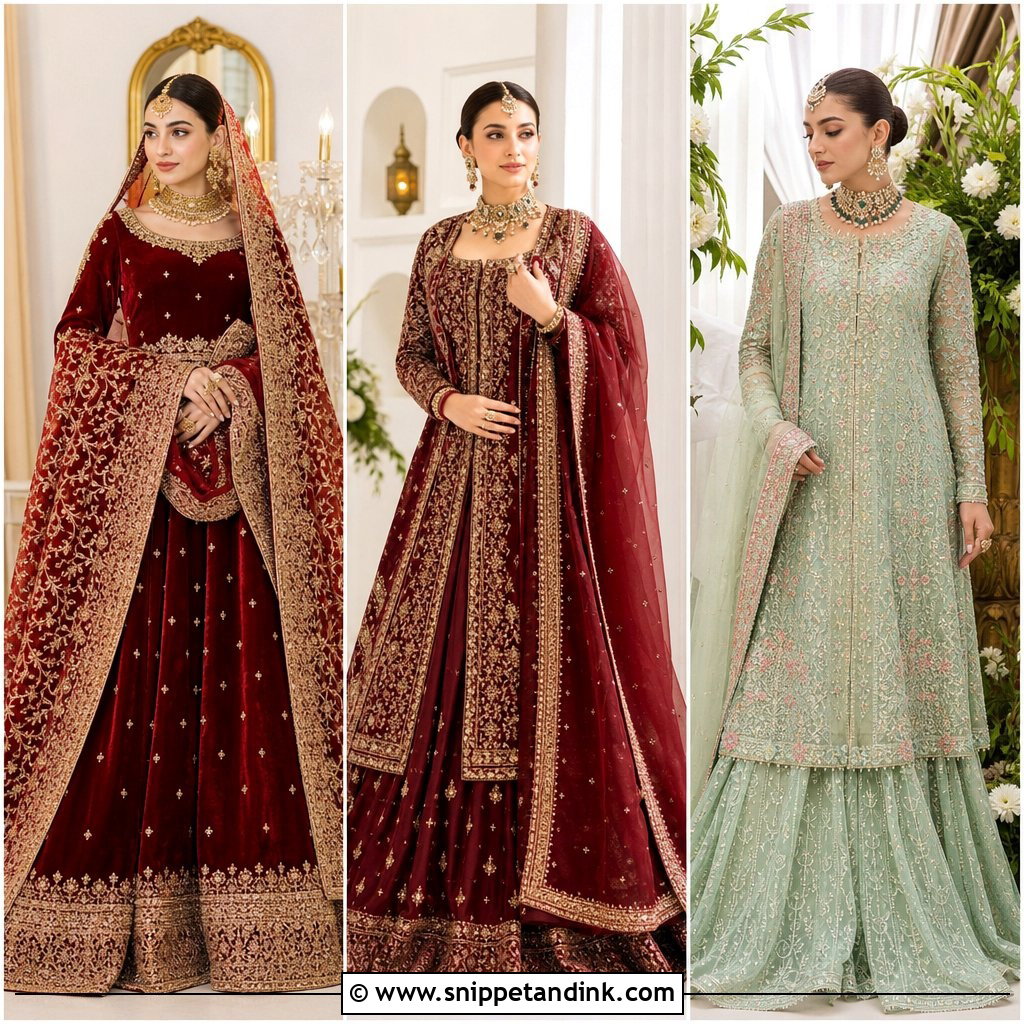
A traditional red lehenga with two dupattas is the entrance most families picture. Structured raw silk with zardozi, dabka, nakshi, pearls and antique gold thread, a fitted blouse with enough coverage to support heavy jewellery, a light net dupatta over the head and a richer embroidered one across a shoulder. I ask for the heaviest work to sit low on the skirt, near the border. Embroidery packed across the hips adds weight right where the waistband takes it, and you feel it after the second hour. Padded gold khussas under the hem, a matha patti and red bangles finish it.
2. Maroon Pakistani Barat Bridal Farshi Gharara
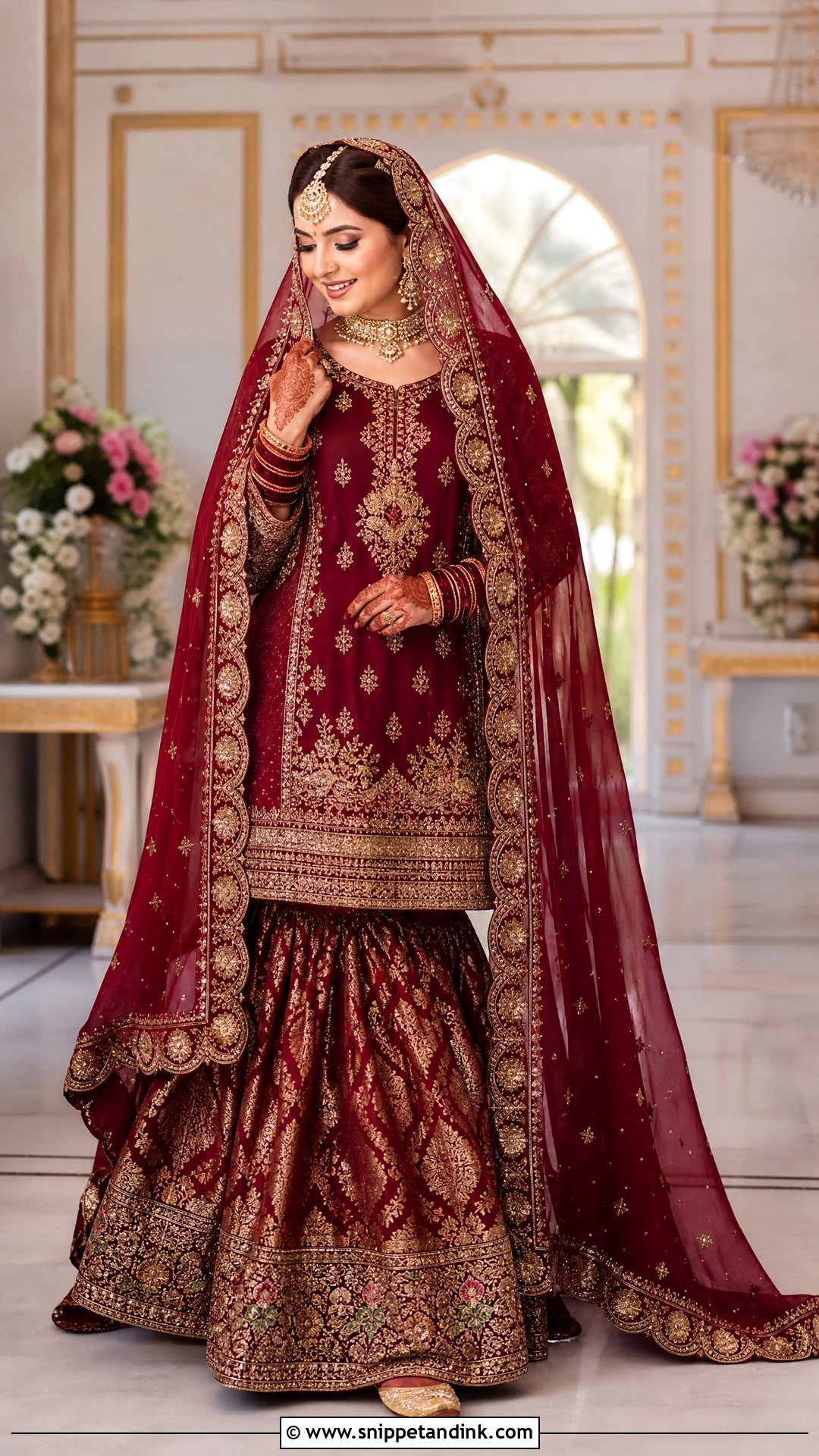
A farshi gharara gives royal drama without a lehenga, and in maroon jamawar or raw silk it reads unmistakably as barat. A knee-length straight shirt with dense gold work at the neck, cuffs and hem balances the sweep of the trousers. The trail is where I spend most of the fitting. It has to be set for your height, your shoes and the venue floor: a long trail looks magnificent on a marble stage and becomes a hazard on carpeted stairs. A sheer maroon dupatta with a scalloped border frames the face, and kundan jewellery suits the old-world shape.
3. Crimson Pakistani Barat Bridal Pishwas With Lehenga
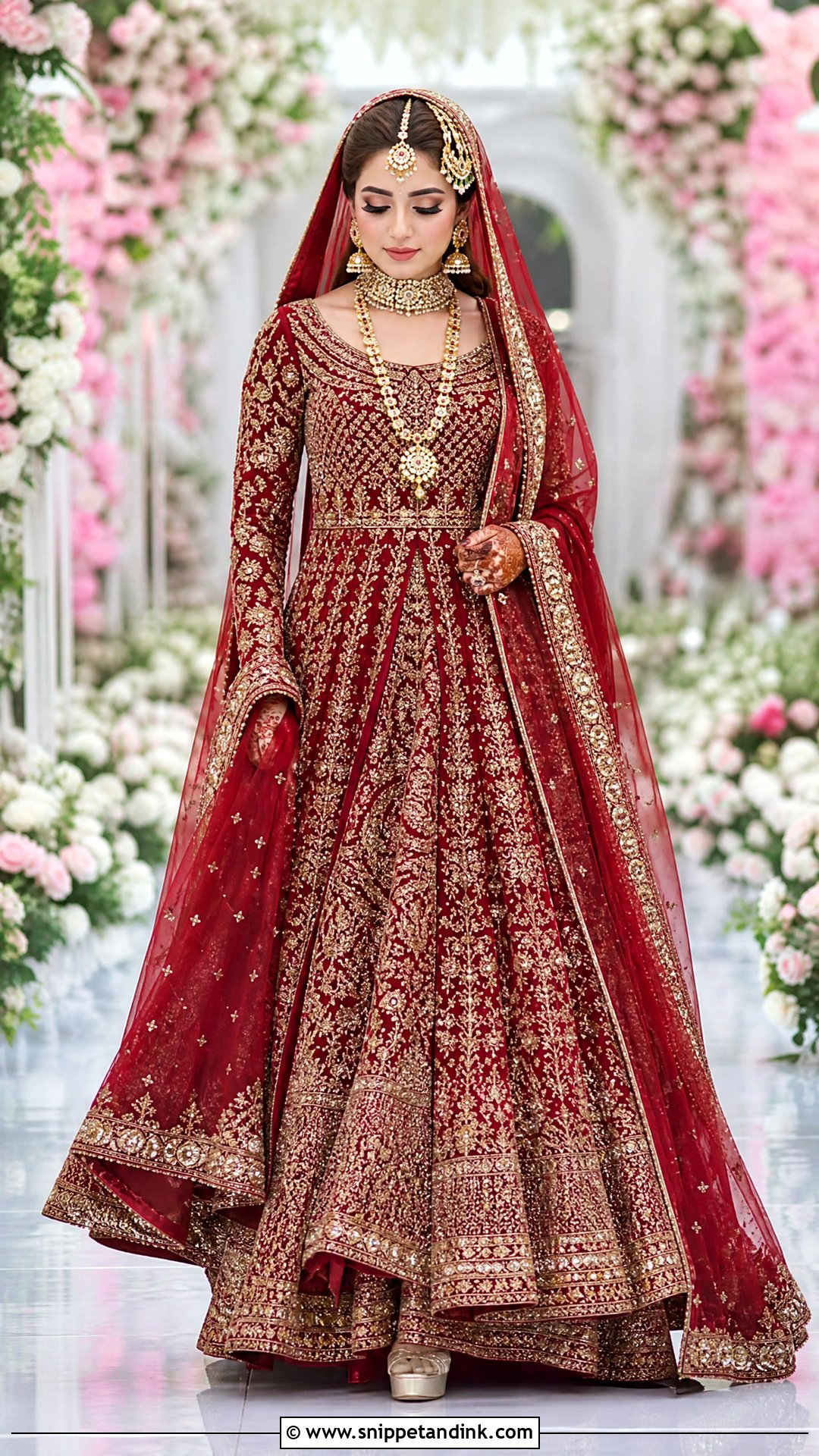
A crimson pishwas worn over a lehenga moves softly in photographs. The fitted bodice and flowing kalis define the upper body and open into the skirt, while the lehenga underneath adds the volume that stops it hanging flat. I count the kalis when reviewing a design; more panels means a fuller, rounder swing, but also more fabric weight at the waist. Fine gold embroidery and an ornate hem give richness without hiding the shape. A light dupatta secured at both shoulders, a polki choker, jhumkas, a delicate passa and platform khussas finish it. It suits brides who want traditional coverage and movement.
4. Ruby Velvet Pakistani Barat Bridal Lehenga
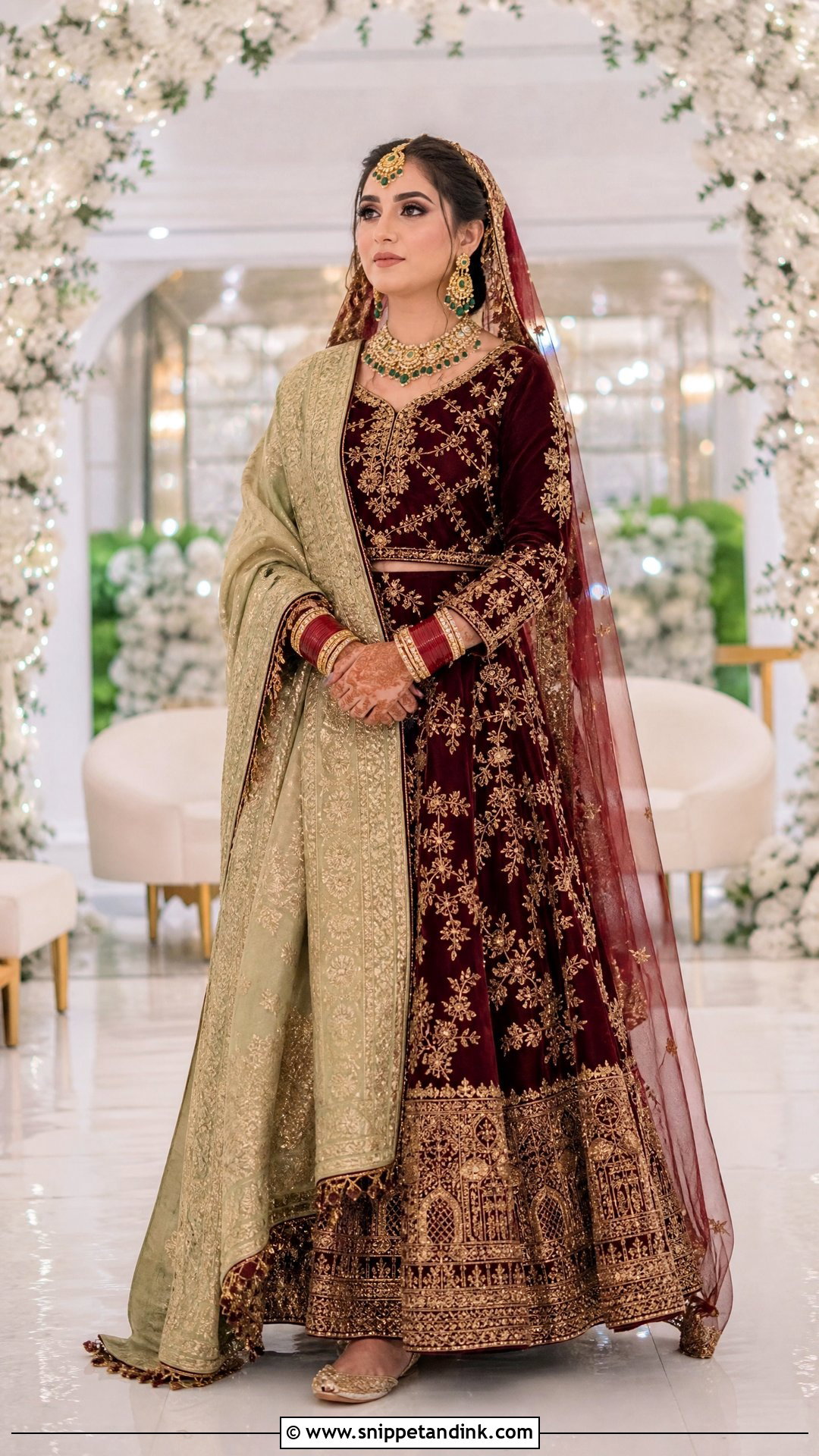
Velvet earns its place at a winter wedding, and a ruby velvet bridal lehenga has a depth no other fabric gives. Because velvet already looks rich, I keep the zardozi to placed motifs and a strong border rather than full coverage. A fitted velvet blouse, a light organza or net dupatta, and a second tissue or jamawar dupatta over one arm for texture. My warning with velvet is heat: under stage lights and with a crowd, it gets warm quickly, so insist on a breathable cotton lining and don’t add a heavy can-can underneath. Antique gold with emerald accents suits ruby well.
5. Rust Red Pakistani Barat Bridal Long Shirt And Lehenga
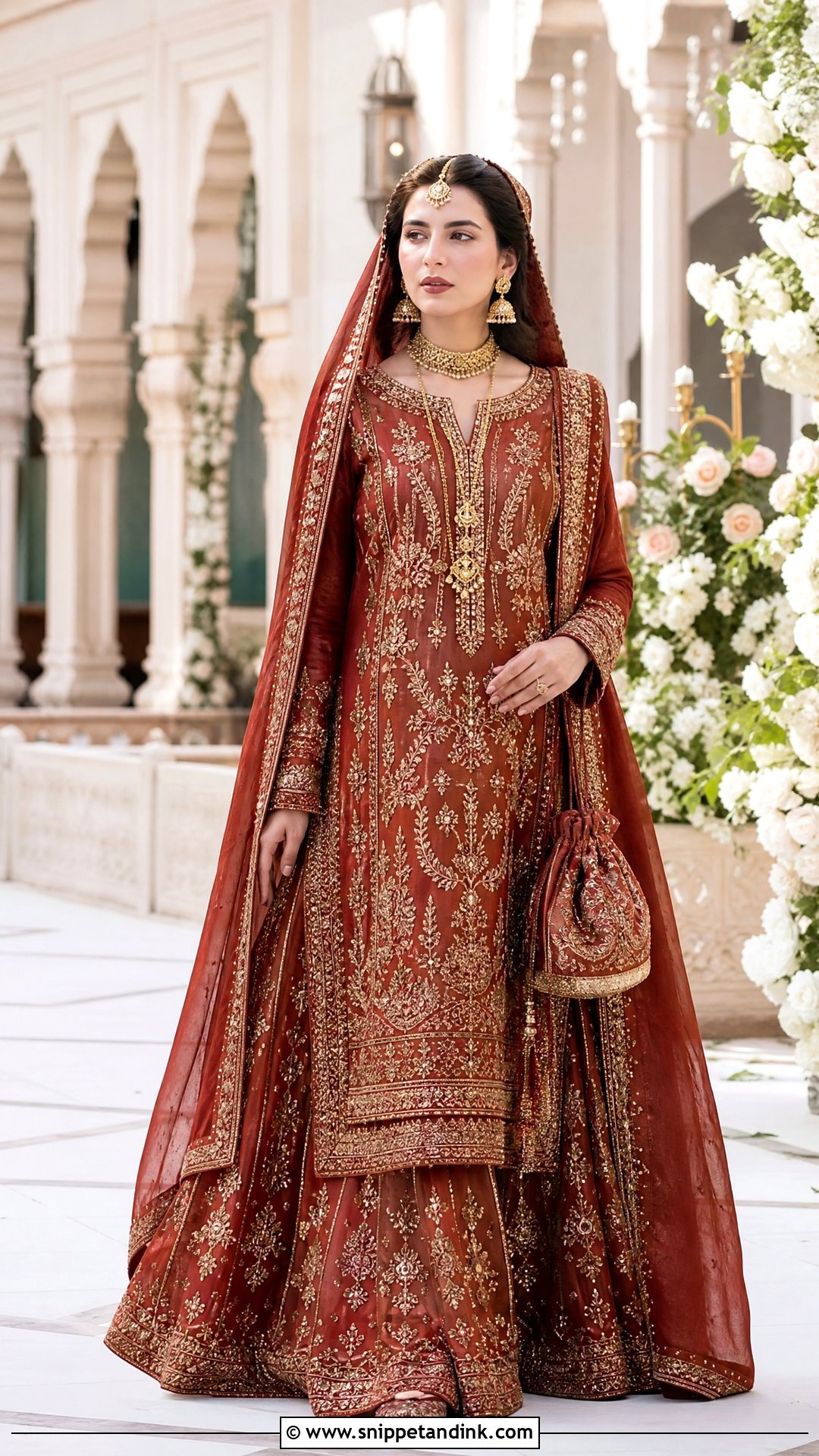
Rust is a modern take on bridal red and suits brides with warm undertones especially well. A straight or slightly flared long shirt with side slits over a coordinated lehenga lets the skirt’s embroidery show when you move. Copper, antique gold and bronze handwork look better on rust than bright gold, which can turn brassy against it. A deep red dupatta keeps the classic barat connection. If you prefer a slimmer line, I would choose a lightly flared lehenga under the shirt rather than a full one; the shirt already adds volume.
6. Red Pakistani Barat Bridal Angrakha And Farshi Lehenga
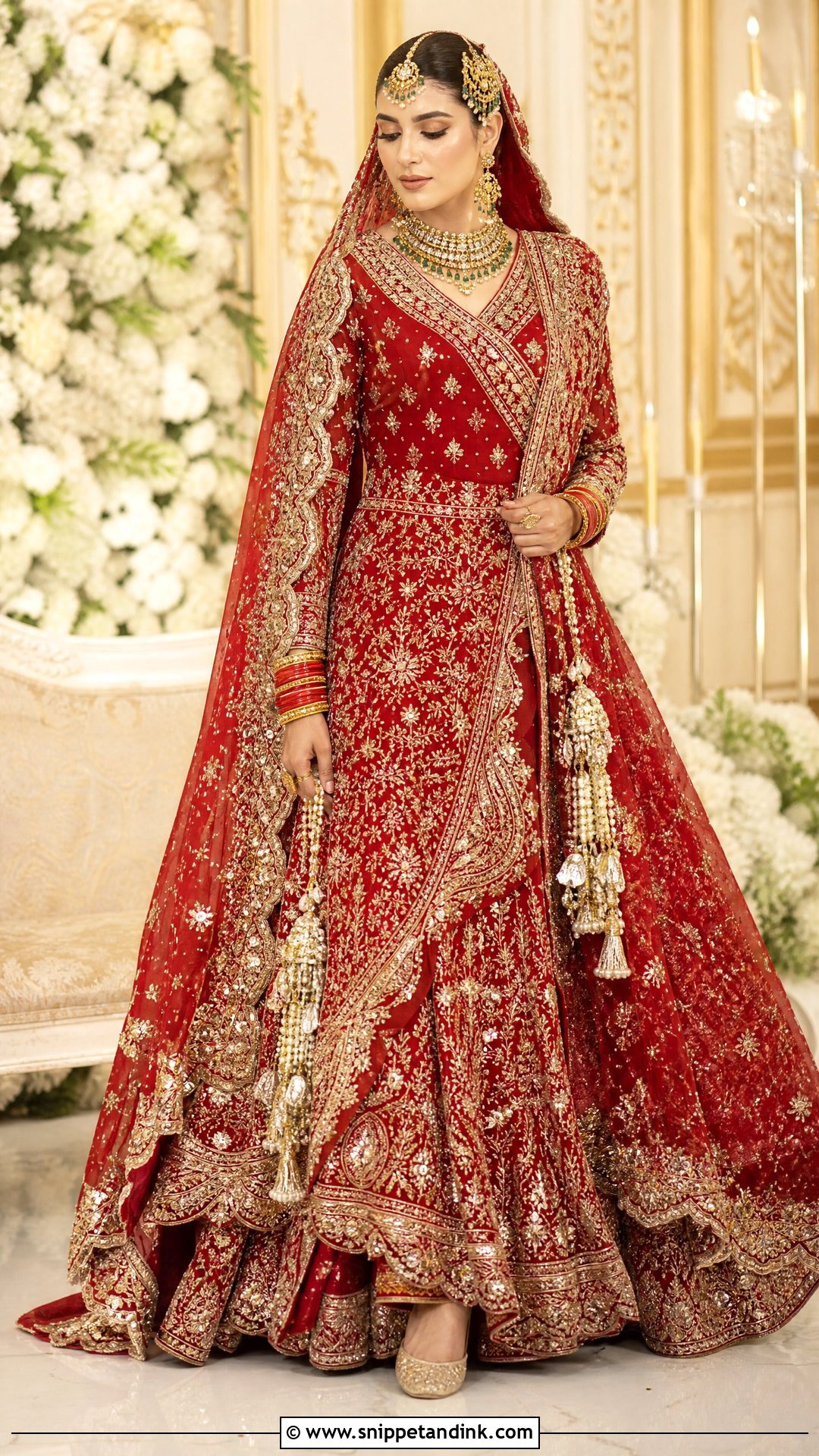
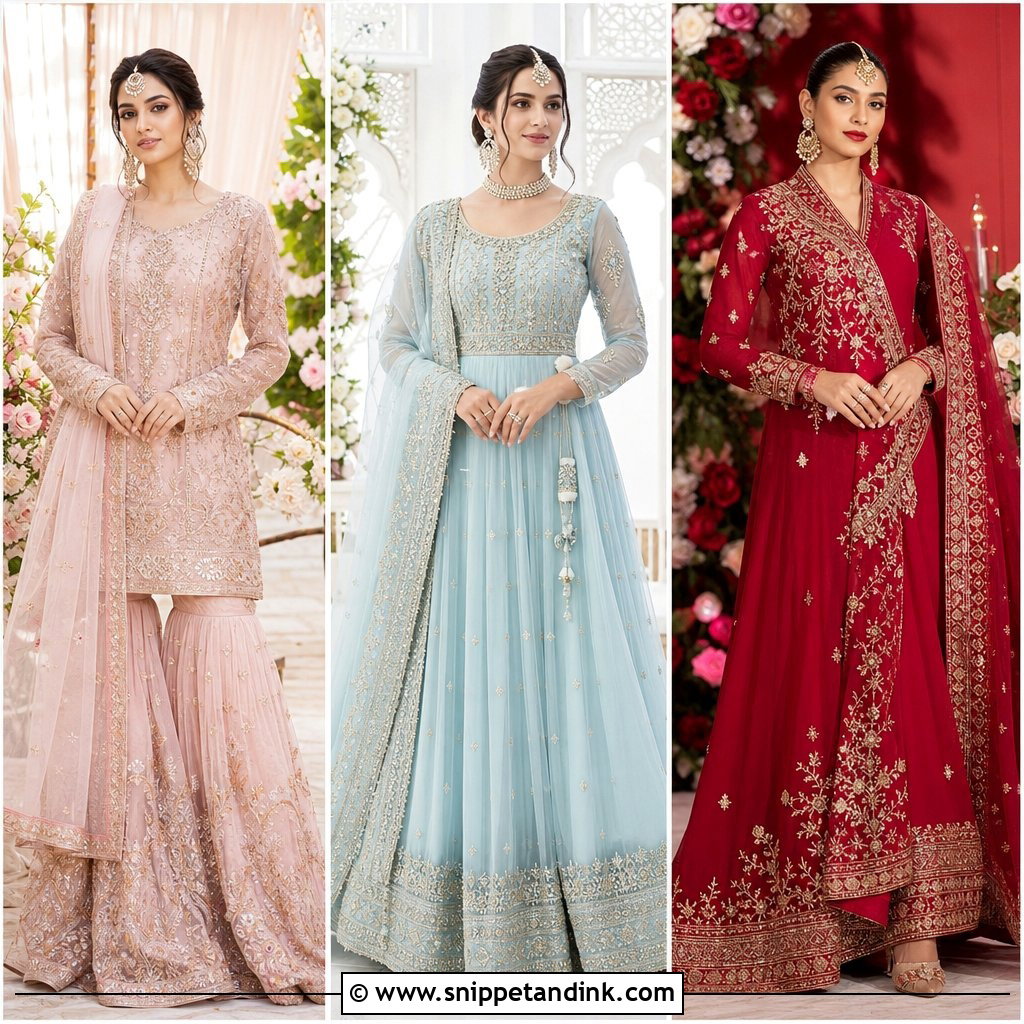
The angrakha’s diagonal wrap brings movement into a traditional outfit. A rich red bodice wrapping across the front and extending into embroidered panels over a farshi lehenga, with tassels of pearls or beads at the side. I fit the wrap so it sits securely with a hidden hook, because a crossover neckline under a heavy choker tends to gape when you bend toward guests. Keep motifs small through the bodice and save dense handwork for the cuffs, panels and border. A scallop-bordered veil, a passa and cushioned khussas complete it.
7. Scarlet Pakistani Barat Bridal Peplum And Lehenga
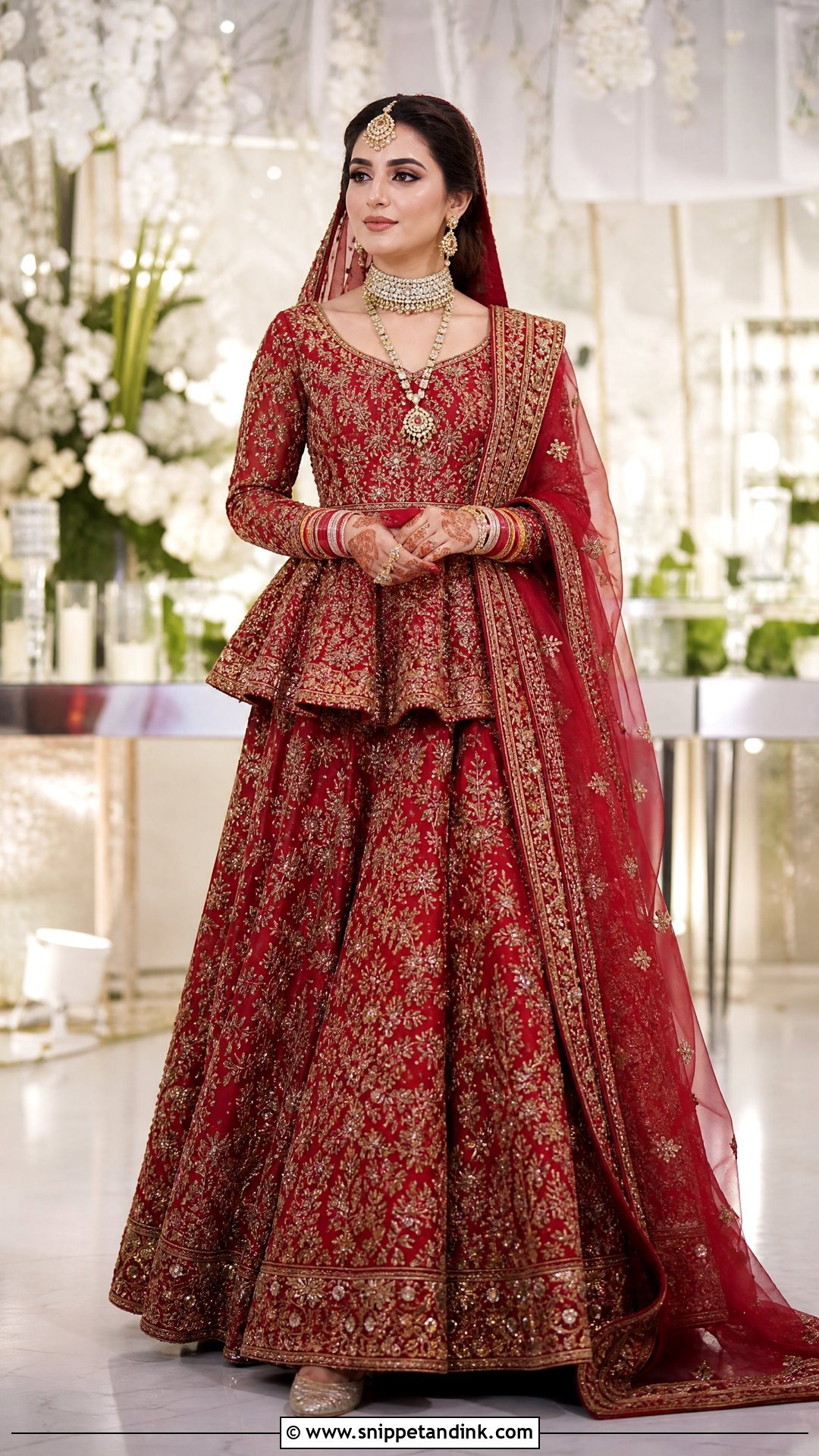
A scarlet peplum over a full lehenga gives a defined waist and a clean, structured shape. The detail that makes or breaks it is peplum length. I set it near the upper hip, never across the widest point, where it adds width in every photograph. The bodice can take dense dabka and pearls, while the flared lower edge eases into the skirt. Vertical motifs on the lehenga lengthen the frame. A sheer scarlet dupatta with a broad border, a kundan choker and metallic khussas finish this blend of contemporary tailoring and classic Pakistani barat clothing.
8. Red And Gold Pakistani Barat Bridal Sharara
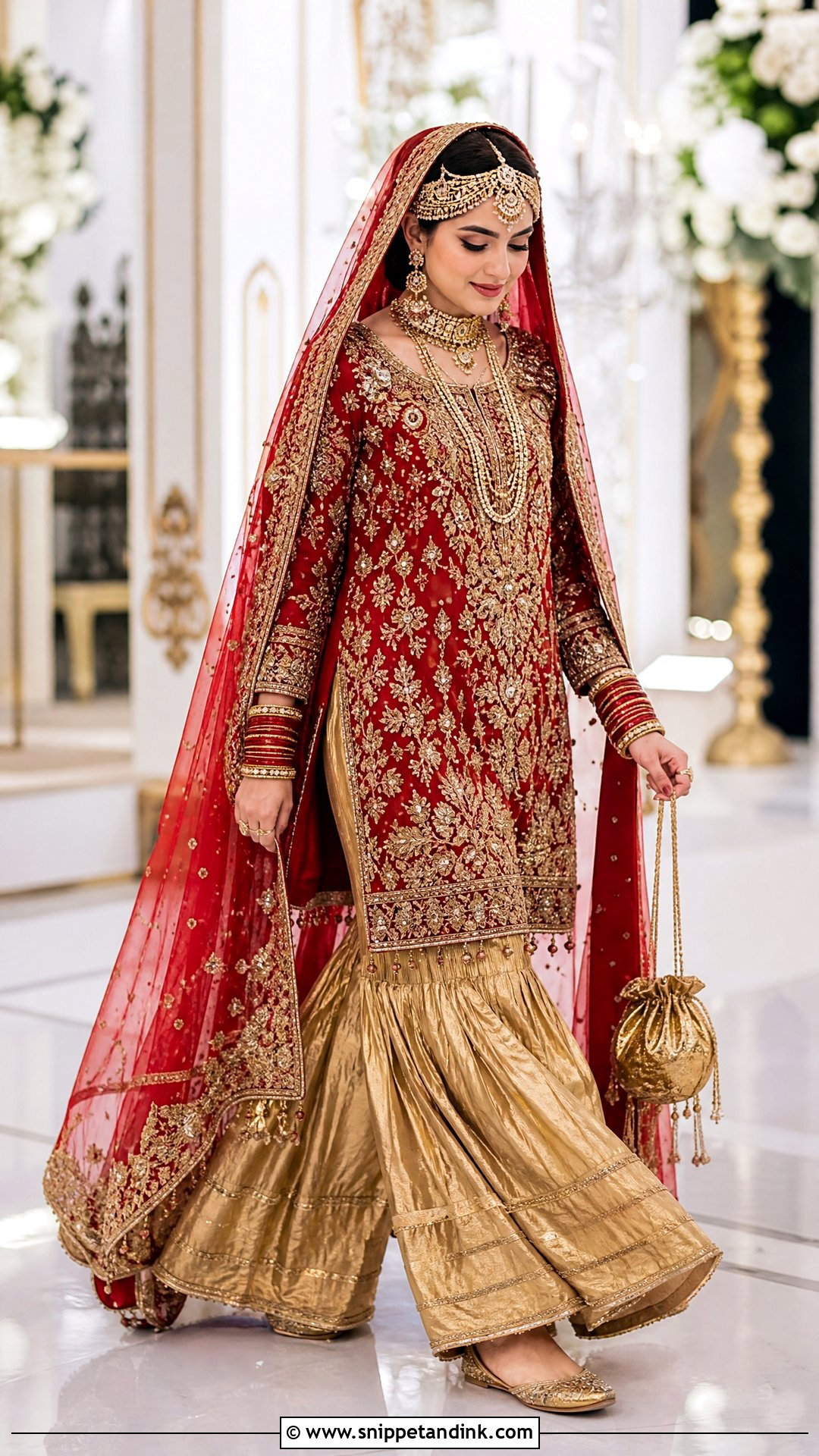
A red and gold sharara gives a barat bride real freedom of movement. A heavily embroidered short red shirt over wide gold tissue trousers that flare below the knee, with small repeated motifs on both pieces so they look like a set. The flare point matters: I mark it on the bride during the fitting, because a sharara that flares too high looks bottom-heavy when seated. A red net dupatta over the head with one embroidered edge across the front, polki jewellery and low block heels finish it.
9. Emerald And Red Pakistani Barat Bridal Lehenga
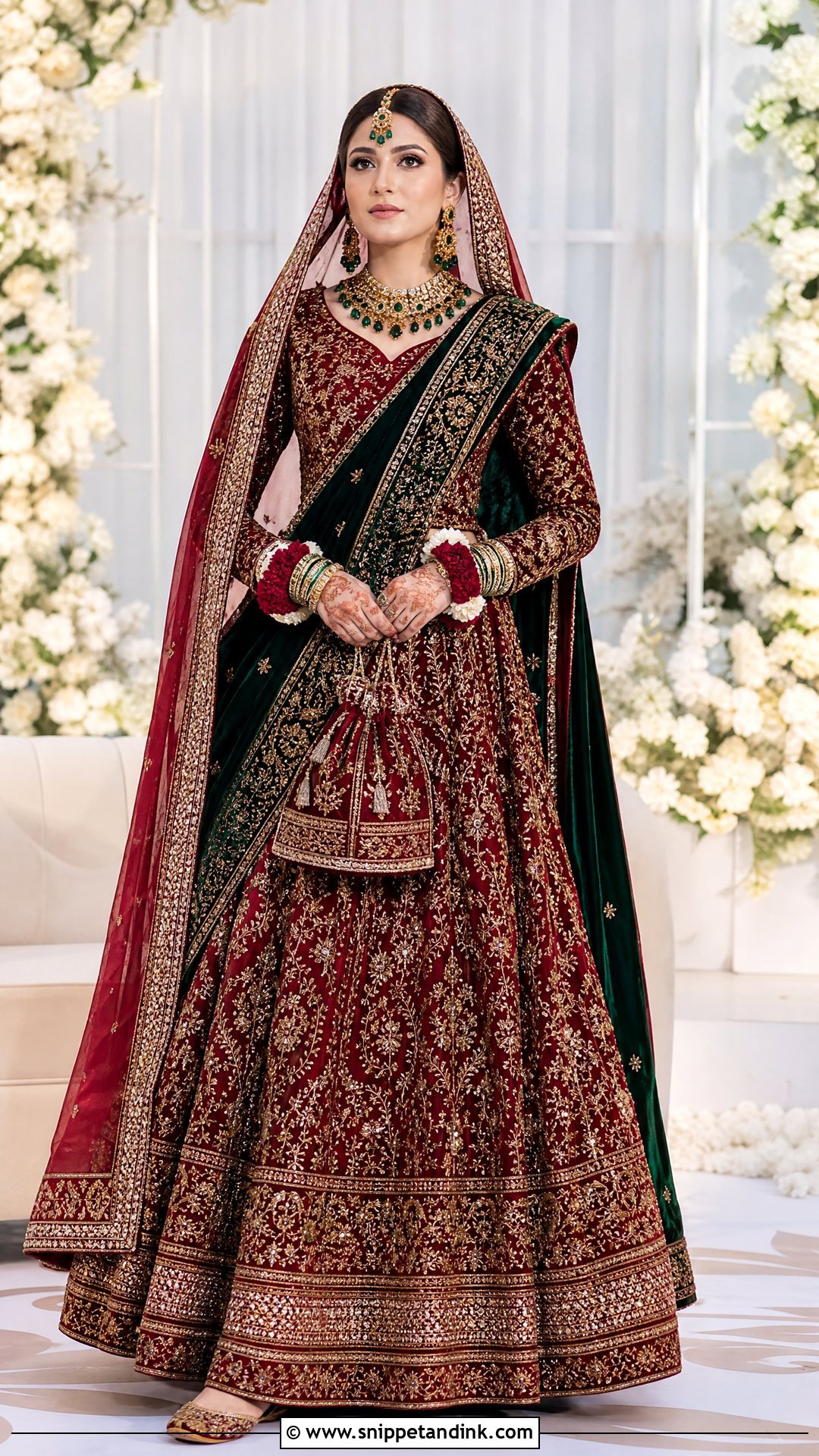
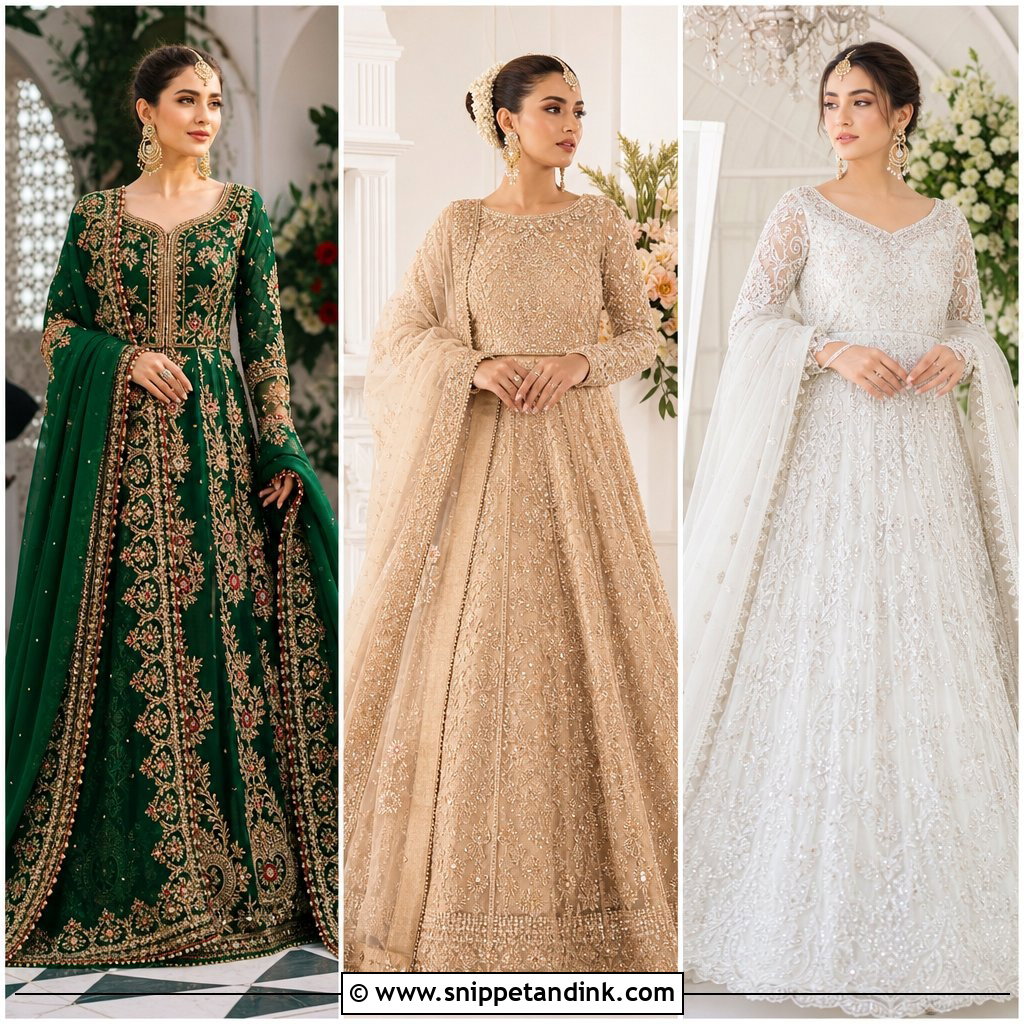
Emerald is the most striking partner for barat red. Keep the base a deep red lehenga and blouse with antique gold work, then bring emerald in through the dupatta border, blouse panels or velvet appliqué rather than splitting the outfit into blocks. Emerald stones in a kundan or polki set repeat the accent. A red veil keeps it bridal; a second emerald dupatta over one arm adds depth. Keep both colours equally deep. A bright green beside dark red looks like a mistake, while two saturated jewel tones joined by gold read as intentional.
10. Plum Pakistani Barat Bridal Lehenga Choli
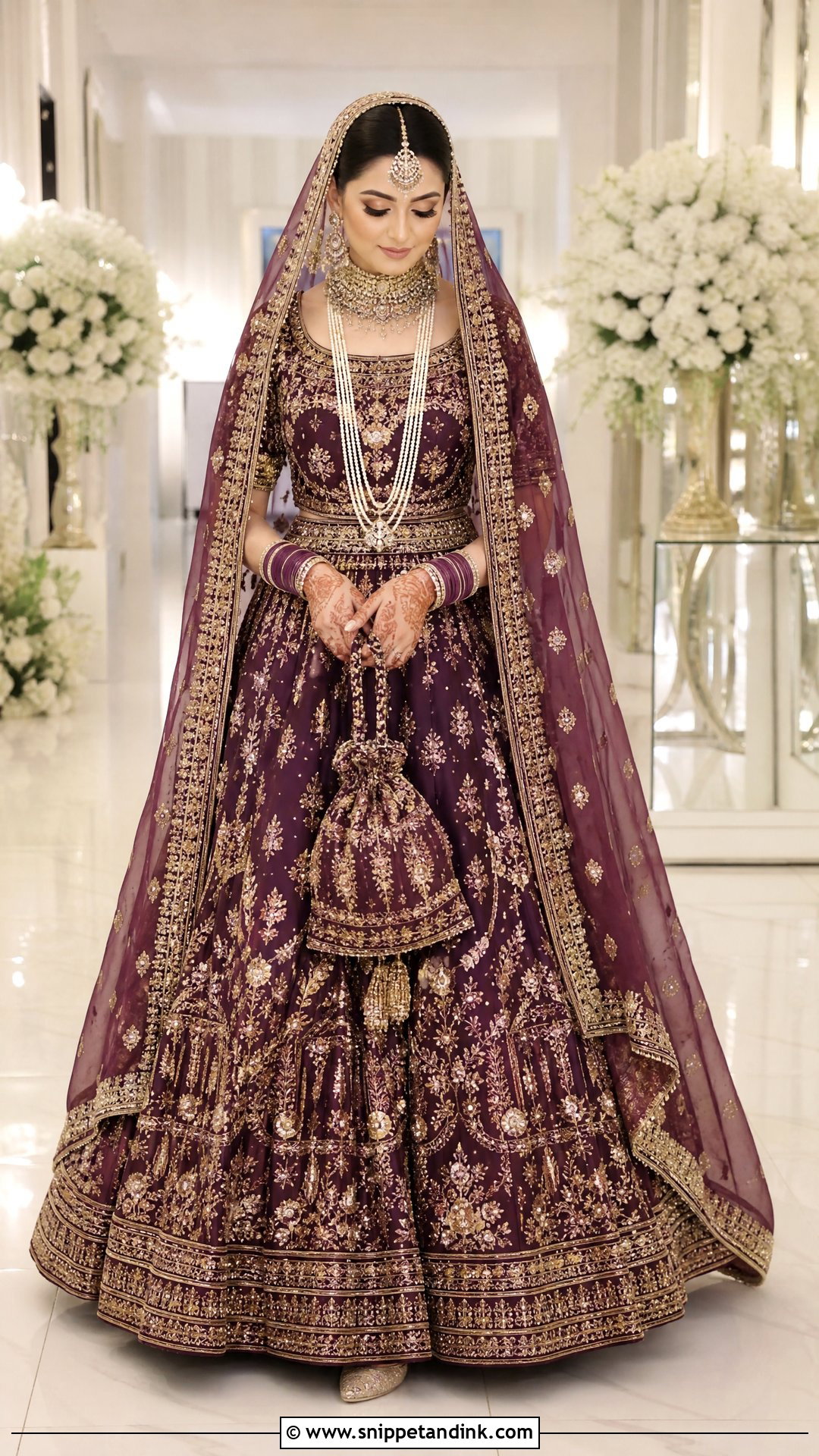
Deep plum shifts between burgundy and purple under the lights, and it is a confident alternative to red. A full skirt with antique gold zardozi, dull silver or tonal threadwork, a structured choli with supportive sleeves, and a plum organza dupatta with scattered motifs. Dark colours lose detail in evening photographs, so I always ask for reflective work at the neckline, sleeves, dupatta border and hem. Without it, a plum lehenga can photograph as a dark shape. Polki with pearl strands and metallic khussas finish it.
11. Magenta Pakistani Barat Bridal Lehenga With Gold Dupatta
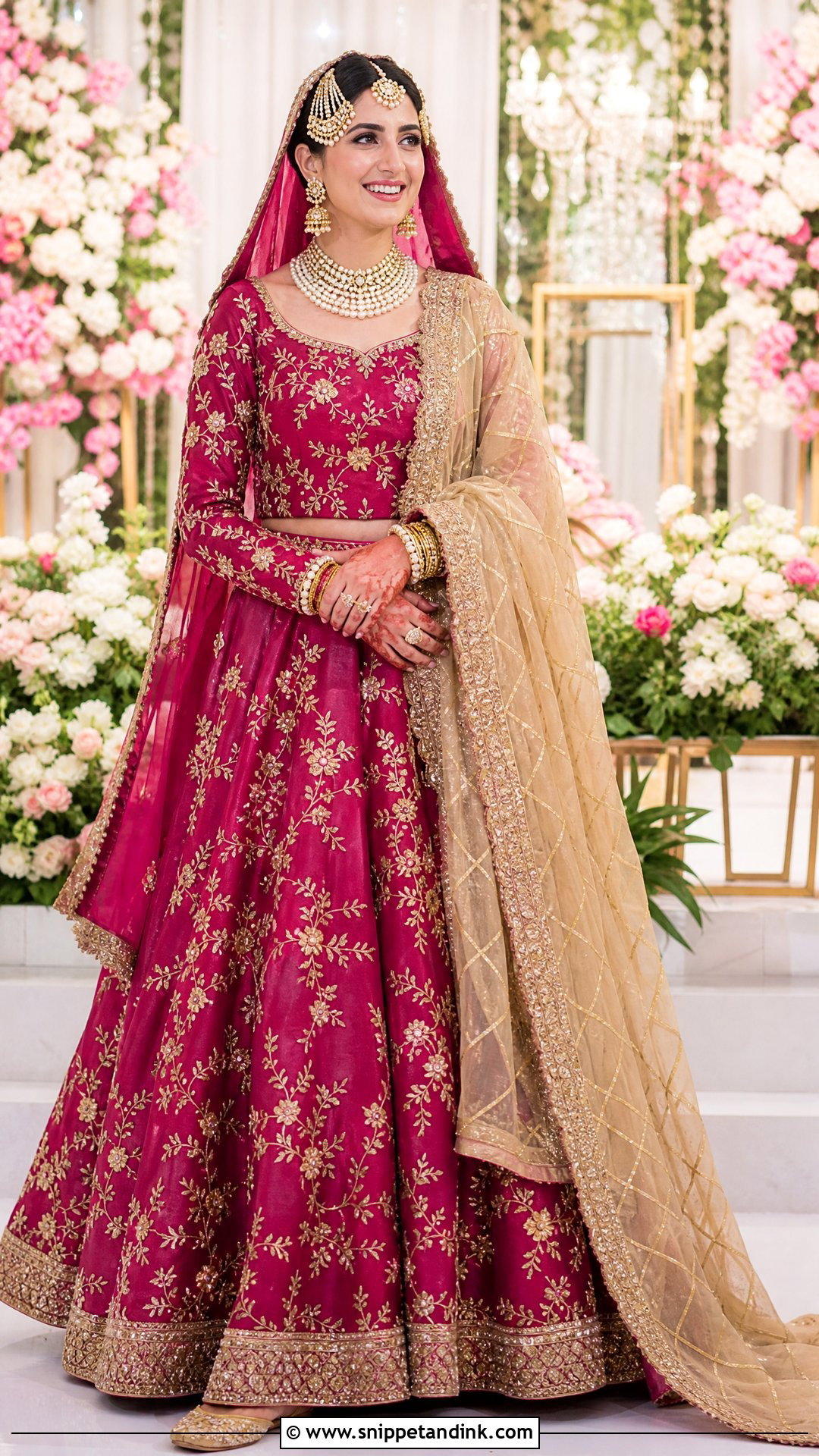
Magenta is joyful and still firmly within South Asian bridal tradition. A raw silk lehenga with gold florals, a matching blouse, a tissue-gold dupatta over one shoulder and a light magenta veil on the head. Gold jewellery with pearls or green stones gives contrast. The one thing I would avoid is adding more colours; magenta is strong enough on its own, and extra accents fight it. Ask for clean, defined borders so the shape stays crisp in photographs.
12. Burgundy Pakistani Barat Bridal Gown With Train
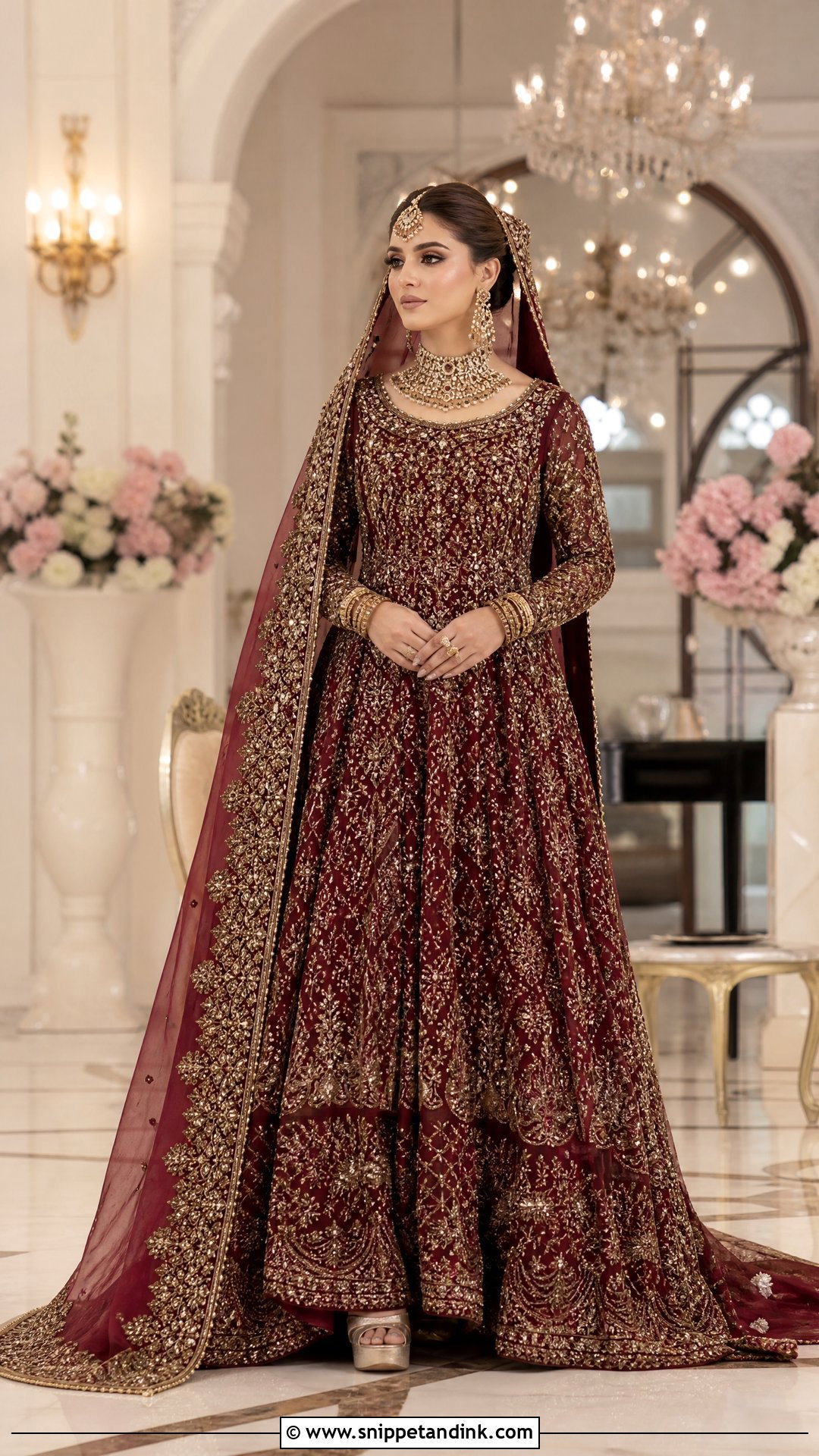
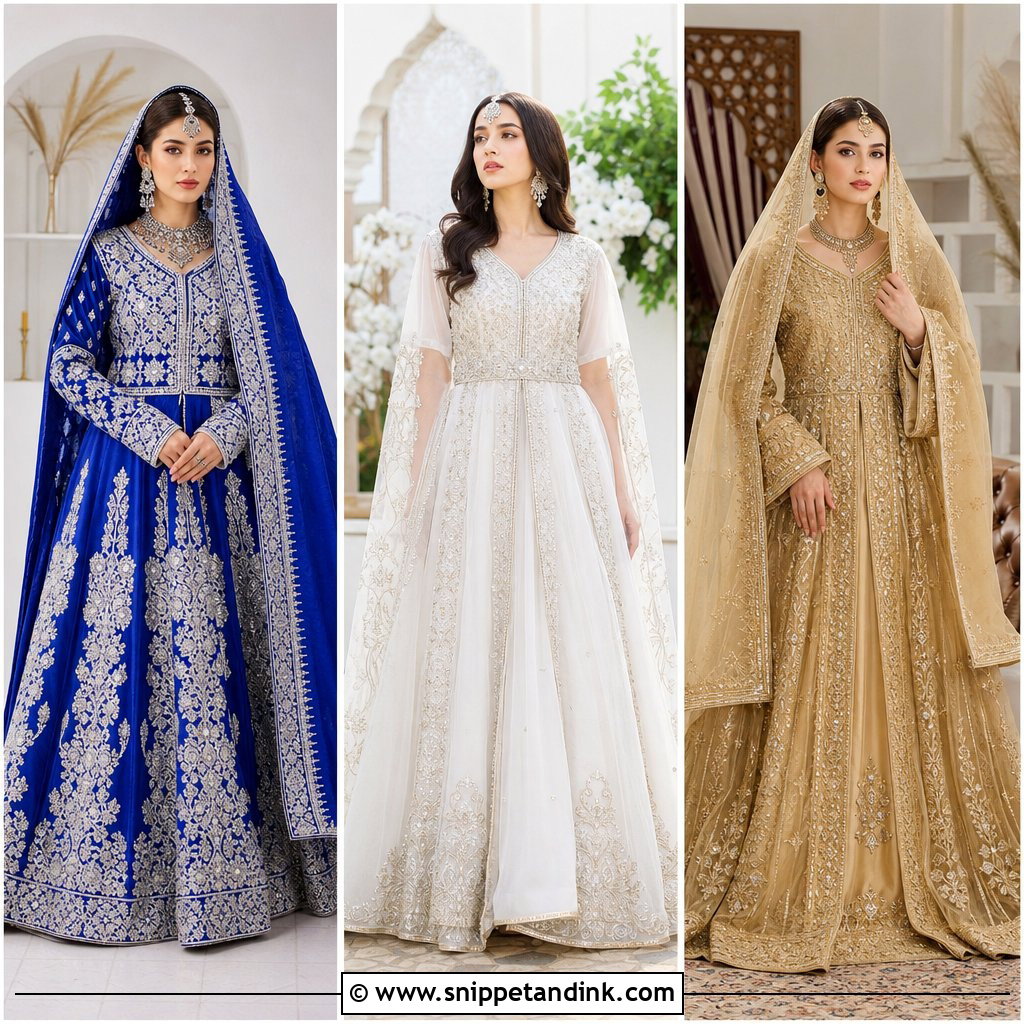
A burgundy gown with a train gives a flowing, single silhouette while keeping Pakistani handwork. A fitted bodice with full or three-quarter sleeves, a gradually flared skirt and a modest train. Zardozi, crystals and tonal embroidery should run vertically, which lengthens the body. Ask for a concealed wrist loop or bustle for the train. I insist on this for every gown with a train, because once the entrance and portraits are over, you need to walk, sit and greet without someone carrying your hem. A net dupatta with a detailed border, a polki choker and platform heels finish it.
13. Red Pakistani Barat Bridal Saree With Embellished Blouse
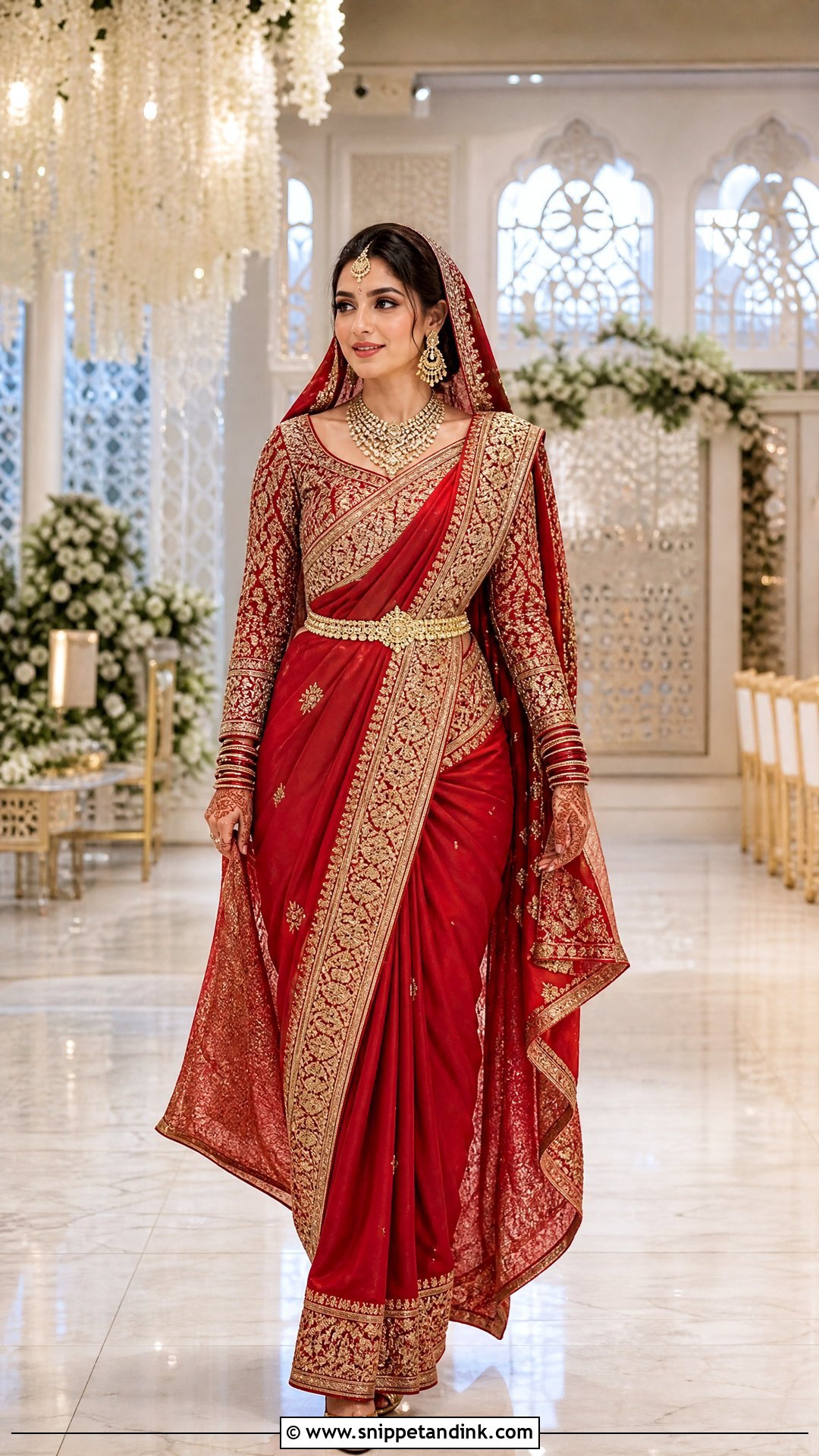
A bridal saree can carry full barat formality when the details are right. Choose red silk, a velvet-trimmed drape or a heavily bordered saree, with an embellished blouse that gives secure coverage. Zardozi at the blouse neck and sleeves frames the jewellery. Drape the pallu over the head or add a separate net veil. Have the pleats pinned by someone experienced on the day; a self-draped bridal saree with a heavy border rarely holds through hours of sitting. A waist belt helps lock the drape in place. It suits brides who want less volume than a lehenga.
14. Red Pakistani Barat Bridal Gharara With Short Kurti
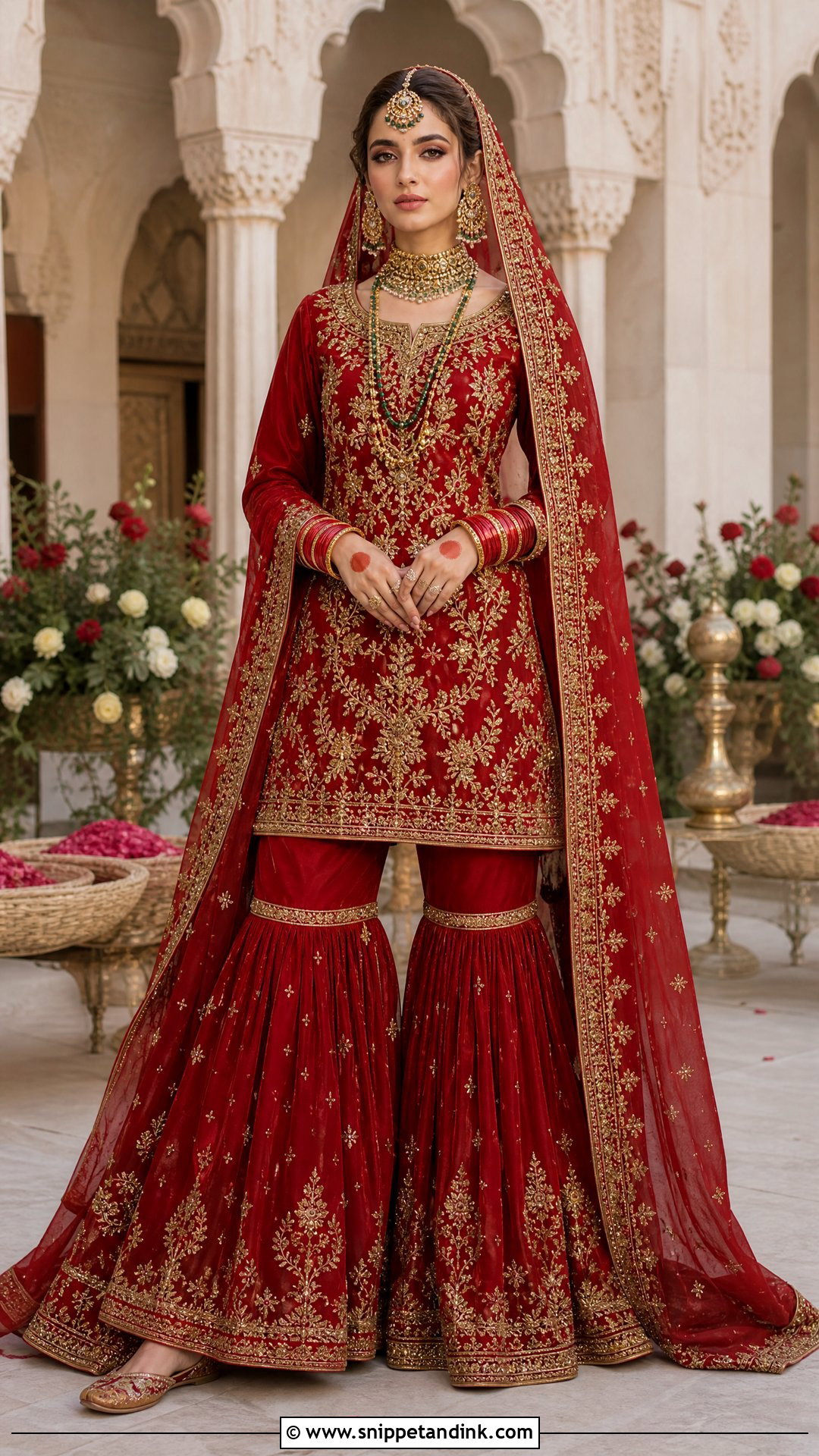
A short kurti over a gharara gives a vintage barat look with a clear line between fitted top and flared trousers. A deep red kurti ending at the upper thigh, worked in dabka, pearls and fine thread, over a matching gharara with an ornate knee band and full hem. Proportion is everything. Fit it in your actual wedding shoes so the knee band sits exactly at the knee and the hem skims the floor without bunching. A knee band sitting even an inch low is enough to spoil the whole line. A heavy-bordered red dupatta, a large tikka and layered necklaces complete it.
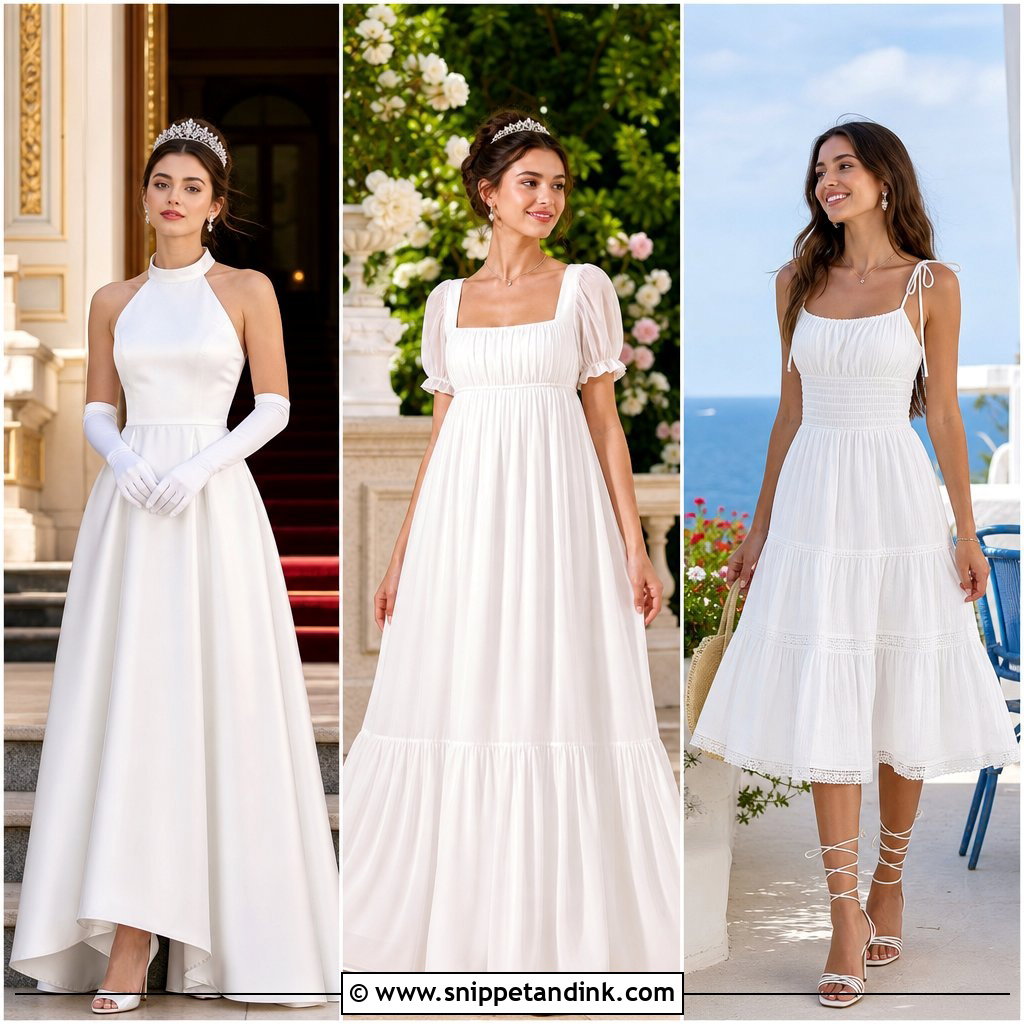
15. Crimson Pakistani Barat Bridal Anarkali With Churidar
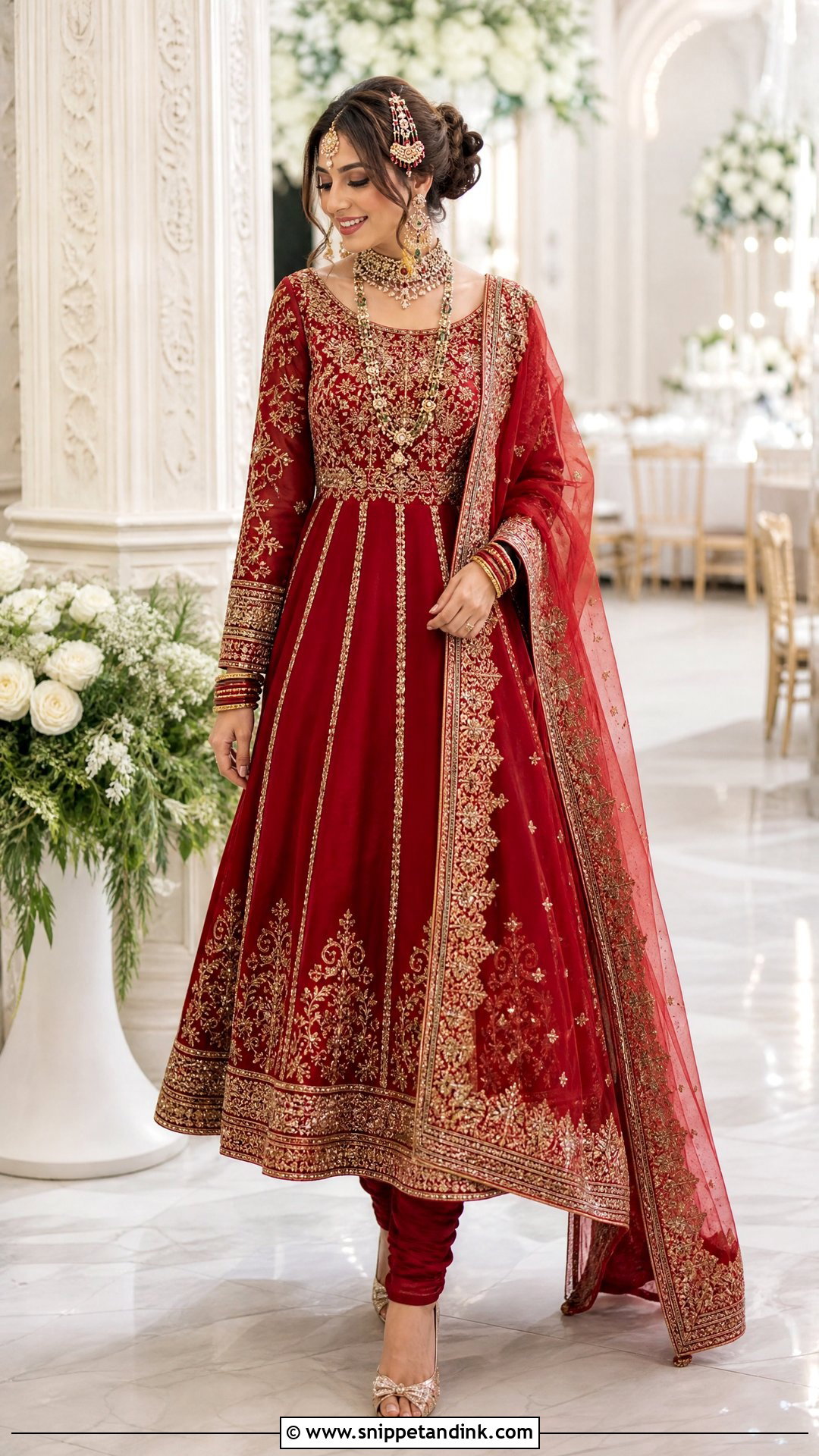
A crimson anarkali with churidar gives one long, continuous line. A fitted bodice and generously cut kalis create movement without a separate skirt. Gold work at the neckline, waist, cuffs and hem gives it structure. I add a light, structured underskirt so the kalis hold their shape while seated, then fall back into place when you stand. A sheer embroidered dupatta over the head, a choker, a passa and comfortable gold heels finish it. It is practical for indoor venues where a big train or wide skirt would struggle between tables.
16. Ivory And Red Pakistani Barat Bridal Lehenga
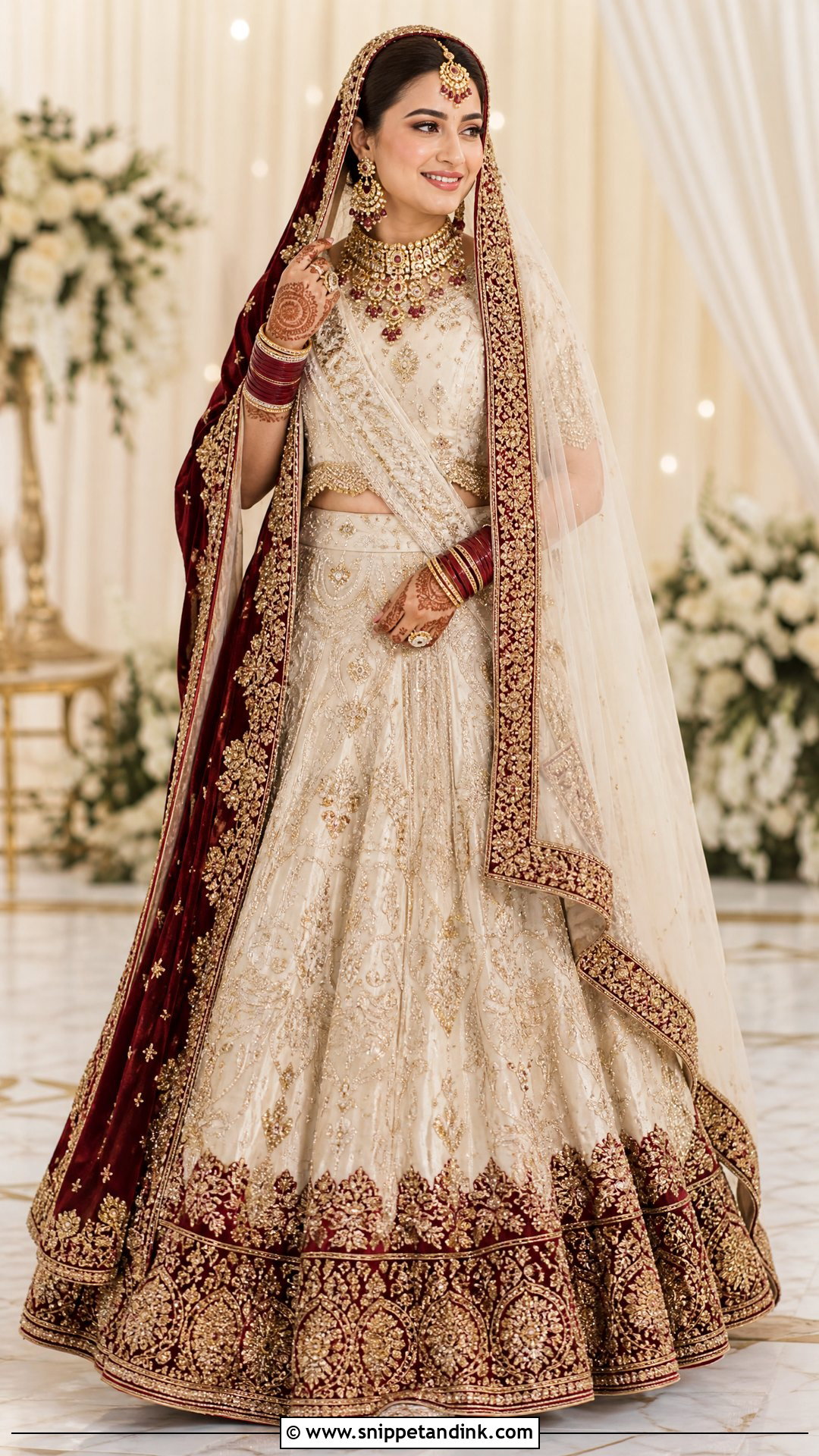
Ivory with red accents gives a lighter, luminous barat outfit. An ivory lehenga and blouse in antique gold embroidery, with red through velvet borders, florals, tassels or panels. A red dupatta over the head immediately says barat; a second ivory dupatta across the body softens the contrast. Ivory needs a full lining, and I check fabric under a camera flash before committing, because some ivory nets turn bright white or slightly see-through in flash photography. Red embroidery near the hem grounds the skirt. Polki with ruby stones and ivory khussas finish it.
17. Antique Gold Pakistani Barat Bridal Tissue Lehenga
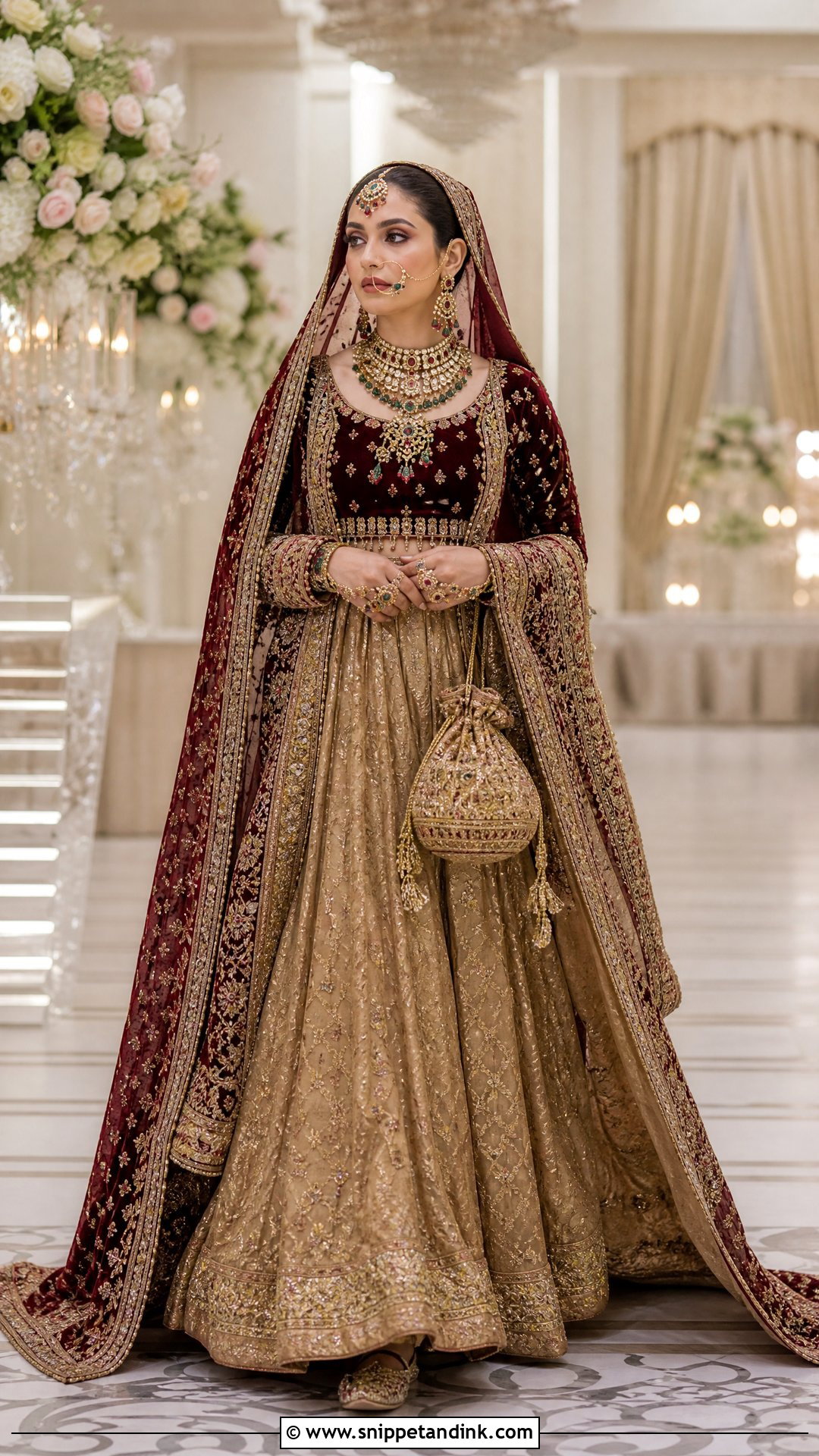
Antique gold tissue glows without a red base. A full tissue lehenga with muted zardozi, bronze threadwork and spaced florals, paired with a blouse in antique gold or deep red velvet for definition. A red or maroon dupatta over the head brings traditional colour. Tissue is crisp and can scratch, so I always ask for a soft lining and moderate skirt volume. Keep the dupatta lighter than the skirt, or it stands stiff around the shoulders. Aged gold jewellery with pearls and coloured stones suits it better than polished yellow gold.
18. Blush Pink And Red Pakistani Barat Bridal Lehenga
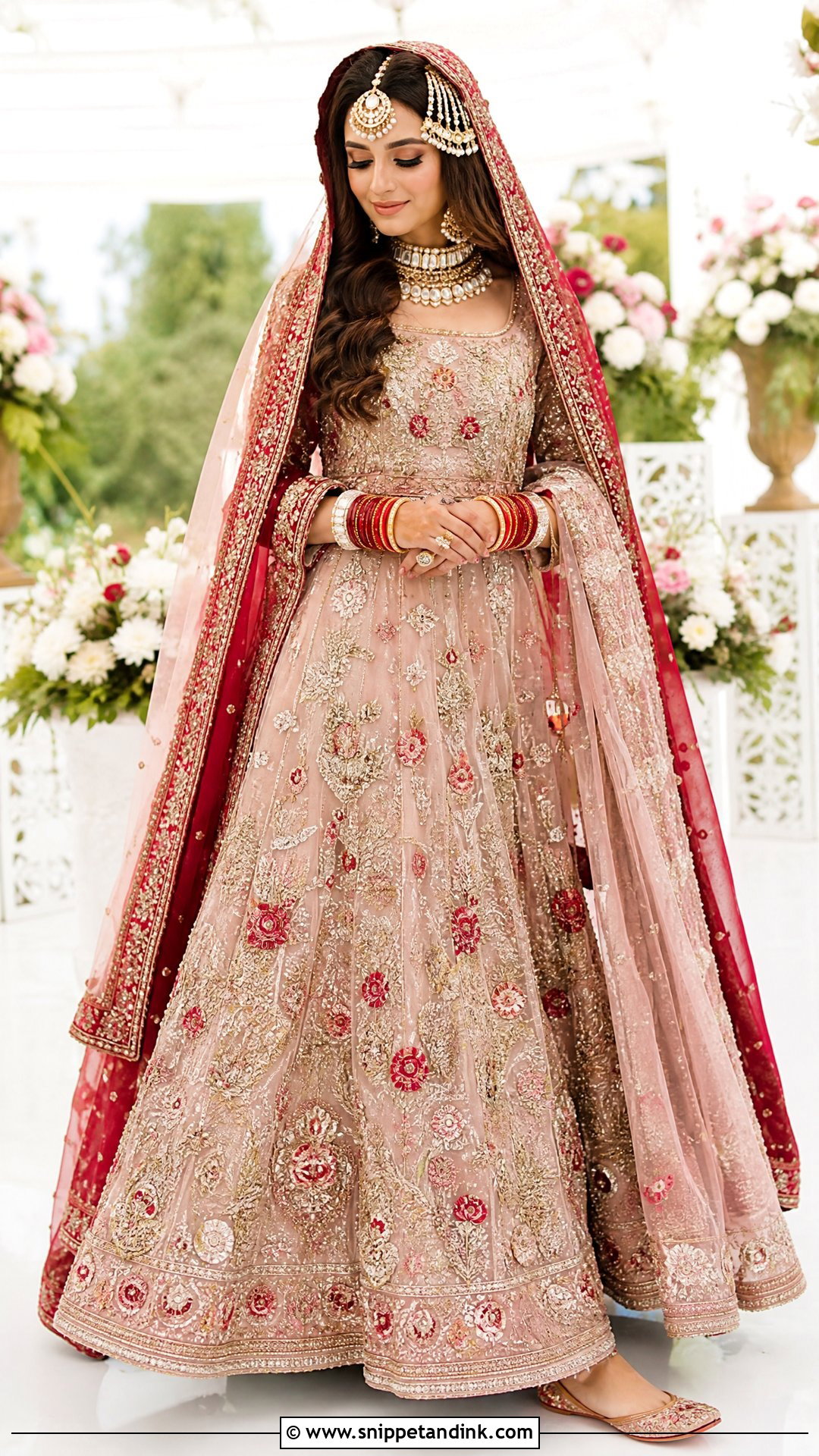
Can a softer palette feel grand enough for a barat? Blush pink with deep red accents does. A blush raw silk or organza skirt with gold embroidery, red florals and a strong red border, a matching blouse and a deep red veil. A second blush dupatta across the front links the skirt to the head covering. Keep the pink muted rather than very pale; under strong stage lighting, a pale blush can bleach out entirely. Pearl and polki jewellery, a delicate matha patti, red bangles and blush-gold khussas finish it.
19. Deep Red Pakistani Barat Bridal Maxi With Dupatta
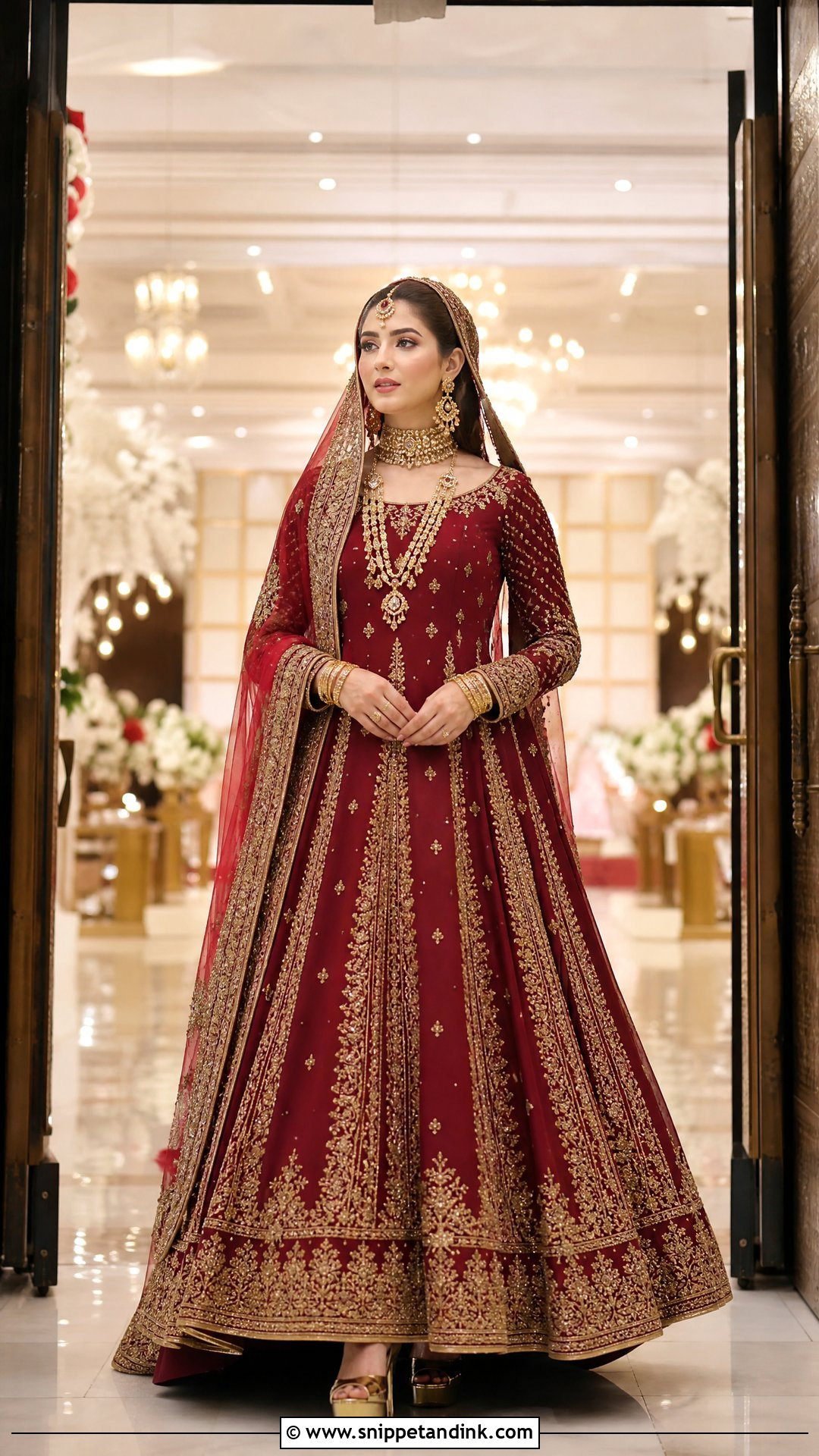
A deep red maxi gives clean lines and full coverage in one piece. A paneled maxi with a defined waist, fitted sleeves and enough flare for the entrance, with vertical gold work and a detailed hem. A richly bordered red dupatta secured over the head and shoulders, a polki choker, a layered haar and platform heels complete it. For petite brides I narrow the border, since a wide band visibly shortens the leg line. Taller brides can carry a small train. With a single garment, fit at the shoulders, waist and sleeve length has nowhere to hide.
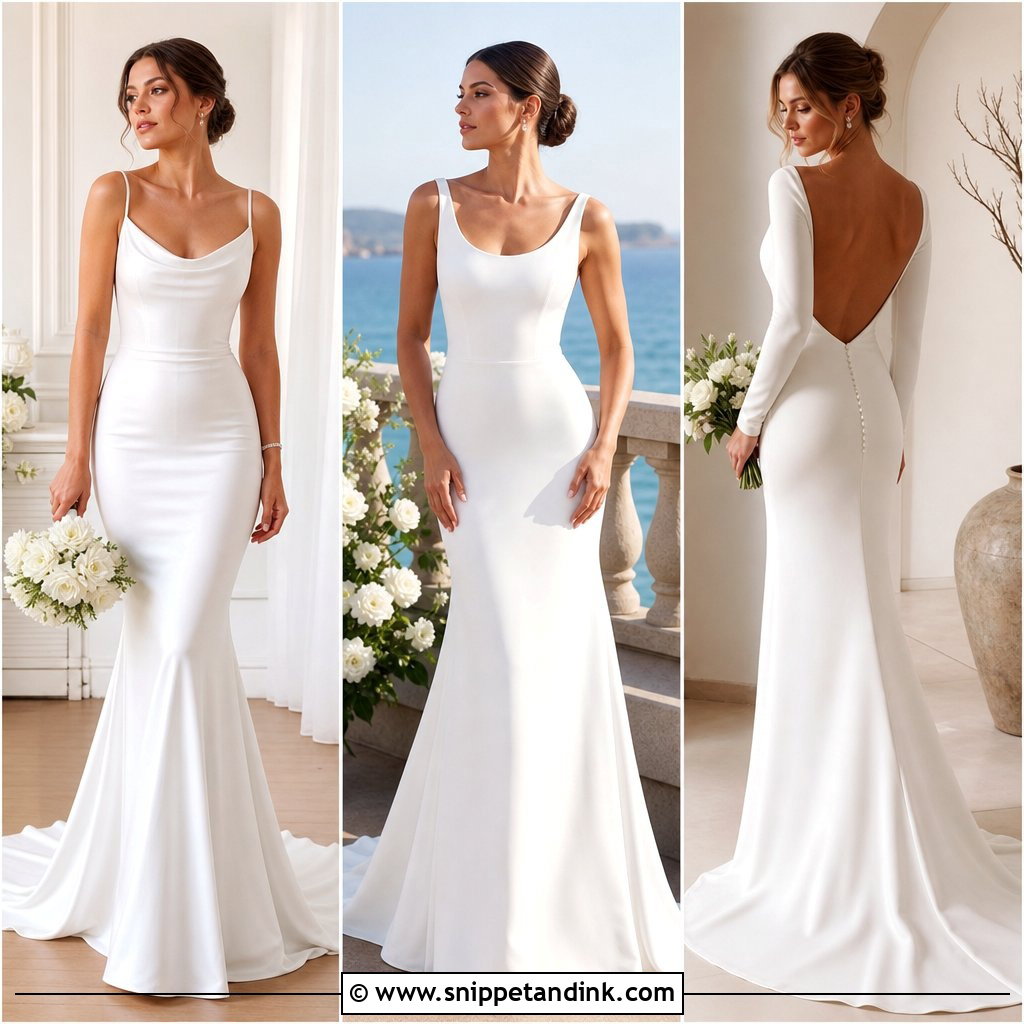
20. Red Pakistani Barat Bridal Gota Patti Lehenga
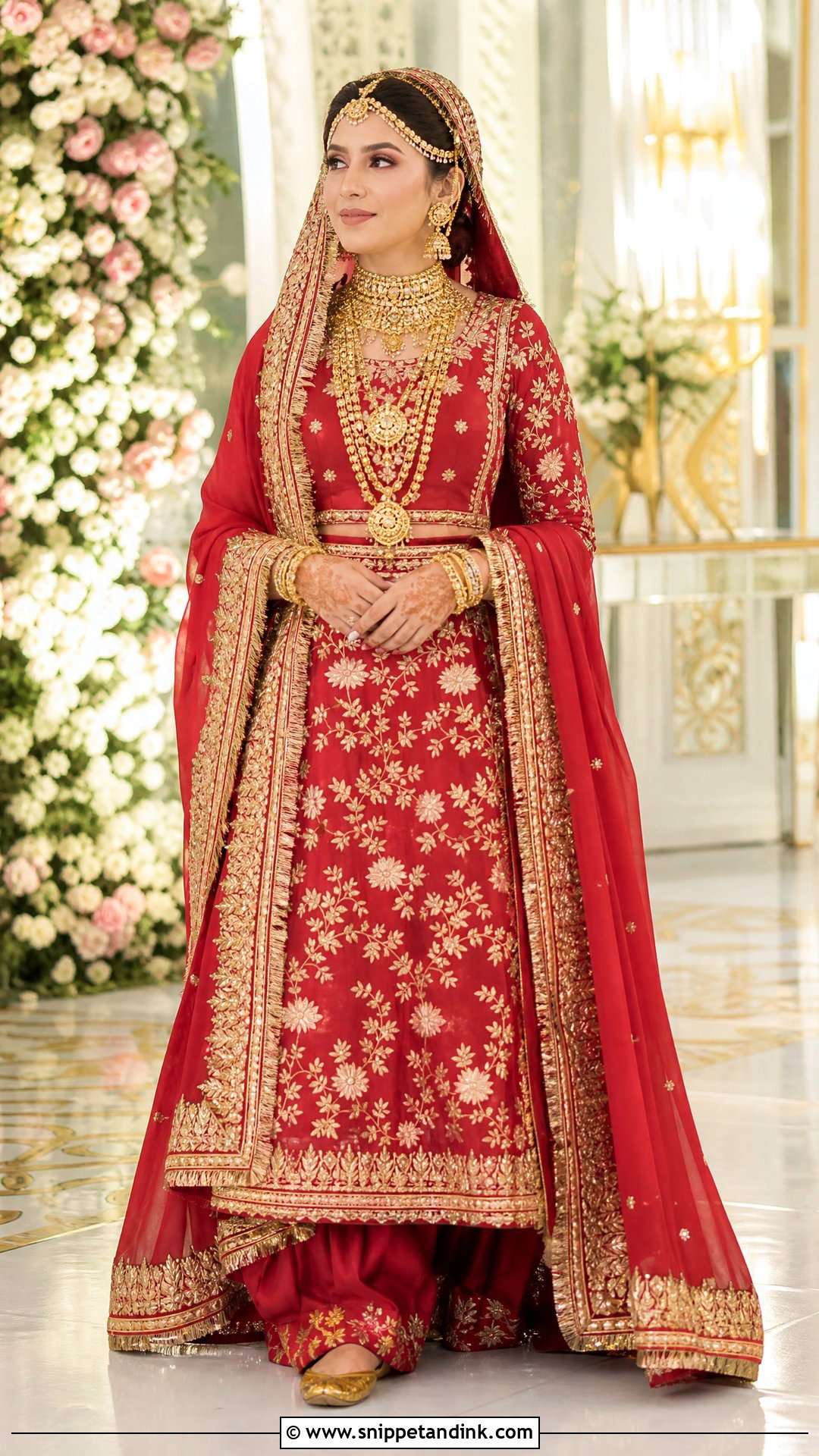
Gota patti, ribbon appliqué folded and stitched into shapes, gives a red lehenga a handmade shimmer that moves as you walk. A red raw silk or georgette base with gota florals and geometric borders, a fitted blouse repeating the border, and a red dupatta with gota edging light enough to wear over the head. I keep crystals off a gota outfit; two reflective surfaces compete. Traditional gold jewellery, a matha patti and gold khussas finish it. Gota is also lighter than heavy zardozi, which your shoulders will appreciate by the end of the night.
A Realistic Calendar for a Hand-Embroidered Barat Outfit
Hand embroidery takes time, and bridal workshops get busy before the main wedding seasons. Lead times vary a great deal between designers, so treat the plan below as a rough shape and confirm every date in writing.
- Several months out: shortlist designers, approve the design, colour swatch and embroidery sample, and pay the deposit.
- Midway: first fitting of the blouse or shirt before heavy embroidery is attached, while the shape can still change.
- About six weeks out: full fitting with your wedding shoes and a jewellery set of similar weight.
- Two to three weeks out: final fitting and hem. Leave time for one more round of alterations.
- The last week: steam, hang and pack with tissue between embroidered layers.
Pinning Two Dupattas So Your Scalp Survives
A heavy dupatta pinned straight into loose hair pulls at the roots for hours. I ask the hairstylist to build a firm base, usually a bun or a pinned section at the crown, and pin the head dupatta into that, not into the hair around the face. The second, heavier dupatta should rest on the shoulder and be pinned to the blouse, so its weight hangs from your body rather than your head. Do a practice run with both dupattas and the matha patti together before the day.
Walk It, Sit In It, Then See It Under Warm Light
Your barat outfit should feel like yours, and it should still be comfortable at the rukhsati. Classic red, jewel tones, soft contrasts, vintage ghararas, pishwas and modern structured shapes all have a place here. Pick the silhouette first, then refine fabric, handwork, dupatta placement, jewellery and shoes around it. Before the wedding, do a full trial in everything: walk, sit, turn and practise handling every layer. Look at the outfit in daylight and under bright, warm light. Good tailoring matters as much as embroidery, and balanced proportions will make you look regal without weighing you down.
You'll Like These Ideas:


Leave a Reply