
Sotho bridal fashion is one of the few traditions where a printed cotton can sit happily beside satin, lace and tulle in the same outfit. Seshoeshoe dresses, Basotho blankets and the woven mokorotlo hat are all recognised parts of Basotho dress for ceremonies, and a bride can wear them fully traditional or fold them into modern bridal tailoring. What I care about as a stylist is the whole outfit: dress, headwrap, shoes, what goes underneath and how it changes between ceremony and party. The twenty looks below are built that way, and each comes with the thing I’d check before a dressmaker starts cutting.
Mixing Seshoeshoe With Lace, Satin and Tulle Without Puckered Seams
Several of the looks below combine the printed cotton with a bridal fabric. That’s a lovely way to blend a white wedding with Basotho heritage, but the two materials behave very differently, and most problems I see in finished dresses come from treating them as if they were the same.
Shrinkage comes first
Seshoeshoe is sold starched and shrinks when it’s first washed. Satin, lace and tulle mostly don’t. Sew unwashed cotton to satin and the first time the dress is cleaned, the cotton panels tighten and the seams ripple. Wash and dry the print before cutting, every time.
Weight and drape
A cotton bodice on a tulle skirt puts a heavy piece on top of a light one. Without a firm waist stay, the skirt gets pulled down and the bodice creeps up. Lace laid over stiff cotton needs hand shaping at curves so it doesn’t buckle.
Pressing on the day
Cotton likes a hot iron; satin and tulle scorch or melt under one. If your dress mixes fabrics, whoever presses it needs to know which panel is which. A steamer held a little away from the fabric is the safest tool for the morning of the wedding.
1. Blue Sotho Wedding Dress With Matching Headwrap
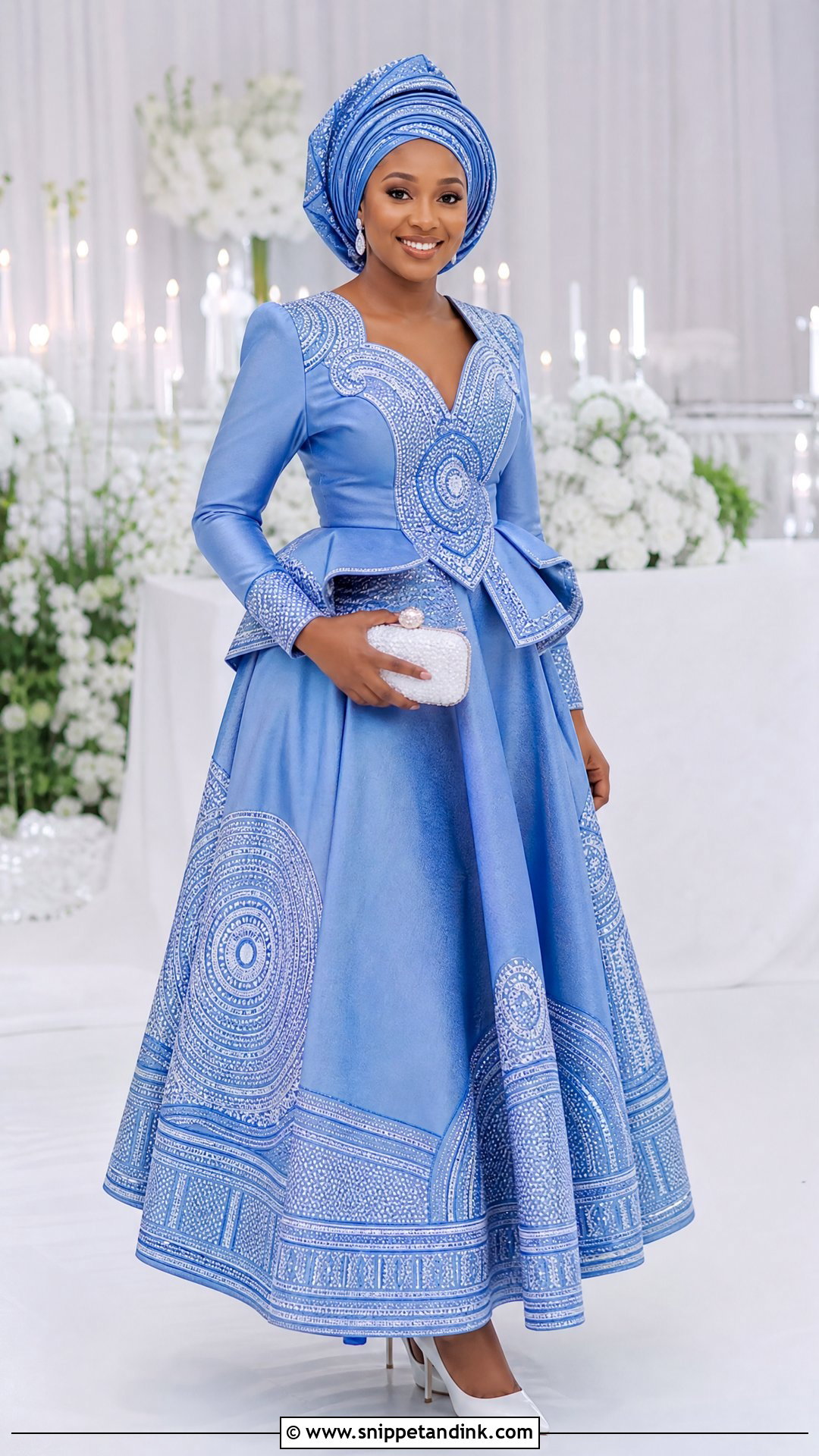
Blue is the safe first choice, and there’s nothing wrong with safe. I like a fitted peplum bodice here, with a modest round neckline and three-quarter sleeves over a long full skirt. A narrow white or silver belt marks the waist, and the headwrap is cut from the same blue cloth. White pointed pumps, pearl earrings and a small white clutch keep it bridal. If you’d like more volume, add a soft underskirt rather than gathering more fabric into the waist, because extra cotton at the waistline thickens your middle in a way petticoat volume doesn’t.
2. Red Sotho Wedding Dress With White Lace
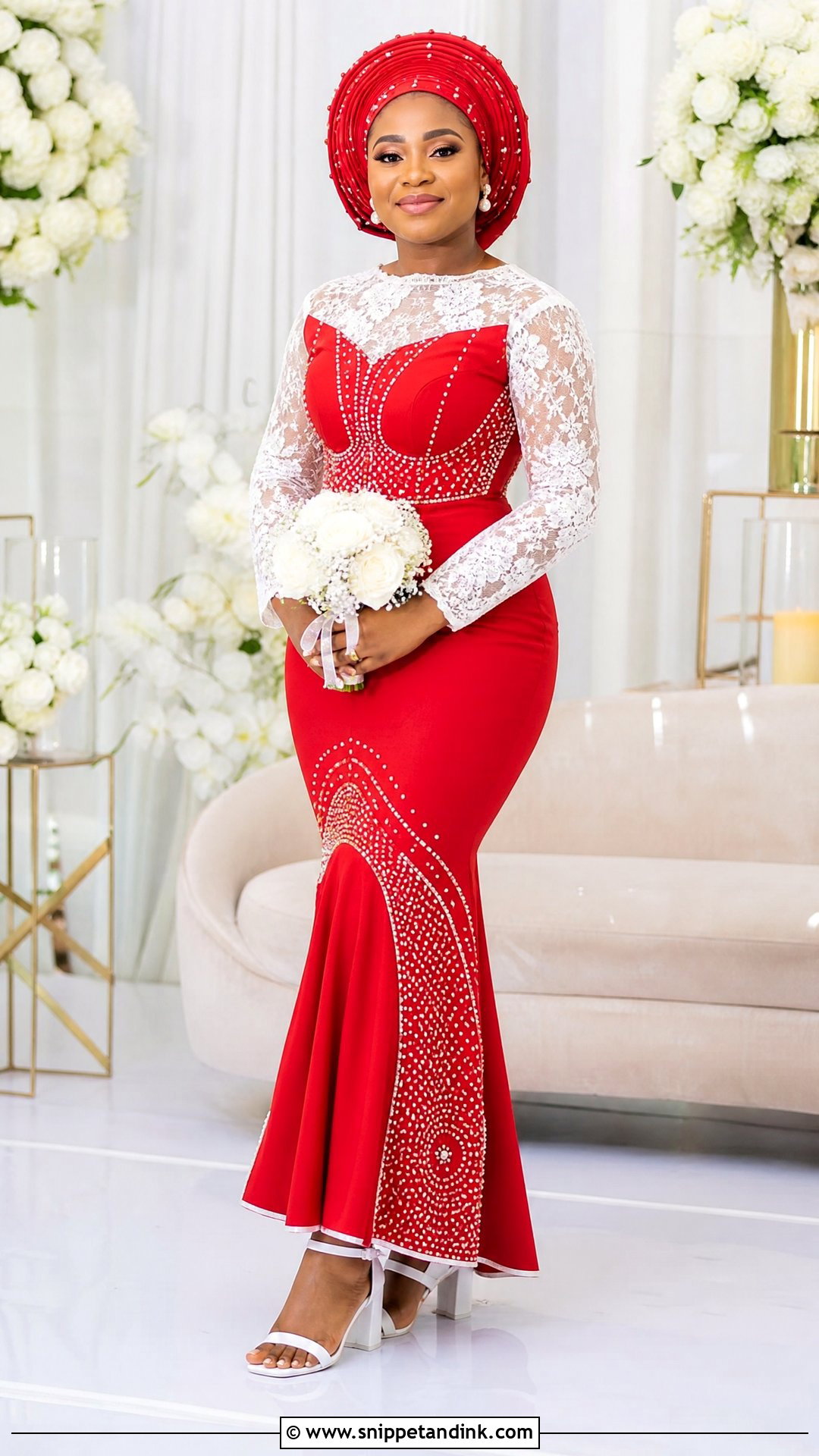
Red print with white lace is a strong pairing, and also one of the trickier ones to sew. The cut is a fitted floor-length dress flaring into a gentle mermaid skirt, with lace framing the neckline, covering the sleeves and running down a bodice panel. A matching red headwrap and white block-heel sandals finish it. Keep earrings small: the fabric is doing the talking. The detail I’d watch is how the lace is applied. Laid flat over stiff cotton, lace can pucker at the curves, so ask the dressmaker to hand-shape it around the bodice seams. A few white flowers in the bouquet will lift the red in photos.
3. Green Sotho Wedding Dress With Off-Shoulder Bodice
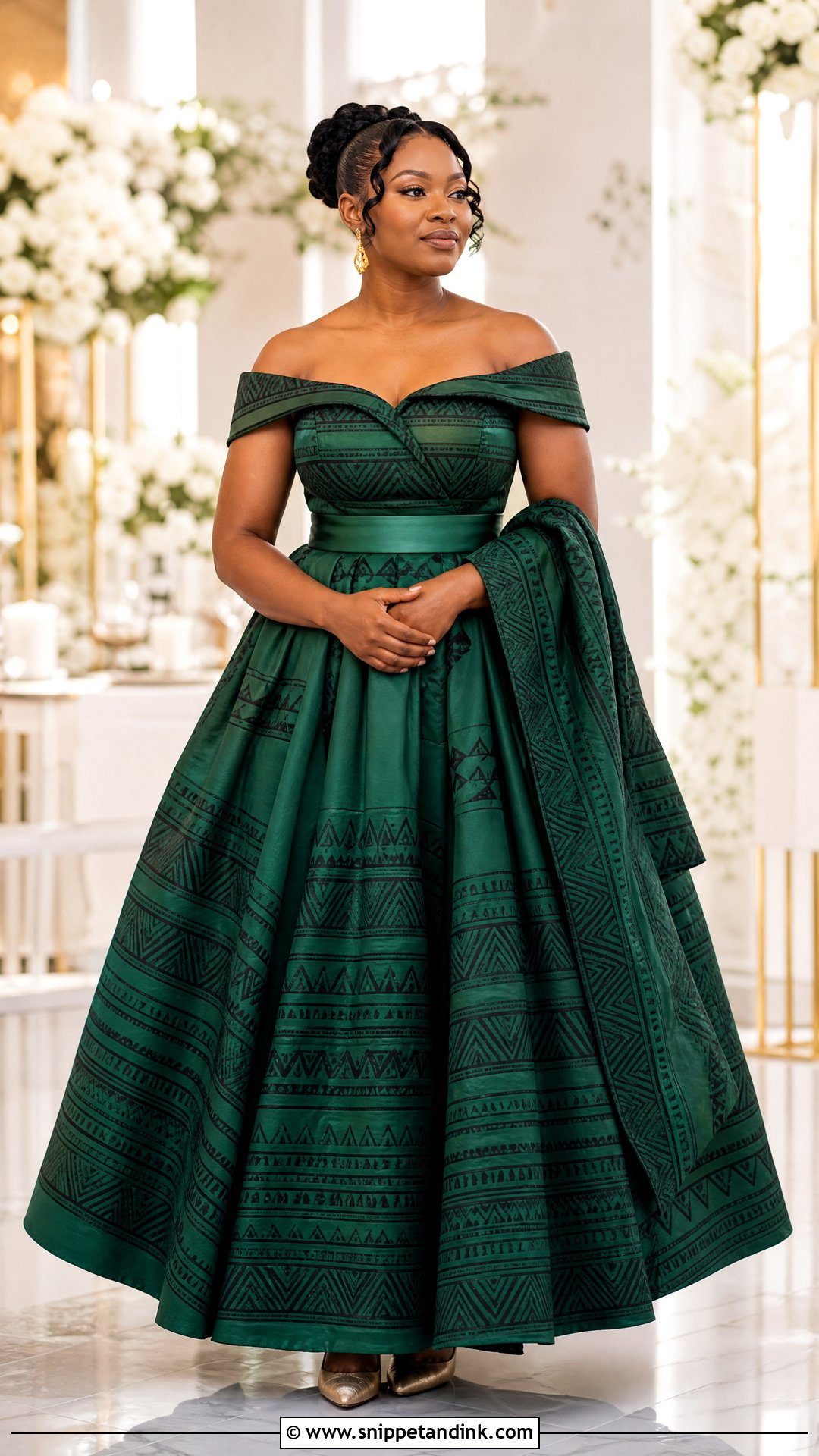
Off-shoulder necklines need structure, full stop. In emerald or forest green, a folded neckline that frames the shoulders over a defined waist and sweeping ball-gown skirt is a proper evening entrance look. Plain green satin at the neckline or waistband adds contrast without a new colour. Gold drop earrings, a slim bracelet and metallic low heels complete it. My own fitting habit with this cut is to have the bride hug someone and raise her arms; if the neckline slides, it needs boning or a silicone grip strip. Removable sheer sleeves or a matching wrap cover the shoulders for any part of the day that calls for it.
4. Navy Sotho Wedding Dress With Long Sleeves
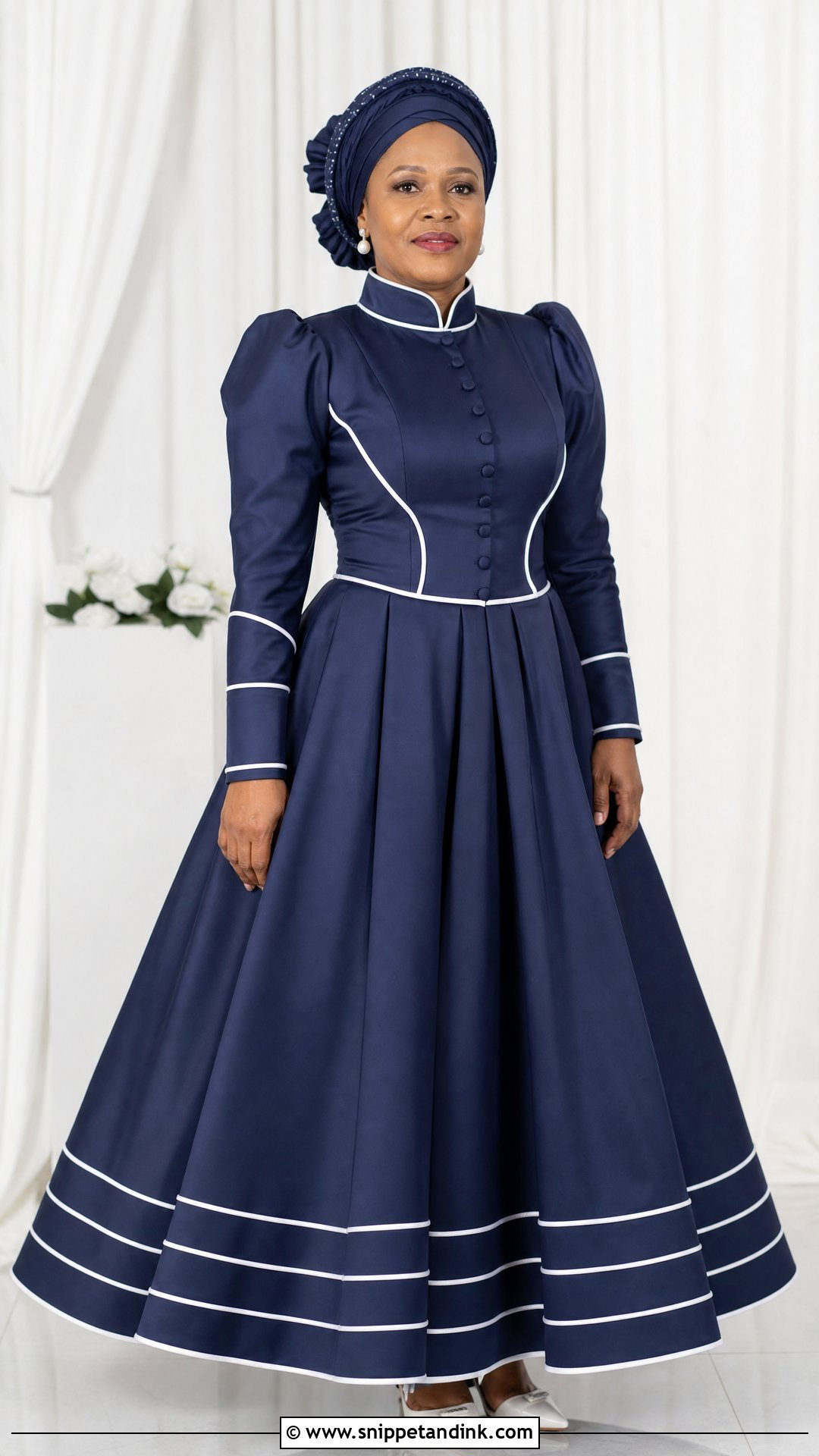
Navy with long sleeves is the outfit I suggest to a bride who says she wants to feel dignified rather than decorated. A fitted bodice with a high round neck, long sleeves and covered buttons down the back sits over a wide A-line skirt, so it never looks stern. Narrow white piping at the cuffs, waist and neckline shows the construction. Navy or white closed heels, pearl studs and a matching headwrap are enough. In cool weather, a short fitted capelet in the same print is warmer than a blanket and lighter to carry. Navy also hides the creases from a long sit better than any pale print.
5. Burgundy Sotho Wedding Dress With Basotho Blanket Cape
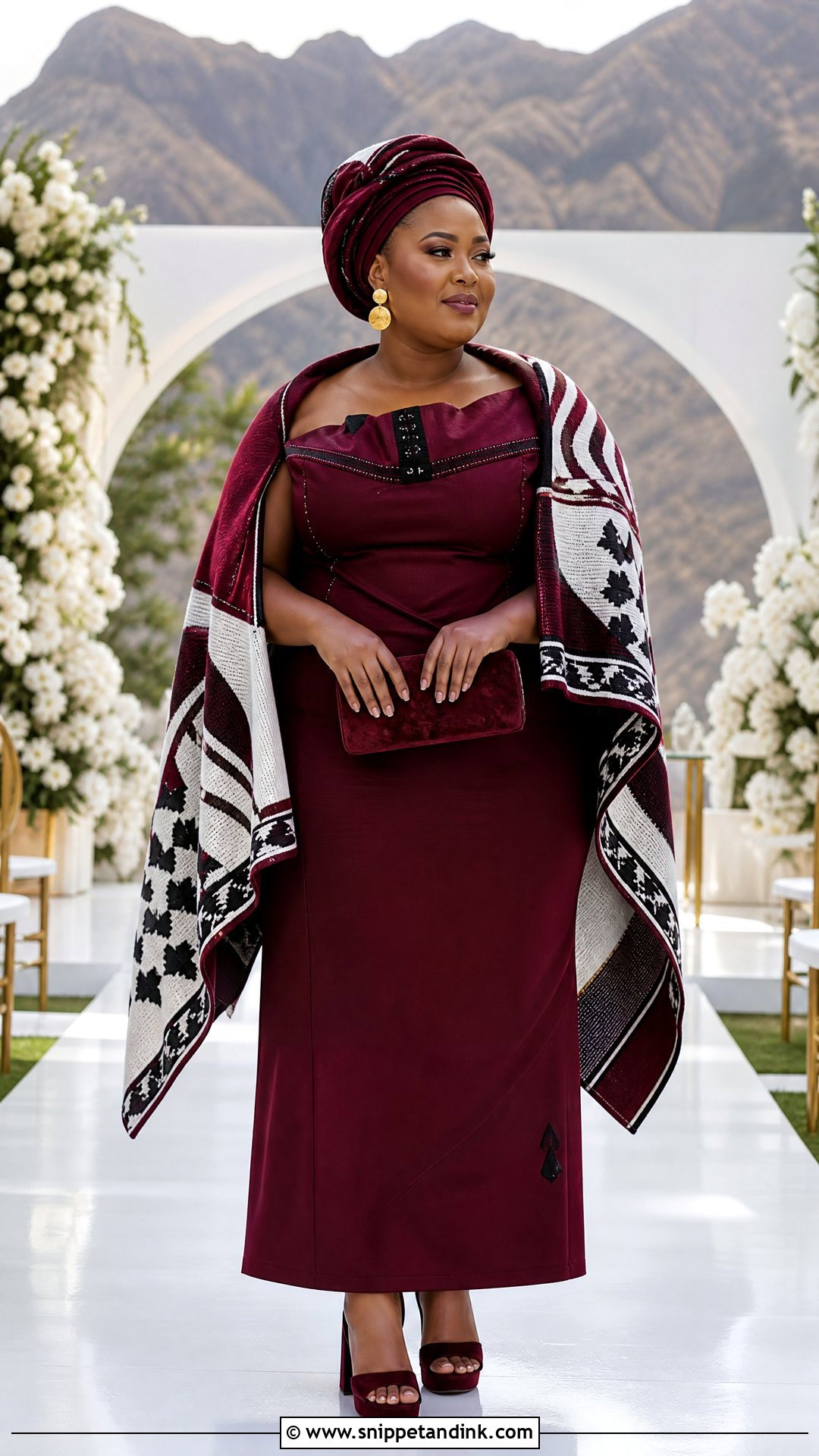
Winter weddings are where a Basotho blanket really earns its place. Start with a burgundy seshoeshoe column gown with a defined waist and a small back slit, then drape a complementary blanket over the shoulders like a cape so the print still shows below. Use a brooch only if that fastening is right for your family. Burgundy block heels, gold earrings and a velvet clutch carry the colour. Keep the headwrap smooth so the top half doesn’t fight the blanket. Blanket patterns can carry meaning within families, so I always send the bride to her relatives before we settle on one.
6. Royal Blue Sotho Wedding Dress With Peplum Top
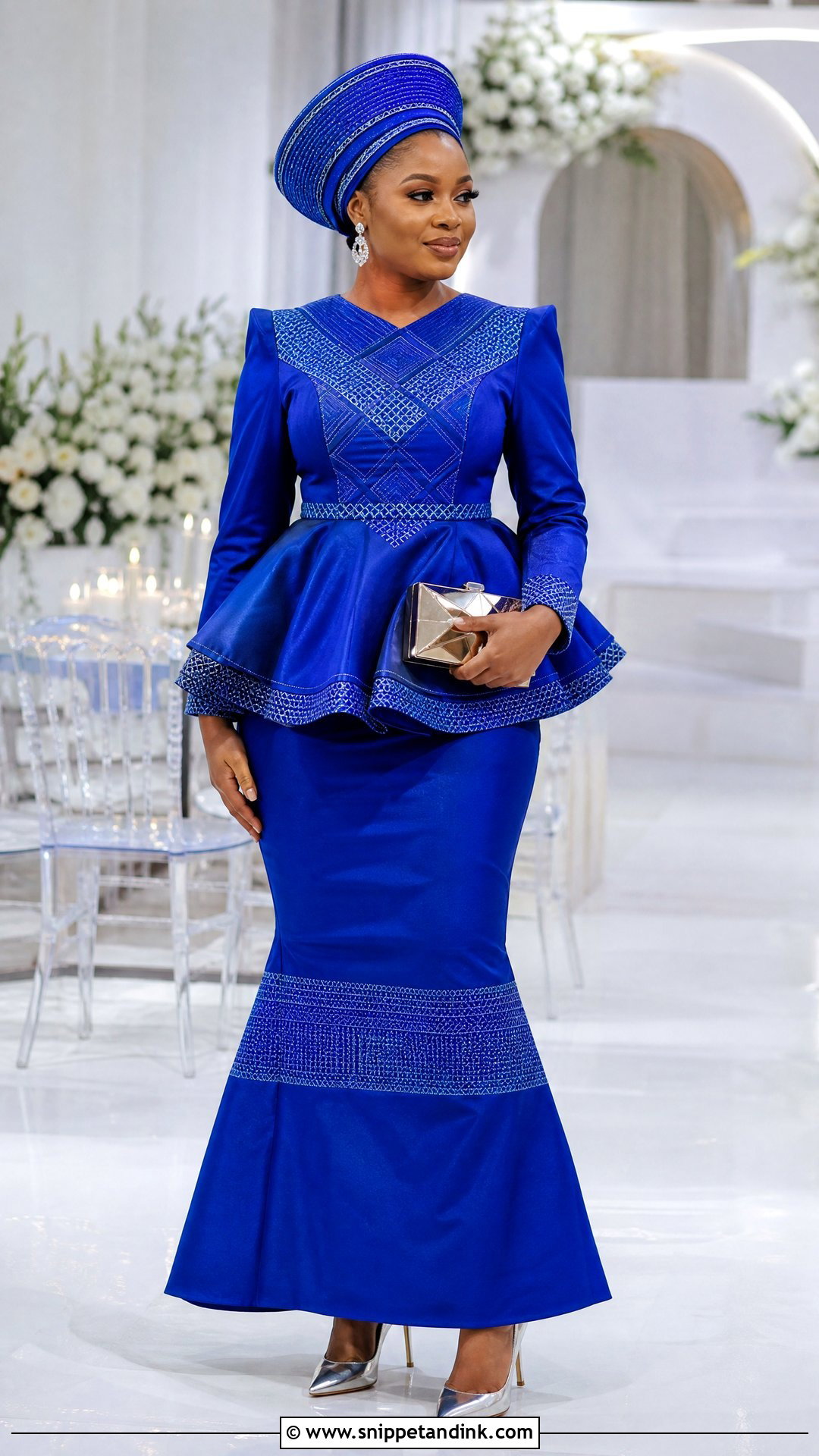
This one looks like a dress and behaves like separates, which is exactly why I like it. A royal blue fitted top with elbow sleeves, a V neckline and a peplum ending just below the waist sits over a high-waisted trumpet skirt. Silver pumps, crystal studs and a metallic clutch keep it clean, and the headwrap can carry a small silver accent. Because top and skirt are fitted separately, alterations are easier and cheaper, and it’s simple to sit, eat and use the bathroom in. Make sure the peplum overlaps the skirt by a few centimetres so no gap opens when you raise your arms.
7. White Sotho Wedding Dress With Seshoeshoe Panels
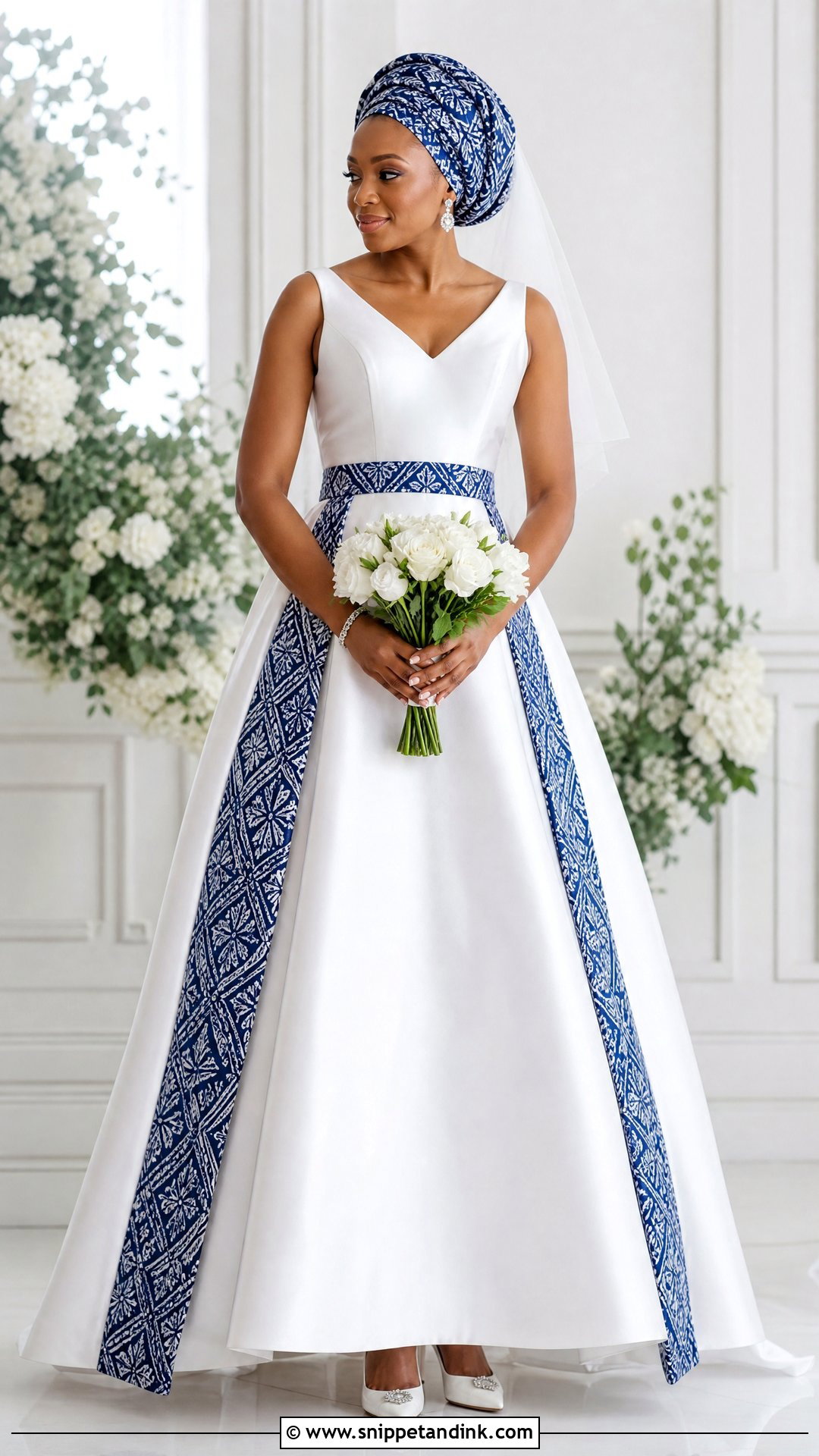
Can’t decide between a white gown and printed fabric? Put both in one dress. A white satin A-line with blue seshoeshoe panels down the sides of the bodice, opening through the skirt, shows more print as you walk. Add a print waistband, matching headwrap, white pumps and small silver earrings. A short veil can be pinned behind the headwrap if it suits the ceremony. The technical catch is that satin and cotton shrink and press differently, so the seshoeshoe has to be washed before it’s joined to the satin, and those seams should be pressed with a cloth on a low setting.
8. Yellow Sotho Wedding Dress With Puff Sleeves
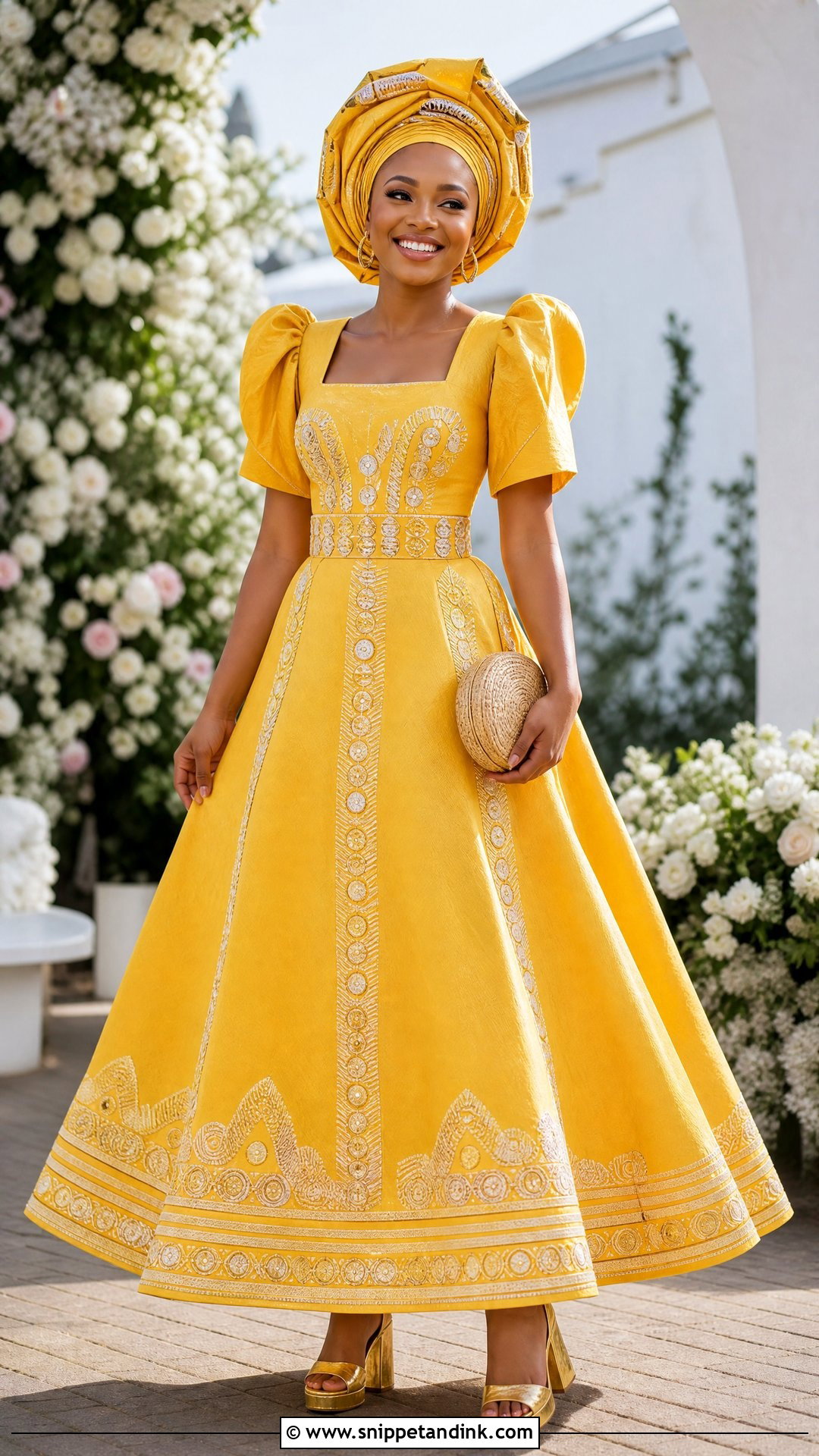
Sunny yellow seshoeshoe belongs to daytime, outdoors. Build it around a square-neck bodice with structured puff sleeves and a floor-length A-line skirt. Plain yellow at the cuffs and waistband calms the print and looks more tailored. Nude or gold block heels, small gold hoops and a woven clutch suit the mood. Shape the headwrap neatly and keep it lower than you might think, since tall wraps and big sleeves together crowd the shoulder line. A removable fabric belt with a covered buckle adds definition. The skirt moves freely enough for greetings and dancing.
9. Purple Sotho Wedding Dress With One-Shoulder Neckline
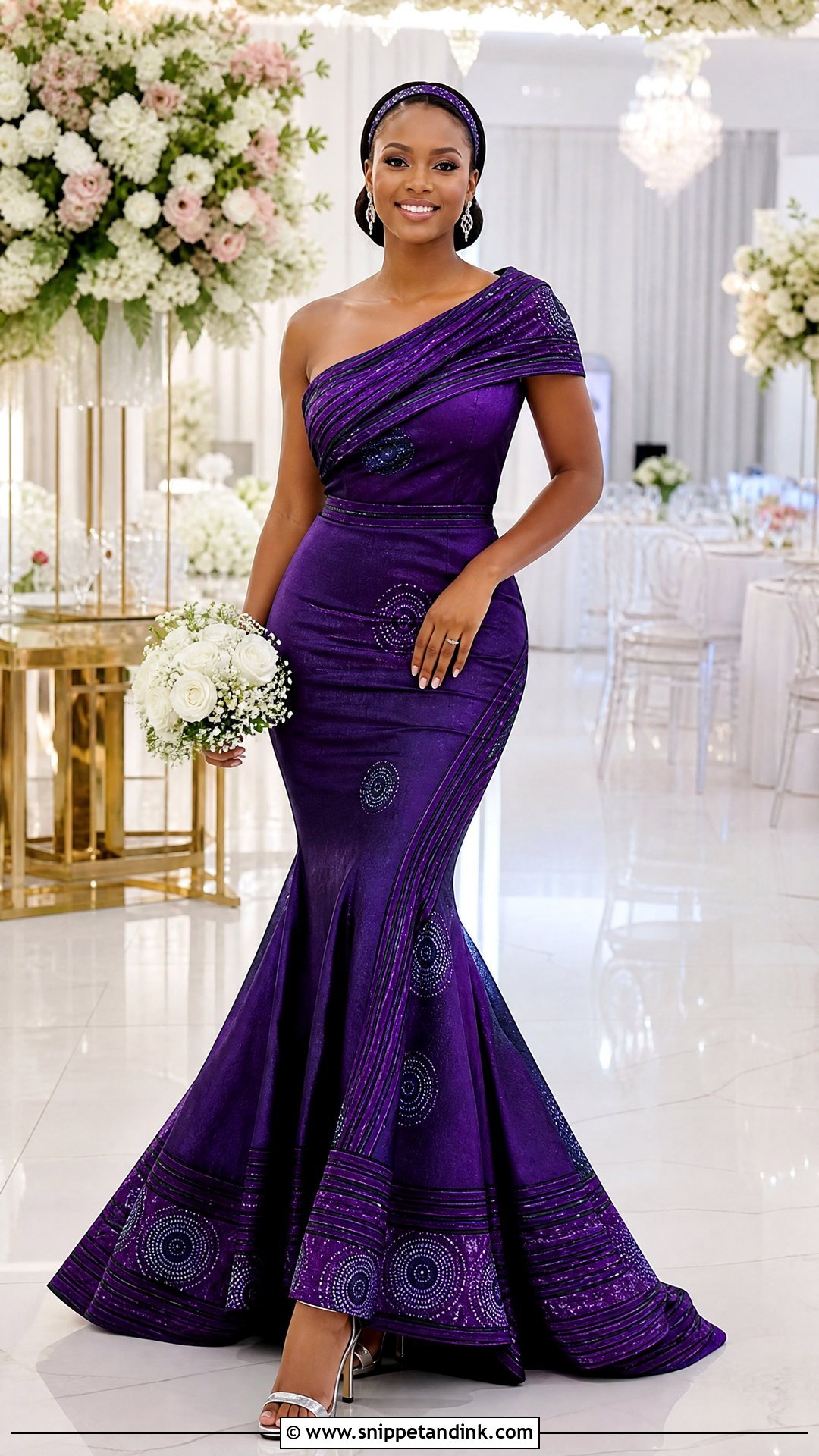
One-shoulder gowns in cotton need more internal engineering than people expect. In deep purple, I’d cut an asymmetric bodice with one wide supportive strap and a soft drape across the neckline, over a long trumpet or gentle mermaid skirt. Silver heels, a simple bracelet and small drops are enough. A big headwrap hides the neckline, so I’d go for a slim matching headband or a low scarf. A removable purple wrap covers the shoulders between photos. Ask for a fully boned, lined bodice; without it, the weight of the skirt drags the open side down over the hours.
10. Black And White Sotho Wedding Dress
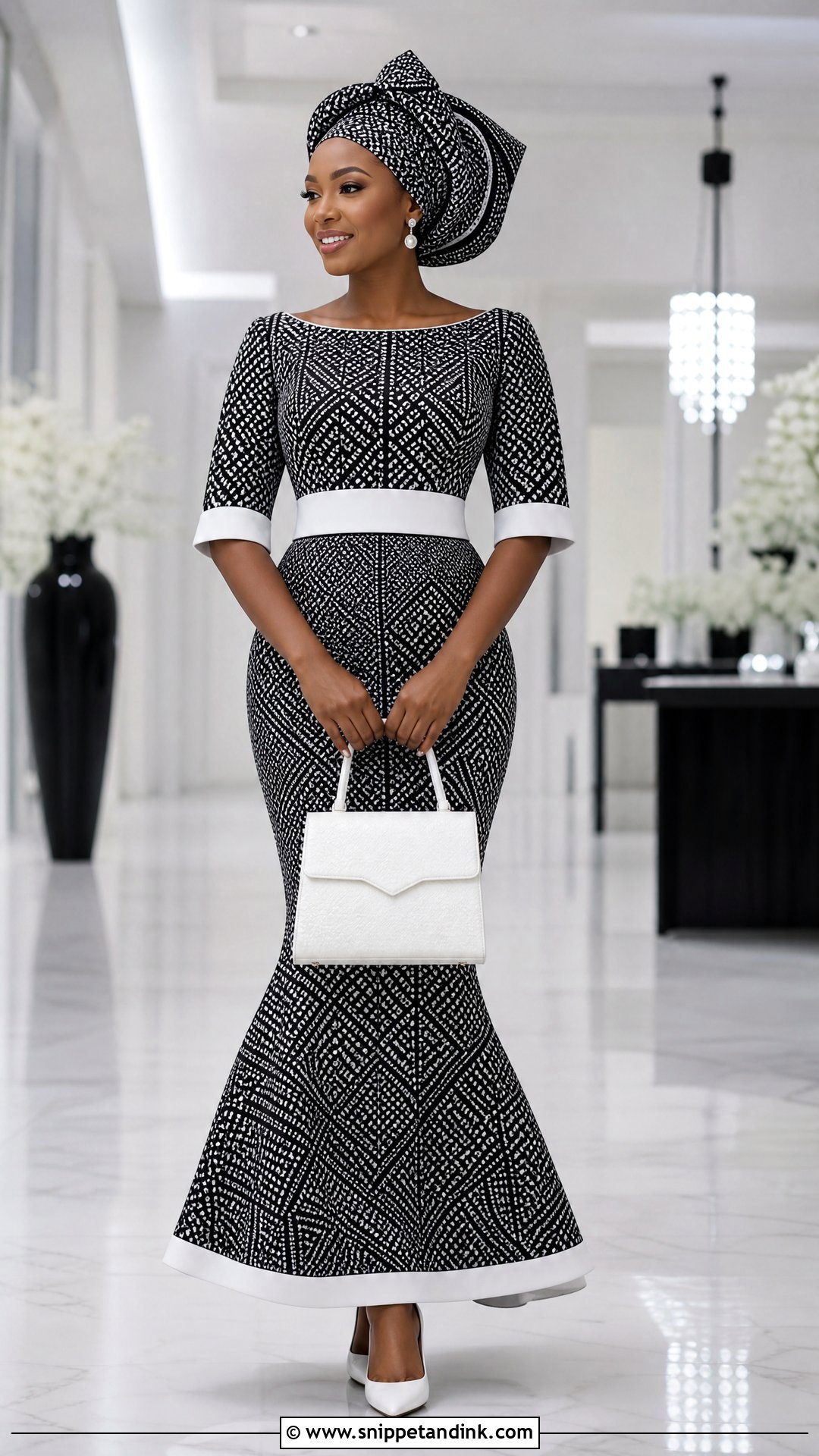
Black-and-white print is graphic and formal, and it rewards precise pattern matching more than any other colourway. Choose a fitted bateau-neck bodice, elbow sleeves and a floor-length trumpet skirt, with a plain white waistband to break up the print. White pointed pumps, pearl earrings and a structured white bag bring light to the darker areas. Finish with a folded black-and-white headwrap or a small fabric-covered hat. Leave bright accents out. Ask the dressmaker to match the print across the side seams and centre back; on monochrome, a broken stripe at the seam is the first thing the eye finds.
11. Pink Sotho Wedding Dress With Tiered Skirt
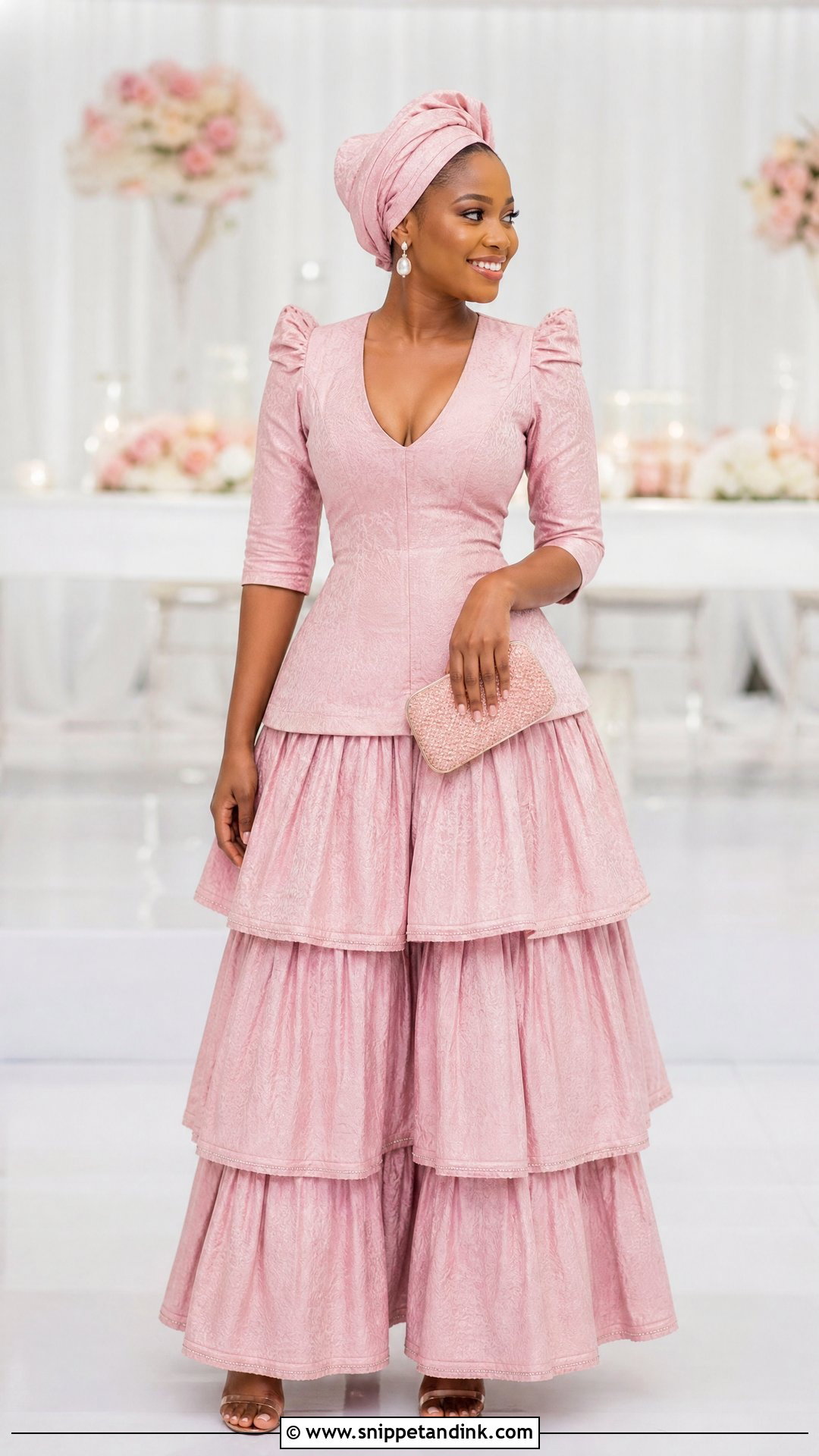
Pink print with tiers is light and fun, and it’s the cut I’d point a bride toward if she plans to dance all evening. A fitted V-neck bodice with short sleeves or straps sits over two or three broad tiers. The gathers must be controlled at the waist, otherwise the first tier adds bulk exactly where you don’t want it. Rose-gold sandals, pearl drops and a pale pink clutch keep the palette soft. A headwrap or a small floral piece made from leftover fabric ties it together. Line it fully so every tier hangs smoothly instead of collapsing onto the one below.
12. Teal Sotho Wedding Dress With Wrap Bodice
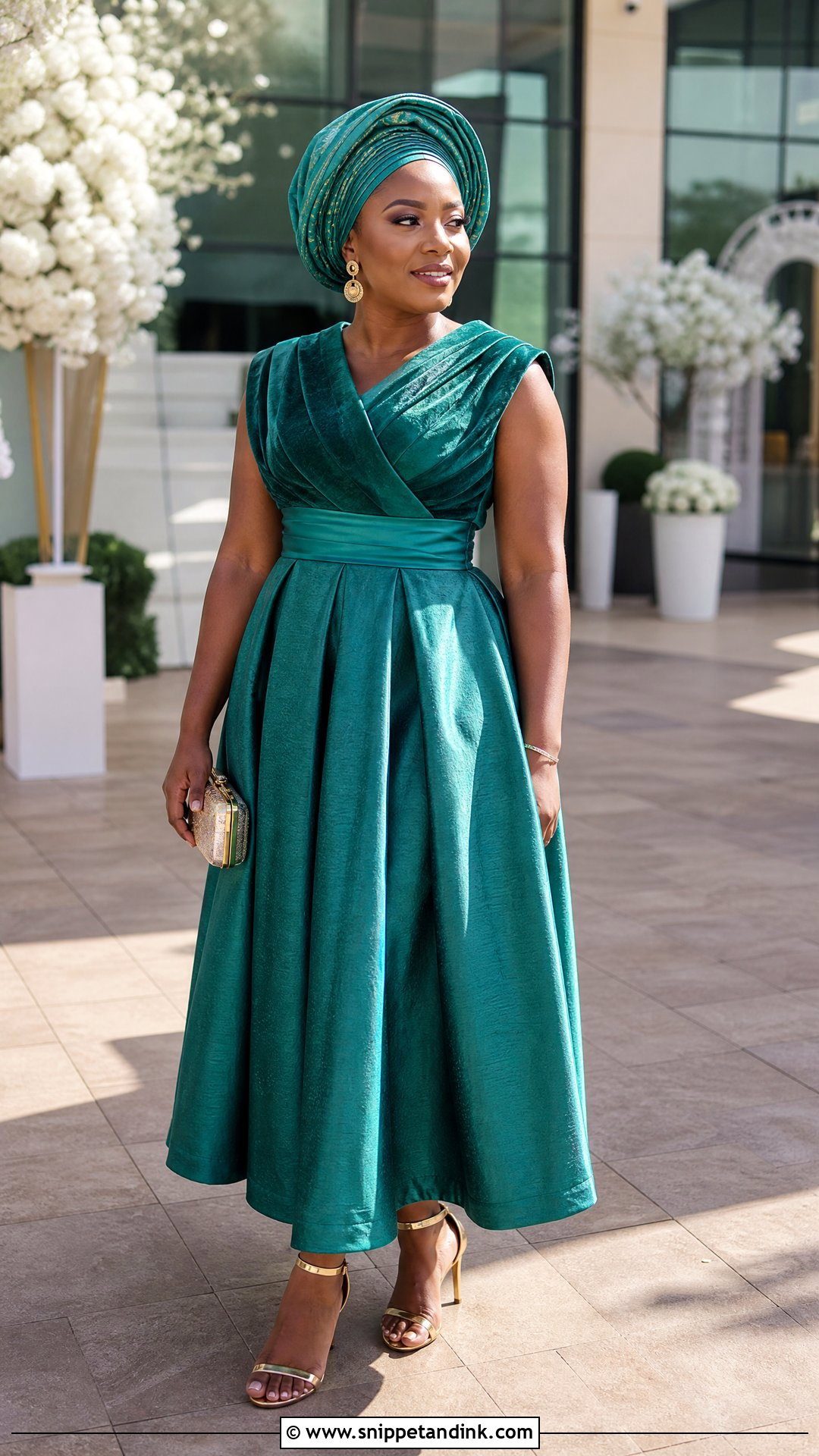
A wrap bodice is forgiving on fitting day and comfortable for twelve hours. In teal seshoeshoe, the crossover neckline frames the face, with a secure inner modesty panel so nothing shifts when you move. It runs into a wide floor-length skirt with soft pleats from the waist. Gold low heels, gold earrings and a medium-height teal headwrap finish it. A narrow satin belt sharpens the waist. I’d ask for pockets, as long as they’re set into a side seam so they don’t bulge. This suits a bride who wants shape without a corset.
13. Cobalt Sotho Wedding Dress With High-Low Skirt
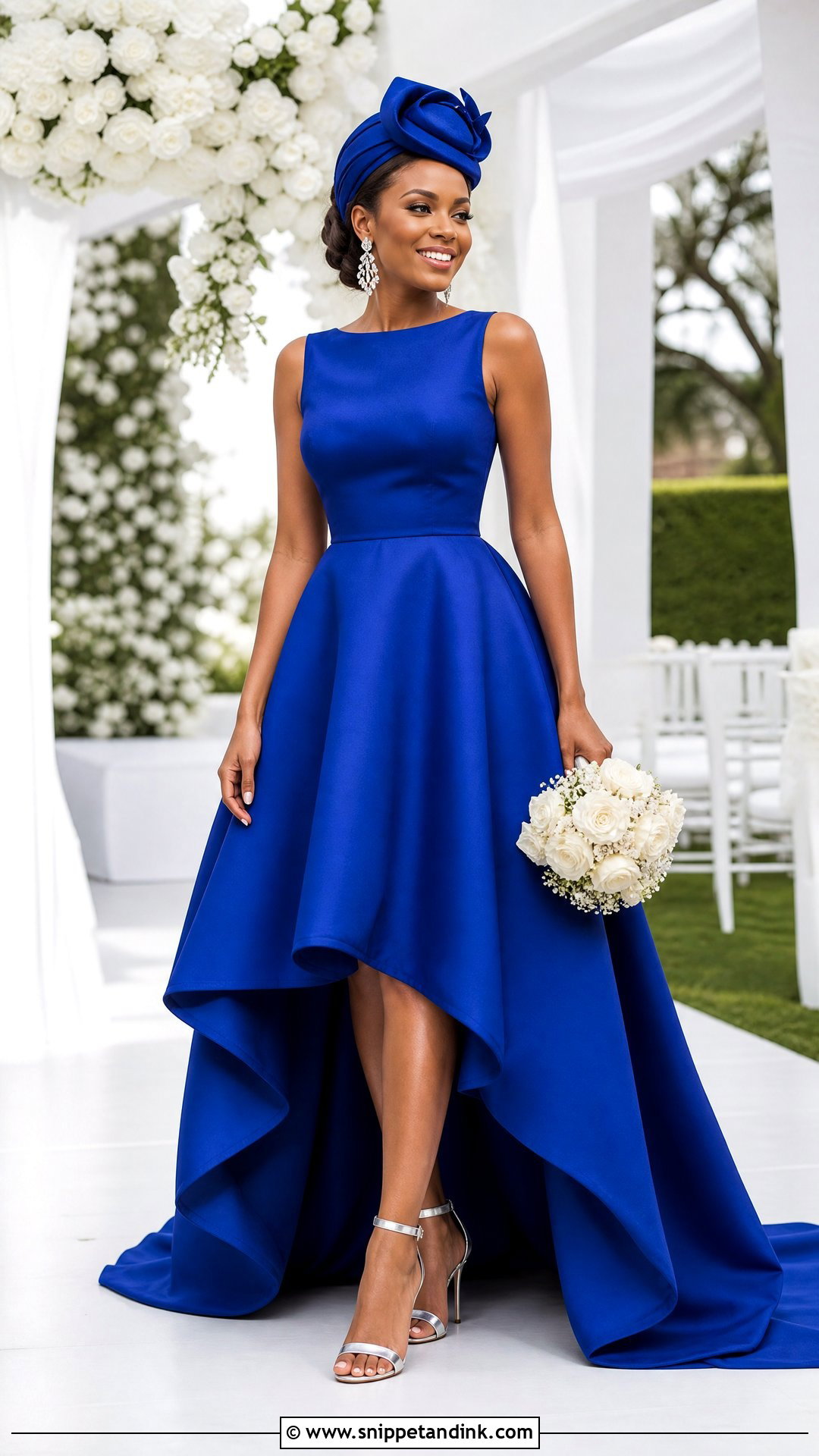
High-low skirts live or die on the angle of the hem. In cobalt seshoeshoe, I’d cut a fitted sleeveless bodice and a skirt that sits mid-calf at the front and falls to the ankle or floor behind, with a gradual curve between them. An abrupt drop looks unfinished. Silver ankle-strap heels, crystal earrings and a small cobalt headwrap complete it. A plain satin layer under the print adds depth and keeps the short front from looking casual. Since your shoes are fully in view, choose a pair you’ve already worn for a few hours.
14. Red Sotho Wedding Dress With Mokorotlo
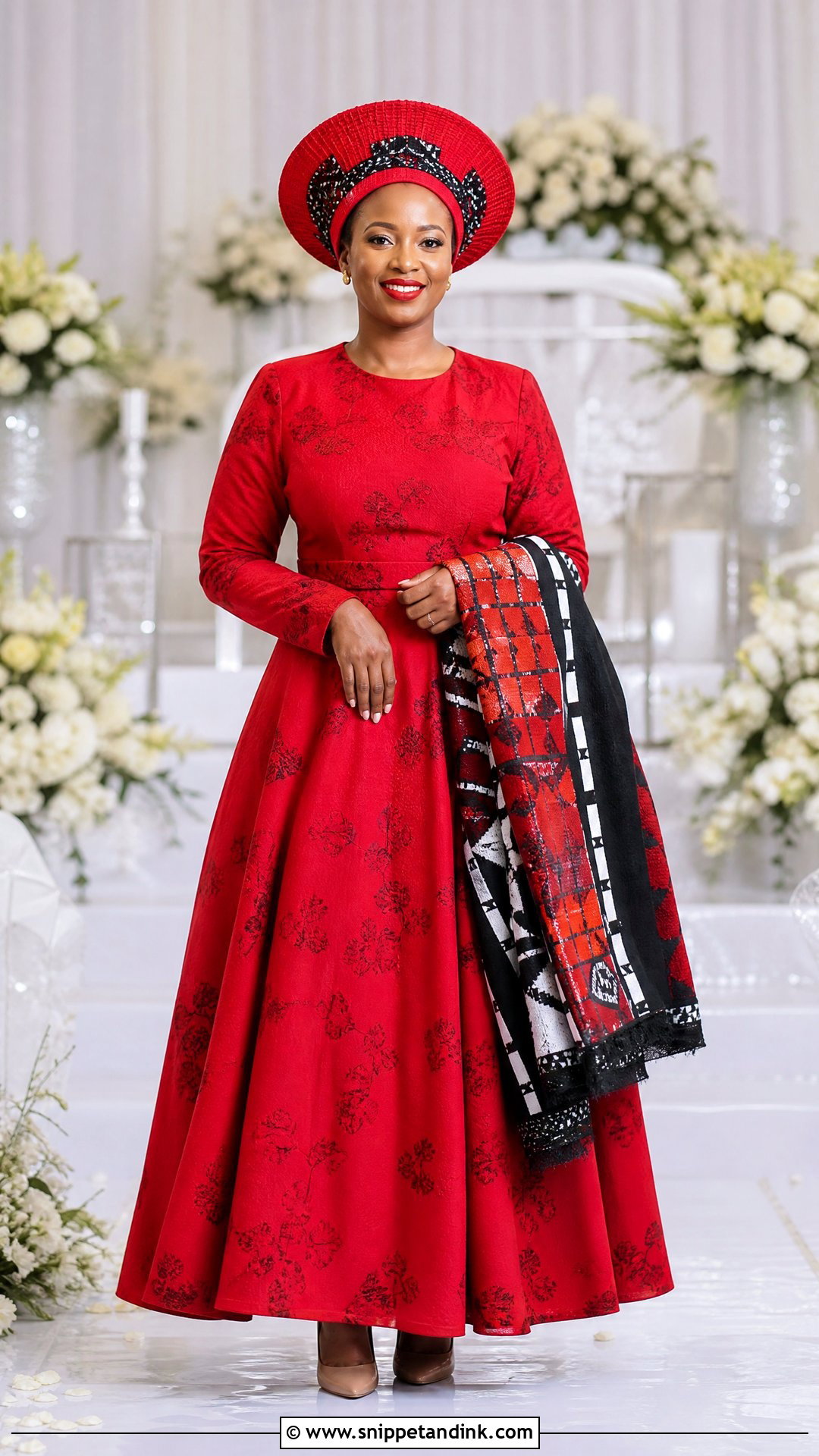
The mokorotlo is a strong symbol of Basotho identity, and adding it to a bridal outfit is a family decision before it’s a styling one. If your family is comfortable with it, pair it with a red seshoeshoe A-line gown with a structured round-neck bodice, fitted sleeves and a wide floor-length skirt. Keep the neckline plain so the woven hat stays the focus. Neutral block heels, small gold earrings and a red clutch are all you need. A coordinating blanket can be carried for selected portraits. Headwear can mean different things to different families, so confirm the plan with relatives and anyone leading the ceremony beforehand.
15. Plus-Size Sotho Wedding Dress With Empire Waist
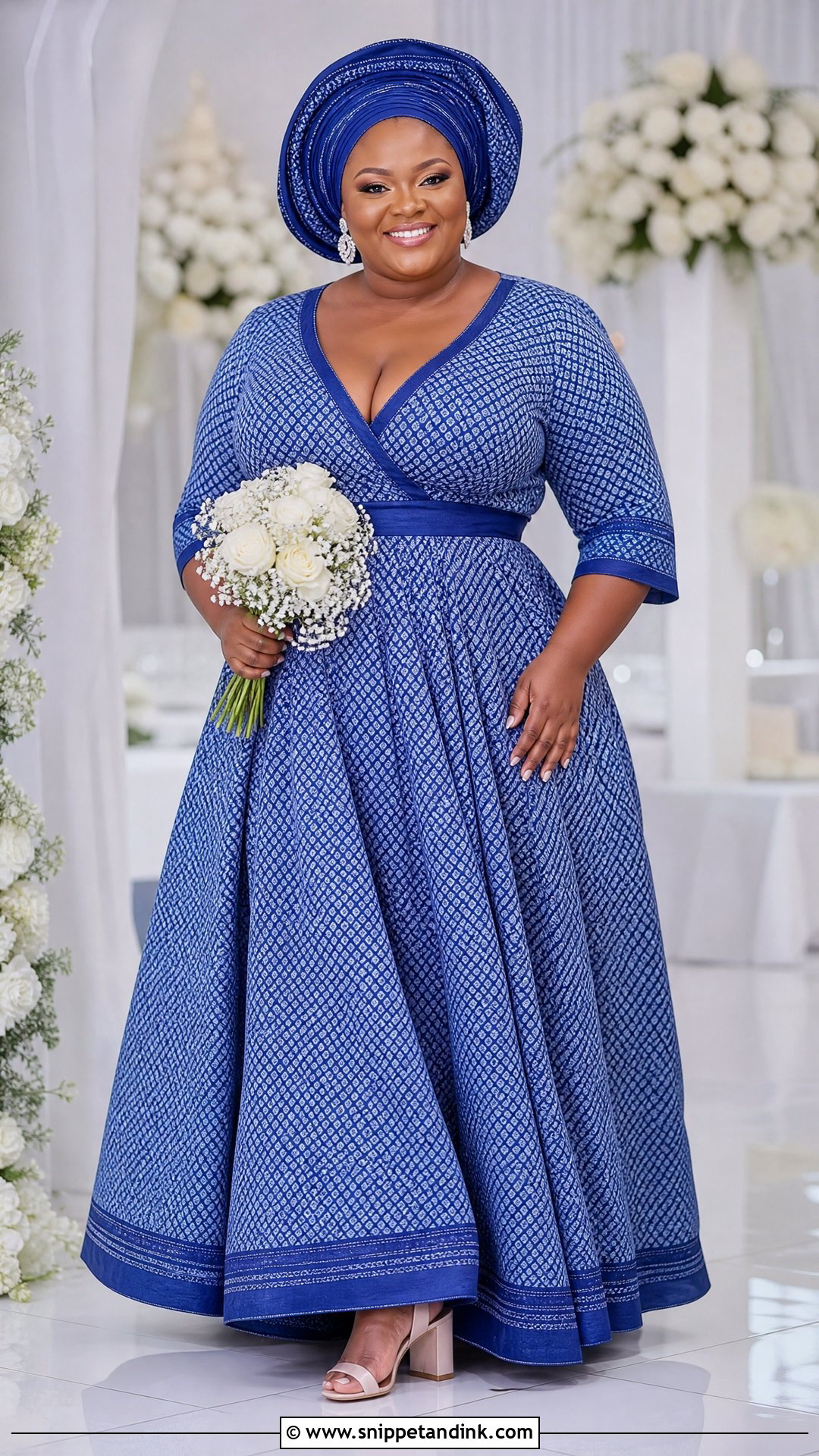
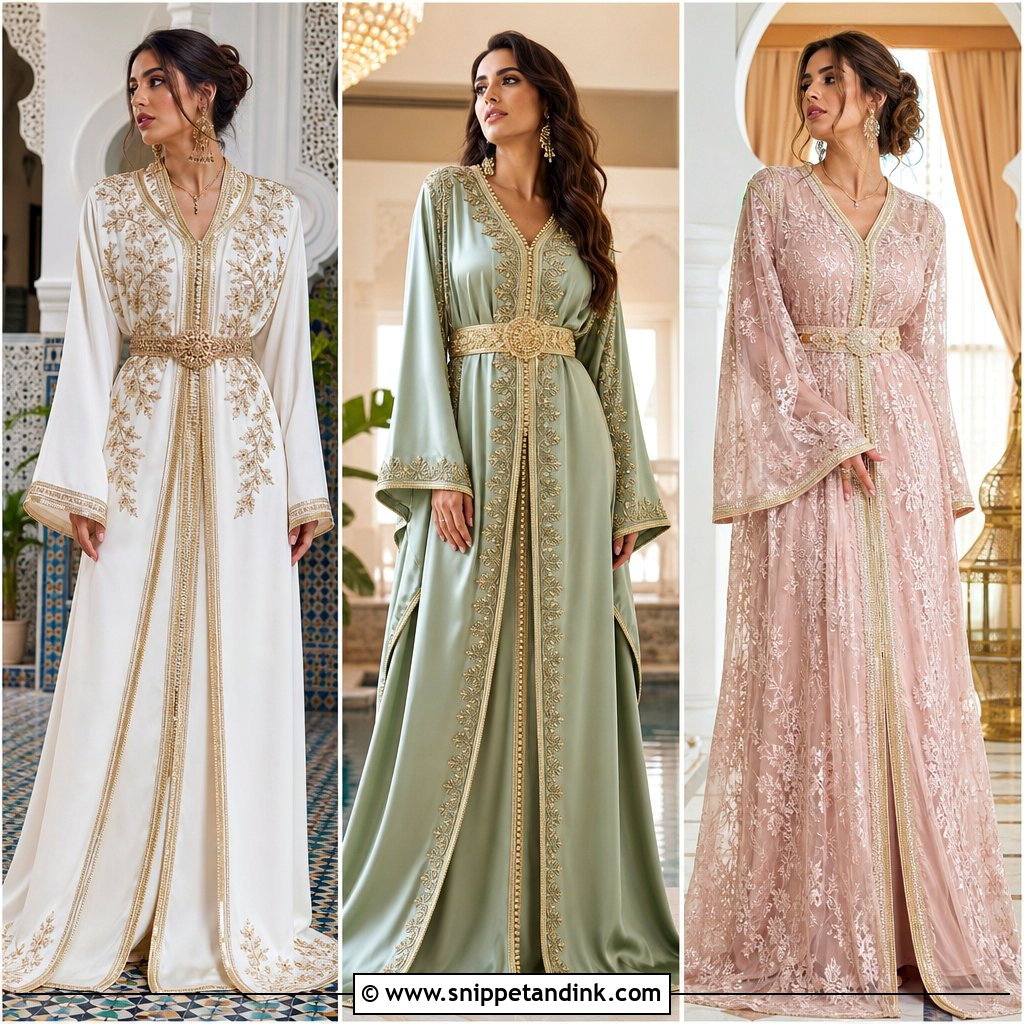
Empire waists are kind to most bodies and very kind on a long, hot day. For a plus-size bride I’d cut a supportive V-neck bodice ending just below the bust, in blue, green or burgundy print, with the skirt falling in long controlled pleats rather than heavy gathers. Three-quarter sleeves and a broad band under the bust define the upper body. Cushioned block heels, statement earrings and a structured headwrap finish it. Good undergarments and a breathable lining do far more for the fit than any restrictive shaping. Have the tailor set the waist position and neckline on your body, not from a chart.
16. Modest Sotho Wedding Dress With High Neck
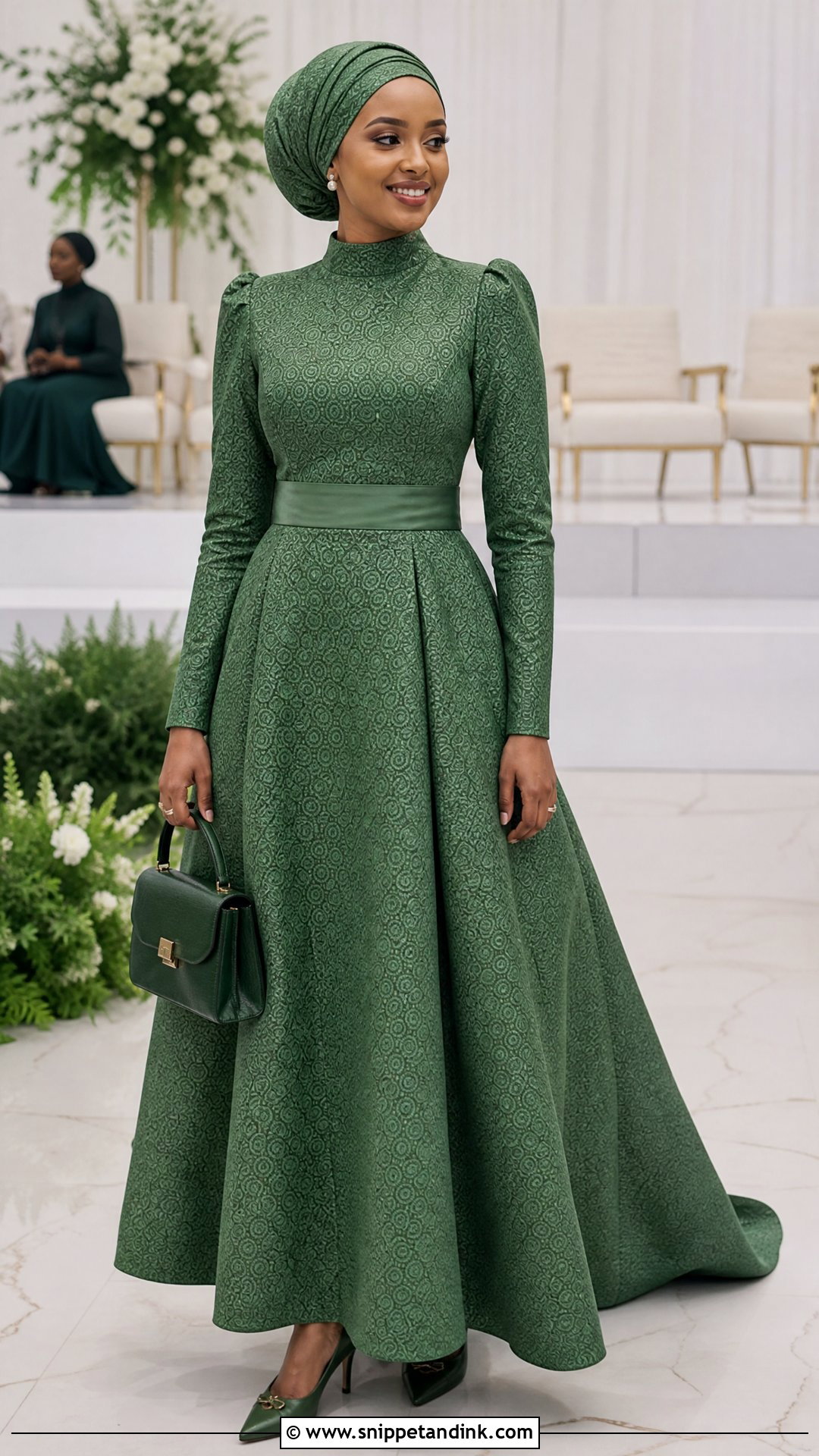
Modest doesn’t have to mean plain. A green or navy seshoeshoe gown with a high neck, long sleeves and an A-line skirt that skims the body still shows all the colour and pattern. Covered buttons at the cuffs and back add a tailored detail. A plain satin waistband keeps the print from getting busy, and a matching headwrap completes the coverage. Closed-toe kitten heels, pearl studs and a small bag suit it. The one thing I insist on with high necks and long sleeves is a breathable lining in the bodice, because cotton on cotton gets warm through a long ceremony. A shawl covers the cooler hours.
17. Midi Sotho Wedding Dress With Full Skirt
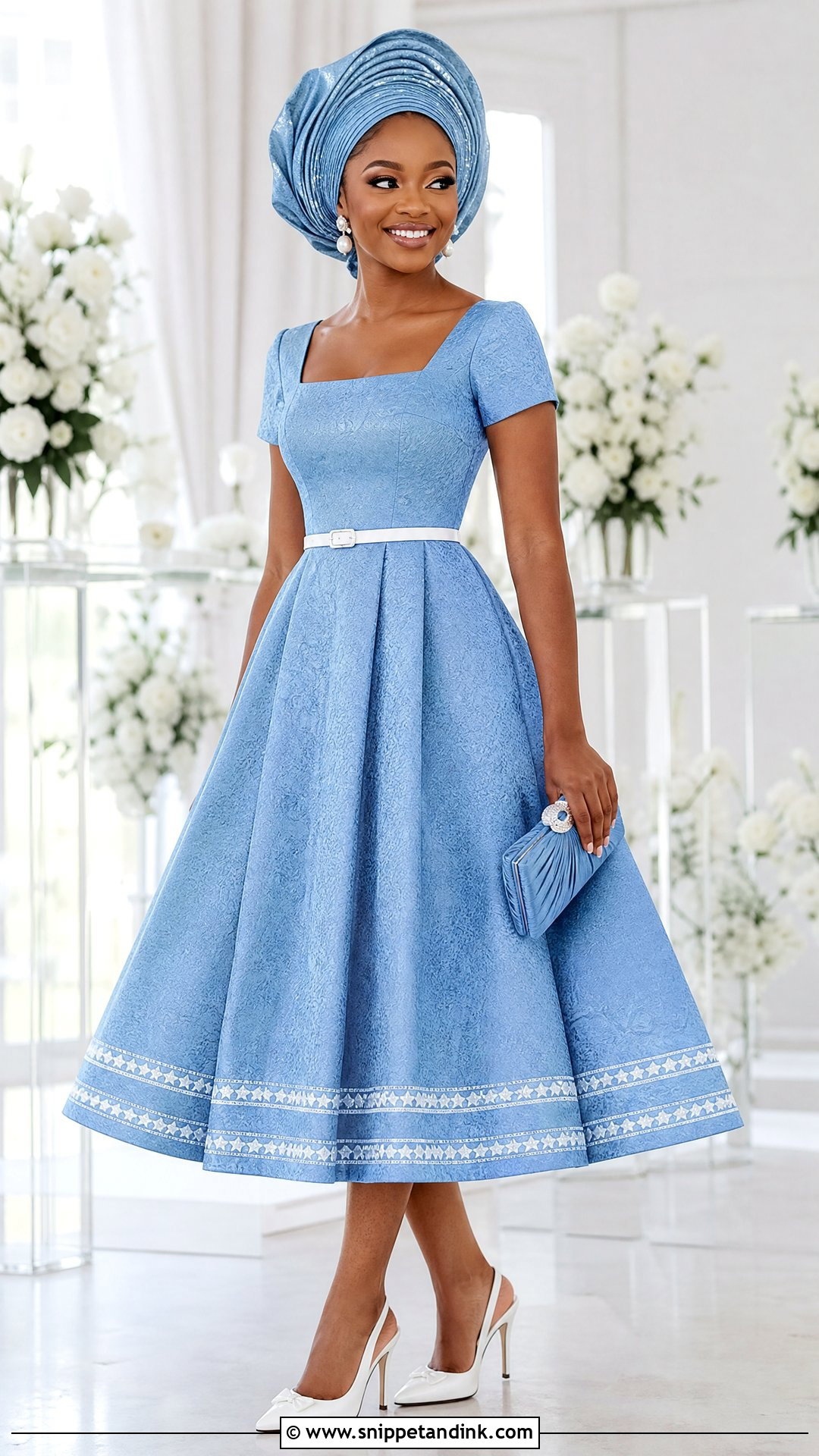
Not every bride wants a floor-length gown. A tea-length or midi dress is lighter for a civil ceremony, a small family gathering or a second wedding outfit. Choose a sweetheart or square-neck bodice with short sleeves and a full skirt ending between knee and ankle. A narrow belt marks the waist and a tulle underskirt gives controlled volume. White or metallic slingbacks, pearl earrings and a small headwrap finish it. With the lower leg on show, tailoring and shoes are judged more closely, so get the hem pinned while you’re wearing the actual shoes.
18. Orange Sotho Wedding Dress With Cape Sleeves
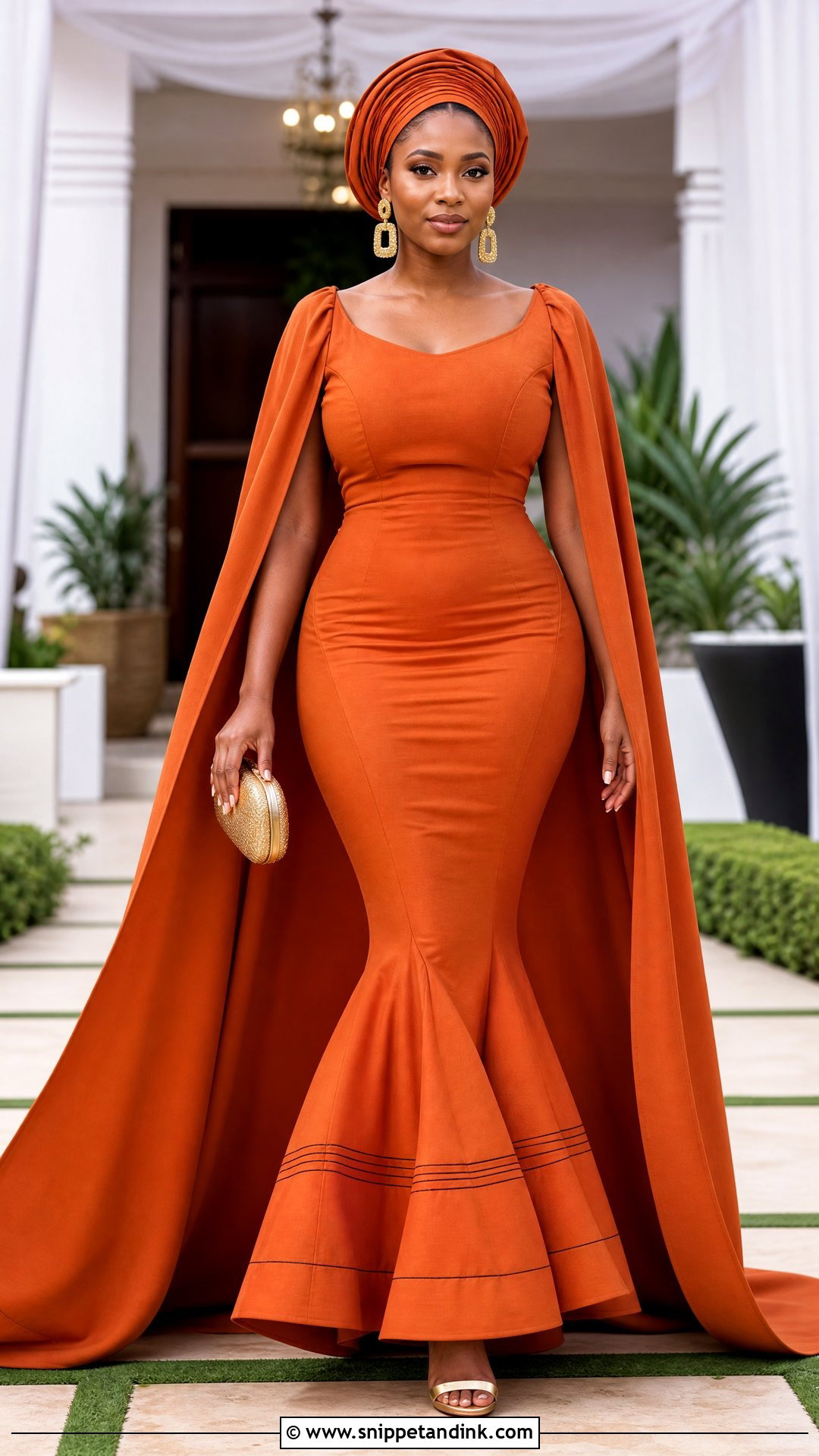
Cape sleeves give movement without the weight of a big skirt. In burnt orange, start with a fitted sheath or gentle trumpet gown and attach light cape panels at the shoulders so they fall along the arms and lift as you walk. Keep the neckline simple and secure. Gold block heels, sculptural earrings and a neat orange headwrap complete it. If the print is very bold, cut the capes and waistband from plain orange so the eye has somewhere to rest. End the capes well above the floor. I’ve seen trailing panels caught under a heel on stairs often enough to be firm about it.
19. Sotho Wedding Dress With Tulle Skirt
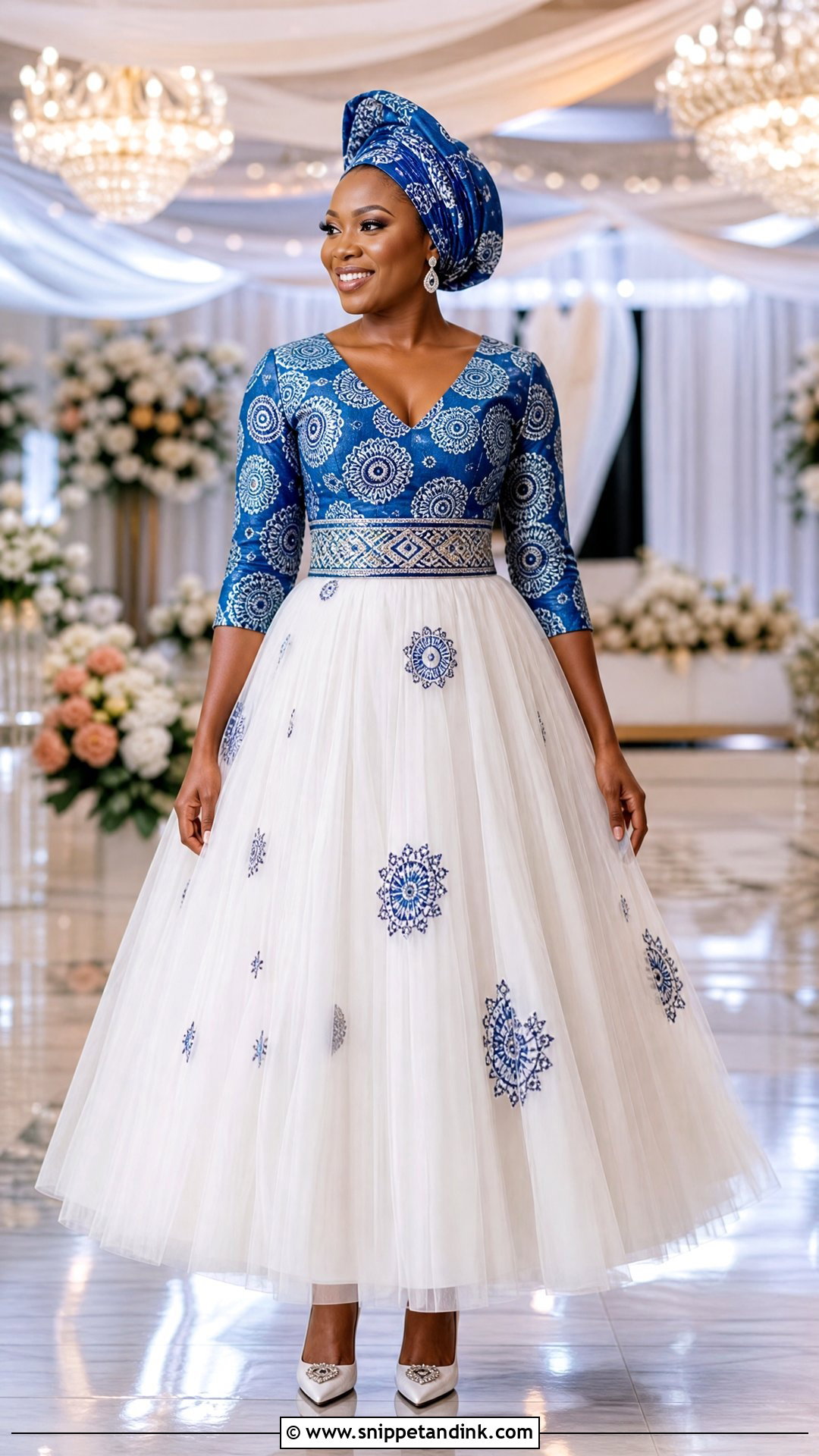
A printed bodice on a tulle skirt bridges traditional fabric and a contemporary bridal shape. Choose a fitted blue or purple bodice with a modest V neckline and three-quarter sleeves, joined to a layered white, navy or matching tulle skirt with enough volume to feel bridal but not unmanageable. Repeat the print in the waistband and a few appliqués on the skirt. Pointed pumps, a matching headwrap and fine crystal earrings complete it. Soft tulle falls; cheap stiff tulle sticks out. The join between a heavy cotton bodice and a light tulle skirt is where these dresses fail, so ask for a firm waist stay inside.
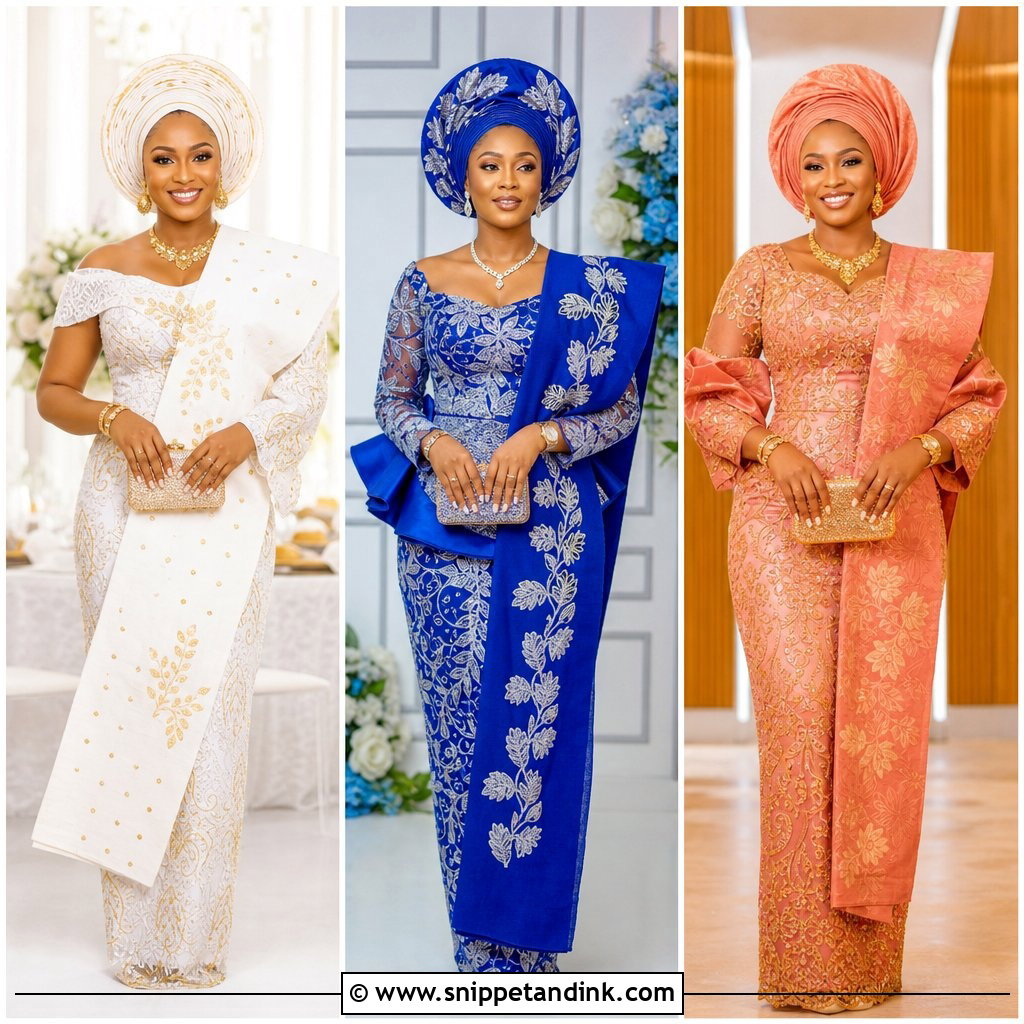
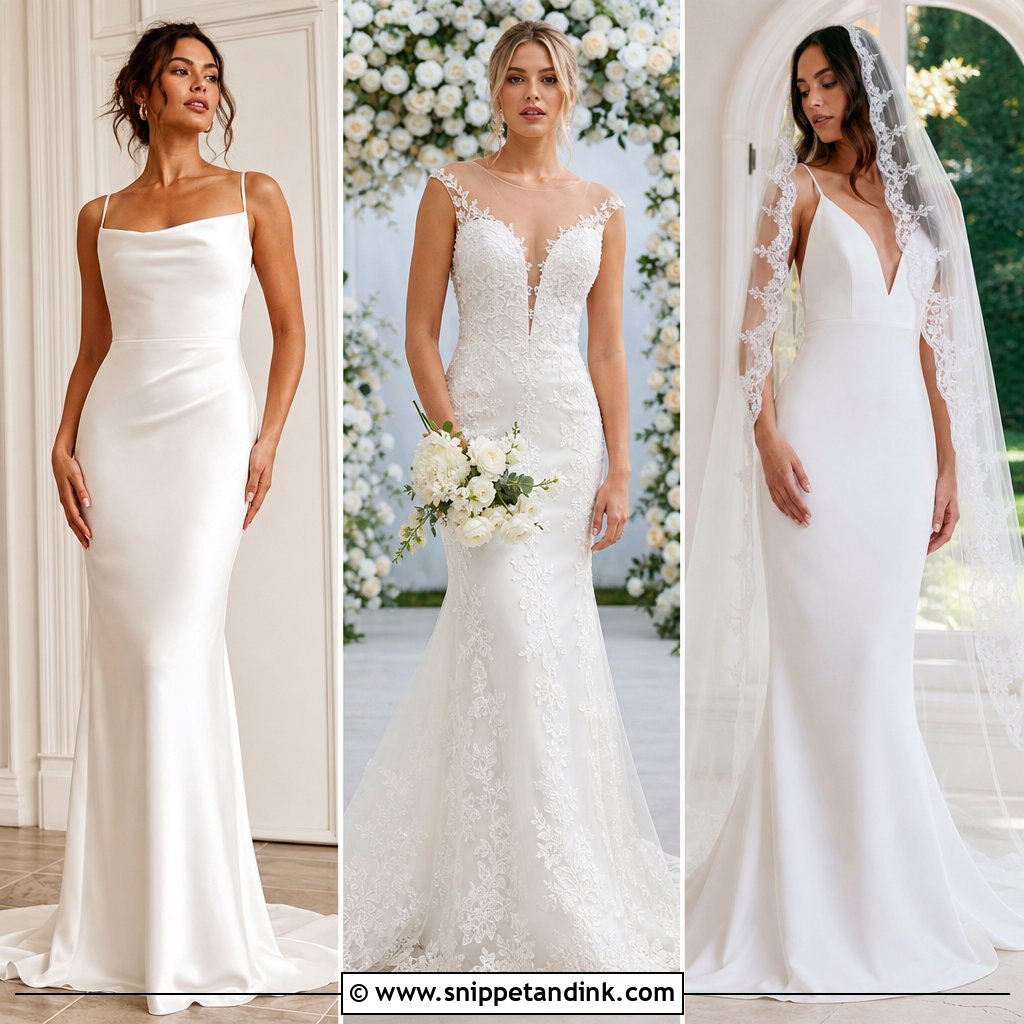
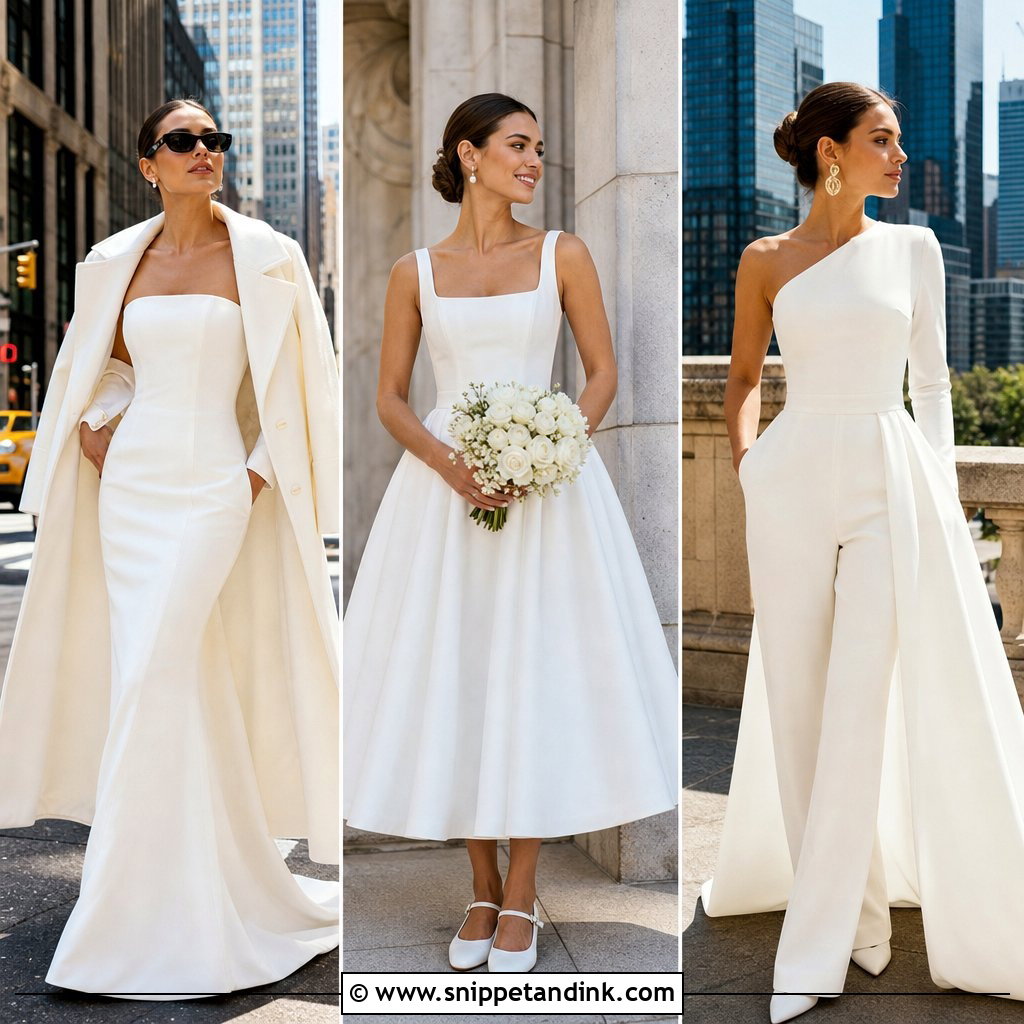
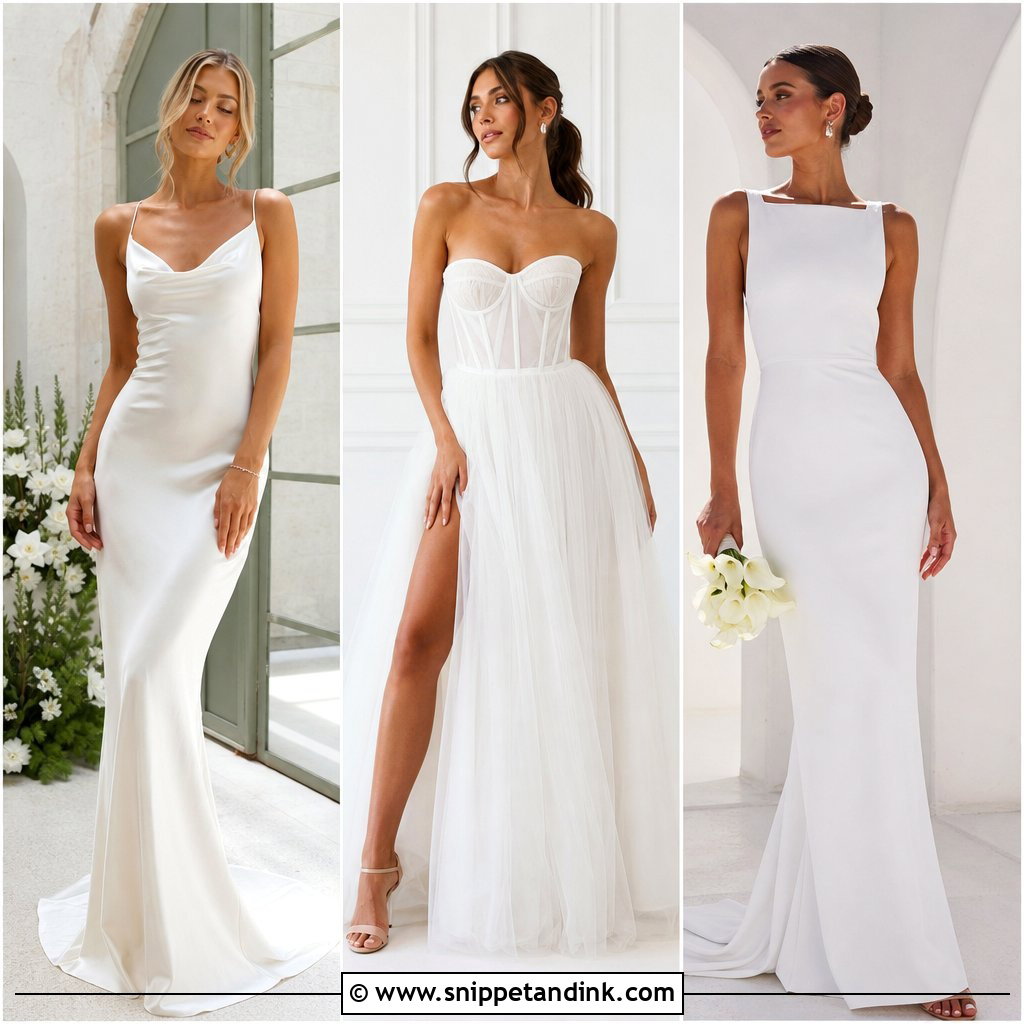
20. Modern Sotho Wedding Dress With Printed Train
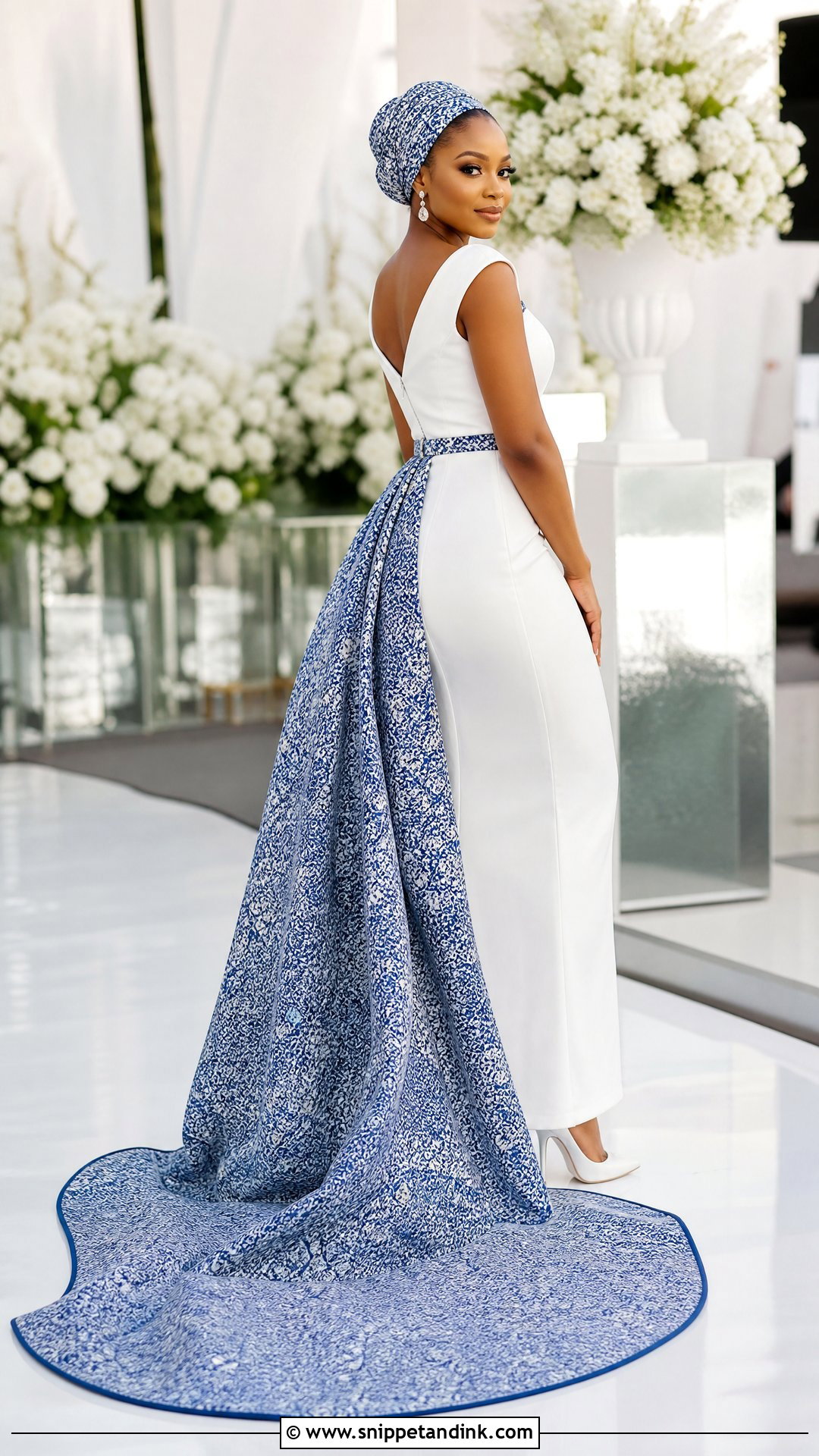
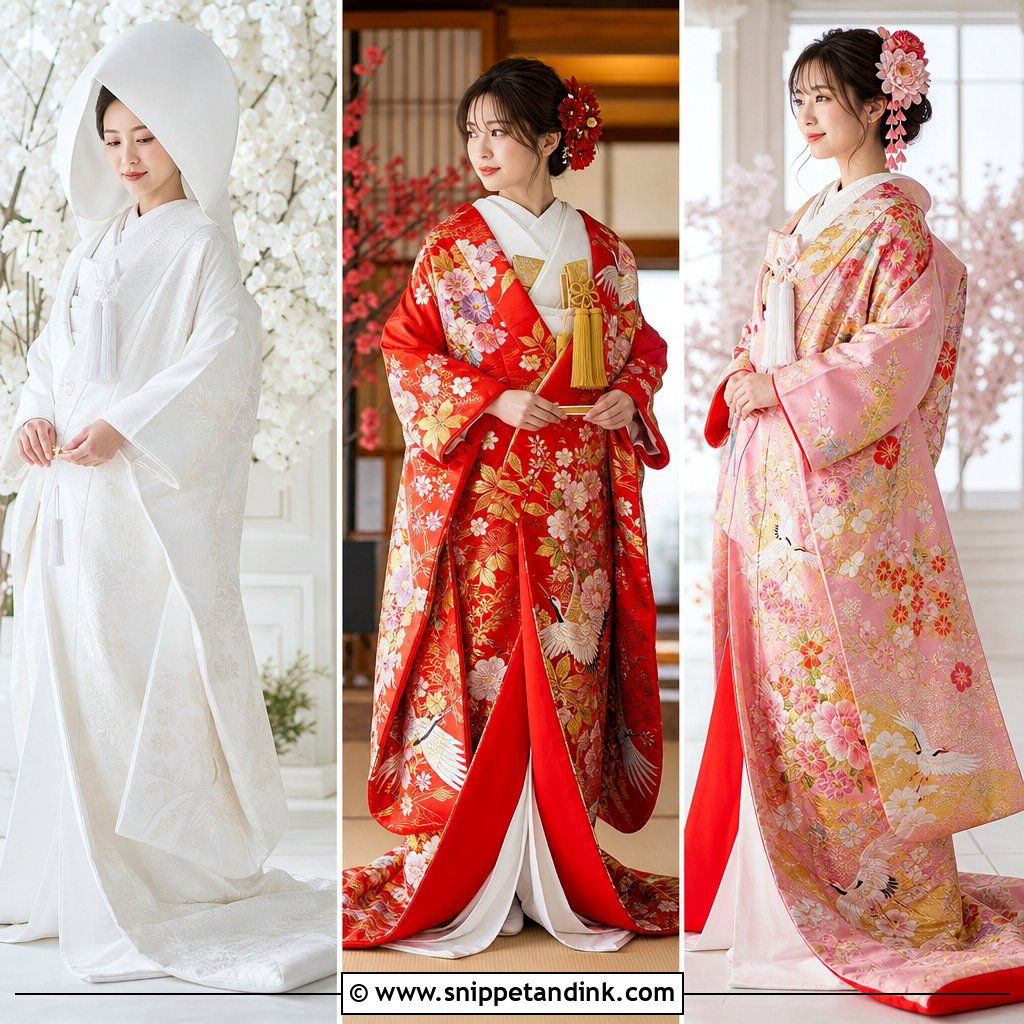
Here the train is the whole story. Start with a plain white or deep blue column gown with a sleeveless or cap-sleeve bodice, then attach a removable seshoeshoe train at the back waist so it spreads out for portraits and comes off before dancing. A slim print belt links the train to the front. Elegant pumps, small drops and a compact headwrap in the same print finish it. Skip heavy embellishment; the contrast already does the work. Practise unhooking the train with whoever will be helping you, because hooks and buttons that feel easy in a fitting room are fiddly when you’re surrounded by guests.
What Goes Underneath a Seshoeshoe Gown
The foundation decides how a dress hangs far more than most brides realise, and it should be sorted before the second fitting, because a new bra or petticoat changes the measurements.
- Off-shoulder and one-shoulder cuts: a strapless or multiway bra with a silicone edge, worn to every fitting.
- Ball gowns and tiered skirts: a separate petticoat you can remove for the evening, so the skirt can be lighter later.
- Mermaid and trumpet shapes: a smooth, close-fitting slip rather than tight shapewear, which makes sitting in cotton harder.
- High necks and long sleeves: a lightweight cotton or viscose lining against the skin, so the outer fabric doesn’t trap heat.
- Midi and high-low hems: check the slip length while wearing your shoes, so nothing peeks below the hem when you walk.
Planning the Change From Ceremony to Celebration
Many Sotho weddings move between a formal ceremony and a long, lively celebration, and several of these outfits are designed to change with them: a train that comes off, a peplum that unbuttons, a blanket that’s set aside. Those changes only go smoothly if they’re planned.
Decide in advance who will help you, and have them practise the hooks or buttons at your final fitting. Pick a private room for the change and leave a garment bag and hanger there for whatever comes off. Blankets and trains should be folded by someone who knows they matter, not dropped on a chair. Give yourself about twenty minutes, including a quick look at your headwrap and makeup, and tell your photographer so they’re not waiting at the wrong door.
The Dressmaker, the Aunties and the Final Say
A Sotho bridal outfit works when cultural meaning, your own taste and all-day comfort pull in the same direction. The ideas above run from full seshoeshoe gowns with matching headwraps to white dresses with printed panels, removable trains and blanket accents. Settle the venue, weather, ceremony format and how much you’ll move before you pick a silhouette. Talk to family members who know the customs before you add a blanket, a mokorotlo or any ceremonial detail. Then let a skilled dressmaker adjust the neckline, sleeves, waist and skirt to your body, and the outfit will feel traditional and completely yours.
You'll Like These Ideas:





Leave a Reply