
A wedding cake can be finished in a dozen different ways, and each one asks something different of the baker: patience, a cool kitchen, a steady hand, or simply time to let something dry. I explain this to couples and to home bakers taking on a friend’s cake, because the finish you choose affects how far ahead you can work and how the cake copes in a warm room. Some techniques here are forgiving for a first attempt, textured buttercream and fresh flowers in particular. Others, such as sugar flowers, Lambeth piping and wafer paper ruffles, reward practice. I’ve added what tends to go wrong with each.
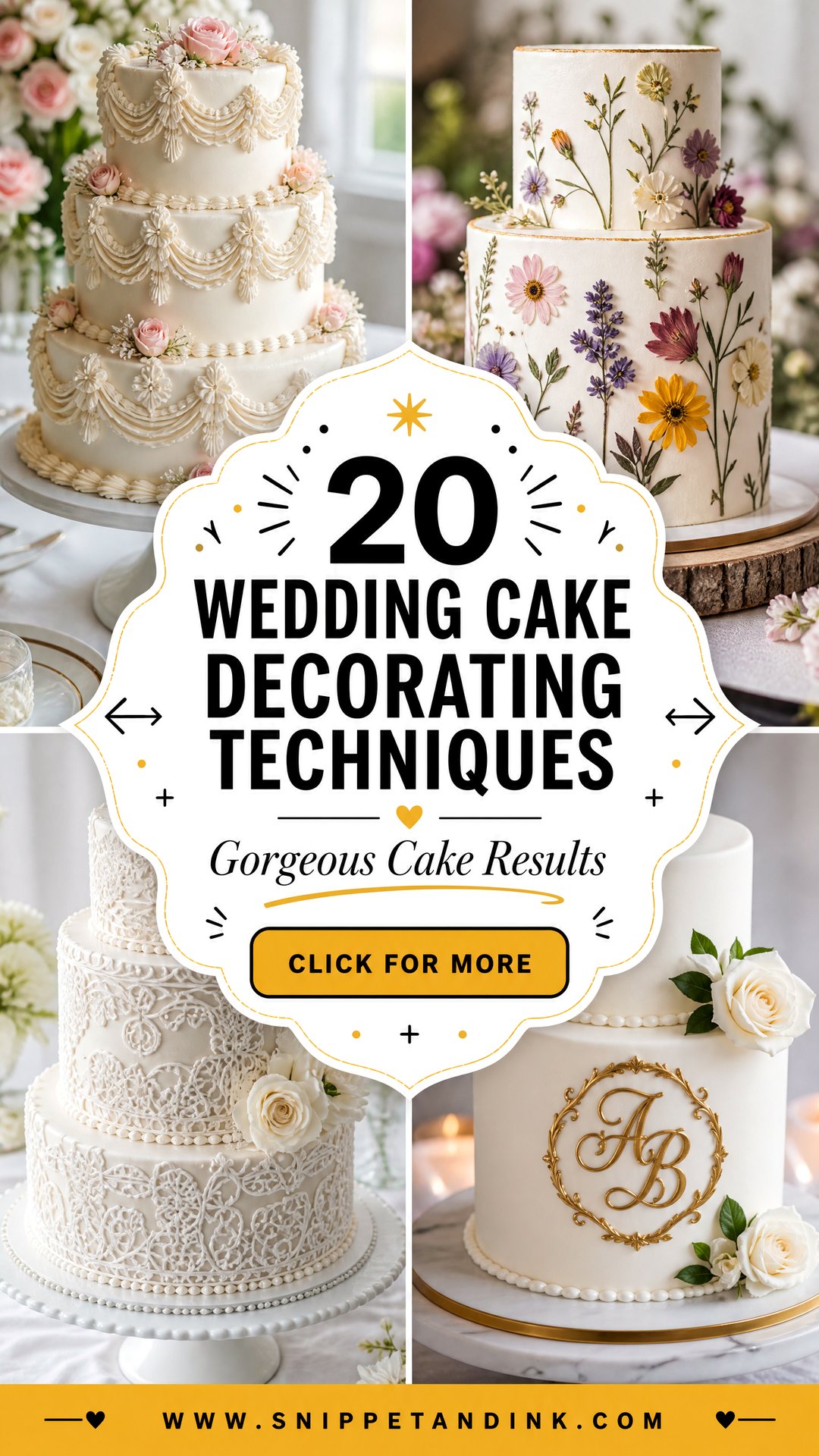
Which Finishes Survive a Warm Reception Room?
Before I talk design, I ask where the cake will stand and for how long. A cake that looks perfect in a cool kitchen can slump, sweat or bleed on a summer afternoon. Roughly, from most to least heat tolerant:
- Fondant over ganache: the firmest base, though fondant can sweat when it comes straight from a fridge into humid air.
- Sugar flowers and stencils on fondant: stable, provided humidity stays moderate.
- Crusting American buttercream: holds piping and texture better than meringue buttercreams in warmth.
- Swiss or Italian meringue buttercream: silky and less sweet, but it softens noticeably once a room warms up.
- Semi naked cakes, drips, wafer paper and fresh cream: the most fragile, so best for cool rooms or short display times.
This doesn’t mean you can’t have buttercream in July. It means the cake should be set up late, out of direct sun, and away from the DJ’s lights.
1. Smooth Buttercream Wedding Cake
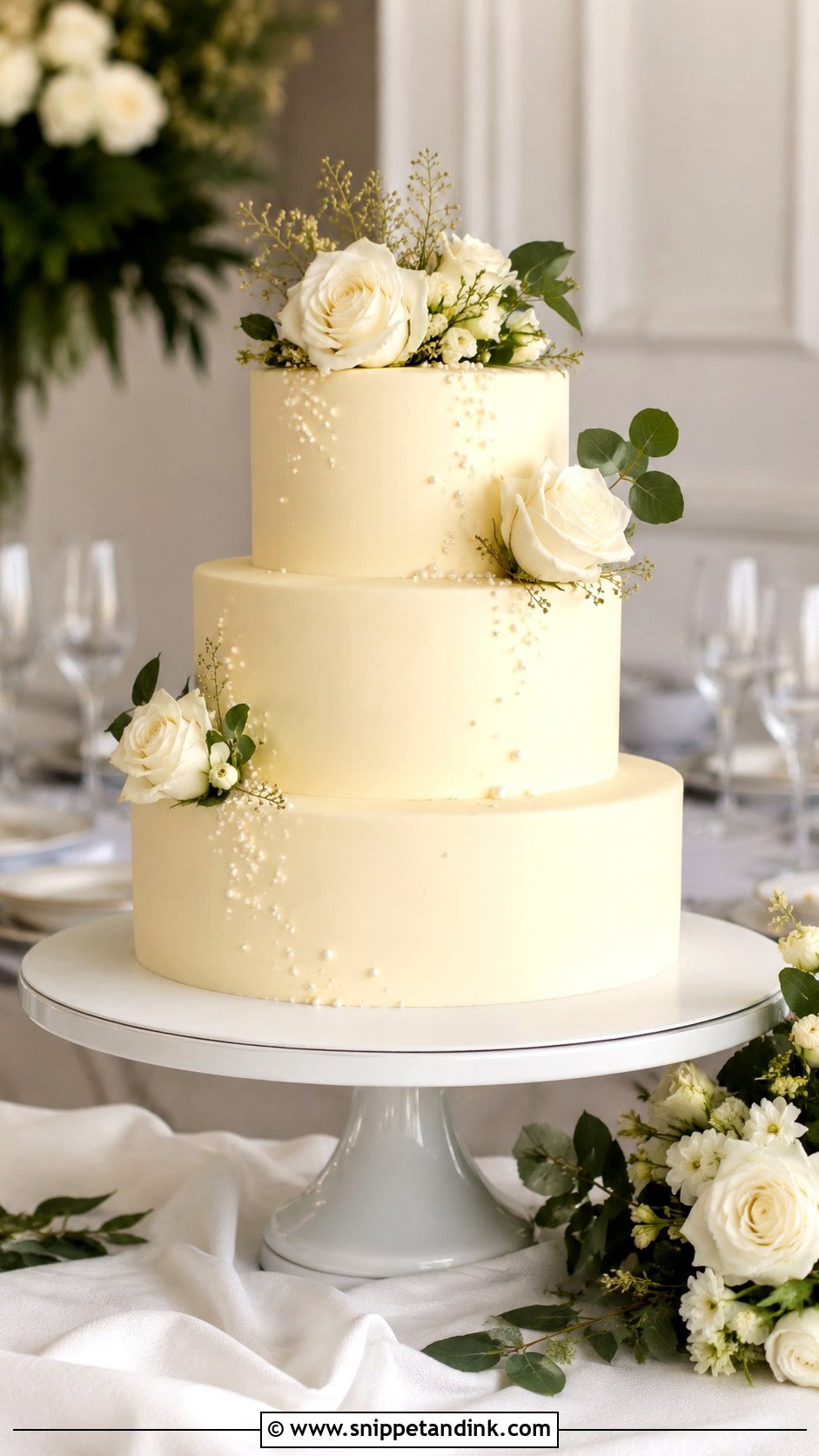
Smooth buttercream is the finish most couples ask for, and it is less about the final coat than the one underneath it. I spread a thin crumb coat, chill the cake until it is firm, then add a thicker final coat and pull a bench scraper around while the turntable turns slowly. A scraper warmed under hot water and dried gives a cleaner pass at the end. The good news for home bakers: a dent or scuff can be patched with a little more buttercream and another pass. Fondant is far less forgiving.
2. Textured Buttercream Wedding Cake
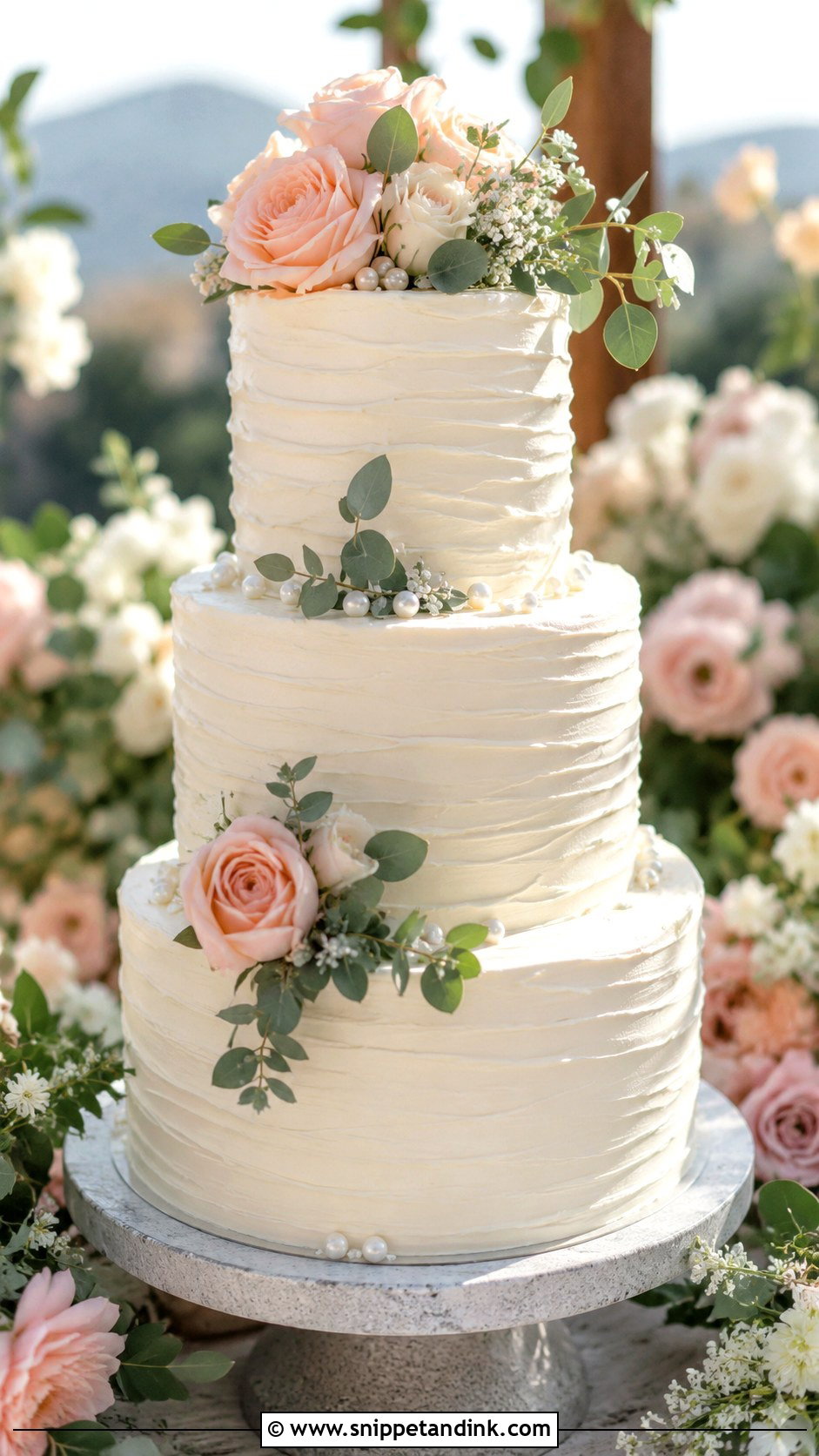
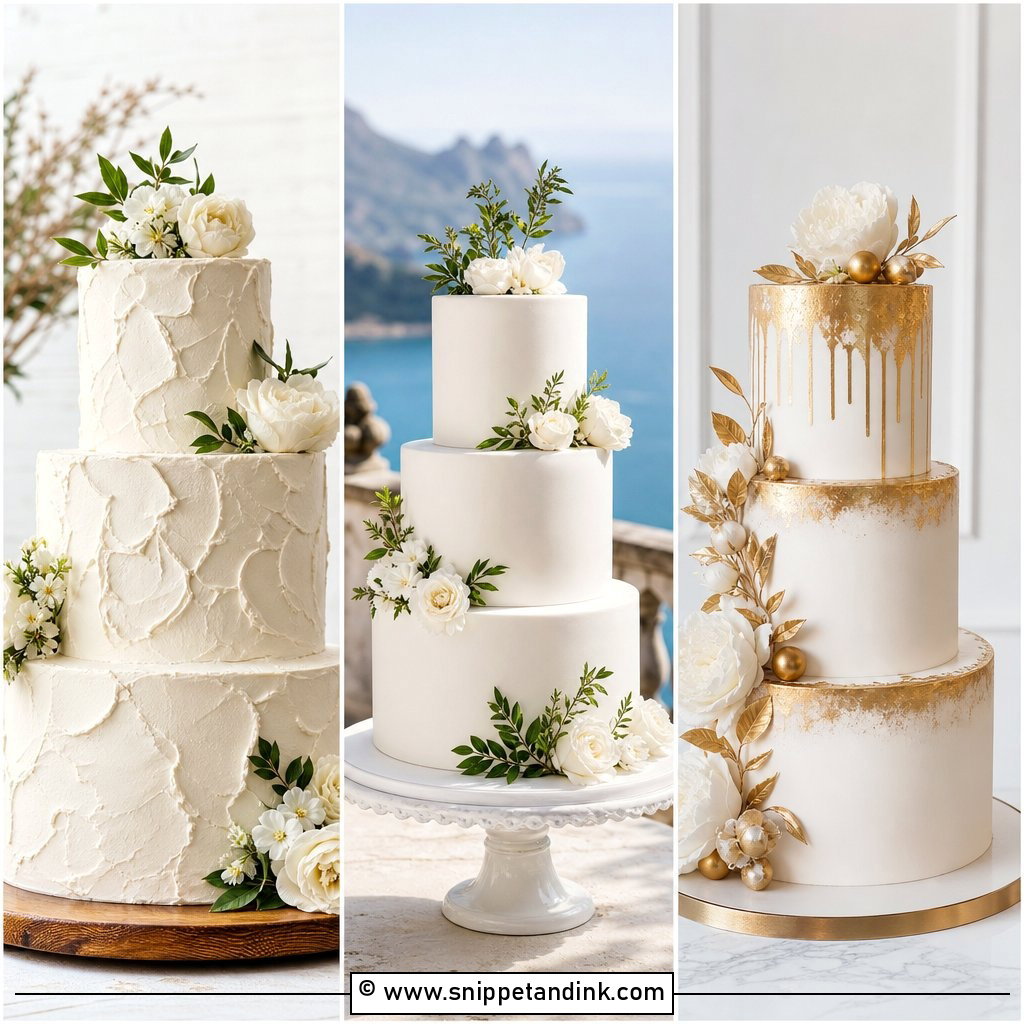
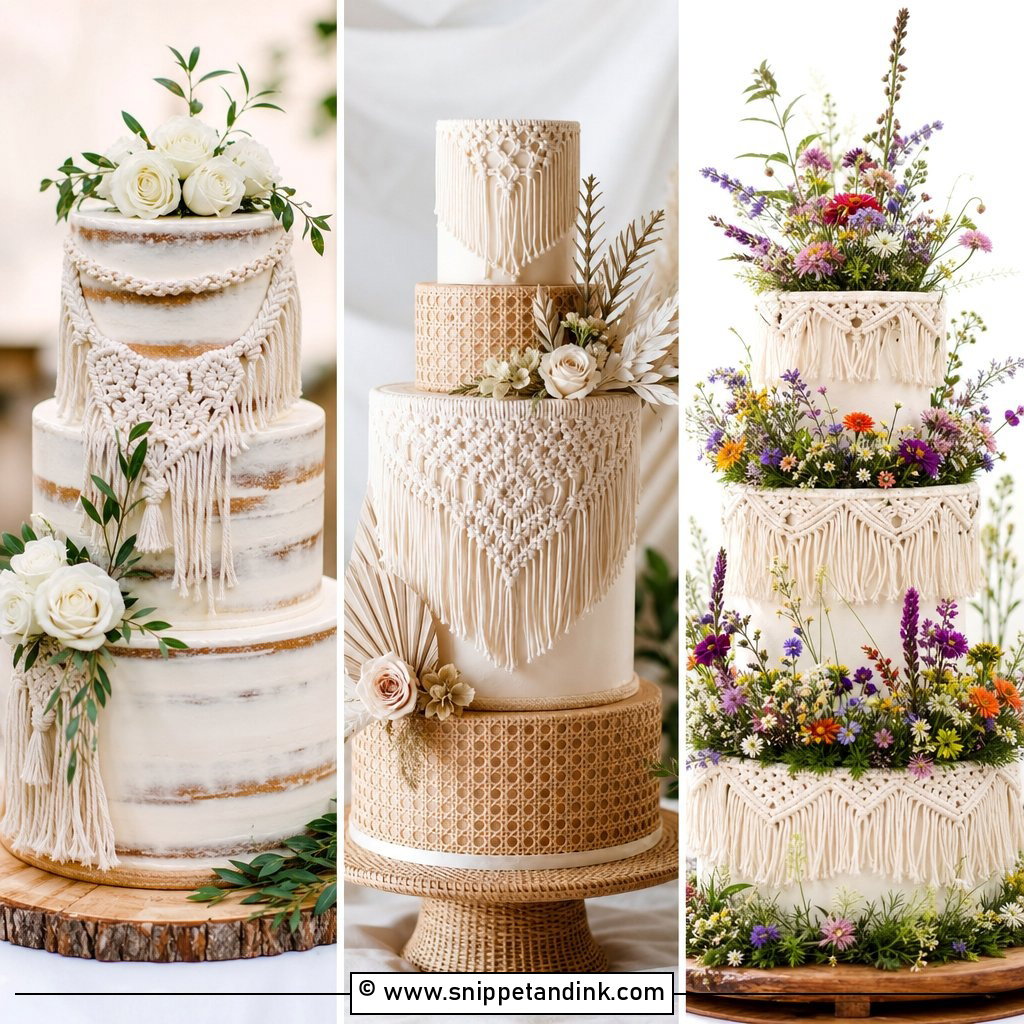
Texture is my usual suggestion for someone decorating their first wedding cake, because it hides small bumps that a smooth finish would show. An offset spatula, cake comb or the back of a spoon makes ridges, waves or vertical strokes. Consistency is what makes it look intentional, so I use the same tool and the same pressure on every tier. It sits well at rustic, beach and garden weddings. Delicate flowers or a few tiny pearls finish it without fighting the texture.
3. Lambeth Wedding Cake
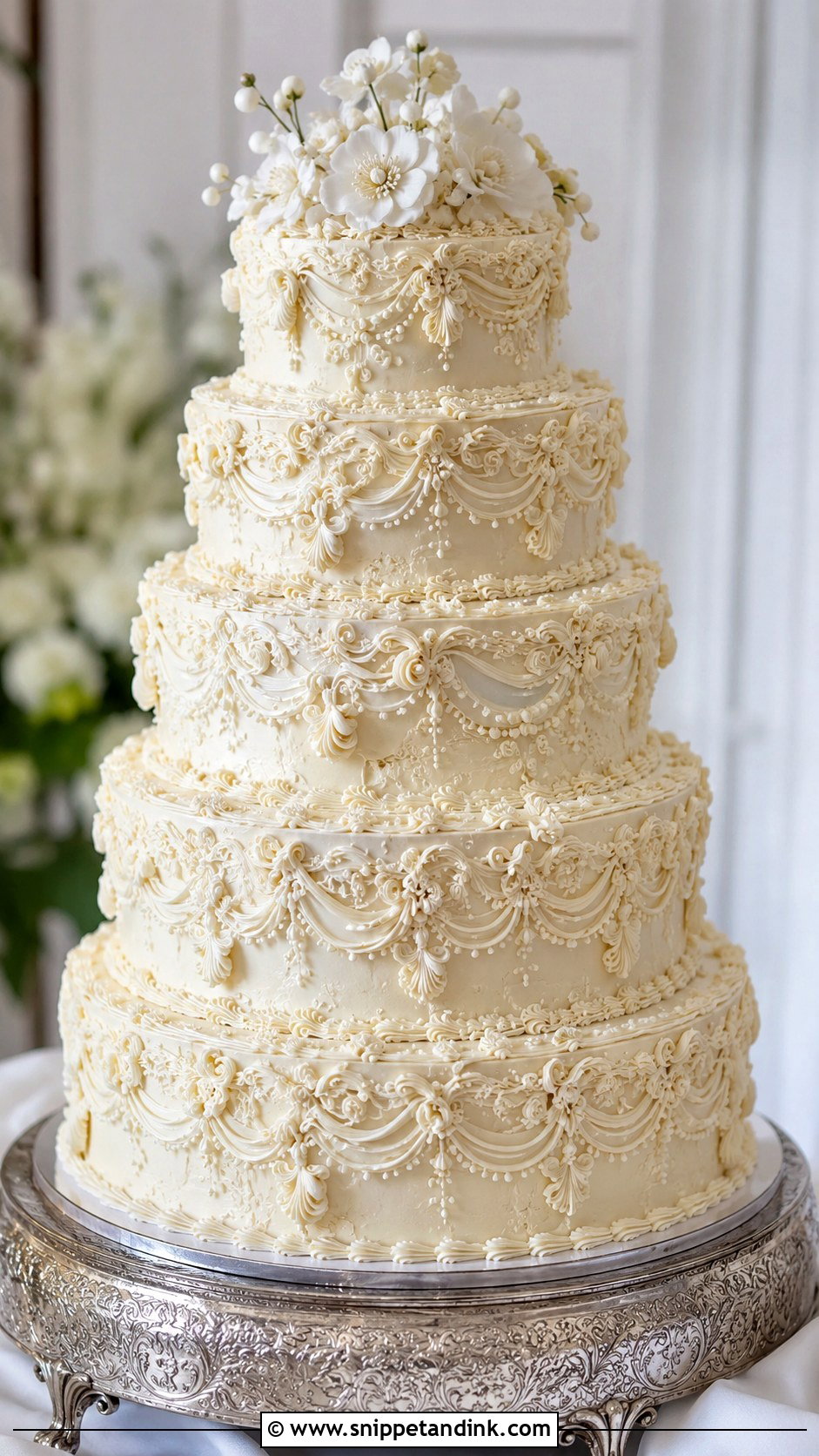
Lambeth is layered piping: shells, scrolls, swags, drop lines and over-piping built up one layer at a time. It only looks crisp on a smooth, cold base, so I chill the cake well before starting. I mark swag points on each tier lightly with a toothpick, dividing the circumference evenly, because freehand spacing drifts by the back of the cake. Let each layer firm before piping the next, or the weight drags it down. Ivory is classic; pastels and blush feel more current. Expect it to take far longer than it looks.
4. Fondant Wedding Cake
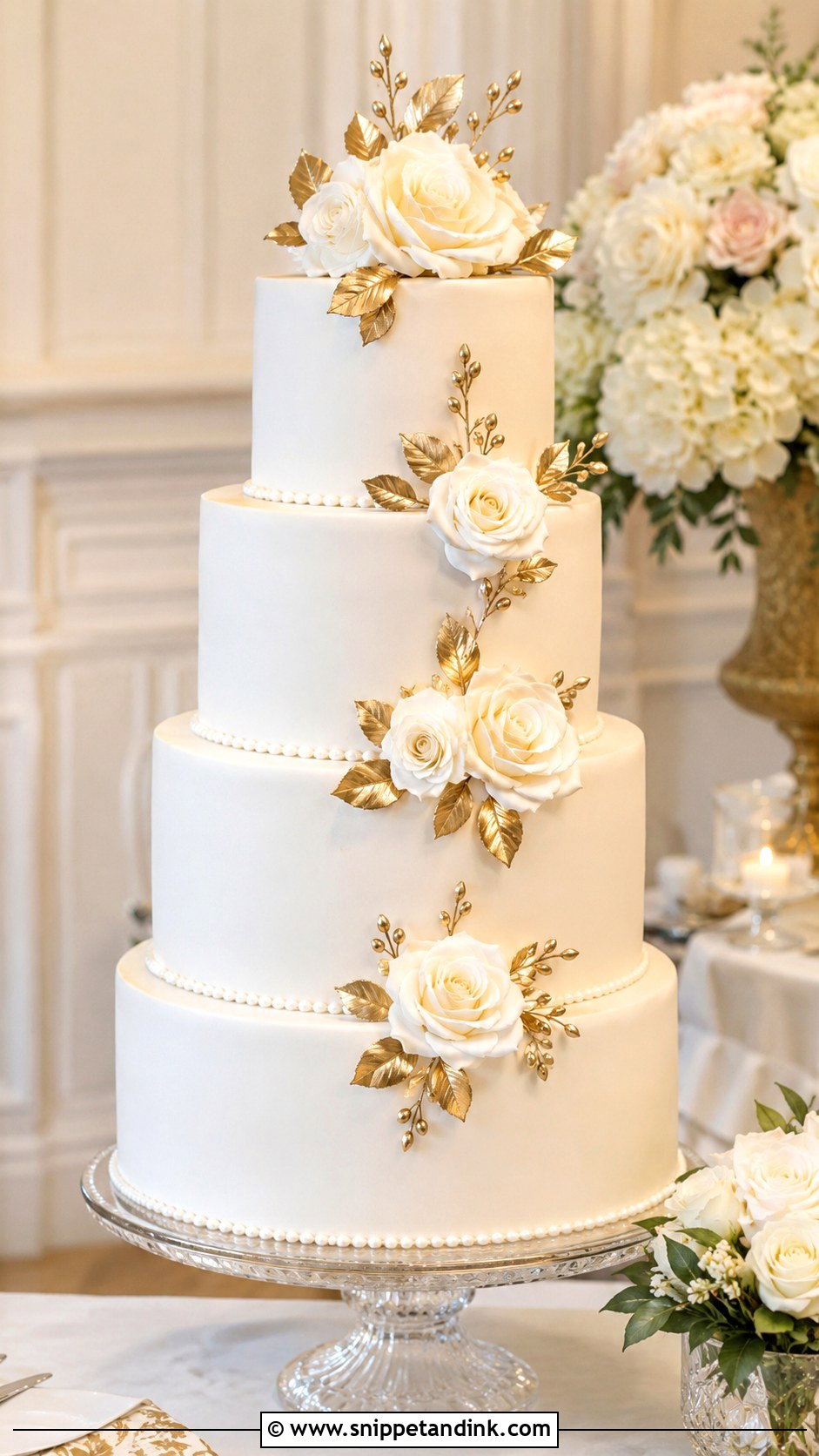
Fondant goes over a cake that already has a firm coat of ganache or buttercream, and the quality of that coat decides the finish. Any bump underneath shows through. I roll the sheet evenly, lay it over, smooth from the top down, and lift and ease the sides outward rather than pressing them in, which is how folds and pleats form at the base. Handle it as little as possible; fingerprints stay. Sharp edges, painted details, embossing and cutouts are where fondant earns its place. One warning: fondant sweats when a cold cake meets a warm, humid room.
5. Sugar Flower Wedding Cake
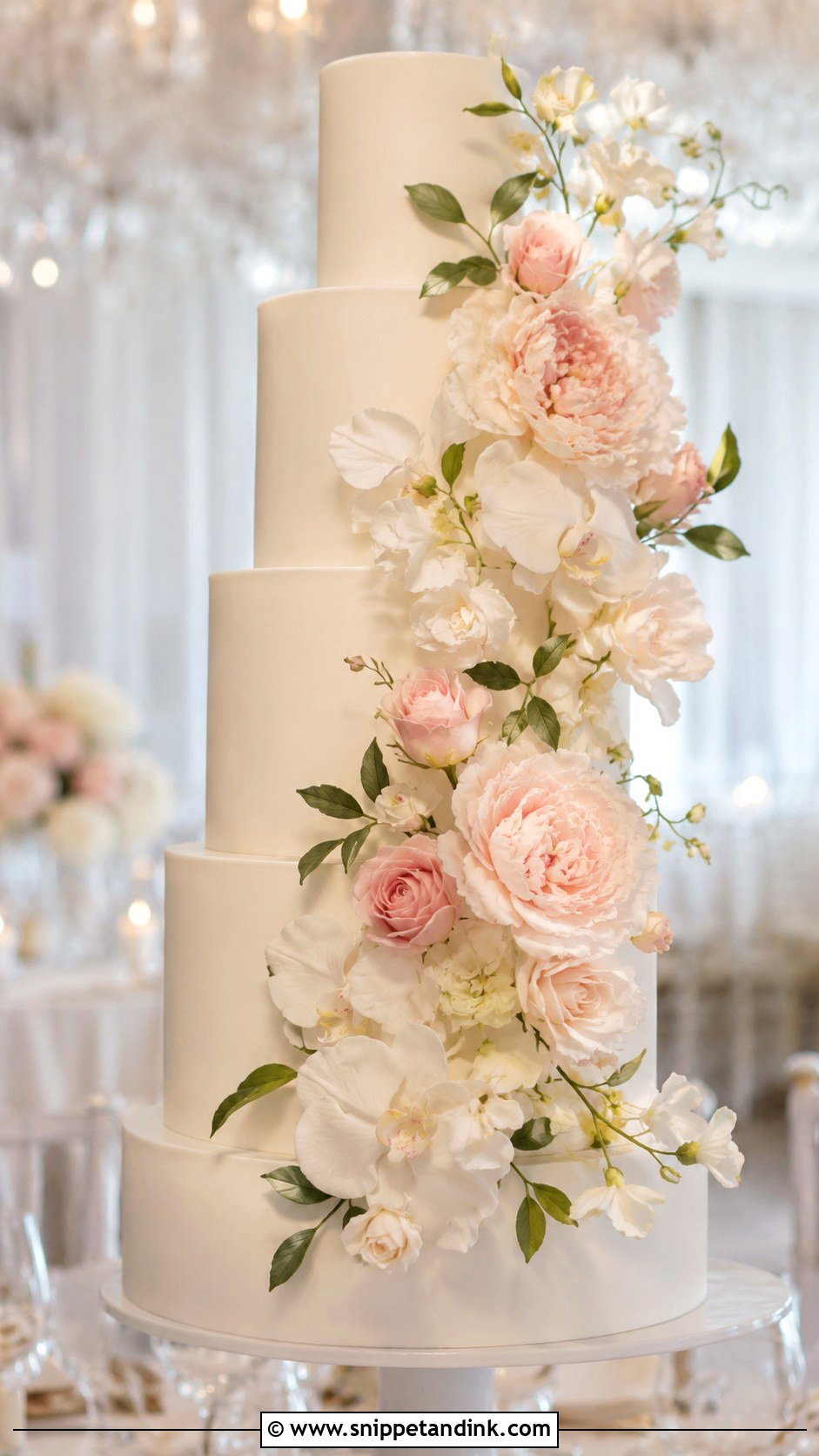
Sugar flowers are made from gum paste or flower paste, cut, veined and thinned petal by petal, then dried, assembled and dusted with color. Because they dry hard and keep, I make them well ahead of the wedding, sometimes weeks before. They let you have peonies in winter. The wires inside are not edible, so they go into posy picks or straws before touching the cake, and guests should be told the flowers are decorative. A few blooms look modern; a cascade down the tiers is the dramatic option.
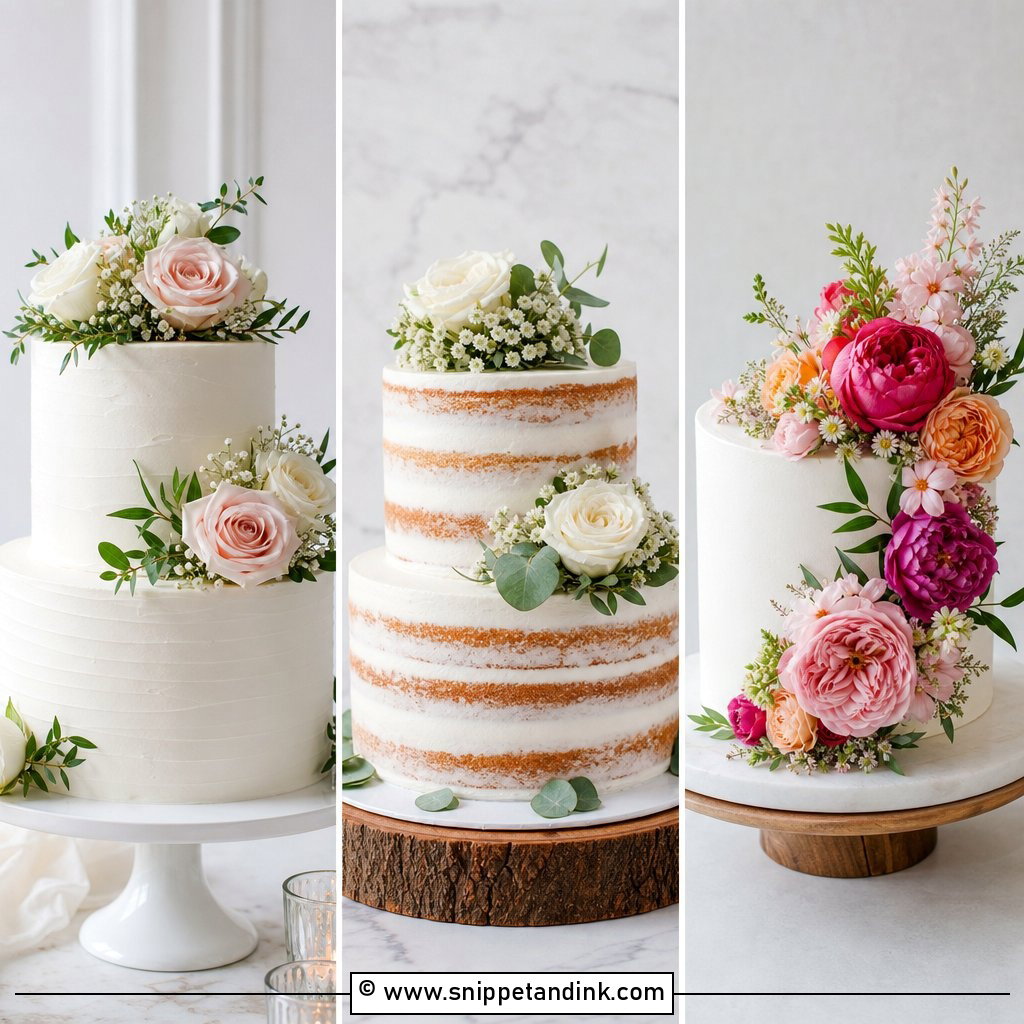
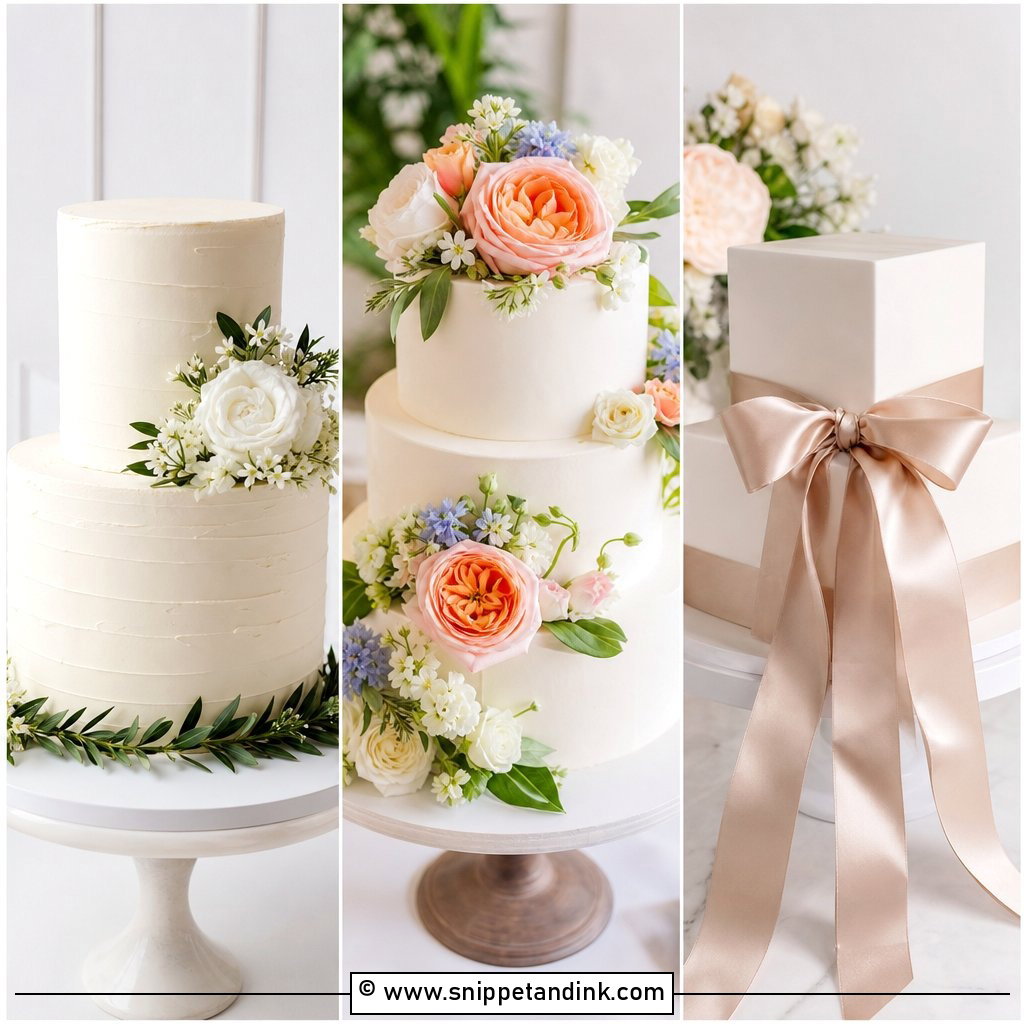
6. Fresh Flower Wedding Cake
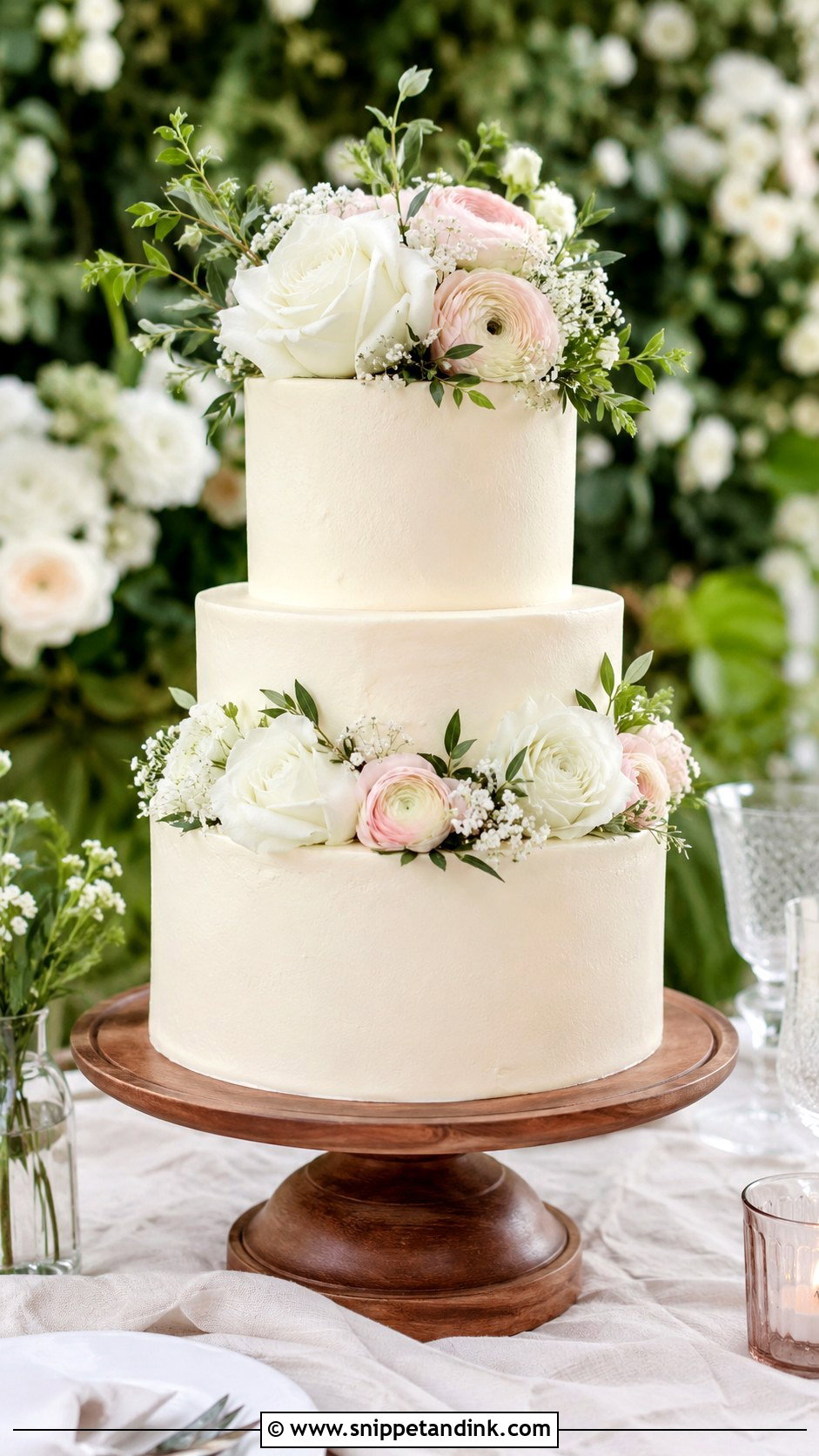
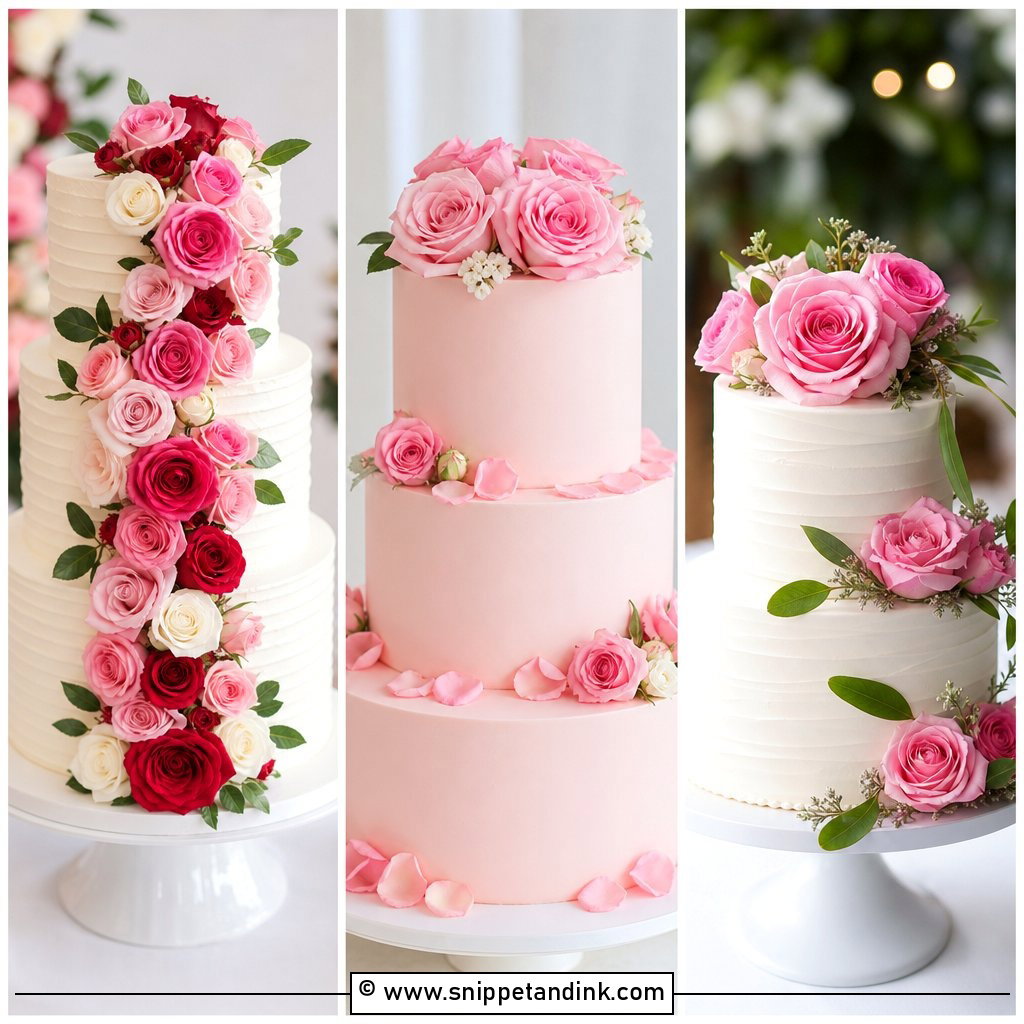
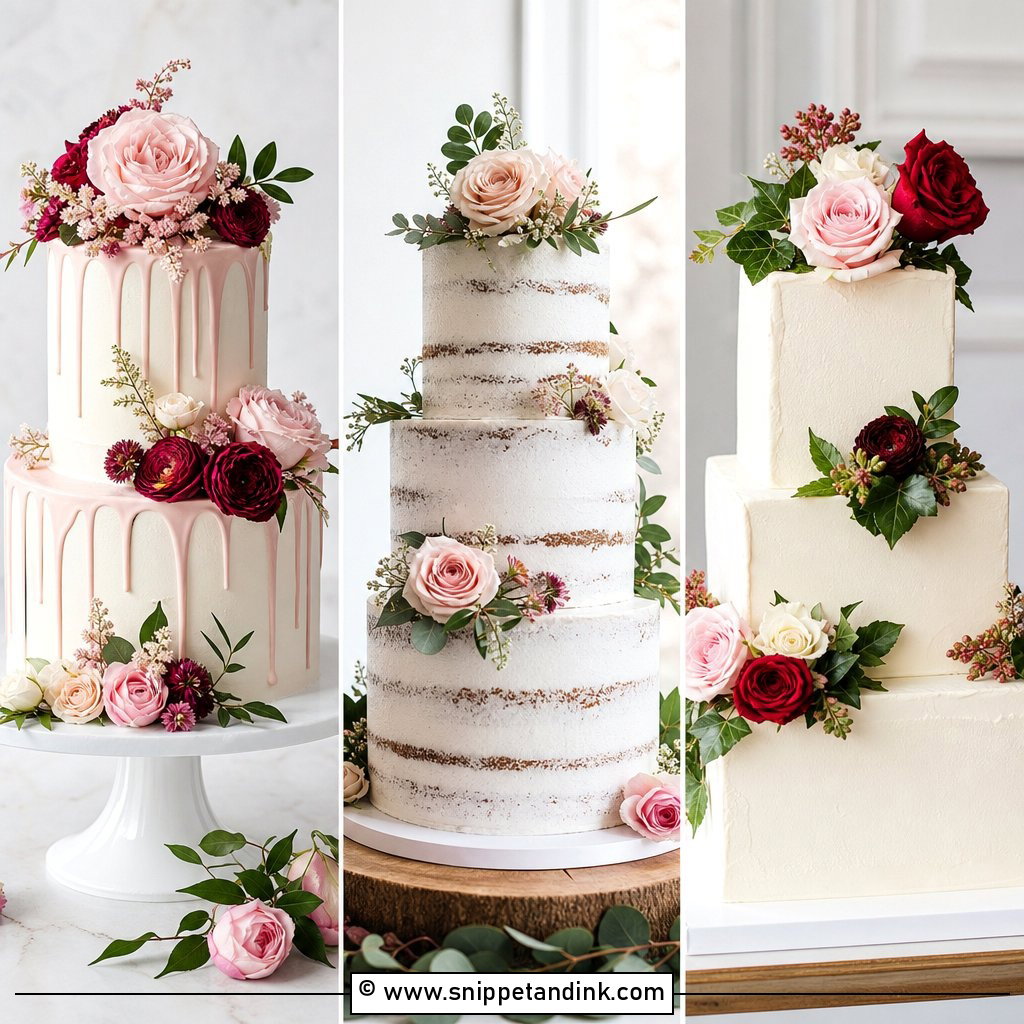
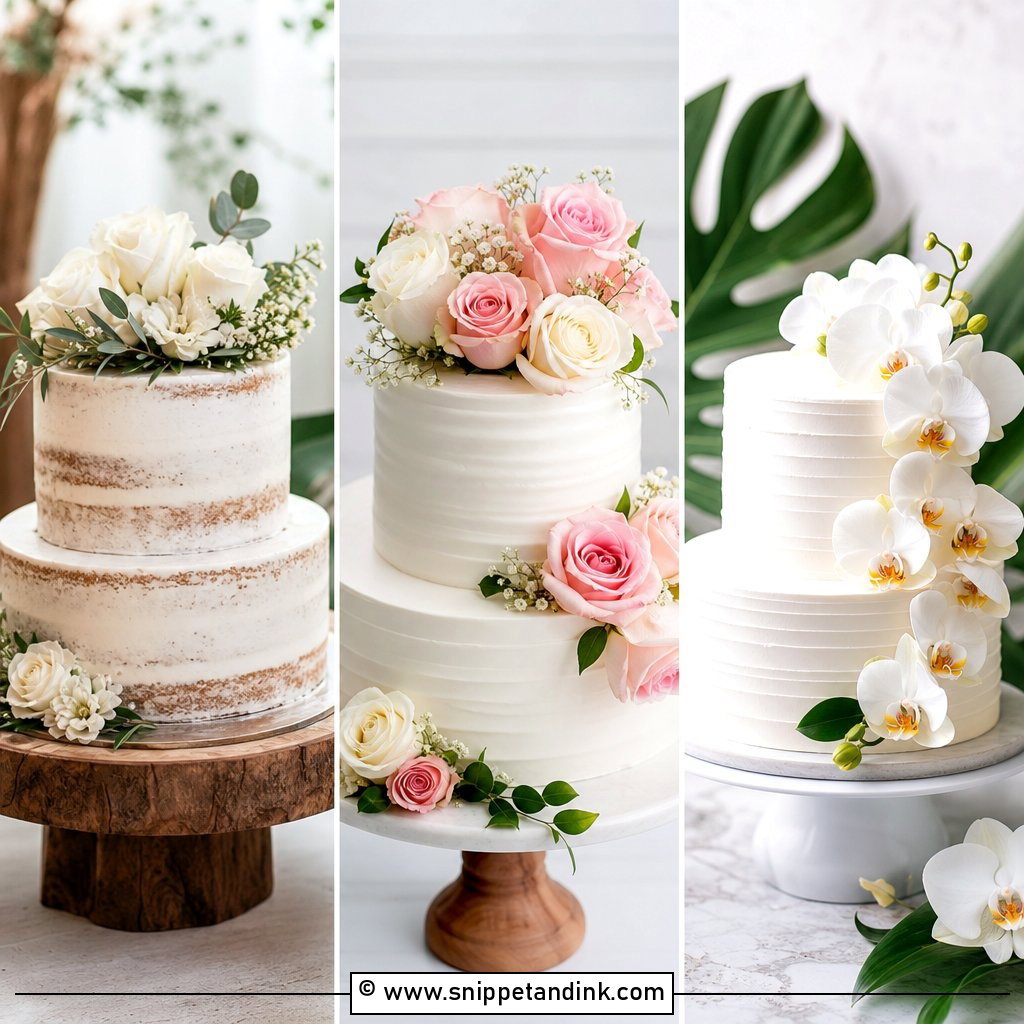
Safe placement is the whole technique with fresh flowers. Several common wedding flowers are toxic, and many are sprayed, so I only use blooms the florist confirms are pesticide-free and food-safe. Stems are wrapped in floral tape and set into flower picks, never pushed bare into the cake, since sap and water leak into the sponge. I place the large blooms first, then fill gaps with smaller flowers and greenery. Arrange them as close to the reception as you can; they wilt against warm buttercream.
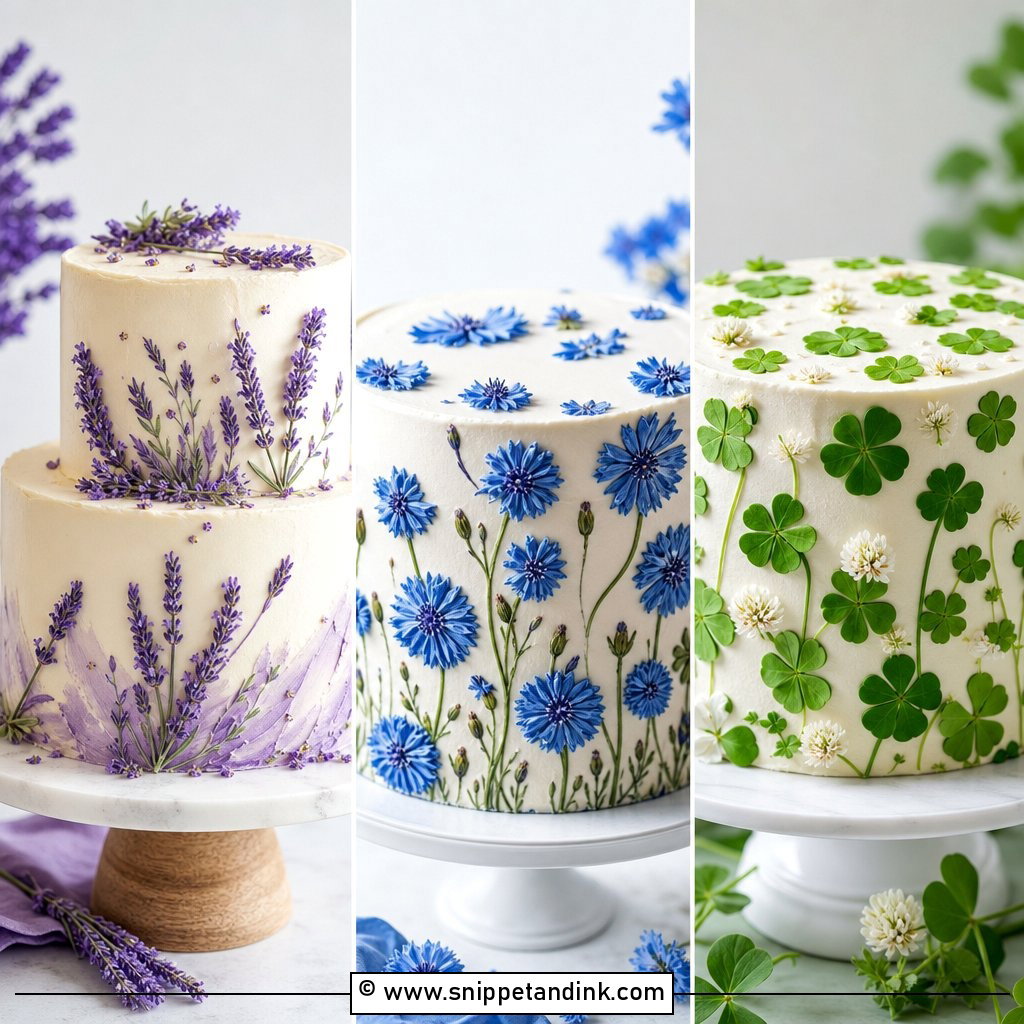
7. Pressed Flower Wedding Cake
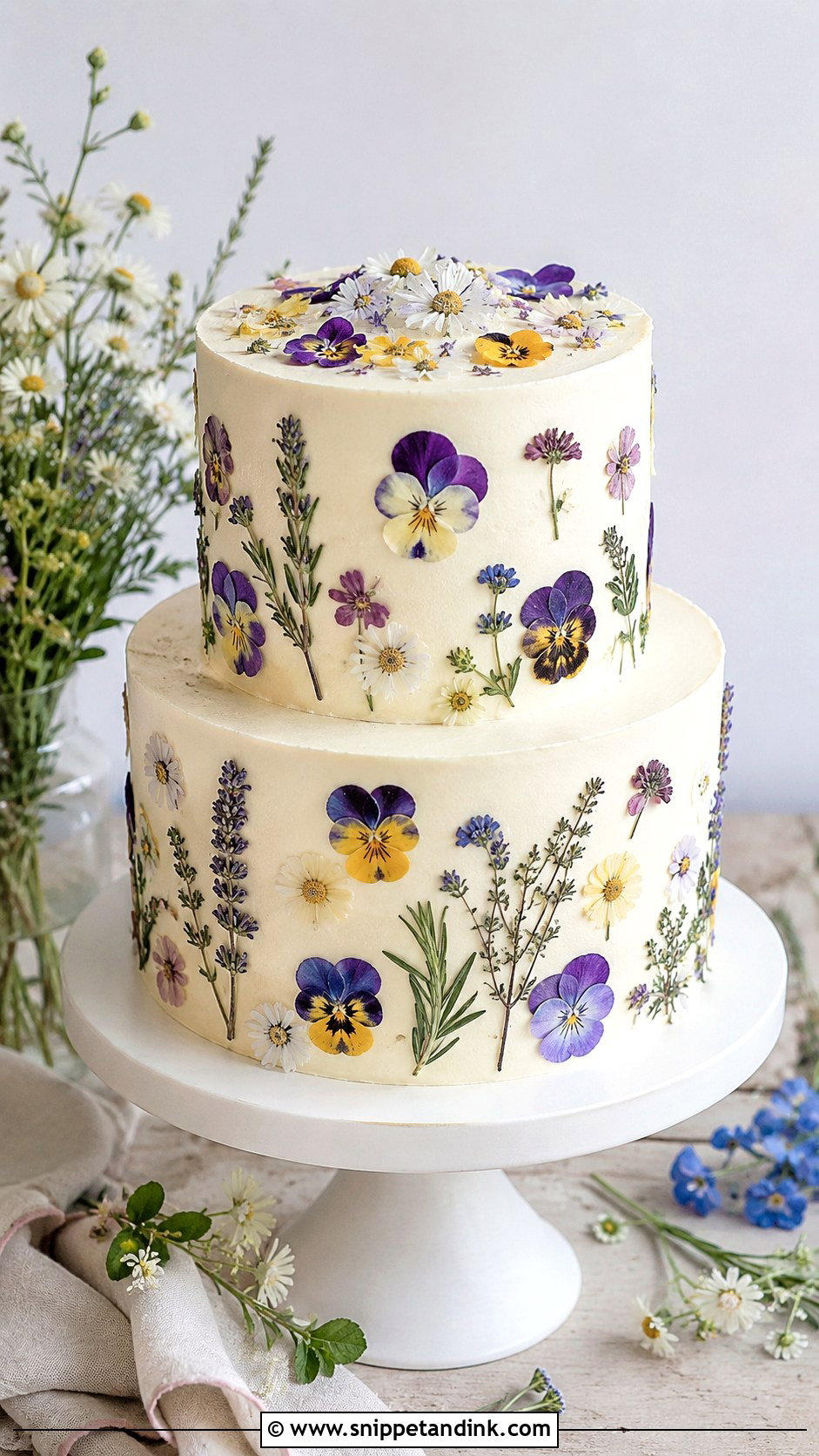
Pressed flowers lie flat against buttercream or fondant, so they look like botanical prints. Use only edible flowers, pressed dry. I place them with tweezers and press gently so they stick without tearing. Pressed petals are delicate and absorb moisture from soft buttercream over several hours, which can make them look damp, so I apply them close to delivery. A smooth white base shows their color best. Keep everything else on the cake plain.
8. Palette Knife Flower Wedding Cake
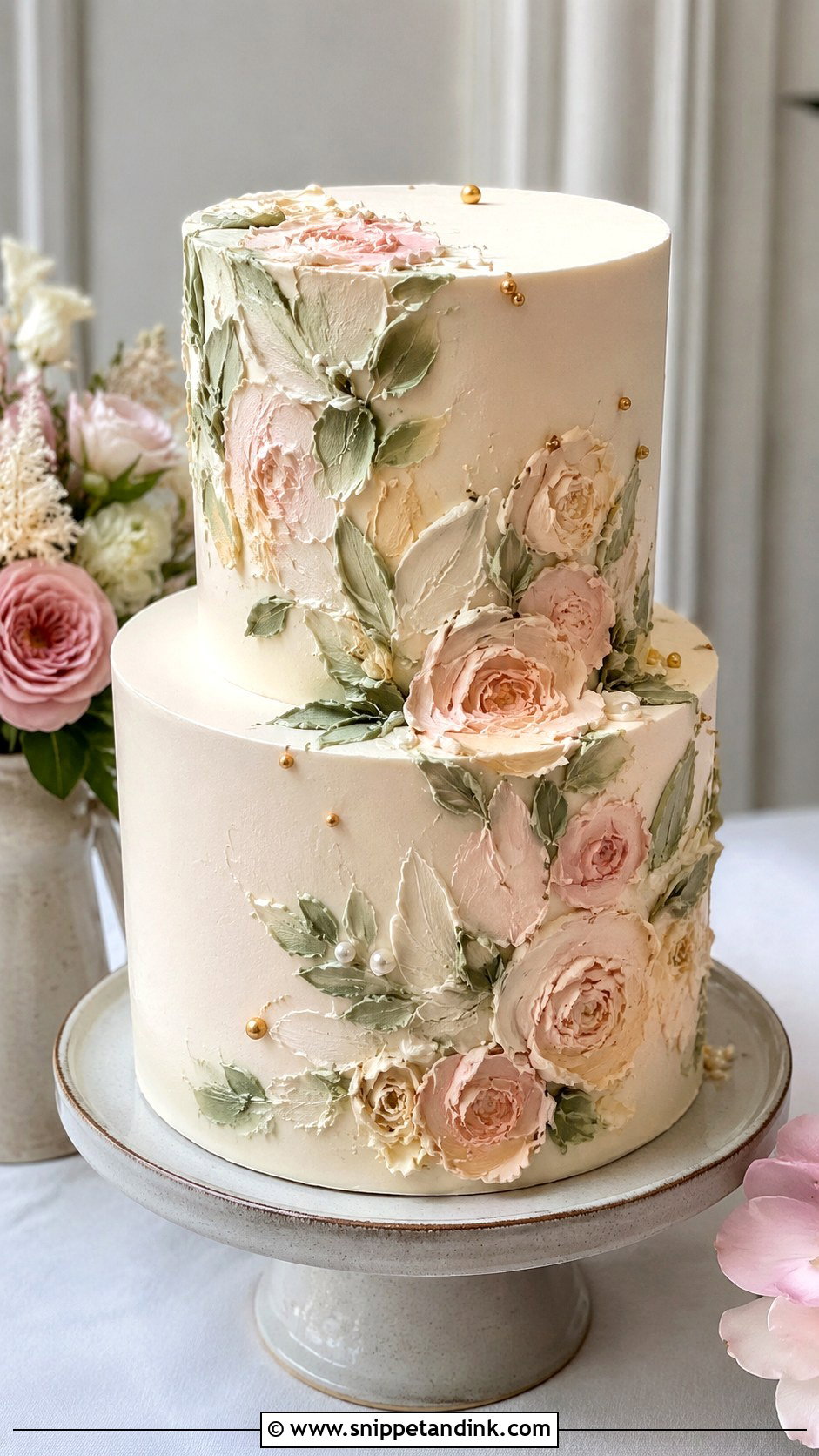
Palette knife flowers are painted rather than piped: you pick up colored buttercream on a small knife and drag it onto the cake in petal shapes. The buttercream needs to be medium-stiff, firm enough to hold the drag marks without cracking. I start with light pressure and build each petal in layers. Roses, peonies and daisies all work, as do abstract blooms. It suits couples who want flowers but like an artistic look more than realistic sugar work.
9. Wafer Paper Wedding Cake
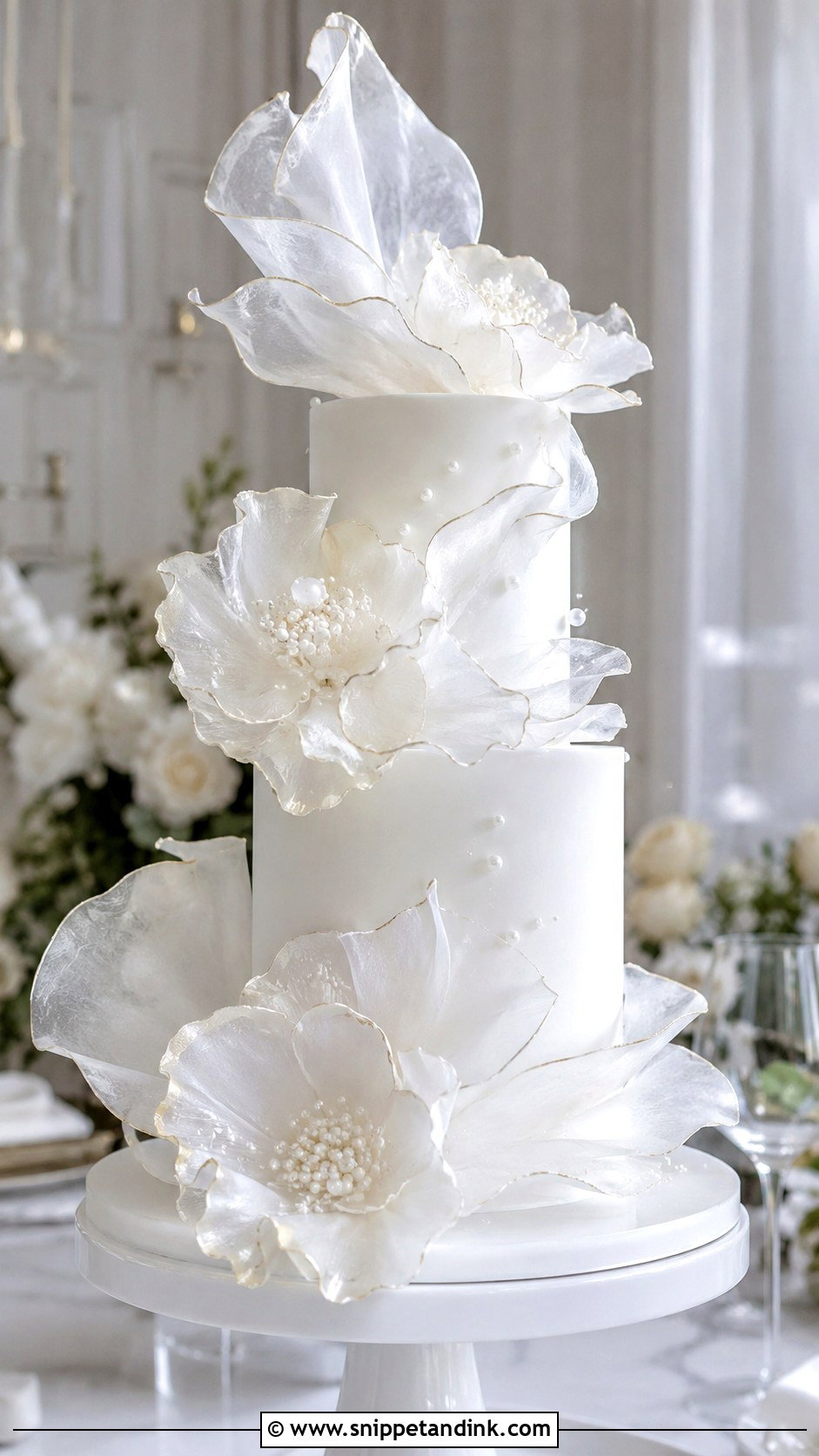
Wafer paper can be cut, curled, folded and ruffled into sails, petals and flowers, and it weighs almost nothing. Moisture is its weakness. Too much water or steam and it dissolves or warps, and humid rooms soften it over hours, so I keep a cake like this cool and dry until the last moment. It sits best on fondant or a firm, cold buttercream. White wafer paper looks soft and bridal; brushing the edges with pearl or gold dust adds a little shine.
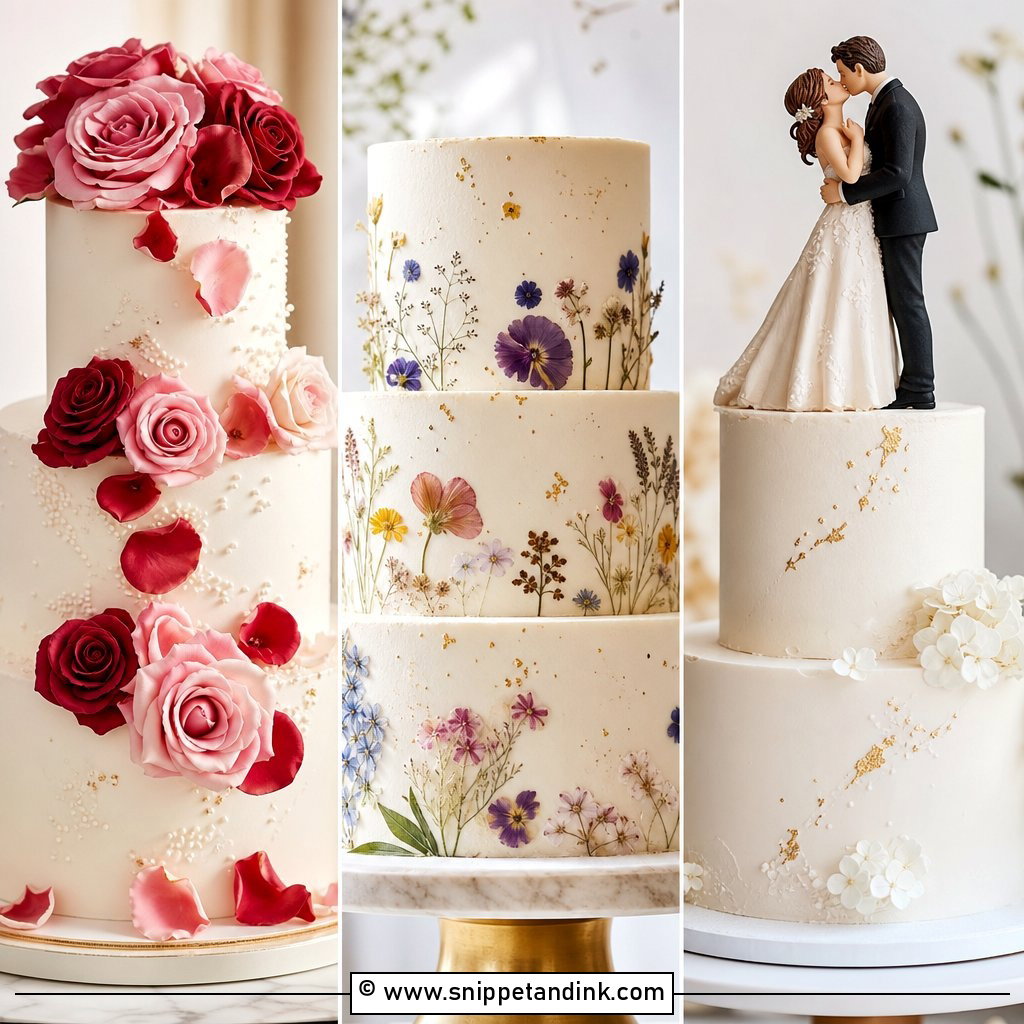
10. Buttercream Ruffle Wedding Cake
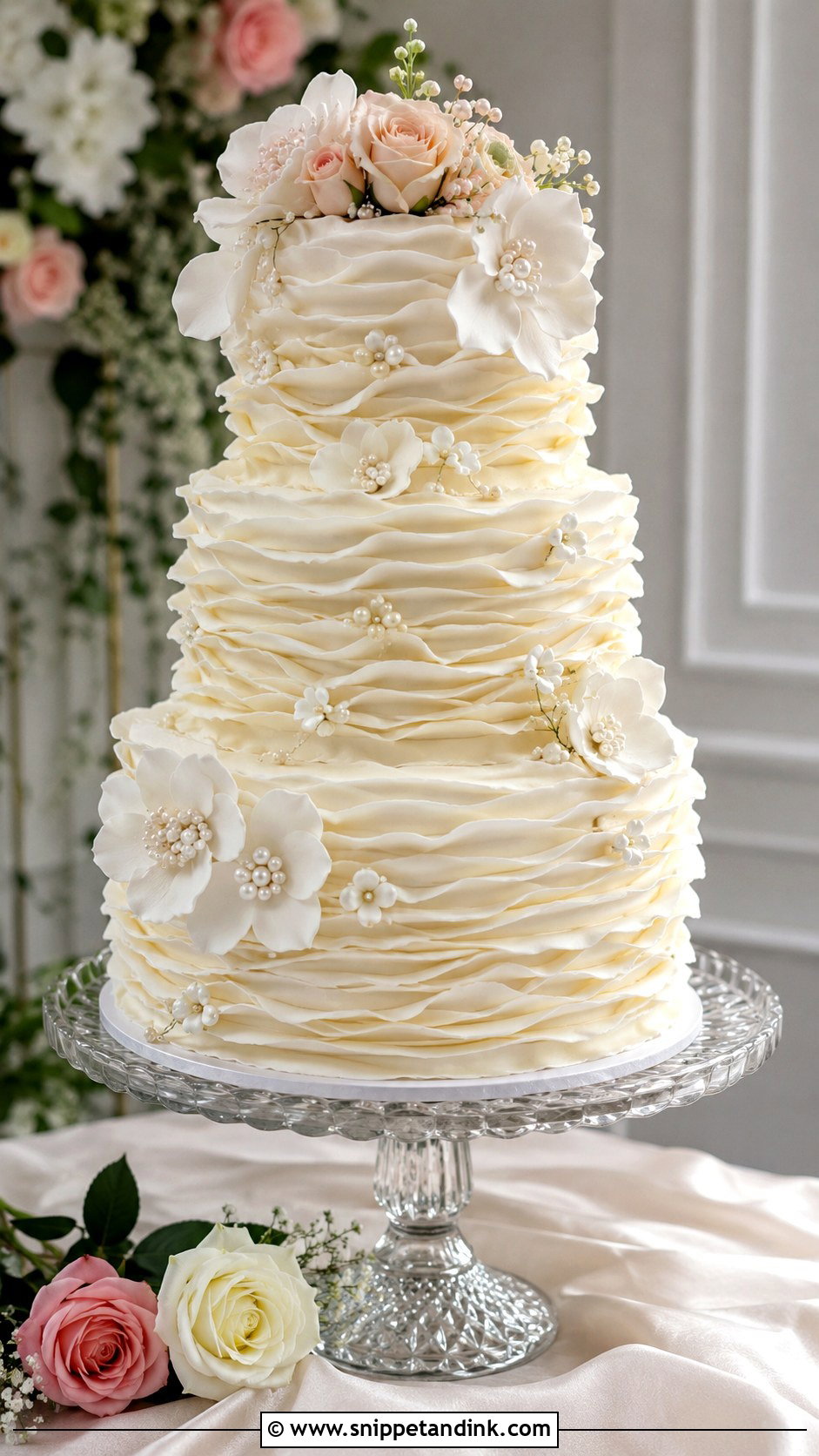
Ruffles are piped with a petal tip in overlapping ribbons, vertical, horizontal or loose like petals. The buttercream must be soft enough to flow through the tip but firm enough to hold an edge, and that balance shifts as your hands warm the piping bag, so I swap bags regularly. Ruffles cover the whole cake, which hides uneven sides. Keep one tier smooth or add a few simple flowers so the eye has a place to rest.
11. Semi Naked Wedding Cake
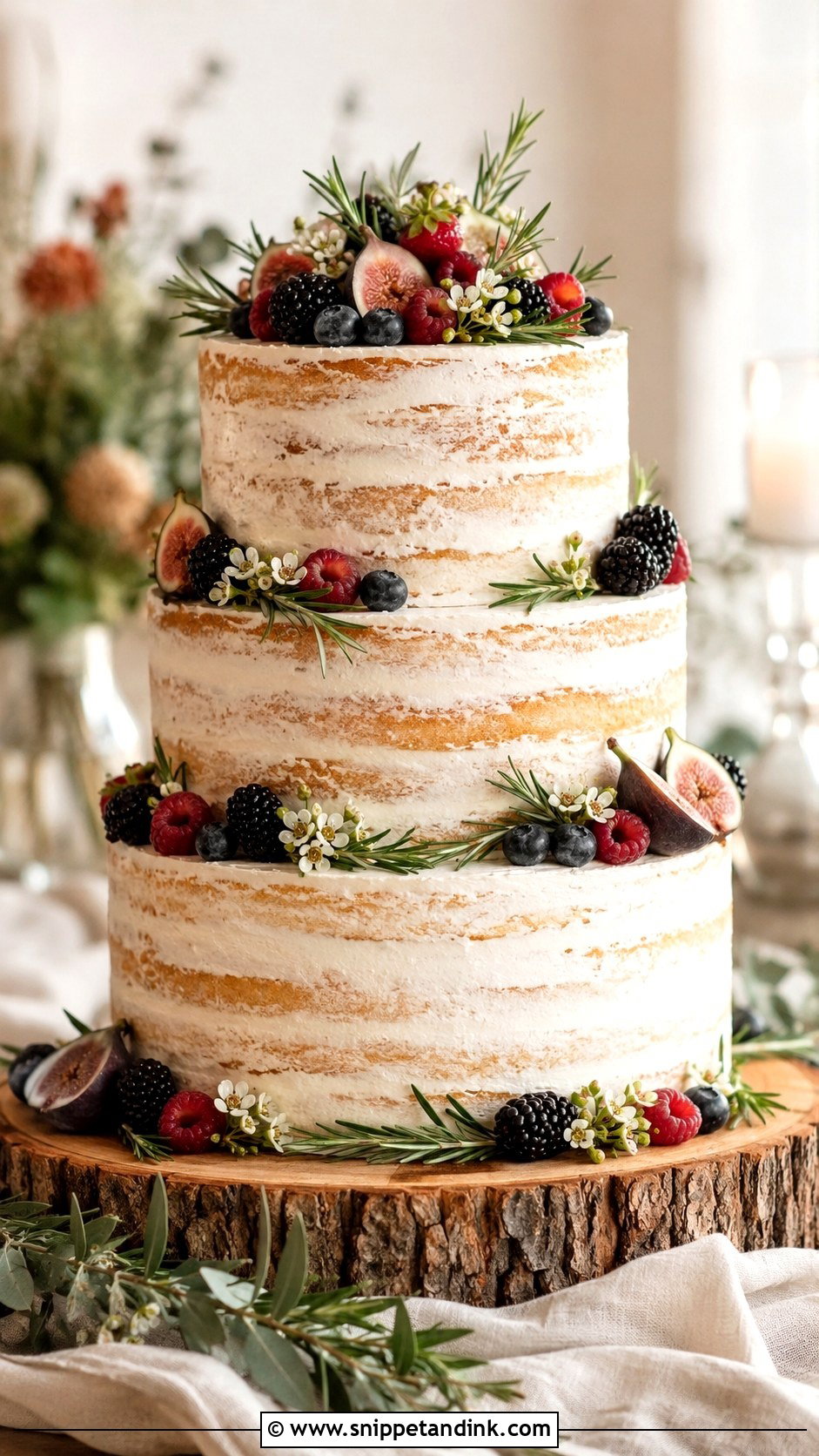
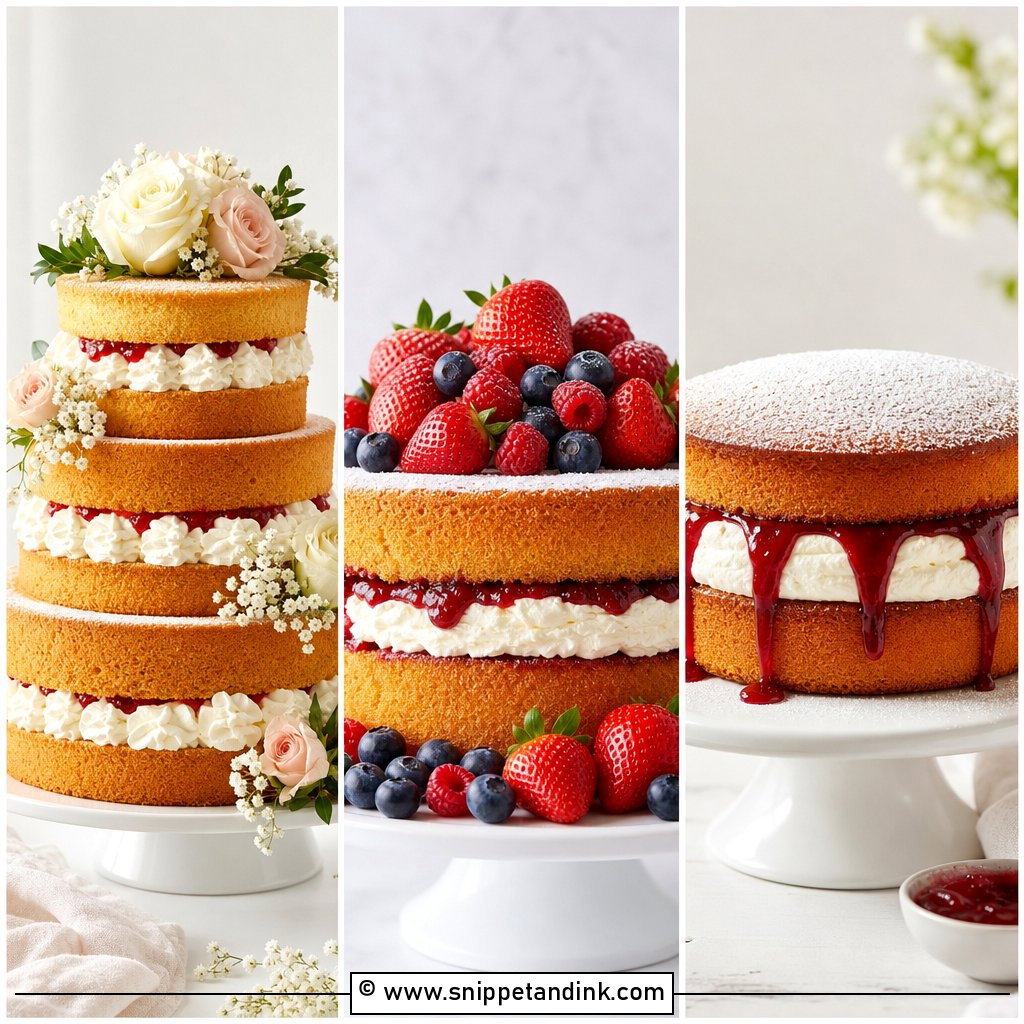
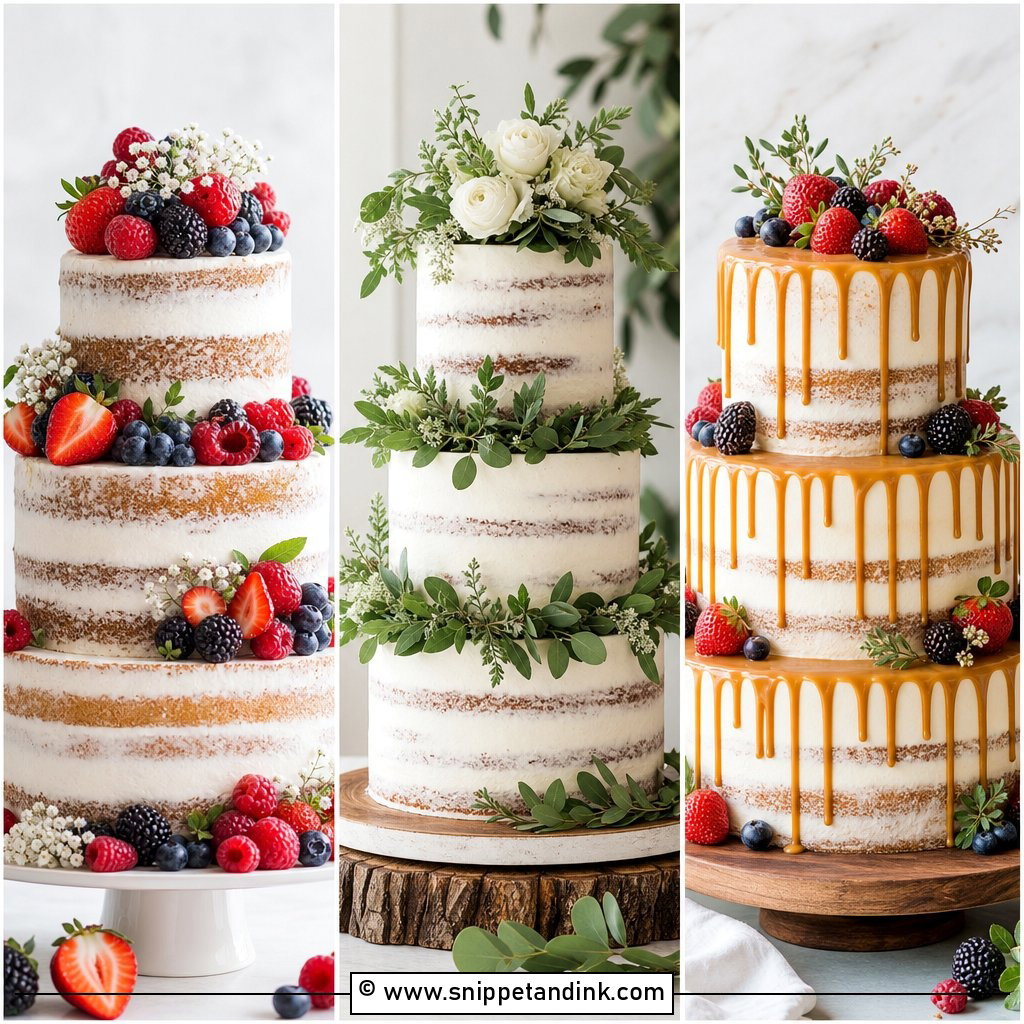
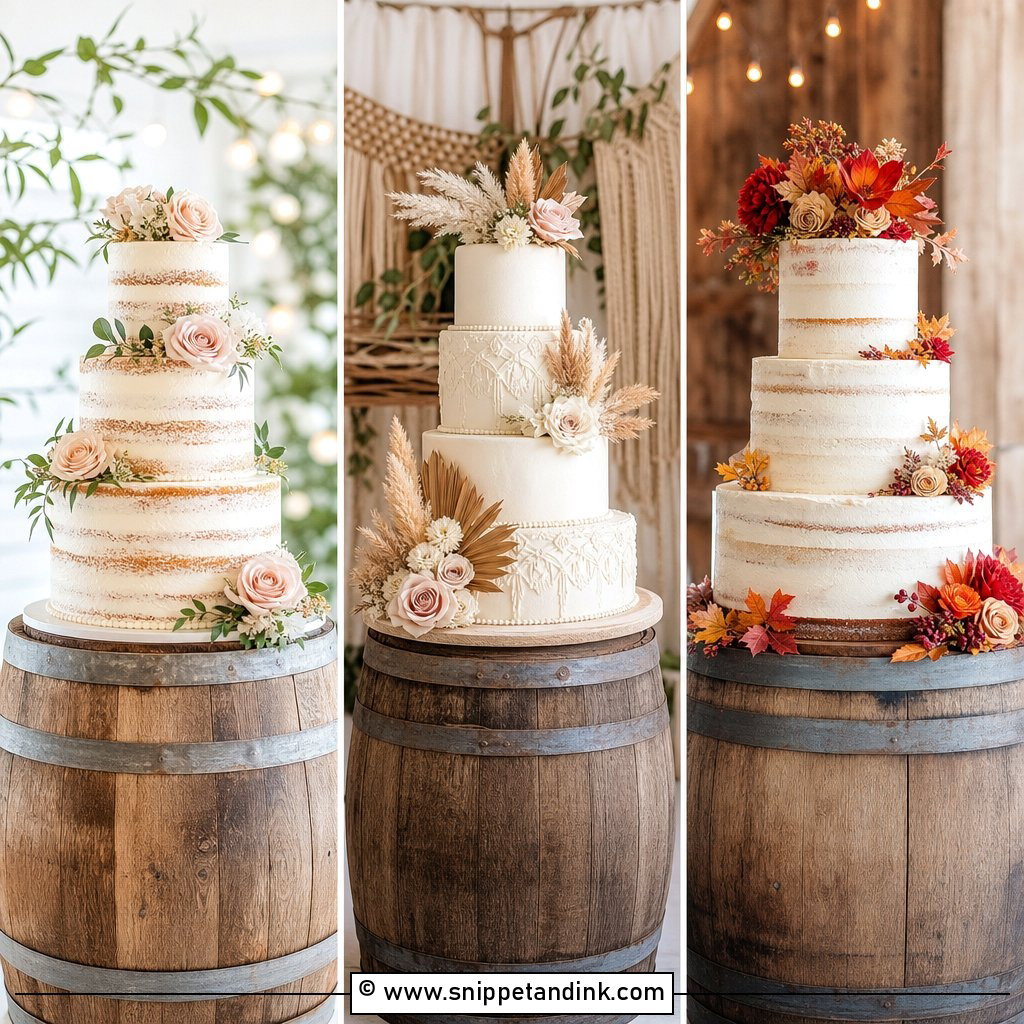
A semi naked wedding cake looks easy and needs more control than people expect. Apply buttercream to the outside, then scrape most of it away so the layers peek through evenly. A chilled cake gives cleaner scraping. Exposed sponge dries out, so I finish these as close to delivery as possible and keep them covered. Berries, figs, herbs and fresh flowers suit it. It should look deliberate, not like the baker ran out of time.
12. Drip Wedding Cake
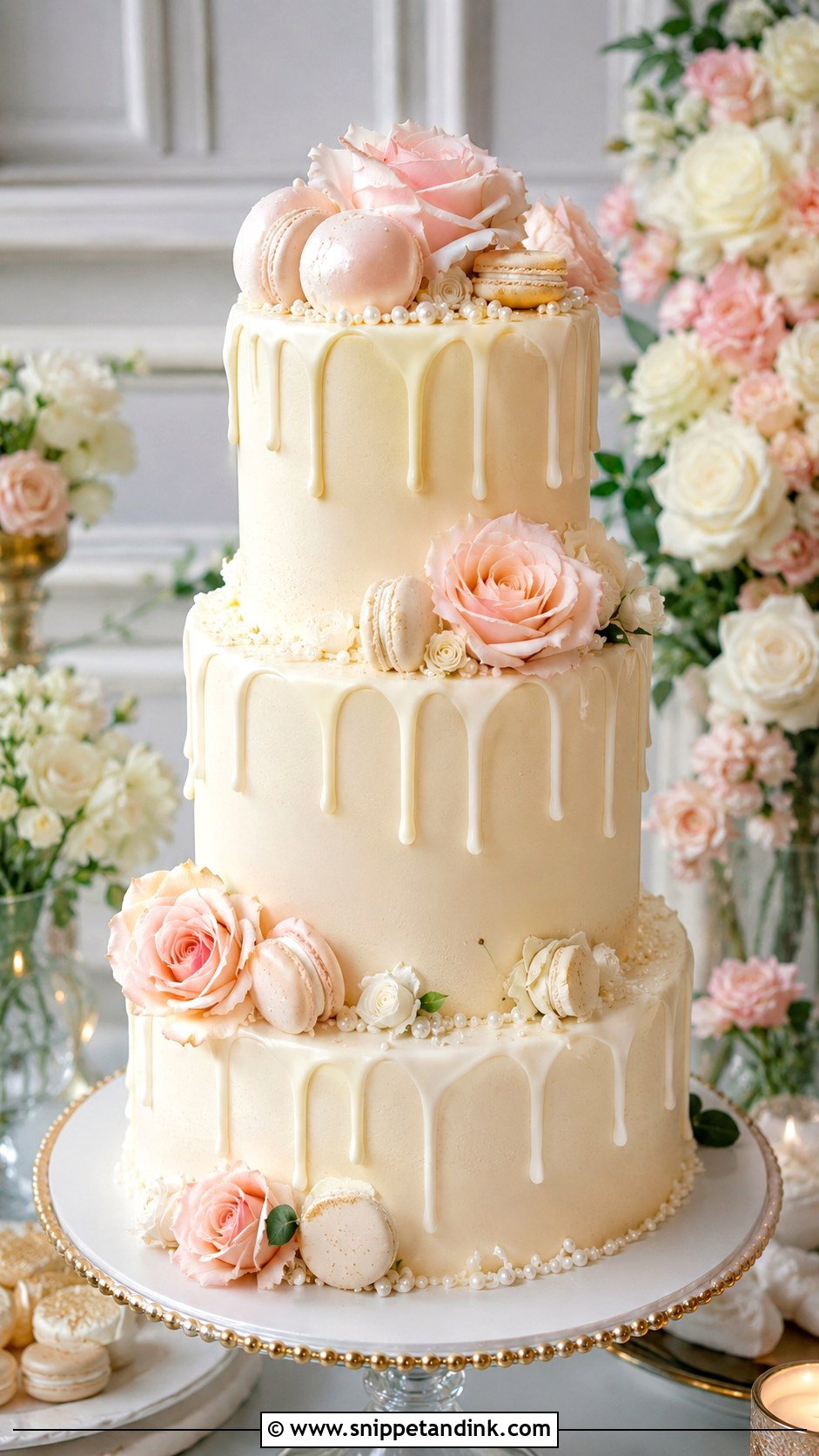
Temperature is everything with a drip. Ganache, caramel, white chocolate or colored glaze that is too warm runs to the board; too cool and it clumps halfway down. I test a single drip on the back of a well-chilled cake first and adjust before going around. A spoon or squeeze bottle gives better control than pouring. Keep the base smooth, since drips show every bump. Flowers, berries, macarons or a little metallic finish on top suit it.
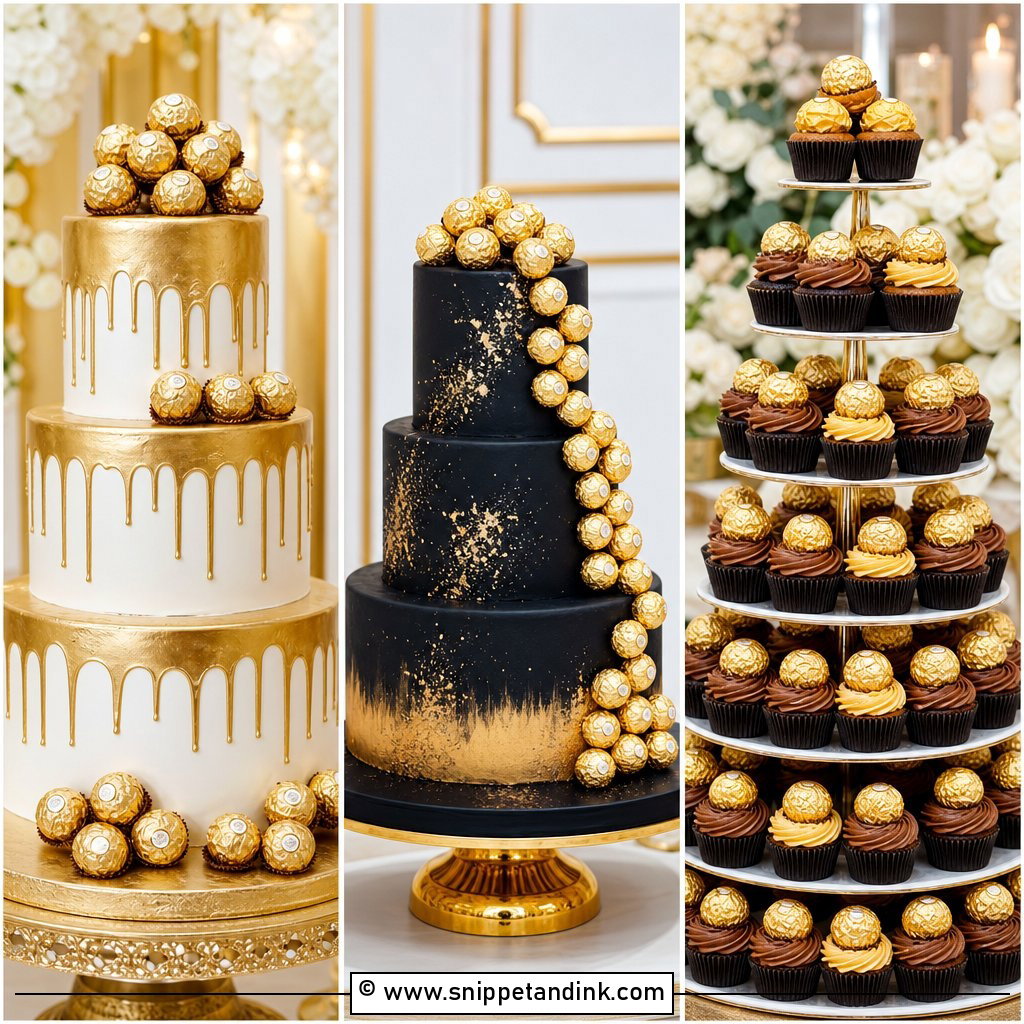
13. Metallic Wedding Cake
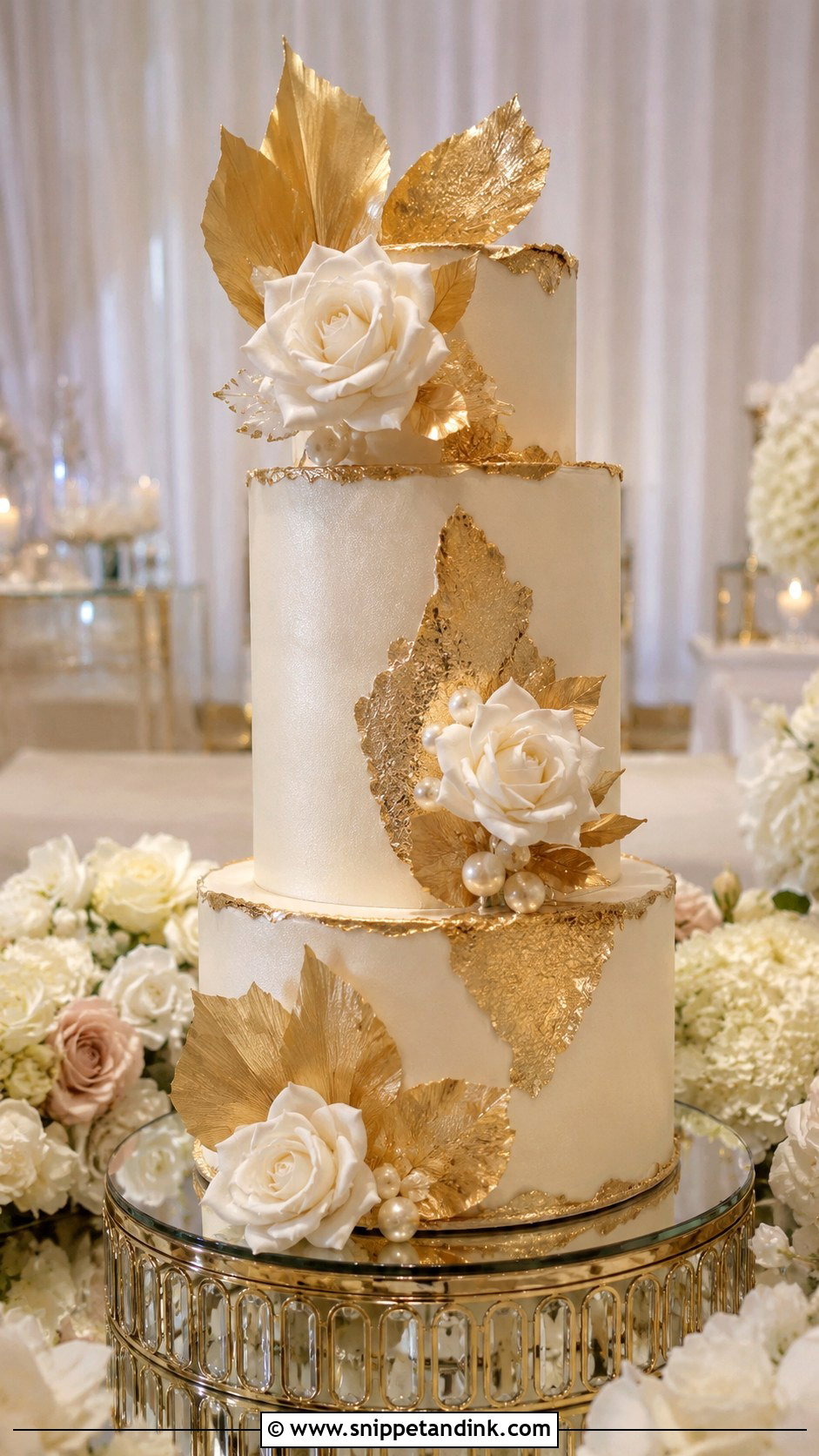
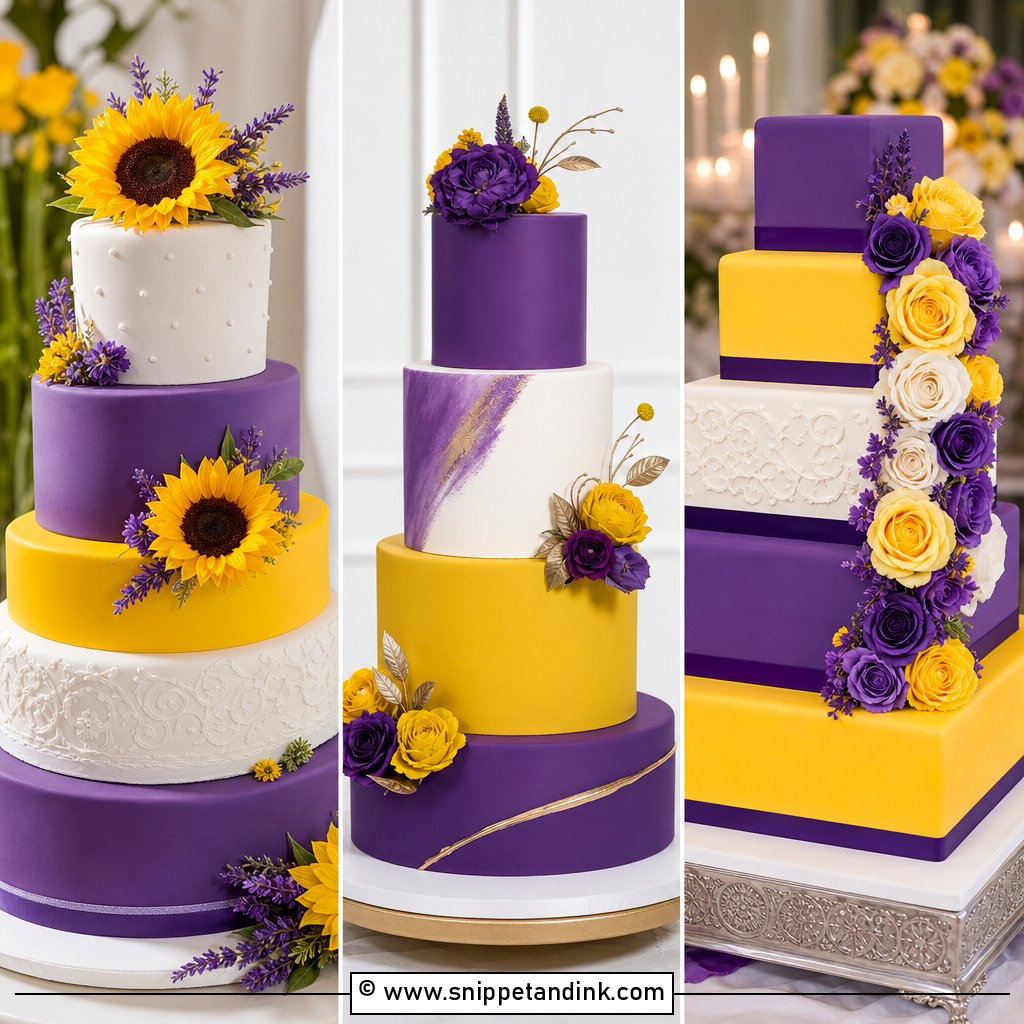
Gold, silver, champagne and rose gold can go on as luster dust, paint, leaf or sprinkles. I use them in small areas: one painted tier, gilded wafer paper edges, highlighted piping or a few torn pieces of leaf. Check labels carefully. Some metallic dusts are sold as non-toxic for display rather than edible, and those shouldn’t go on a cake people eat. Metallics sit well on fondant, buttercream and textured finishes, beside ivory, blush, black, sage or dusty blue.
14. Hand Painted Wedding Cake
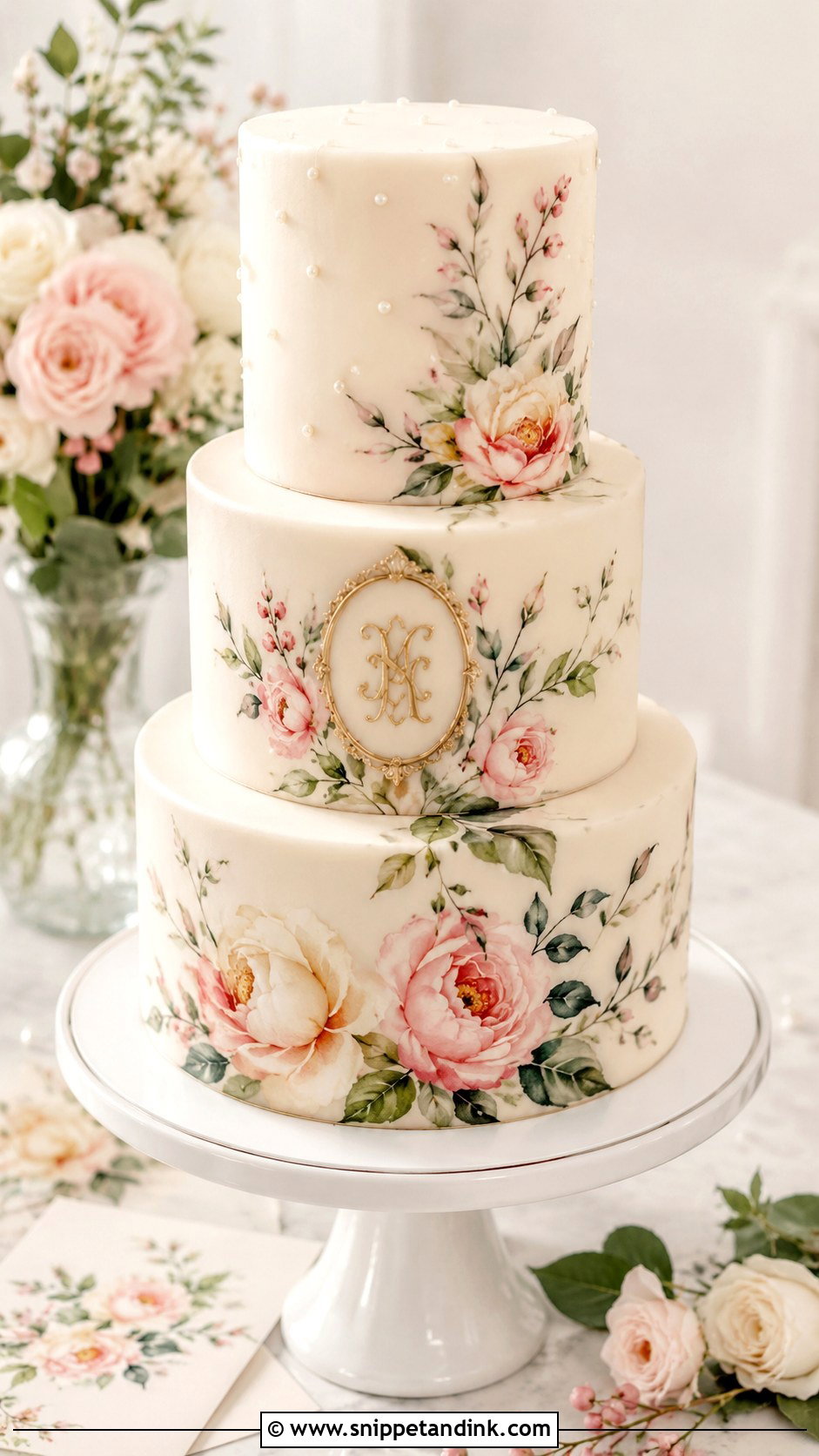
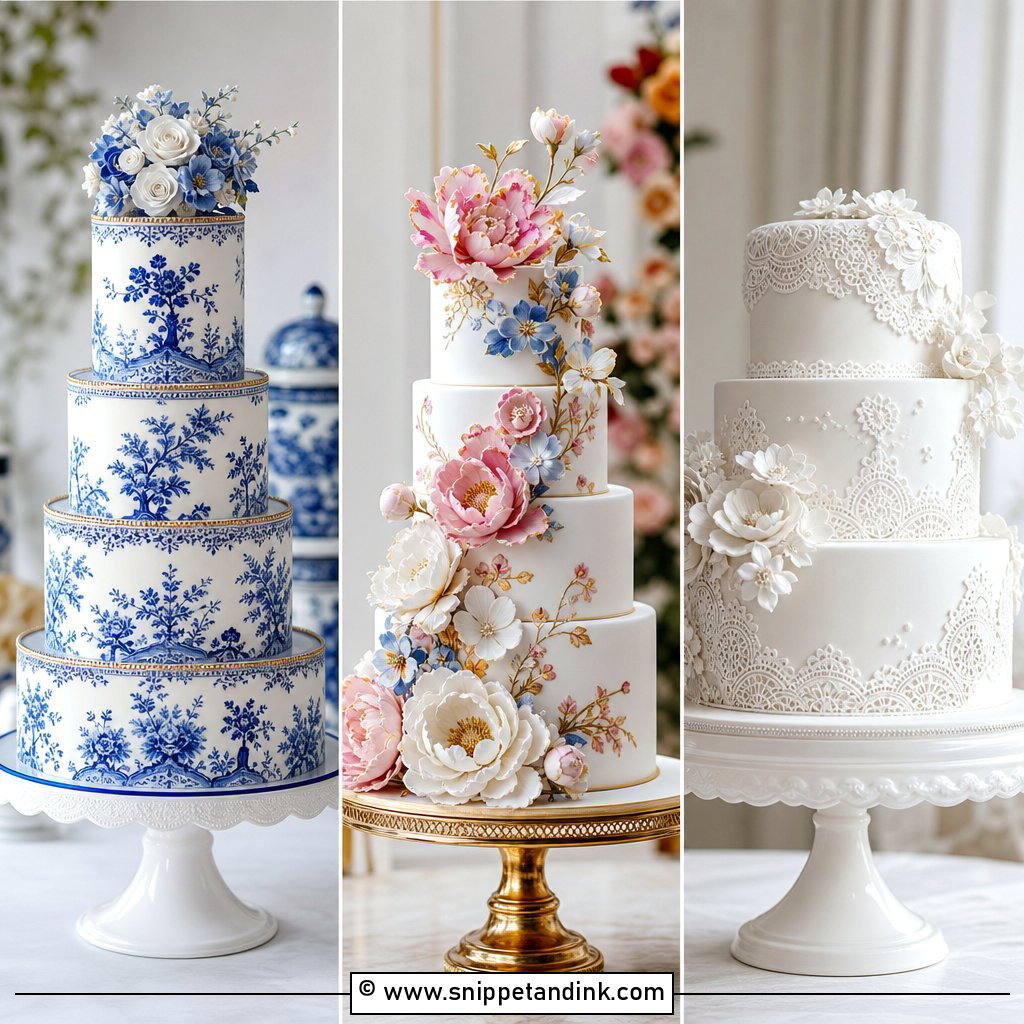
Hand painting is usually done on fondant because its smooth, dry surface holds fine lines; firm buttercream handles looser watercolor work. I mix gel color with a little clear alcohol-based extract so it dries quickly and doesn’t dissolve the fondant. Build in light layers and let each one dry. Florals, vines, monograms and patterns lifted from the invitation or linens are typical. It suits custom wedding cakes, and the cake shape should stay simple so the artwork reads clearly.
15. Stenciled Wedding Cake
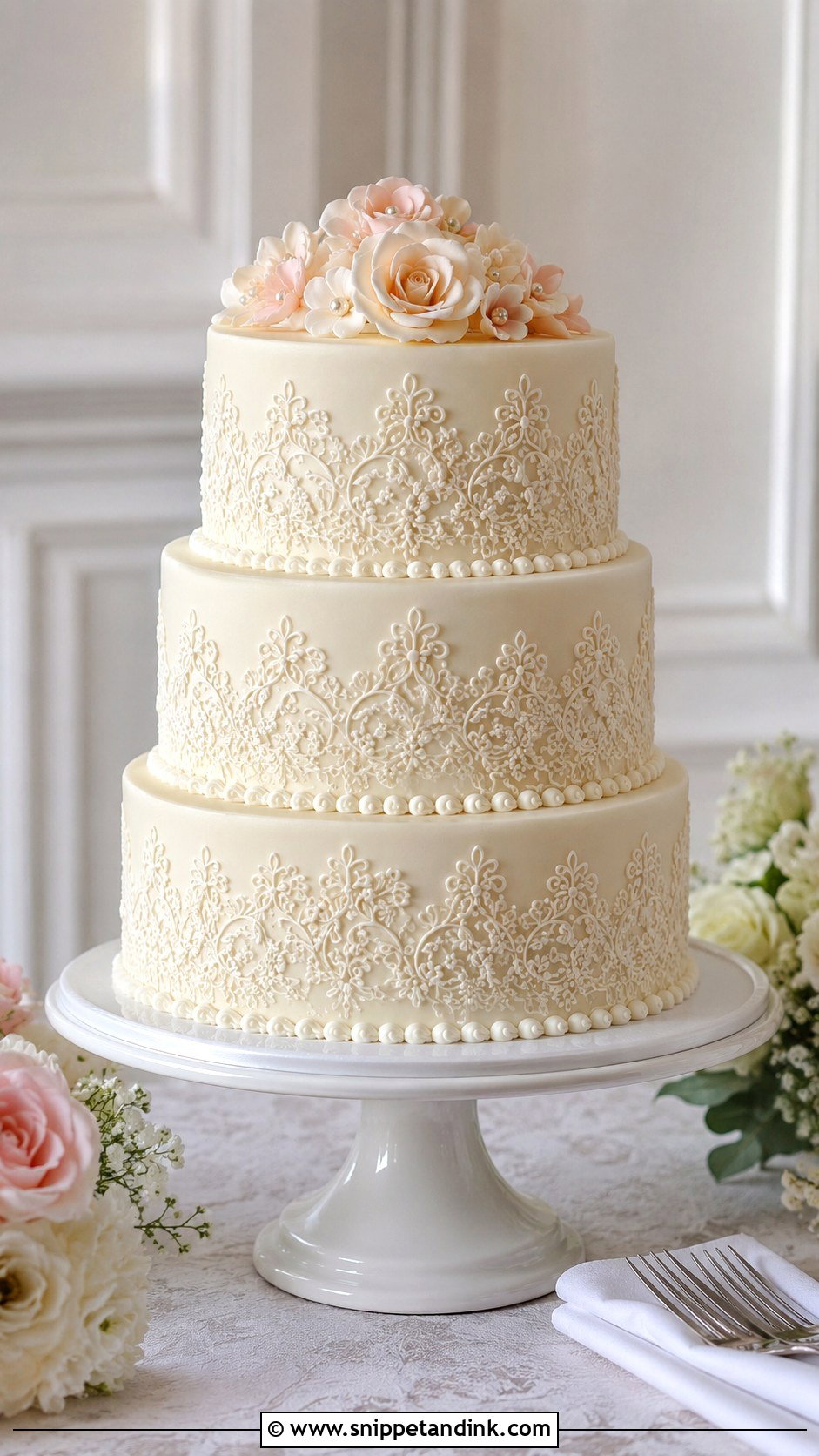
A stenciled wedding cake gives detailed patterns that repeat exactly. Hold a food-safe stencil flat against a chilled cake, spread royal icing, buttercream, paint or dust over it, then lift straight off. The usual mistake is letting the stencil slide while scraping, which smears the whole pattern; I tape or pin it lightly to fondant. Lace, florals, geometric and damask patterns are common. Use it on one tier for contrast or all tiers for a bolder look.
16. Piped Lace Wedding Cake
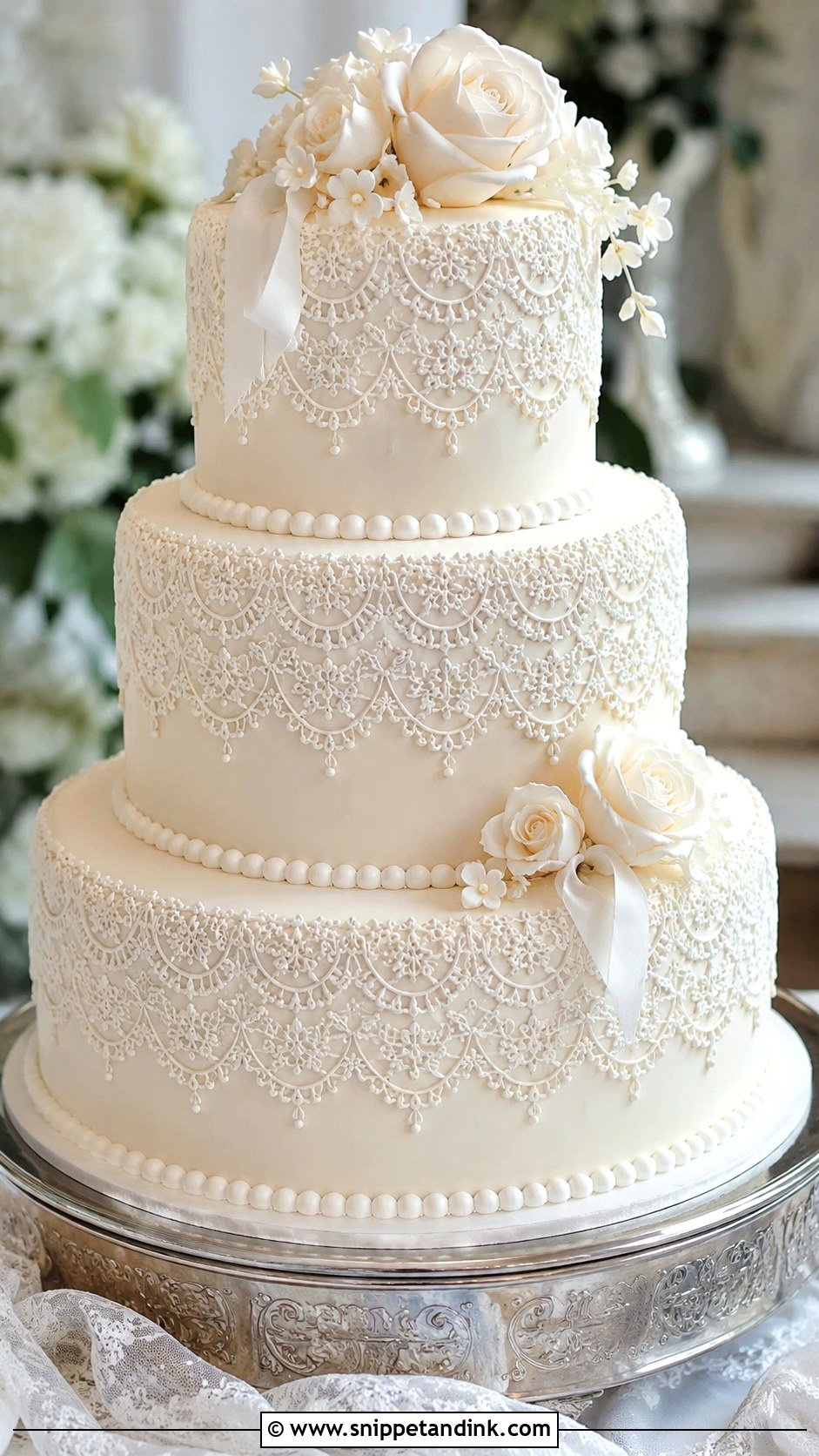
Piped lace uses tiny loops, dots and scallops of royal icing or firm buttercream to suggest bridal fabric. It takes a steady hand, so I’d begin with a simple border pattern before trying a dense panel. Pieces can be piped directly onto the cake or onto acetate, dried, then attached, which lets you discard broken ones. White on white is classic; ivory over blush is warmer. Many couples ask for it to echo lace on the dress.
17. Pearl Wedding Cake
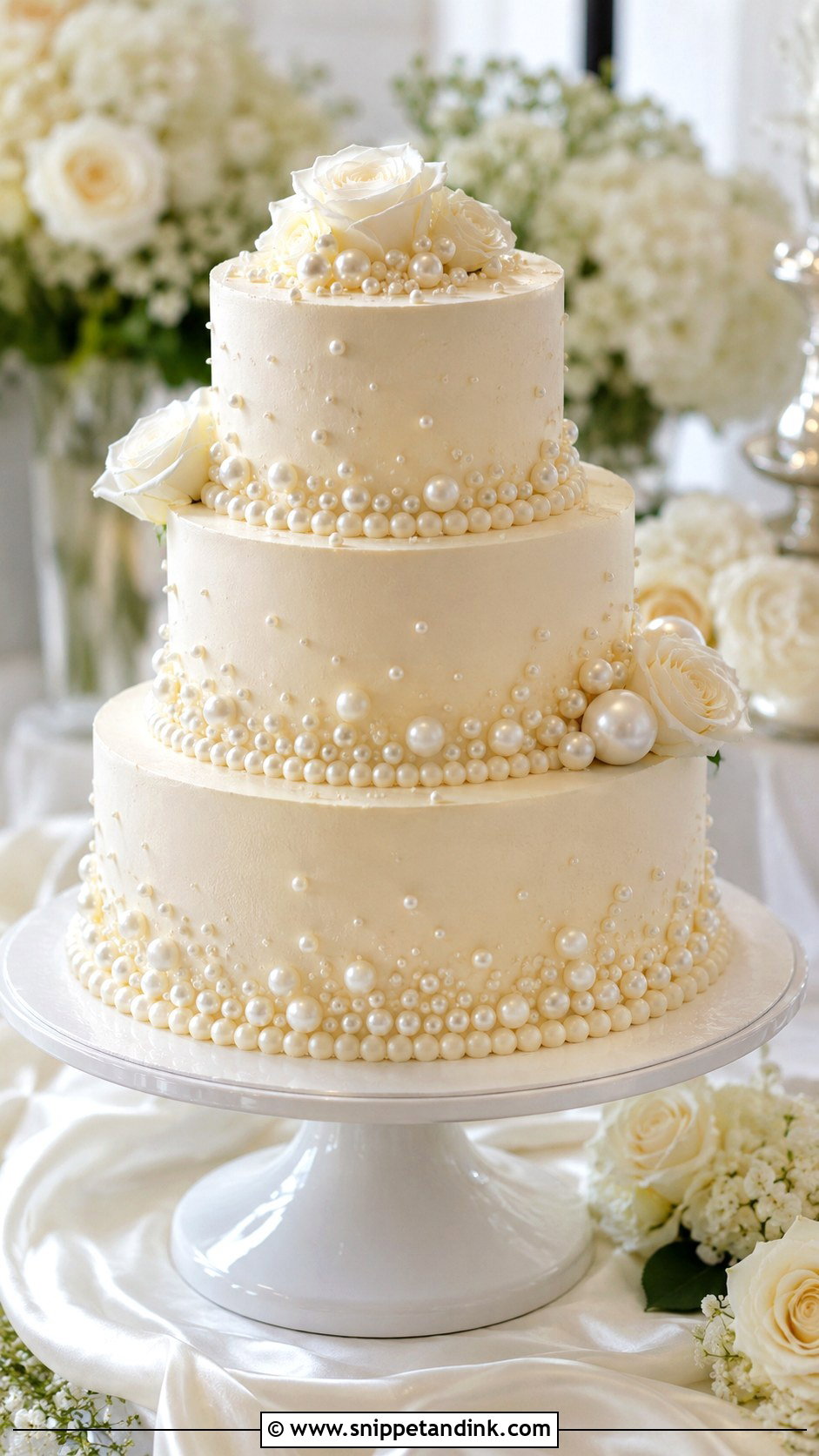
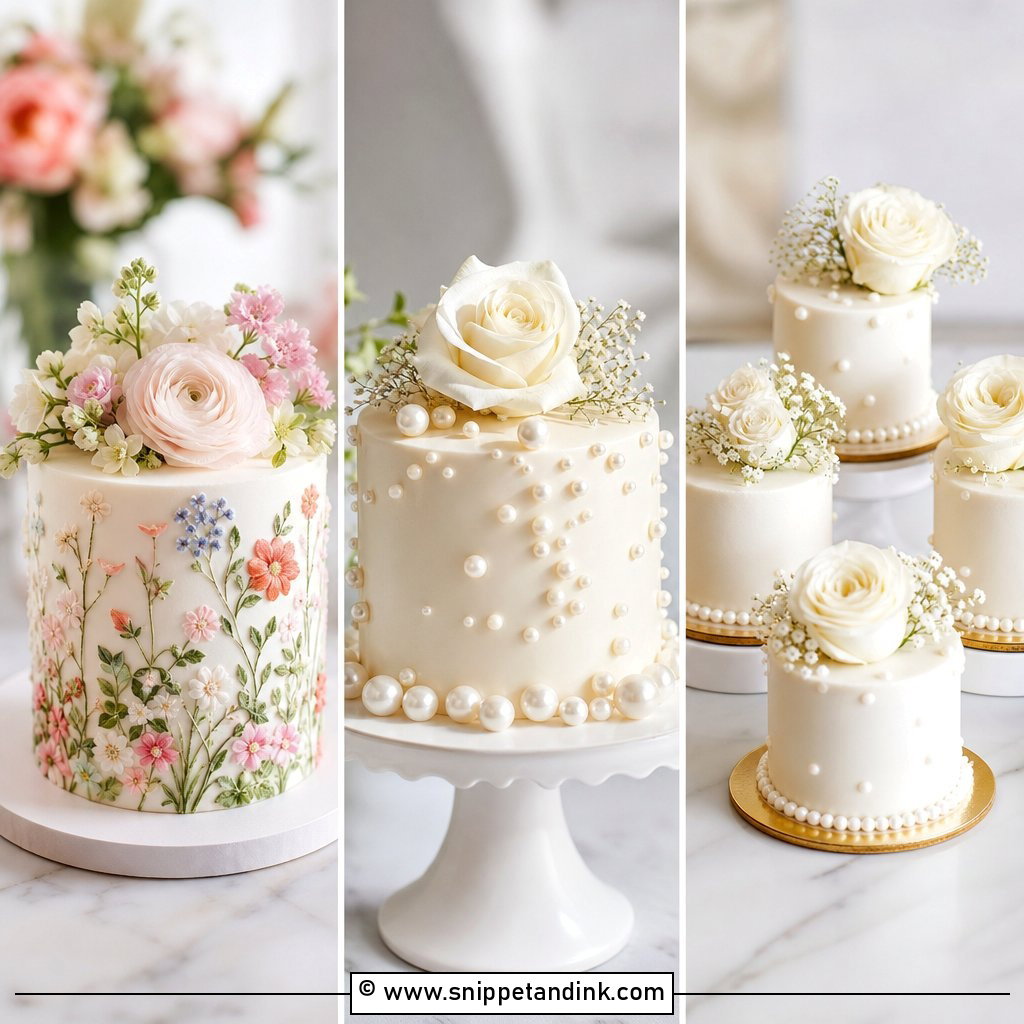
Pearls can be a simple border or a full tier covered in a pattern. I place each one with tweezers while the icing is still tacky so it sets in. Mixing sizes looks more modern than a uniform row. Hard sugar pearls can be tough to bite through, and very small ones are easier to eat. They pair well with smooth buttercream, fondant, Lambeth piping and lace, in ivory, cream, champagne or blush.
18. Monogram Wedding Cake
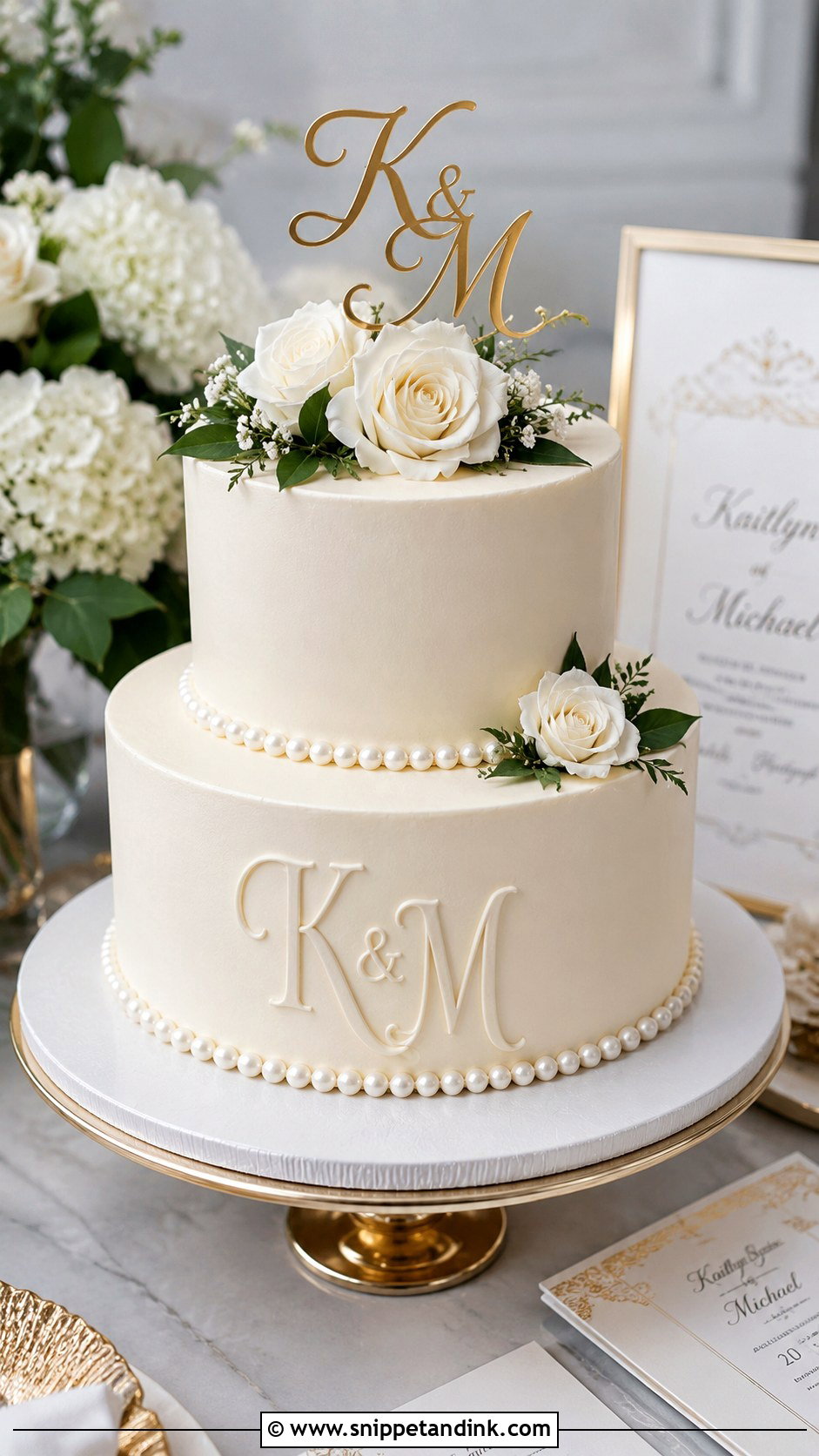
A monogram wedding cake works when the lettering is readable from a few feet away. Piped, painted, stenciled, cut from fondant or made as a plaque: the method follows the cake. A formal fondant cake carries a painted gold monogram well; buttercream suits piped initials in a floral wreath. I sketch the letters at actual size before touching the cake. Place it on the front of the middle or top tier.
19. Geometric Wedding Cake
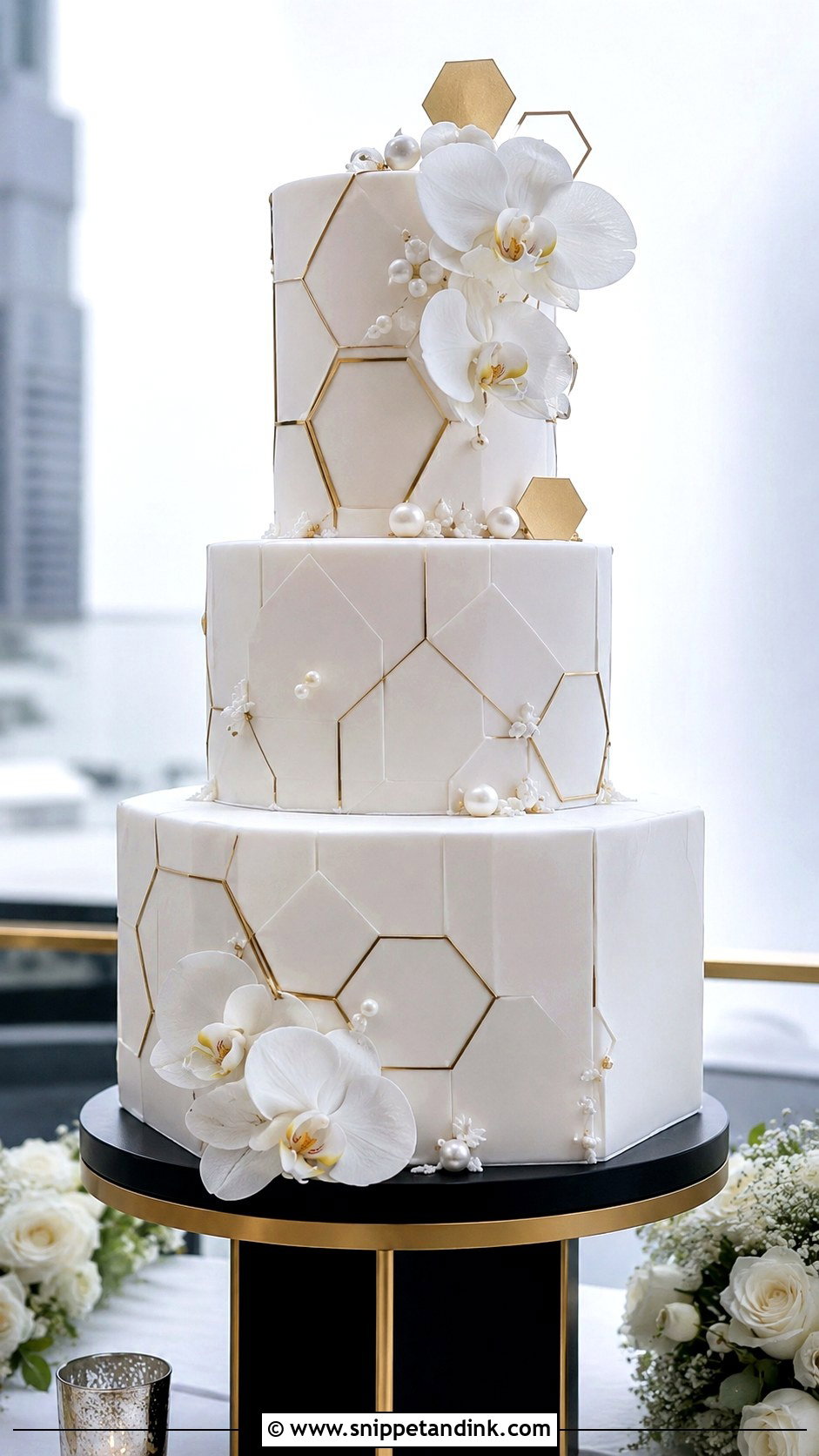
Precision is the technique with a geometric wedding cake. Fondant panels, triangles, hexagons, square tiers or painted lines all show any error, so I measure before cutting and keep the cake cold so pieces sit flat. White, black, gold, taupe or muted pastels keep it clean. Flowers soften the structure; metallic accents keep it minimal. It suits gallery venues and city weddings.
20. Tiered Wedding Cake
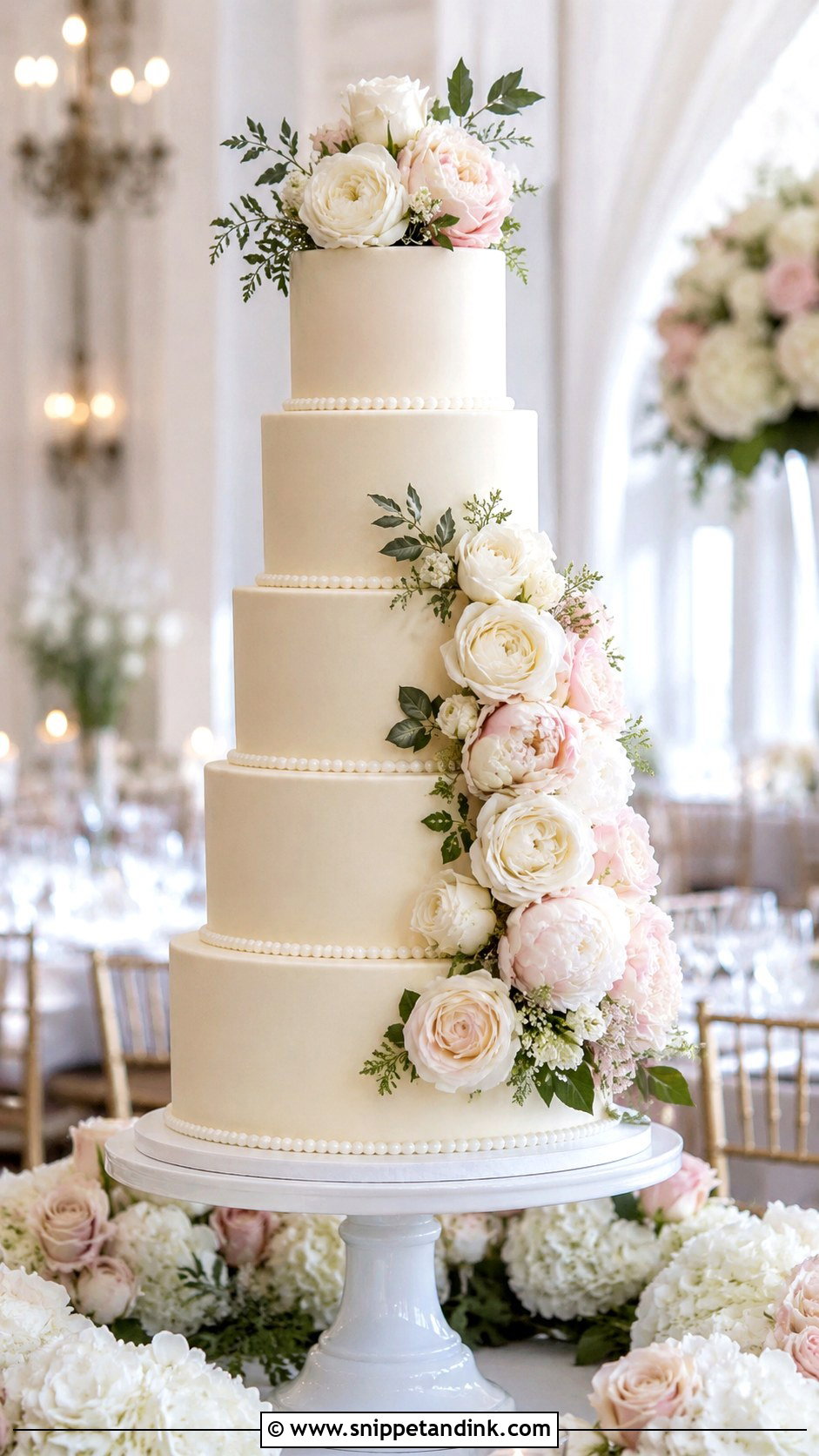
The real skill in a tiered cake is making the tiers look like one design, and keeping them standing. Pick one main finish and repeat details in proportion: heavier decoration on the larger tiers, lighter on top. Every tier above the base sits on its own cake board supported by dowels or straws in the tier below, cut to exactly that tier’s height. I add supports before decorating, never after. Done properly, it can be traditional, modern or vintage depending on the finish.
A Week-by-Week Plan If You’re Decorating It Yourself
The cakes that go wrong for home bakers usually go wrong because of timing, not skill. Here’s how I’d spread the work out.
A month to a few weeks before
Do a full practice run of your chosen finish on a cake dummy or a small test cake. Make sugar flowers and any wafer paper pieces now; they keep for weeks in a dry, covered box. Buy dowels, cake boards and a box tall enough for each tier.
Two days before to the morning of
Bake and fill the tiers, crumb coat and chill them. Apply the final coat and any piping the day before. For large cakes, I transport tiers separately and stack them at the venue, with a central dowel through the stack if it has to travel assembled. Fresh flowers go on last, on site.
Pack a small repair kit for the venue: a piping bag of the same buttercream, a spatula, spare pearls or petals, and a clean damp cloth. Cakes very often pick up a small scuff on the way, and a two-minute patch is far easier than explaining a dent in the photos. Drive slowly, keep the car cool, and carry each box flat on the floor of the car rather than on a seat.
One Finish Repeated Well Beats Three Done Halfway
Decorating a wedding cake is mostly about matching the technique to your time, your skill and the room the cake will stand in. If you’re doing it yourself, start with a finish you can repeat on every tier, then add one or two details. Smooth buttercream, semi naked frosting and fresh flowers are the friendliest starting points. Lambeth, sugar flowers, wafer paper and hand painting are where to go once you’ve practiced them on a dummy. Pick fewer details and execute them carefully; that’s what makes a cake look professional.
You'll Like These Ideas:


Leave a Reply