
A Spanish-inspired cake draws on things most people recognise at a glance: painted tiles, lace, red roses, orange blossom, terracotta and a little gold. The theme stretches a long way, from colourful tile work to ivory lace, olive branches on rough buttercream, or one clean painted panel on fondant. What I’ve learned from designing these is that the strongest ones commit to a single idea and let everything else support it. Below are thirty complete cake designs, with notes on how each is made and where it struggles, so you can walk into a tasting knowing what to ask for.
How Tile Patterns Actually Get Onto a Cake
Tile work is the heart of this theme, and couples are often surprised how differently it can be made. The method changes the price, the lead time and how crisp the pattern looks, so it is worth asking your baker which one they plan to use.
Hand-painted on fondant
The crispest, most personal result. I paint with edible colour on firm fondant, tile by tile, after the icing has had time to set. It is slow, so it costs more and needs booking well ahead.
Stencilled royal icing or coloured buttercream
Faster and repeatable, good for an all-over pattern. The stencil has to be held flat against a chilled tier; on soft buttercream the edges blur.
Printed sugar or wafer sheets
The most affordable way to get a detailed pattern. Wafer paper can buckle in humidity and printed sheets can look flat up close, so I use them for a single band rather than a whole tier.
Whichever you choose, send your baker a photo of the actual tiles or invitation you want to echo. A clear reference saves a round of sketches.
1. Spanish Tile Wedding Cake
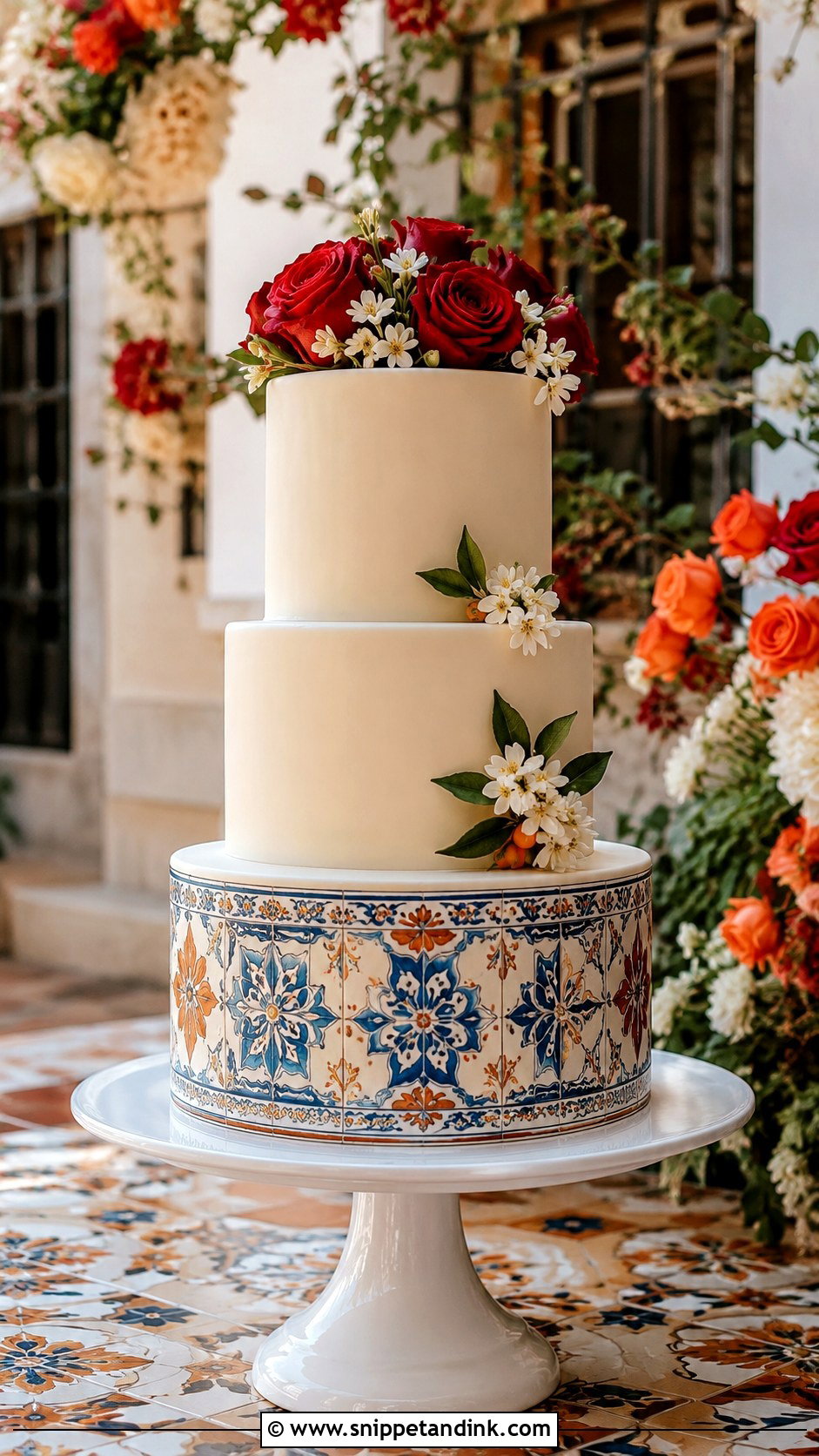
A Spanish tile wedding cake is the most recognisable version of the theme. I usually put the pattern on the bottom tier only, in blue, terracotta, yellow or ivory, and keep the upper tiers plain so the cake doesn’t look busy. Fresh roses, orange blossom or a few sugar flowers soften the graphic edges. A thin gold line between tiers makes it formal; for a rustic courtyard I leave the edges bare. Hand-painted tile is slow work, so this design needs more lead time than a plain cake.
2. Spanish Lace Wedding Cake
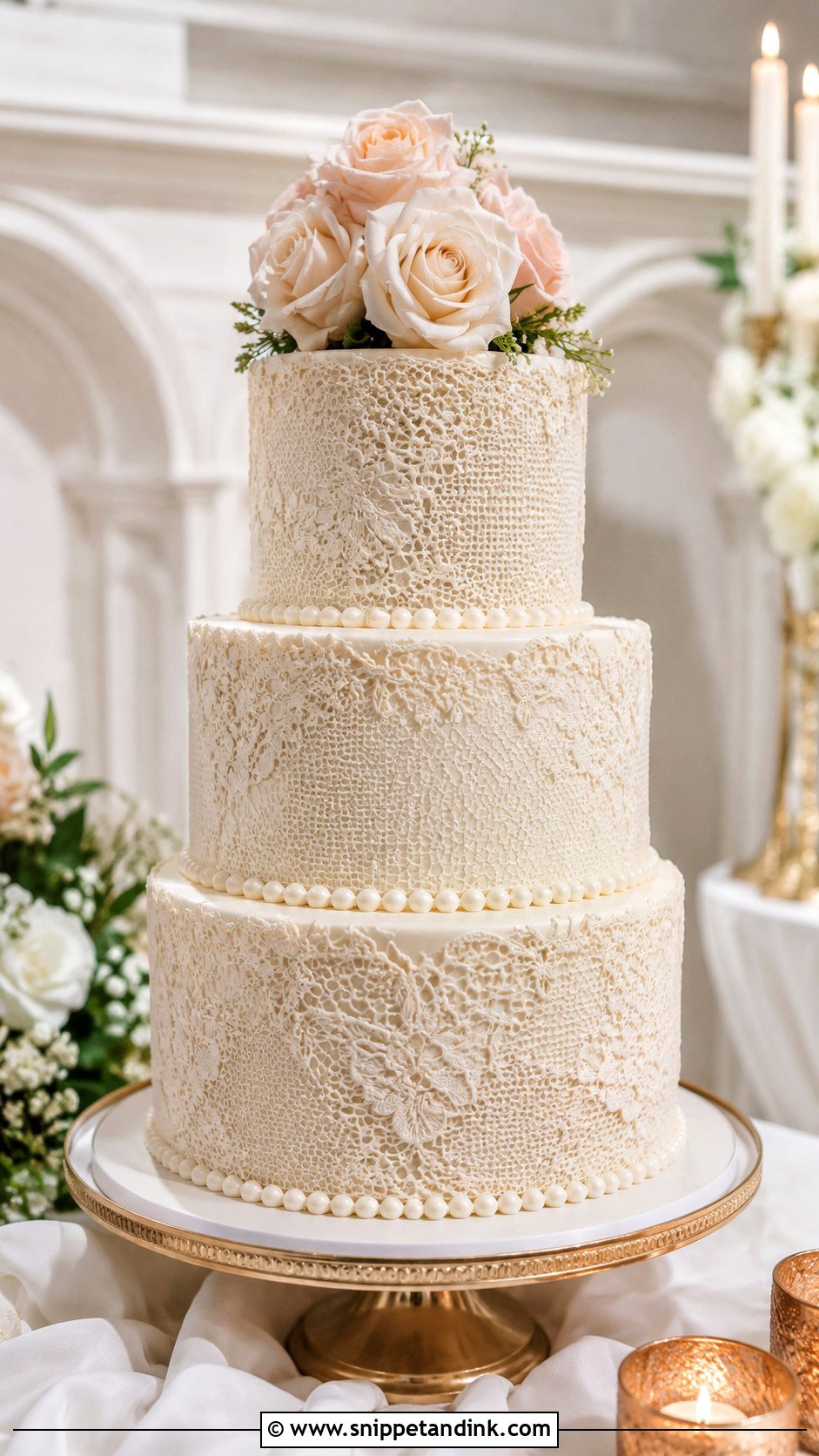
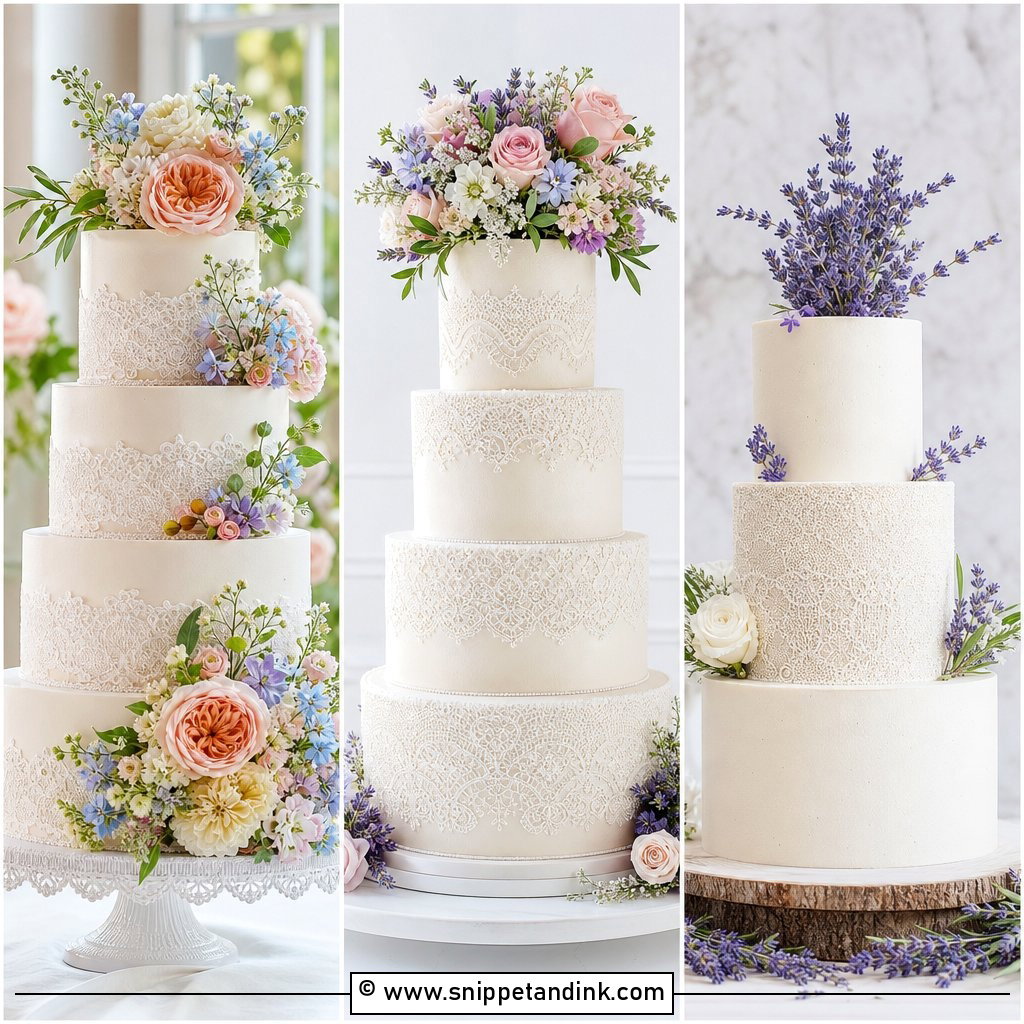
Lace takes its cue from mantilla veils and embroidered gowns. On white or ivory tiers I use piped lace, cut sugar lace panels or a raised fondant impression, depending on how fine you want the pattern. Piped lace has the most life to it but is the most fragile; sugar lace panels are crisper and survive transport better. Keep it monochrome, or add small touches of blush, champagne or antique gold. Sugar roses, pearls and soft ruffles suit ballrooms, chapels and formal gardens.
3. Terracotta Spanish Wedding Cake
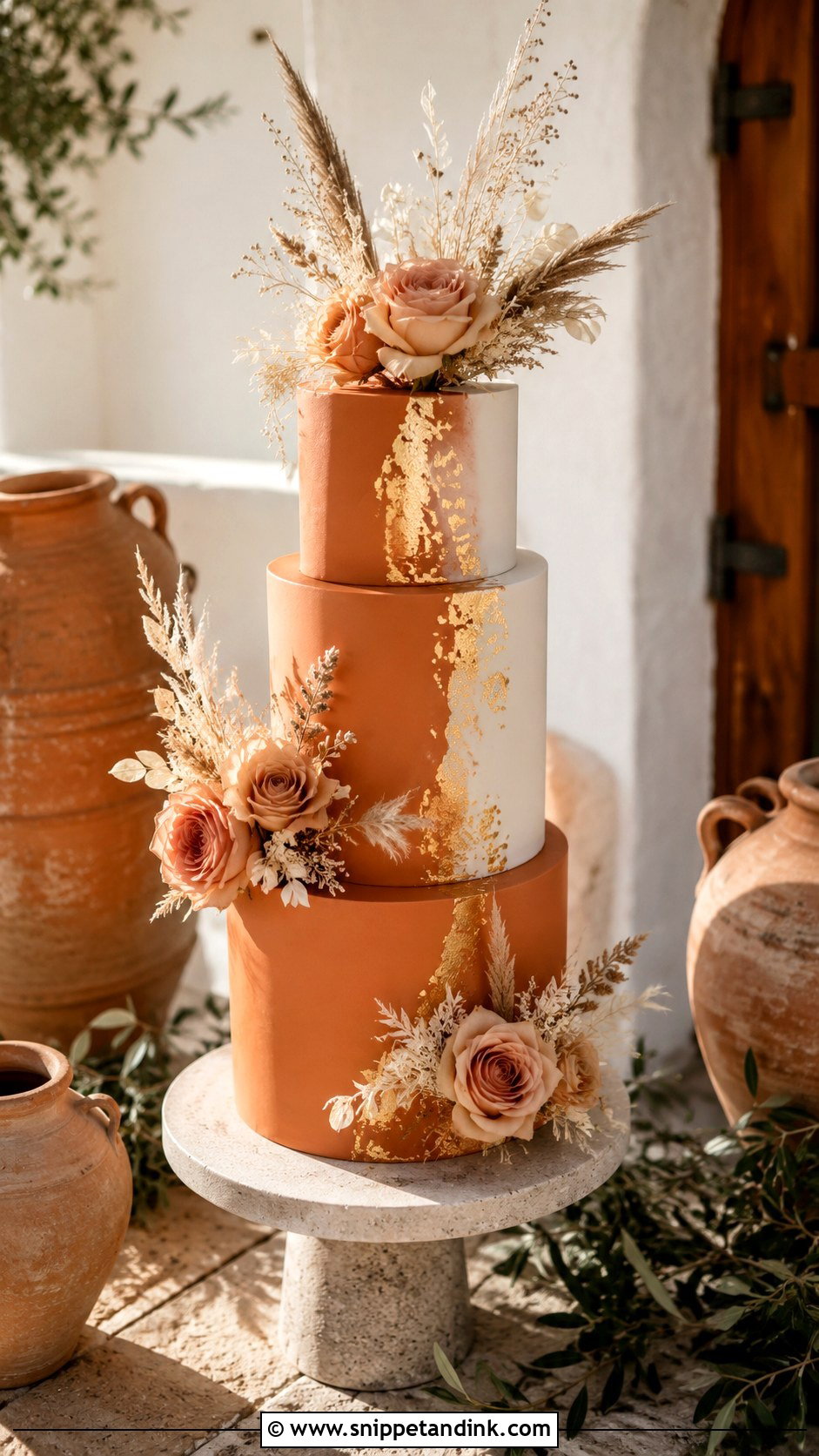
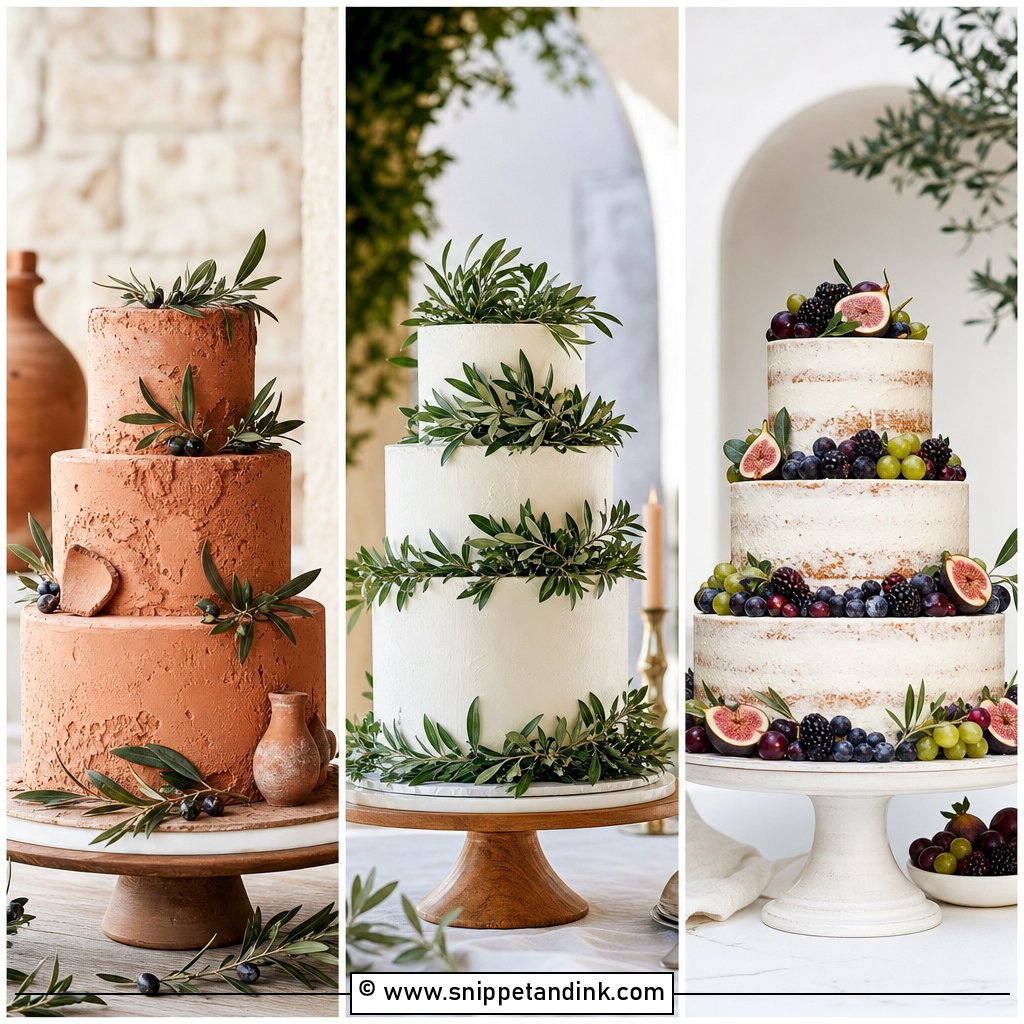
Terracotta gives a cake the colour of a courtyard wall. I tint buttercream or matte fondant and often leave a slightly textured finish so it feels handmade. Getting a true terracotta takes a mix of colours rather than one gel, and a test batch, because it can drift pink or brown. Pair terracotta tiers with ivory, rust, peach and muted coral flowers. Gold leaf makes it formal; dried flowers and olive leaves make it relaxed. It suits outdoor, desert and villa venues, though deep colours stain teeth and fingers if the buttercream is heavily tinted, so I keep the icing layer thin.
4. Red Rose Spanish Wedding Cake
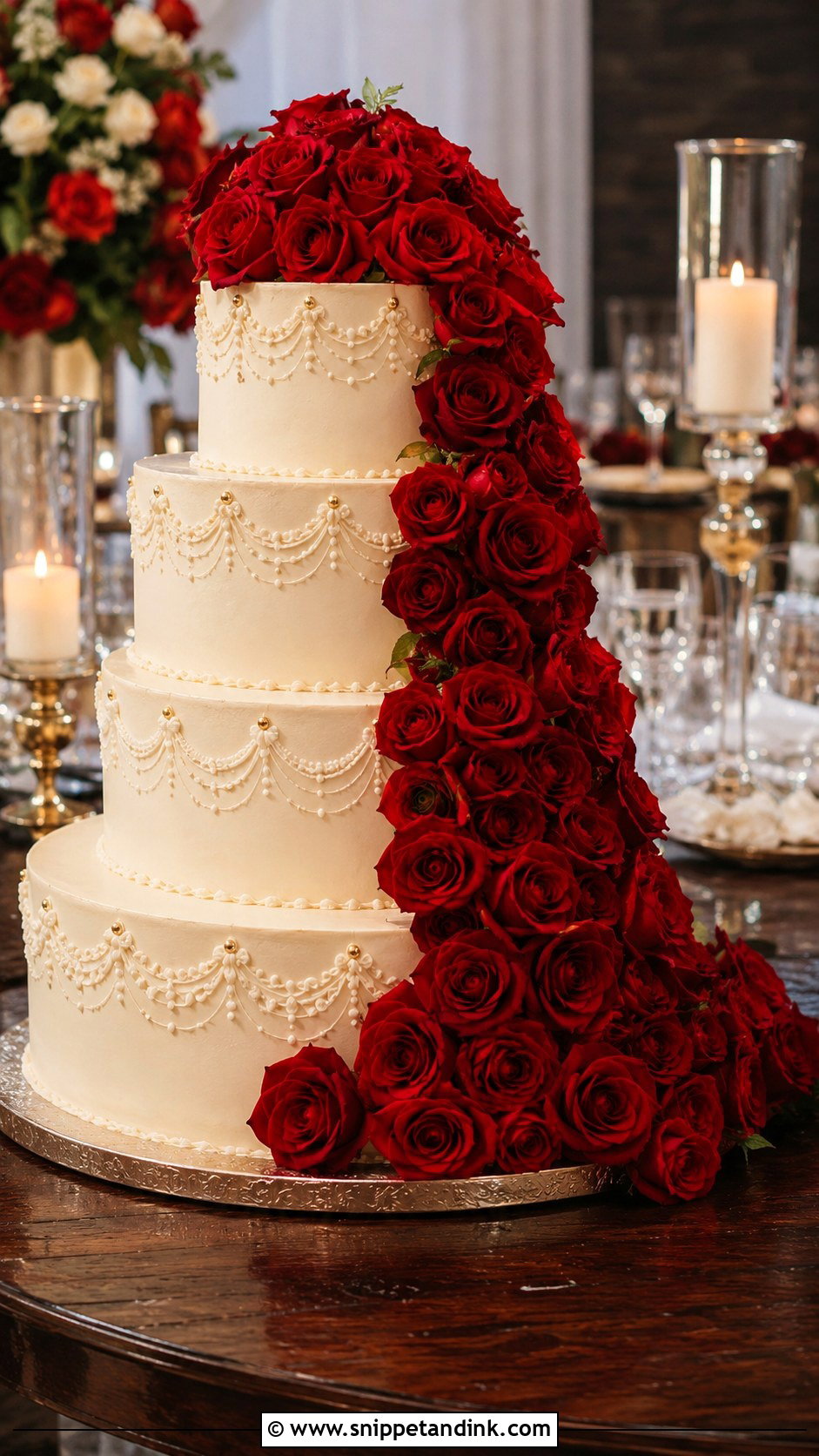
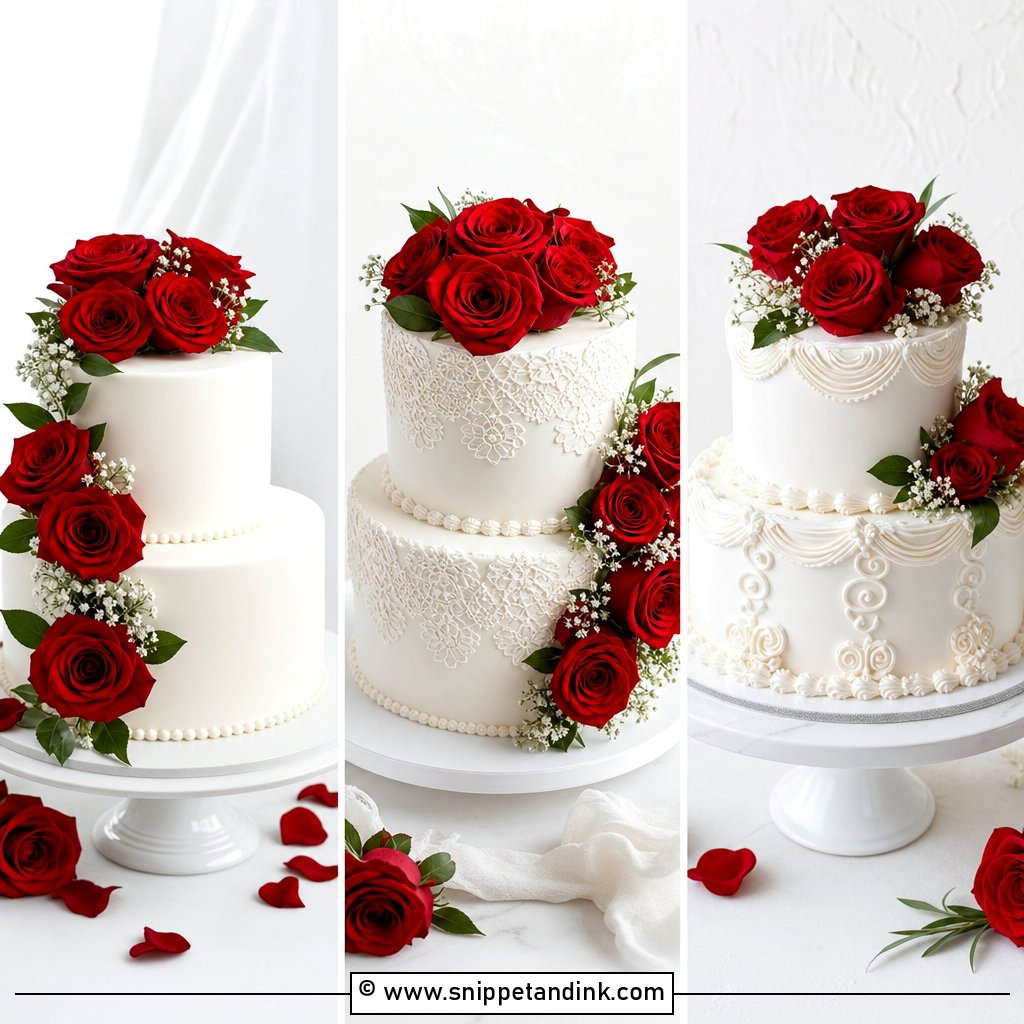
Deep red roses on ivory, white or cream tiers become the focus straight away. I place them in one cascade down a side, a cluster between tiers, or a single spray on top, never all three. A little lace piping or a tile border ties the flowers to the theme. Real roses need their stems wrapped in floral tape and inserted into a straw or holder so nothing touches the sponge, and they should come from a grower who hasn’t sprayed them. Candlelight, dark wood and wrought iron all suit it.
5. Orange Blossom Spanish Wedding Cake
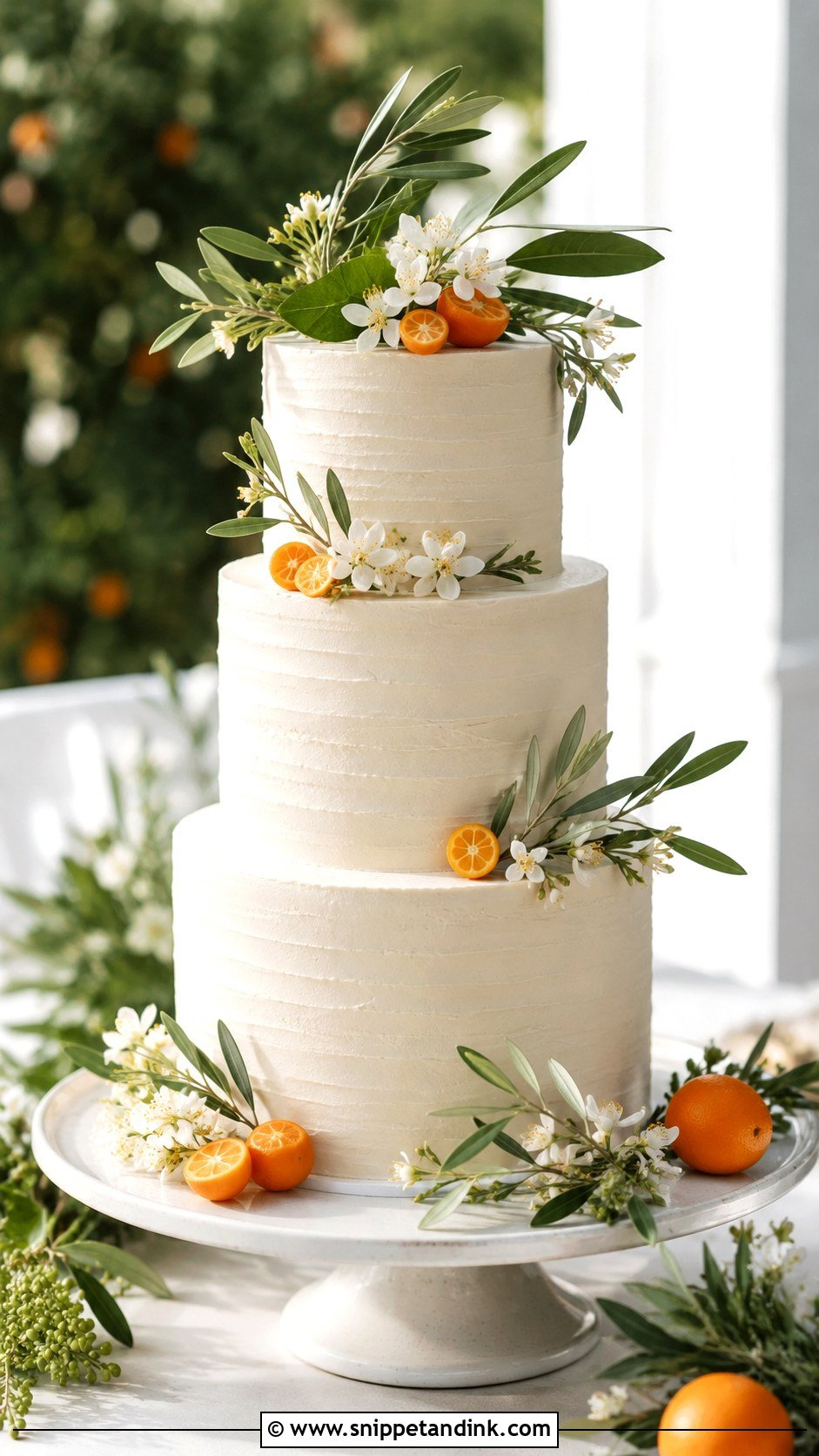
Orange blossom has long been tied to weddings in the Mediterranean, and it gives a cake a light, fresh look. I set small white sugar blossoms around each tier on ivory buttercream, with soft citrus touches. The flavour can follow: orange curd, almond sponge or a vanilla citrus filling. Real orange blossoms bruise and brown within hours of picking, which is why I make them in sugar for anything that has to sit out. Smooth icing reads refined; soft texture reads garden. It is best in spring and summer with greenery and warm gold accents.
6. Blue And White Spanish Wedding Cake
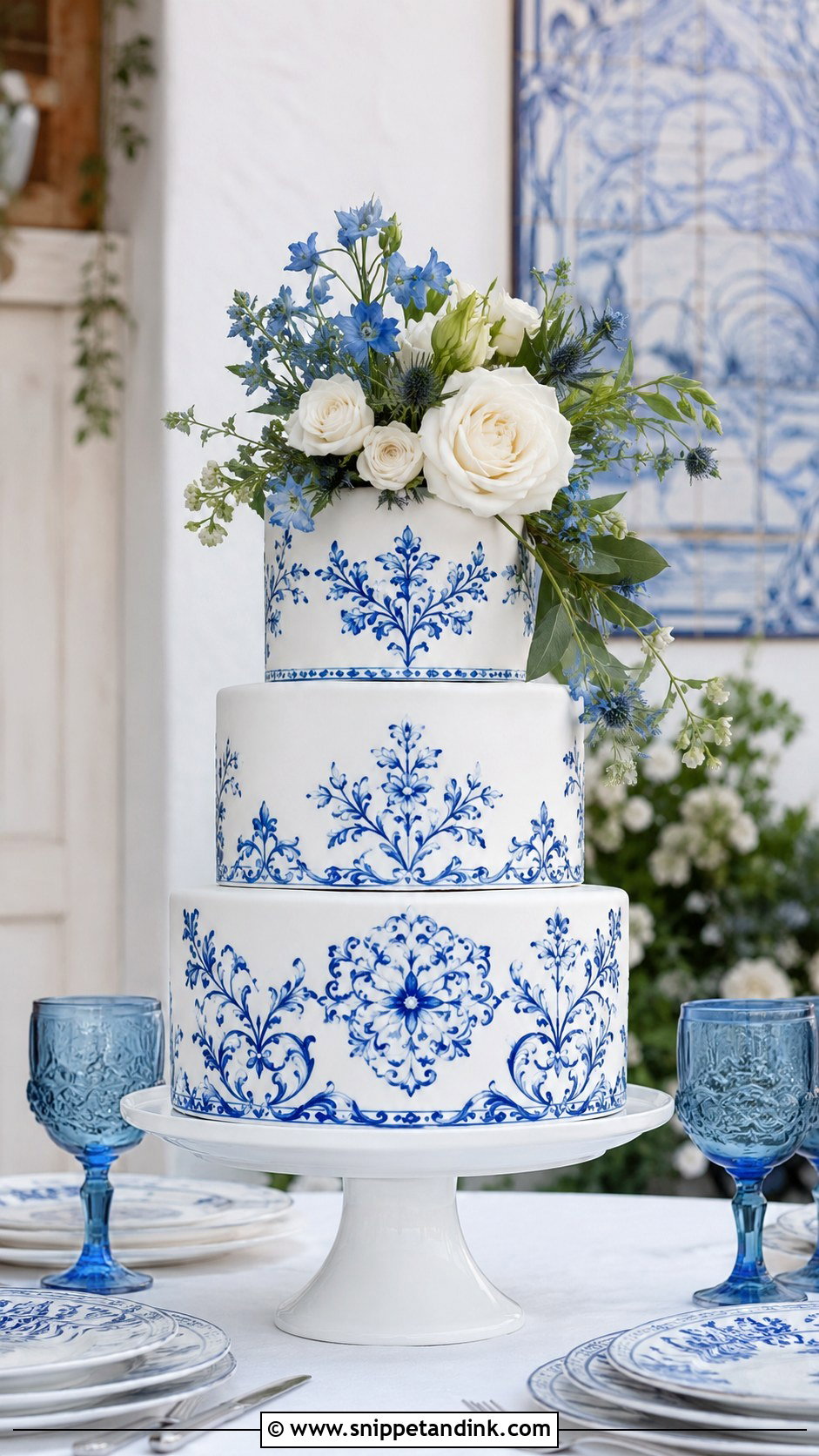
Blue and white is the pairing that most brings painted ceramics to mind. I paint blue florals, use a stencil, or apply patterned fondant panels to one or two tiers and keep the rest white so the pattern has room. White roses, a little blue hydrangea or tiny sugar blossoms finish it. Blue is the hardest colour I work with for wedding cakes: strong navy needs a lot of colouring and can taste bitter, so I keep it to painted detail rather than a fully blue tier. It suits coastal weddings and white-walled venues.
7. Spanish Courtyard Wedding Cake
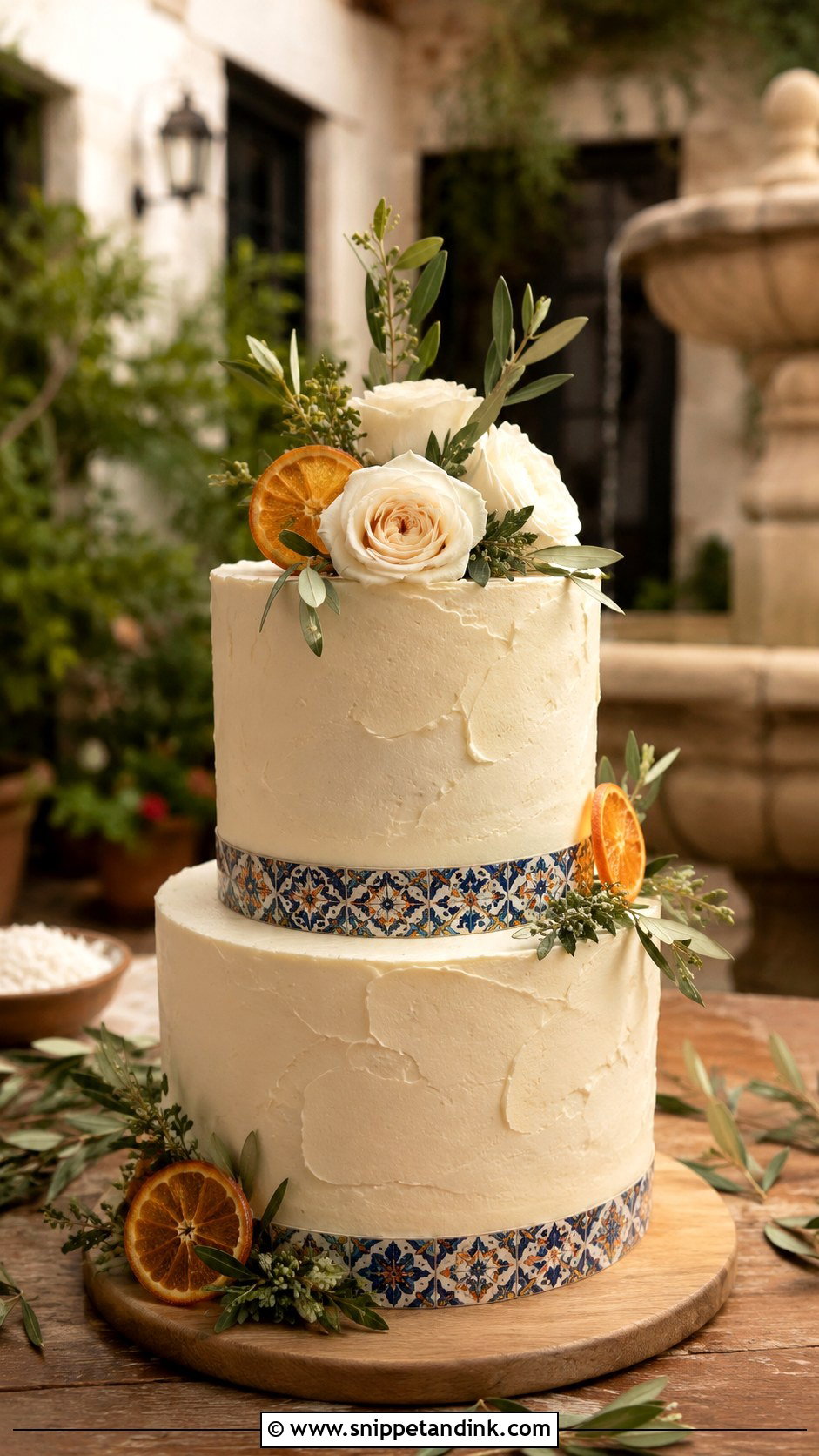
Courtyard style is warm and textured: ivory buttercream, terracotta accents, olive branches, citrus slices and garden flowers. I leave the tiers slightly textured rather than perfectly smooth, which hides small marks from transport and sun. A narrow painted tile band or a patterned base tier brings in the architecture without taking over. Display it on a wooden table, stone pedestal or ceramic stand, ideally in shade. It suits outdoor receptions, villas and small celebrations under string lights.
8. Andalusian Wedding Cake
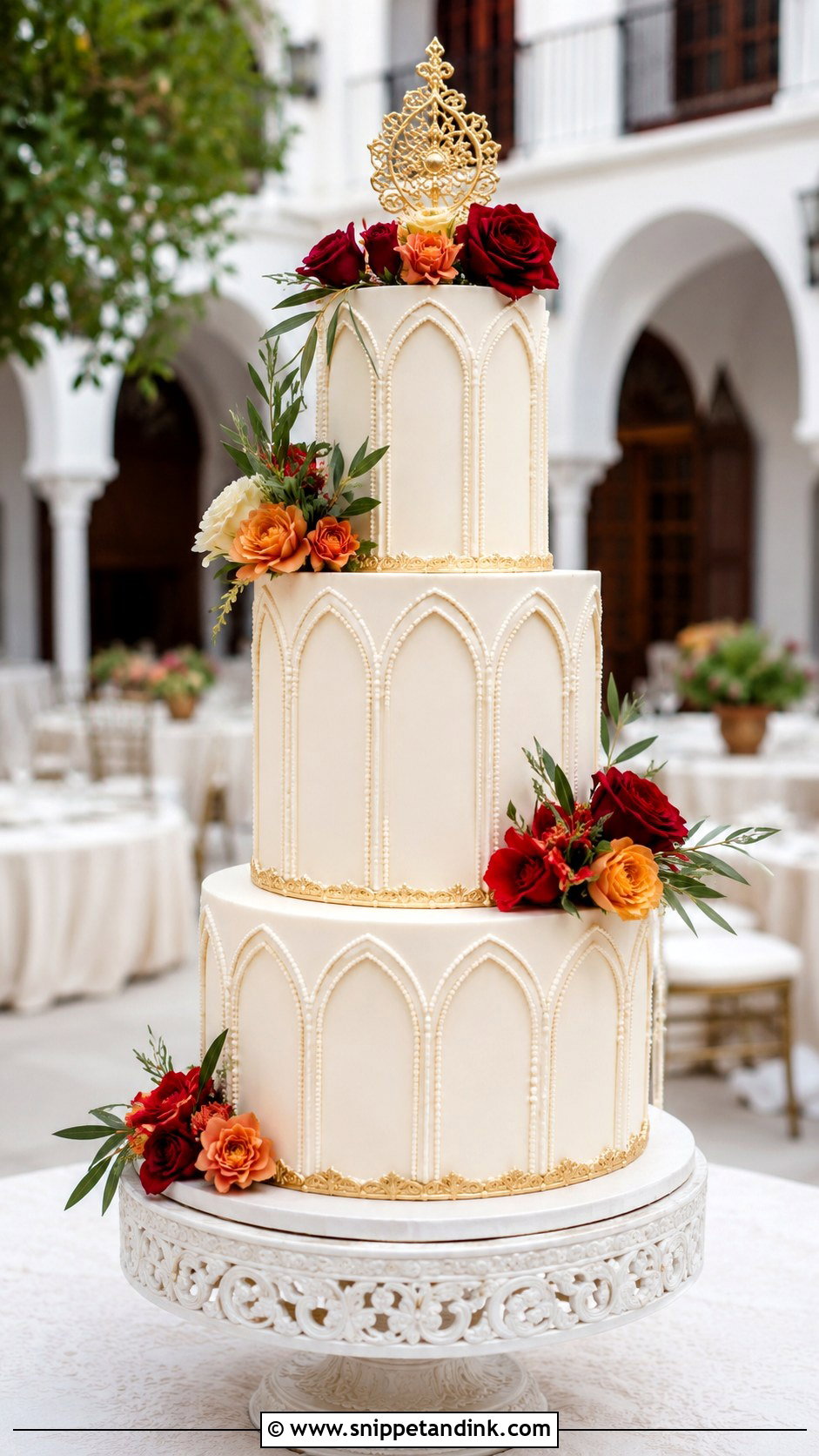
Andalusian style borrows from whitewashed walls, arches and ceramic detail. White or ivory tiers, lace piping, tile motifs and flowers in red, orange, blush or cream. A gentle arch pattern or a painted ceramic border works well, with olive leaves, orange blossom and roses for the setting. I keep the shape tall and graceful, adding an extra-height tier if the room has high ceilings; a short, wide cake disappears in a big space. It is formal and full of heritage.
9. Flamenco Ruffle Wedding Cake
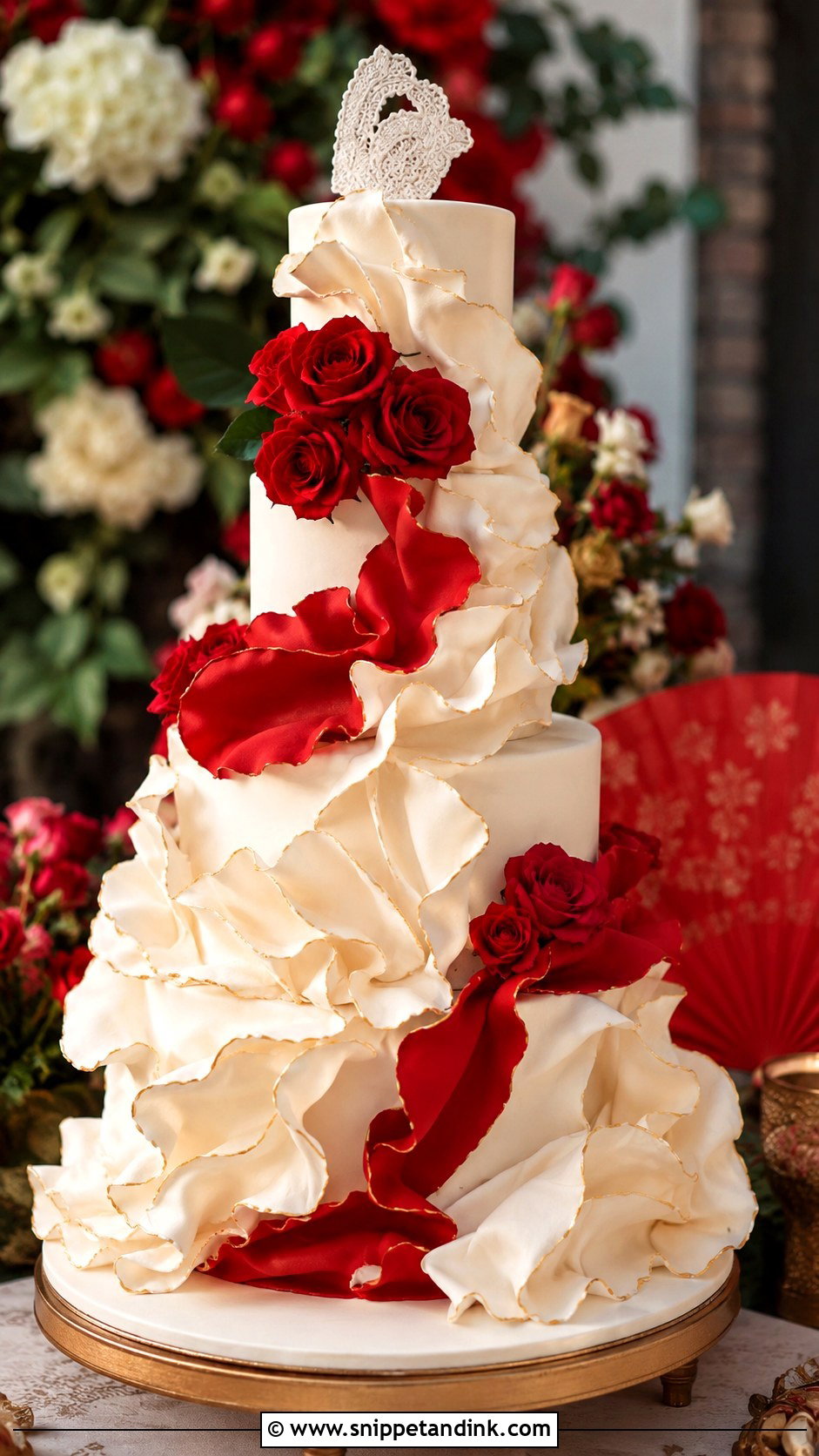
Flamenco ruffles bring movement. I make them in fondant or buttercream to look like flowing fabric, in ivory for something bridal or red, blush and coral for something bolder. Fondant ruffles hold their shape far better than buttercream ones in a warm room, and they need to be added on the day of delivery or the day before, or they flatten. Pair them with red roses, gold trim or a small tile-patterned tier, but keep the decoration focused. It is for a couple who want energy on the dessert table.
10. Spanish Fan Wedding Cake
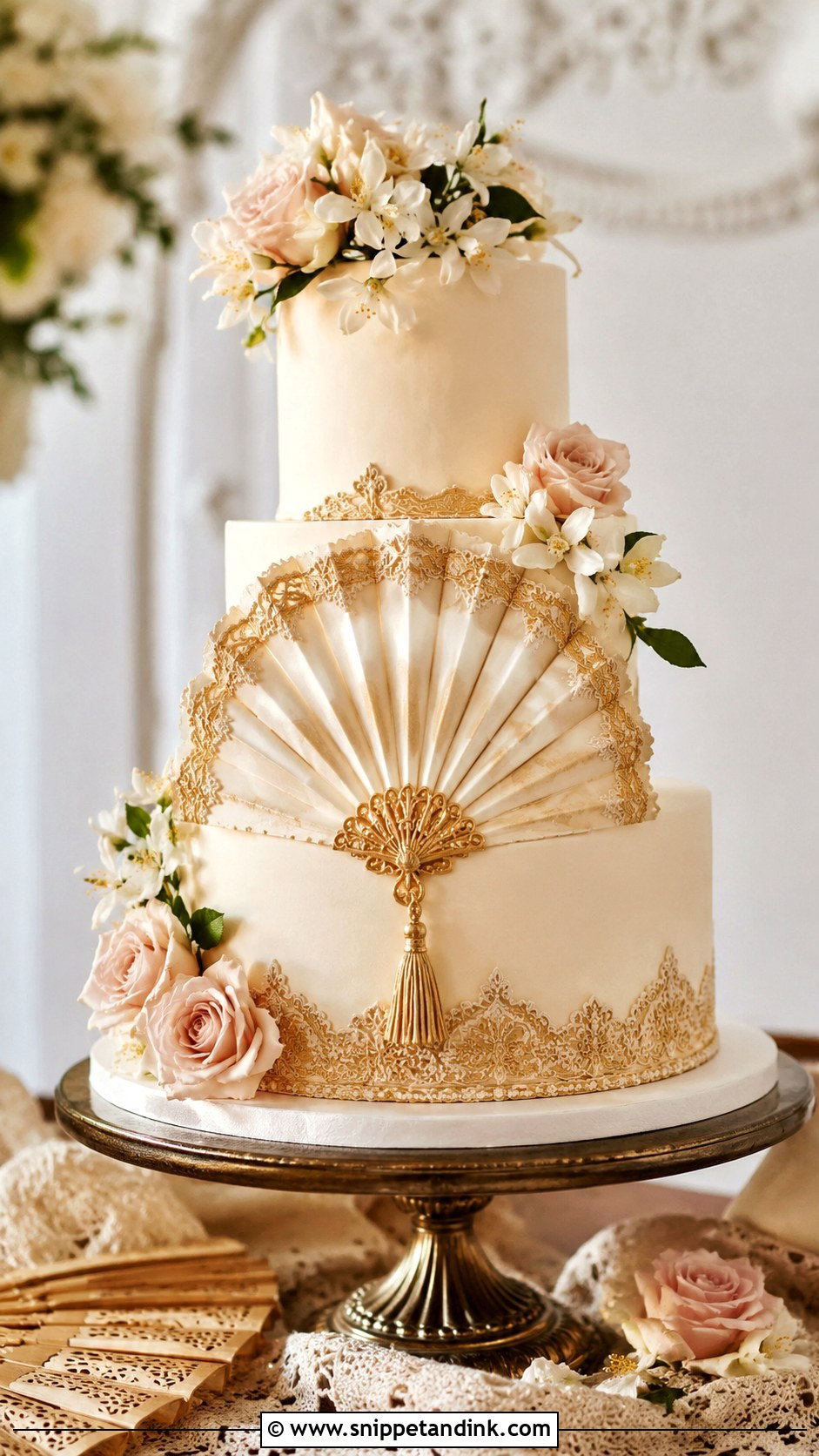
A Spanish fan wedding cake brings in cultural detail without crowding the tiers. The fan can be hand-painted, made as a sugar topper or pressed into fondant on the front tier. Ivory, blush, red and gold suit it. I echo the fan’s folds with fine lace piping and finish with roses or orange blossom. A large sugar fan is delicate and heavy, so it needs a hidden support. It ties in neatly if you are already using fans as favours or menus.
11. Spanish Mosaic Wedding Cake
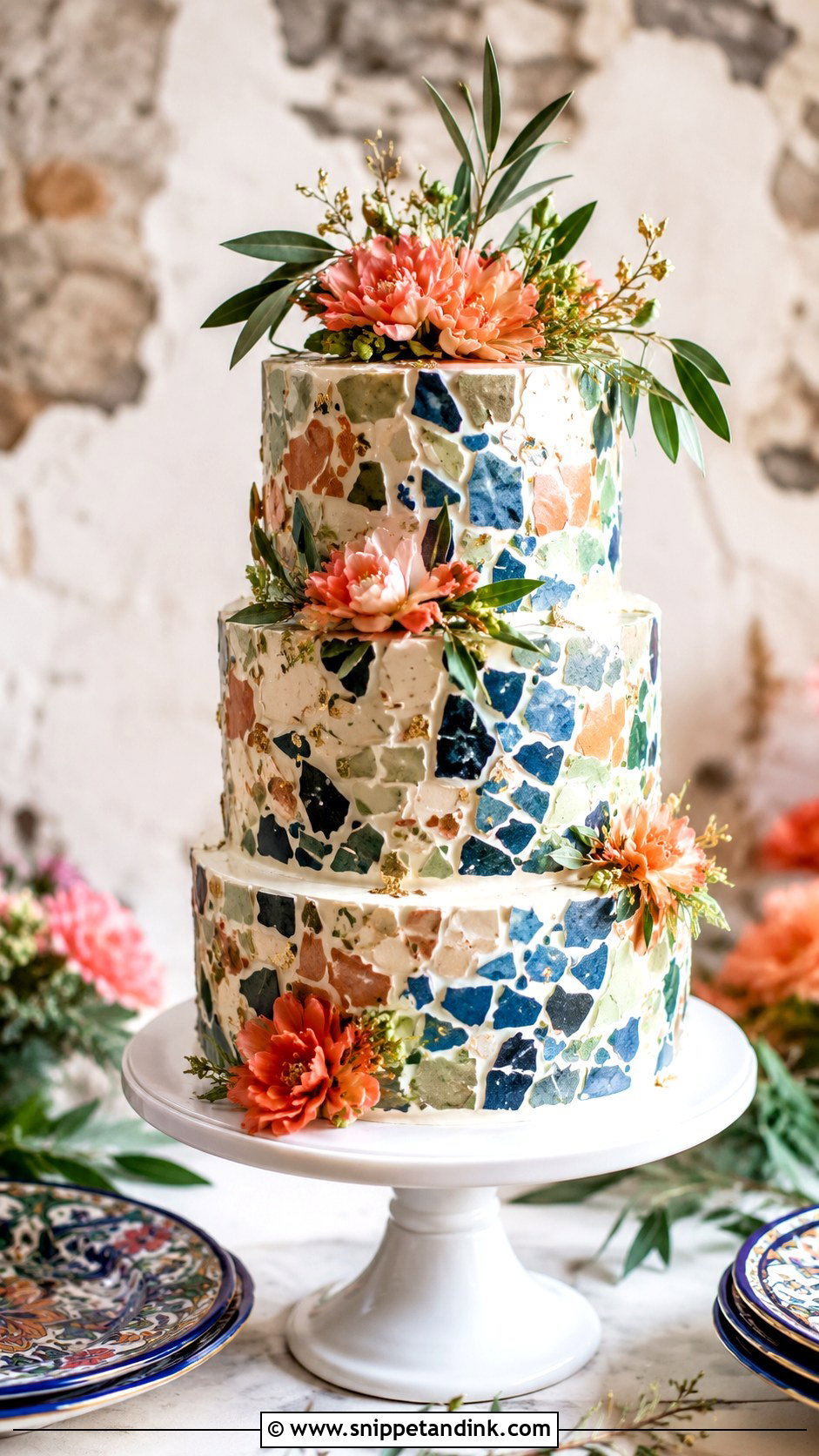
A mosaic cake replaces one repeating tile with small painted shapes, broken-tile effects or geometric fondant pieces in blue, saffron, terracotta, green and ivory. Each piece is cut and placed by hand, which makes it one of the most time-consuming designs here, and I usually limit it to one statement tier with the rest smooth. Warm-toned fresh or sugar flowers pull the palette together. It suits gallery weddings and colourful receptions.
12. Gold Spanish Wedding Cake
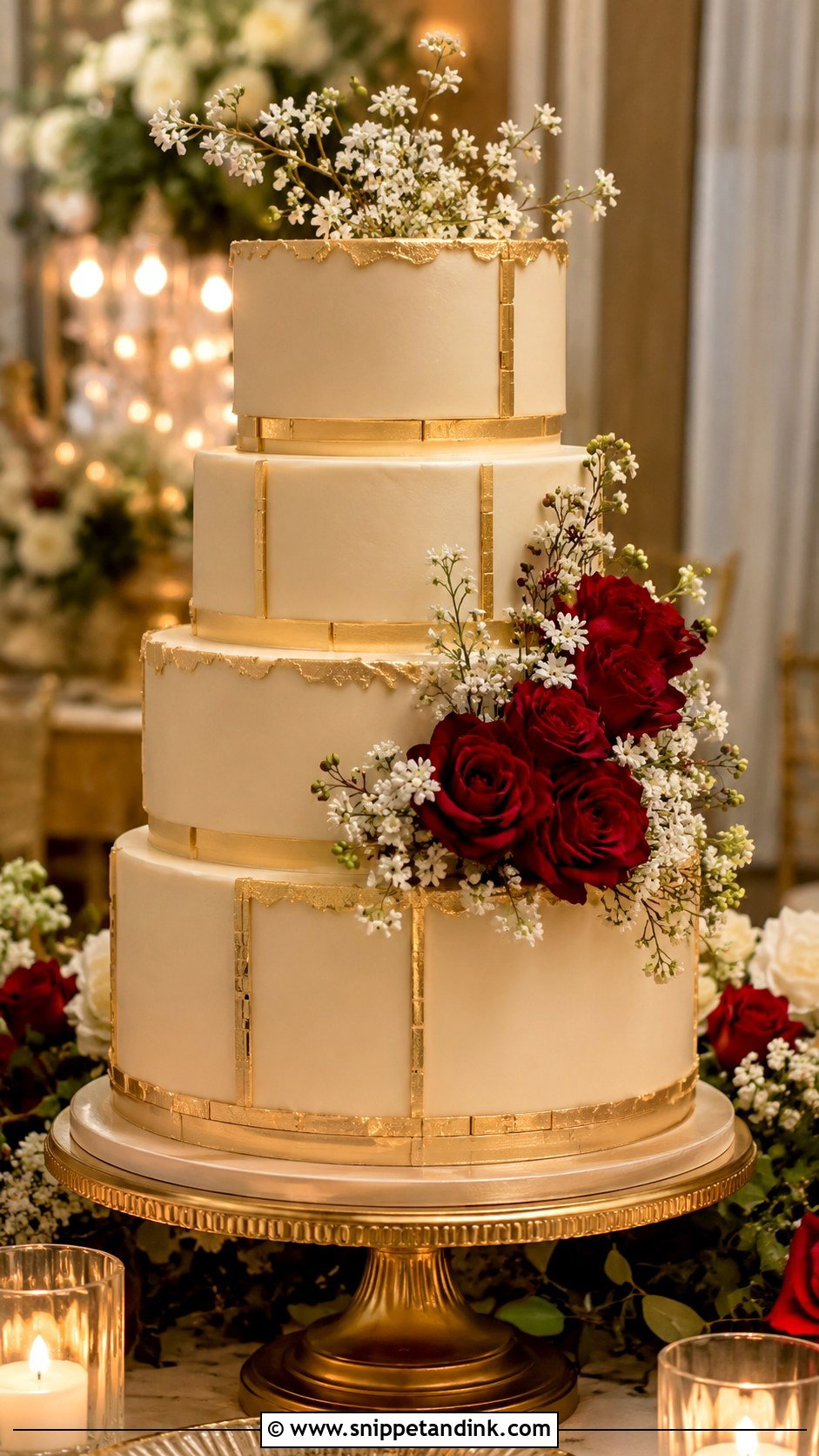
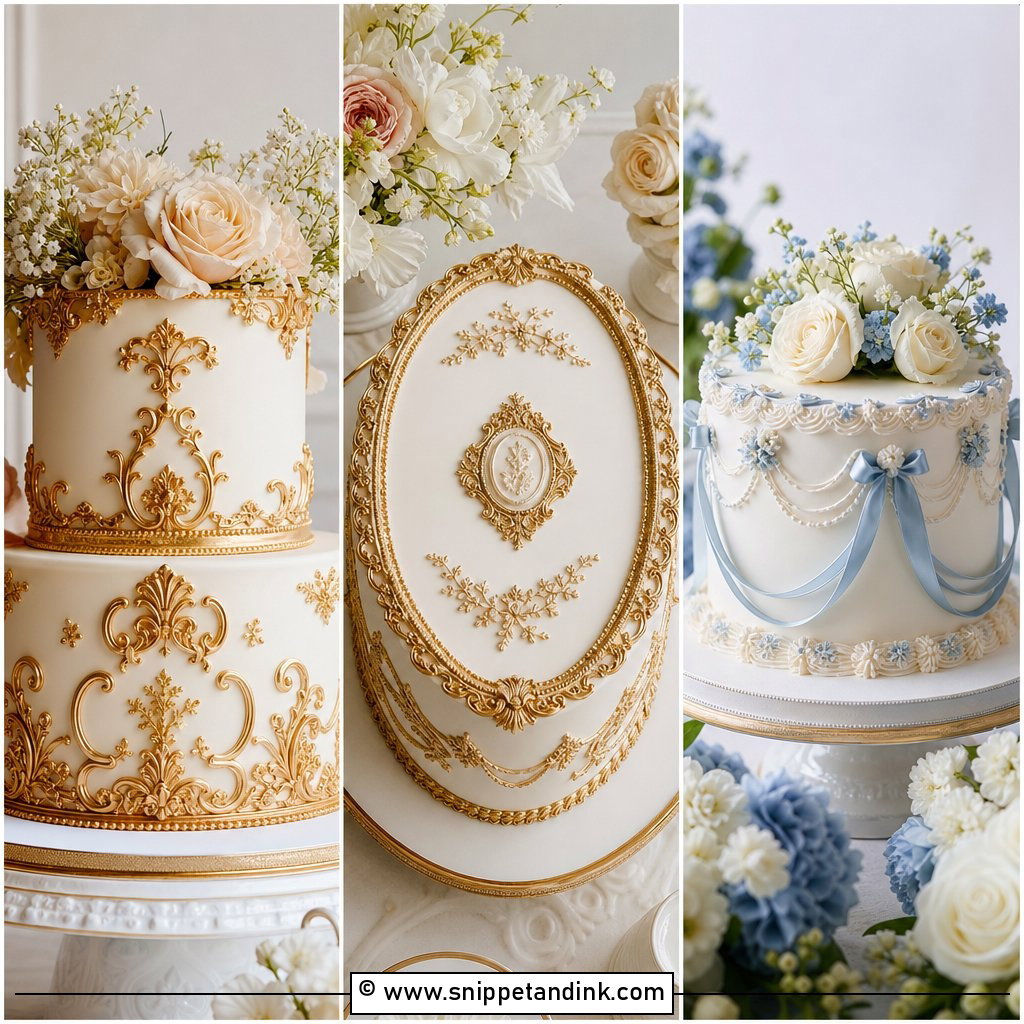
Gold works best in deliberate amounts: thin tier borders, painted tile lines, gold leaf on an edge or a metallic monogram. Ivory, cream, terracotta and deep red all pair with it. Smooth fondant gives a clean formal finish; textured buttercream makes it warmer. Edible gold leaf and lustre are not the same thing, and I only use products sold as edible, not “non-toxic” decorative dusts. Roses, olive leaves or orange blossom soften the shine for evening receptions in historic venues.
13. Rustic Spanish Wedding Cake
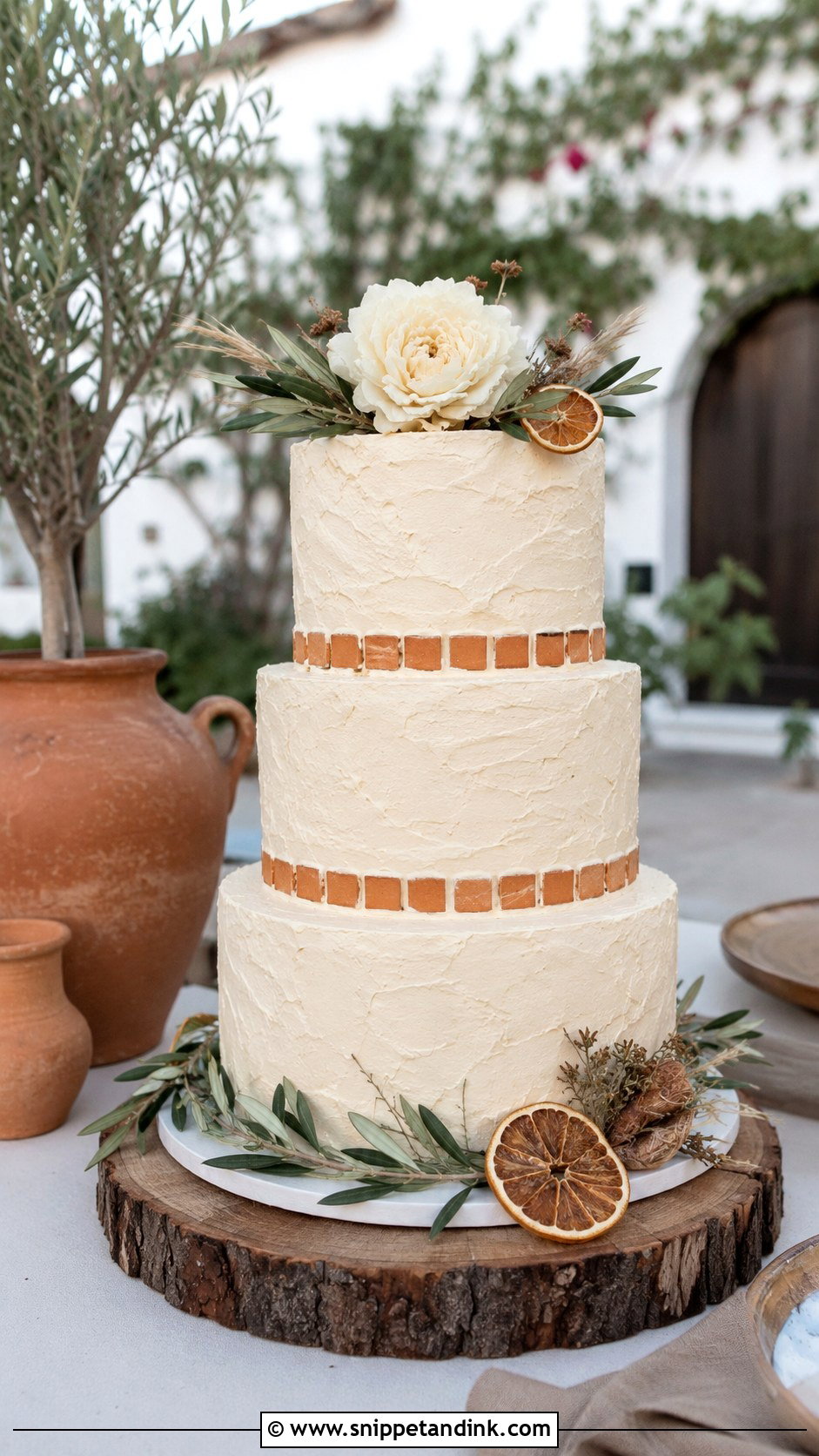
Rustic means textured buttercream, soft edges and simple flower placement rather than heavy fondant. Terracotta roses, olive branches, dried grasses, citrus slices or small white blossoms give it an earthy look, and a tile-inspired band or painted lower tier keeps the theme. Dried grasses and flowers should never touch the icing directly; I set them on small food-safe discs or wrap them. Put it on a wood stand, stone table or simple ceramic plate for outdoor or barn-style venues with clay pots and warm linens.
14. Modern Spanish Wedding Cake
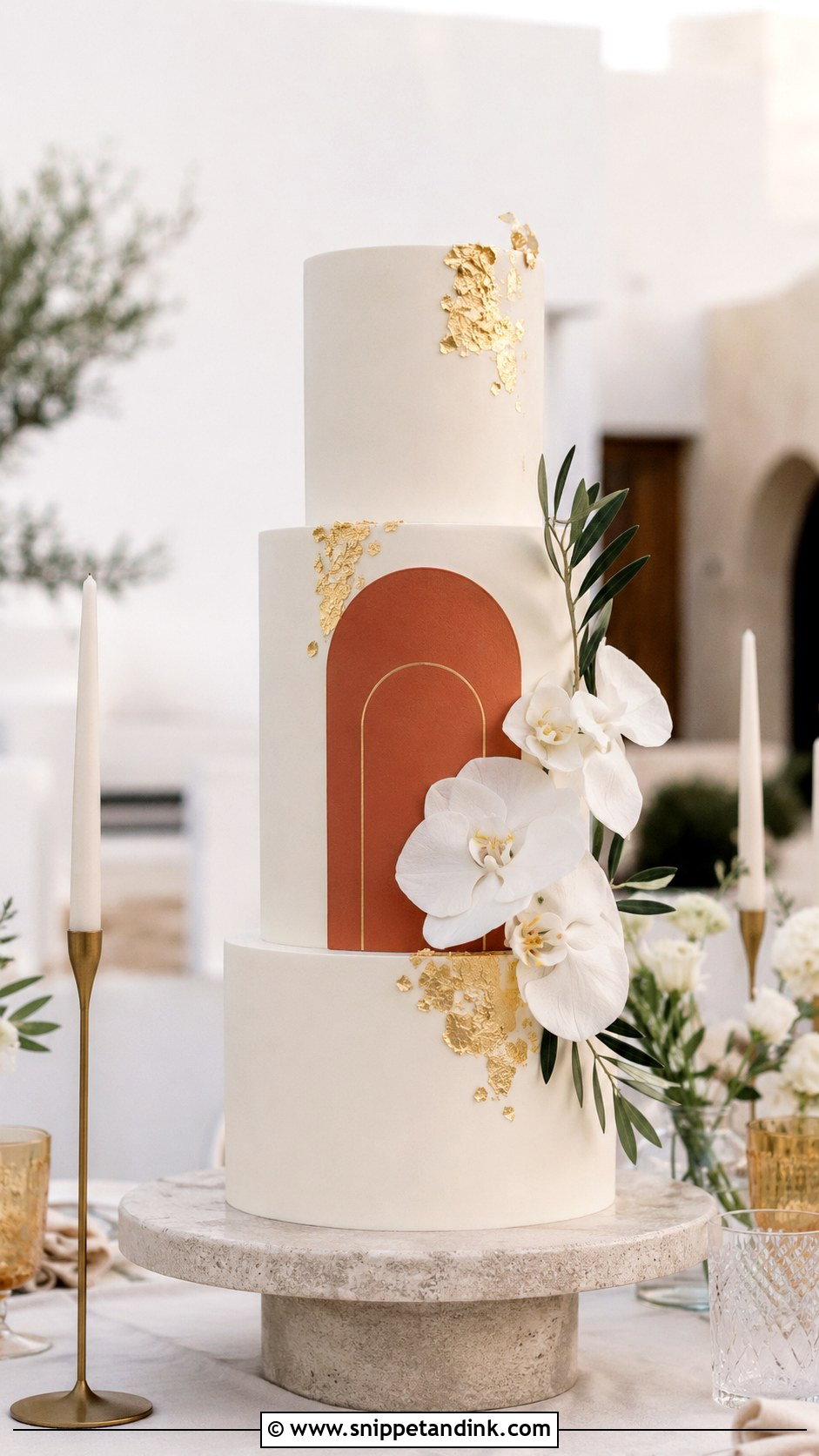
Modern Spanish keeps the cake sharp and white or ivory and adds one bold detail: a painted tile panel, a terracotta arch, a black wrought-iron pattern or a gold sun. I find that one detail has to be executed perfectly, because on a clean cake there is nowhere for a wobbly line to hide. Flowers are sparing, often one sculptural cluster. Matte fondant or very smooth buttercream both work. It suits rooftops, minimalist venues and modern villas.

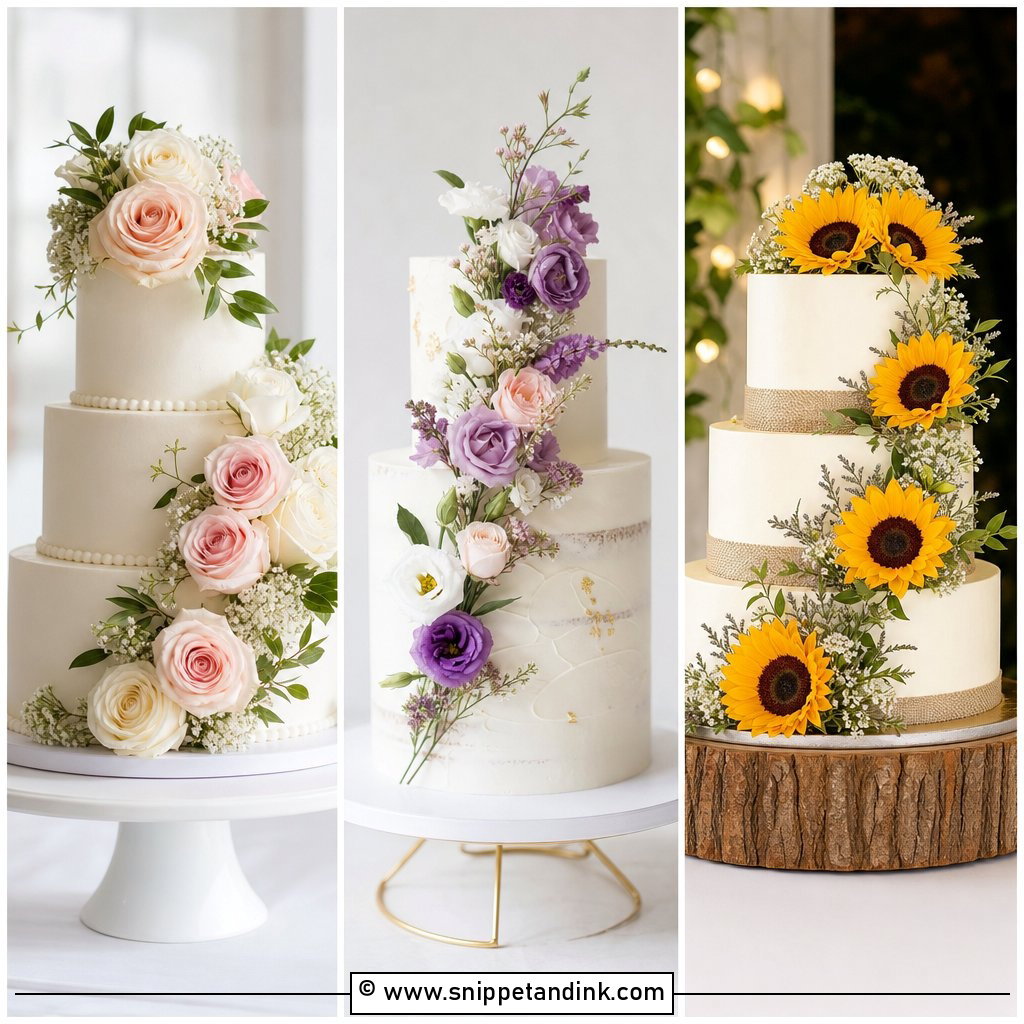
15. Spanish Arch Wedding Cake
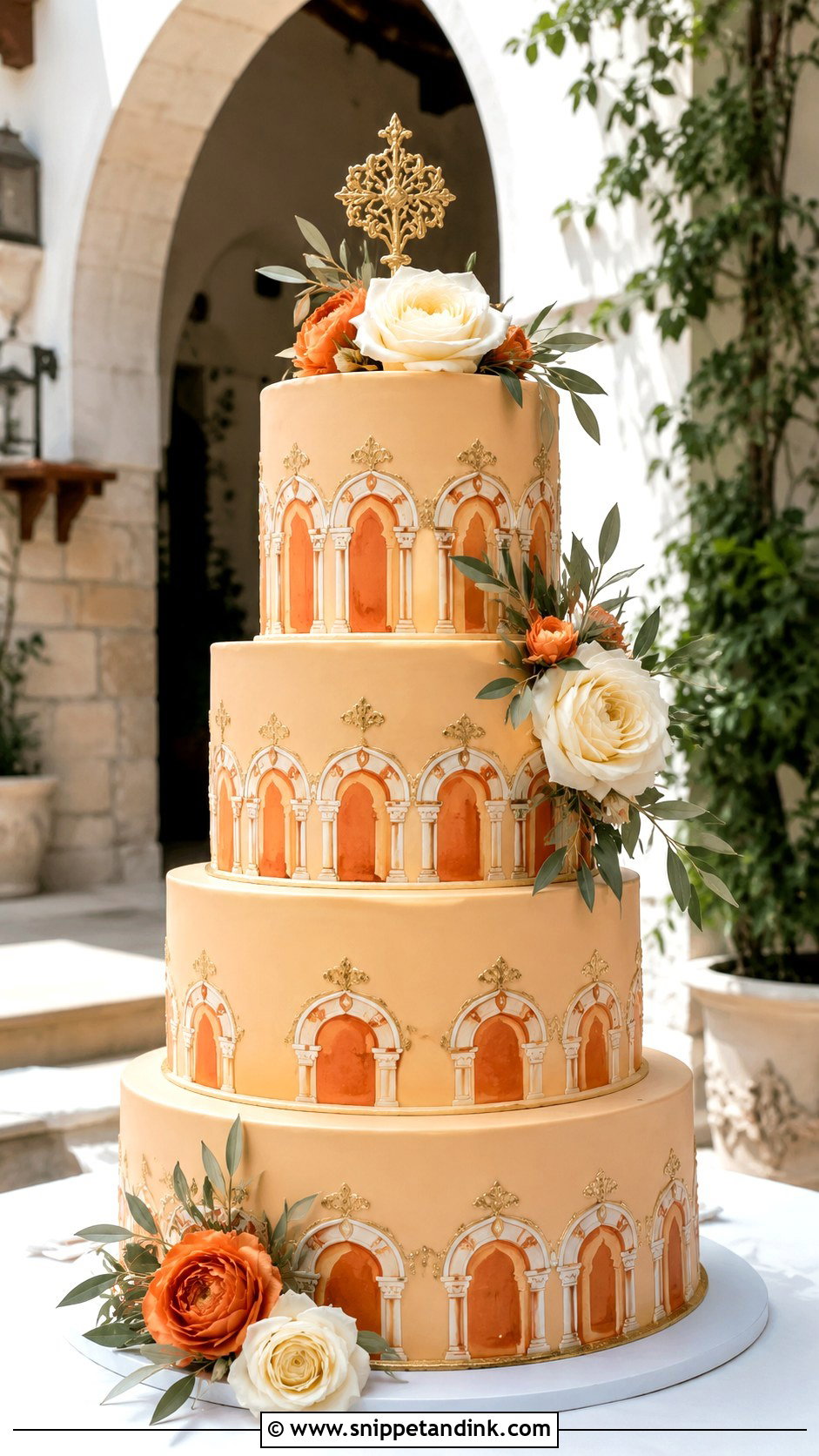
Arches can be painted on, cut from fondant, or built as a tall arched backdrop behind the tiers. Ivory and terracotta pair naturally, with blue tile, gold or soft roses as alternatives. I like the arch framing something, a monogram, a flower cluster or a small painted scene. A freestanding sugar or fondant arch has to dry for several days to stand without support, so it is made well ahead. Keep the tiers plain so the curve stands out, especially in venues with arched doors and windows.
16. Olive Branch Spanish Wedding Cake
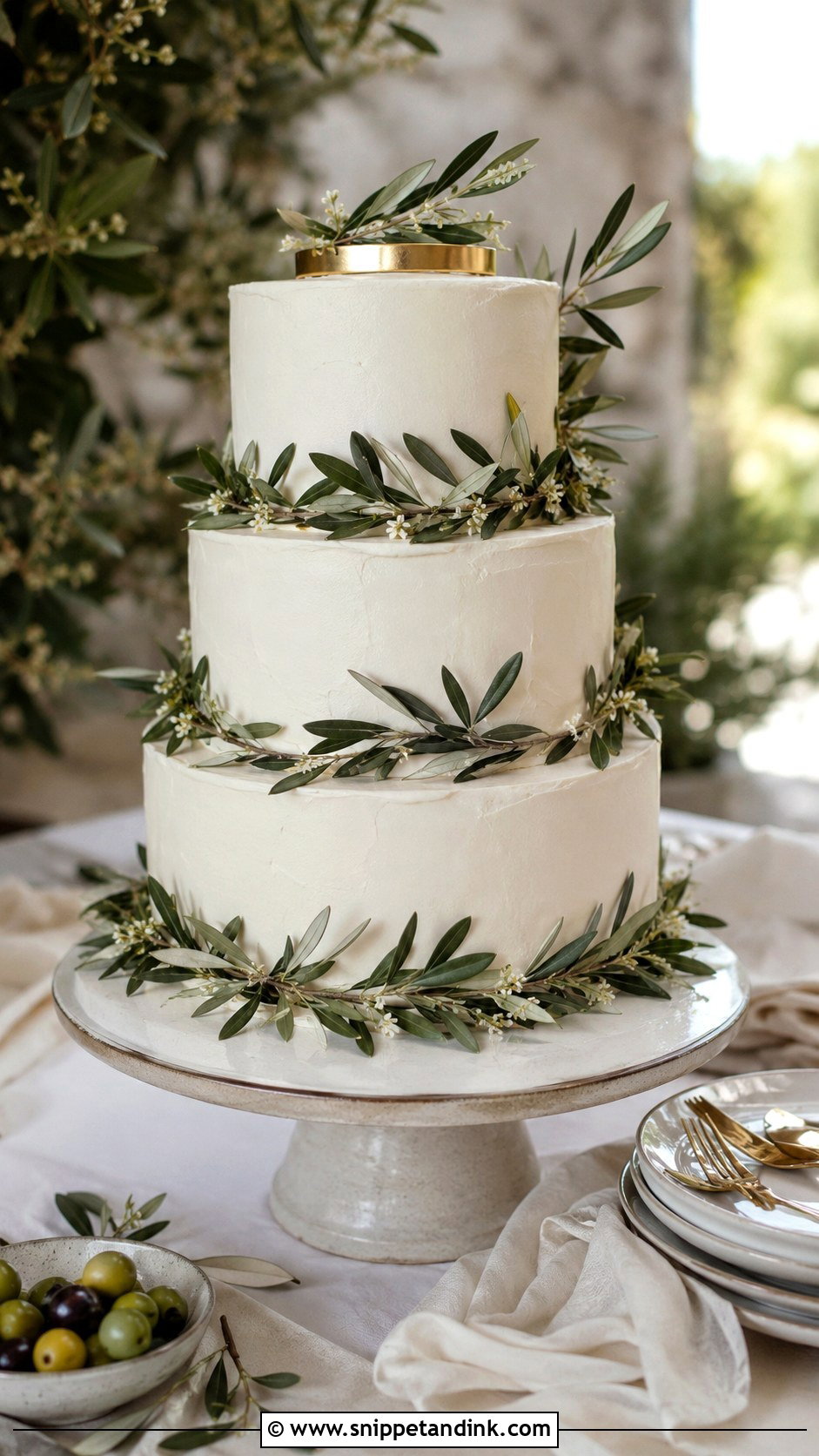
Olive branches give a cake a calm, natural look. It can be very simple: white buttercream tiers with fresh olive leaves around the base or between tiers. For more detail, add thin gold bands, small white flowers or a faint tile pattern on the bottom tier. Olive foliage is sturdy and holds up in warm weather better than most fresh flowers, which is one reason I like it outdoors. Almond, lemon, honey or vanilla suit the theme in flavour.
17. Spanish Citrus Wedding Cake
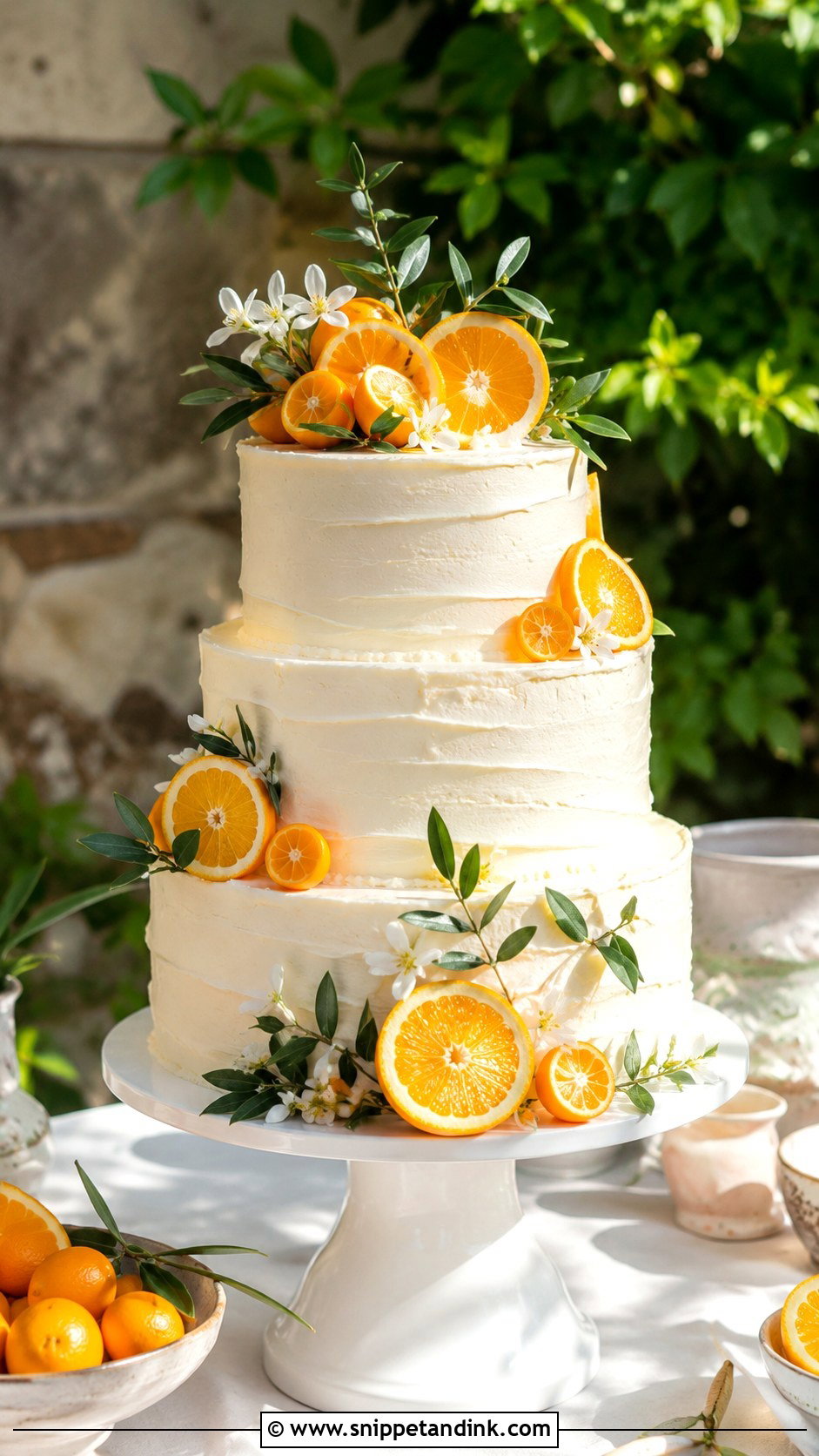
Citrus decorations, orange slices, lemons, kumquats or tiny blossoms, make a cake look sunny without losing elegance. Ivory buttercream or pale yellow keeps it soft. Fresh citrus slices weep juice into buttercream within a few hours, so I either dry them in a low oven first or add them right before display. Fillings can follow: citrus curd, almond sponge, orange blossom buttercream. Olive leaves or small white flowers balance the colour. Spring, summer and destination weddings suit it best.
18. Spanish Red And Gold Wedding Cake
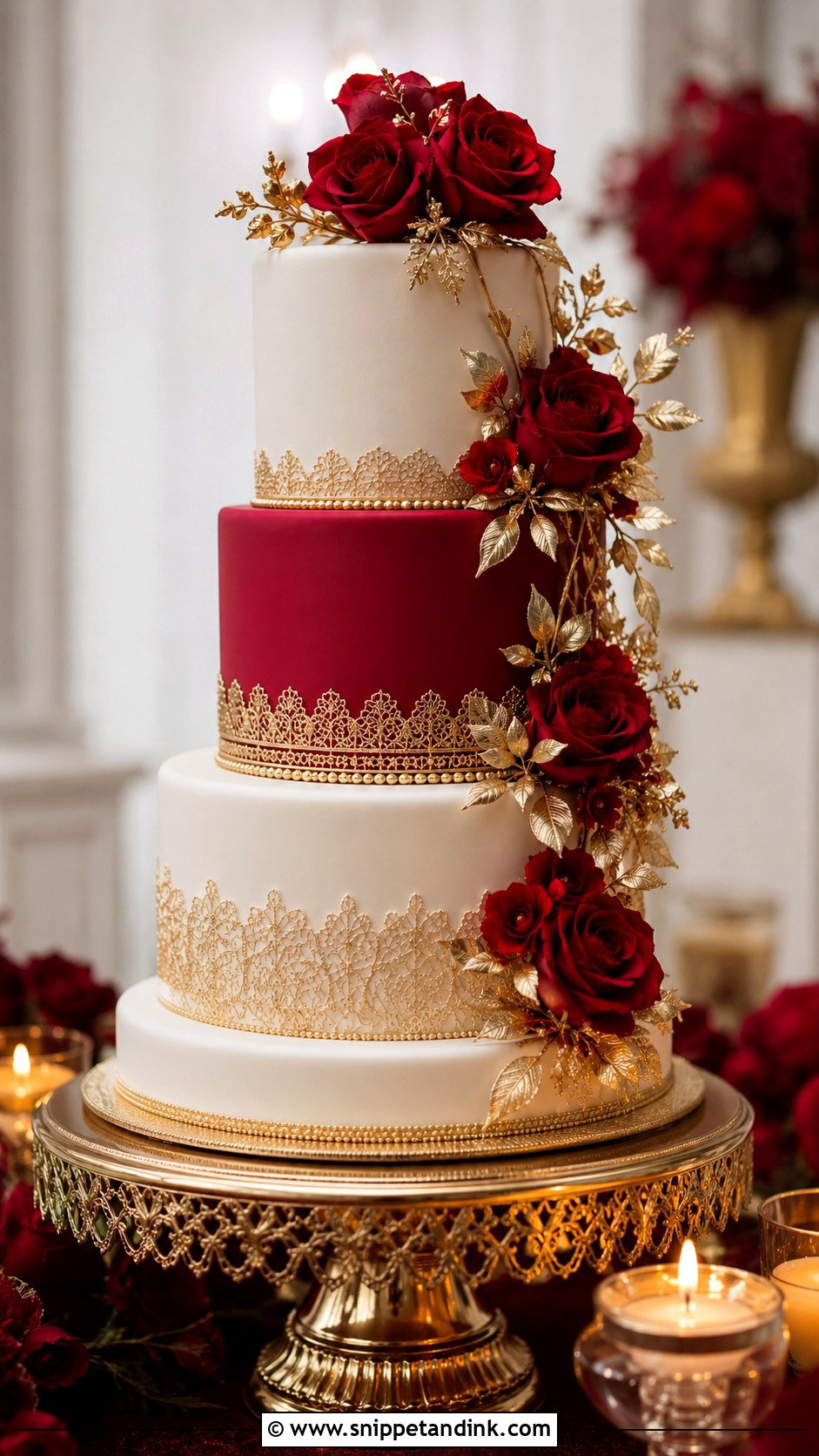
Red and gold give a cake a formal, dramatic mood. Ivory tiers with red roses and gold leaf, or one deep red accent tier with metallic trim. I keep the gold to details rather than covering the cake. A deep red tier needs a lot of colouring, and some red gels have a bitter edge, so I often colour fondant rather than buttercream for this. Lace piping, tile borders or painted flowers add Spanish character. It belongs at an evening reception with rich table decor.
19. Spanish Tile Buttercream Wedding Cake
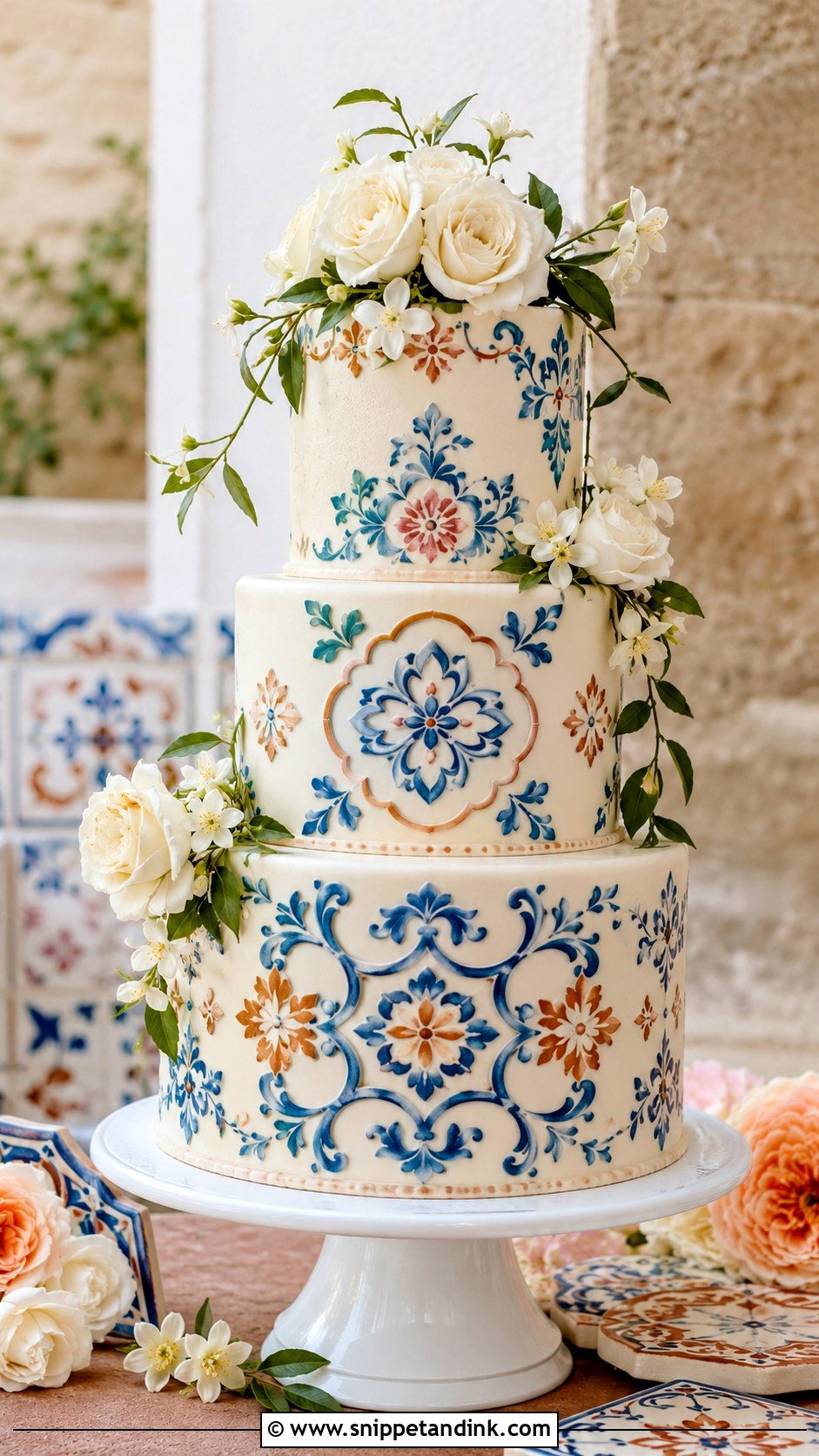
Tile on buttercream instead of fondant is softer and more handmade. The pattern is stencilled, painted or piped onto a well-chilled, smooth surface; buttercream has to be firm before I can paint on it at all. Blue and white is classic, but terracotta, green, yellow and coral work too. Fresh roses, orange blossom or greenery look natural against buttercream’s gentle texture. The pattern will never be as crisp as on fondant, and I tell couples that up front. In exchange, it tastes better to most guests.
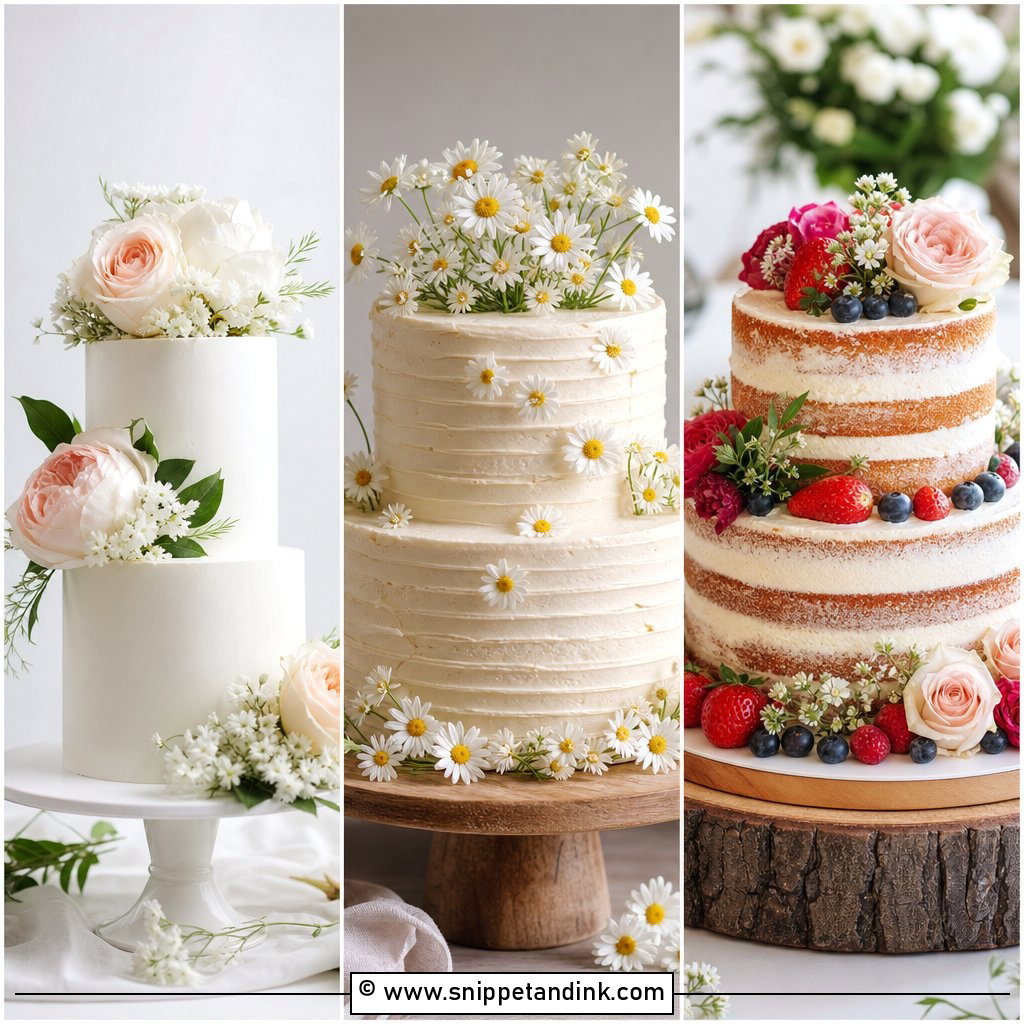

20. Spanish Fondant Wedding Cake
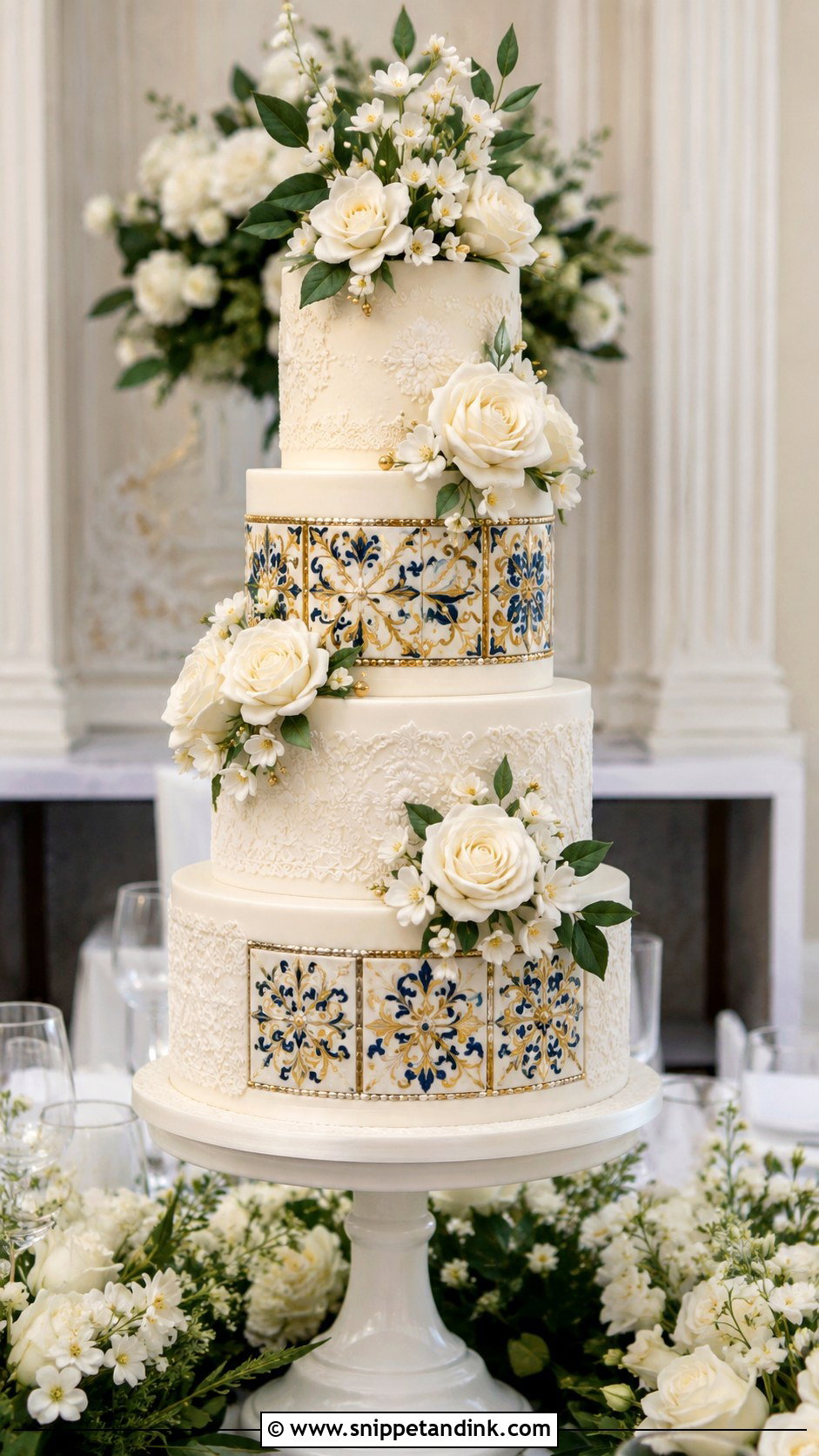
Fondant gives crisp lines, sharp borders and a smooth surface for painted tiles, lace impressions, sculpted fans and geometric detail. Keep most of the cake ivory with one colourful statement tier, or pattern the whole thing for something bolder. Sugar flowers sit well against fondant and keep the cake cohesive. Fondant also protects the cake underneath from drying out, which helps when the cake has to be displayed for hours before cutting. In real humidity, though, it can sweat and soften, so the venue matters.
21. Spanish Hand Painted Wedding Cake
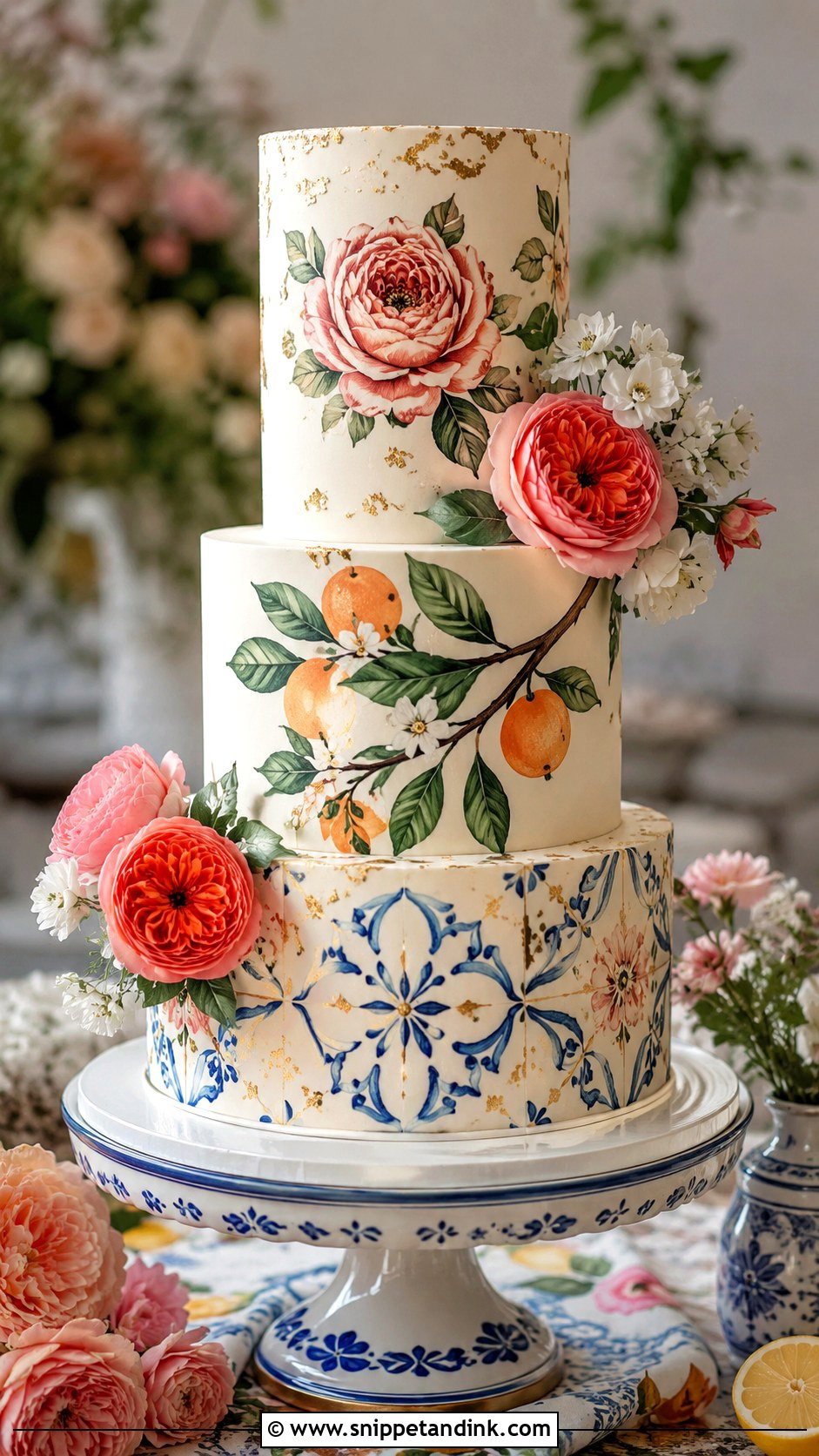
Hand-painting makes a cake feel personal: tile patterns, roses, citrus branches, olive leaves, arches or lace motifs. I paint on ivory fondant, pale blush or warm cream, and keep the painting to one or two tiers so the rest stays clean. Paint is edible colour thinned with a little alcohol or lemon extract, which evaporates and leaves the colour behind. A small real flower arrangement links the painting to the decoration. It is custom work, so book early.
22. Spanish Blue Tile Wedding Cake
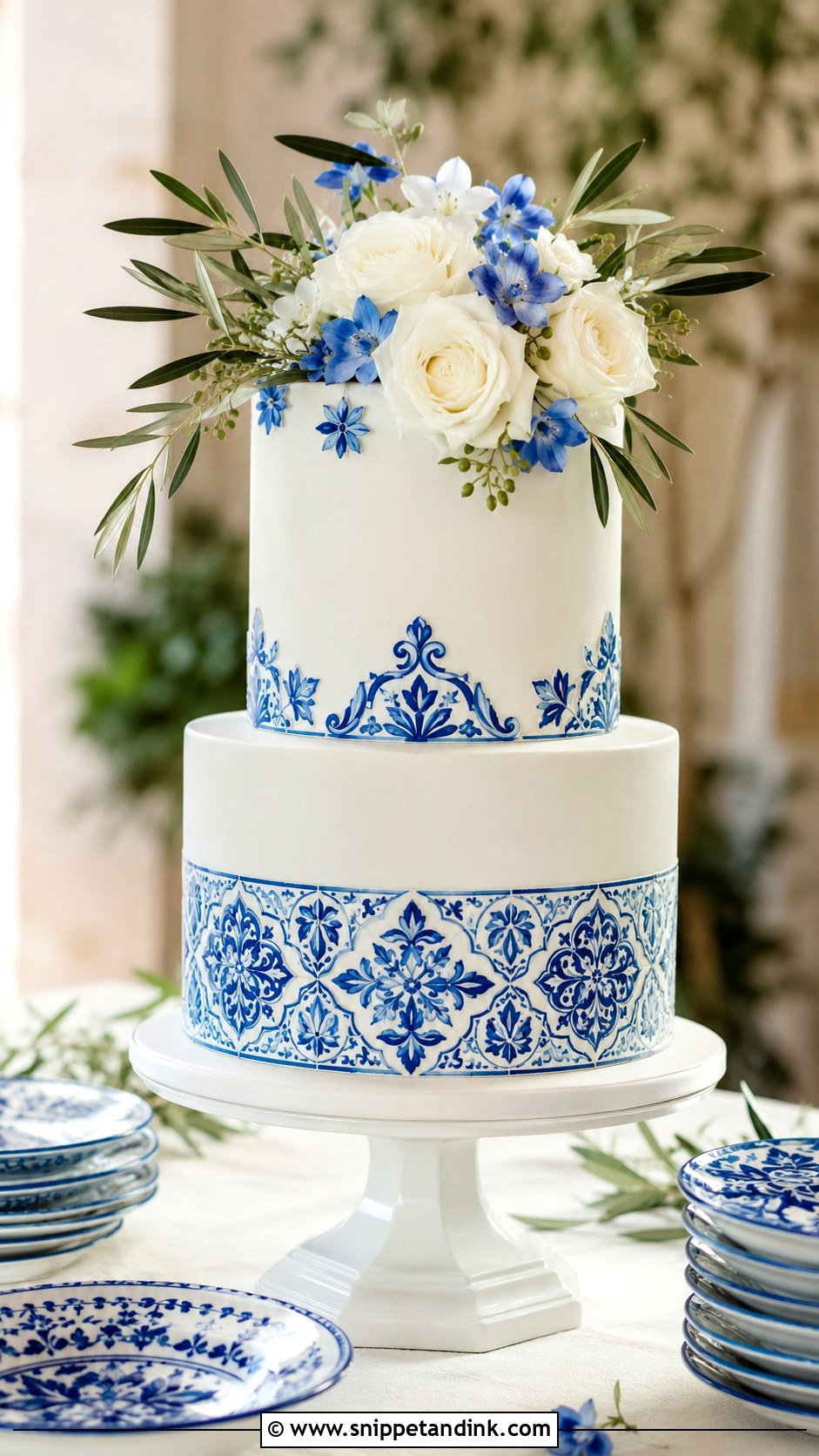
Blue tile can wrap the base tier, appear as a painted panel or cover alternating tiers for a stronger look. White tiers keep it bridal; touches of gold make it formal. White roses, blue sugar flowers or fresh greenery soften the tile work. I check the venue lighting before finalising the shade, because warm evening light makes pale blue look grey or green. It pairs naturally with blue glassware, white linens and ceramic place settings.
23. Spanish Floral Wedding Cake
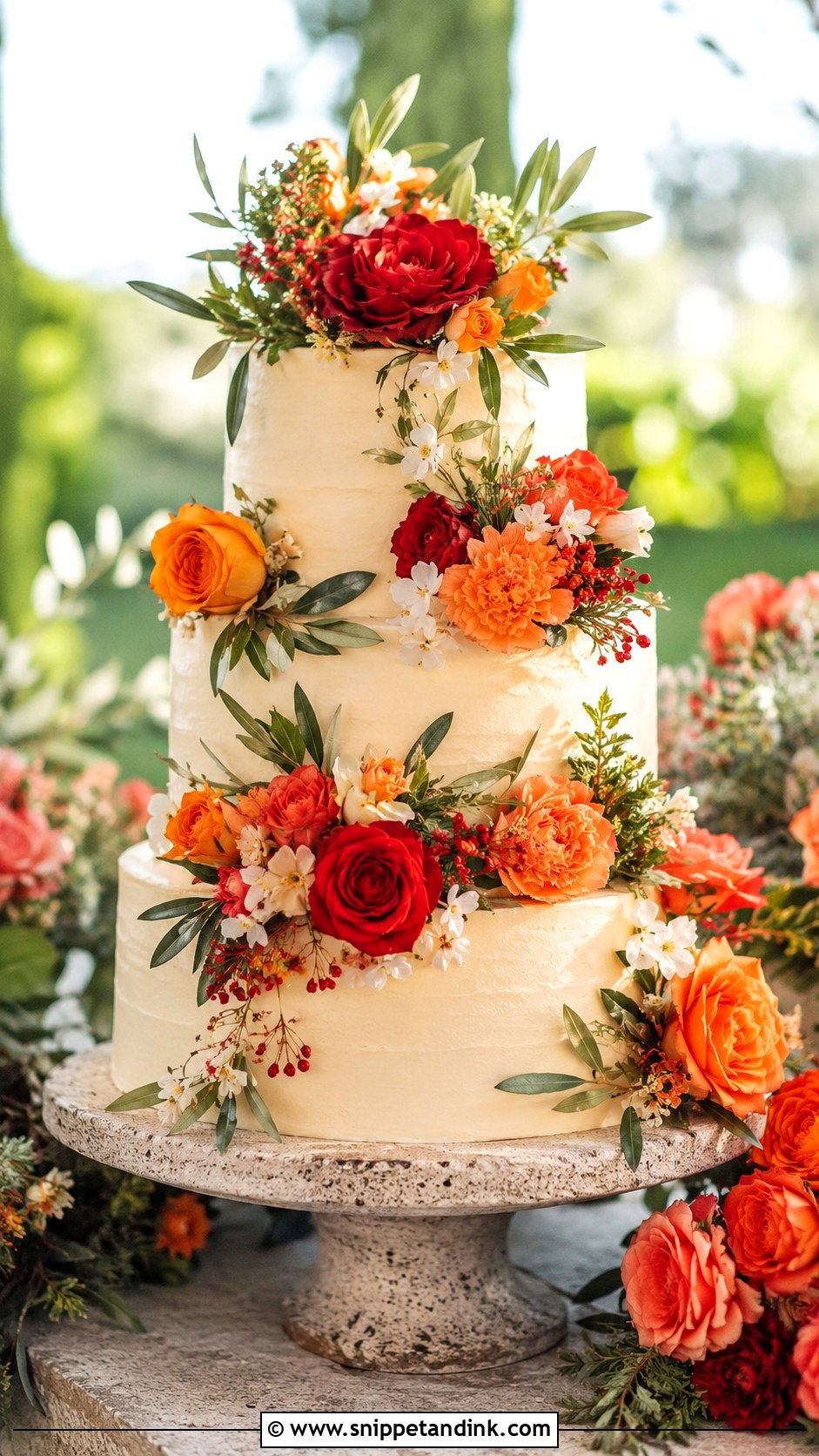
Here the flowers lead: red roses, orange blossom, bougainvillea-style sugar blooms, cream peonies and olive greenery. The tiers can stay smooth, or one can carry lace or tile detail. Warm coral, terracotta, red, peach and ivory make a natural Mediterranean palette. Bougainvillea is one I always make in sugar rather than use fresh, since it isn’t a food-safe flower and drops its papery bracts. The skill is balance; I sketch the placement first so the cake still has a clear shape under all those flowers.
24. Spanish Pearl Wedding Cake
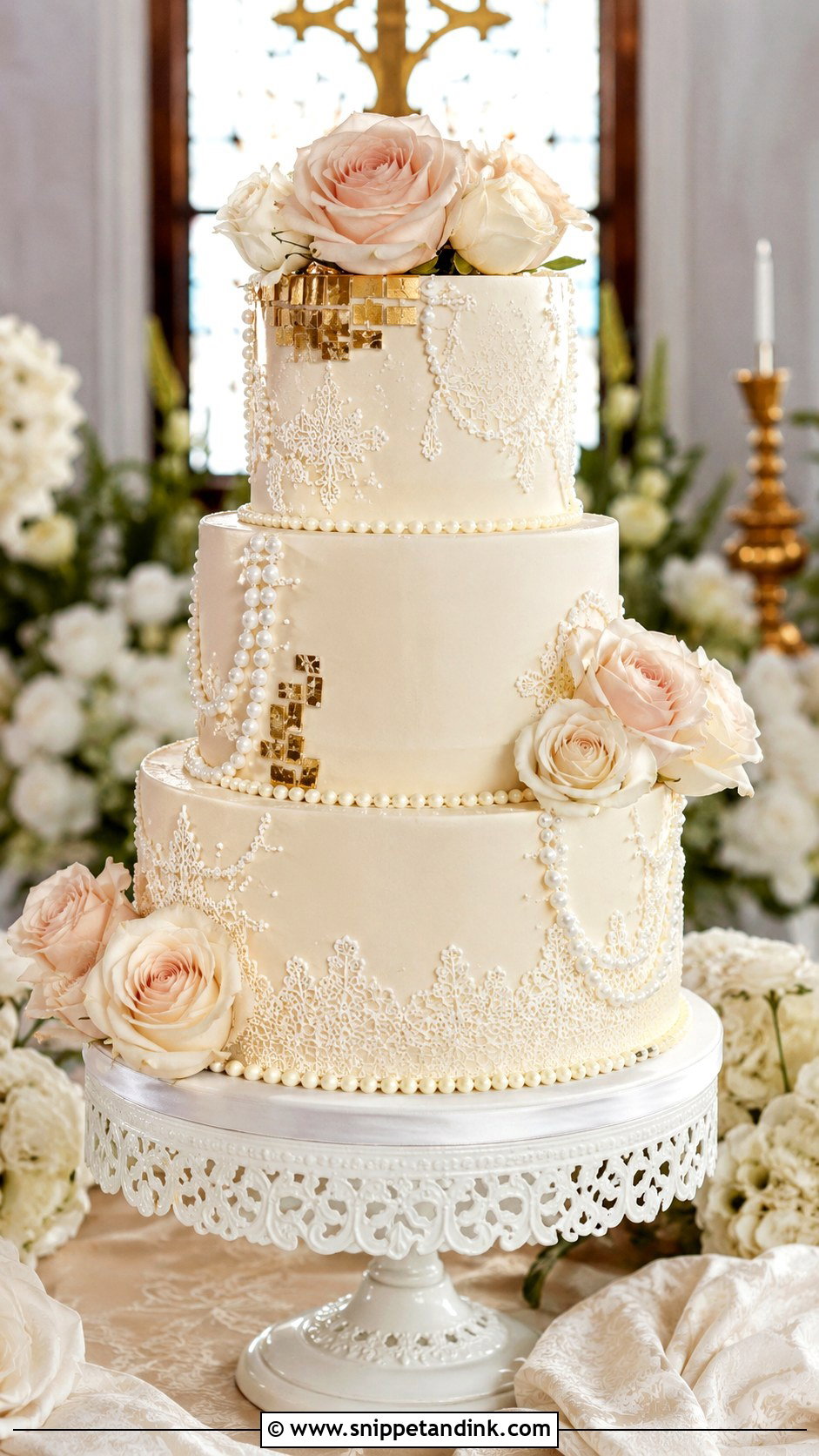
Pearls go naturally with lace piping, smooth ivory icing and soft flowers. To keep a Spanish link, I add a faint mantilla-style lace pattern, a small fan, or a narrow tile border in pale gold or ivory. Sugar pearls can be scattered or set in neat lines around each tier. Lines take far longer and show every gap, so scattered pearls are the forgiving choice. It suits formal ceremonies, chapels and classic receptions, and needs no strong colour at all.
25. Spanish Watercolor Wedding Cake
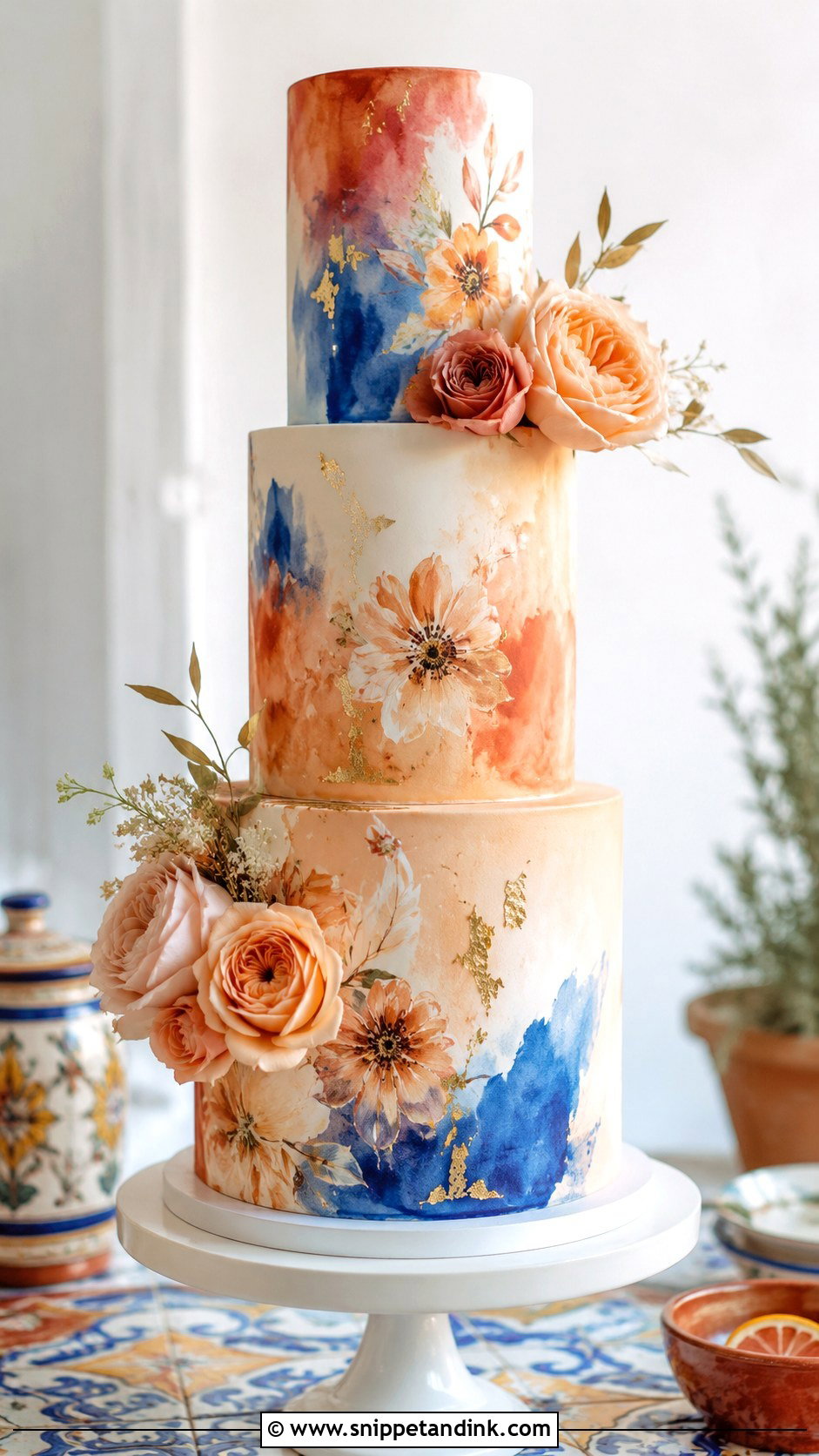
Watercolour gives colour without hard lines: washes of terracotta, coral, blue, gold or blush moving across the tiers like painted plaster or faded ceramic. I build it in thin layers on fondant, or blend tinted buttercream with a palette knife for a softer effect. Loose floral artwork, gentle tile shapes or a sunset background can sit over it, and fresh flowers add depth. It suits a colourful palette that stops short of bright.
26. Spanish Black And White Wedding Cake
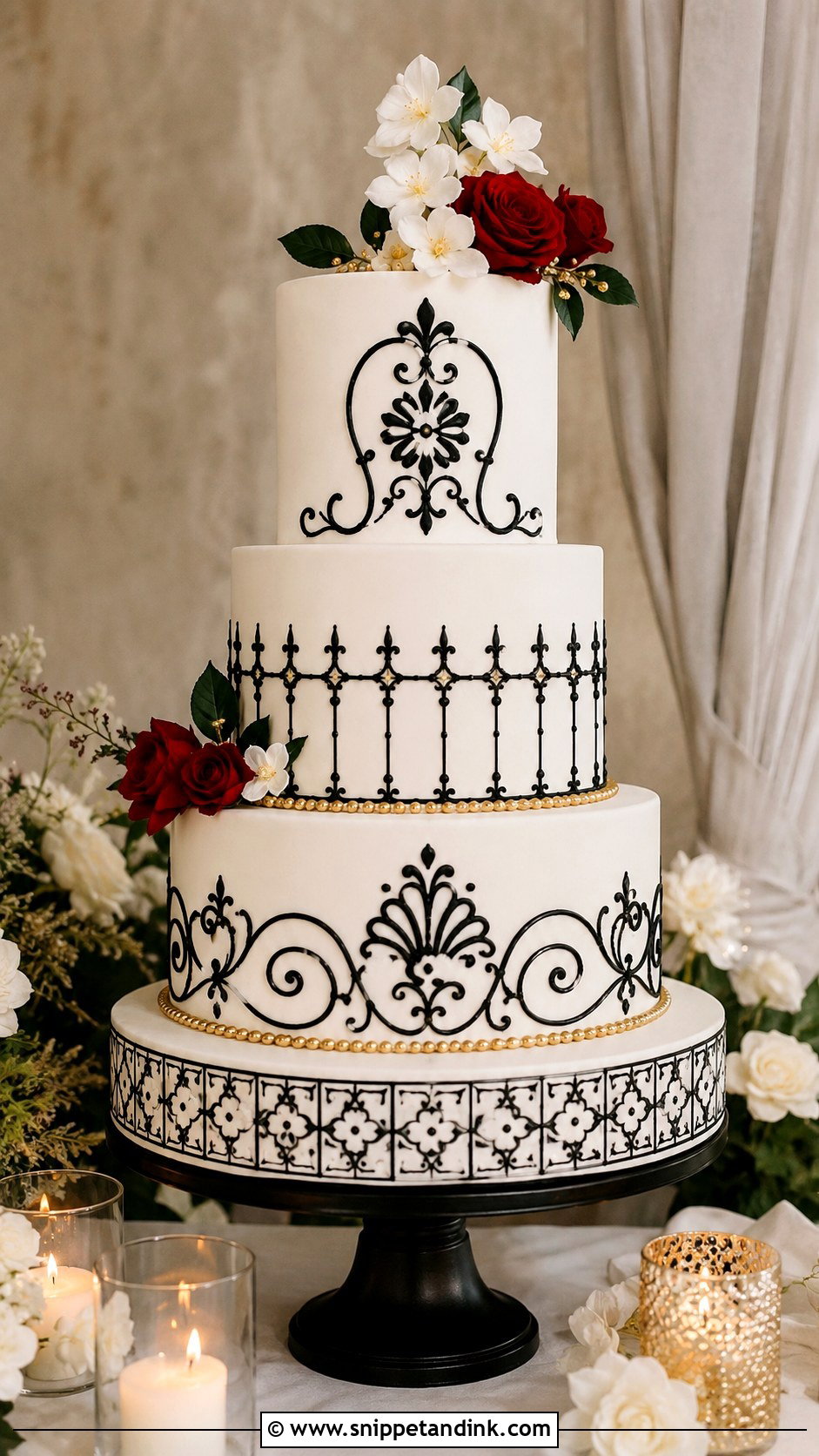
Black and white is bold and graphic. Black detail can come from wrought-iron-style piping, tile patterns, fine line drawing or a dramatic border; white tiers keep it bridal. Red roses or gold warm it up. Black icing takes heavy colouring and can mark lips and teeth, so I use it only for fine lines and keep it off the parts people eat in large amounts. Precision matters: the decoration has to be exact or it looks heavy. Evening receptions and candlelit rooms suit it best.
27. Spanish Almond Wedding Cake
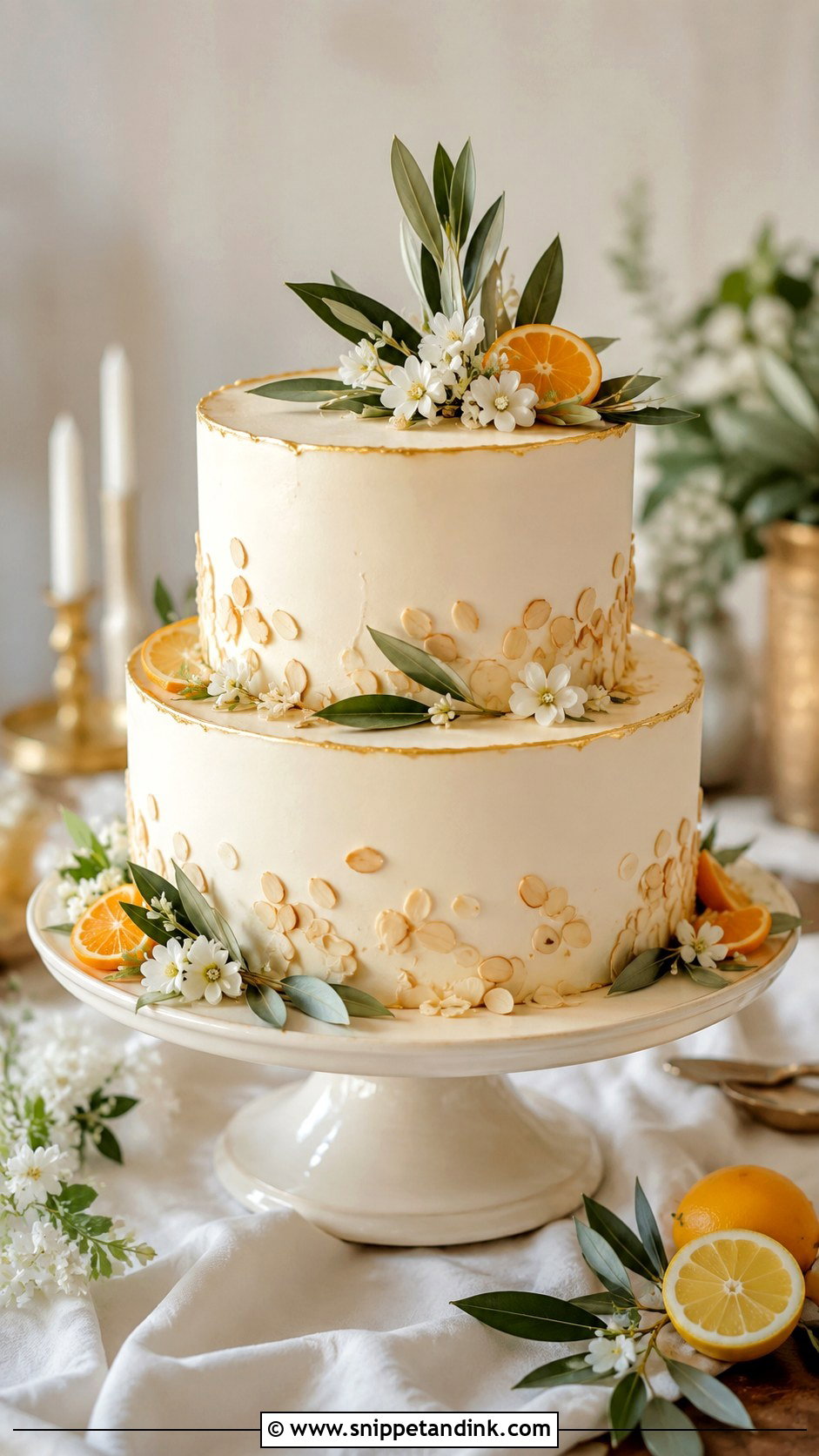
Almond sponge is the flavour I suggest most often for this theme. It is fragrant and moist, and it keeps well, which matters when a cake has to be made a day ahead. Ivory buttercream with toasted almond accents, orange blossom and a little gold trim keep the outside quiet, with a small tile pattern or lace detail for the theme. I always flag almond on the menu card, since nut allergies are common. It suits daytime weddings and simple dessert tables with fruit and ceramics.
28. Spanish Buttercream Wedding Cake
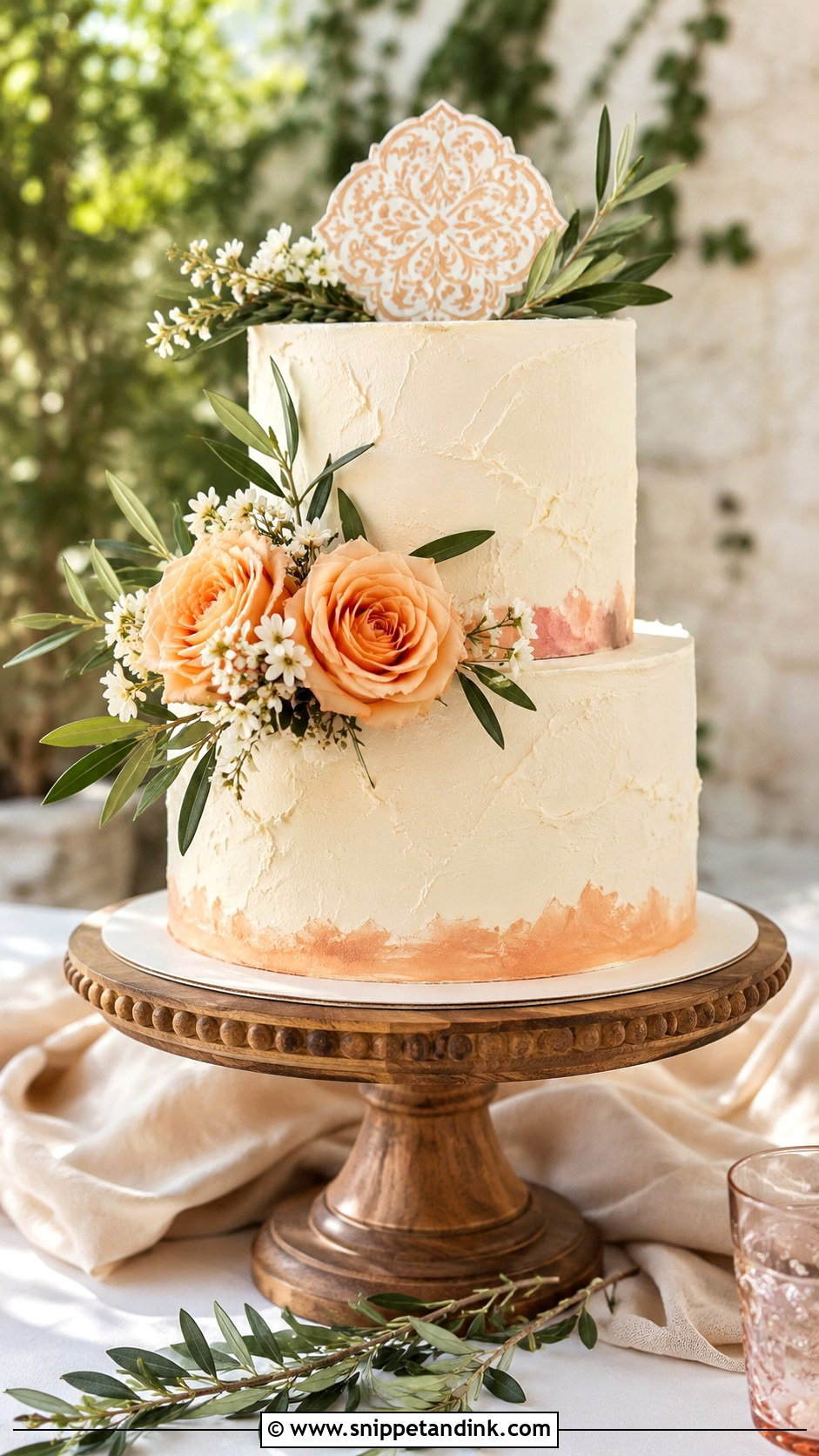
Buttercream is flexible: smooth for formal, textured for rustic, or lightly stencilled for tile detail. Ivory, cream, terracotta and pale peach make good bases. Roses, olive leaves, orange blossom or a painted band make the theme clear. It tastes better than fondant to most people and suits vanilla almond to lemon citrus. The catch is heat. Swiss meringue buttercream softens in a warm room, so I chill the cake firm before delivery and ask for it to be displayed away from windows and sun.
29. Spanish Tiered Wedding Cake
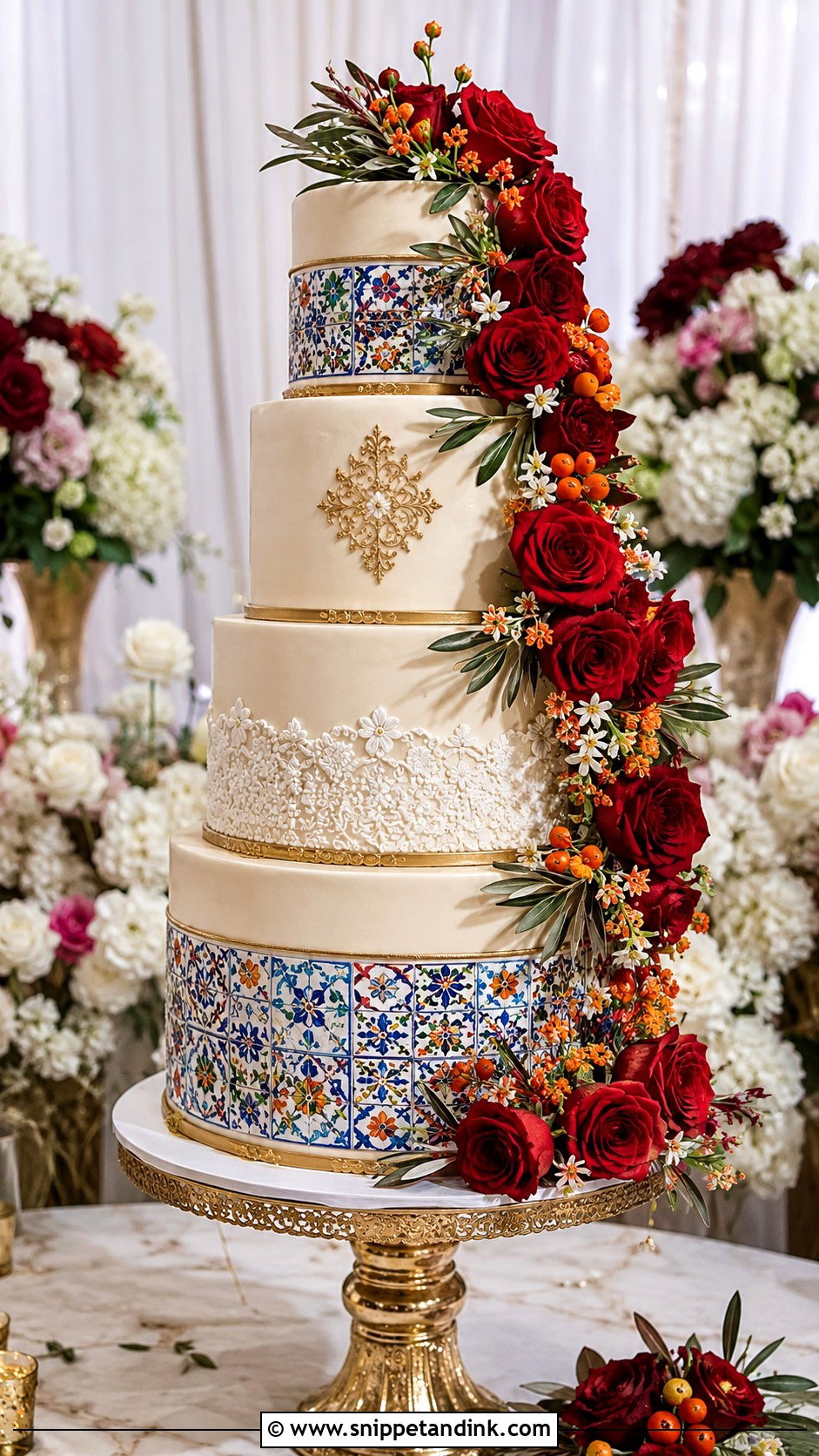
A tiered cake gives room for several details: tile artwork on one tier, lace on another, smooth icing with flowers on a third. That works for large weddings where the cake is a true centrepiece. I connect the tiers through a shared palette of ivory, terracotta, blue, red or gold, and use one main flower cascade to tie the sections together. Tall cakes need internal dowels and a central rod for transport, and often get stacked at the venue. It suits formal receptions and big family celebrations.
30. Small Spanish Wedding Cake
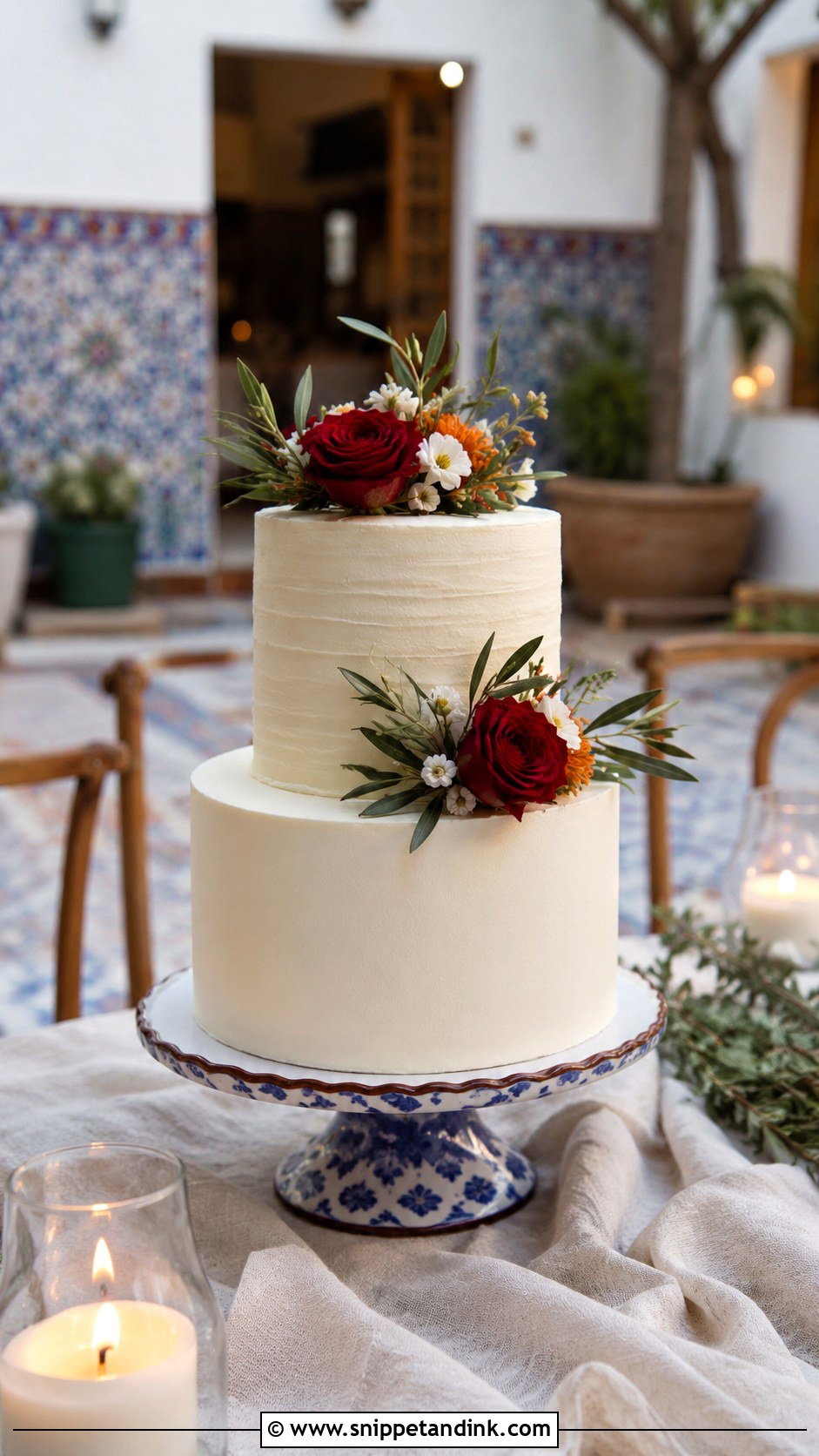
A small cake can still carry real detail. Choose two tiers or one tall tier, and focus on one feature: blue tile painting, red roses, lace or orange blossom. Small cakes look busy fast, so I keep the design clear. Pair it with matching cupcakes, cookies or a simple dessert table if you need more servings, or ask for a plain kitchen cake in the same flavour to be cut behind the scenes. It suits intimate weddings, elopements and small courtyard receptions on a ceramic stand.
A Sunny Courtyard Is Hard on Wedding Cake
This style is so often chosen for outdoor summer receptions that it is worth planning for heat from the start. Most of the cake problems I see at warm venues come from display, not baking.
- Buttercream softens in direct sun and warm rooms. Ask for the cake to be set up in shade, away from windows, and brought out close to cutting time if it is very hot.
- Fondant handles heat better but can sweat if it moves from a cold fridge into humid air. It dries off if left alone; touching it leaves marks.
- Curds, fresh cream and cream cheese fillings are the riskiest in heat. Ganache or a firm buttercream filling is safer for an afternoon outside.
- Fresh flowers wilt quickly in sun. Sturdy foliage such as olive holds up; delicate blooms are better made in sugar.
- Tall cakes travel better in sections and get stacked on site. Ask how your baker transports theirs and whether the venue table is level.
If the cake will be outside for a long time, I would choose a design that tolerates heat over the one that looks best in a cool studio photo.
One Spanish Detail, Done Properly
Tile, lace, terracotta, roses or olive branches can all carry a Spanish theme on a cake. The designs that work best choose one main detail and support it with the right flowers, colours and finish, which keeps the cake elegant while still making the theme obvious. At your tasting, bring a photo of the venue and the time of day you will cut the cake; those two things shape the icing, the flowers and the timing more than any inspiration picture. Formal, rustic, modern or small, the cake should look like it belongs in that room.
You'll Like These Ideas:





Leave a Reply