
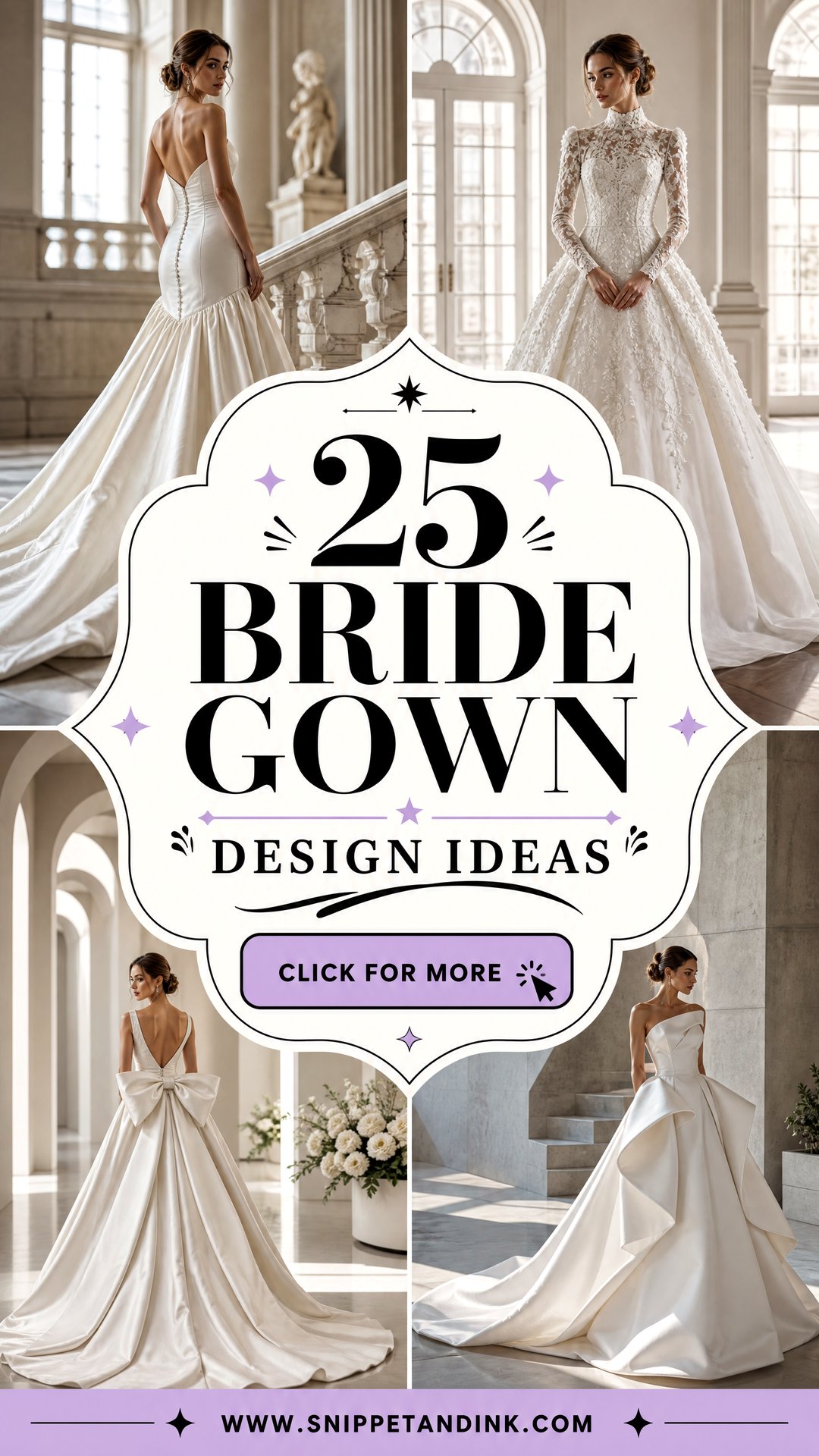
A wedding gown has to do several jobs at once. It has to walk an aisle, sit through dinner, survive hugs, dance, and still look right in the photos taken at midnight. When I build a bridal look, I start with how a design moves and how its fabric behaves, and only then with how it looks in a picture. The 25 designs below cover classic silhouettes, modern details and romantic fabrics for ballrooms, gardens, beaches, courthouses and receptions. Each is styled head to toe with veil, shoes and jewelry, and each comes with the practical note I would give you before your first appointment.
Read the Fabric Label Before You Fall for the Silhouette
Two gowns with the same shape can feel completely different by evening, and the fabric is usually why. I explain this before a bride tries anything on, because it saves a lot of heartbreak later.
- Satin holds structure and shine, but shows water marks and creases from sitting. Heavy satin is warm in summer.
- Crepe drapes and stays matte. It wrinkles less than satin, yet shows every undergarment line in lighter weights.
- Tulle is light and breathable, good for heat. It catches on rough surfaces and flattens in humidity unless supported by a petticoat.
- Lace hides small creases and breathes well. Heavy beaded lace adds real weight to the shoulders.
- Mikado is crisp and sculptural, ideal for clean shapes, though it is warm and can feel stiff when you sit.
Match the fabric to your season first. A satin ball gown in midsummer heat, or a single layer of chiffon at a winter ceremony, will make you miserable however good it looks in the mirror.
1. Satin Ball Gown Bride Gown
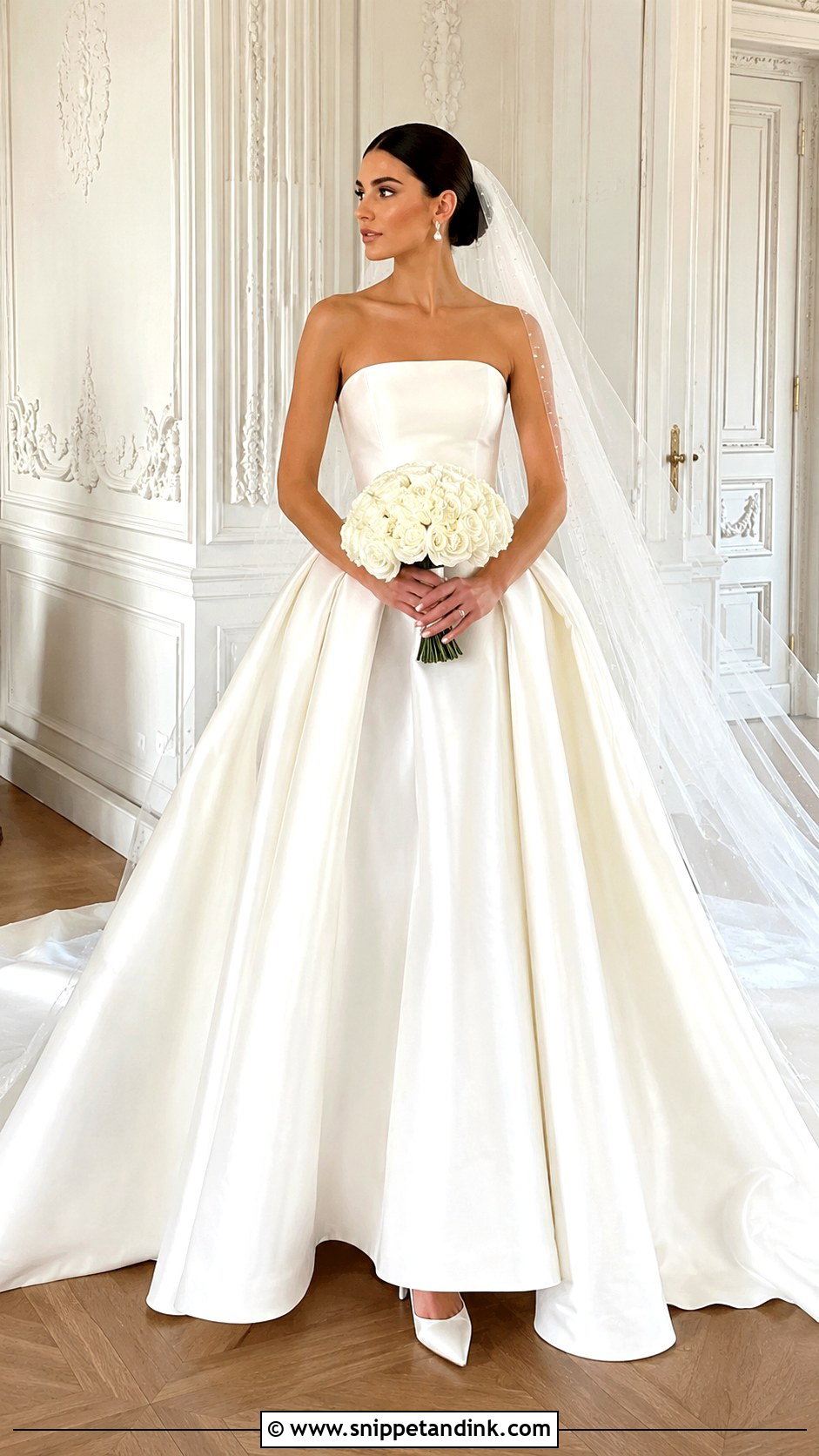
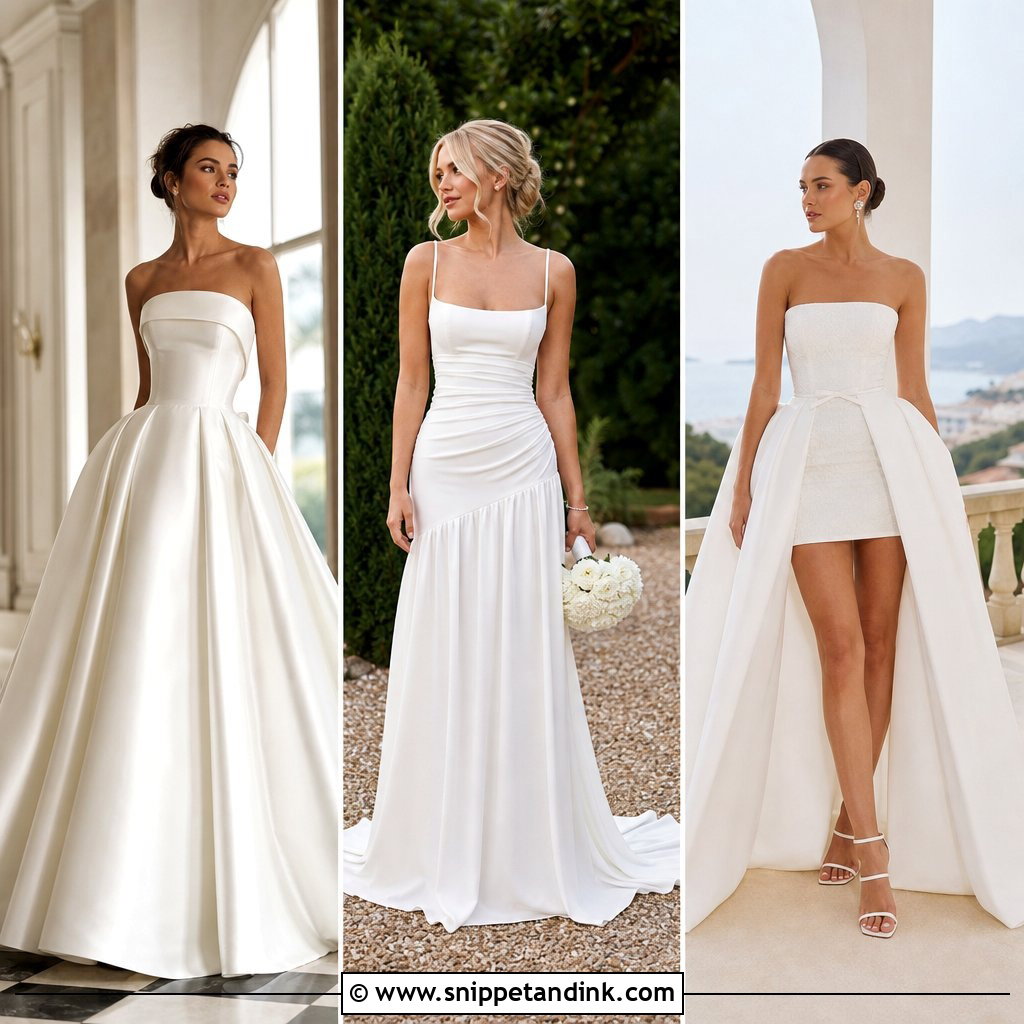
Satin is what gives this ball gown its weight and quiet shine, with no sparkle needed. The structured bodice supports; the full skirt makes the aisle moment. Ivory or soft white satin photographs cleanly in daylight, and a strapless neckline sits well with a cathedral veil, pearl earrings and pointed heels. Ask whether the bodice has internal corsetry. Hidden boning and a waist stay keep a heavy satin skirt from dragging the bodice down over the evening. White roses or peonies keep the bouquet calm. Ballrooms, estates and hotels suit it.
2. Lace A Line Bride Gown
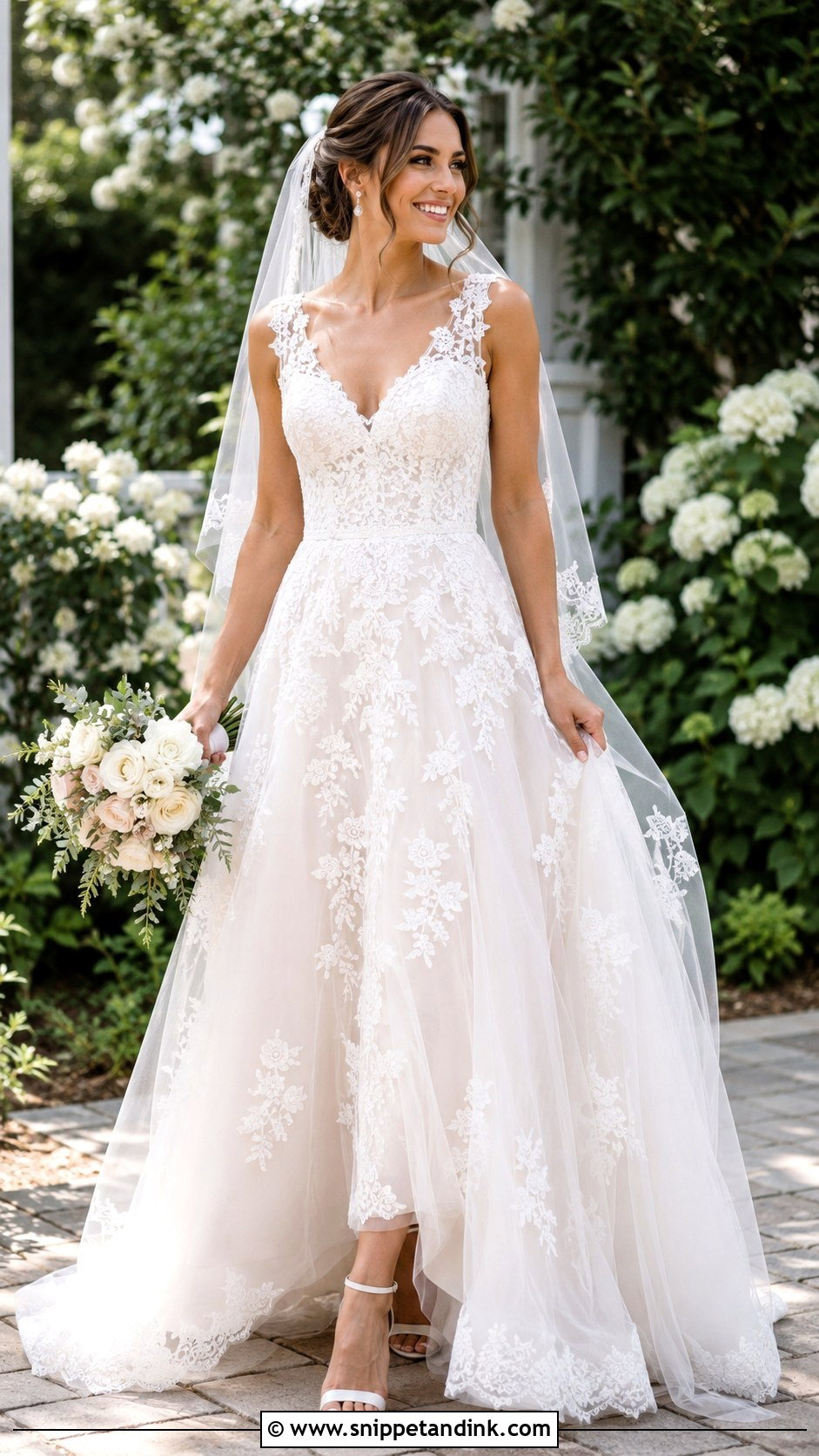
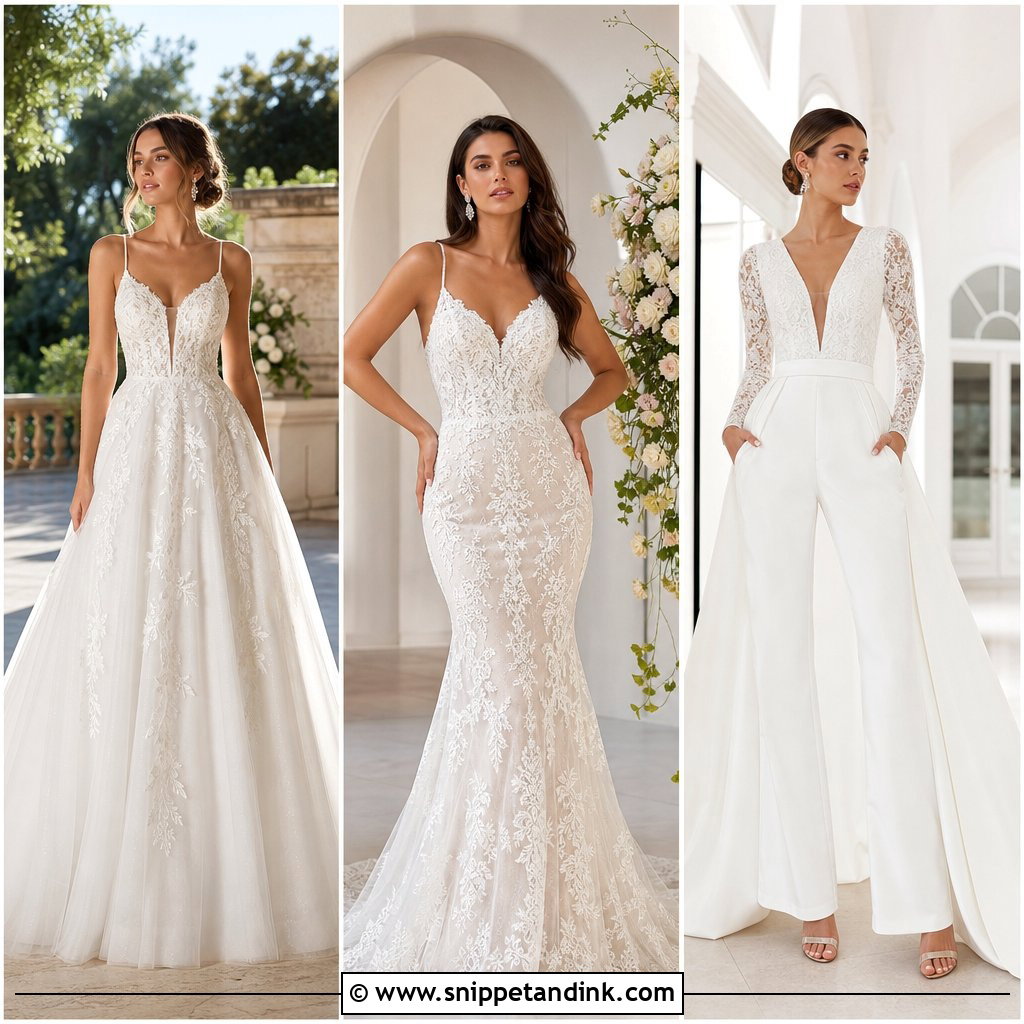
Lace A-lines suit more brides than any other gown I fit. The shape skims the waist and falls away from the hips, so it forgives a lot. Floral lace is right at home in gardens, vineyard ceremonies, and spring weddings. Soft waves, a fingertip veil, pearl drops and ankle-strap heels complete it. For a lighter gown, look for lace over tulle or organza rather than over a heavy satin lining. Outdoors, check the hem lace, since a long lace hem collects grass seed and burrs on a lawn.
3. Off Shoulder Bride Gown
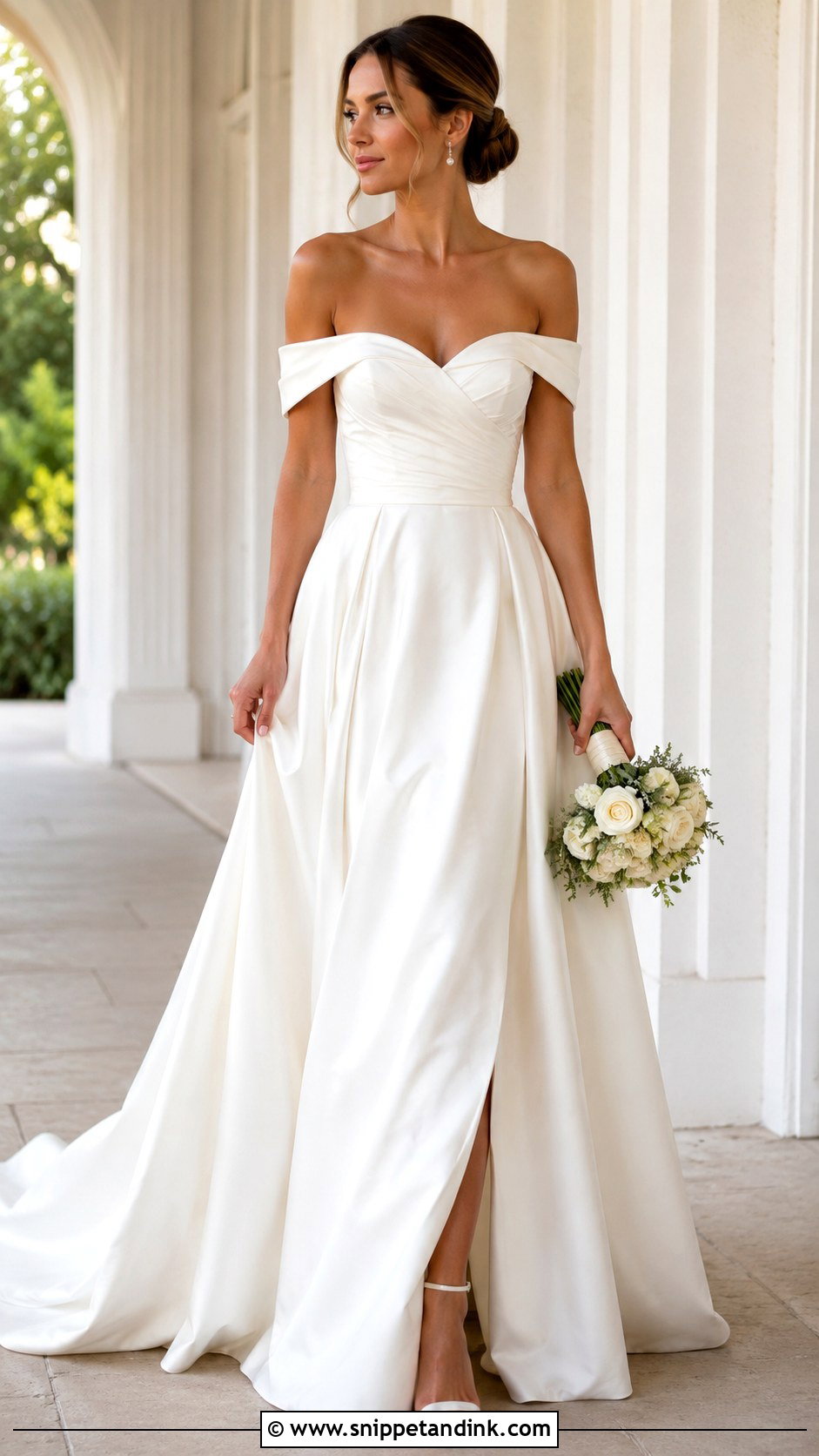
The neckline frames the collarbones, and that is all the decoration this gown needs. Satin, lace, crepe and tulle all carry it. A fitted bodice and flowing skirt with a simple veil is the classic route; pearl studs, a low bun and satin heels keep the neck clear. For drama, try detachable off-shoulder sleeves or soft draping across the bust. Detachable sleeves are also my favorite trick for brides undecided about coverage, since you can wear them for the ceremony and remove them to dance. Candlelit receptions flatter this neckline more than most.
4. Long Sleeve Lace Bride Gown
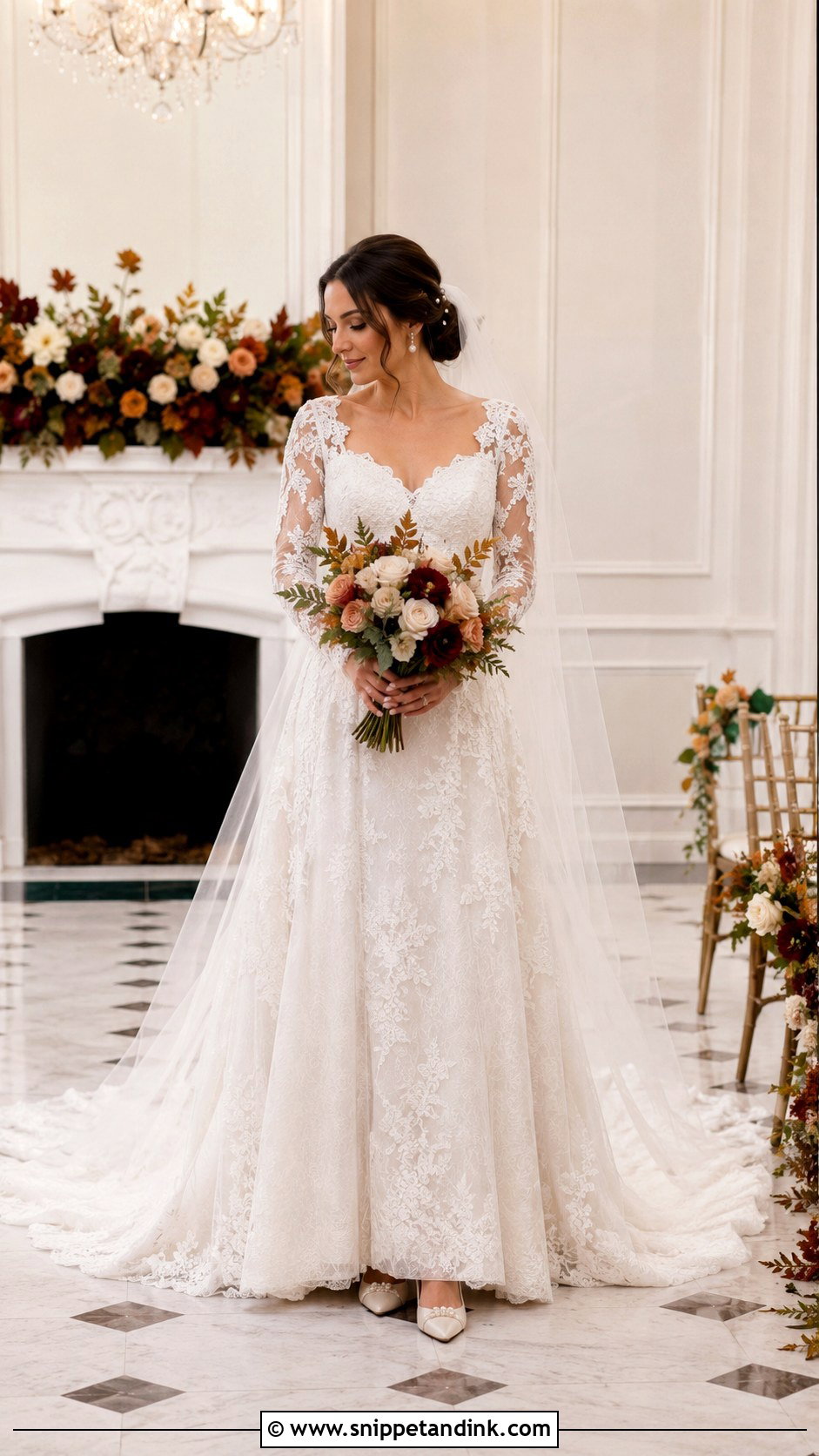
Long lace sleeves look their best in cool weather and traditional ceremonies. Sheer lace sleeves feel light; lined sleeves give more coverage and more warmth. A fitted bodice over an A-line or sheath skirt balances the detail. Chapel veil, pearl pins, soft makeup and closed-toe heels. Scalloped edges, floral motifs and covered buttons down the back give it a vintage feel. Those buttons take time to fasten, sometimes ten minutes or more, so build that into your getting-ready schedule or ask for a hidden zip beneath them.
5. Minimalist Crepe Bride Gown
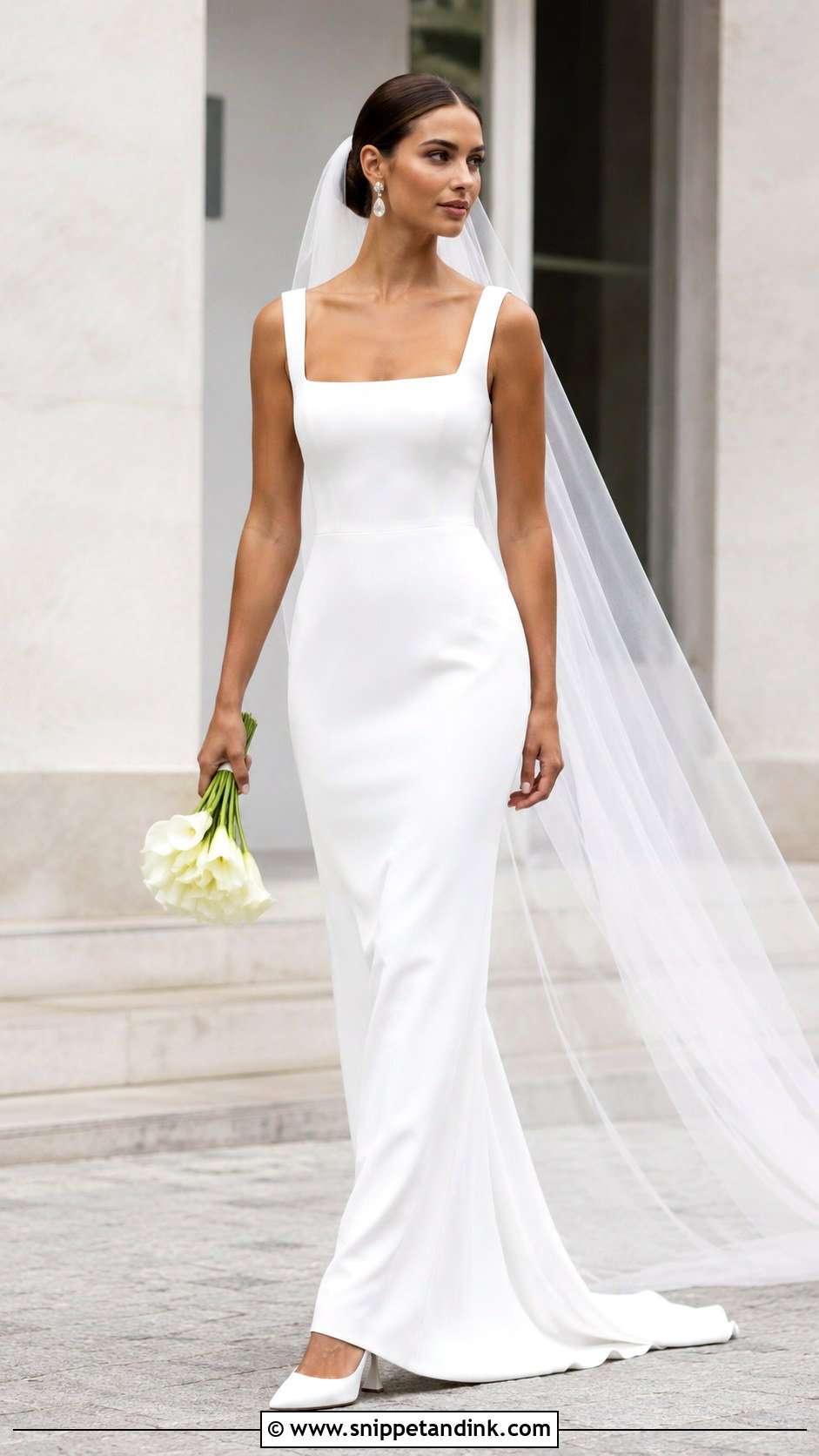
Crepe is the honest fabric. It drapes close to the body with a matte surface and hides nothing, so this gown lives or dies on tailoring. Square, bateau or simple V necklines all suit it. Sleek earrings, a low chignon, white slingbacks and a structured bouquet; a long plain veil adds ceremony. Heavy crepe is more forgiving than light crepe, which clings to every curve and undergarment line. City weddings, galleries and courthouses suit its clean finish. Book your alterations early.
6. Pearl Embellished Bride Gown
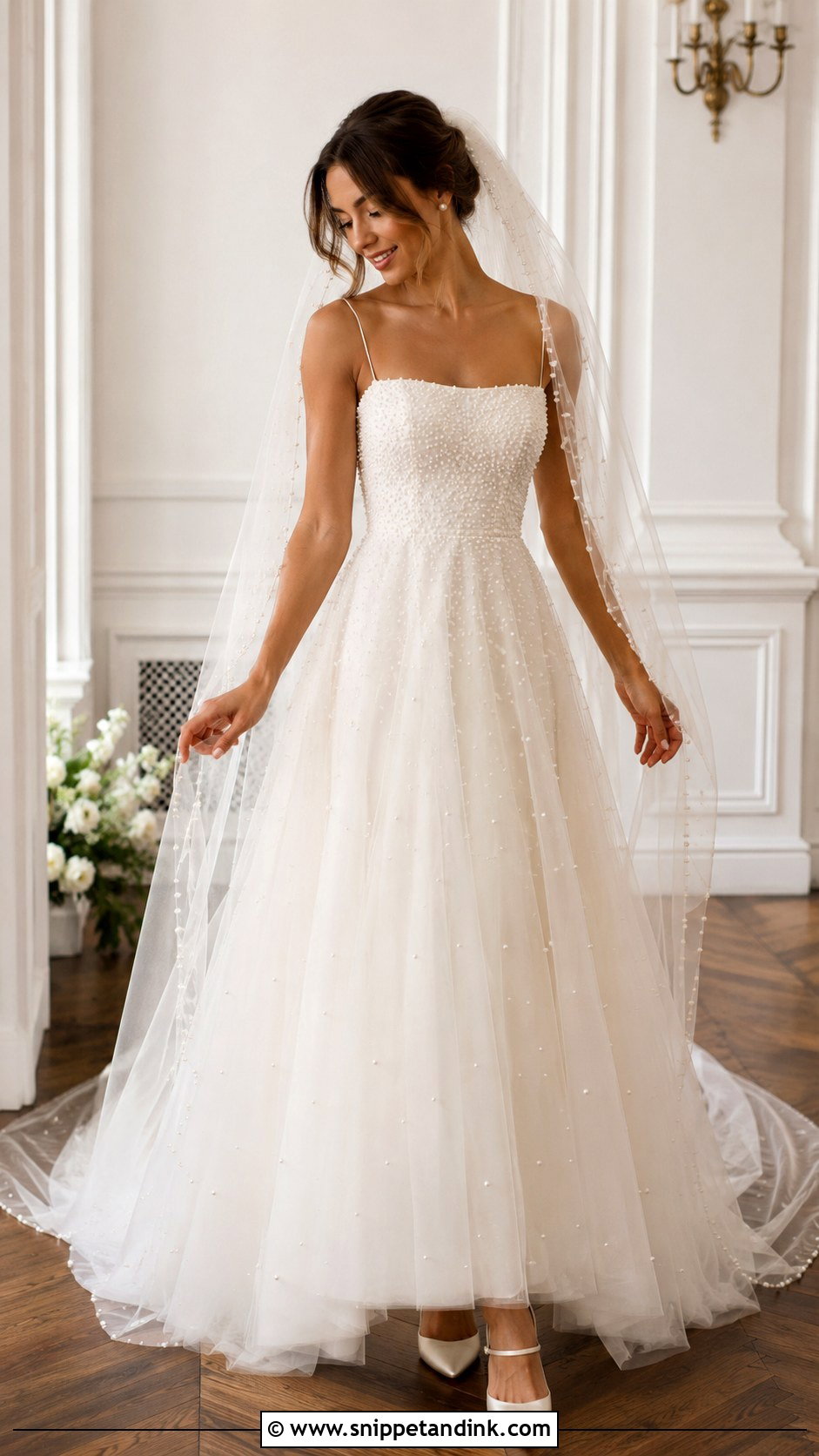
Pearls give a soft glow where crystals would sparkle. Tiny ones scattered over tulle, lace or sheer sleeves add texture from every angle. A fitted or A-line silhouette keeps them delicate. Pearl earrings, a pearl-trimmed veil and satin heels, and no more, since the gown already carries its jewelry. A pearl-edged veil can snag on scattered pearls on the gown, so check the two together at a fitting. Indoor ceremonies and refined evening receptions suit this best.
7. Drop Waist Bride Gown
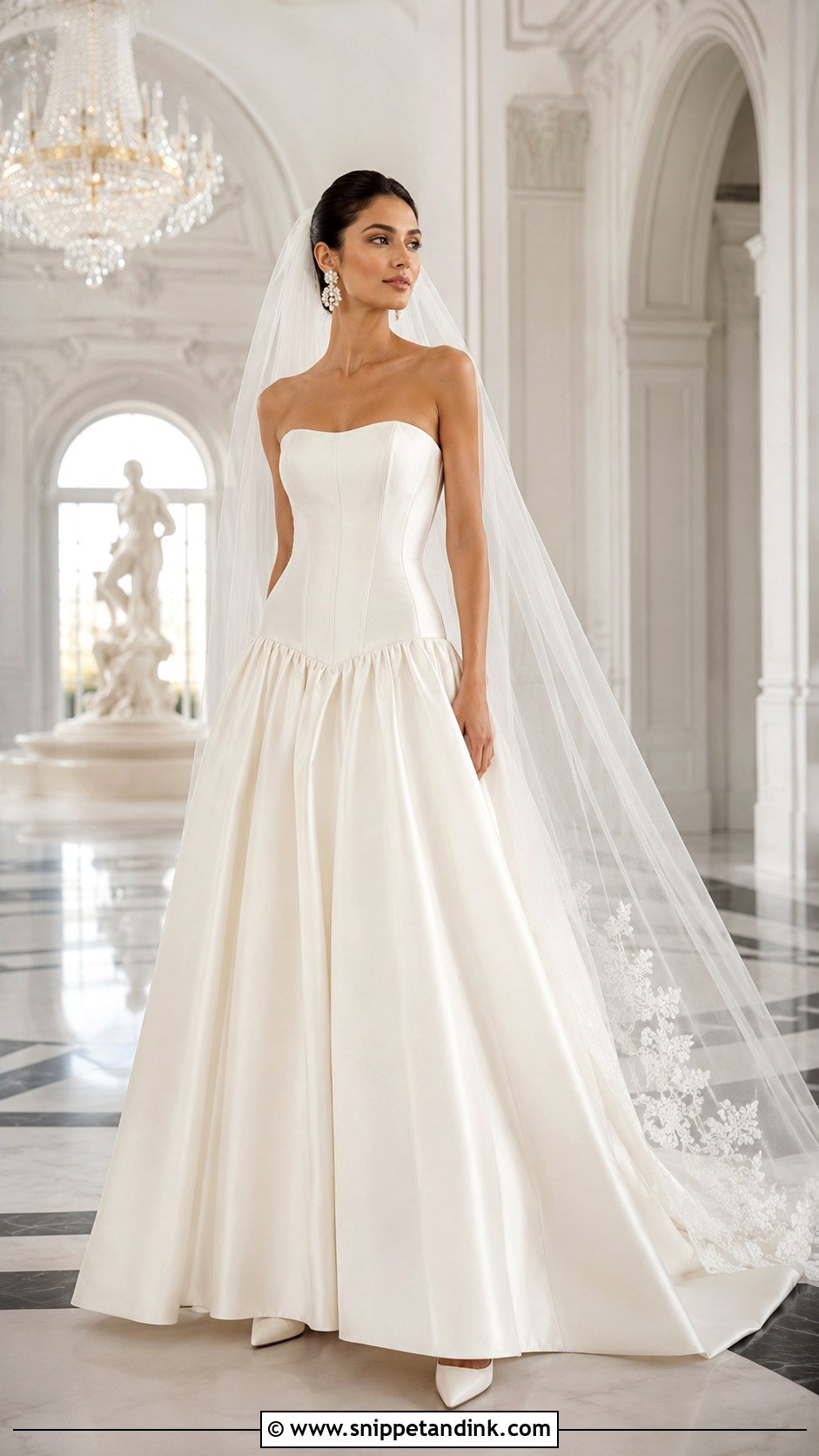
Lower the waistline and the torso looks longer, with a sculpted line through the hips. A drop waist pairs well with a full skirt, soft tulle or smooth satin. A basque or V-shaped dip adds more drama. Long veil, statement earrings and elegant pumps, with sleek or softly pinned-back hair to balance the strong shape. It suits brides with a longer torso naturally; on a short torso, I raise the drop slightly at the fitting so the legs do not look cut off. Striking without relying on beading.
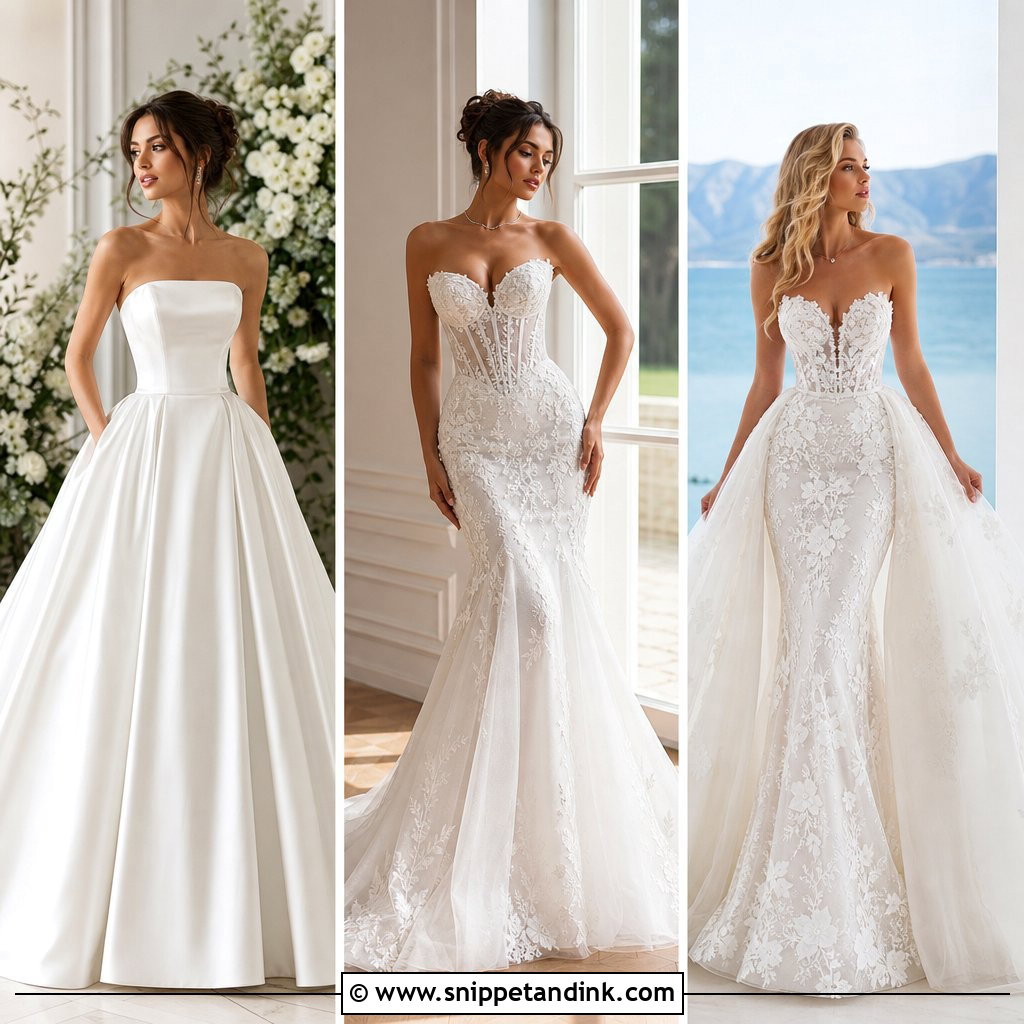
8. Corset Bodice Bride Gown
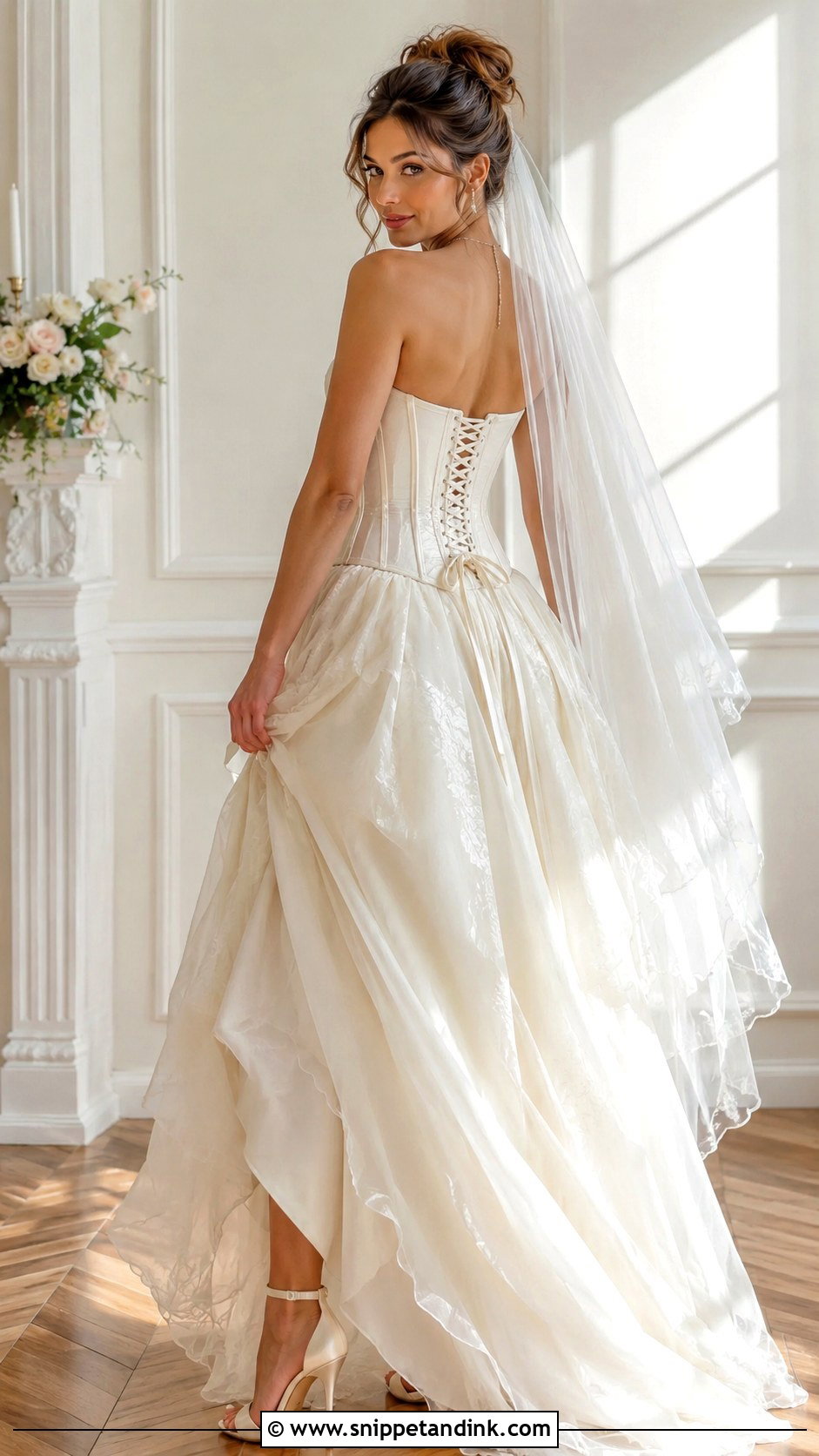
Exposed boning reads modern; covered boning reads classic. Either way, a corset bodice supports the waist and bust and lets the skirt be full, A-line or softly draped. A soft veil, delicate jewelry and heels matched to the gown’s fabric tone. A lace-up back with covered buttons is both pretty and practical, because lacing can be adjusted on the morning if your weight has shifted in the last weeks. The bodice should define without restricting; if you cannot breathe deeply sitting down, it needs adjusting.
9. Square Neck Bride Gown
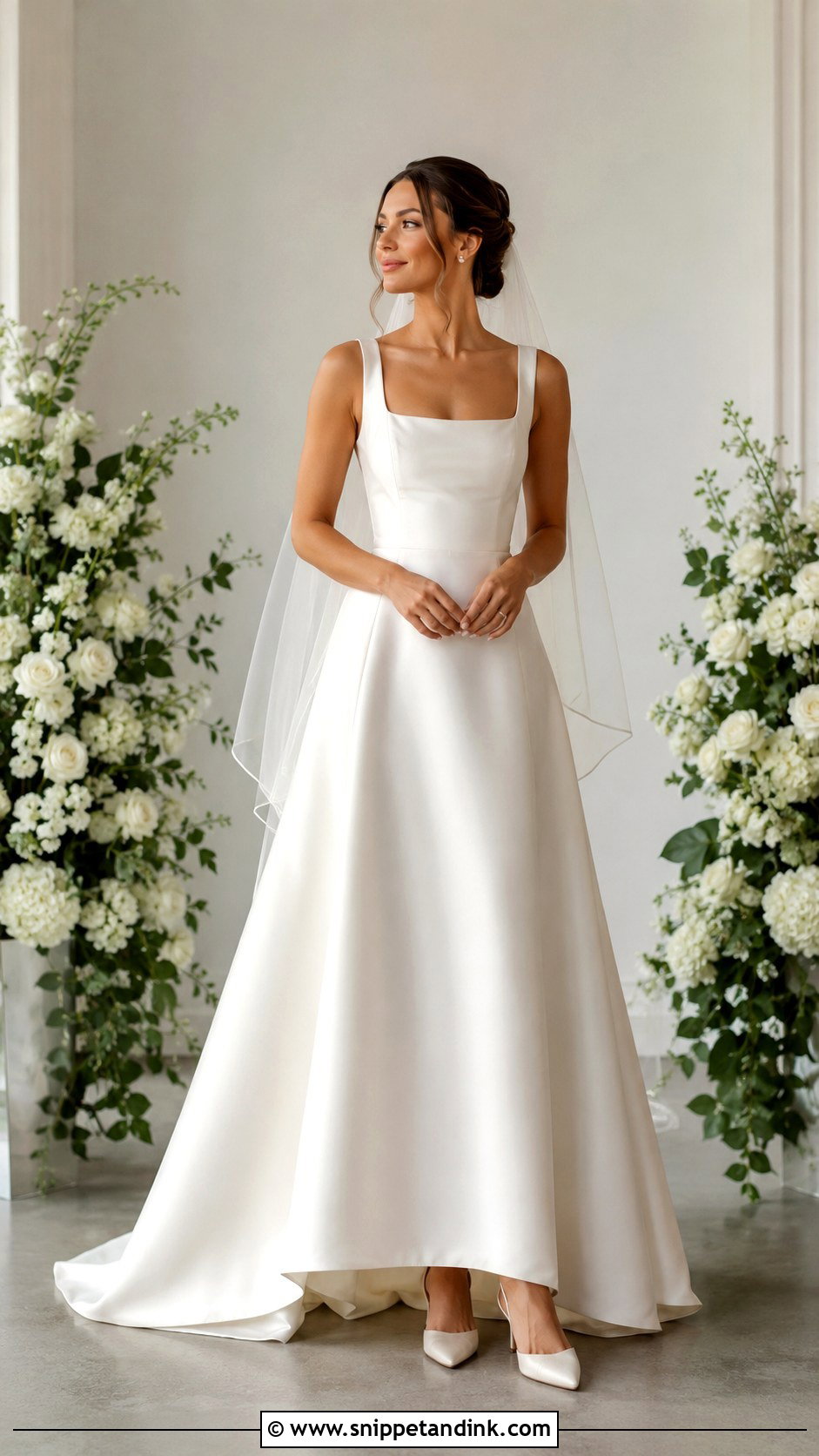
Square necks frame the face and suit a wide range of bust sizes, which is why they are so easy to recommend. Crepe makes it modern, lace romantic, satin classic. A simple veil, pearl studs and a soft updo. Wide straps or long sleeves add coverage; a slim skirt and delicate sandals make it lighter for a daytime ceremony. If the corners gape when you lean forward, the bodice needs reshaping rather than simply tightening. It needs very little extra detail.
10. Halter Neck Bride Gown
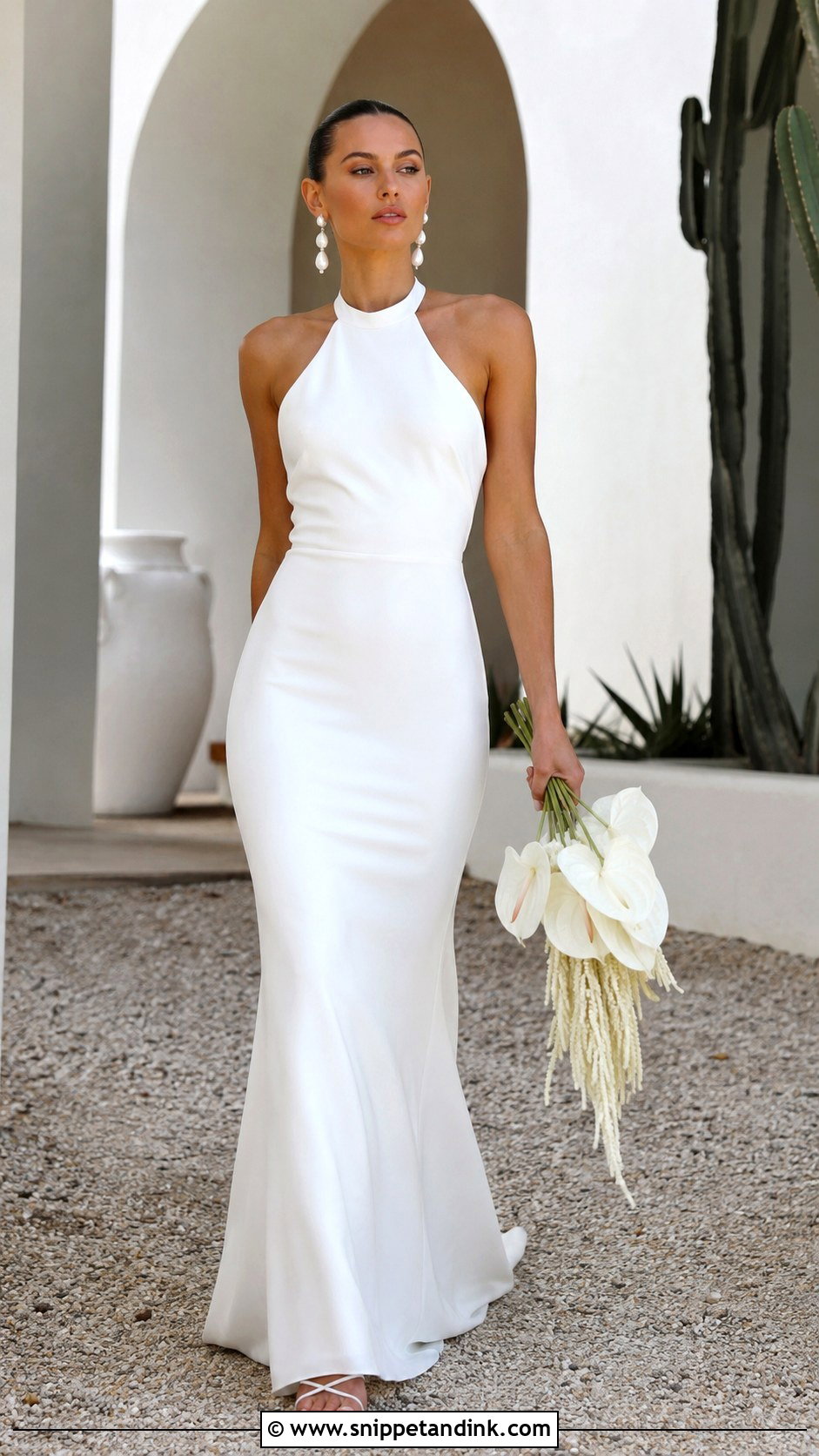
Halters draw the eye to the shoulders and upper back. They suit summer and modern venues, especially for brides comfortable showing their arms. Satin or crepe looks clean; lace softens it. Pull the hair back, wear drop earrings and minimal bracelets so the neckline stays clear. A long veil adds drama, though a short veil or none works too. Strappy heels and a sculptural bouquet. If the gown is heavy, ask for an inner band under the bust so the neck tie is not carrying all the weight through the reception.
11. Mermaid Bride Gown
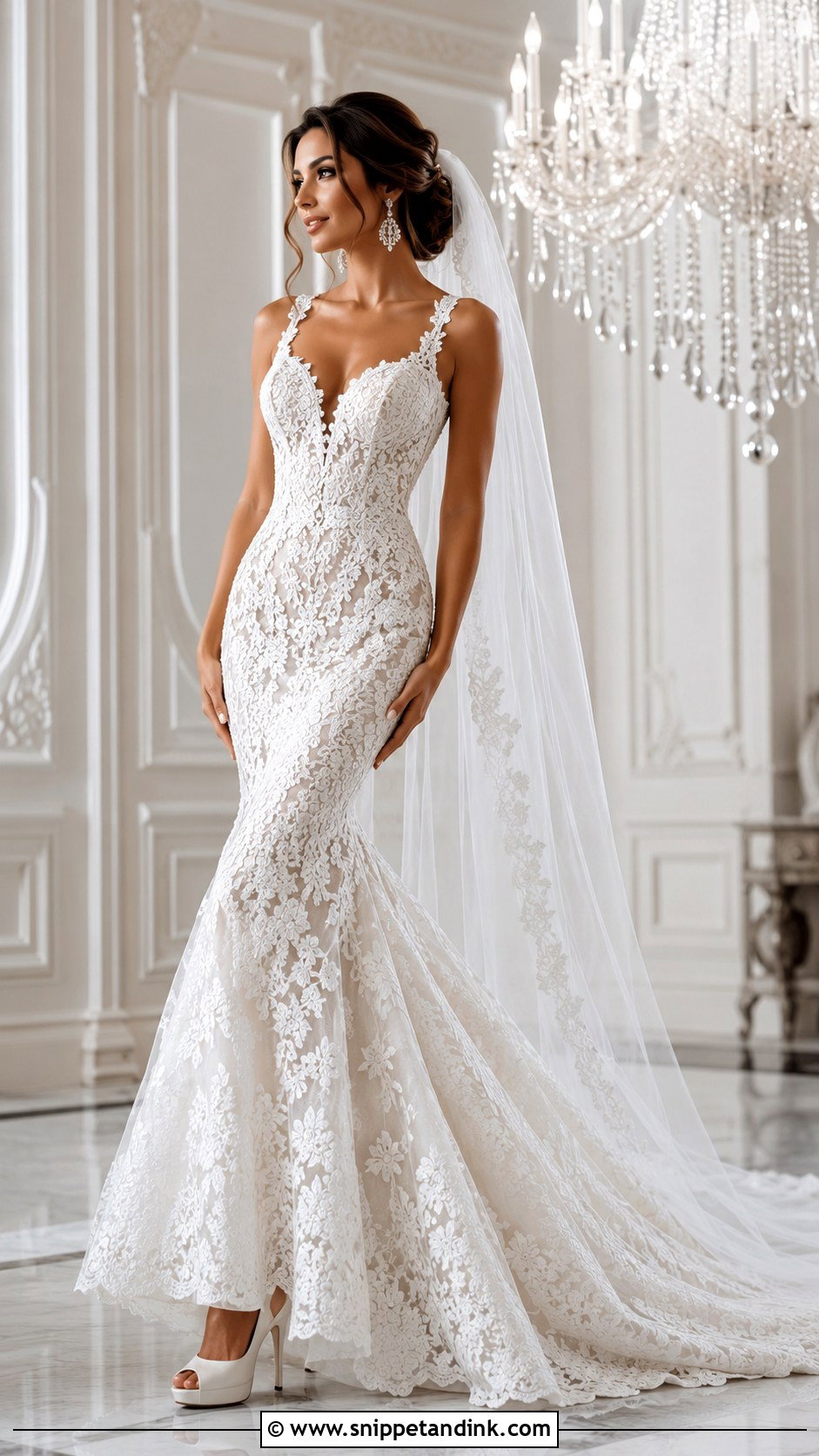
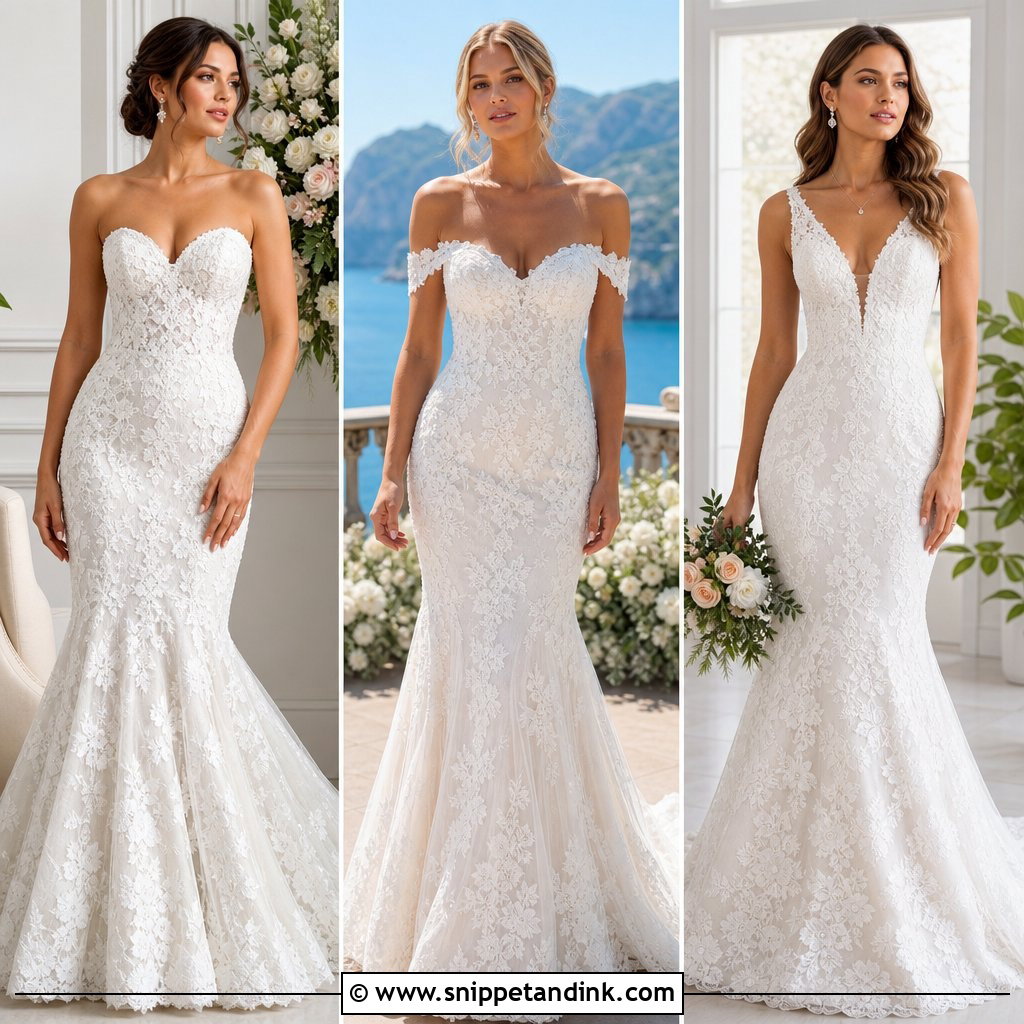
The mermaid hugs the bodice, waist and hips, then flares near the knee for a dramatic entrance. Lace reads romantic, satin polished, crepe modern. Long veil, statement earrings and heels with enough height to balance the flare. At fittings, I have brides sit, climb a step and dance a few bars, because a knee-level flare can restrict stride more than they expect. A subtle train keeps it elegant without tripping you. Evening ceremonies and formal venues suit its bold line.
12. Sheath Bride Gown
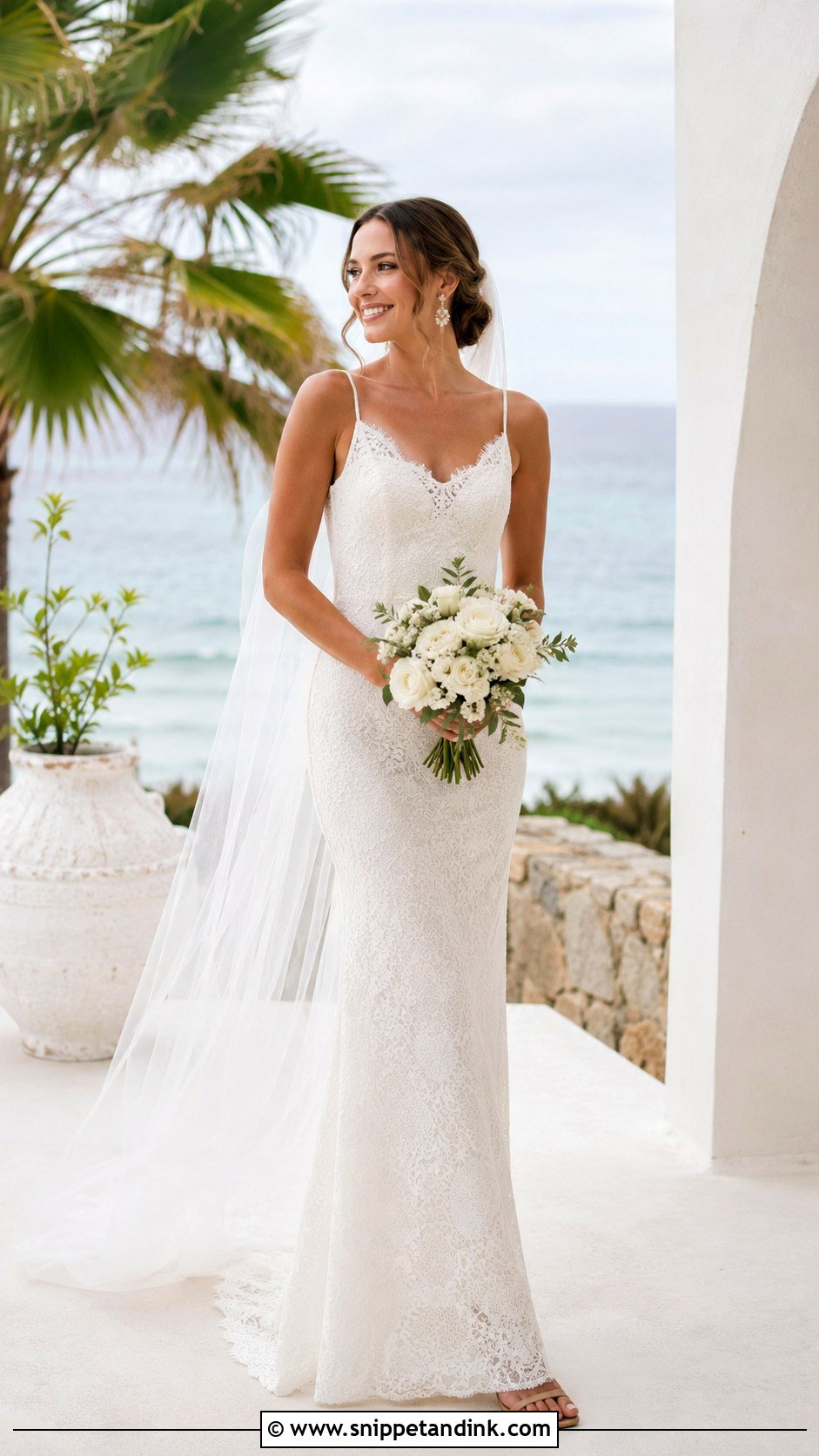
The sheath follows the body without a full skirt, which makes it light and easy to travel with. Beach weddings, destination ceremonies, courthouses and intimate celebrations are its natural home. Crepe, silk, satin and soft lace all work. Barely-there heels, delicate earrings and a relaxed veil or hair bow. You can add a detachable overskirt for the ceremony and remove it for the reception. A sheath packs better than any other gown in carry-on luggage, which matters a lot for destination brides.
13. Floral Applique Bride Gown
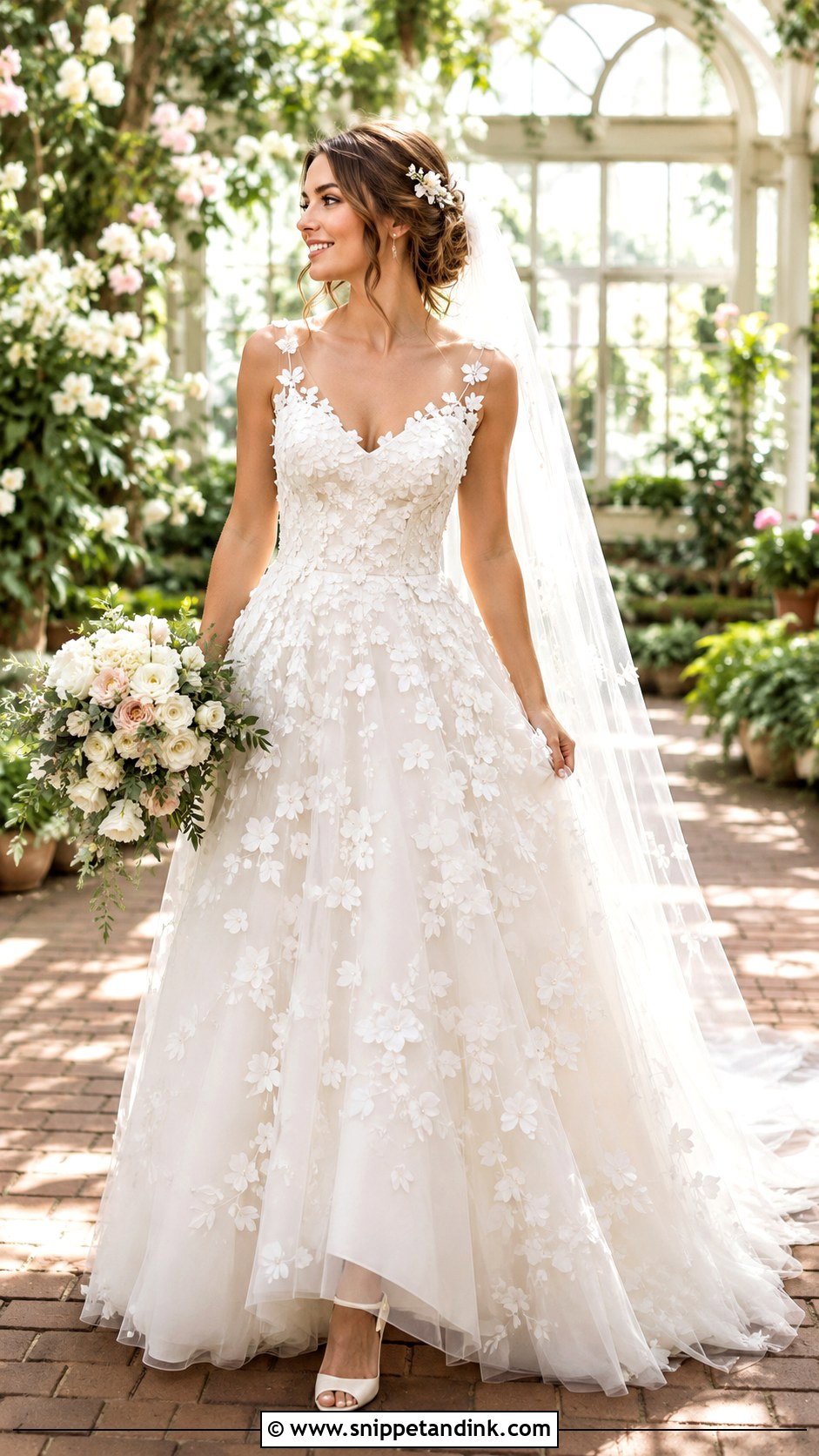
Dimensional flowers add depth that flat lace cannot. A floral applique bride gown can carry blooms on the bodice, sleeves, skirt or train, small for subtle detail or large for a statement. A sheer veil, floral hair pins and simple heels; keep jewelry light. Hand-sewn appliqués hold up through hugs and dancing far better than glued ones, so ask how they are attached. Spring weddings, botanical venues and outdoor ceremonies suit it.
14. Tulle Princess Bride Gown
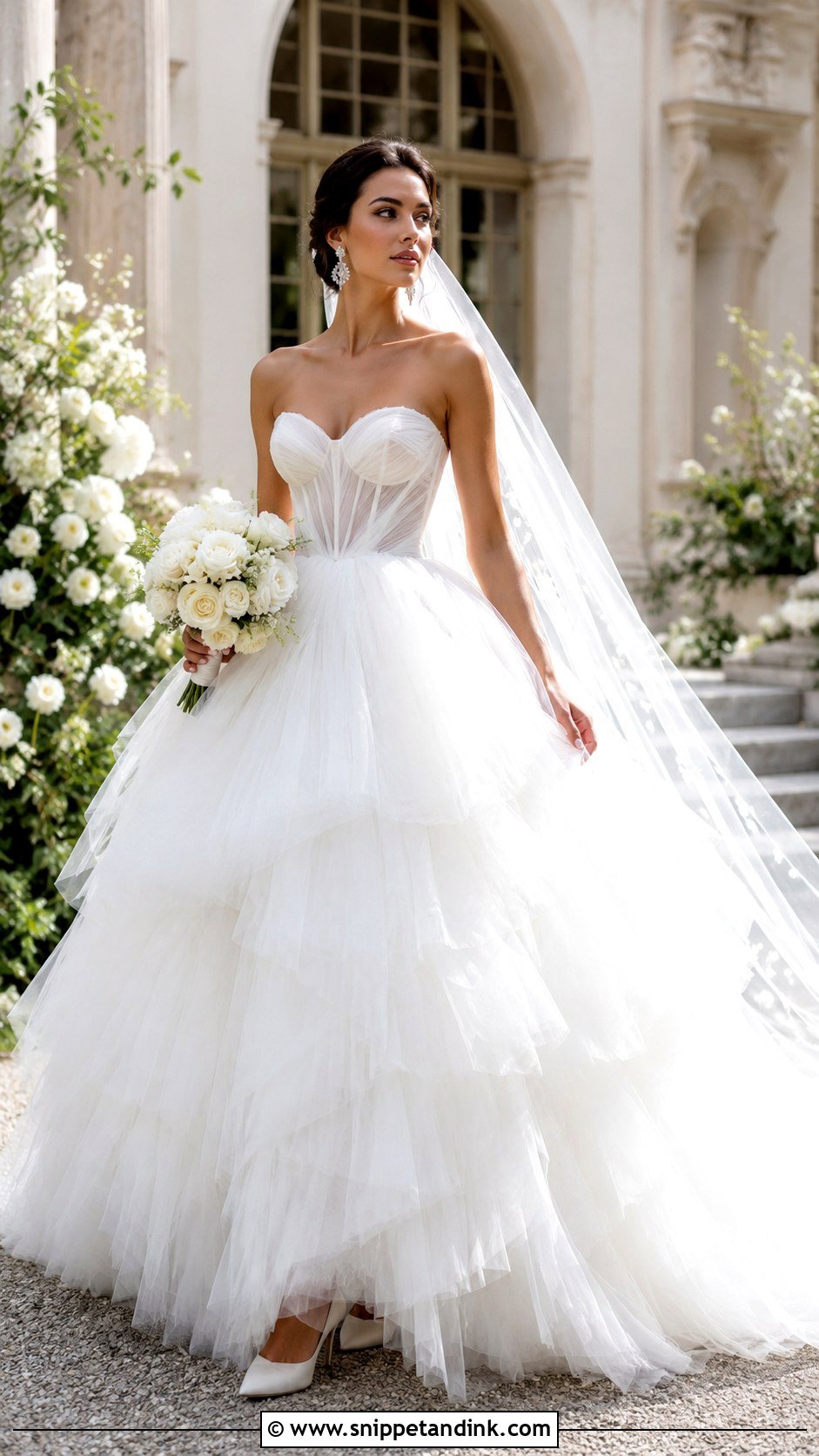
Fine tulle is what keeps a princess gown light instead of stiff. A tulle princess gown layers that softness over a structured bodice, sweetheart, corset or delicate straps. Cathedral veil, soft curls, crystal earrings and classic heels. Stiff, coarse tulle gives volume but crunches and scratches; soft bridal tulle moves gently and needs a petticoat for shape. Grand venues and garden estates give it room. Keep a bridesmaid near the hem, since tulle catches on rough floors and other people’s heels.


15. High Neck Bride Gown
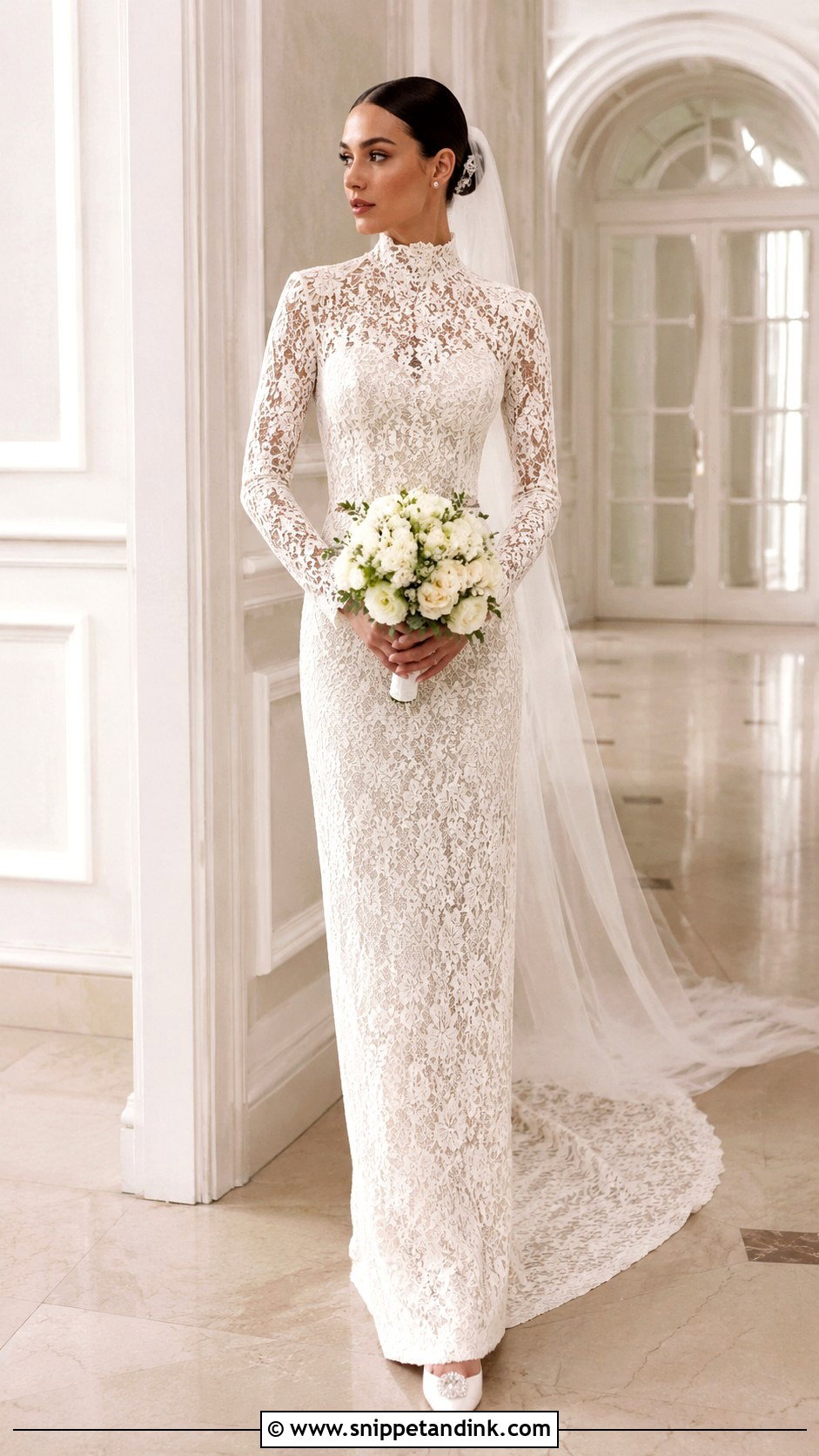
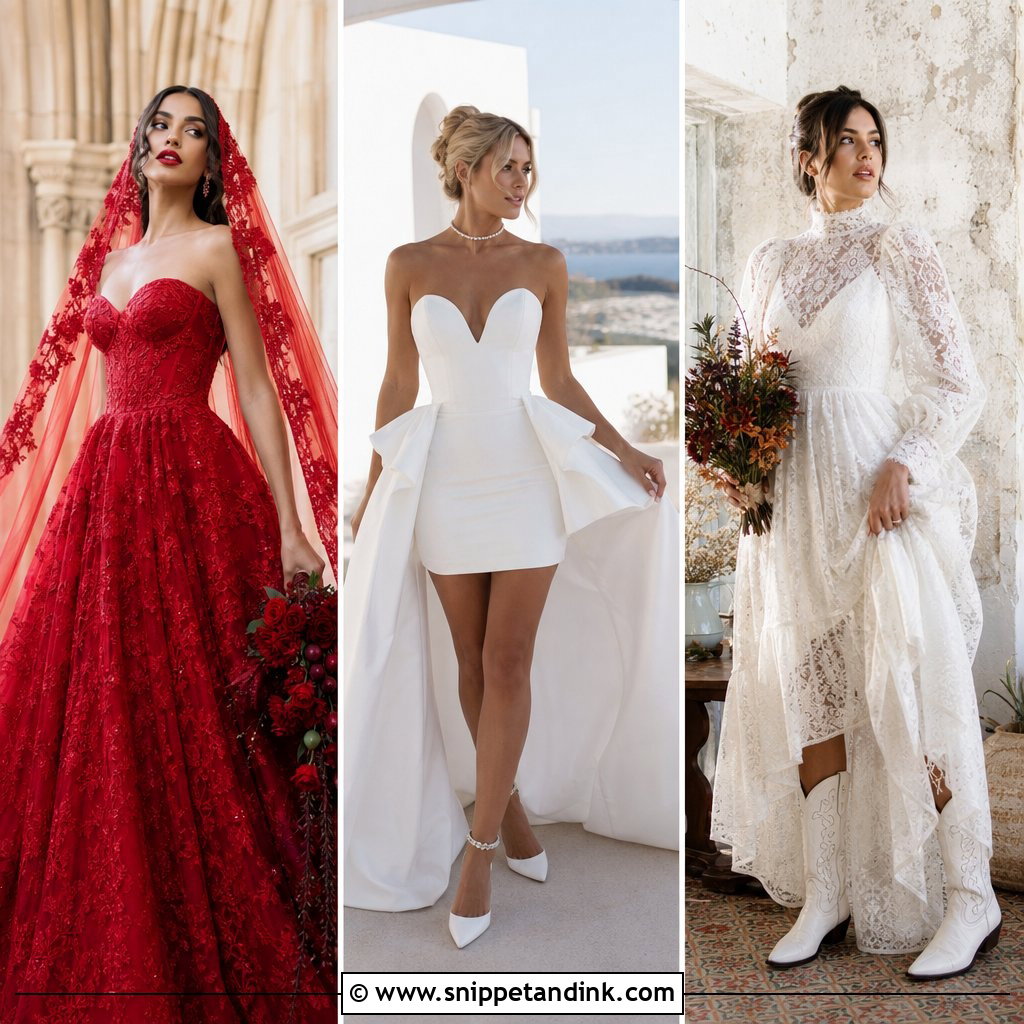
The high neck frames the face and suits pulled-back hair. Lace, crepe or satin with clean tailoring all work. Small earrings, a sleek bun and pointed heels, with the veil attached low at the back of the head. Sheer lace at the neck softens it; structured satin looks more modern. Leave room at the throat for a finger to slip in, or the collar will bother you every time you speak. Coverage and real style in one gown.
16. Slip Bride Gown
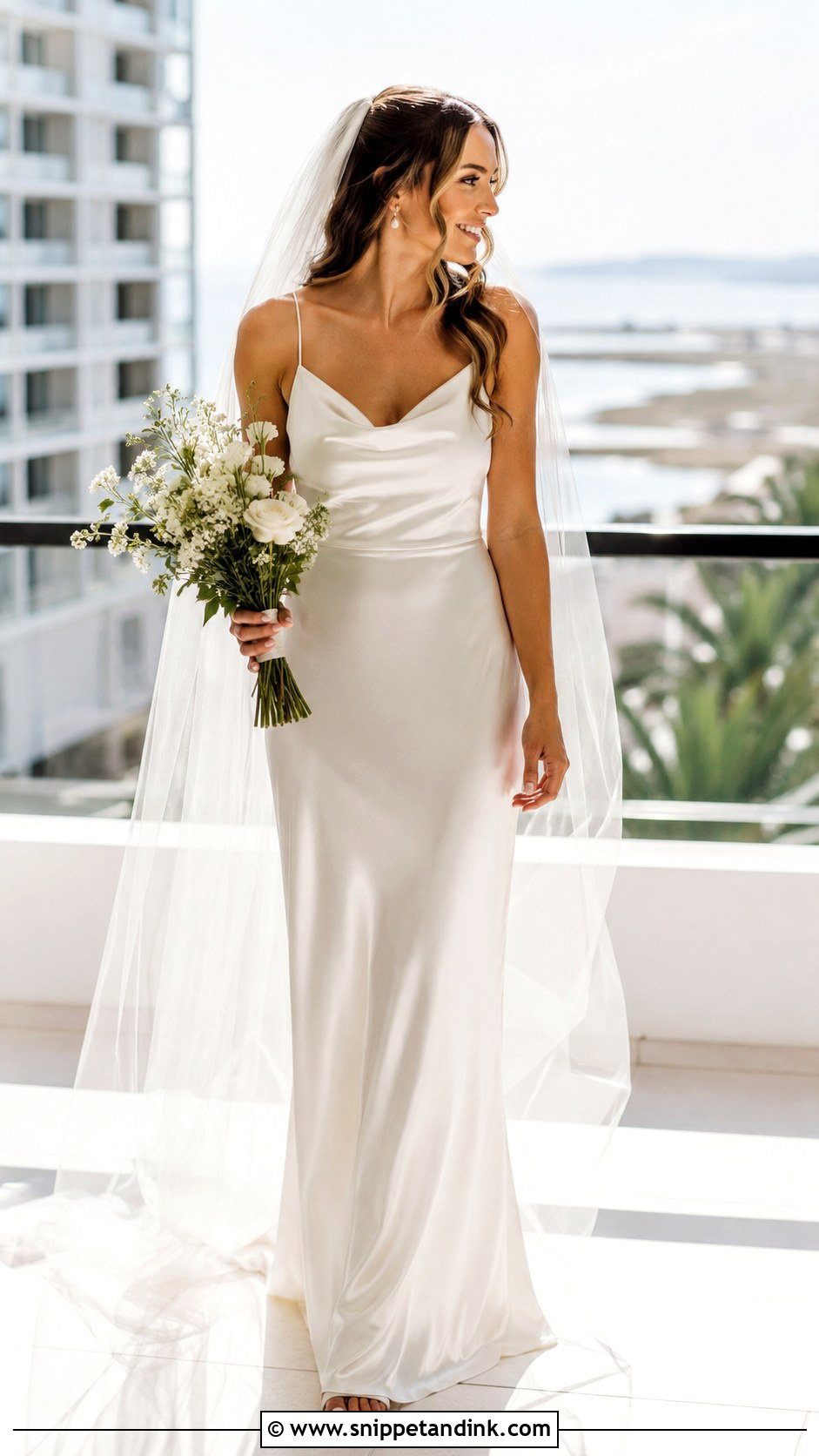
A slip is simple, fluid and effortlessly chic, and that simplicity makes fabric quality obvious. Delicate straps with satin or silk are the usual build. Soft waves, minimalist sandals, a long sheer veil and small diamond or pearl earrings. A lace topper, cape or tailored blazer can cover it for the ceremony. Lightweight satin shows every line underneath and creases from sitting, so I fit it over the exact undergarments and steam it as late as possible on the day. Beaches, city ceremonies and modern receptions suit it.
17. Two Piece Bride Gown
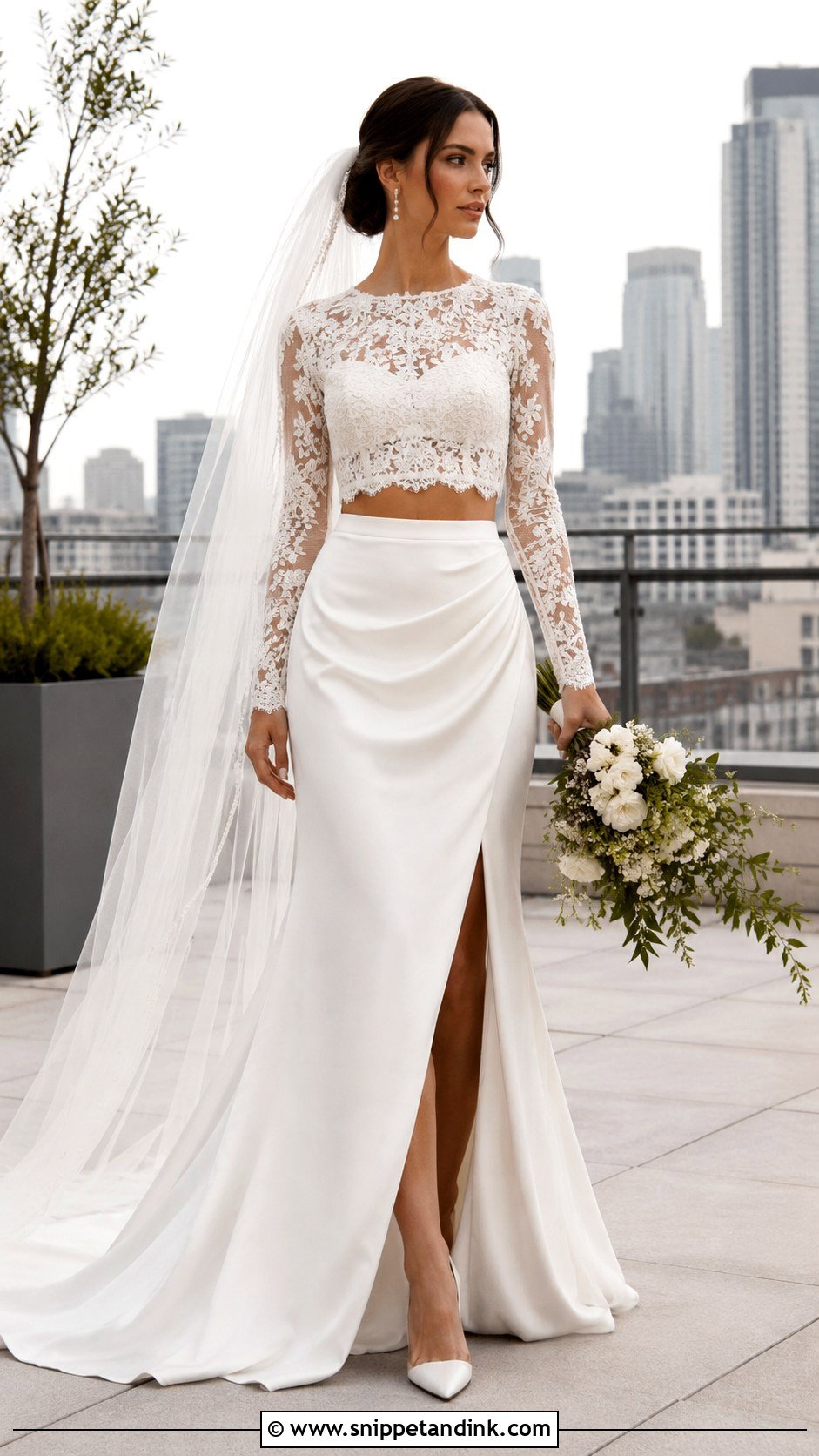
Two pieces let you mix textures you could never combine in one gown: a cropped lace top with a full skirt, a structured bodice with satin, or a beaded top with a plain crepe skirt. Keep one half busier than the other. Veil, elegant heels and refined jewelry. Fit both pieces together so the gap, or lack of one, stays constant when you raise your arms. Destination, rooftop and creative venues suit it, and the top or skirt can be restyled later.
18. Detachable Train Bride Gown
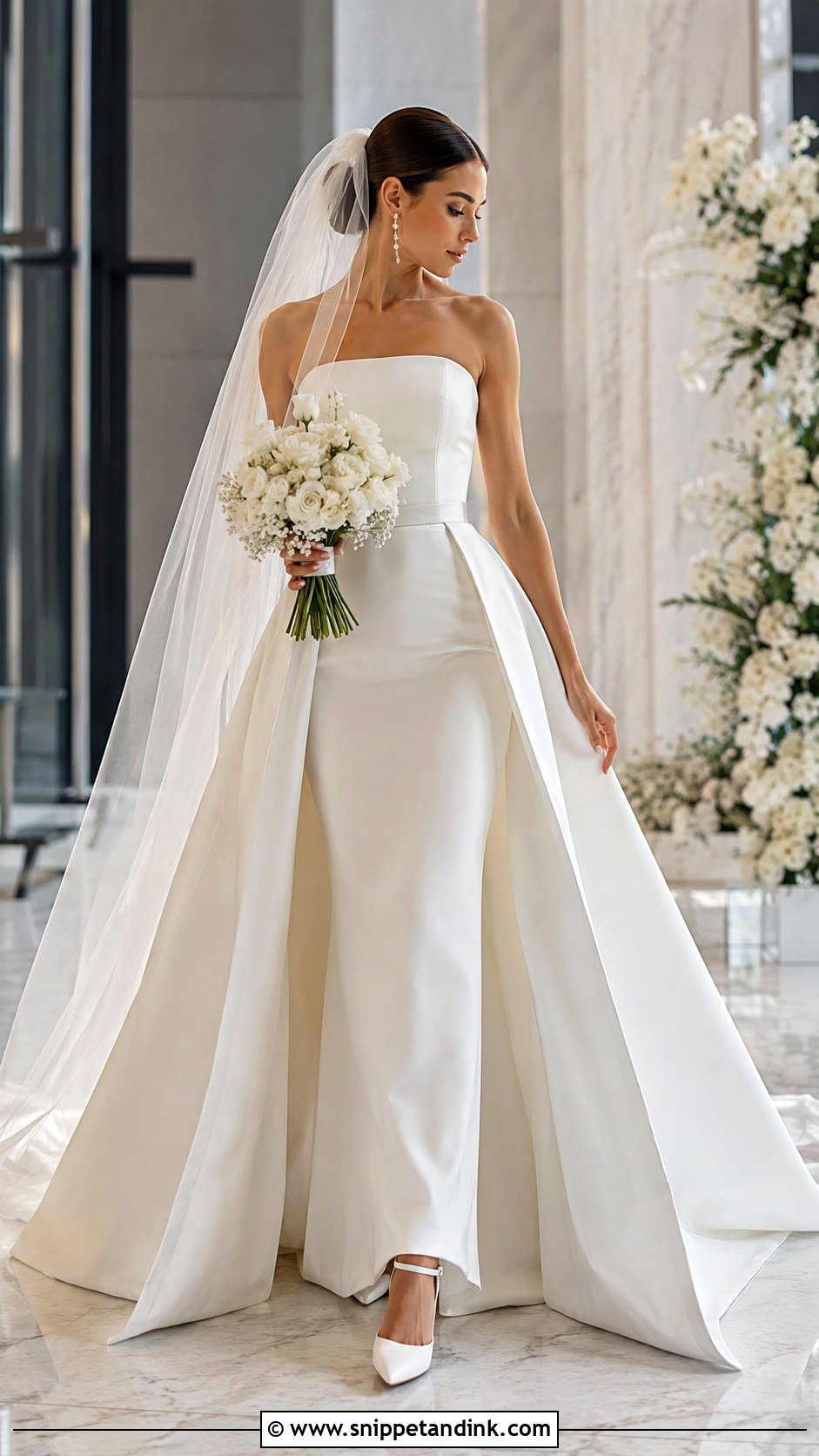
A detachable train gives you two silhouettes without changing dresses. The train can attach at the waist, shoulders or back; waist attachments are usually the quickest to remove. A fitted crepe dress with a removable overskirt looks modern, a satin gown with a sweeping train feels classic. Long veil for the ceremony, then take off the train to dance. Choose heels that suit both lengths. Ask your seamstress to sew in a small loop so the removed train can hang without crushing.
19. Cape Sleeve Bride Gown
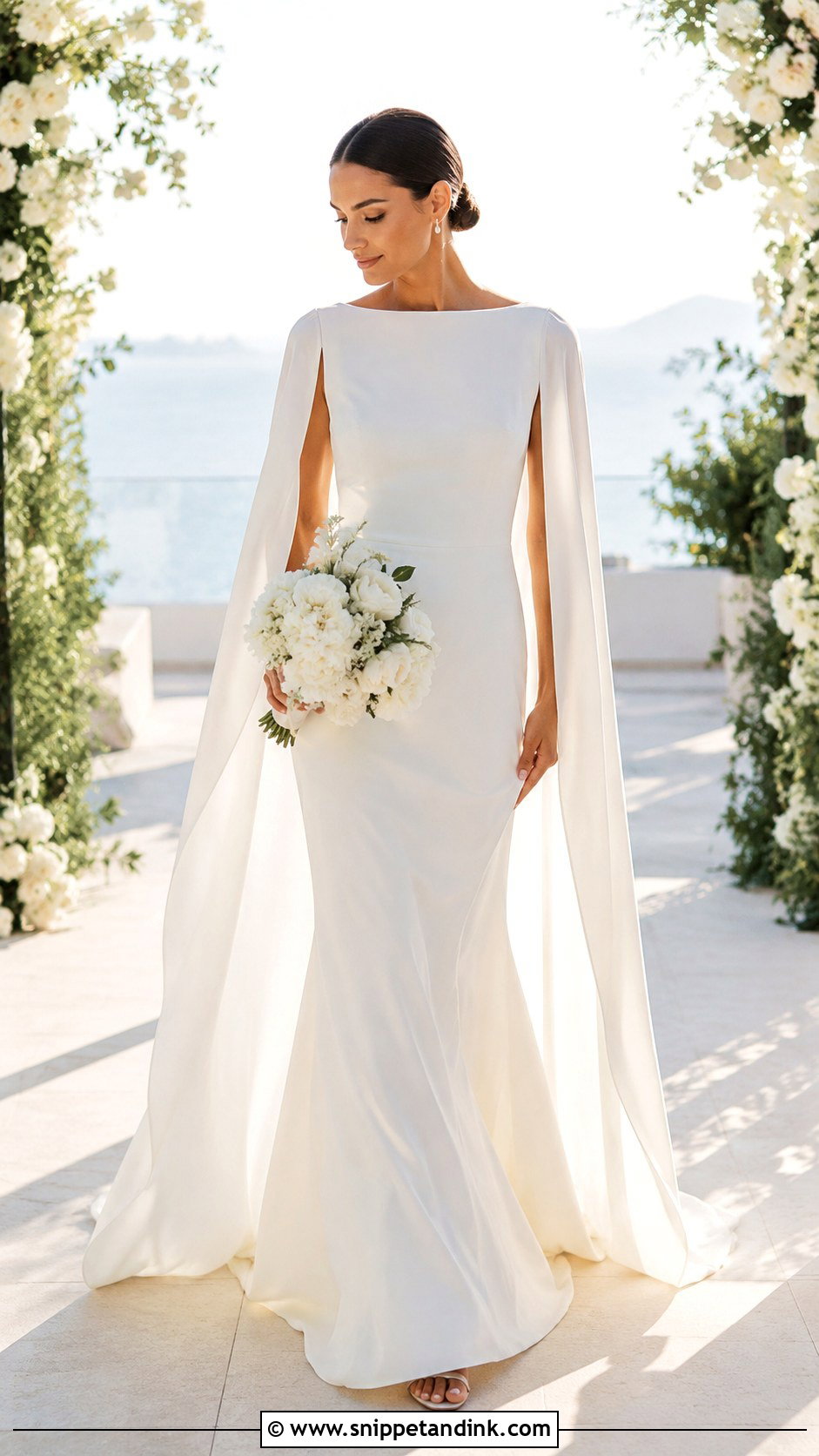
Cape panels fall from the shoulders and move as you walk, which is their whole appeal. They work on simple crepe, satin or lightly embellished gowns. Sleek hair, minimal earrings and elegant heels let the cape lead. A cape can stand in for a veil and adds arm coverage without a fitted sleeve. Floor-length cape panels get caught under you when you sit, so I add wrist loops or keep them just above the floor. Modern venues and outdoor ceremonies suit it.
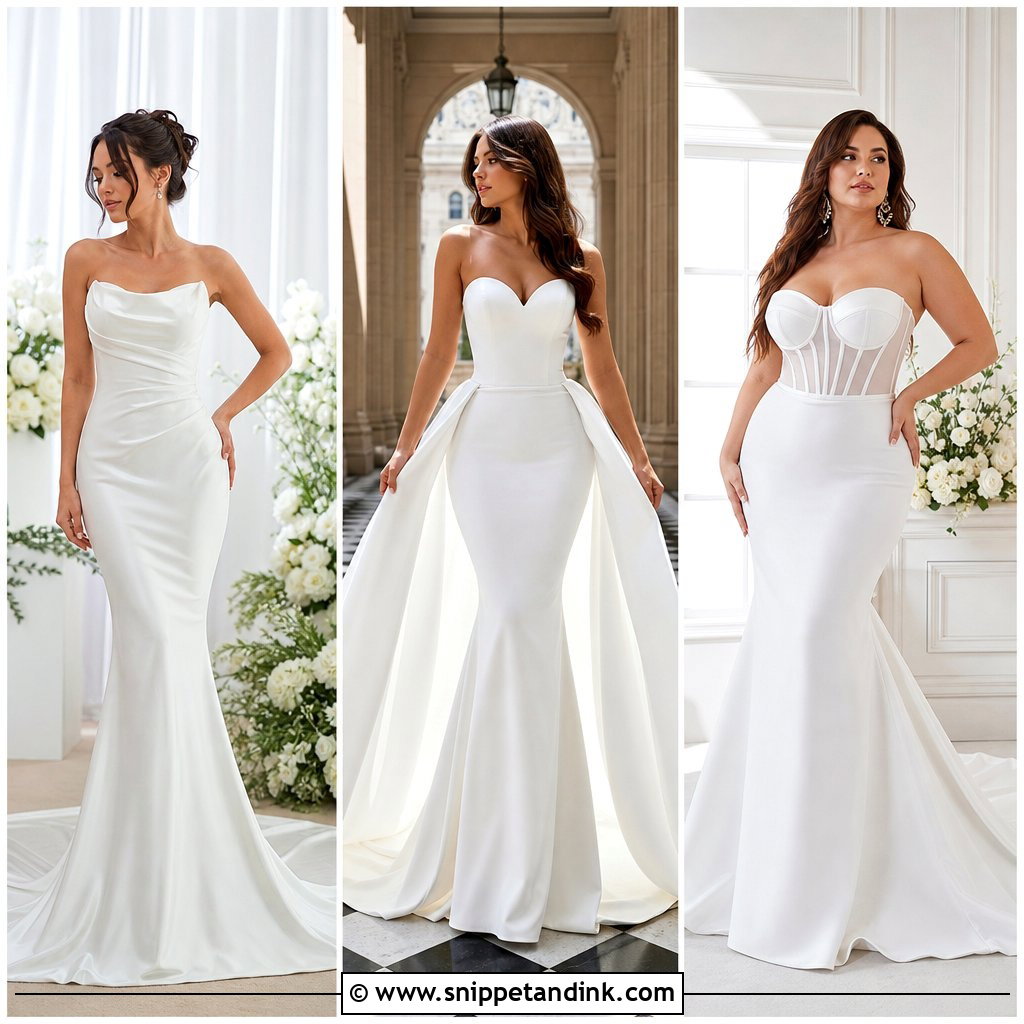
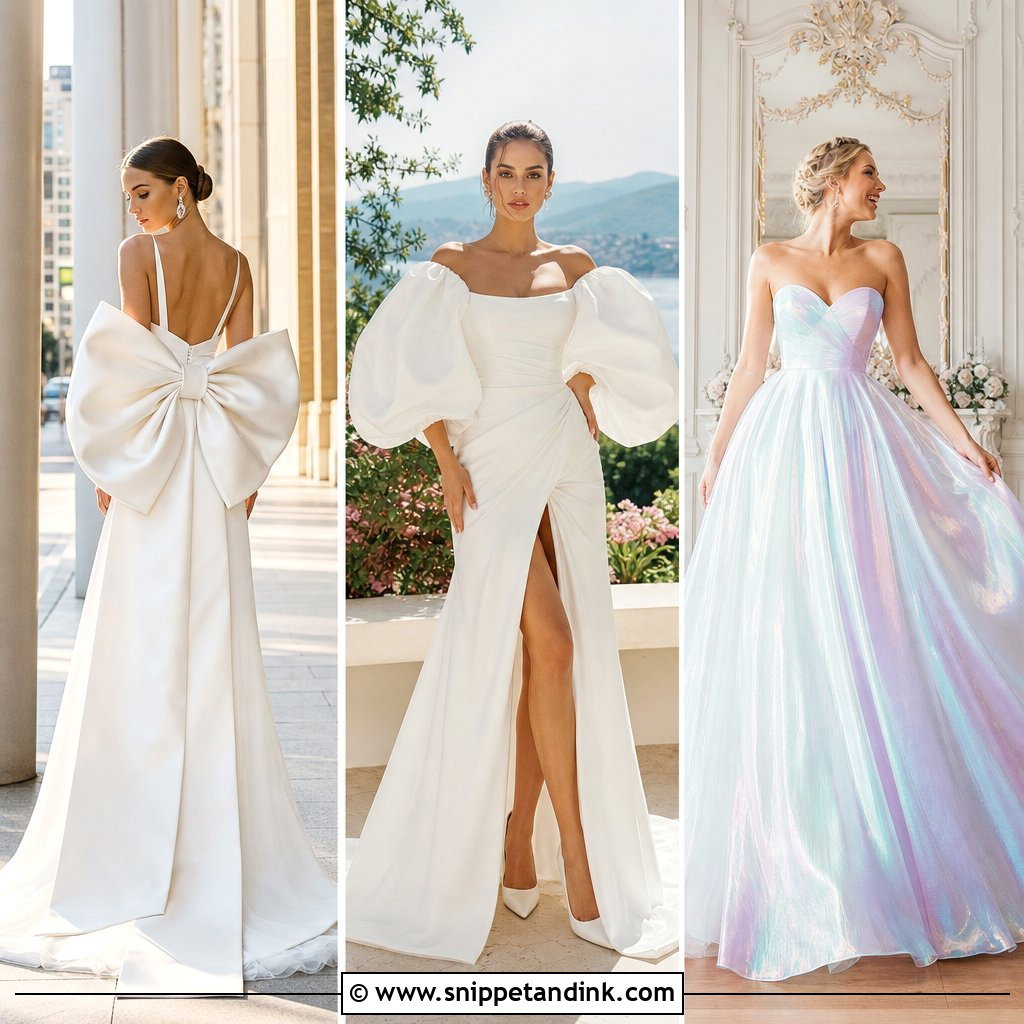
20. Bow Back Bride Gown
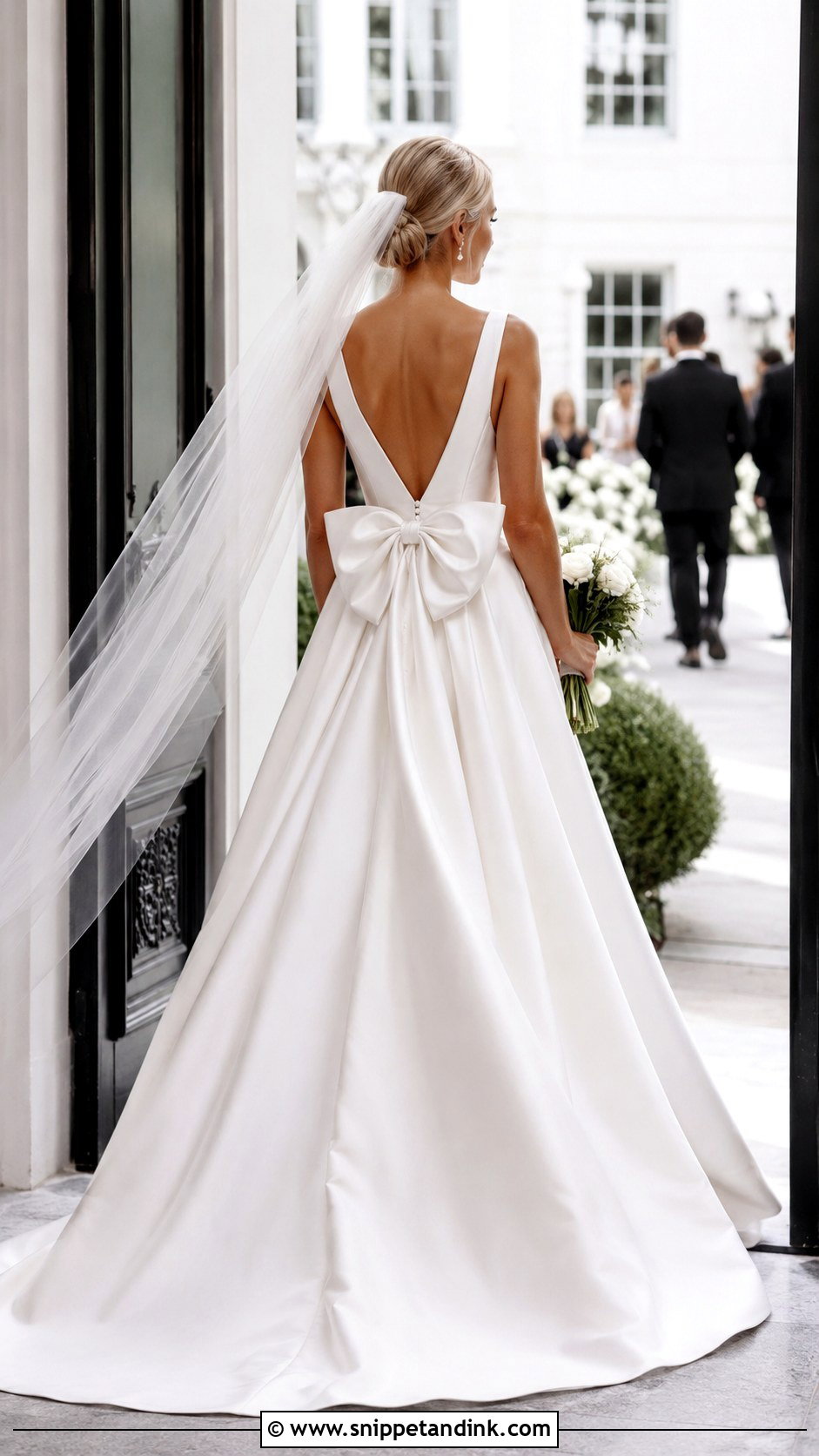
A back bow plays to the ceremony, when guests are mostly looking at your back. It can be oversized or small. A satin bow on a clean A-line looks classic; on a fitted crepe gown it looks modern. Wear your hair up or to one side so the bow shows in photos. Simple earrings, a plain veil and classic heels. A large bow needs internal tacking to keep its shape; without it, satin loops droop by the reception. Exits and portraits from behind are where this gown earns its place.
21. Beaded Bride Gown
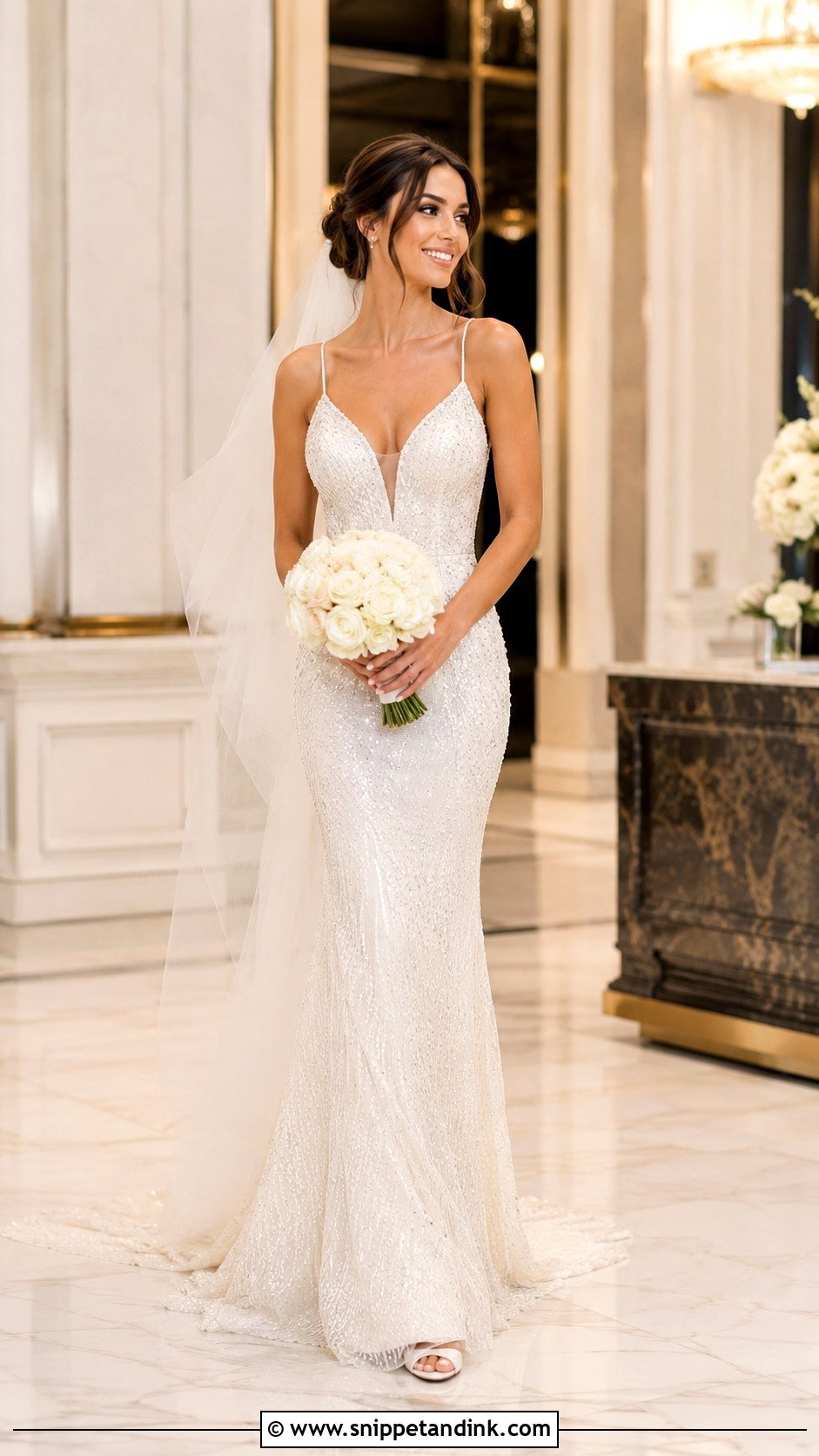
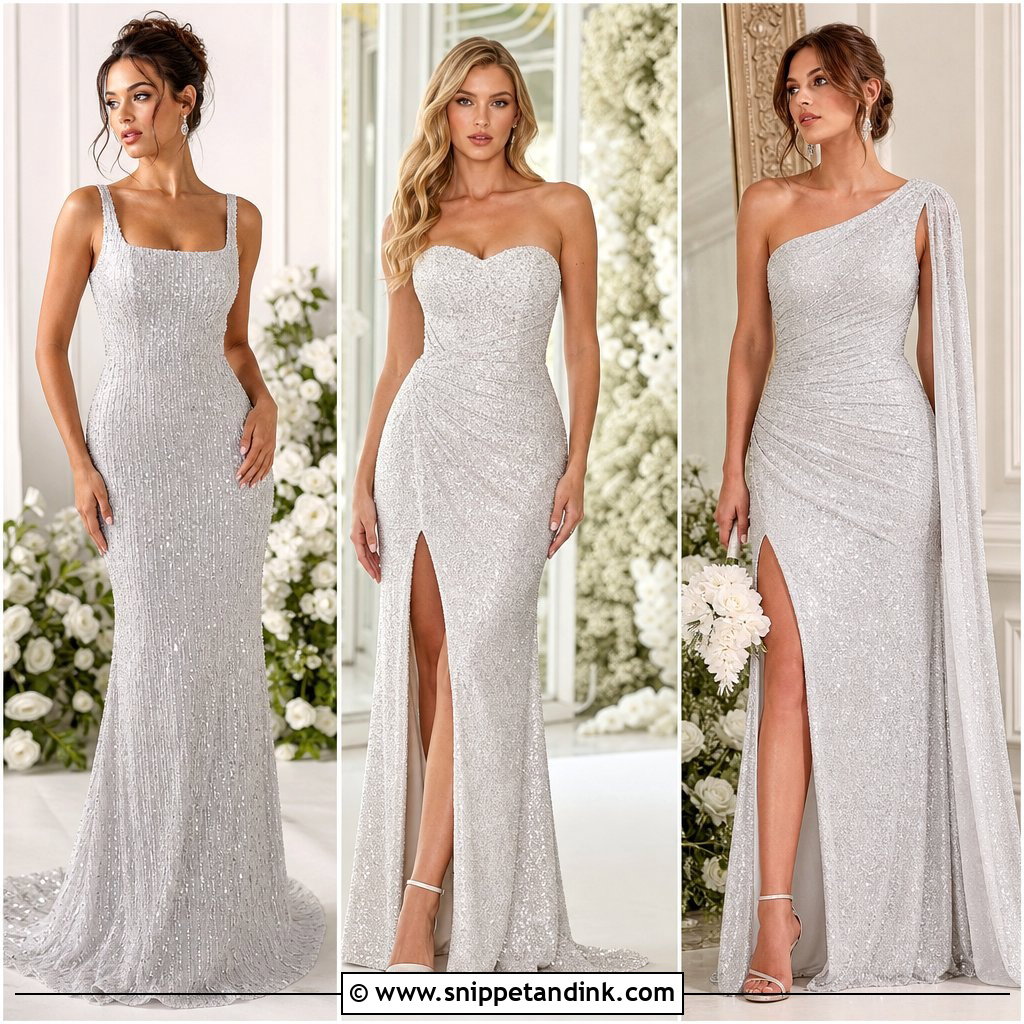
Beading brings sparkle that comes alive under reception lights and flash. Delicate beading shimmers; full embellishment feels glamorous. A fitted shape reads red carpet, an A-line more classic. Simple heels, a sheer veil and minimal jewelry. Beaded gowns can be surprisingly heavy, and the weight hangs from the shoulders, so try one on for at least ten minutes before deciding. Check under the arms, too, where beads can rub the skin raw. Formal receptions and ballrooms suit it.
22. Short Bride Gown
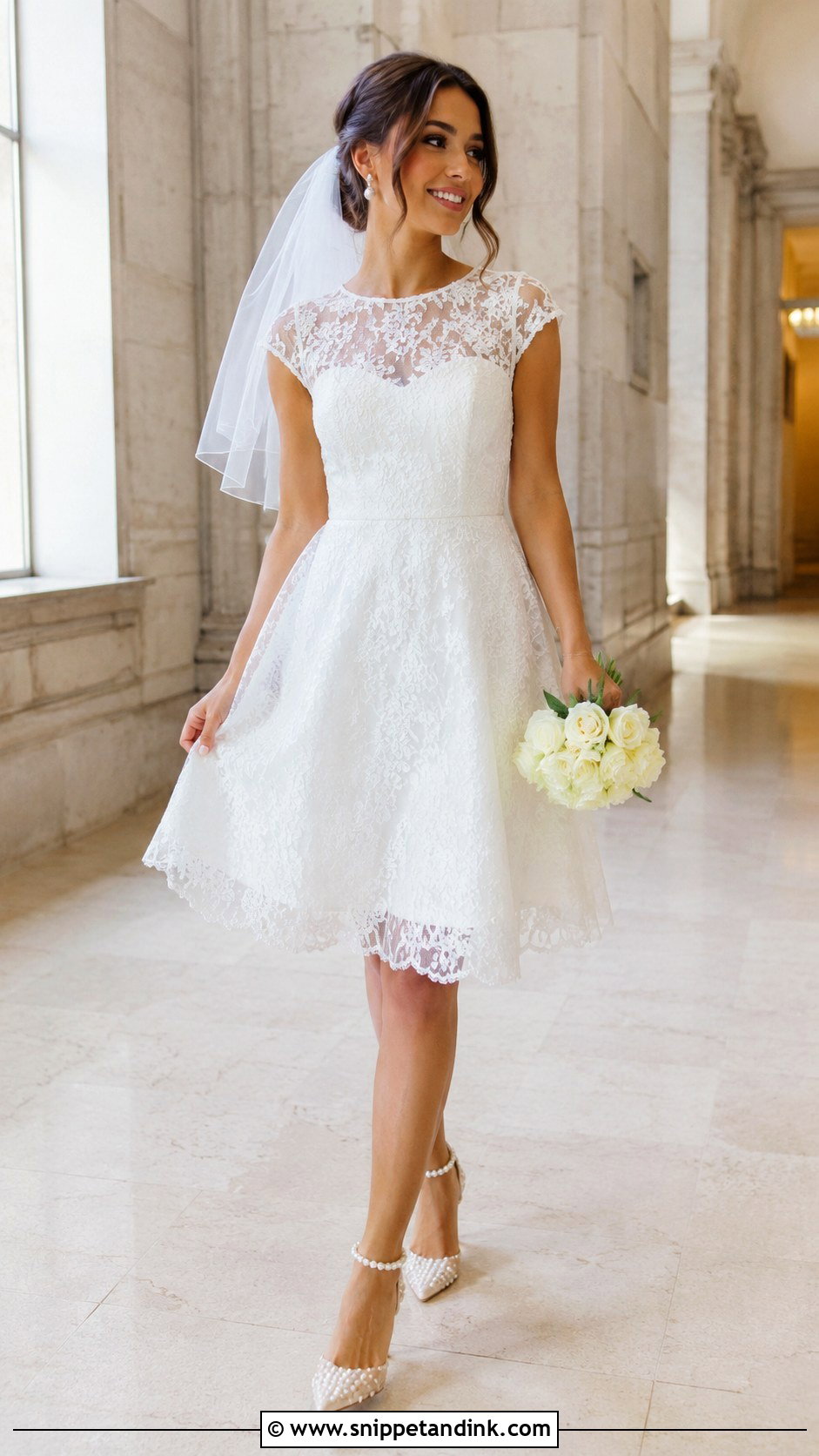
Short gowns are the practical choice for courthouses, civil ceremonies, elopements and reception changes. A mini, tea-length or knee-length design in satin, lace, tulle or structured crepe all work. Statement heels, pearl earrings and a short veil or hair bow; your shoes will be seen, so make them count. Tea length feels vintage, a mini fresh and modern. I always hem a short gown with the bride seated, so the length stays comfortable for photos.
23. Champagne Bride Gown
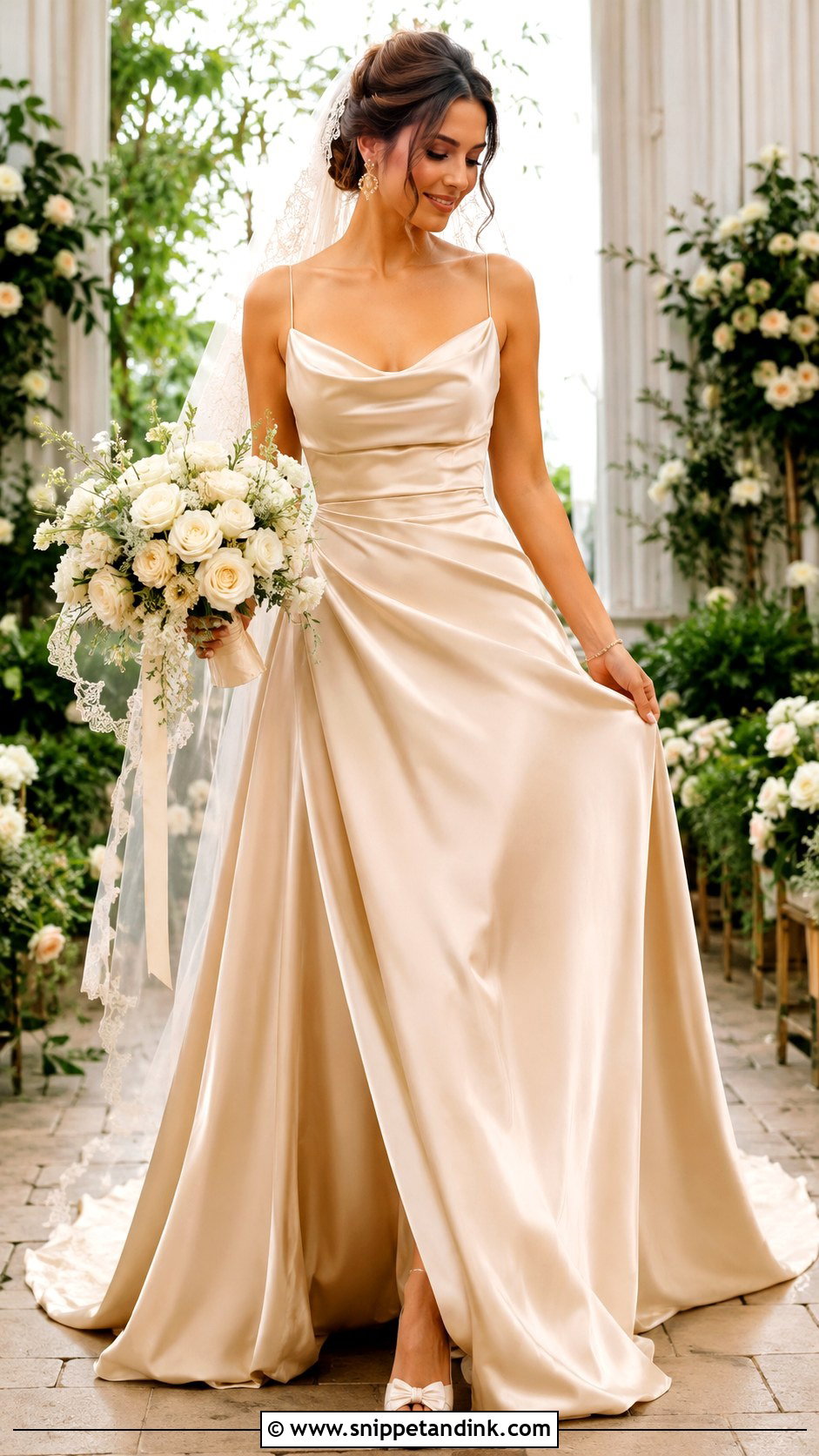
Champagne trades bright white for warmth and looks rich in satin, tulle, lace or beading. It flatters warm and olive skin especially well; very cool, fair skin sometimes needs a paler, pinker champagne. Ivory heels, gold jewelry and a veil matched to the undertone, since a bright white veil next to champagne makes the gown look discolored. A champagne ball gown is grand; a champagne sheath is quiet. Cream, blush or white flowers suit it, and it glows at sunset.
24. Vintage Inspired Bride Gown
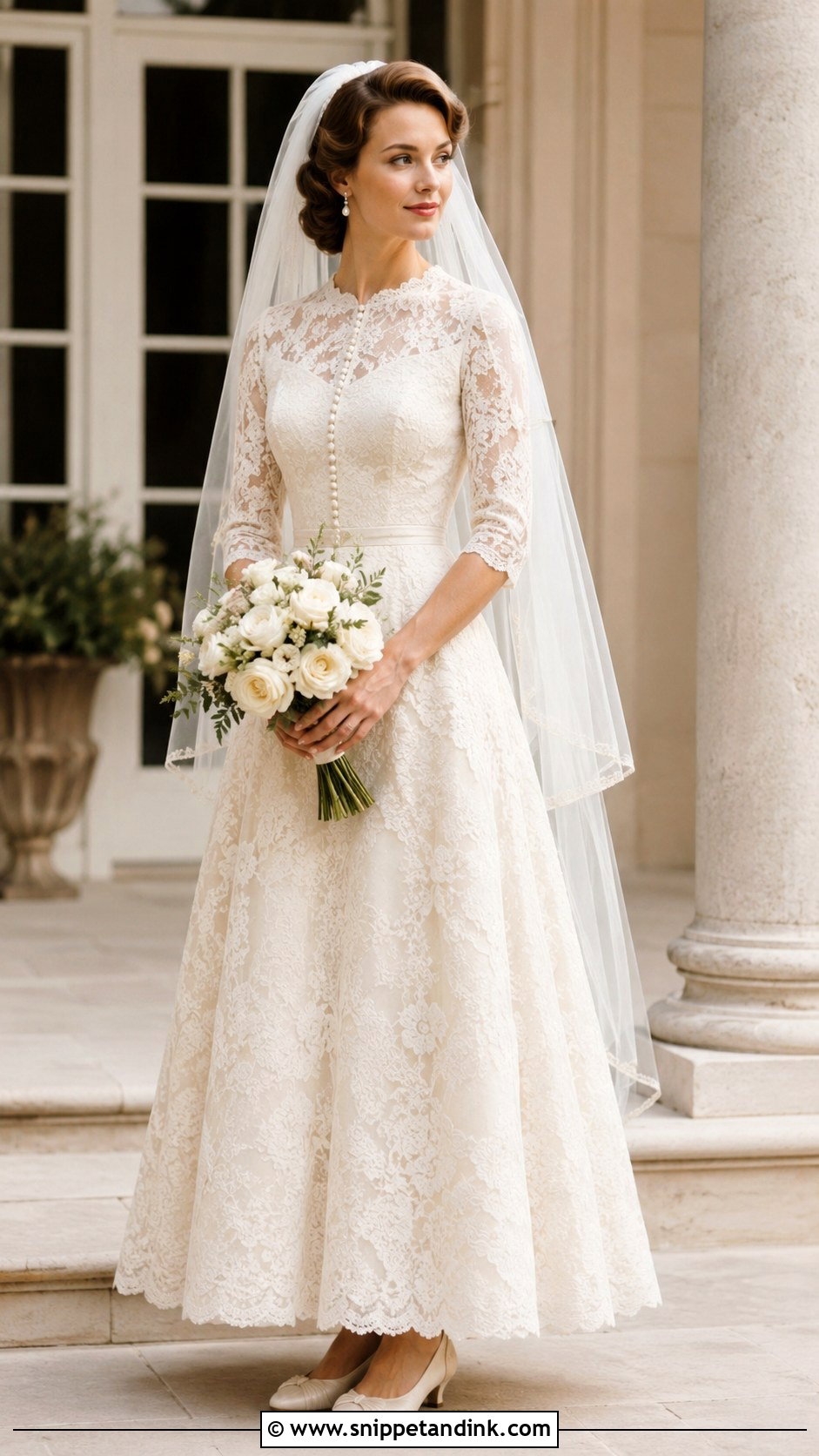
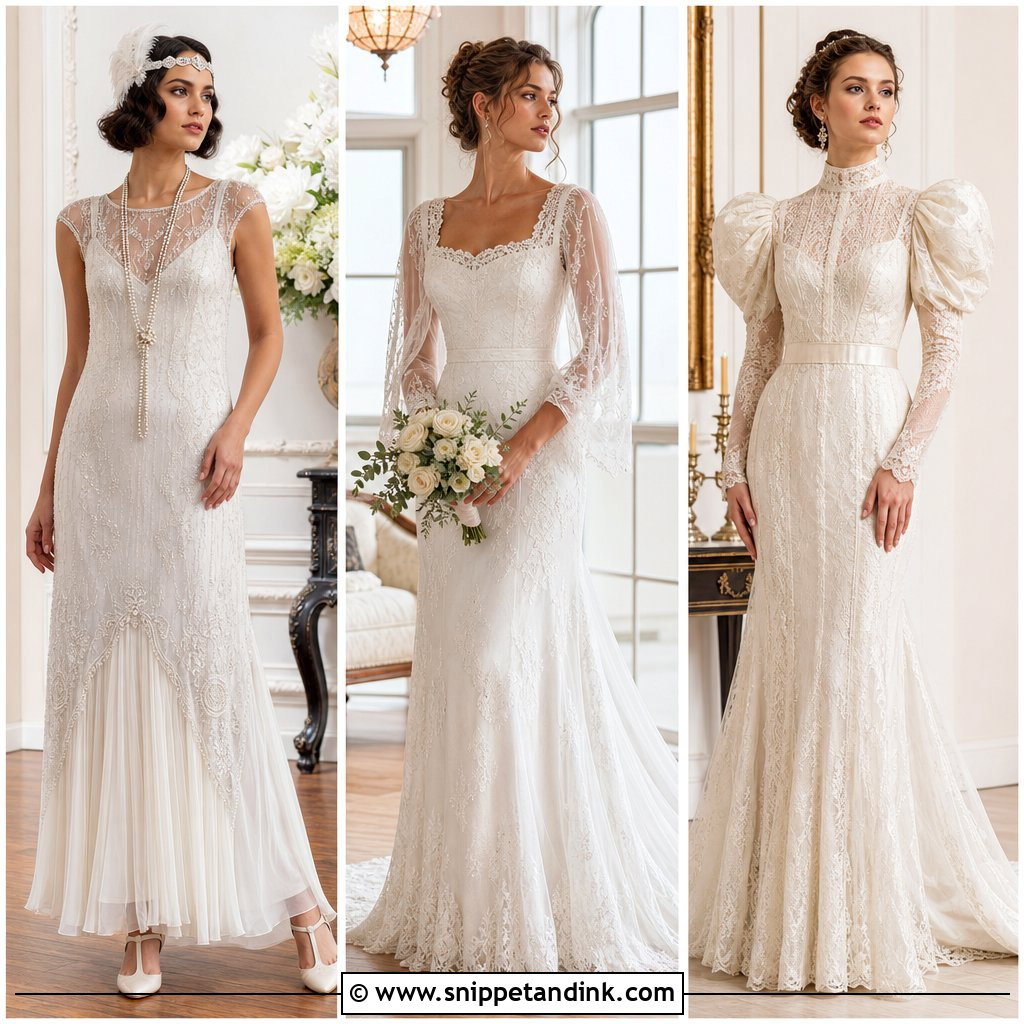
Borrowing from past decades works best with one or two details: lace sleeves, covered buttons, a basque waist, a tea-length skirt, soft satin or delicate embroidery. Pair it with pearl earrings, a soft veil, low heels and classic makeup. A modern gown with one vintage feature, such as a high neckline or lace overlay, often looks better than full period dressing. Historic venues, estates and intimate weddings suit this design, and brides altering an older family dress should have the fabric checked for weak seams first.
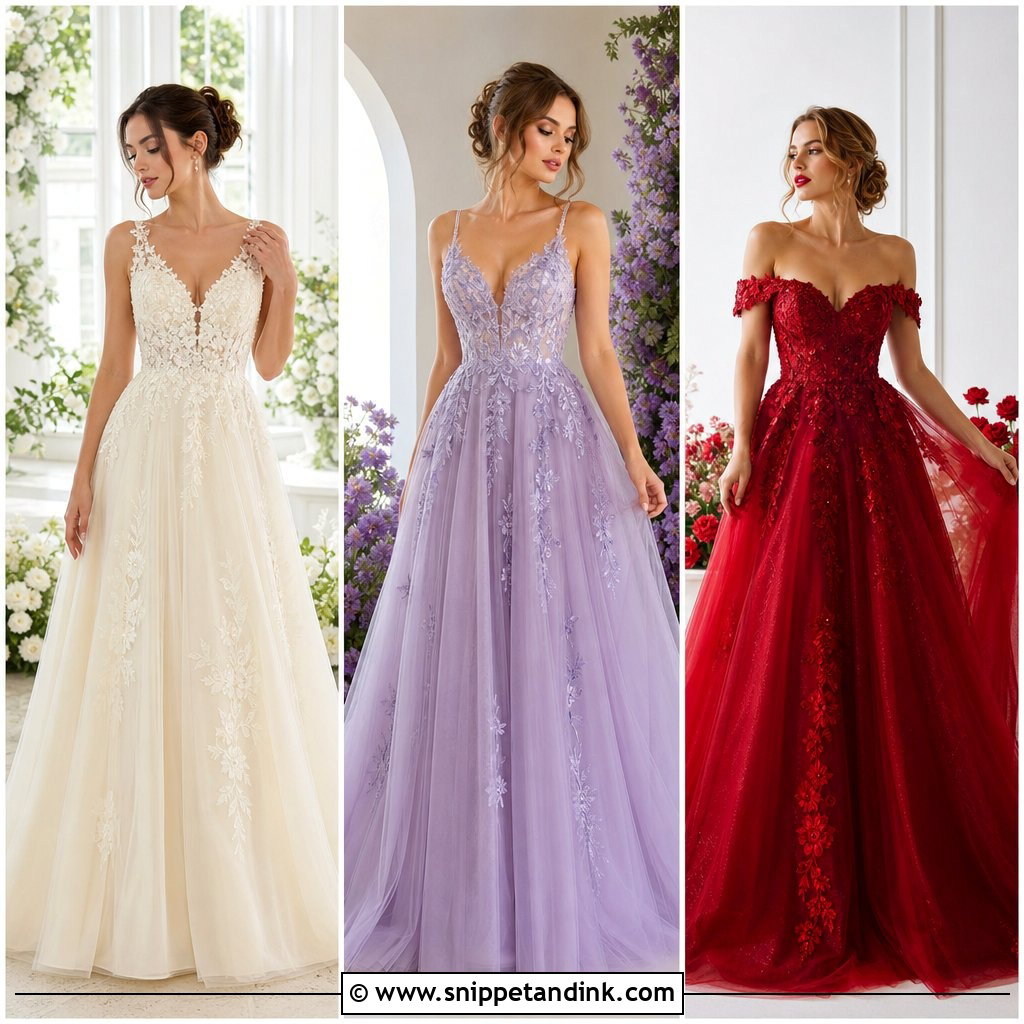
25. Modern Sculptural Bride Gown
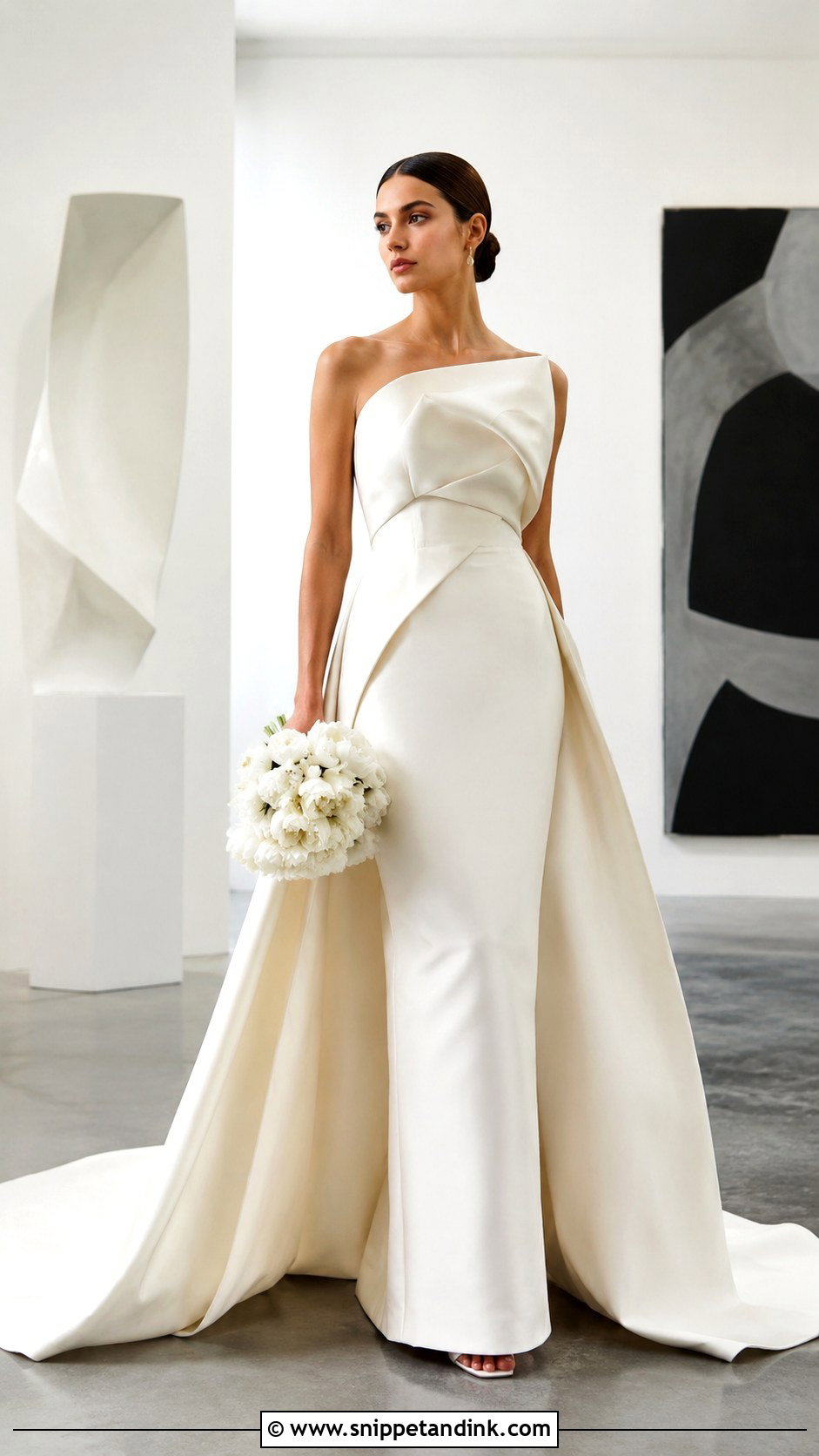
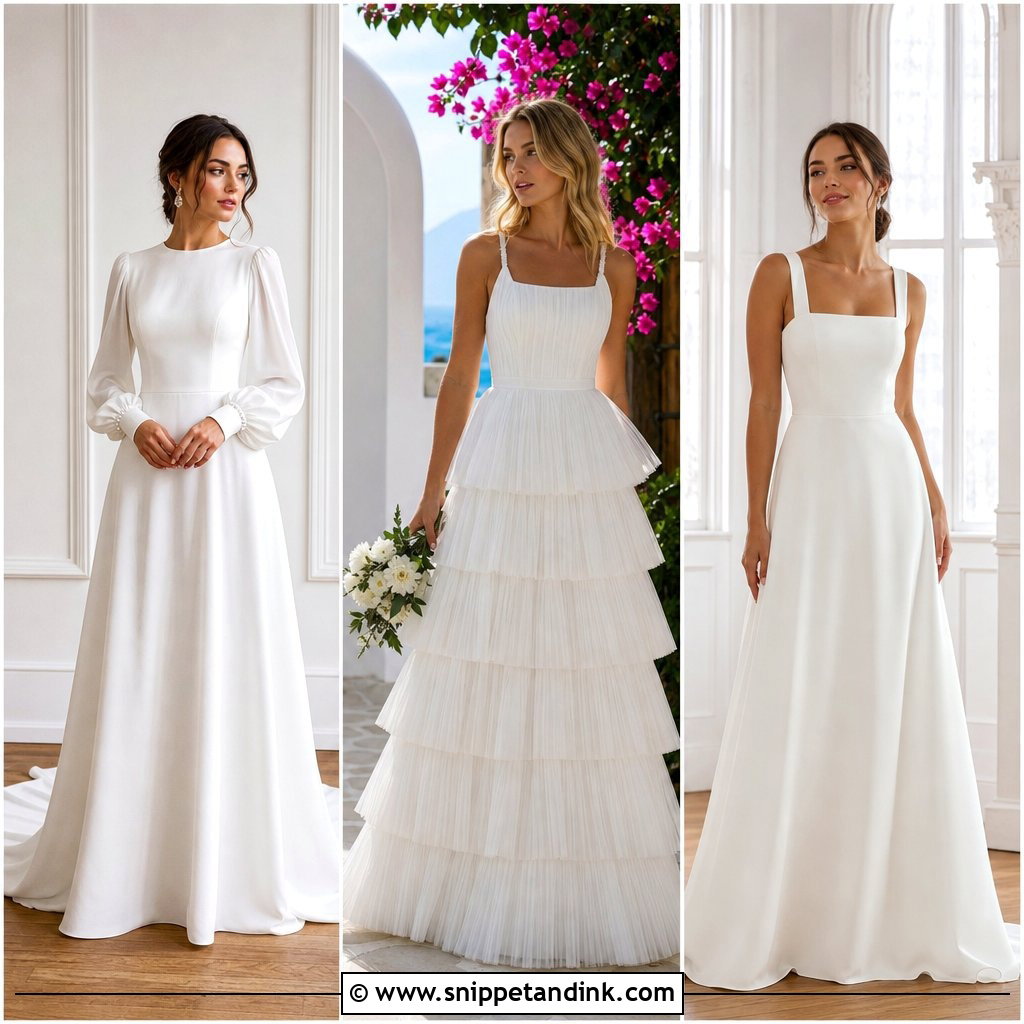
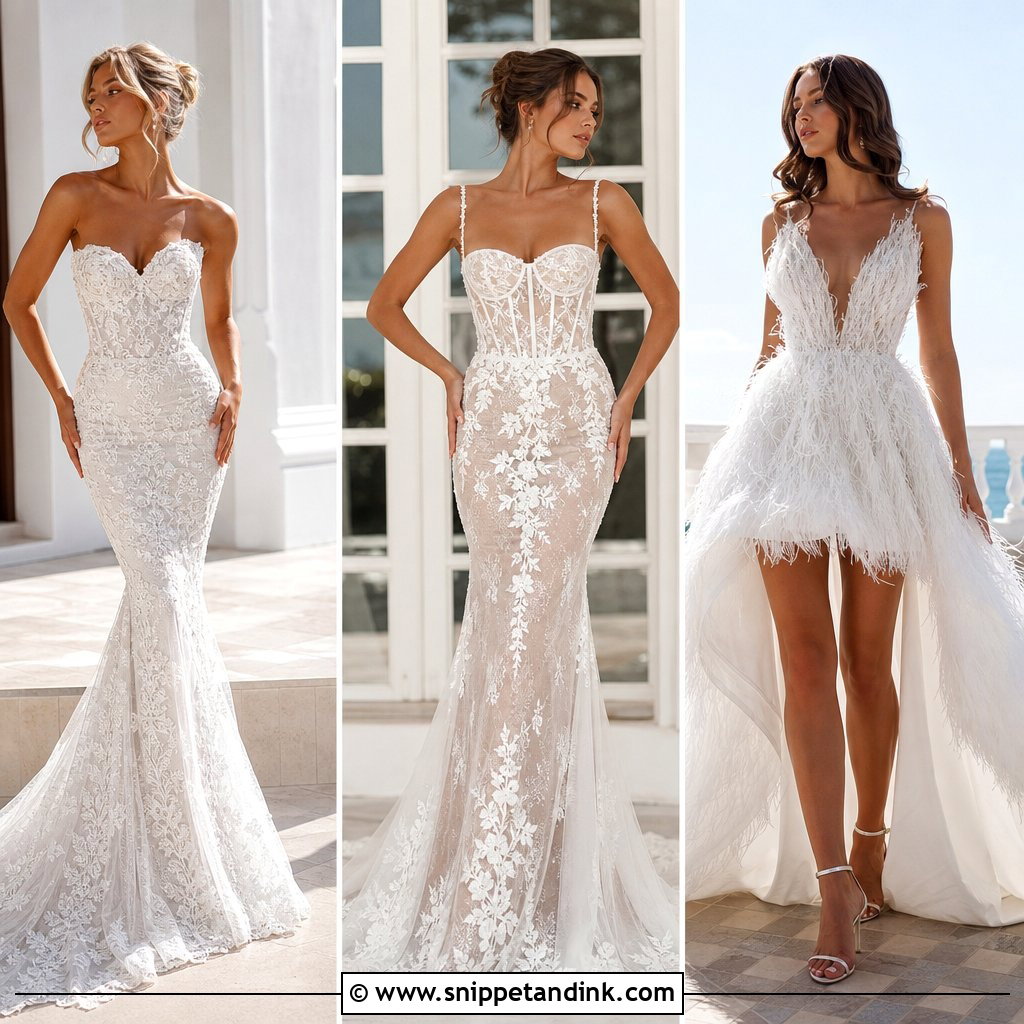
Structure is everything in a modern sculptural bride gown: architectural necklines, folded bodices, structured skirts, asymmetric draping and bold fabric shapes. Satin, mikado and structured crepe hold form; soft fabrics simply collapse. Keep accessories minimal with sleek earrings, smooth hair and simple heels. A plain veil softens it for the ceremony; skipping the veil keeps it sharper. Sculptural pieces crush in a car, so plan transport with space to lay the gown out. Galleries, hotels and contemporary venues suit it.
Cleaning and Storing Your Gown Once the Party Is Over
Most gowns come home from a wedding with more marks than the bride realizes. Some are invisible: spilled champagne, cake frosting and sweat can dry clear, then slowly turn yellow or brown in storage over the following months. That is why I tell brides not to judge a gown by how it looks the next morning.
Take it to a cleaner who specializes in bridal wear within a few weeks, and point out every spot you know about, including where drinks were spilled. Ask how they handle beading, glued appliqués and delicate lace, since some cleaning methods can loosen them.
For storage, use an acid-free box and acid-free tissue, folded with tissue in each crease so the folds do not set into sharp lines. Avoid plastic bags and wire hangers. Heavy gowns should lie flat rather than hang, or the weight stretches the shoulders over time. Keep the box somewhere cool, dark and dry, so not an attic or a damp basement, and open it once a year to check for marks and refold along new lines.
The Gown Is Only Half the Look
Silhouette, fabric, veil, shoes, jewelry, hair and venue all work together, so think about the whole look when you shop. Some brides feel best in a classic satin ball gown, others in a sleek slip, a lace sheath, a short gown or a sculptural modern design. The right one fits your body, your celebration and your personality. Save photos of the shapes and details you keep returning to, and bring them to your appointments as a starting point rather than a shopping list.
You'll Like These Ideas:



Leave a Reply