
Upcycled gowns have moved well past the craft-table stage. A vintage wedding dress recut into a modern shape, an old saree turned into an evening gown, denim panels built into a full skirt or lace curtains reworked as sleeves can all look finished and deliberate. What separates a good one from a costume is structure: a fitted base, reinforced seams and accessories that agree with the material. The thirty ideas below cover fabrics you can wear all evening and sculptural pieces meant for a runway or a photo, and for each I’ve noted what I’d check before cutting.
Testing Salvaged Fabric Before You Cut Anything
Old textiles look sound on the shelf and fail under strain. Curtains that sat in a sunny window, sheets washed hundreds of times and lace stored in a loft can all tear along a seam the first time you sit down. So before I plan a single panel, I run the same few checks on every piece.
- Wash and dry it the way the finished gown will be cleaned. Cotton, linen and some sheets shrink, and you want that to happen before cutting, not after.
- Pull a small hidden section firmly between your hands. If it splits or the threads separate easily, the fabric has rotted and should only be used as decoration.
- Hold it up to a window to find thin patches, stains and sun fading, then mark them with chalk so you cut around them.
- Check the smell once it’s dry. Musty fabric usually means mildew, which keeps weakening the fibres and rarely washes out completely.
Non-fabric materials like paper, plastic and soda tabs follow a different rule: they never carry the weight of the gown. I always build a simple fitted base dress first, from cotton, a lining fabric or an old slip, and attach the decorative material to it.
1. Recycled Newspaper Gown
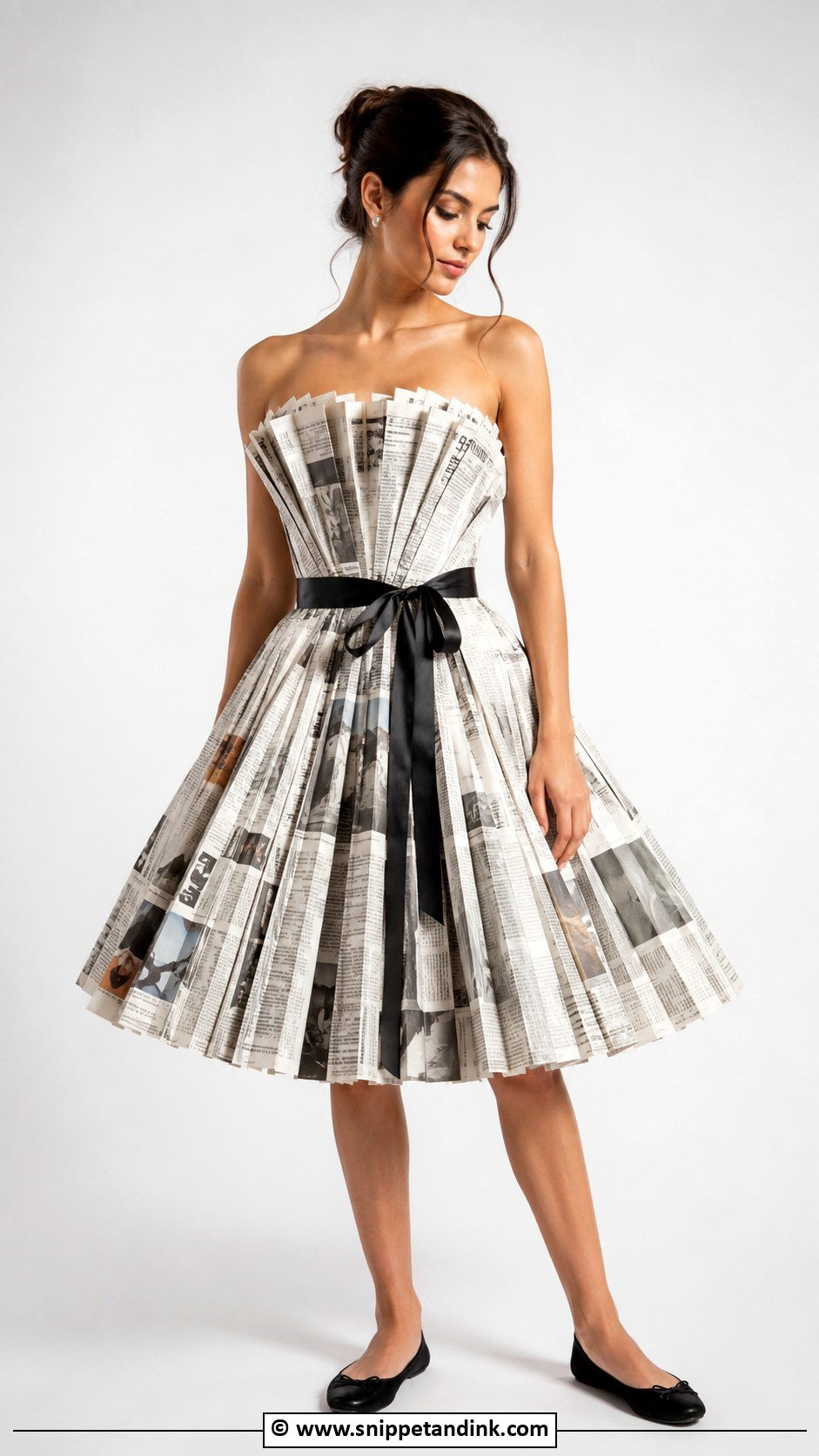
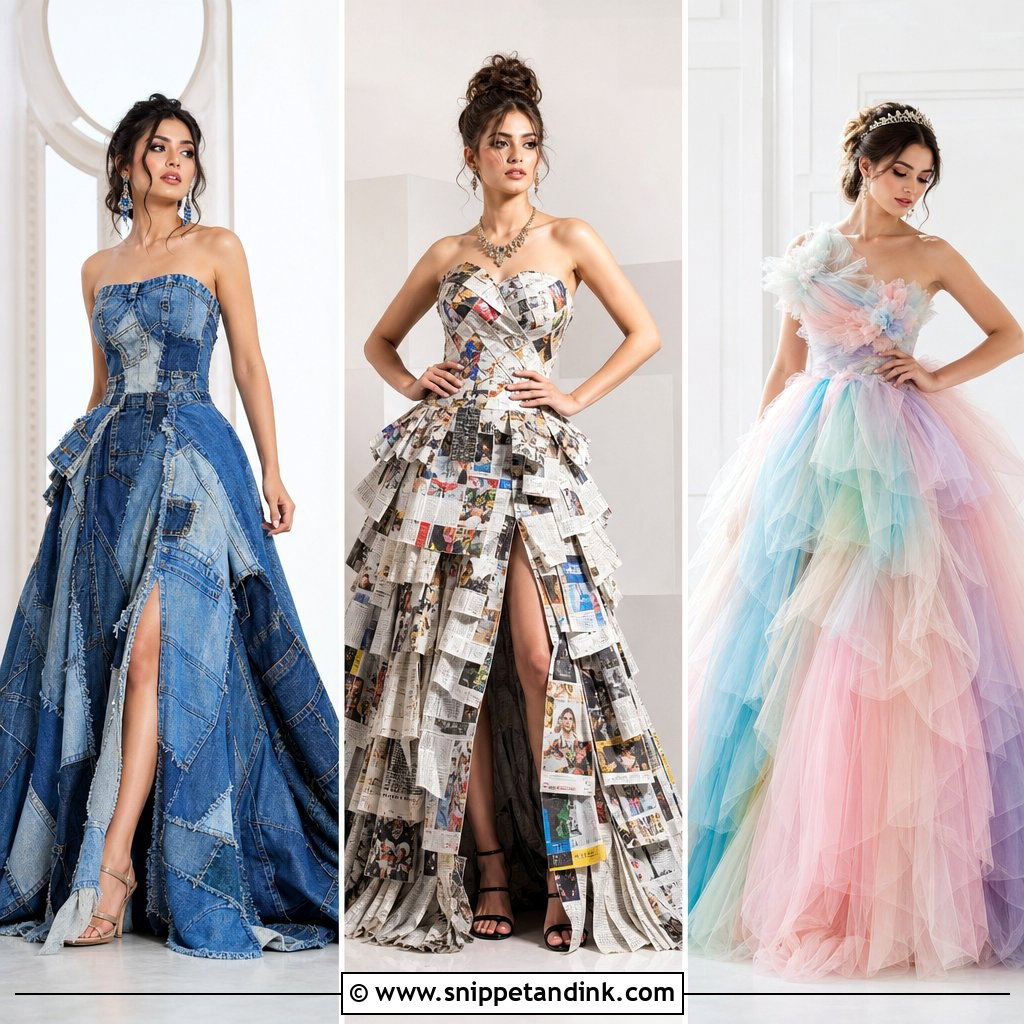
Newspaper only looks like a gown when it has texture. Flat sheets read as wrapping; folded, pleated or layered panels give shape and movement. I build the paper over a fabric base, because tape alone won’t survive a walk across a stage, and a fitted bodice above a full A-line skirt is the clearest silhouette for it. A black belt or ribbon at the waist tidies the line. Keep it away from rain and sweaty hands, since newsprint transfers ink to skin and pale fabric. Black flats, small earrings and a sleek bun finish a piece for fashion shows and school displays.
2. Recycled Denim Patchwork Gown
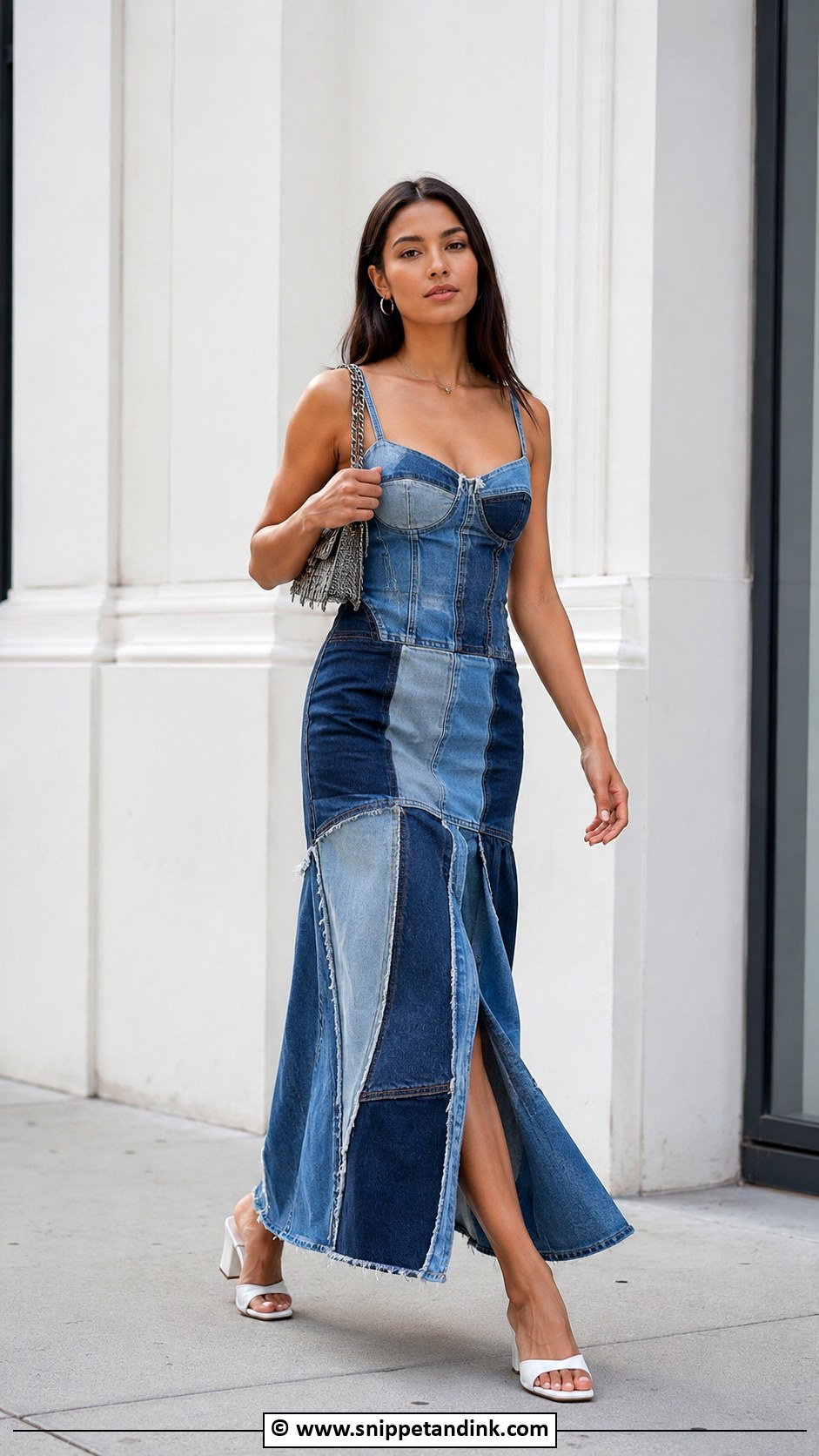
Denim is heavy, so the trick is placement rather than quantity. Cut old jeans, jackets and skirts into panels for a fitted bodice and long skirt, and let light, medium and dark washes form the pattern. A strapless or square-neck top over a flared skirt balances the weight, and a slit makes walking easier. I’d press every seam open and topstitch it, otherwise layered denim seams get bulky at the waist. Silver hoops, a small shoulder bag and white sneakers or block heels suit casual formal events and design contests.
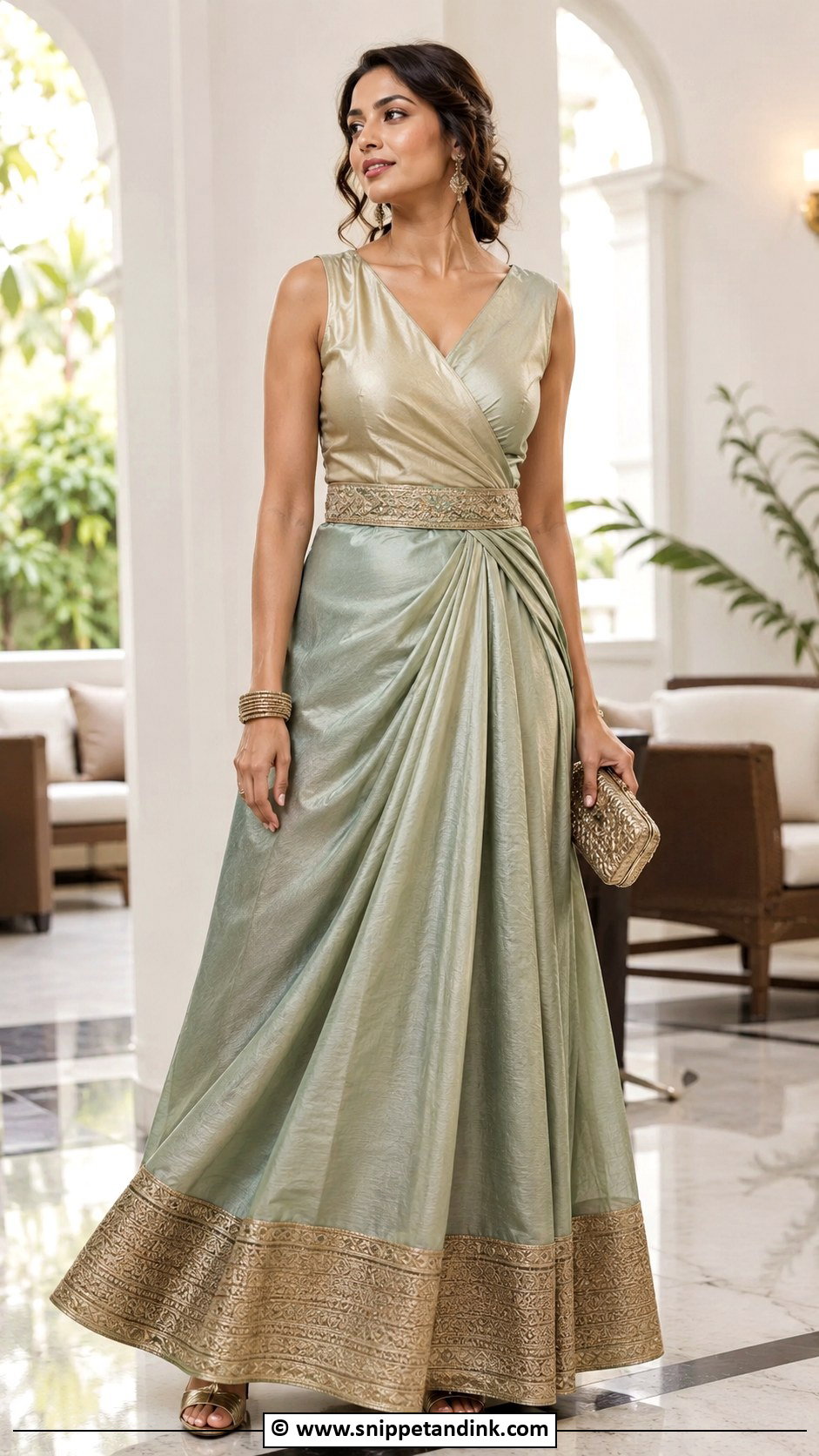
3. Recycled Saree Gown
Sarees carry history and colour, and their borders are made to be seen. Silk, chiffon, georgette and cotton sarees often have embroidered or printed edges that can run along the neckline, waist, sleeves or hem. A wrap bodice, empire waist or flowing maxi suits the soft drape. Before cutting, I lay the whole saree out and plan where the pallu, the most decorated end, will sit, usually across the bodice or down the front. Metallic sandals, fine bangles and a small clutch complete it for family celebrations and sentimental redesigns.
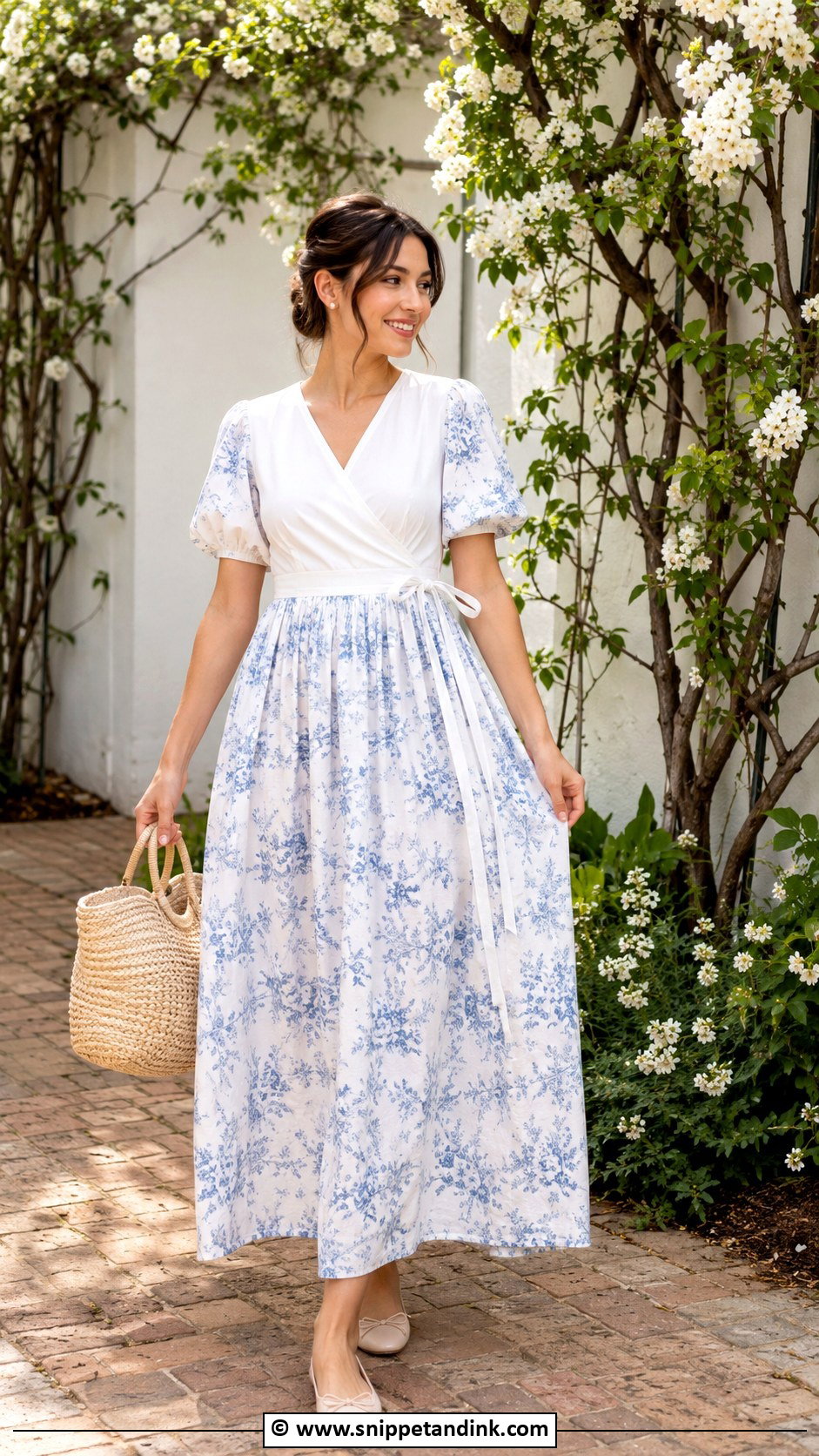
4. Recycled Bedsheet Gown
Bedsheets are the easiest fabric here for a beginner: large, even pieces of cotton that cut and sew without slipping. Crisp white looks minimal, floral or striped sheets look vintage and relaxed. They have enough yardage for full skirts, puff sleeves, wrap bodices and gathered maxis. Older sheets wear thin in the middle where people sleep, so I take the bodice from the edges and use the centre for gathered skirt panels. Add a fitted waist or a corset-style back, then ballet flats, pearl studs and a woven bag.
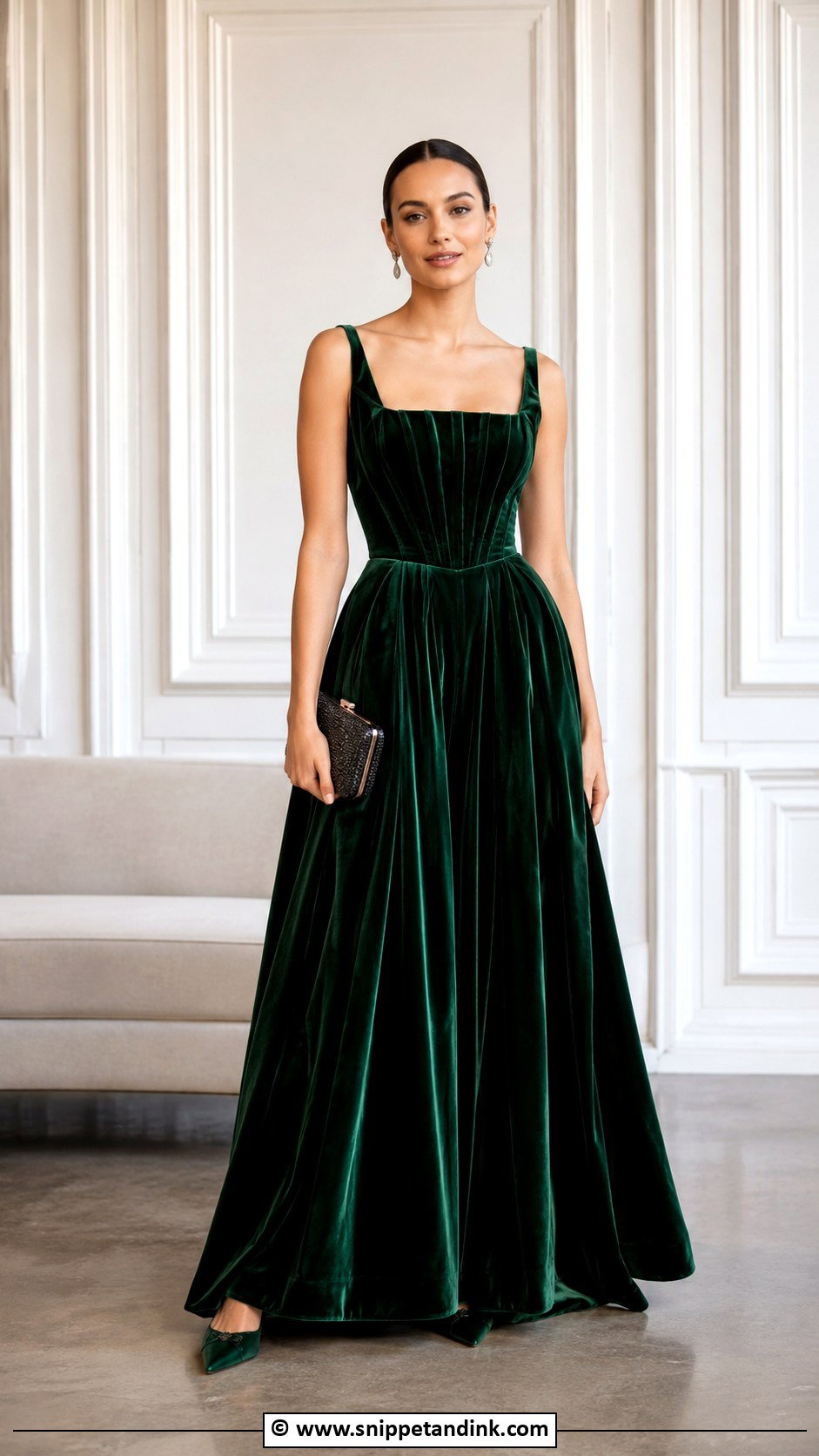
5. Recycled Curtain Gown
Curtain fabric is made to hang heavily, which is why it makes such convincing formalwear. Velvet suits a dramatic evening gown, sheers become overlays, and brocade or jacquard holds a structured bodice and full skirt. Remove the old lining, wash carefully and cut the main panels from the parts that haven’t faced a sunny window, because sun-faded strips are weaker and lighter in colour. Pointed flats or low heels, a structured clutch and plain earrings let the fabric lead.
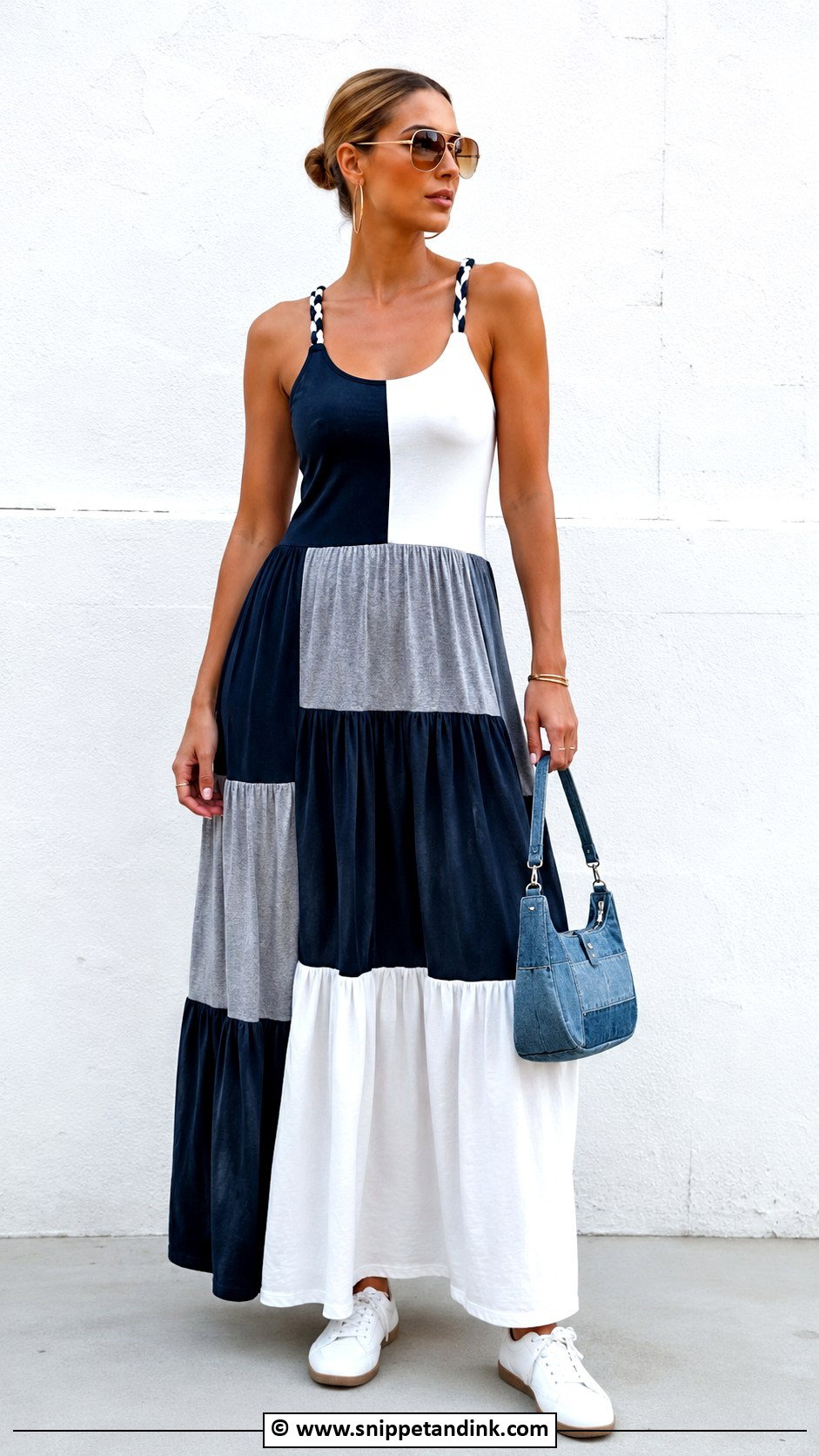
6. Recycled T-Shirt Gown
T-shirt jersey stretches, so this is the most forgiving gown to fit and the most comfortable to wear. Cut tees into strips, panels or colour blocks; a tank-style top with a gathered maxi skirt is the simplest version, braided straps or ruffled tiers the creative one. Similar colours look sleek, mixed graphics look bold. Use a stretch or zigzag stitch, since a straight stitch on jersey snaps the first time you sit. Style it with clean sneakers, a denim mini bag and simple hoops to keep it casual for summer shoots and student projects.
7. Recycled Plastic Bottle Gown
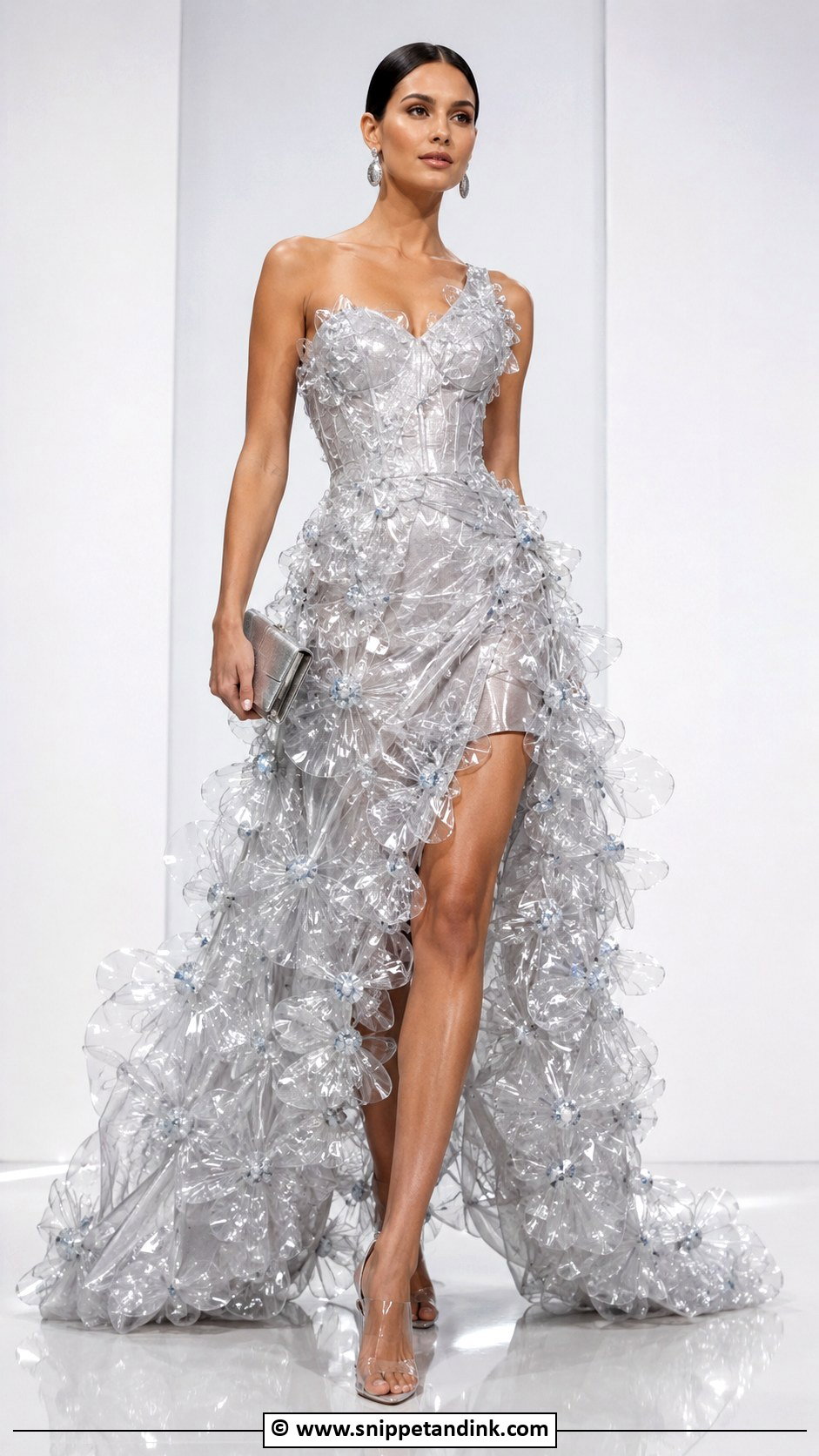
Plastic bottles make a sculptural gown rather than a soft one. Cut cleaned bottles into petals, scales, fringe or clear panels and attach them to a fabric base; a fitted bodice with a plastic-petal skirt is far easier to wear than a fully rigid design. Every cut edge needs sanding or covering, because bottle plastic slices skin. The shine catches light much like sequins. Clear heels, silver accessories and sleek hair suit runway projects and eco competitions.
8. Recycled Tablecloth Lace Gown
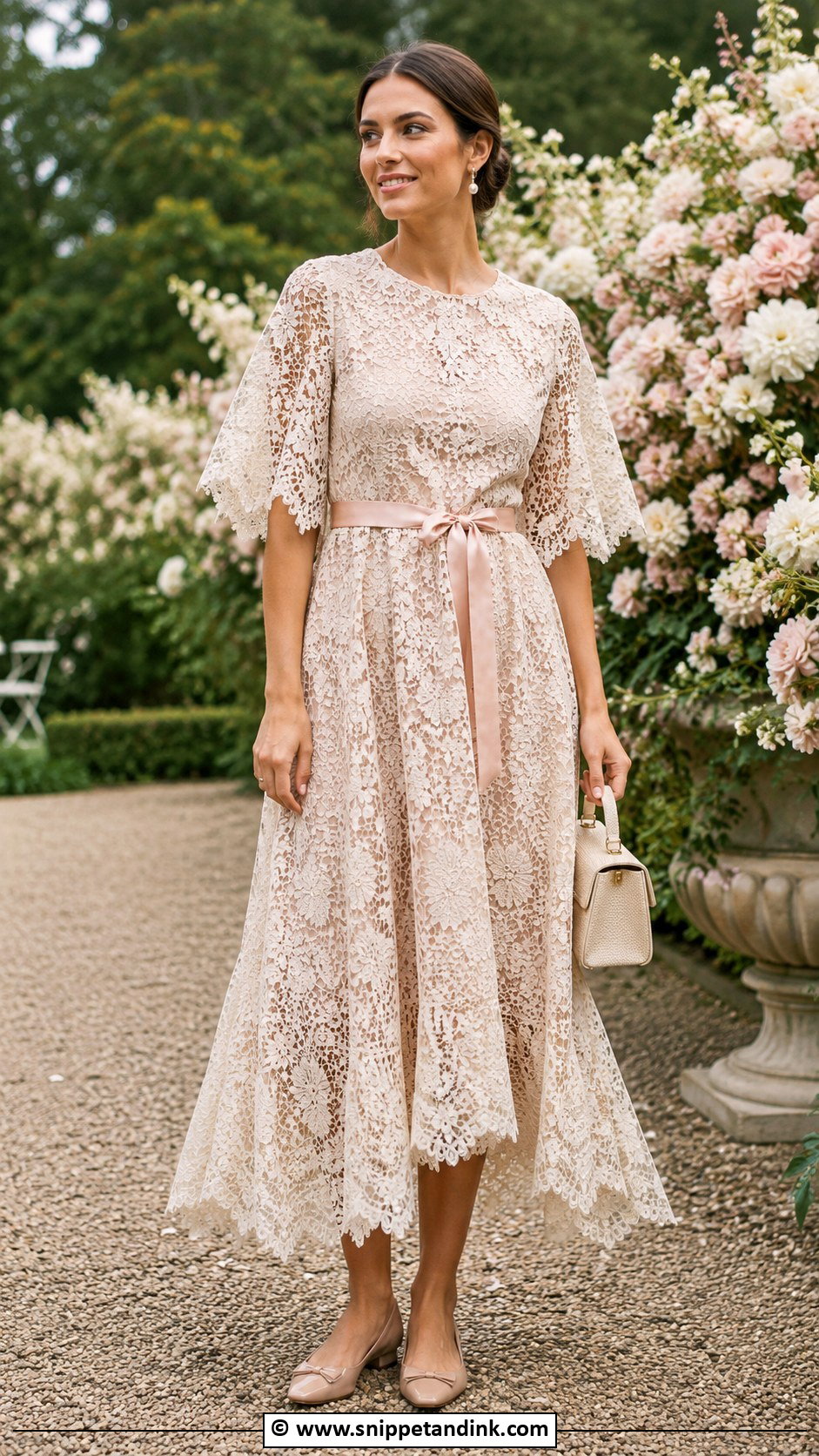
Lace tablecloths, embroidered linens and crochet covers make lovely overlays over a plain lining. The skill is in placement: I pin the cloth on a dress form and move it until the pattern sits centred on the bodice and runs evenly at the hem. A cream, ivory or soft pastel lining lets the texture show. Add a satin ribbon belt or small flowers made from offcuts, then nude flats, pearl earrings and a top-handle bag for garden parties or a bridal shower outfit.
9. Recycled Men’s Shirt Gown
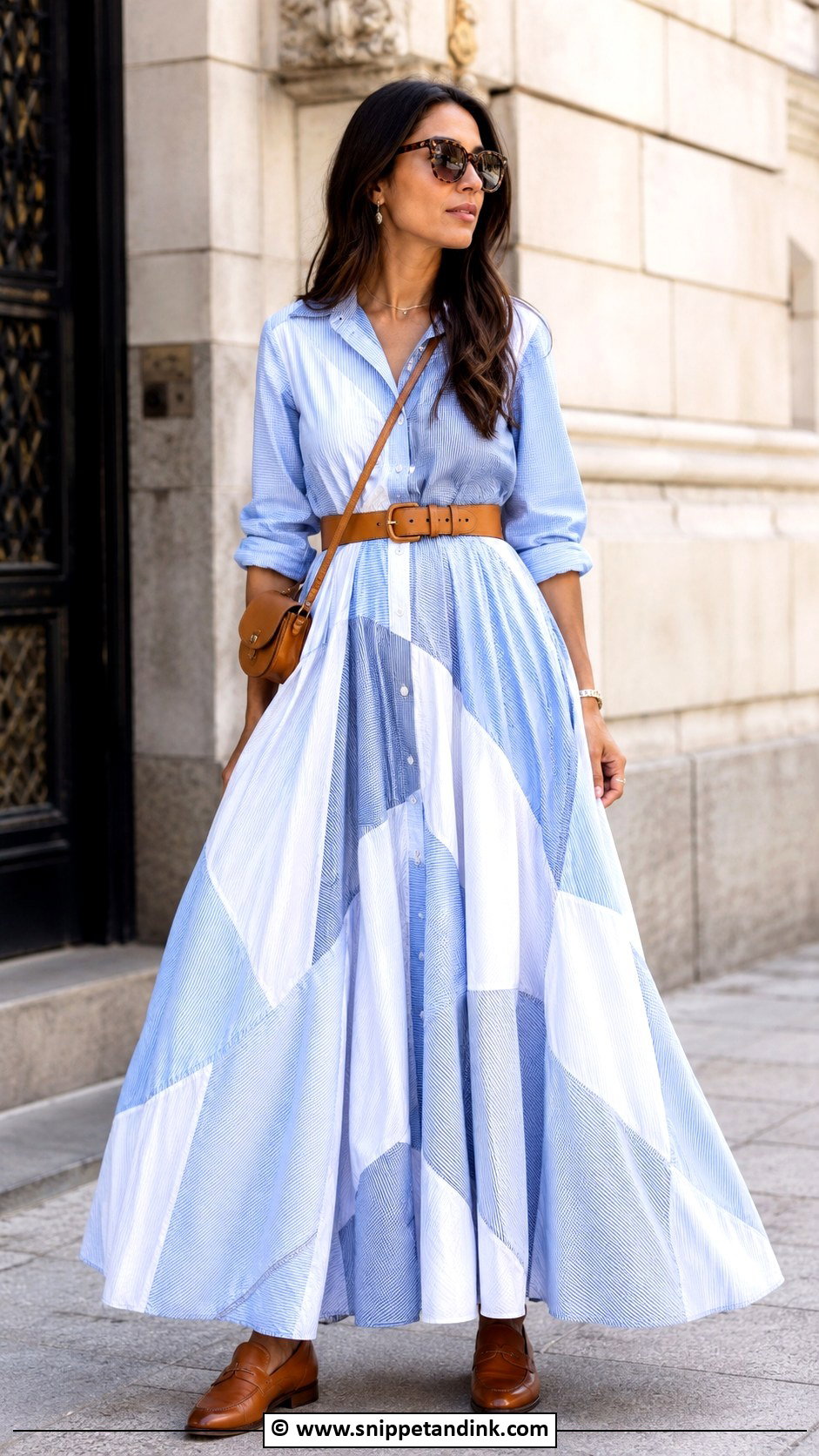
Button-down shirts come with ready-made design details. Plackets become front seams, sleeves become ruffles and collars become neckline trim. White, blue, striped or plaid shirts combine into a fitted bodice and a full skirt; one colour family looks cleaner, mixed patterns look more creative if you keep the sections balanced. Shirt cotton is thin, so I’d interface the bodice panels to stop them wrinkling. Loafers, block heels or white sneakers and a belt at the waist finish it for casual-formal events.
10. Recycled Quilt Gown
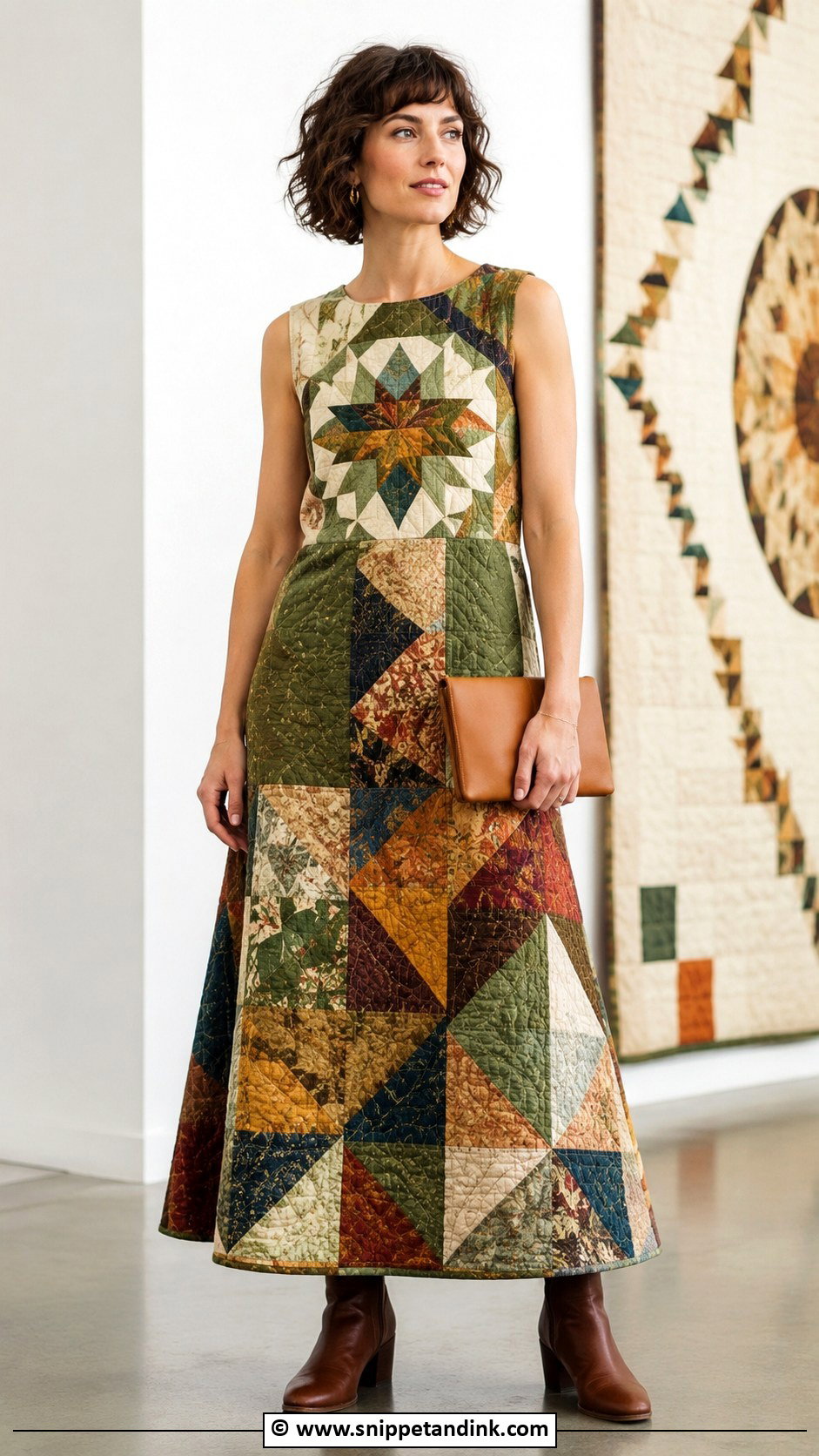
Quilts bring patchwork, hand stitching and a colour story that makes each gown unique. They are thick, so use them for a structured bodice, a simple A-line or a sleeveless gown, not heavy gathered layers. Cut around any damaged areas and save the best patches for the front. If the quilt is a family piece, I’d ask the family before cutting, and keep a block or two aside as a keepsake. Simple boots, a plain clutch and minimal jewellery suit autumn events and textile displays.
11. Recycled Feed Sack Gown
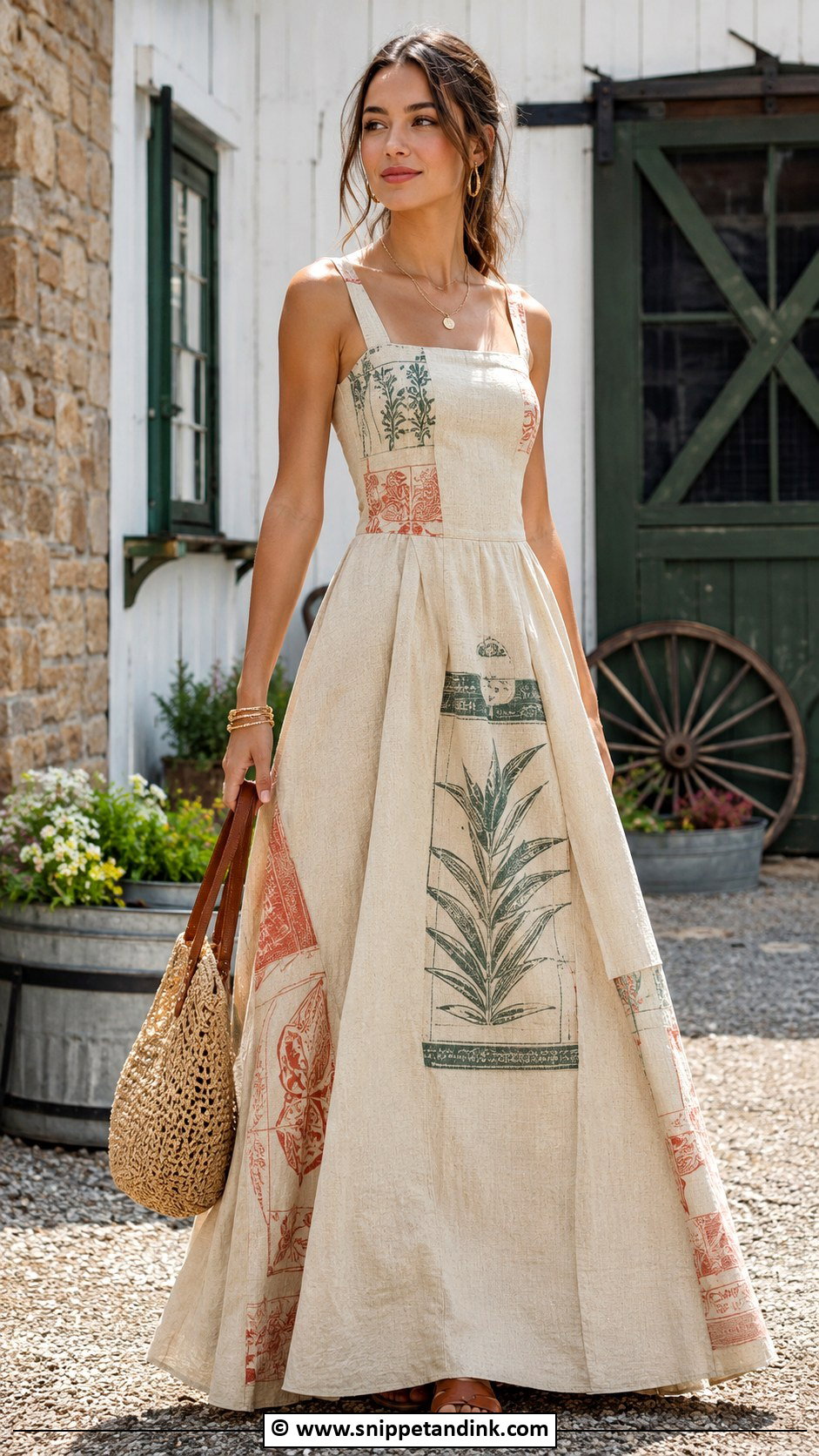
Printed feed and flour sacks have a graphic, rustic charm. A simple fitted bodice and a long straight or A-line skirt keep the look clean, and any logos or printed text should be placed on purpose, centred on the skirt or running along the side panels. Sack cotton is often rough, so add a soft lining. Leather sandals, a woven tote and simple gold jewellery suit country fairs and outdoor shoots.
12. Recycled Paper Bag Gown
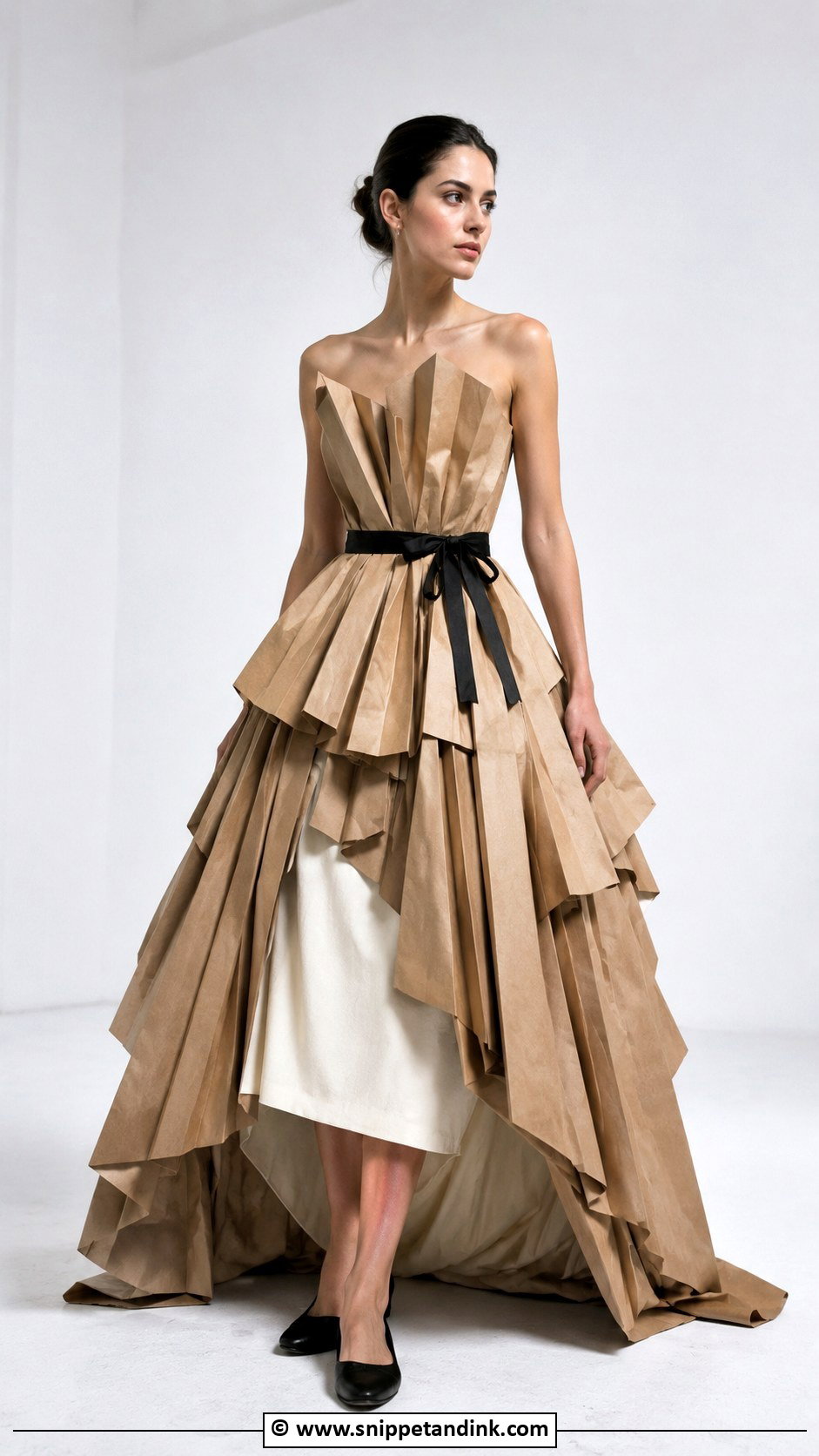
Brown kraft paper looks warm and neutral; printed shopping bags add colour and graphics. Paper only holds as an outer layer over a lightweight fabric base, so that’s how I’d build it, with pleated panels for the skirt and a folded bodice for a sculptural top. A black ribbon belt and black flats balance the colour. Expect it to crease and soften with body heat over a few hours, so it’s best for art class, window displays and short fashion shows.
13. Recycled Soda Tab Gown
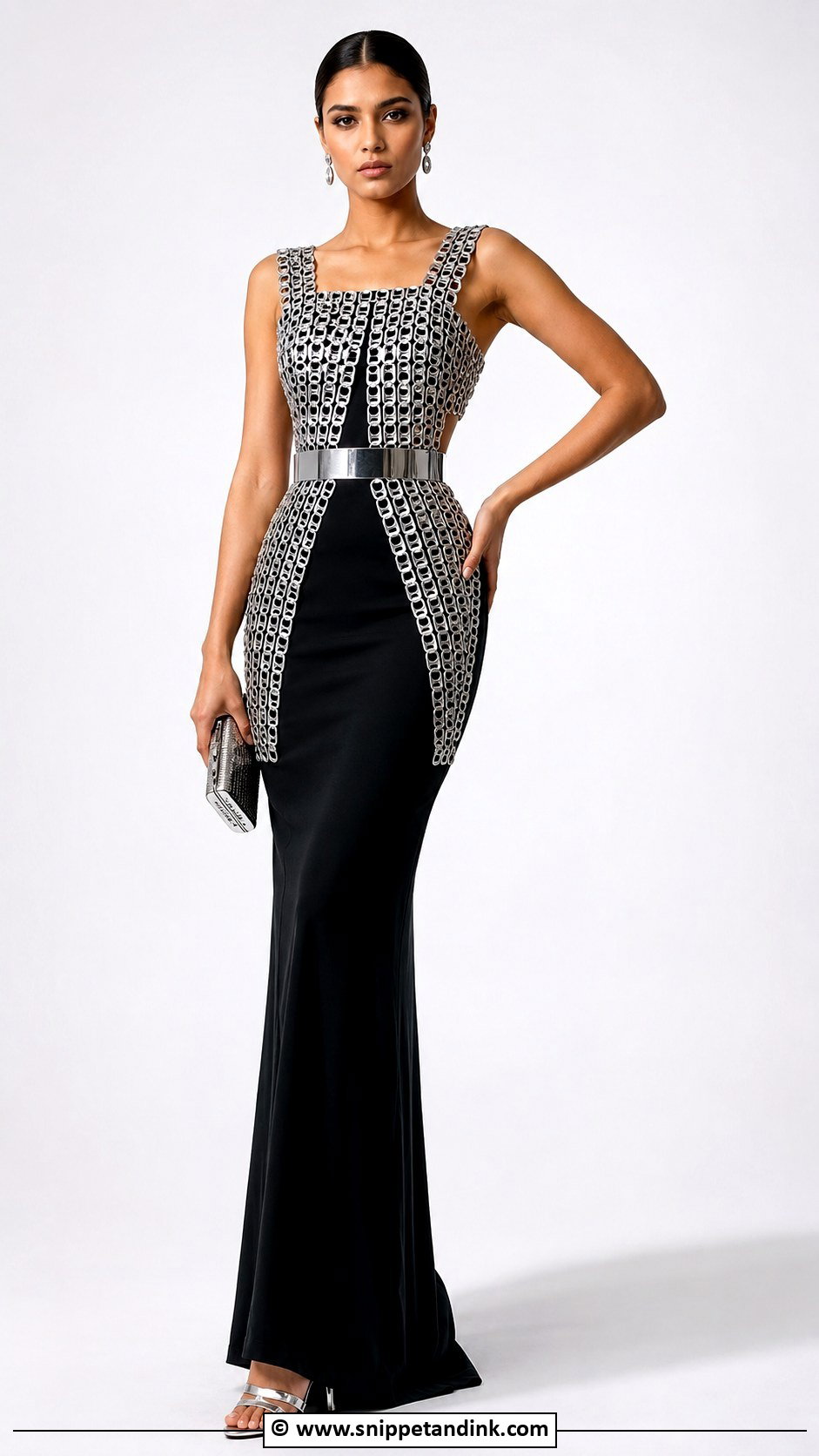
Linked soda tabs create a metallic, chain-mail surface with no new embellishment. Join them with ribbon, jump rings or strong thread to make panels, trim, straps or a shimmering overlay. A full tab gown gets heavy fast, so I’d keep them to the bodice, neckline, belt or selected skirt panels over fabric. Check the back of each tab for sharp edges. Silver heels, a compact clutch and smooth hair keep it sleek for runway challenges.
14. Recycled Magazine Page Gown
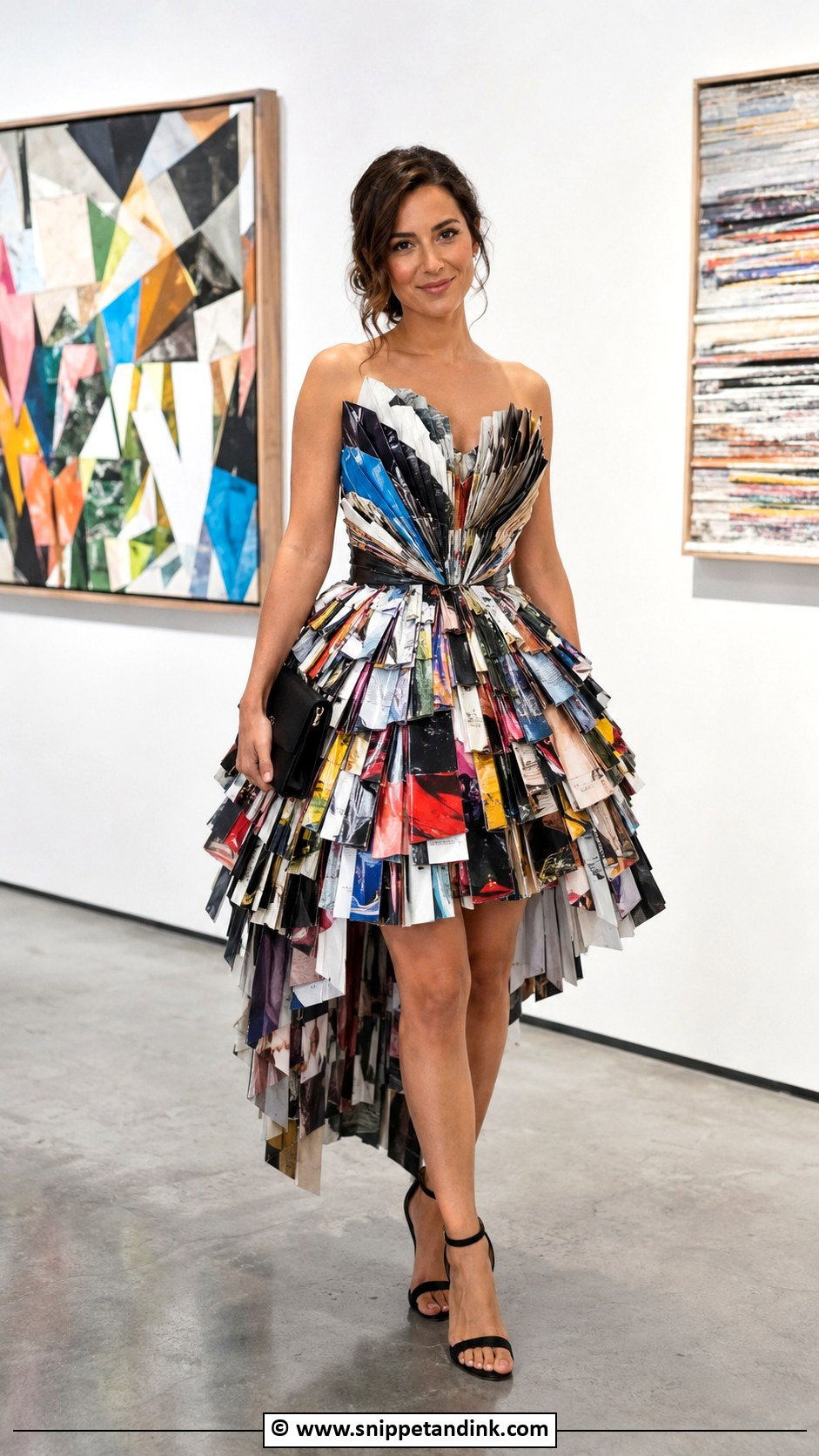
Glossy magazine pages can be rolled into tubes, folded into pleats, woven into panels or layered like feathers. Grouping pages by colour, pink for the bodice and neutrals for the skirt, makes the design look planned. A fabric base keeps the paper secure, and clear sealant adds strength, though the gown is still an art piece rather than something to dance in. Simple heels and minimal jewellery let the print speak in fashion art events and photo shoots.
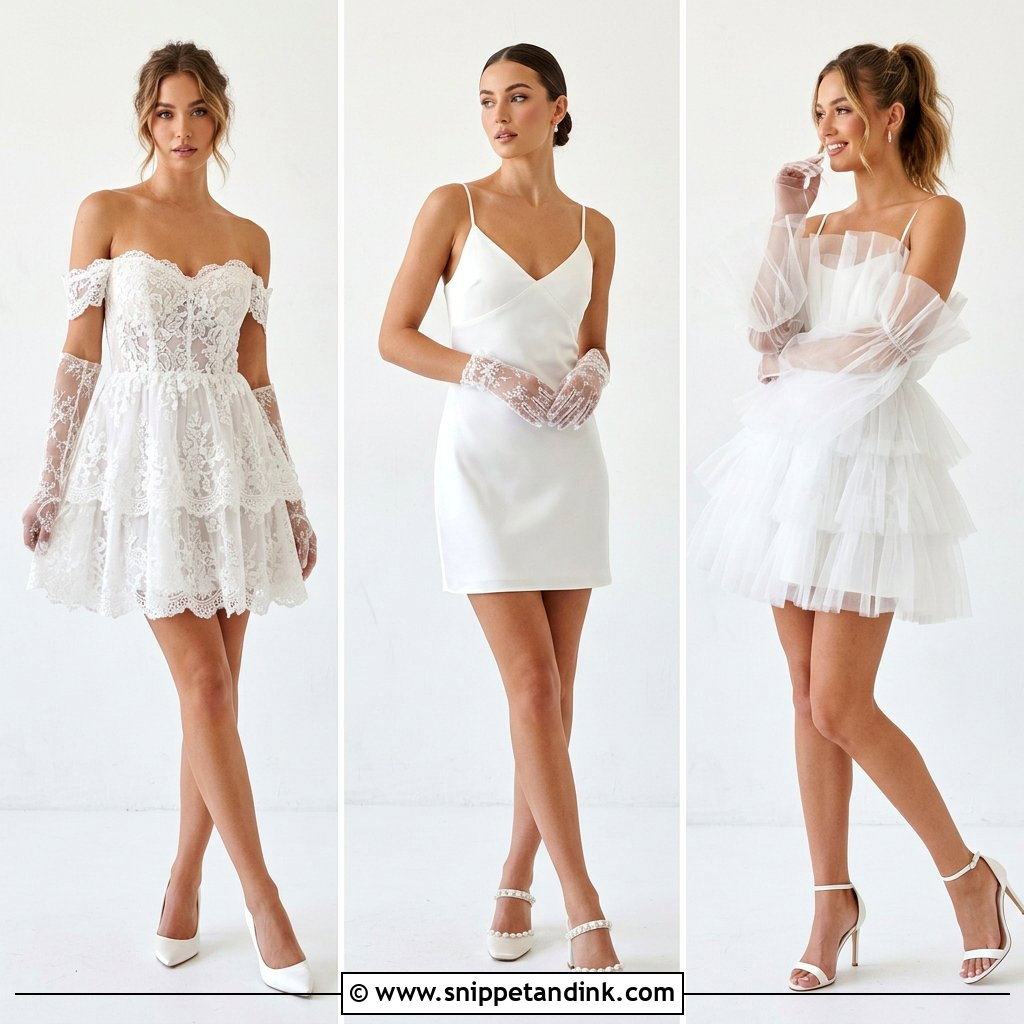

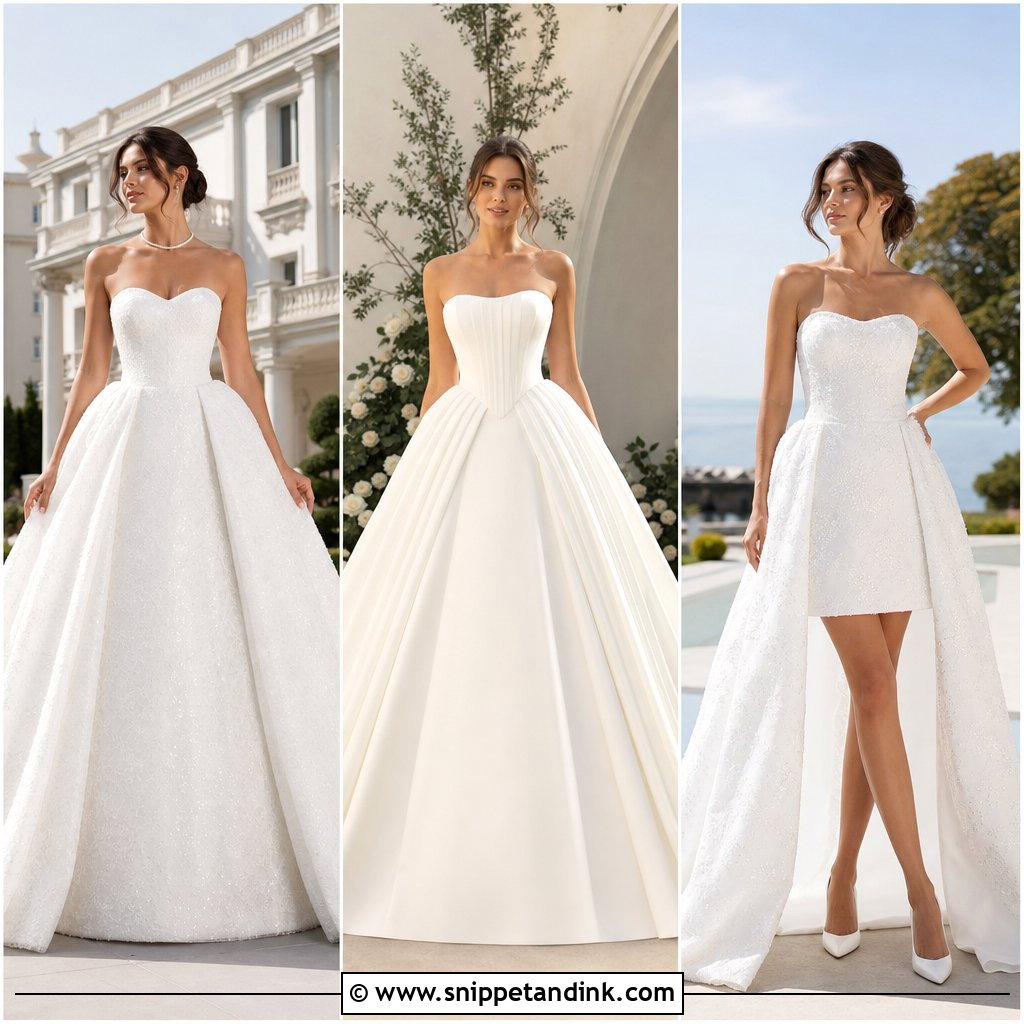
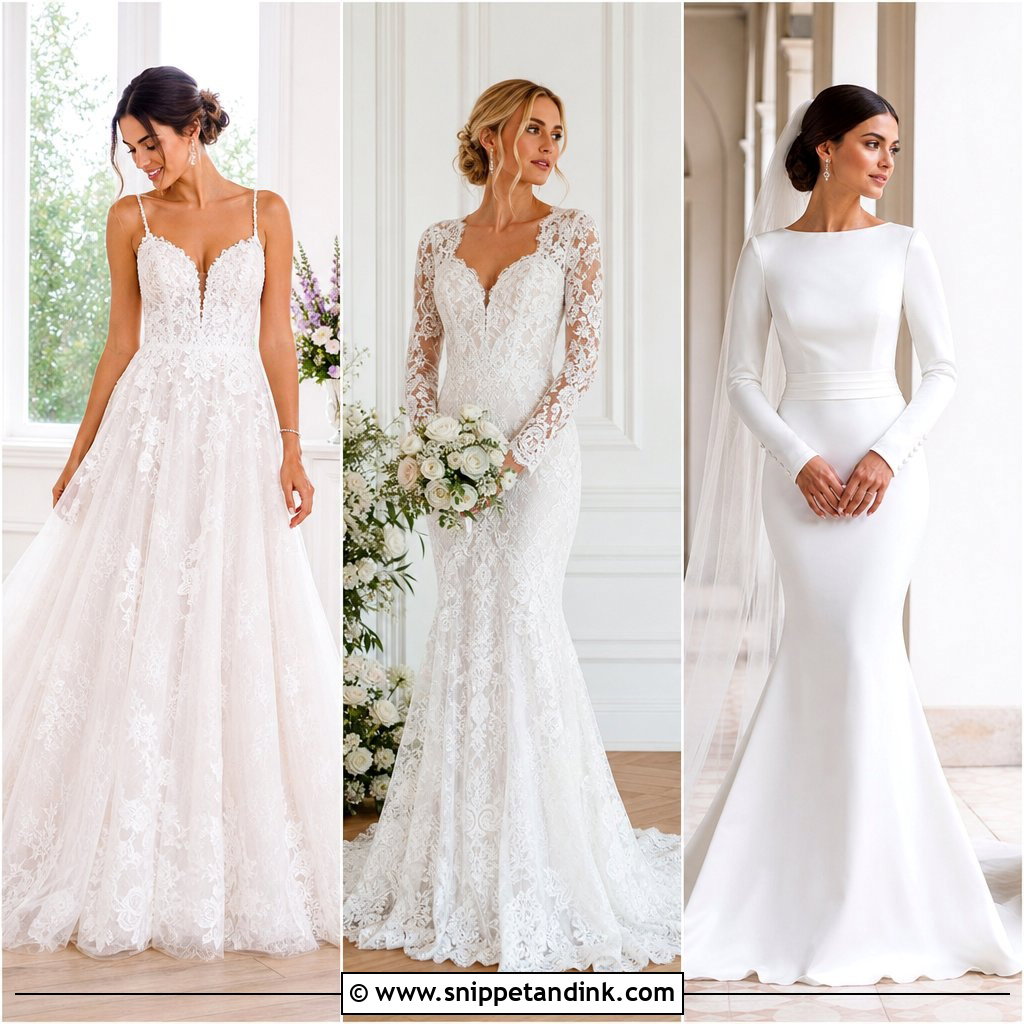
15. Recycled Wedding Dress Gown
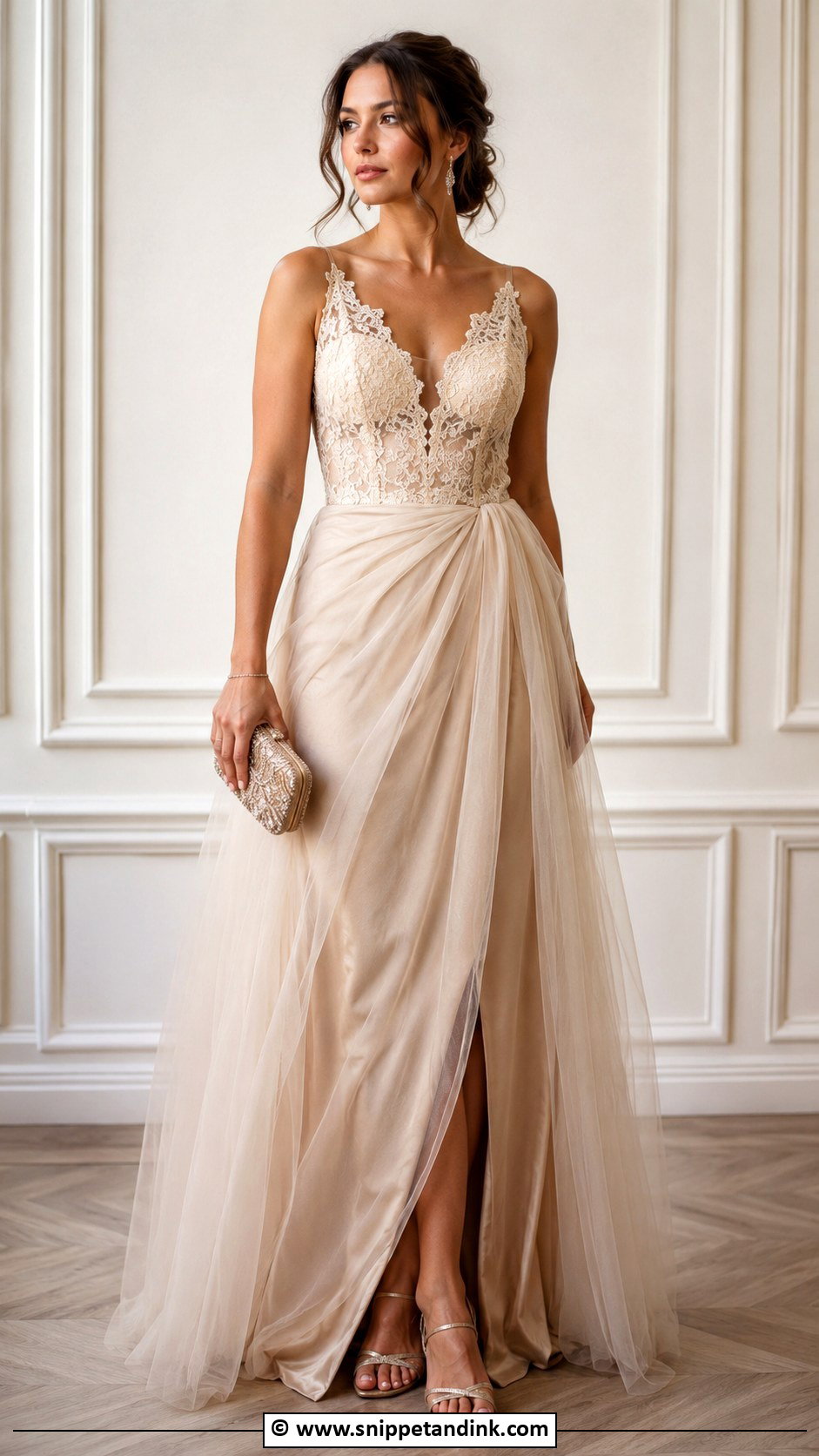
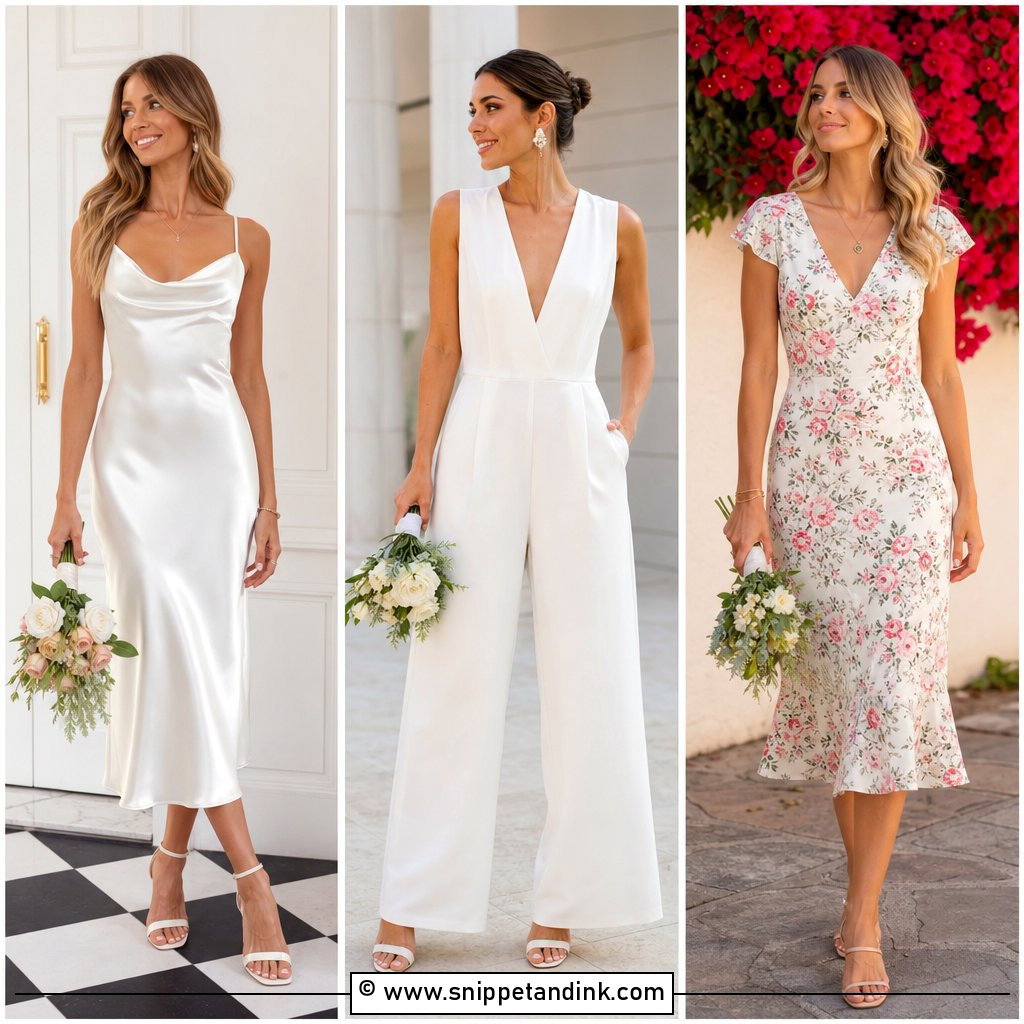
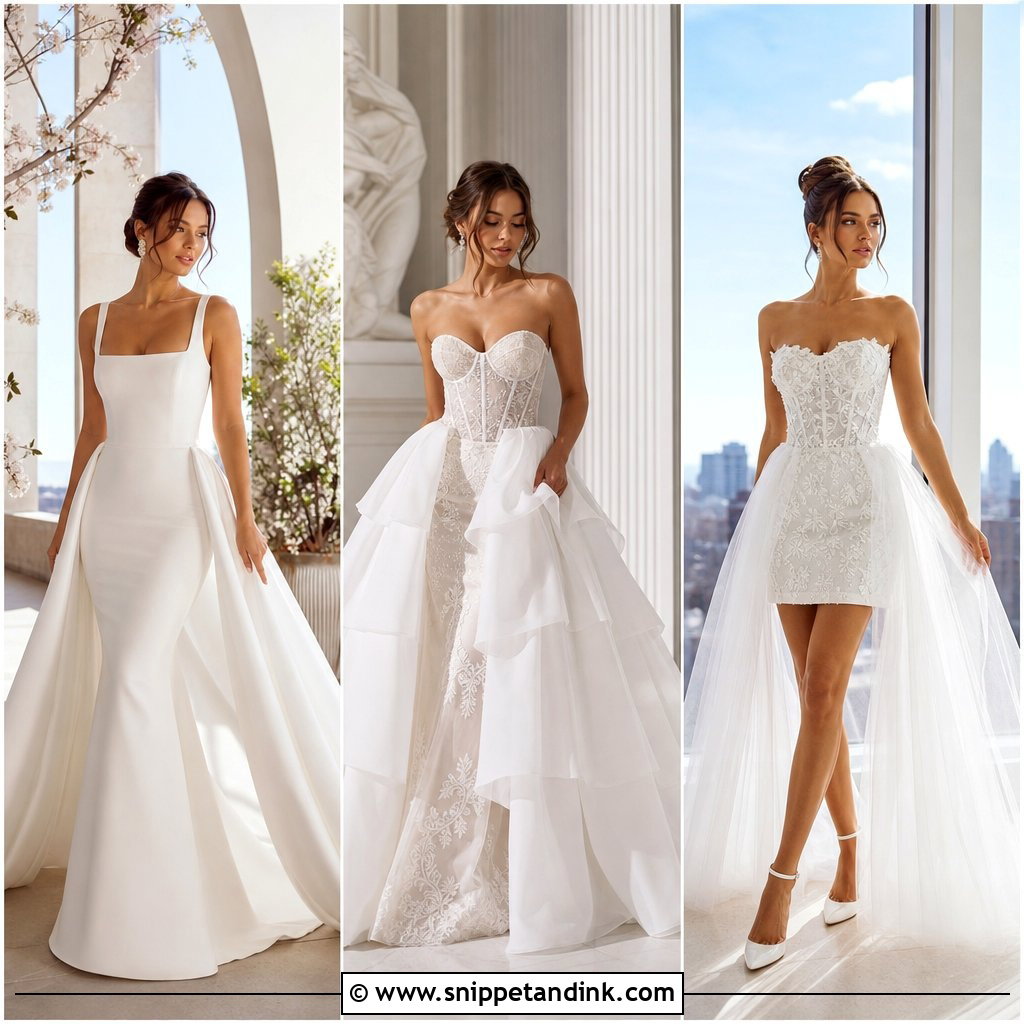
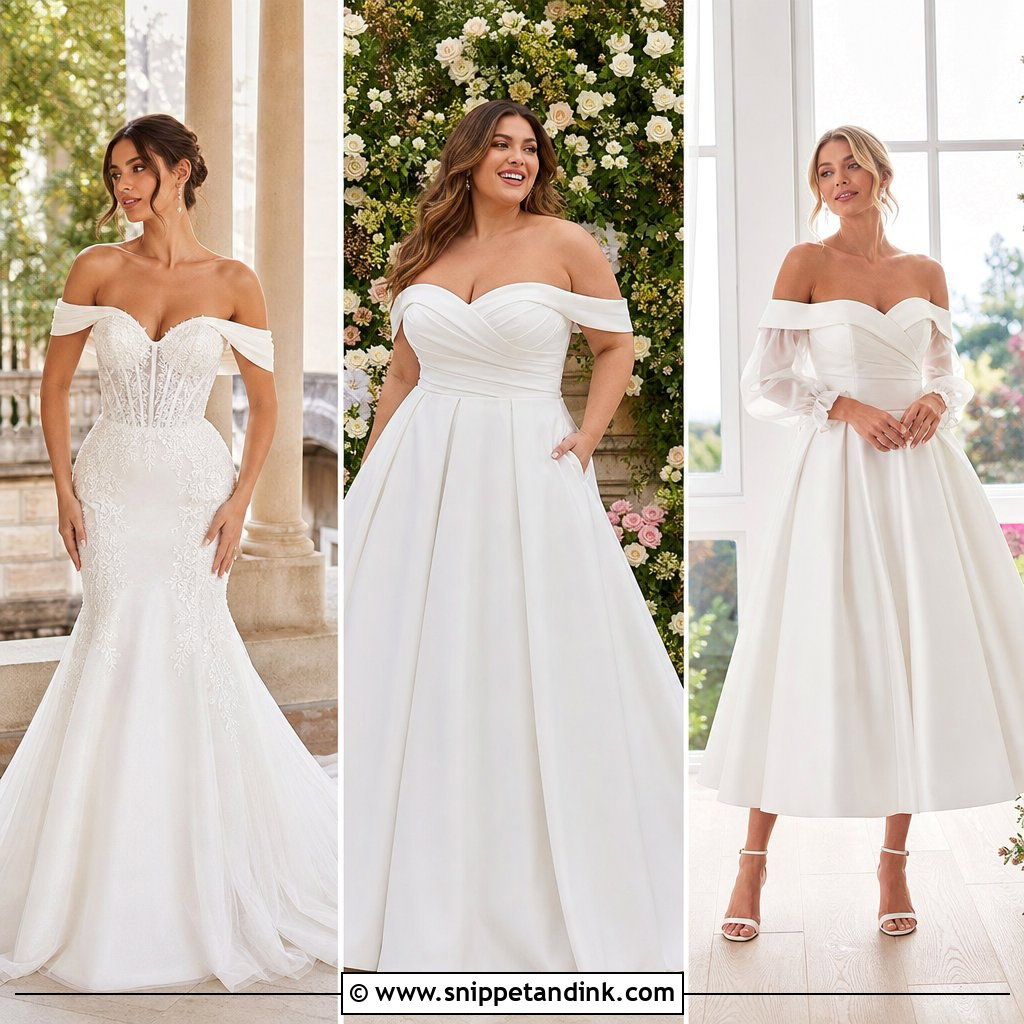
An old wedding dress can live on as something wearable. Shorten the train, remove heavy sleeves, dye the fabric, recut the neckline or turn spare layers into a modern overskirt. The lace, tulle, satin and beading are often the best parts of the redesign. Dyeing is the step I’d hand to a professional: synthetic satin and polyester lace take dye very differently from silk, and a gown often comes out patchy at home. Soft grey, blush, blue or champagne suit a non-bridal look, with metallic sandals, a beaded clutch and delicate earrings.
16. Recycled Prom Dress Gown
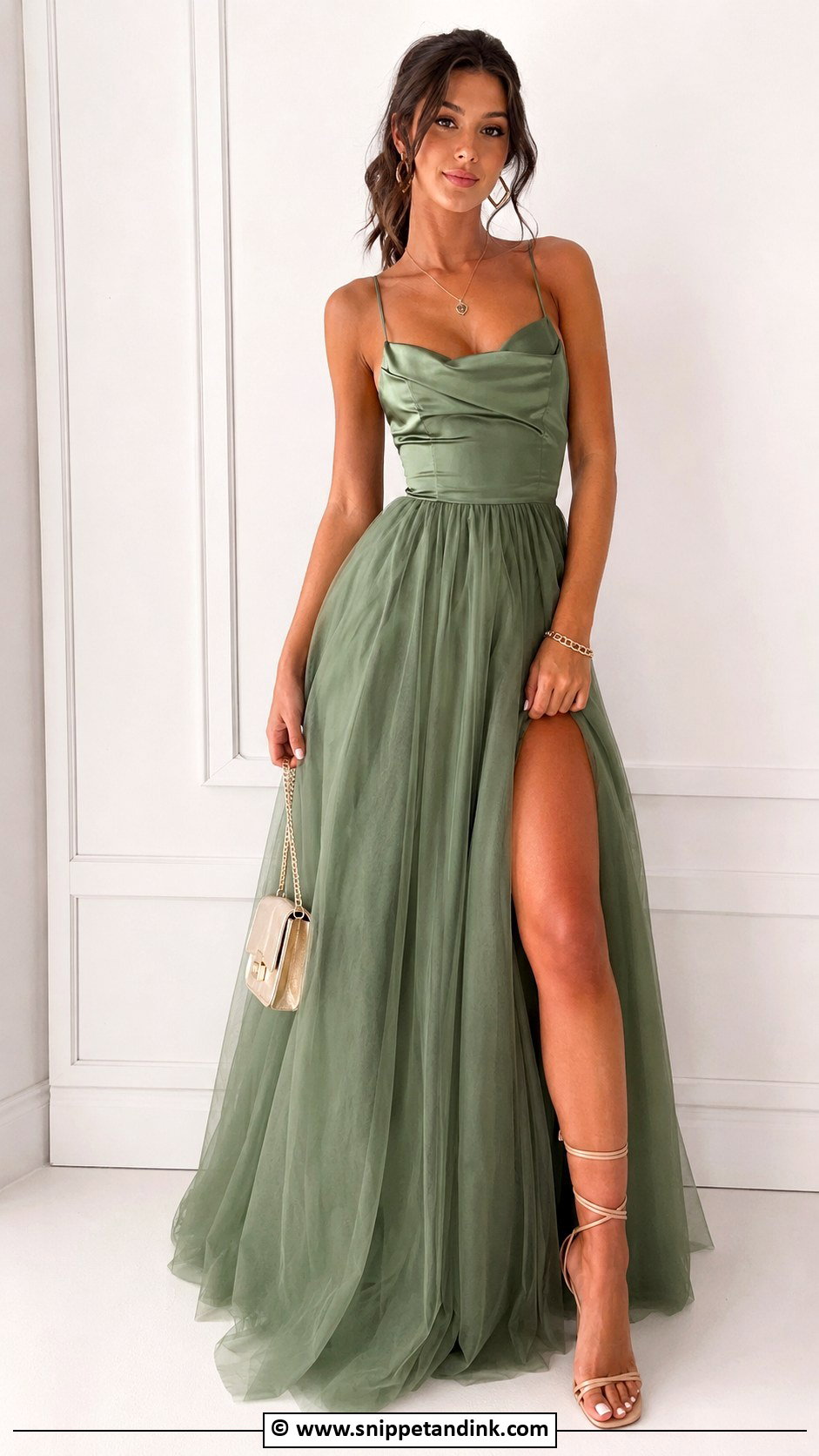
Prom dresses are often worn once, so they’re ideal for reworking. Change the straps, remove extra beading, add a slit, layer tulle or combine two dresses into one design. A dated satin dress looks modern with a cleaner neckline and simpler accessories; a tulle dress feels current with a fitted bodice and monochrome styling. When removing beading, I snip each thread from the inside so the fabric doesn’t tear. Strappy heels, a mini bag and sleek jewellery suit dances, pageants and formal events.
17. Recycled Scarf Gown

Large silk, satin or chiffon scarves stitch together into flowing panels, a halter neckline or a handkerchief hem, and smaller ones form patchwork sections. A recycled scarf gown holds together best when the scarves are of similar weight, since mixing heavy satin with fine chiffon makes the seams pucker. A lining or slip underneath keeps it comfortable and modest. Strappy sandals, a simple clutch and small gold jewellery suit summer parties and holidays.
18. Recycled Necktie Gown
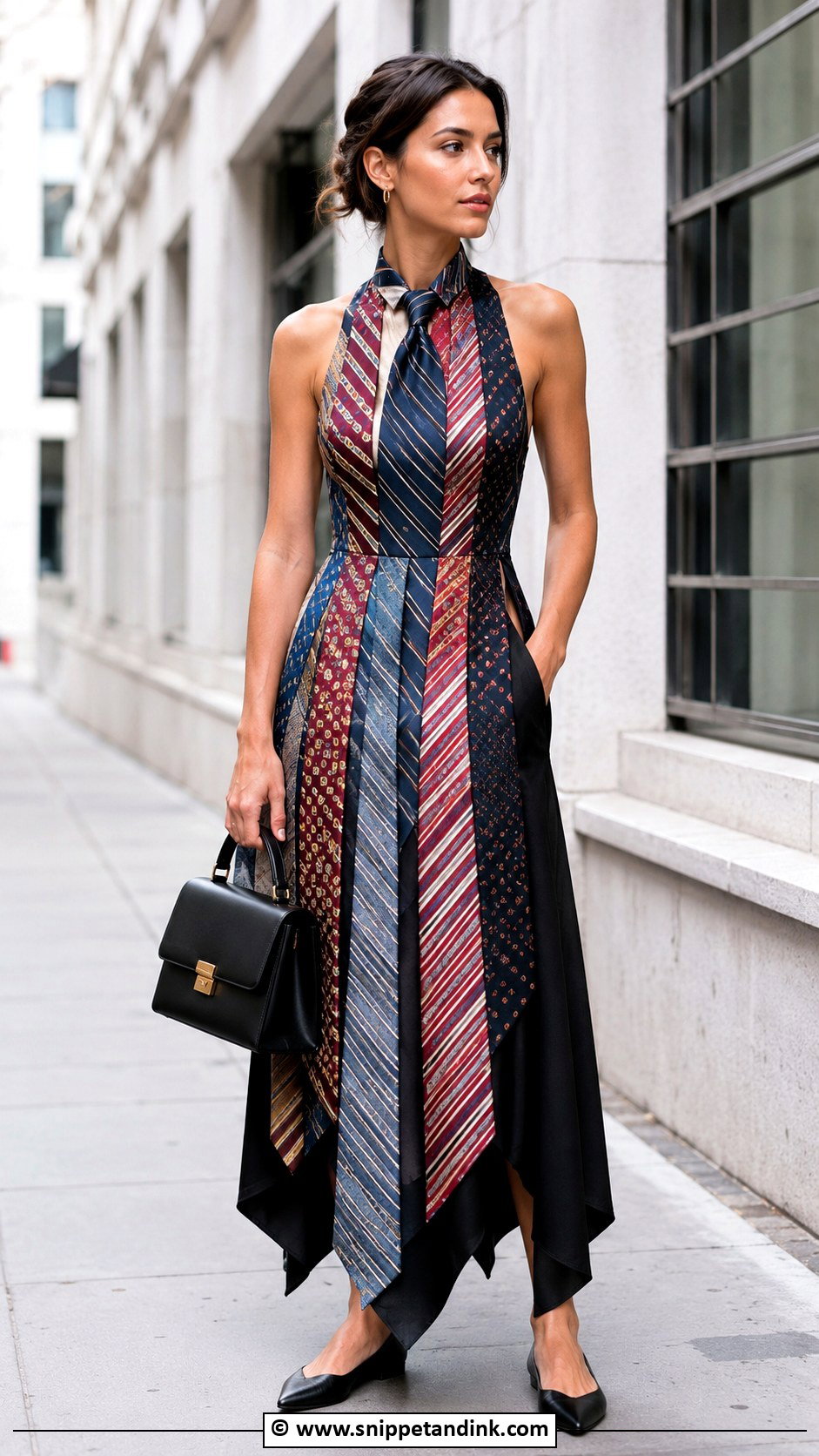
Neckties sewn side by side make a striped bodice, a fitted waist or a full skirt, and their pointed tips create a natural zigzag hem. Silk ties add shine; wool or cotton add texture. Matching colours look refined, mixed patterns look playful. Ties are narrow and cut on the bias, so they stretch, which is why they need a firm lining or base dress underneath. Pointed flats, a small structured bag and simple earrings suit design students and runway pieces.
19. Recycled Burlap Gown
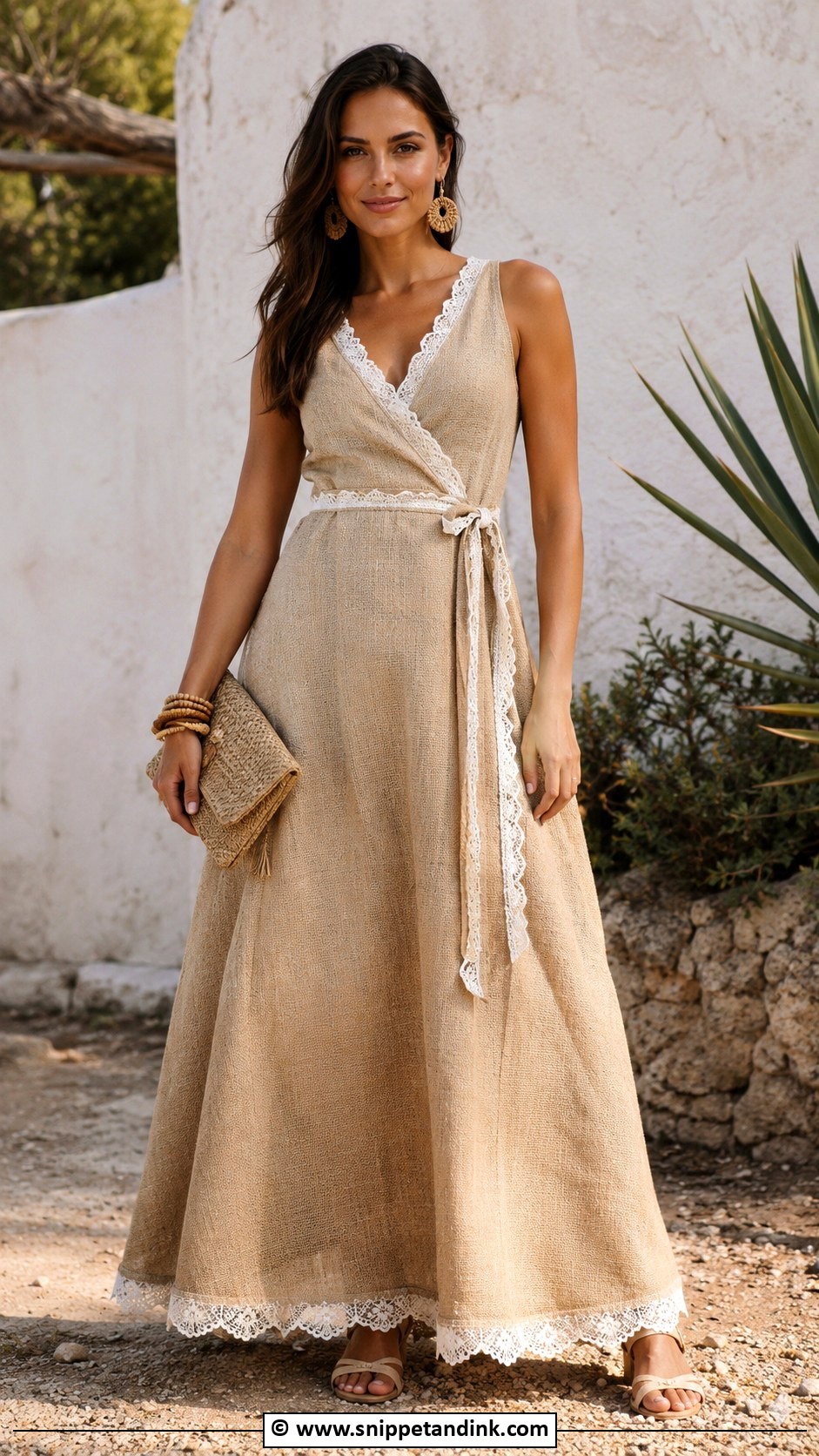
Burlap scratches, so the lining matters more than the outer fabric here. Use clean sacks or remnants with a smooth cotton lining, and pick a simple empire waist, wrap bodice or A-line skirt so the stiff weave doesn’t fight the shape. Lace trim, cotton ribbon or fabric flowers soften it. Burlap sheds fibres when cut, so I’d zigzag or bind every raw edge. Neutral sandals, wooden bangles and a woven clutch suit rustic events and eco shows.
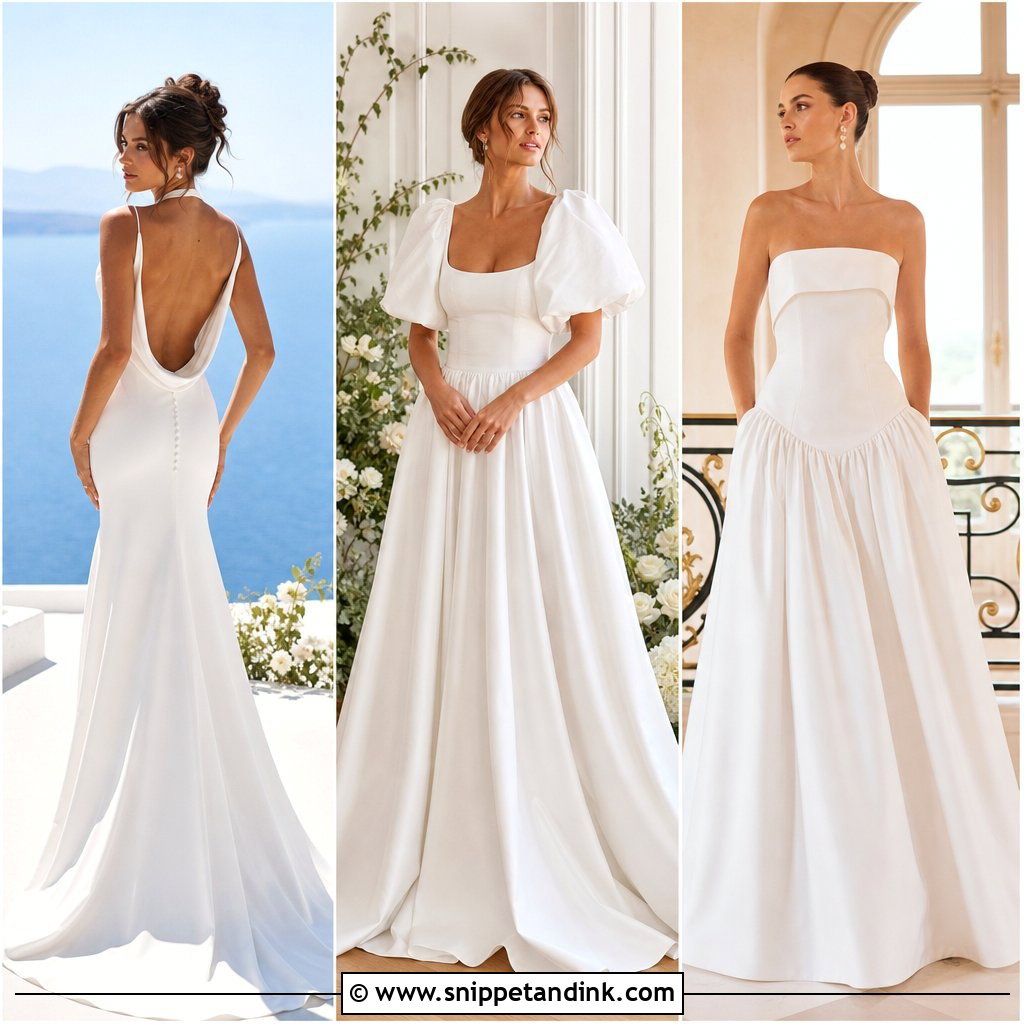
20. Recycled Pillowcase Gown
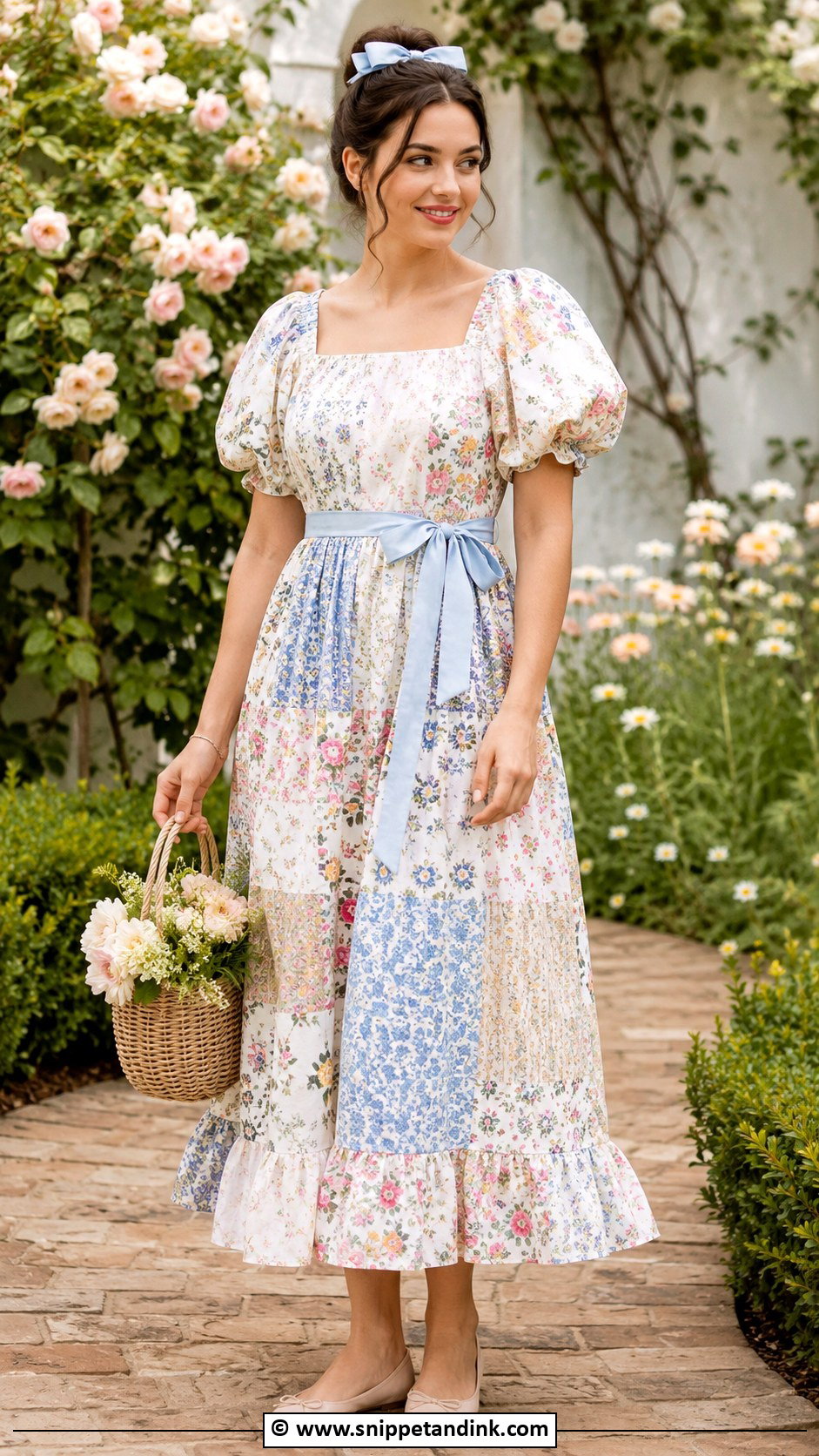
Pillowcases are soft, light and simple to sew. They work as bodice panels, skirt tiers, sleeves or colour blocks. Vintage florals give a sweet cottage-inspired look; crisp white cotton is clean and minimal. Because each case is small, you’ll need several in a matching palette to get enough volume for the skirt. A ribbon waist, puff sleeves or a ruffled hem add detail, and ballet flats, a basket bag and simple hair accessories finish it.
21. Recycled Crochet Doily Gown
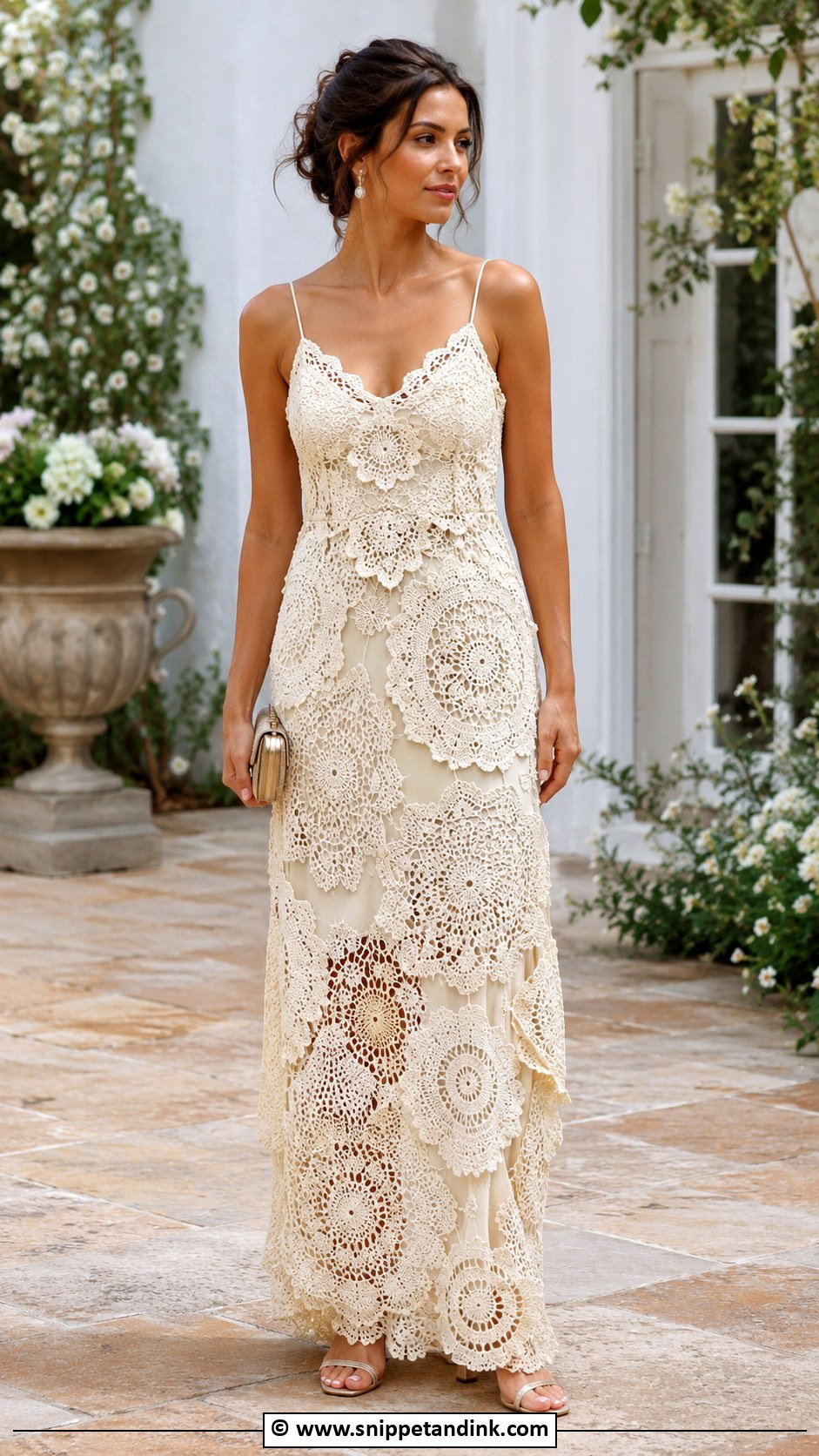
Crochet doilies stitched onto a slip dress give an heirloom texture. Cream, white and beige look soft; dyed doilies look more modern. I put larger doilies on the skirt and smaller ones near the neckline, and tack each at several points so they don’t sag. Old cotton crochet can be fragile, so soak and dry it flat before attaching. Low heels, pearl earrings and a small clutch suit garden gatherings and slow-fashion shoots.
22. Recycled Raincoat Vinyl Gown
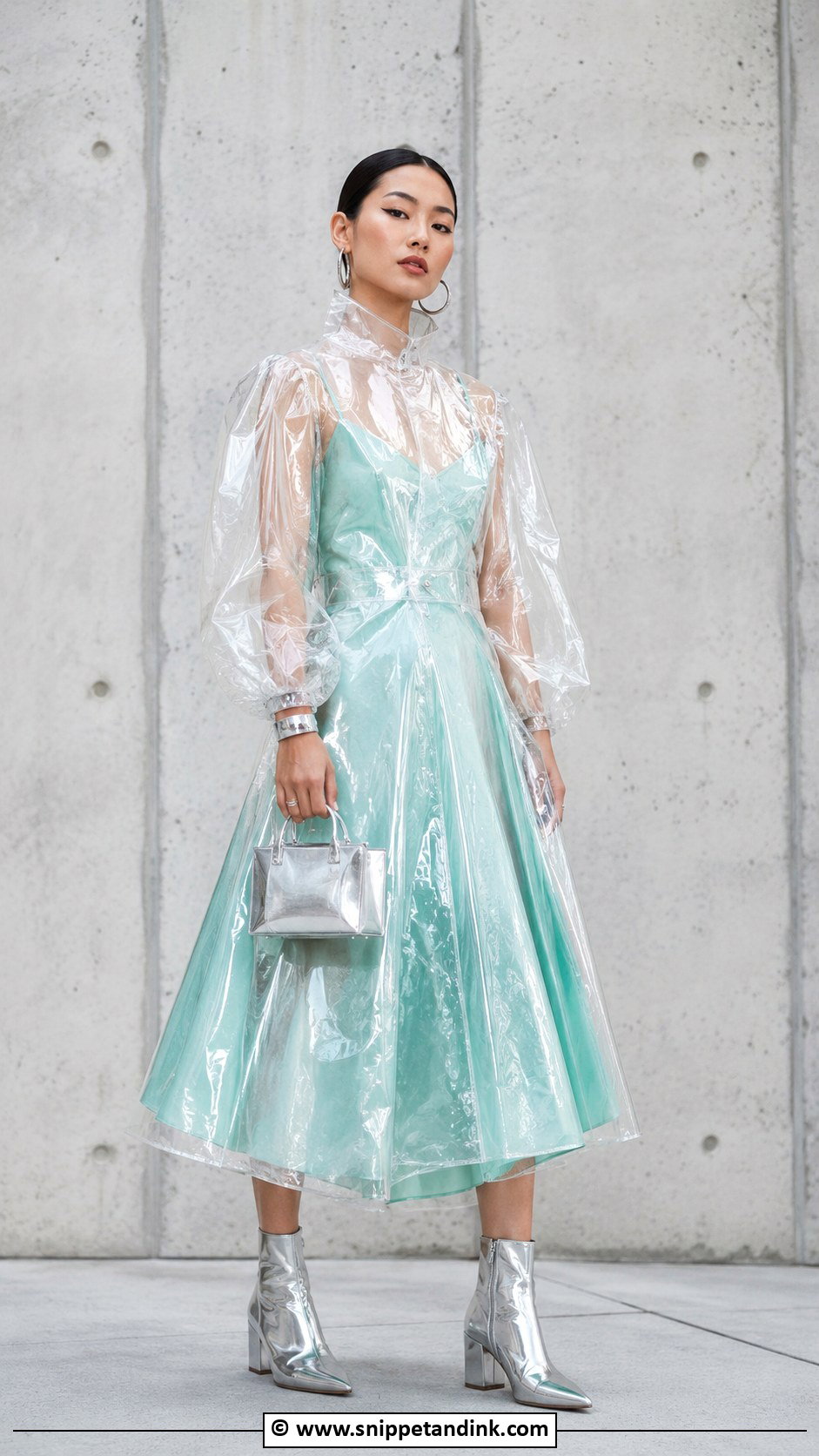
Raincoat fabric and clear vinyl already have shine and stiffness, so the design should stay simple. A clean column or A-line suits it better than gathers. Clear vinyl over a coloured slip looks futuristic, while a bright raincoat makes a bold piece. Vinyl doesn’t breathe and pin holes are permanent, so I’d plan the seams carefully on paper first and use clips instead of pins. Ankle boots, a compact bag and silver accessories suit urban shoots.
23. Recycled Canvas Tote Gown
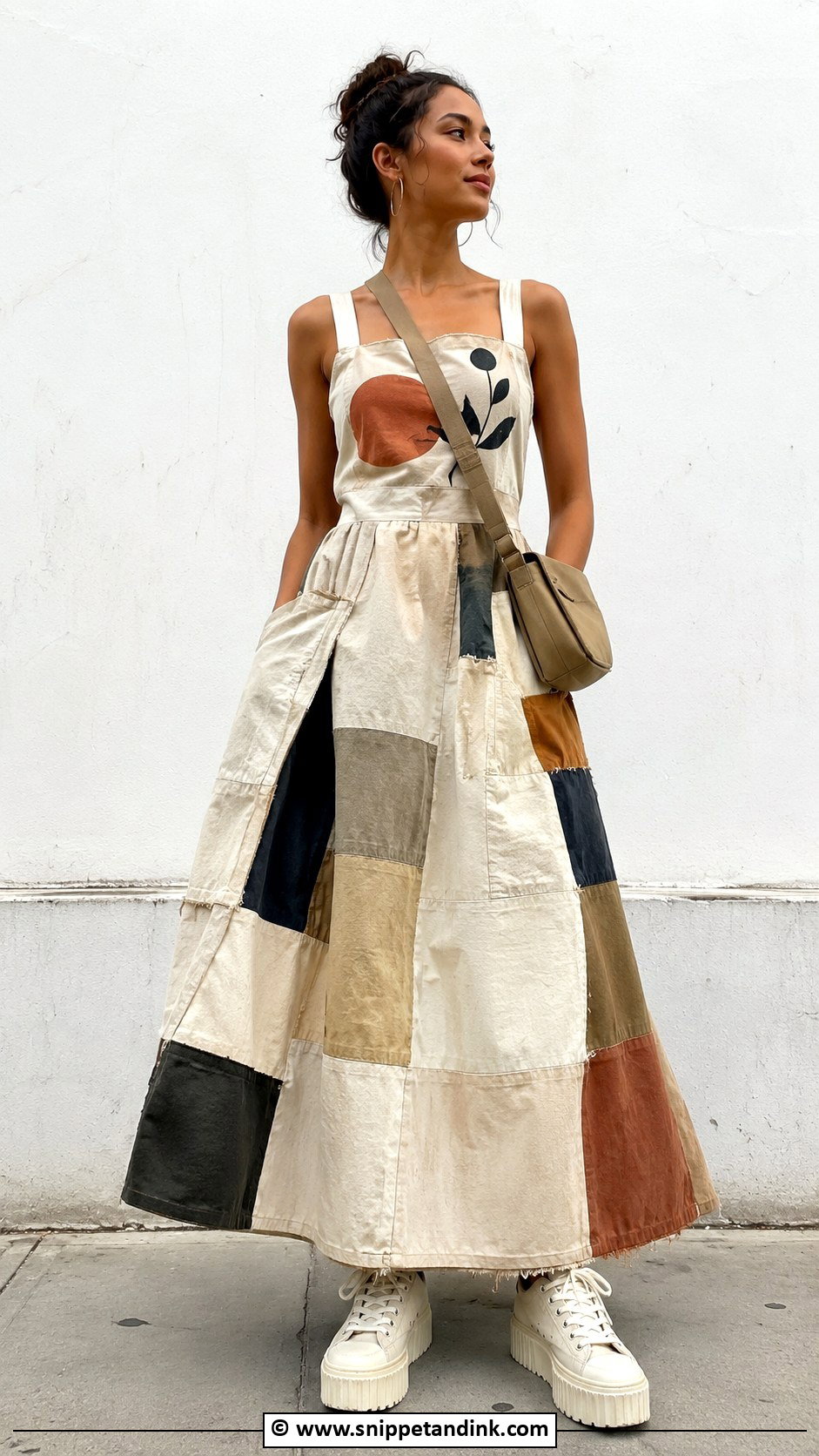
Canvas totes give sturdy panels for a corset-style bodice, an apron-style skirt or patchwork. Their printed graphics work as intentional details at the centre front, sides or hem. Canvas is firm, so I’d pair it with softer fabric or a smooth lining and use a heavier needle. Platform sneakers, a crossbody bag and simple hoops give it a casual city mood for street-style shoots and student projects.
24. Recycled Coffee Sack Gown
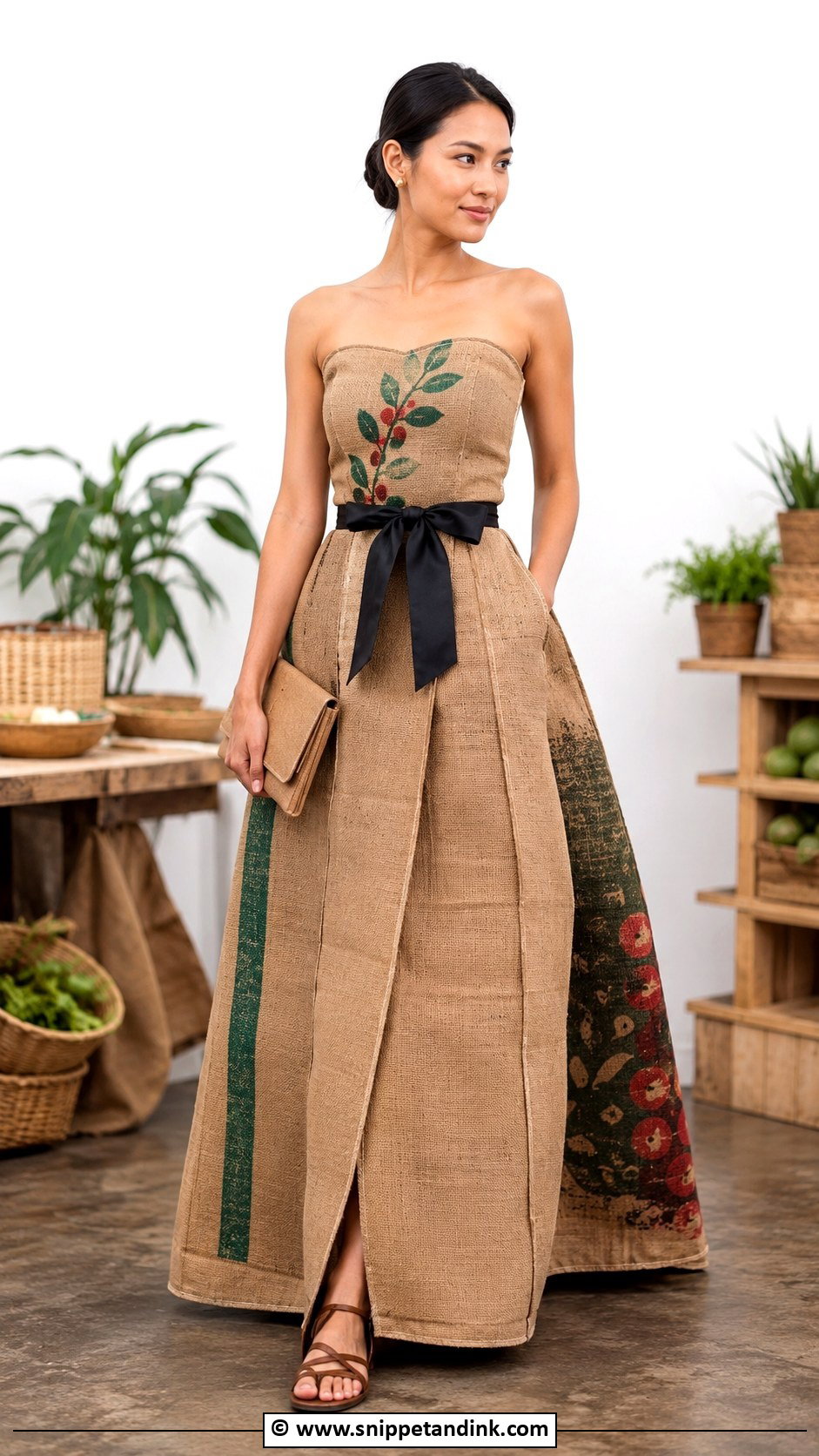
Coffee sacks have a natural texture and printed markings that can be part of the design. Clean jute or burlap sacks make a structured skirt, a fitted bodice or a paneled gown. They itch, so add a full lining and finish every edge. Wash them more than once before sewing, since sacks often hold dust and a strong smell. A black ribbon belt, cotton lace or simple buttons polish the look, with leather sandals, a neutral clutch and gold studs.

25. Recycled Ribbon Scrap Gown
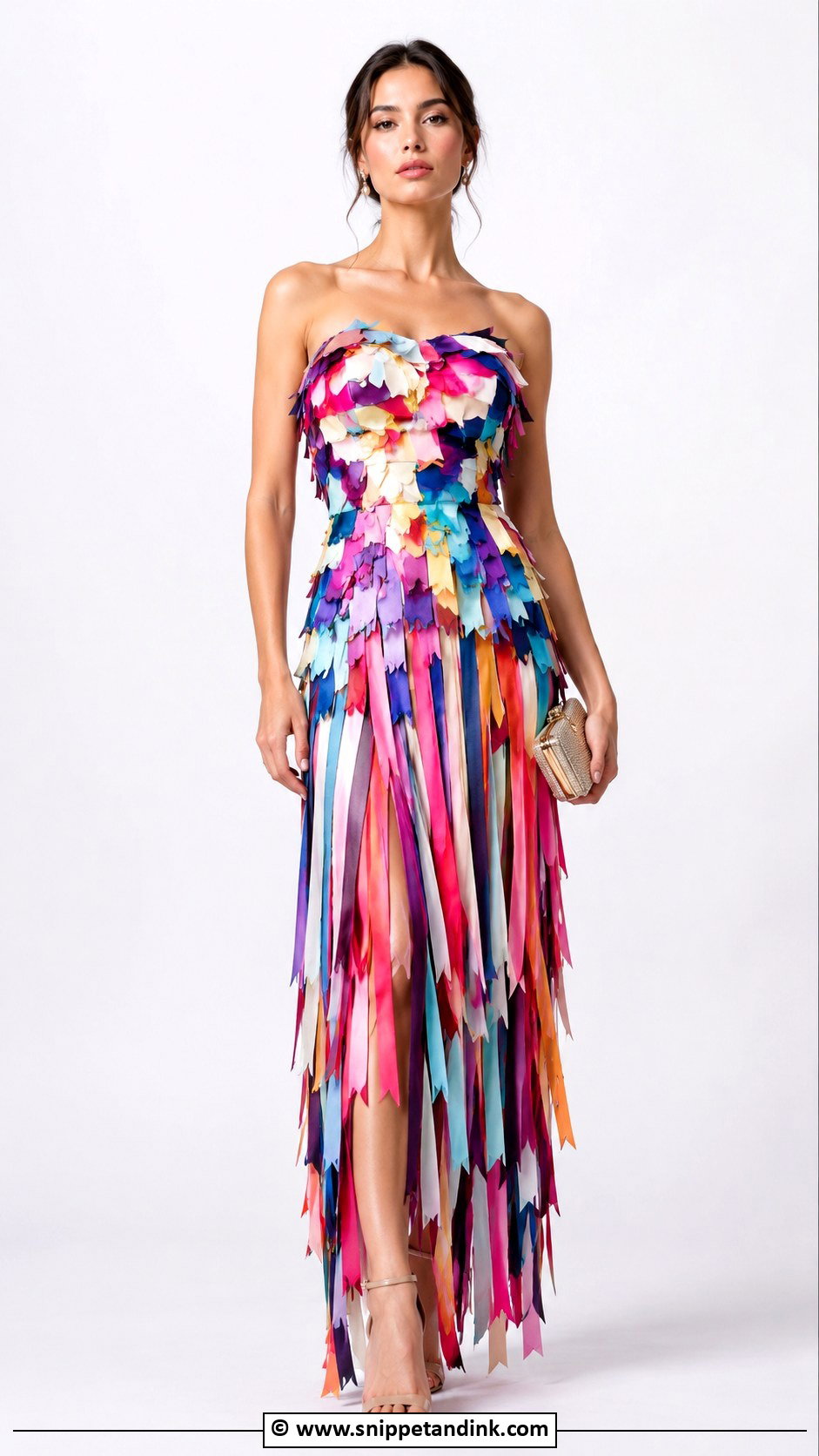
Ribbon scraps turn tiny leftovers into the main feature. Layer them vertically as fringe, weave them into panels or stitch them in rows across a plain base dress. Satin, grosgrain, velvet and organza each give a different surface, so sort them by colour or texture before you start. I’d heat-seal the cut ends of synthetic ribbon so they don’t fray. A fitted bodice with a ribbon-covered skirt is dramatic but wearable, with nude heels and a small clutch.
26. Recycled Suit Jacket Gown

Old blazers and suit trousers can be taken apart into a structured bodice, a long skirt or a tuxedo-style gown. Lapels frame the neckline, buttons mark the waist, and trouser fabric becomes sleek skirt panels. Charcoal, black, navy and pinstripe all look polished. Suit jackets already contain canvas and shoulder pads, which can be reused for structure in the bodice. A fitted waist stops it looking oversized, and pointed heels, a box clutch and small silver jewellery finish it.
27. Recycled Shower Curtain Gown
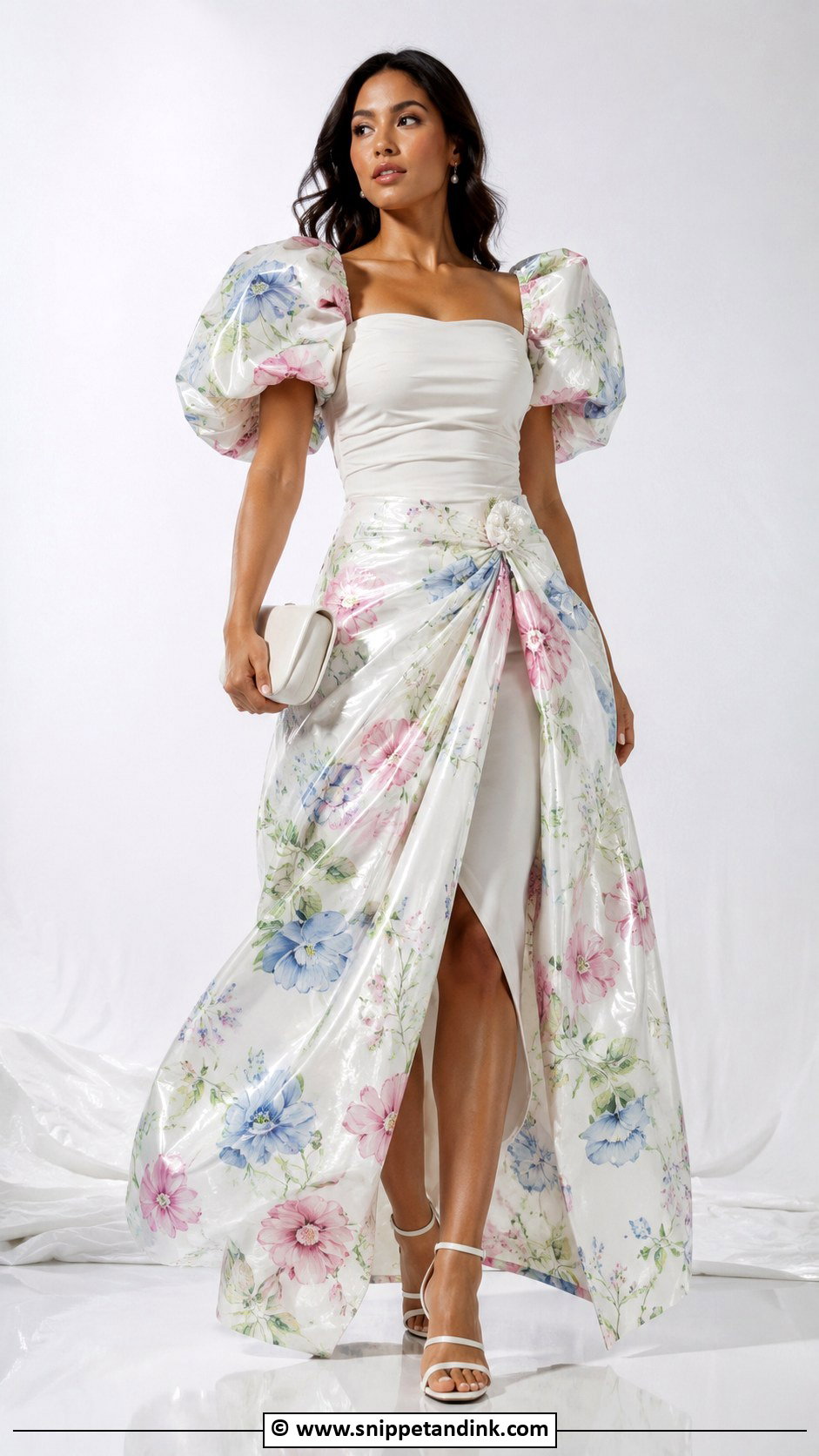
Shower curtains are waterproof and hold shape, so they make good overskirts, capes, puff sleeves and structured panels over a fabric base. Clear, floral, striped or graphic prints all work. Reinforce the seams and don’t fit it tight, since most curtain plastics don’t stretch and can split. Simple sandals, a smooth clutch and minimal jewellery let the print lead in fashion shows and art projects.
28. Recycled Fabric Scrap Gown

Leftover scraps from other sewing projects can become patchwork panels, ruffles, appliqué or a tiered skirt. Choosing a colour palette before sewing keeps it polished: neutrals look elegant, brights artistic and black formal. A simple base dress makes it easier to attach small pieces securely. I’d sort the scraps by fabric weight too, because a chiffon patch next to denim will hang differently. Matching shoes, a clean clutch and understated earrings suit makers who want a one-off look.
29. Recycled Lace Curtain Gown
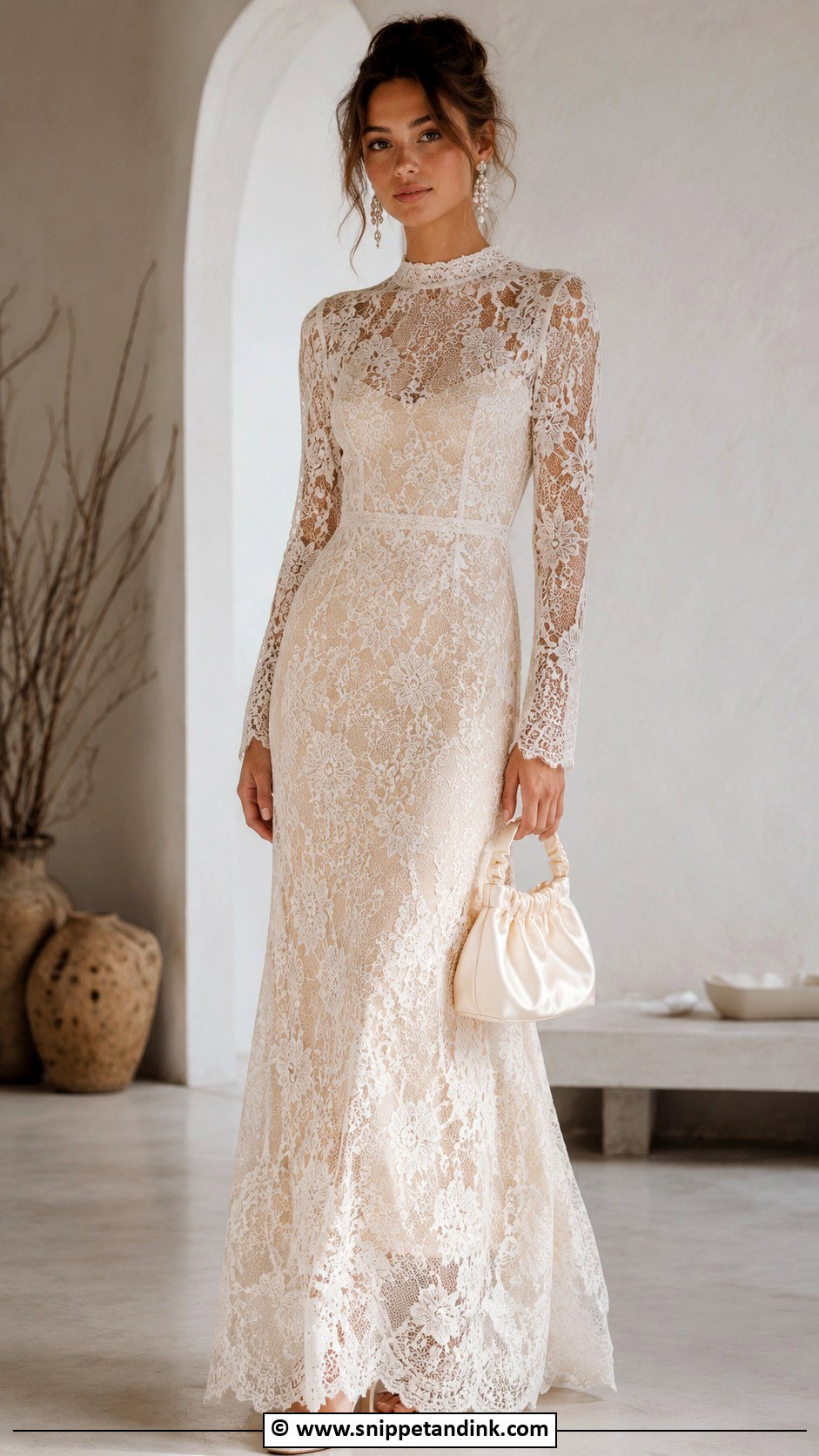
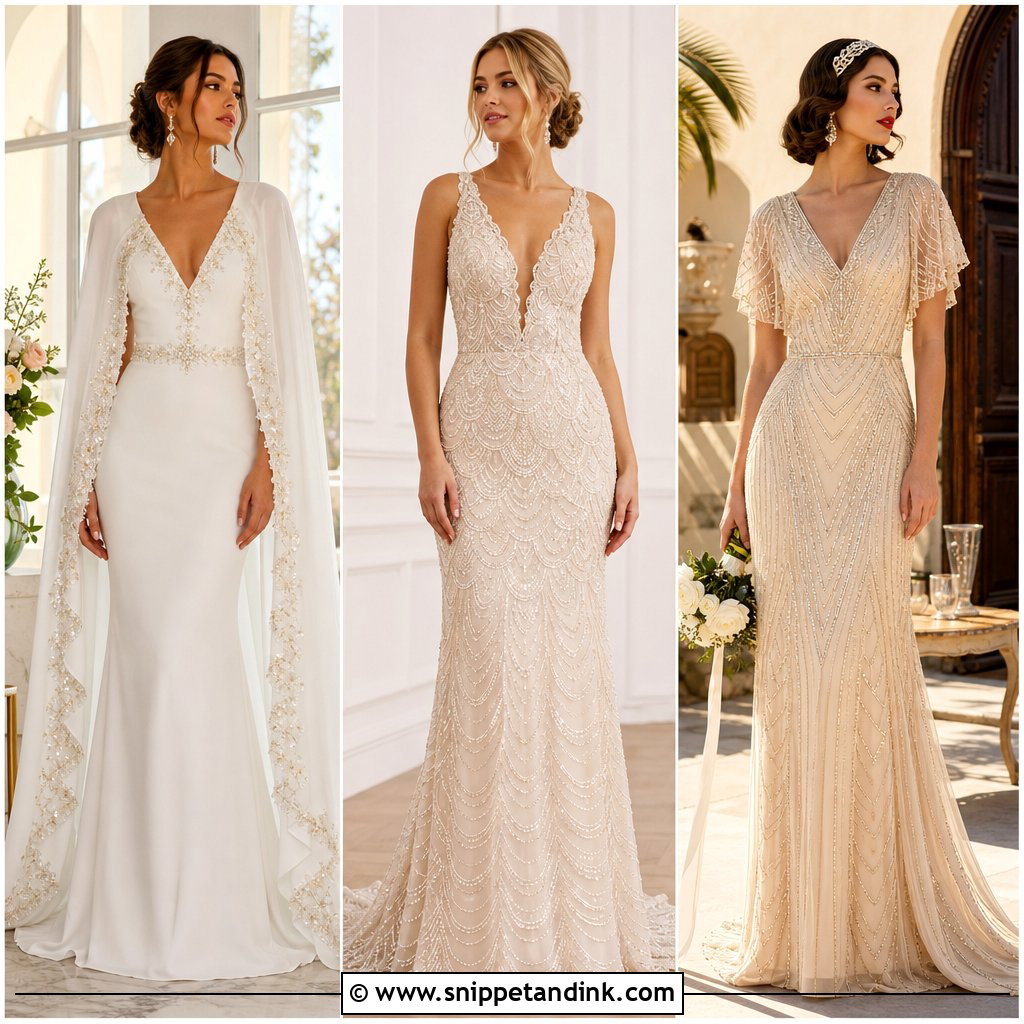
Lace curtains make long sleeves, overlays, capes, skirt panels or a high-neck bodice with very little new material. White and ivory lean bridal; black lace looks dramatic. The lining colour decides whether the lace shows, so test nude, blush, champagne or black behind a corner of it before cutting. Old curtain lace is often stiffened with sizing, which a gentle wash will soften. Low heels, pearl or crystal earrings and a small satin bag complete it.
30. Recycled Ocean Plastic Gown

Recovered plastic, fishing net, rope or recycled PET fabric turns cleanup material into a gown with a message. Use them as trims, overlays, fringe or sculptural panels over a soft base gown, rather than as the full structure. A blue, aqua, silver or white palette keeps the ocean link clear. Wash recovered net thoroughly and check for hooks or sharp fragments before handling. Clear sandals, silver jewellery and a sleek clutch suit awareness campaigns and eco runways.
Can a Paper or Plastic Gown Last a Whole Evening?
Usually yes, if you plan for the ways it can fail. Paper softens with body heat and humidity, plastic splits where it bends, and anything glued can let go once the room warms up. Sewing or riveting decorative pieces onto the base holds far longer than tape or a glue gun.
Rehearse the practical moments: sitting on a chair, climbing steps, going to the bathroom, hugging someone. If the skirt is rigid, design a way to lift or unclip it. Transport the gown flat or hung inside a large box rather than folded in a bag, and dress at the venue if you can.
A small repair kit to carry
- Safety pins and a needle already threaded in the main colour
- Clear tape and double-sided tape for paper panels
- A few spare petals, tabs or panels made from the same material
- Small scissors and a nail file for snagged plastic edges
Clean Materials, a Planned Shape, Reinforced Seams
Upcycled gowns work when the material is treated as fabric to design with, not just waste to use up. Newspaper, denim, sarees, curtains, lace, plastic, quilts, shirts and scraps can all become something worth wearing. The process is the same each time: clean the materials, plan the silhouette, reinforce the weak spots and keep the accessories in support. Fashion show, school project, formal event or photo shoot, a well built recycled gown looks original in its own right.
You'll Like These Ideas:



Leave a Reply