
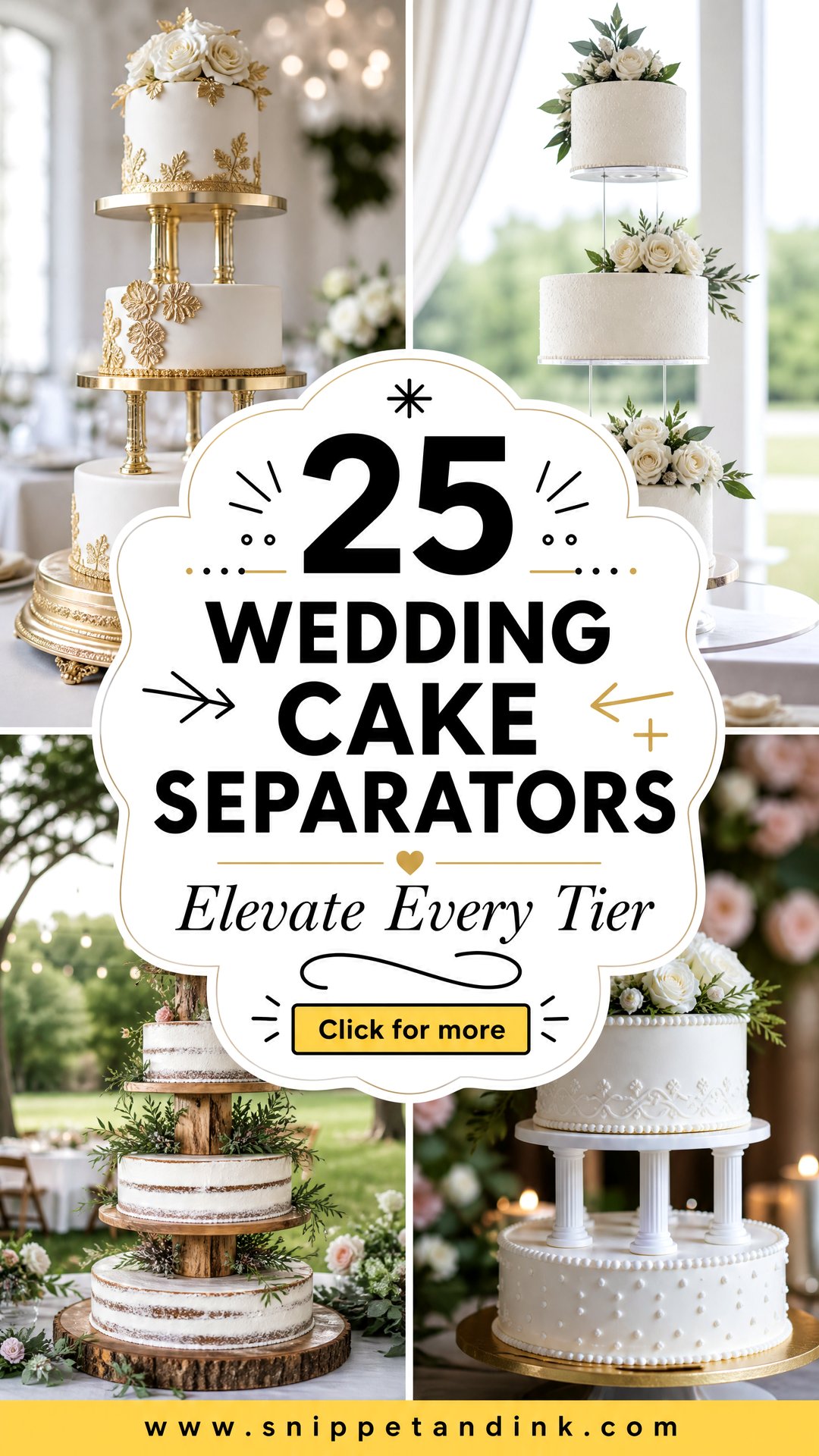
A separator is the gap between two tiers, and it changes a cake more than almost any decoration I can pipe on. It adds height without adding sponge, gives flowers somewhere to sit other than glued to the frosting, and lets a modest three-tier cake hold its own in a big room. It’s also a structural decision, which is the part most inspiration photos skip. Below are the separator styles I get asked about most, with what each one needs from the cake around it, so you can walk into your consultation knowing what to ask for.
What Actually Holds the Top Tier Up
A separator never carries a cake on its own. Underneath every tier sits a cake board, and inside the tier below there are dowels or straws cut to exactly the height of the sponge. Those supports take the weight down to the board beneath, so the cake itself isn’t squashed. The separator then sits on top of that supported surface.
For tall or floating designs, many bakers add a central rod that runs through several tiers, or use a commercial support system with plates and legs. That’s the part you won’t see in photos and the part that matters most.
Questions worth asking
- How is each tier above the separator supported, and is there a central support?
- Is the separator yours to keep, or rented and due back after the wedding?
- Does the gap change how many servings I’m paying for?
- Can the venue table take the full weight without sagging in the middle?
1. Acrylic Wedding Cake Separator
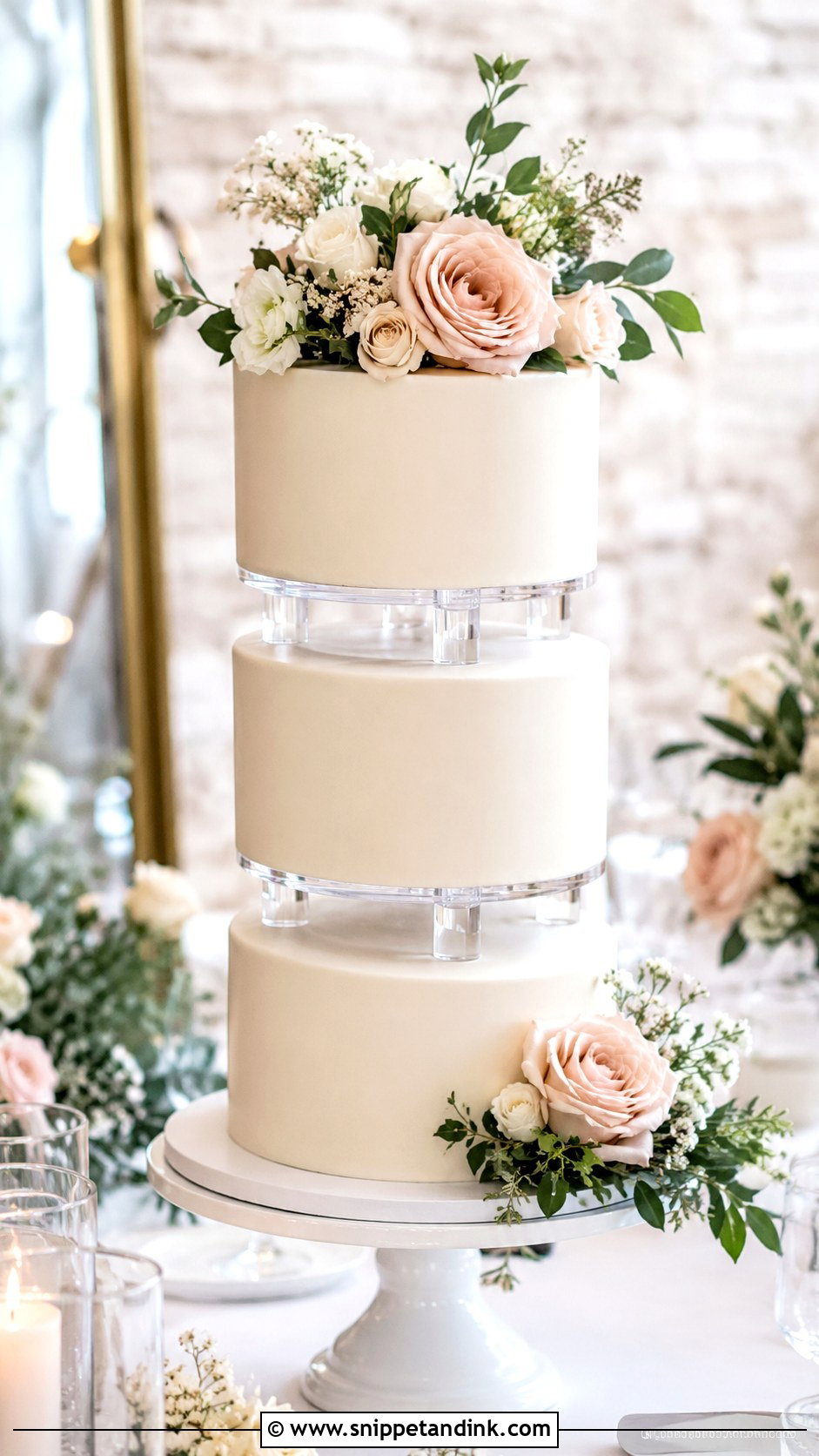
Acrylic is the separator I use most because it adds height and almost disappears. An acrylic wedding cake separator can be left empty or filled, and both read as modern. What clients don’t see is the board and dowels under the upper tier; the acrylic only carries the weight if the tier above is properly supported. Cheap acrylic scratches easily, and those scuffs show up under flash, so I check every piece before it goes out.
2. Clear Wedding Cake Separator
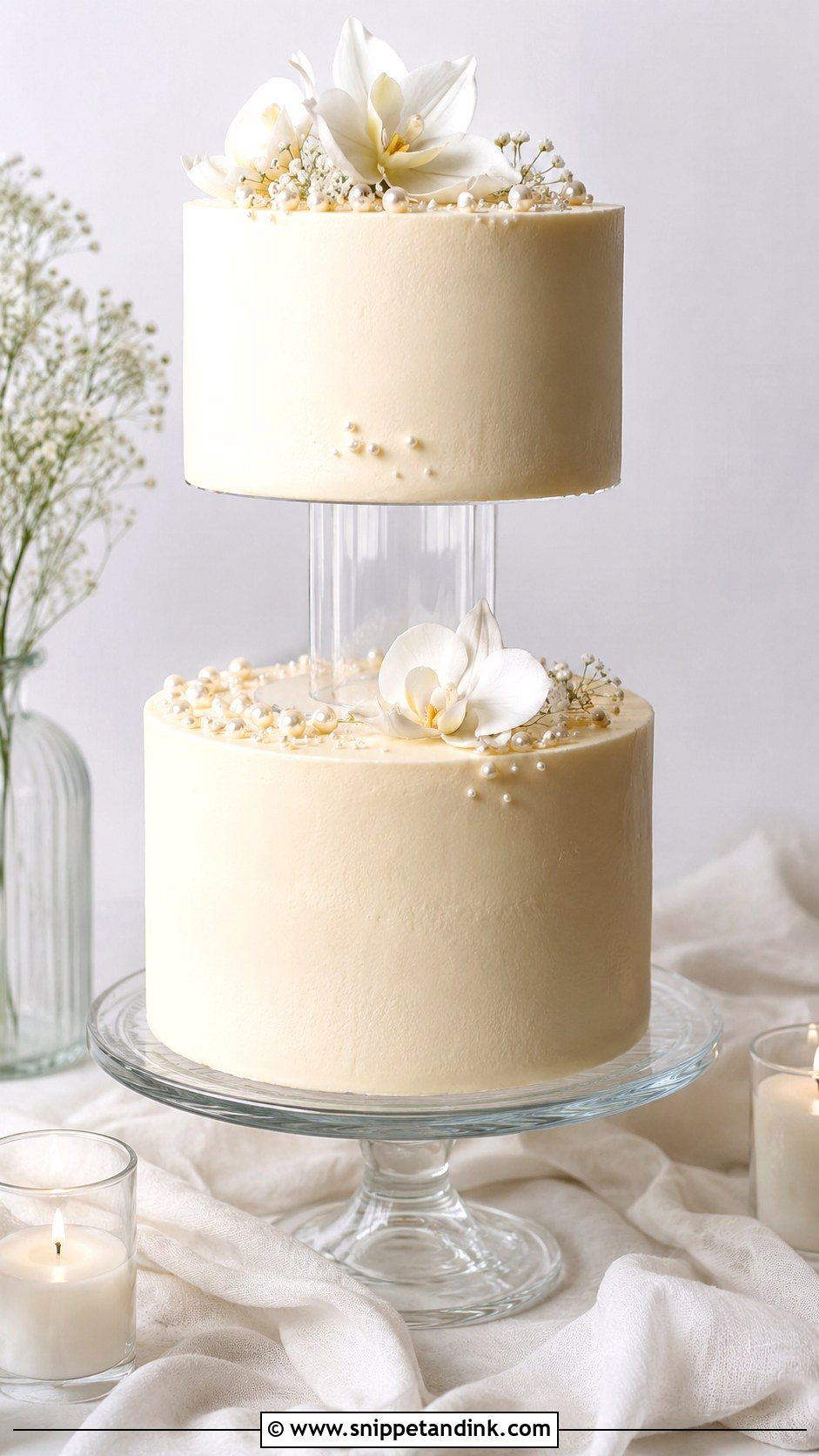
A fully clear gap works when the cake design itself is quiet: white on white, fine piping, a few flowers at each base. Height is the decision I spend the most time on. A gap that’s too shallow looks like a mistake, as if the tiers weren’t stacked properly; one that’s roughly half the height of a tier usually looks deliberate. Bright rooms and daylight show clear separators at their best, since the light passes straight through them.
3. Floral Wedding Cake Separator
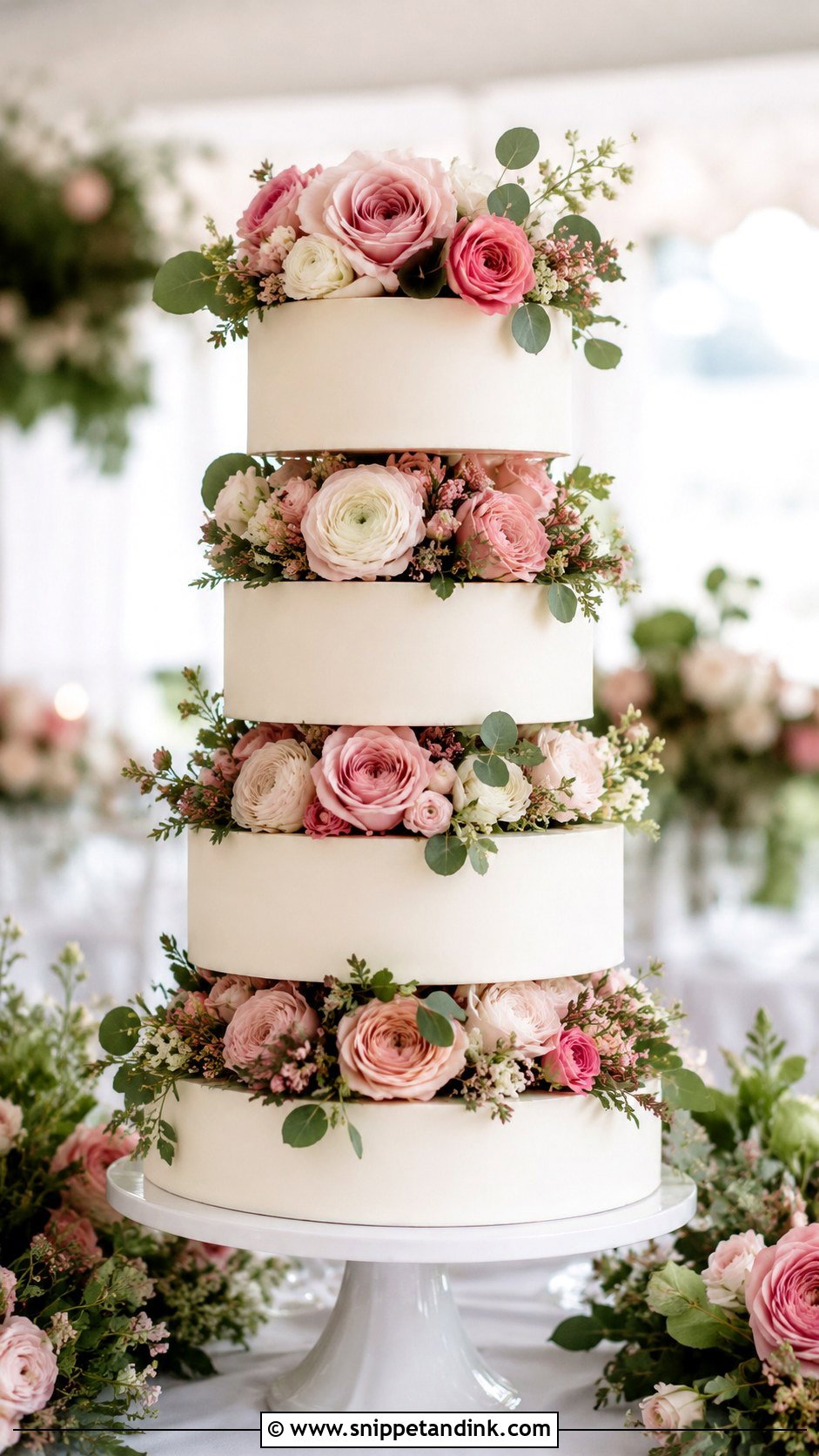
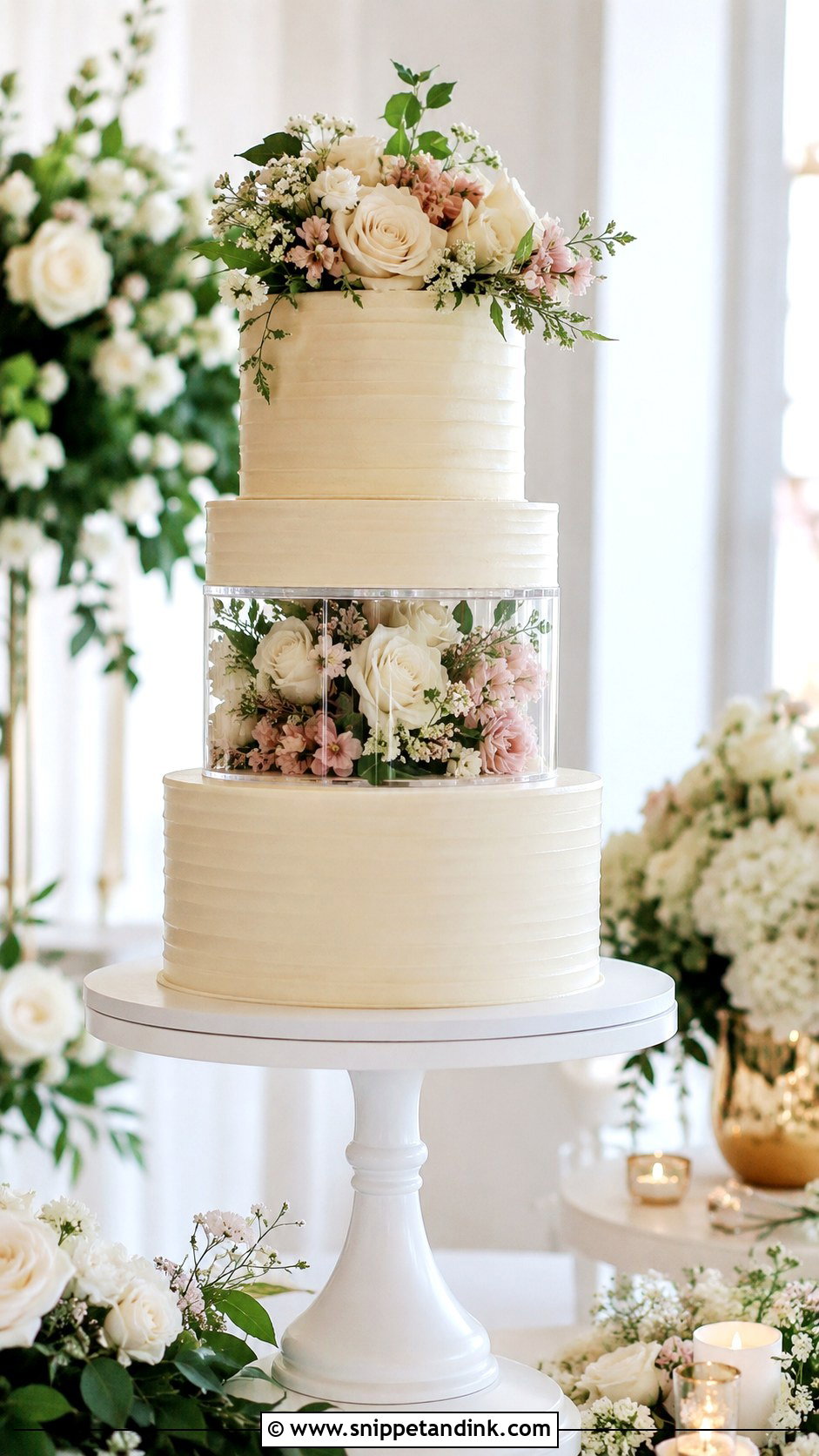
Putting flowers inside the gap rather than pushed into the frosting is one of my favorite ways to use fresh stems, because they never touch the cake. Match them to the bouquet so the cake looks like part of the same floral plan. I still insist on a barrier under any stems and ask the florist to choose varieties that hold up for hours out of water; roses and spray roses behave, while some delicate blooms wilt by the time dessert is served. Ivory buttercream around the flowers keeps the color where it belongs.
4. Gold Wedding Cake Separator
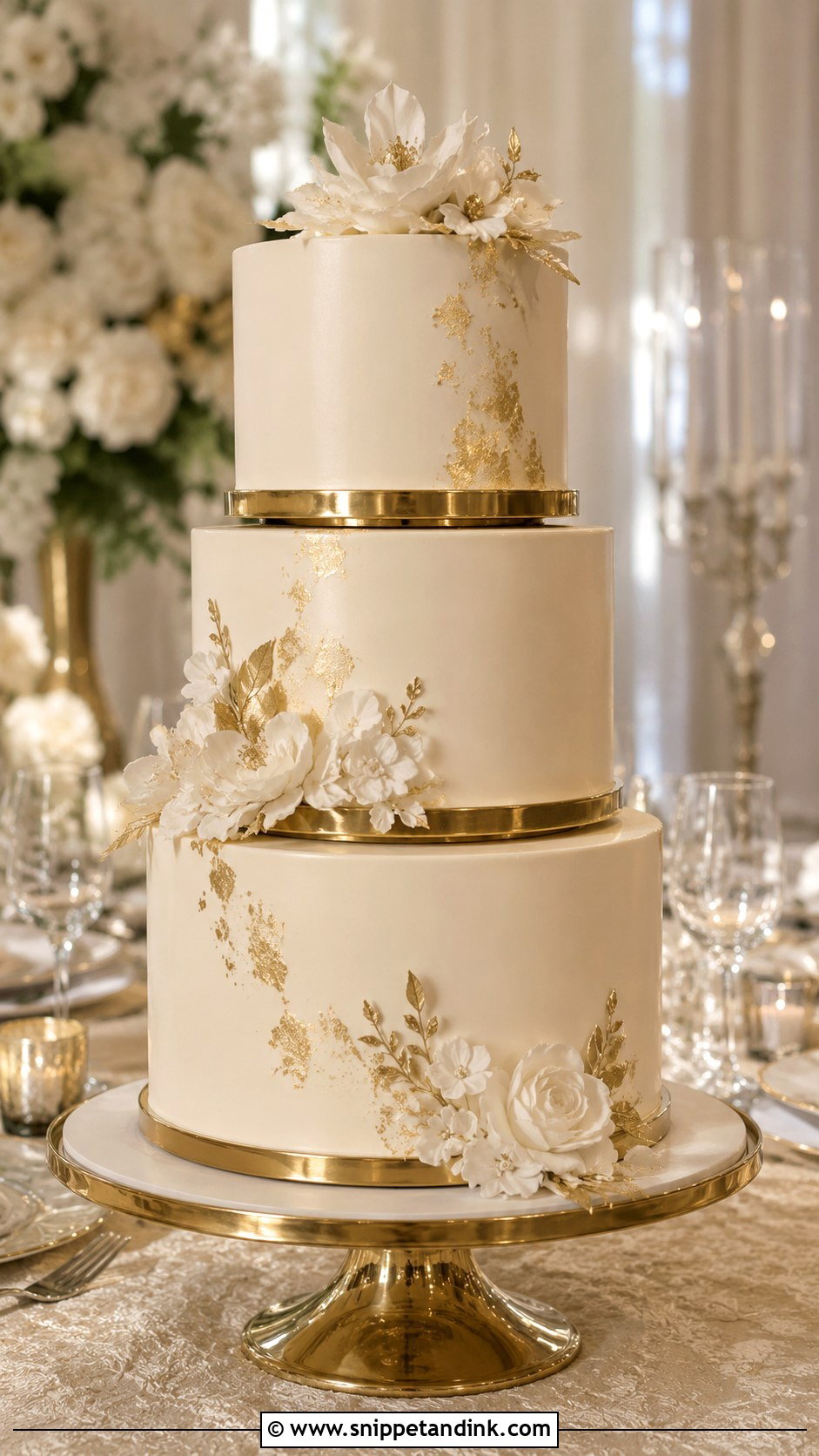
Gold changes the formality of a cake almost instantly, which is why I suggest holding back everywhere else. A gold hoop or gold-rimmed acrylic next to plain ivory frosting looks considered; add gold leaf, gold piping and a gold topper and it starts to look like a jewelry display. Metallic finishes on separators also vary from warm yellow gold to cool champagne, so I compare them against the invitation or the table flatware before ordering. Ballrooms and evening receptions suit it best.
5. Floating Wedding Cake Separator
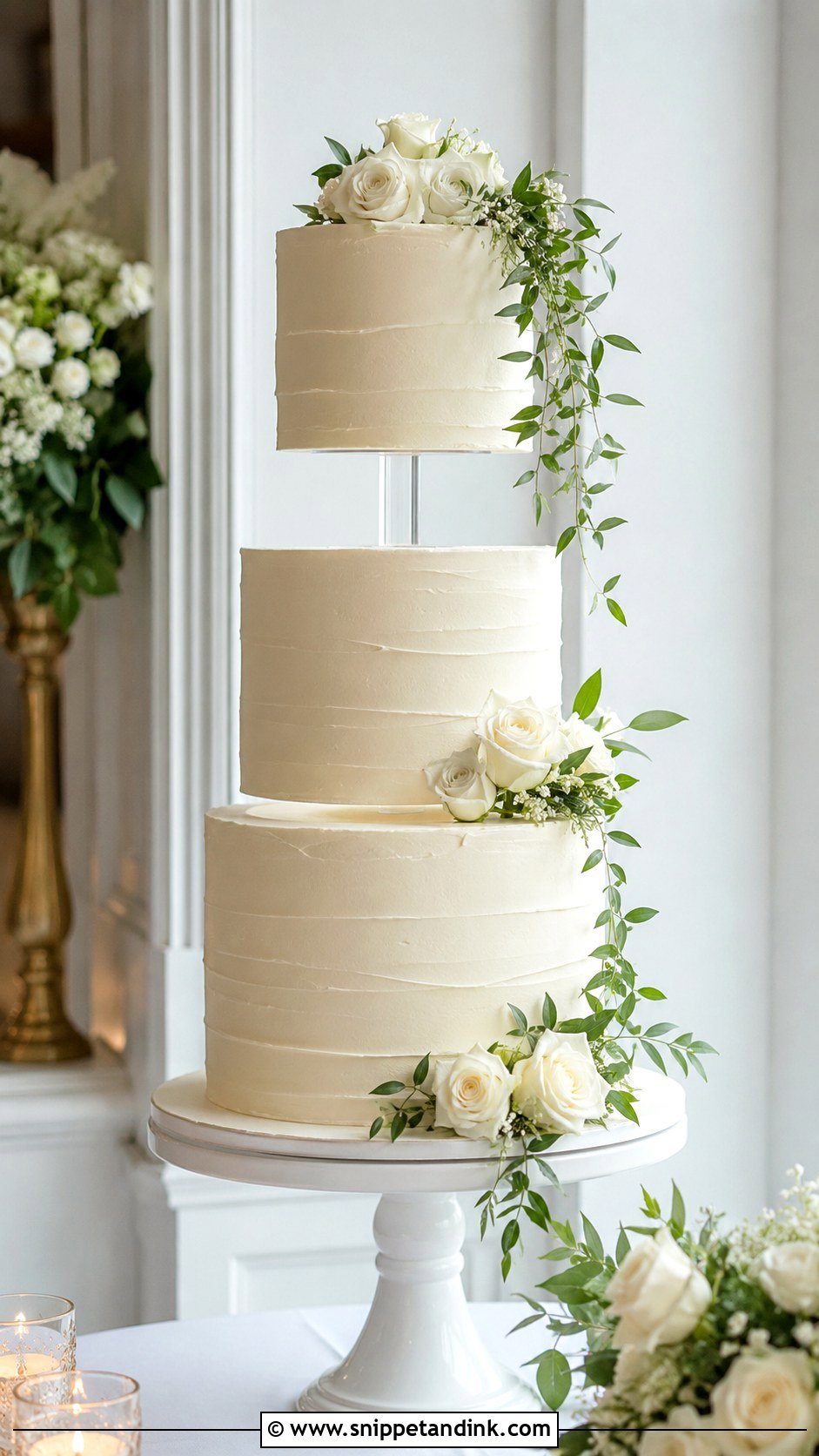
The floating effect is a structural trick, not magic. Usually there’s a hidden central support or a clear riser that the eye skips over, and clear acrylic risers are the most common way to get it. Because the gap is the design, the tiers should be clean and very level; any lean shows instantly against an empty space. Spotlighting from one side makes the float more convincing. I wouldn’t put this on an uneven outdoor table.
6. Pillar Wedding Cake Separator
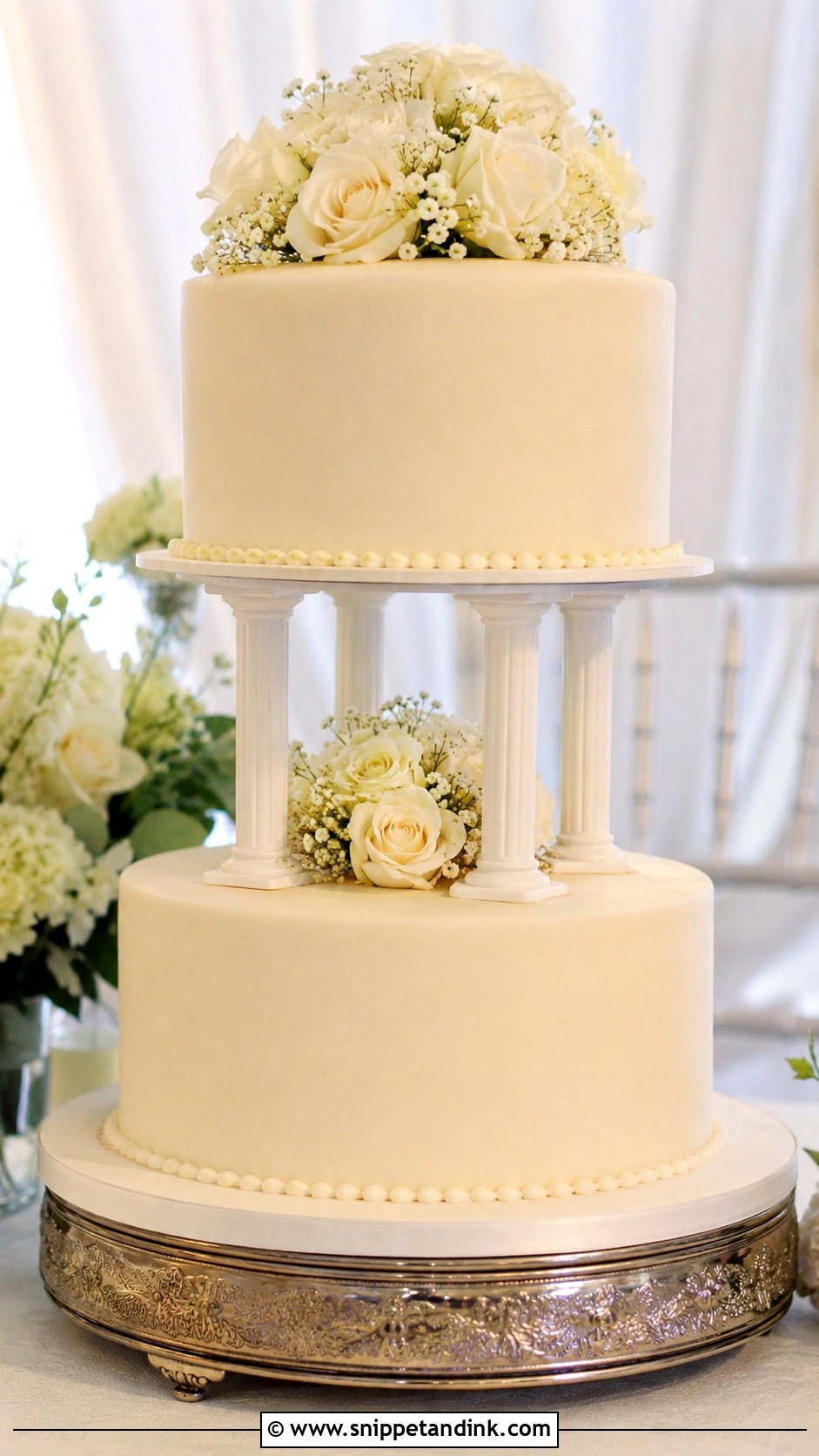
Pillars are the original separator, and they’ve had a quiet comeback. Older plastic pillar sets look dated to most couples now, but slimmer columns in clear acrylic or a soft metallic finish feel current. Each pillar pushes into dowels set in the tier below, so the tier above sits on its own board with weight spread across several points. That makes them sturdy, which is why I like them for heavy tiers. Smooth frosting and a restrained floral palette keep them from looking like a reproduction of a 1980s cake.
7. Crystal Wedding Cake Separator
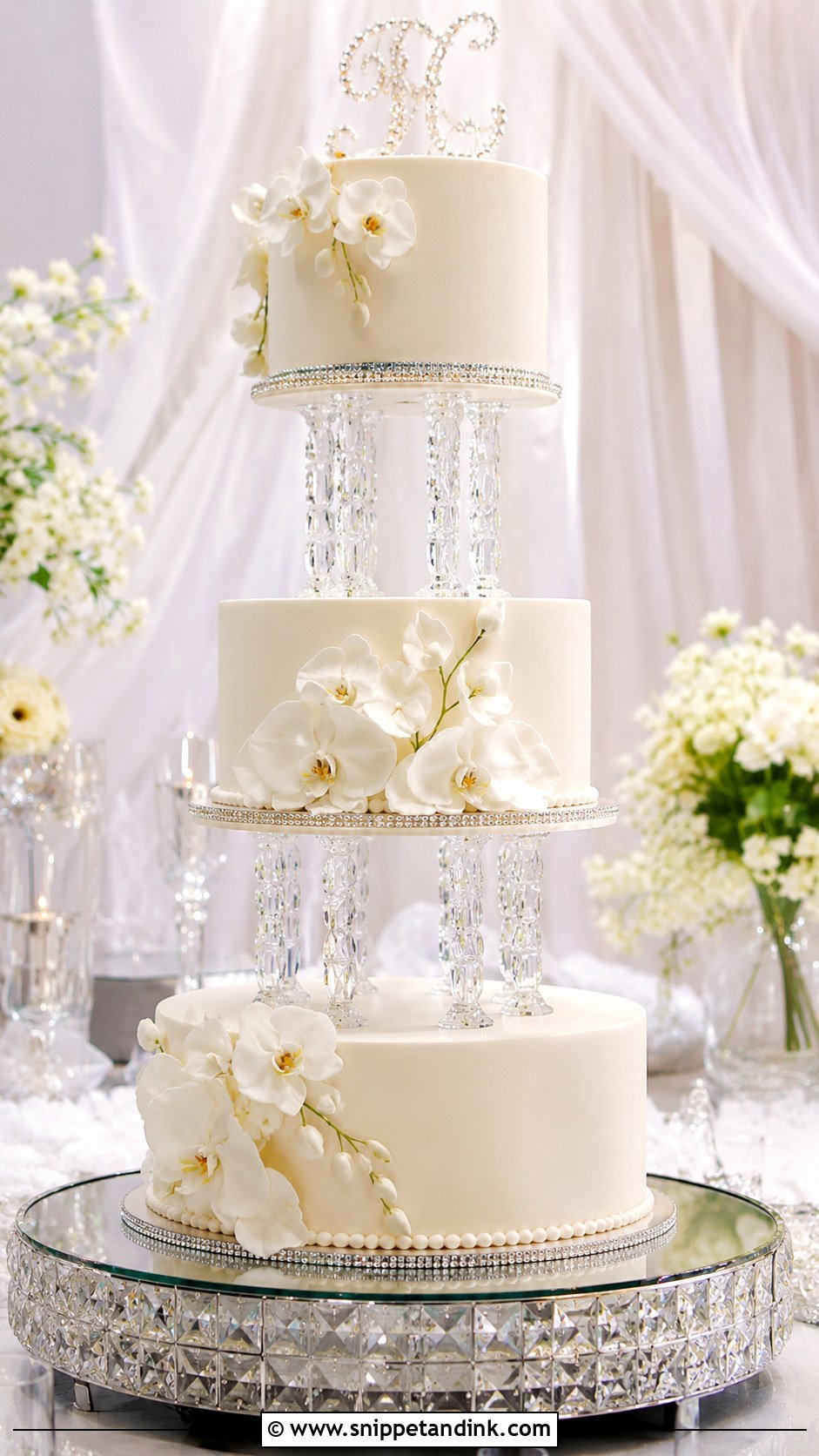
Crystal separators catch light, so they come alive in evening receptions with candles or uplighting and look ordinary in flat daylight. The real ones are heavy, which is worth discussing with your baker because weight adds up on a stacked cake. Rhinestone bands and crystal-effect acrylic are lighter alternatives. I keep the frosting plain white or ivory when a separator sparkles; sugar flowers in one color are about all the cake needs beside it.
8. Pearl Wedding Cake Separator
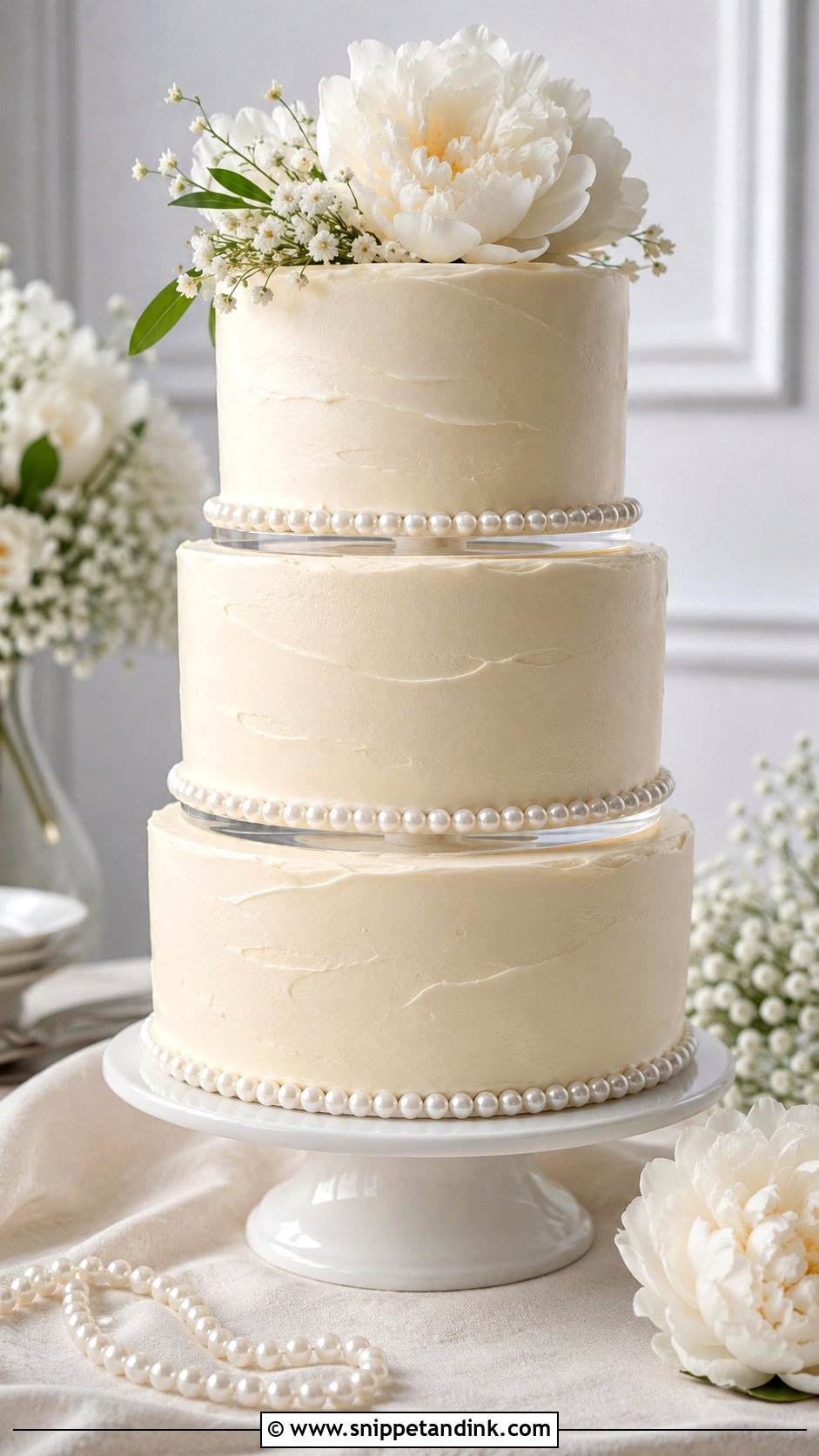
Pearls suit couples who want detail without color. They can be strung around the separator edge, set inside a clear tier, or used as a band at the base of each layer. Spacing is what separates a polished result from a messy one, so I place them one at a time rather than pressing a strand on. Satin-finish fondant and lace textures sit naturally beside pearls. Even a two-tier cake looks finished with a single pearl band in the gap.
9. Hoop Wedding Cake Separator
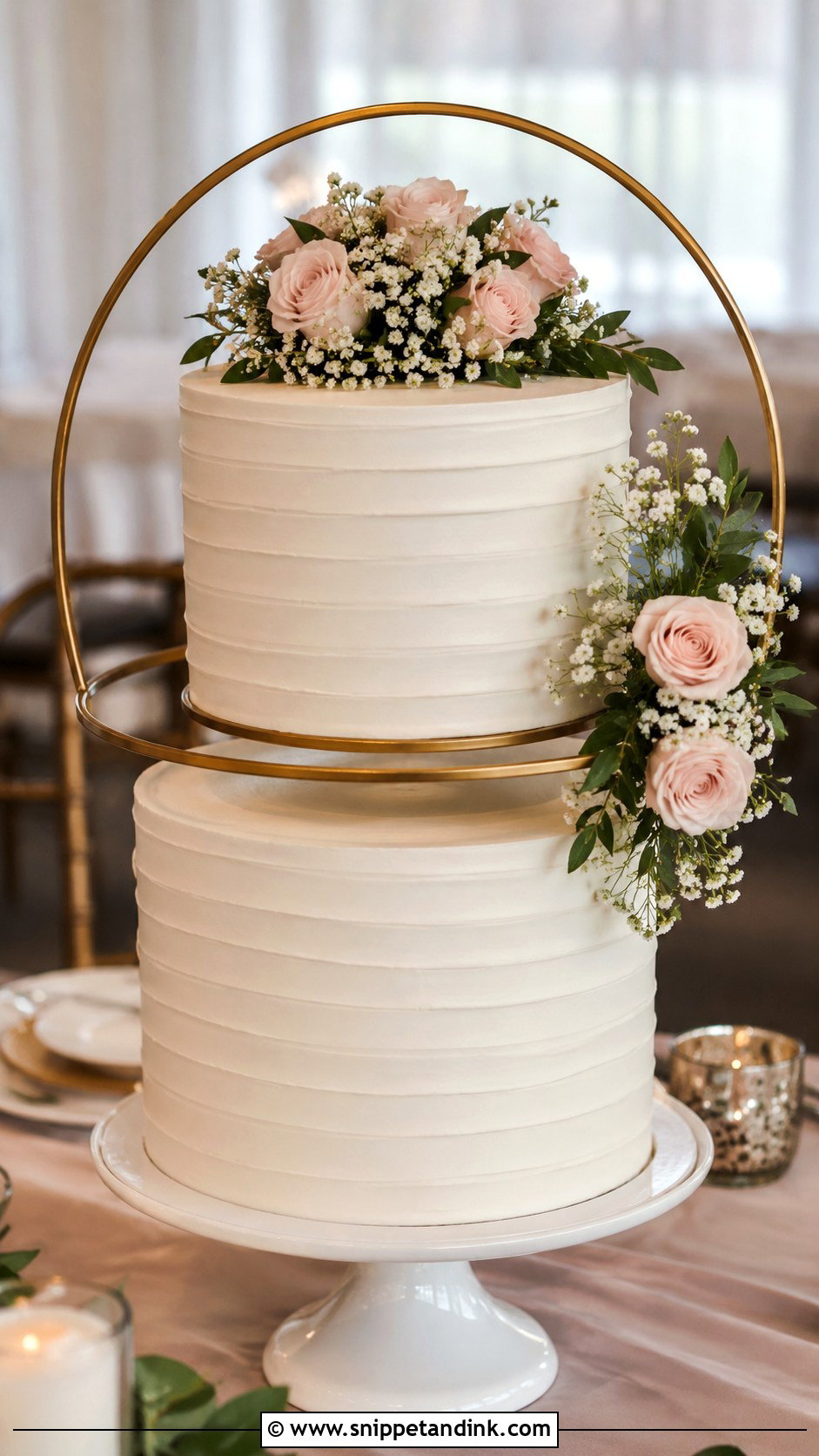
A hoop separator adds a curved line that the rest of the cake doesn’t have, and that contrast is why it works. Some hoops sit between tiers; others stand behind the cake as a frame, which is really a backdrop rather than a separator. Flowers should go on one side only, never all the way round, or the circle disappears. Hoops are usually rented from the baker or a prop supplier, so ask about returns and deposits early. Gold is the most requested finish, though white and wood both suit softer weddings.
10. Geometric Wedding Cake Separator
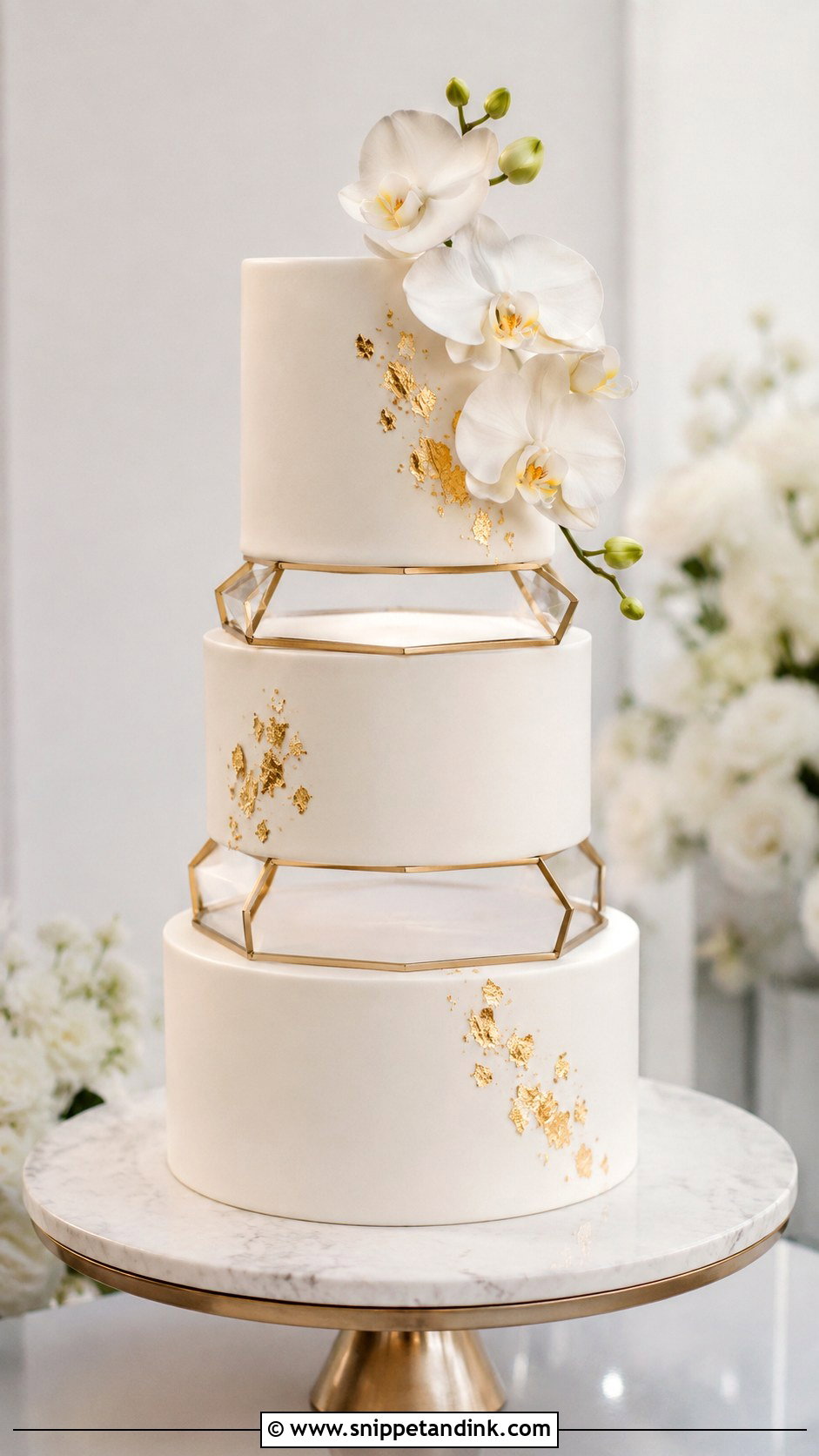
A geometric wedding cake separator works best when it contrasts with round tiers instead of repeating their shape. Hexagon risers and angular gold frames bring the edge; the cake brings the softness. Sharp-edged fondant or a very smooth ganache finish suits this look better than textured buttercream, which can look unfinished next to clean lines. One cluster of white flowers near the angle is plenty.
11. Square Wedding Cake Separator
Square separators on square tiers look crisp and very formal, but square cakes are harder to finish well; corners show every bump in the frosting. Pairing a square riser with round tiers is the easier route and adds contrast. Flowers in tight clusters keep the shape sharp, while a trailing cascade blurs it. A square block also gives the baker extra height without making the edible tiers larger.
12. Round Wedding Cake Separator
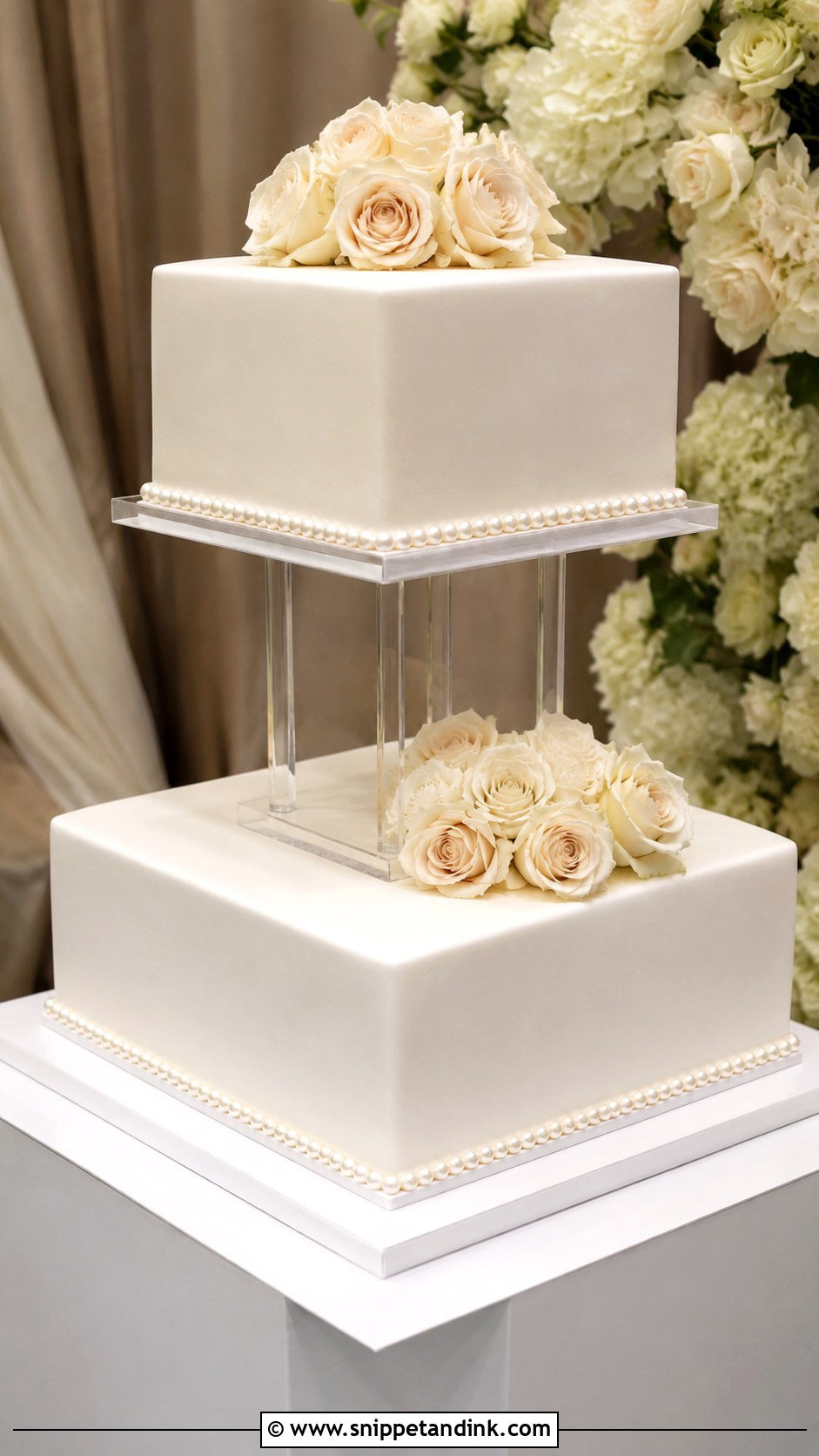
Most of my separators are round, because most wedding cakes are round and a round gap lets the cake stay the star. It can be clear, white, pearl-edged or packed with flowers, and none of those fight the overall shape. The proportion question matters most here. I size the separator to sit just inside the tier above it, so the cake looks stacked rather than perched. Too narrow and the upper tier looks like it’s balancing on a stick.
13. Tall Wedding Cake Separator
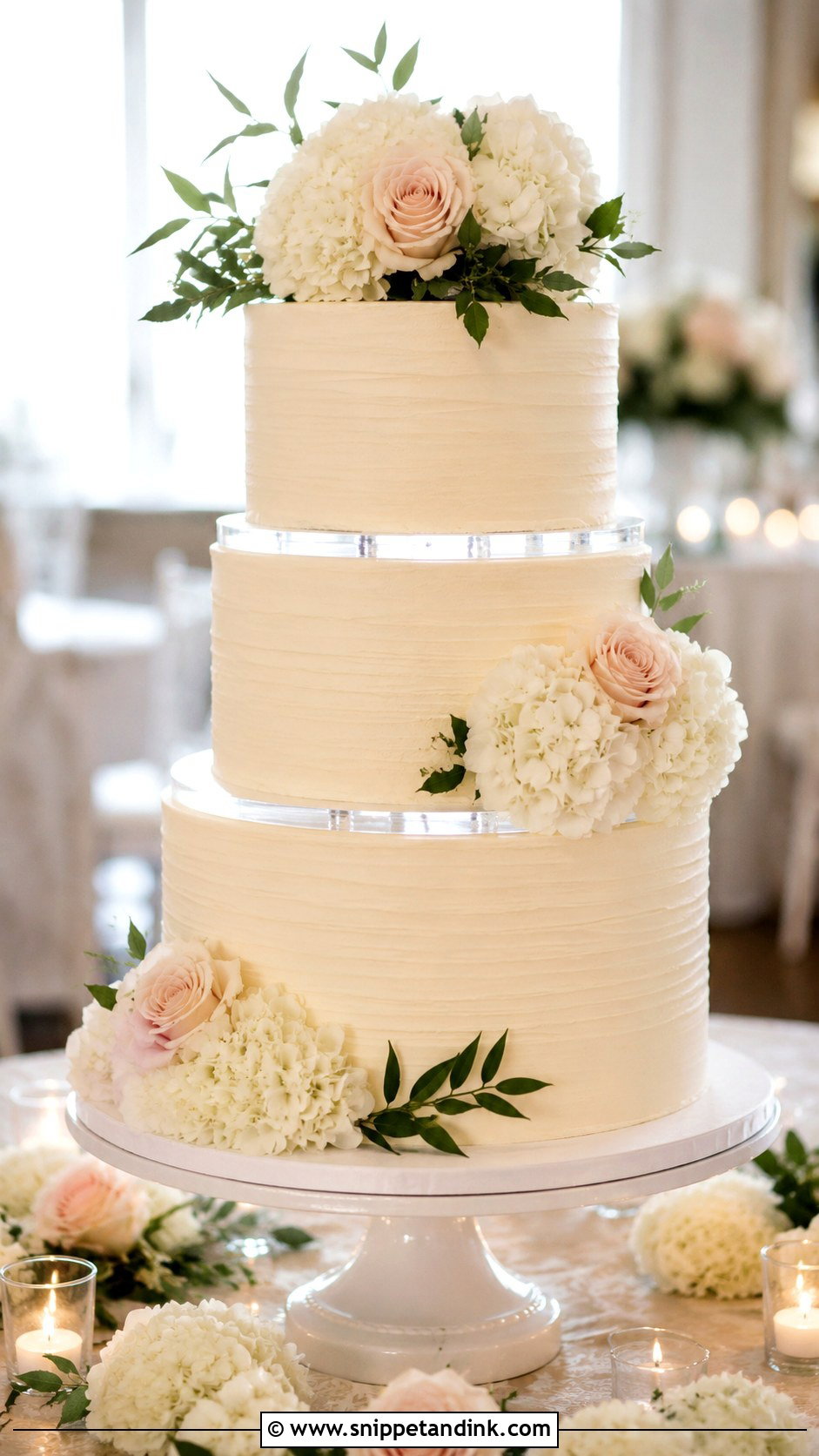
A tall separator is the cheapest way to make a cake look bigger: a three-tier cake can read like a grand five-tier display without feeding a single extra guest. Tall gaps carry more risk, though. The upper tiers sit higher, so the center of gravity rises and any wobble in the table gets amplified. I’d only go very tall with a central support running through the whole cake and a solid table. Filling the space with flowers helps it look intentional.
14. Short Wedding Cake Separator
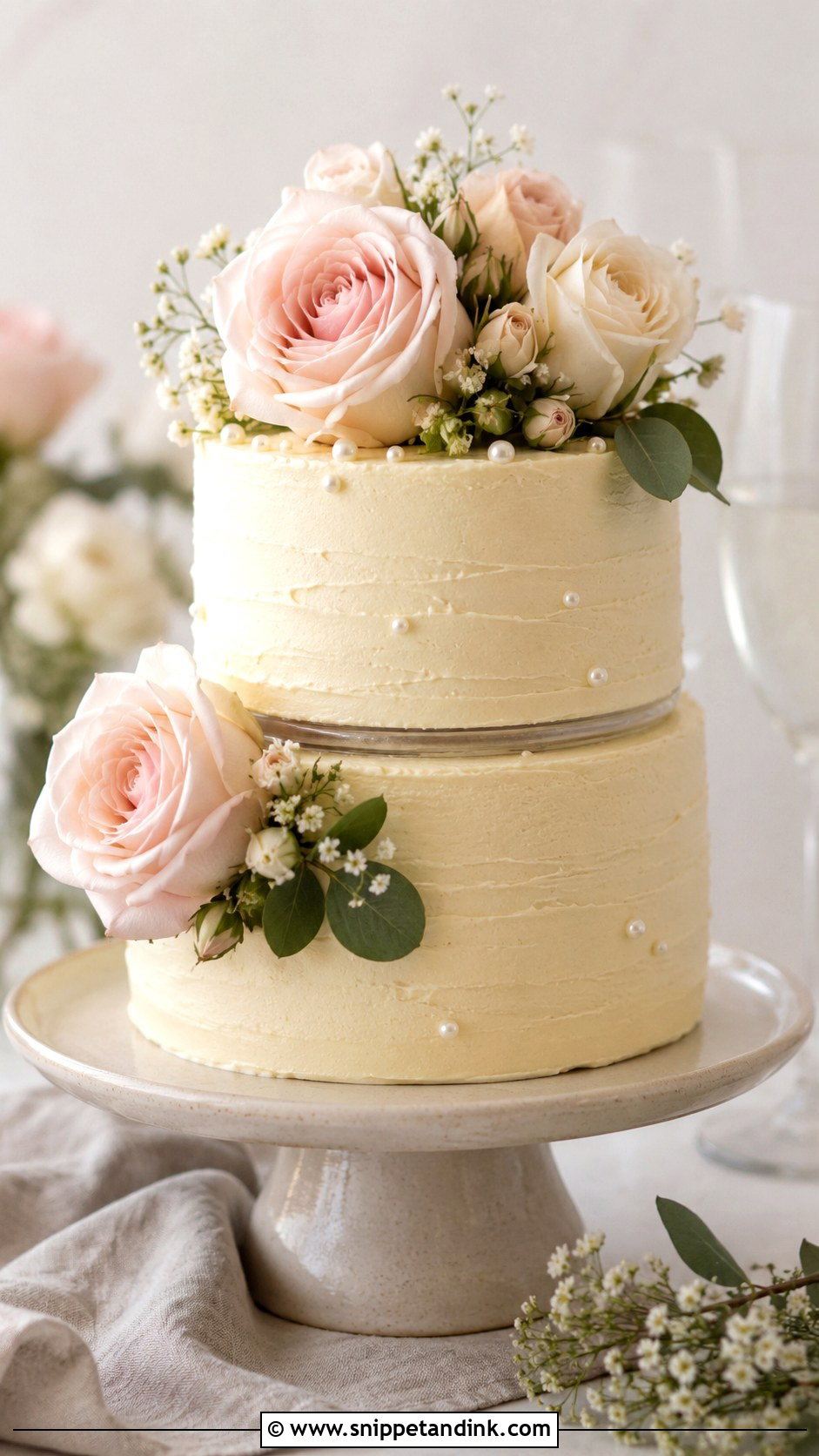
Short separators give a little air between tiers without turning the cake into a sculpture. They’re easier to blend into a classic design, and they’re far more forgiving structurally than tall ones. A low pearl-edged or gold-rimmed riser often looks better on an intimate cake than a dramatic gap, which can make a small cake look sparse. This is my usual suggestion for a couple who likes the separator idea but feels nervous about a showpiece.

15. Flower Filled Wedding Cake Separator
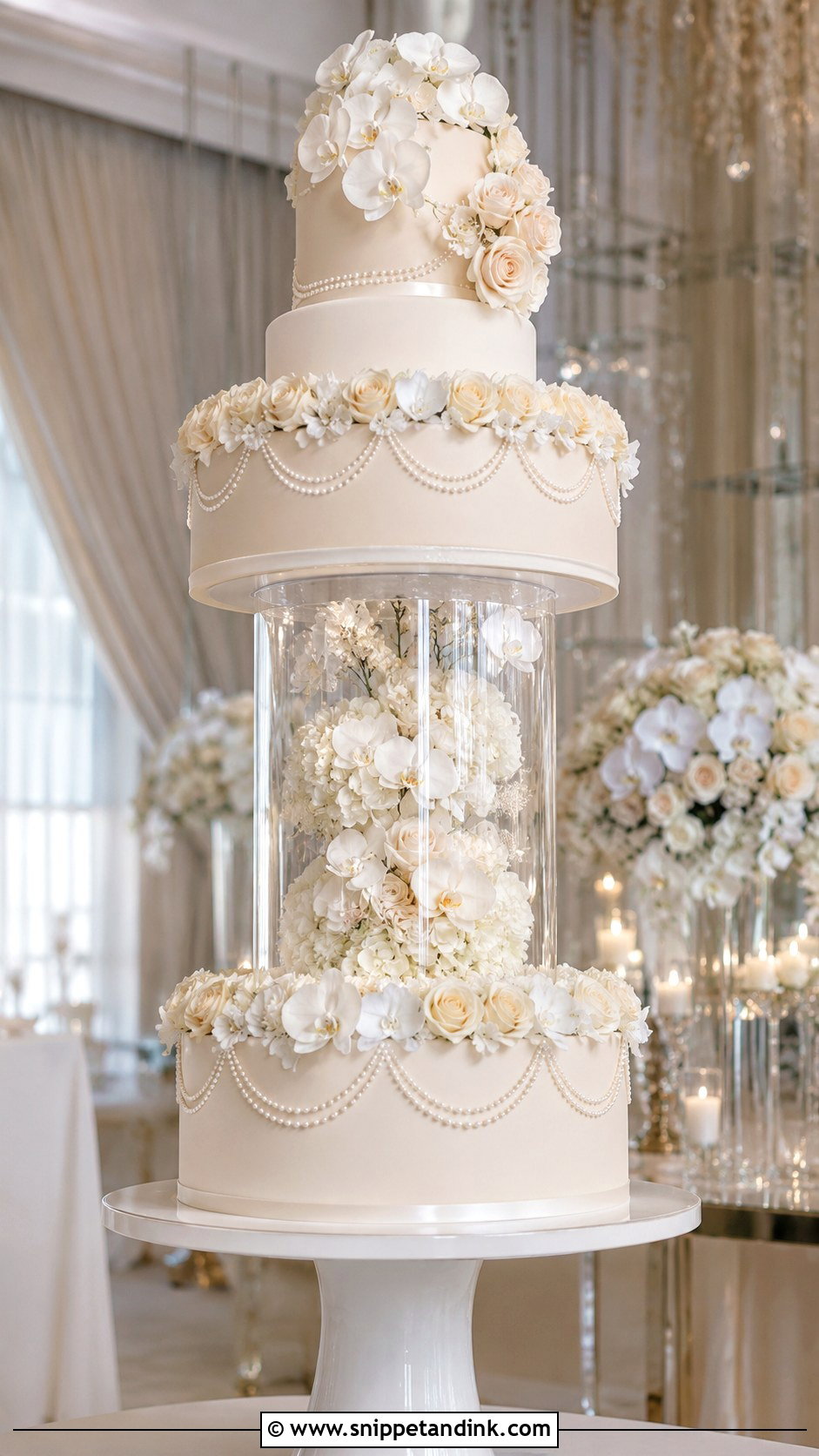
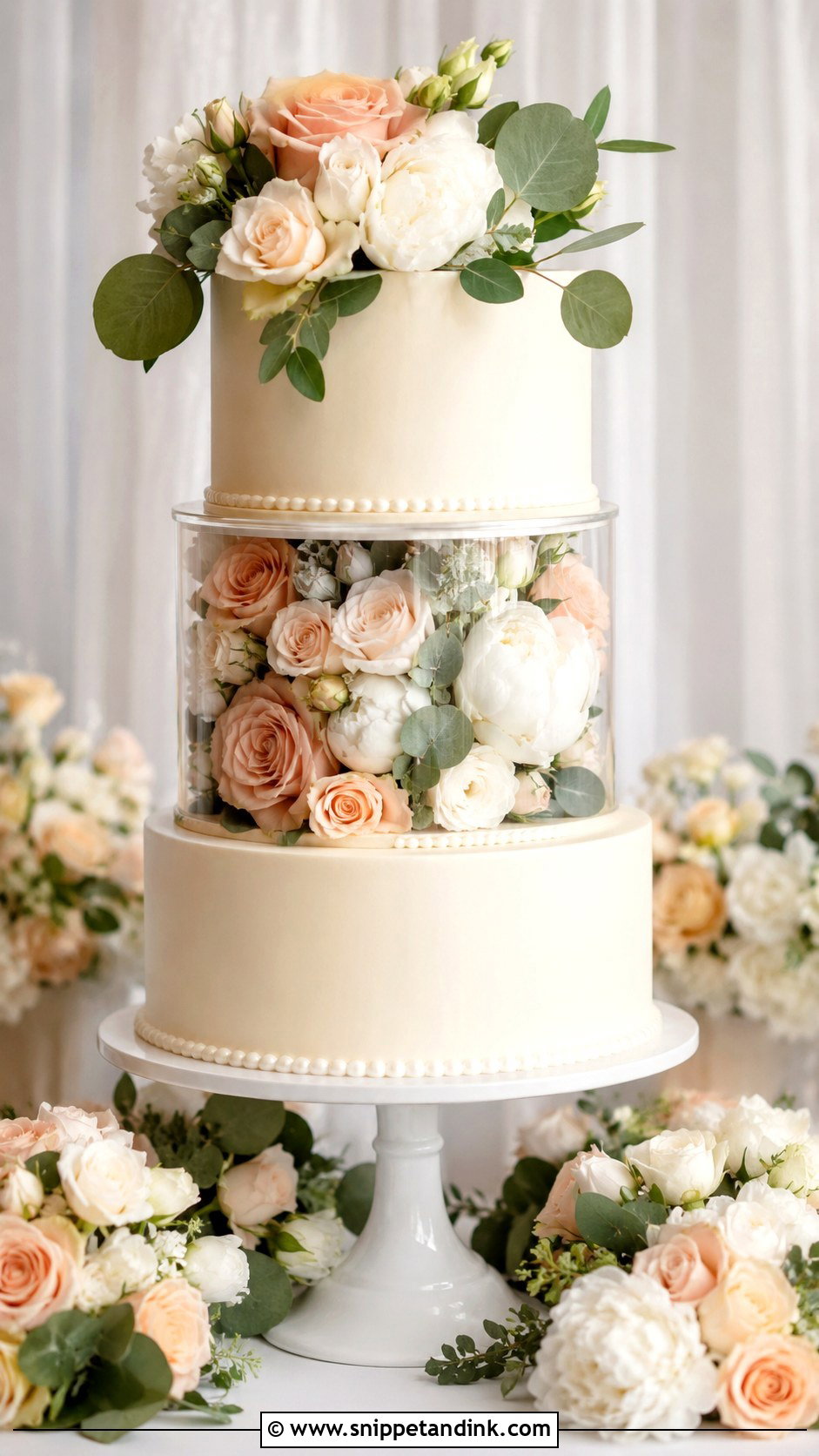
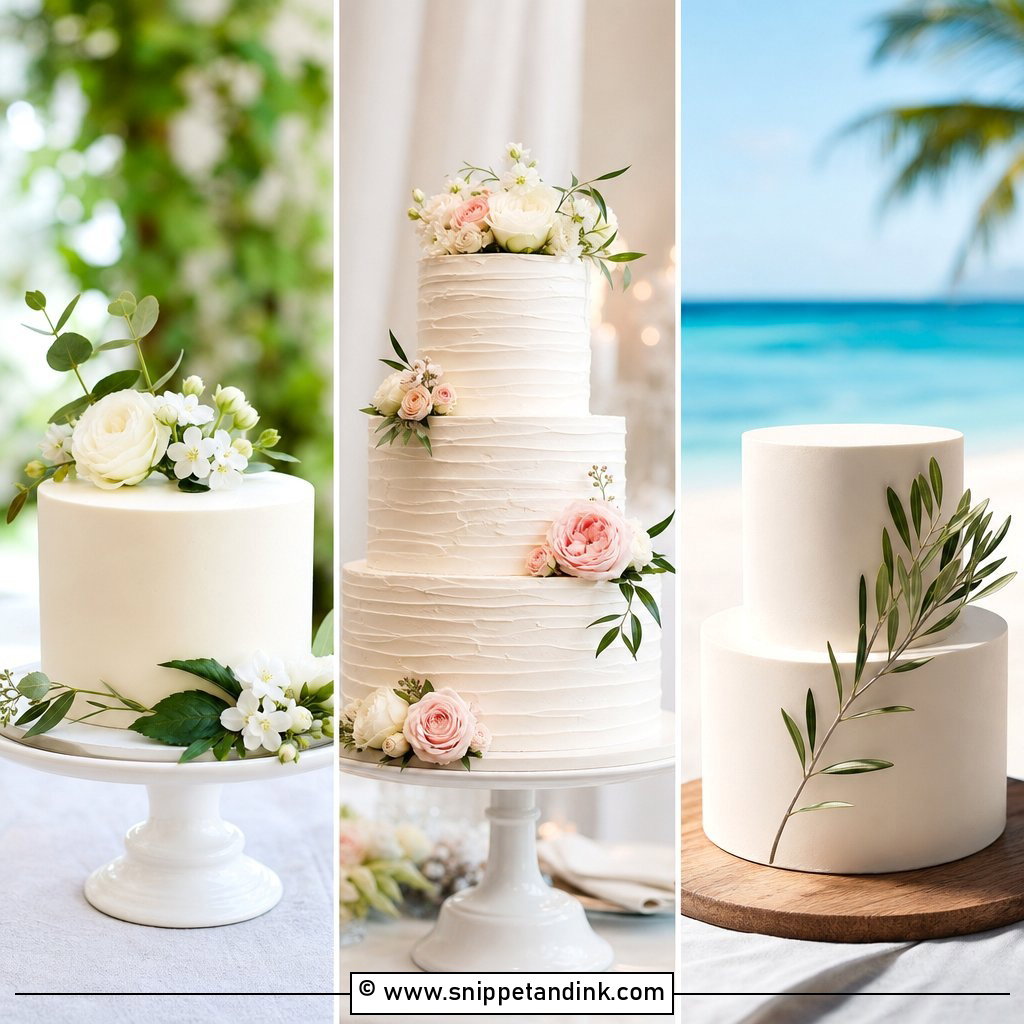
Filled acrylic boxes or cylinders show the flowers from every side, and that’s the appeal: the blooms look protected inside the structure. Florists usually prepare these with stems in water tubes or wet foam hidden at the center, so the flowers last through the evening. Condensation can fog a closed acrylic box in a warm room, which is worth testing at the trial. Smooth frosting on the tiers keeps the box as the focal point. I’d have the florist pack it and the baker set it, so each handles what they know.
16. Greenery Wedding Cake Separator
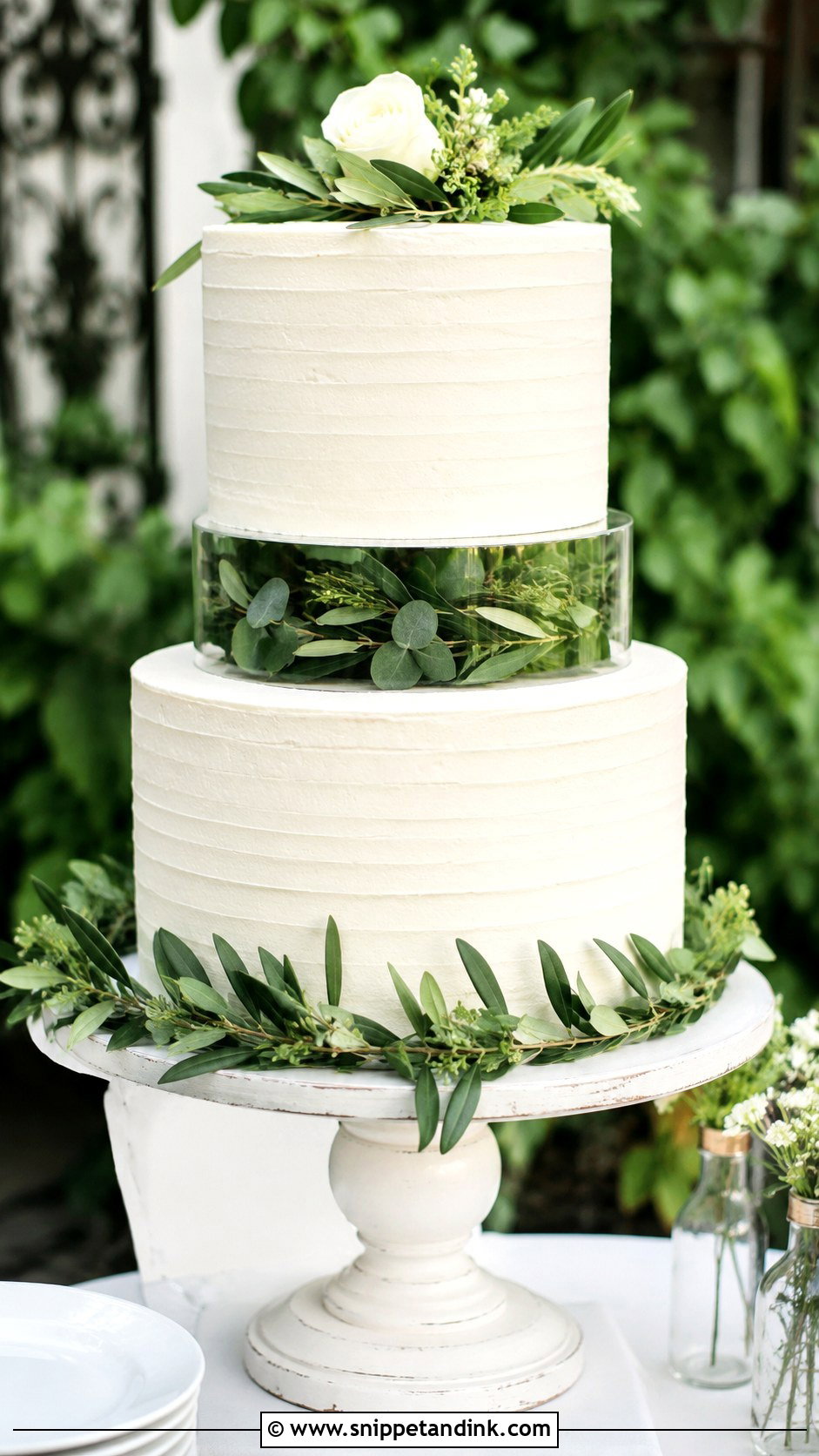
Greenery is softer and lighter than a flower-packed gap, and it suits couples who don’t want much color. Eucalyptus, olive and ruscus hold up well out of water; fern can curl and dry within a few hours in warm air. Confirm which stems are safe near food with your florist and keep a barrier under them regardless. Ivory buttercream and a few white blooms let the green carry the cake without fuss.
17. Rustic Wedding Cake Separator
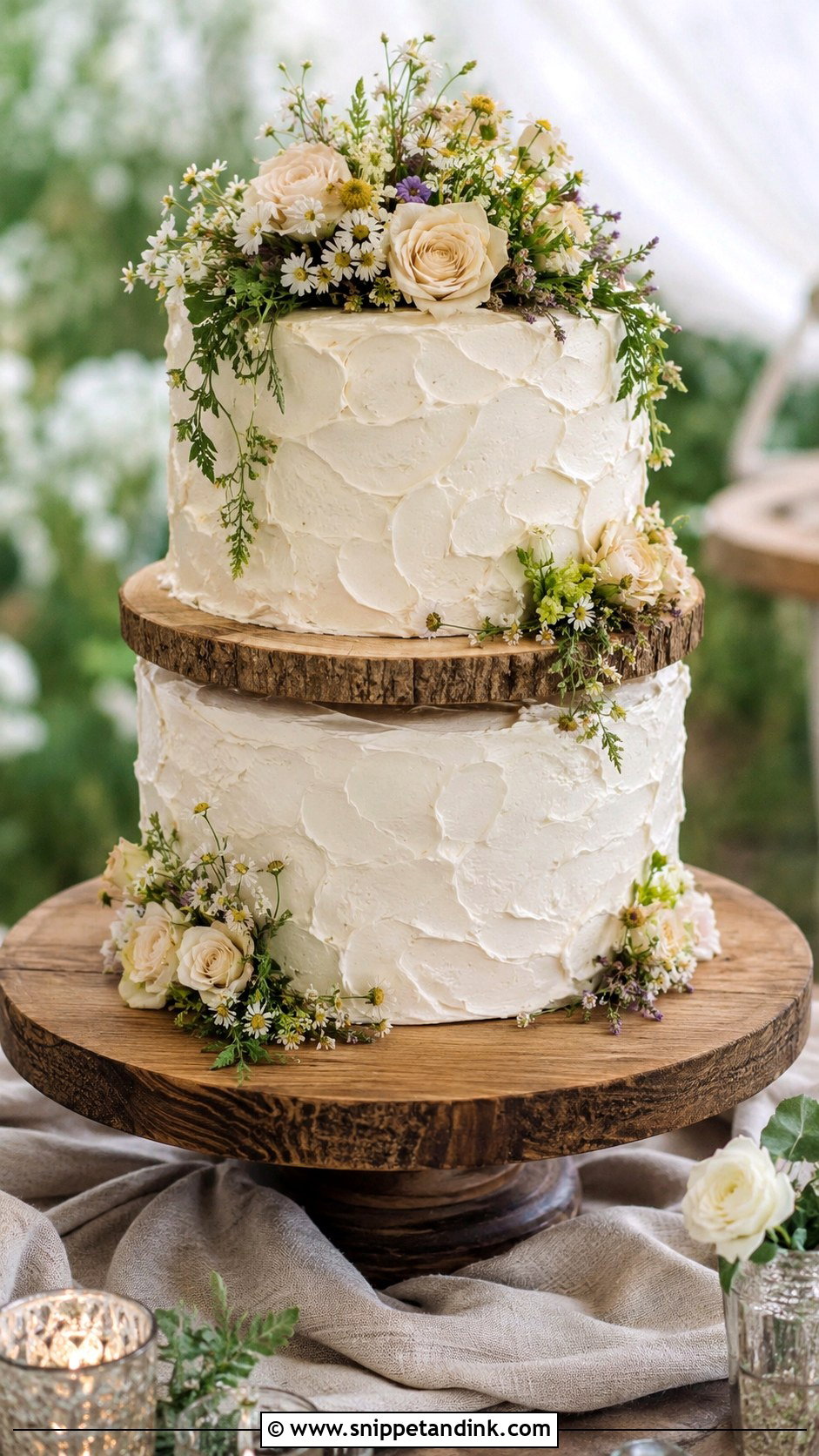
Rustic separators often mean wood, and wood comes with one condition: it must be sealed and food-safe, and it has to be level. A wood round cut from a branch rarely is, and an uneven separator tilts every tier above it. Sanded, sealed rounds from a cake supplier solve that. Pair them with textured buttercream and simple greenery, and keep twine and lace to small touches so the cake looks polished rather than homemade.
18. Modern Wedding Cake Separator
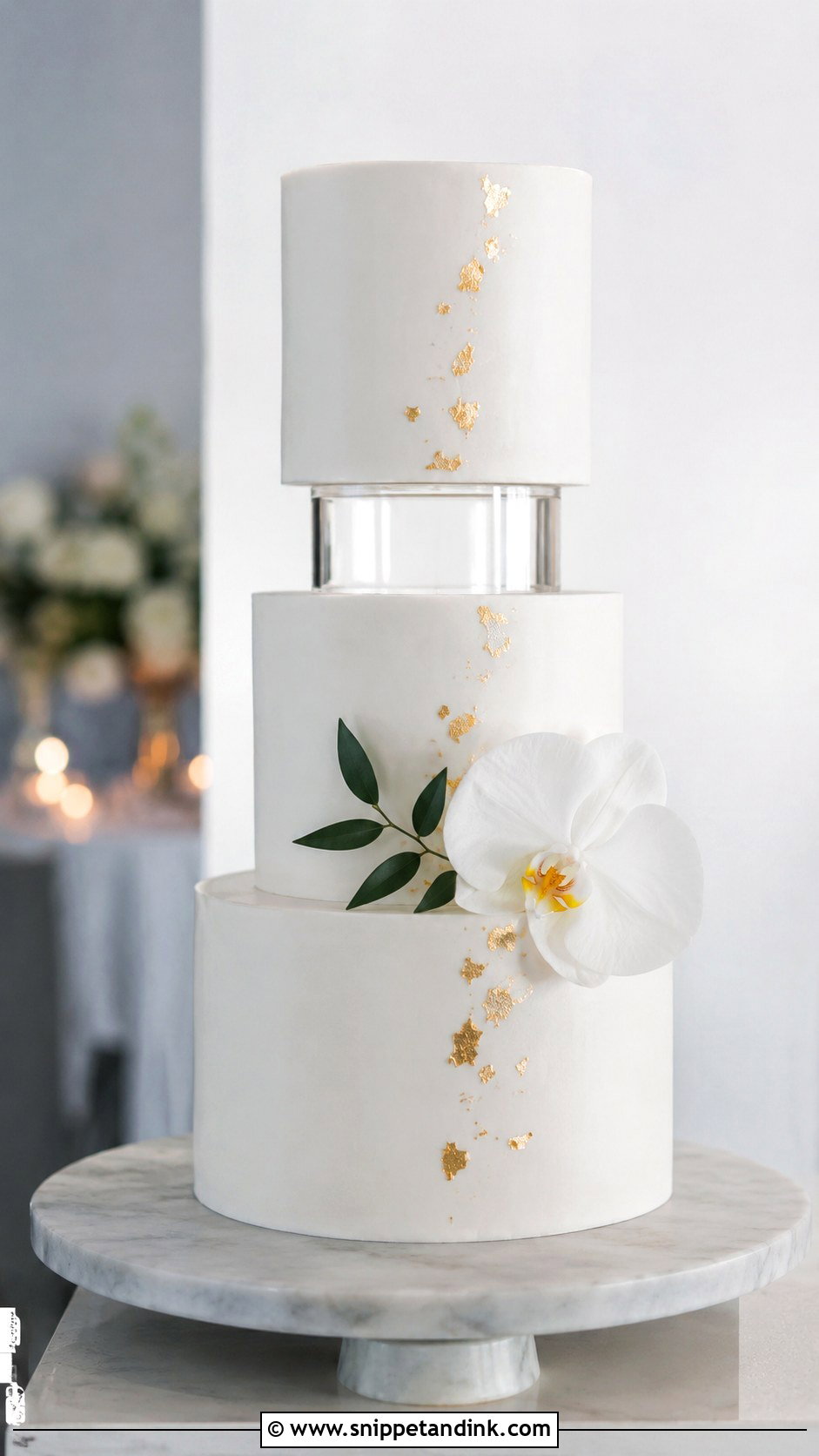
Modern separators rely on negative space, so the cake around them has to be close to flawless. Smooth frosting, sharp top edges and minimal decoration are the starting point. One sculptural bloom or a single color block does more than a cascade. I always walk all the way around a modern design at the consultation sketch stage, since guests will see the back and sides of the gap as much as the front.
19. Vintage Wedding Cake Separator
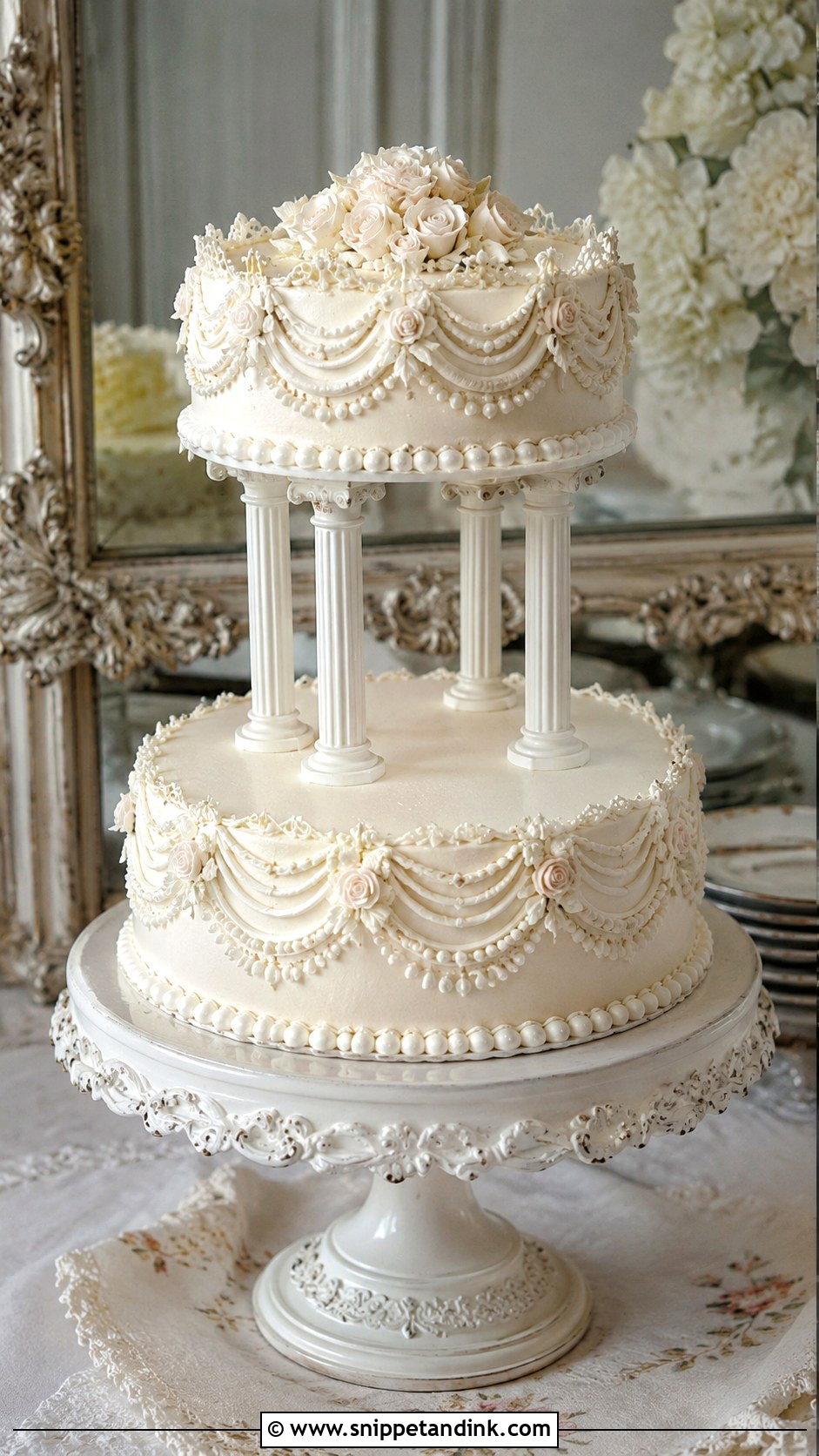
Vintage styling borrows from cakes that used pillars and plates as standard. To keep it from looking dated, I use slim pillars instead of thick plastic columns and lean on piping for the period feel. Lambeth-style overpiping, with its layered scrolls and borders, takes real time, so expect it to affect the price. Ivory rather than bright white suits the look. Small floral clusters between tiers soften what can otherwise feel very structured.





20. Minimalist Wedding Cake Separator
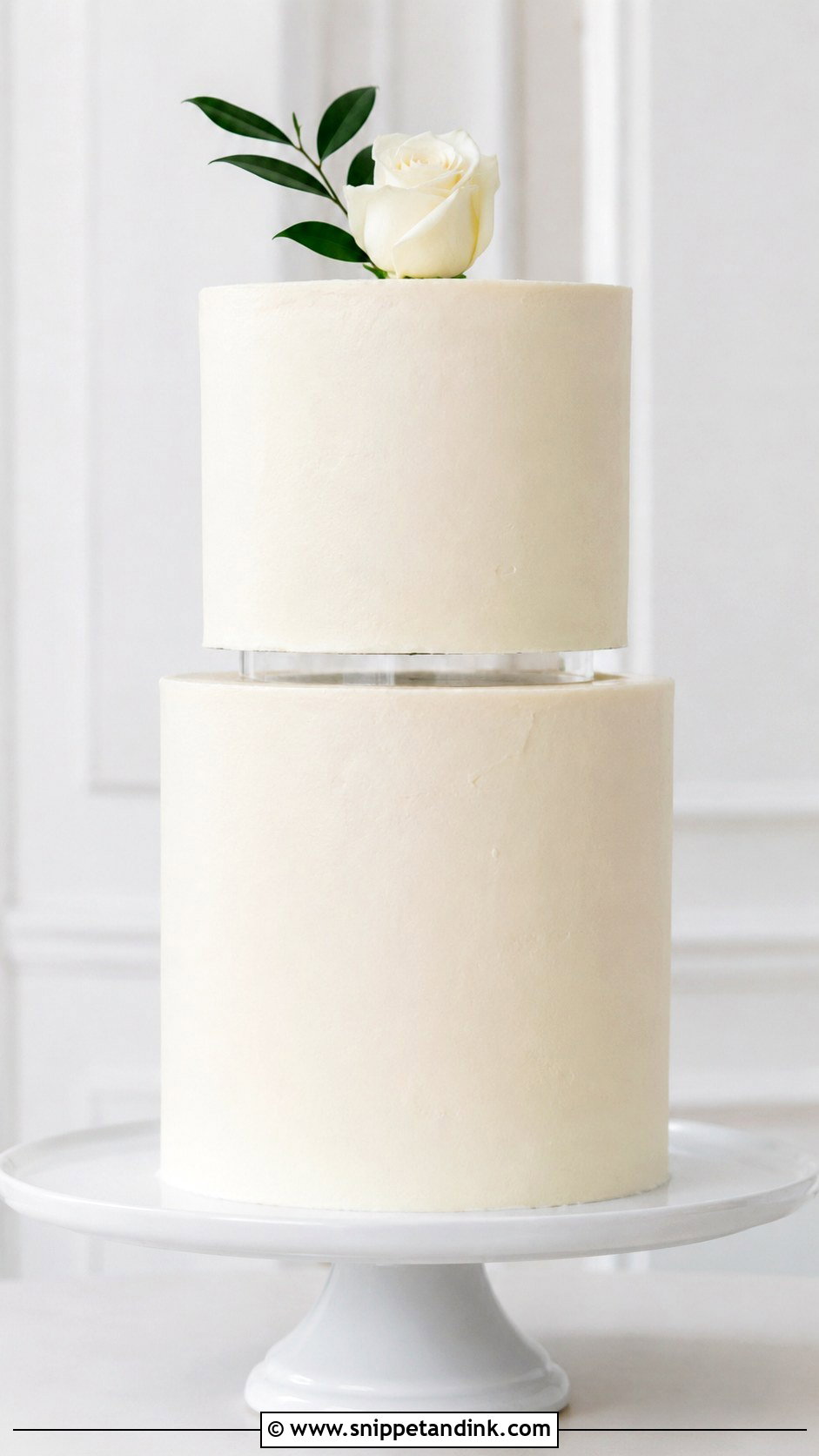
Minimal doesn’t mean plain; it means every detail is chosen. Clear acrylic adds height with no added color, and a slim white riser or a single hoop with one stem does the same with a little more presence. The tiers carry the whole design, so smooth buttercream or fondant and very neat edges matter more here than anywhere else on this list. If your baker’s portfolio shows clean finishes, this is a safe choice; if it’s mostly heavy decoration, ask to see plain work first.
21. Luxury Wedding Cake Separator
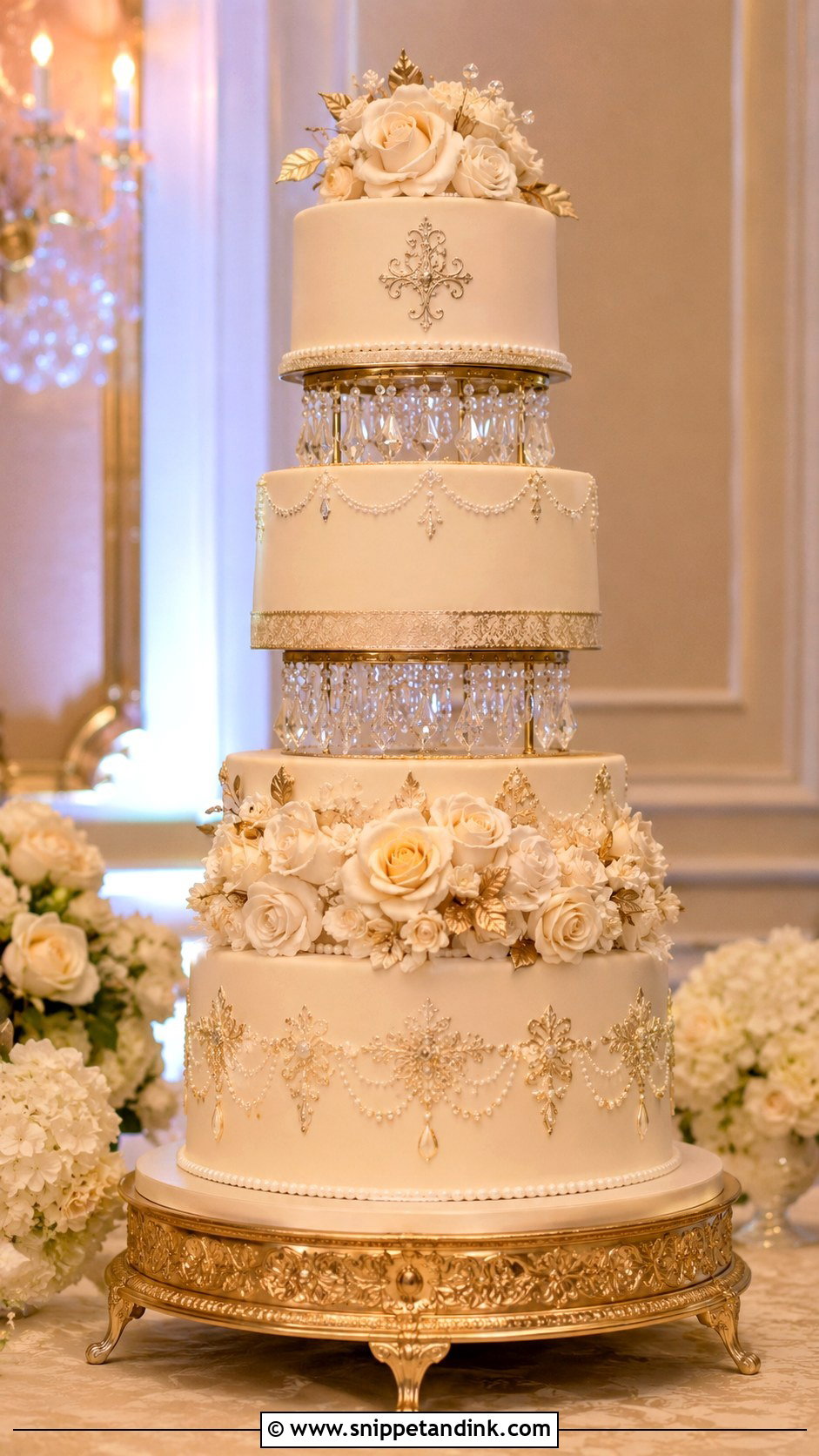
Luxury on a cake comes from finish quality, not quantity. A crystal-trimmed or gold separator, perfectly smooth tiers and a few well-made sugar flowers look richer than every embellishment at once. I’d choose one hero element and let the others support it. Proportion matters in a ballroom: a cake that’s too small for the room looks lost no matter how expensive the separator, so ask your baker how tall the finished cake will be next to the table and backdrop.
22. Outdoor Wedding Cake Separator
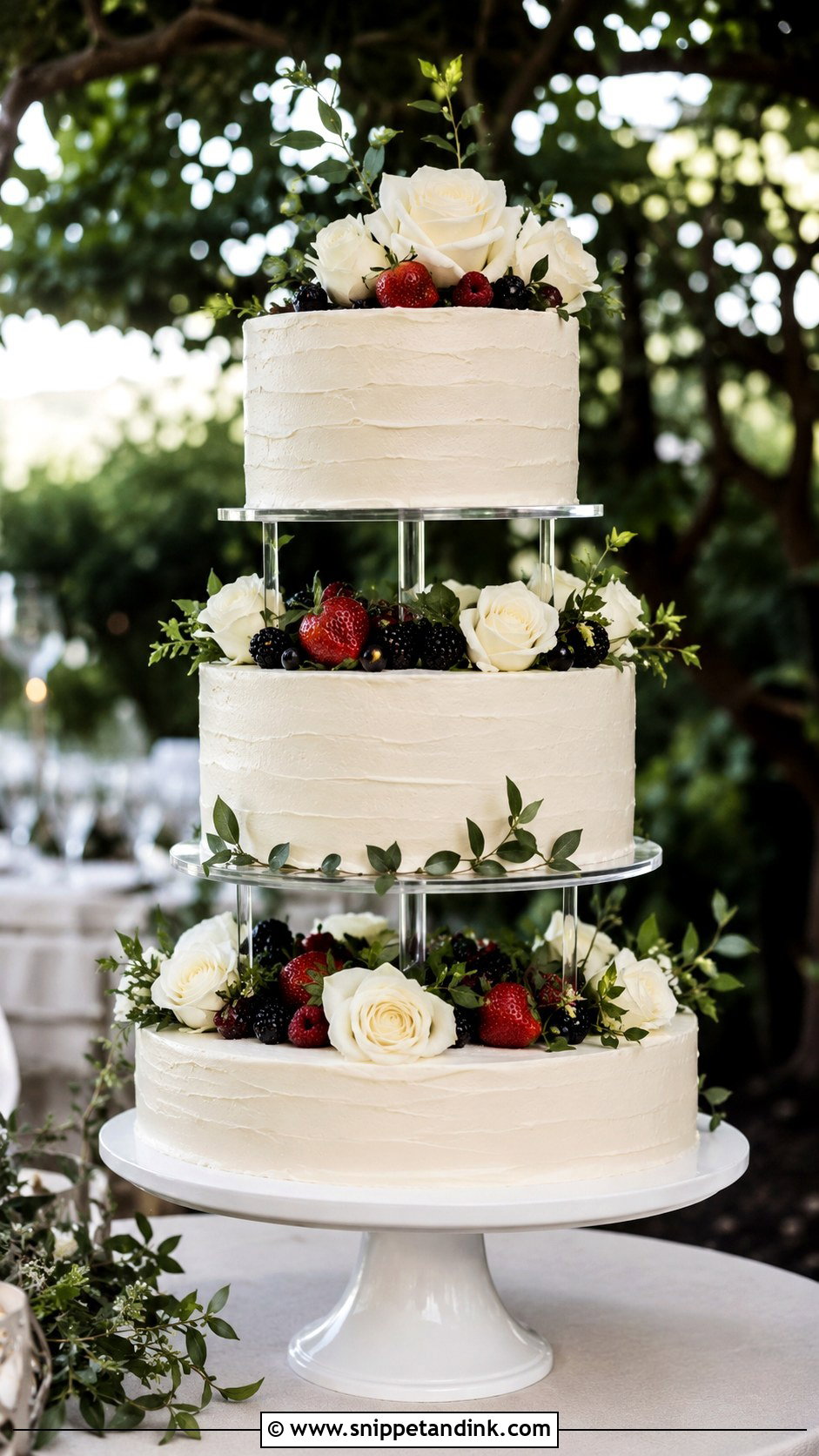
Outdoors, stability comes first and looks second. Uneven ground, wind and heat all work against a cake with a gap in it, so I’d pick a short, sturdy separator over a tall floating one and insist on a level table in the shade. Fragile sugar work and delicate flowers suffer in heat. Buttercream textures and fresh greenery handle a garden setting better. Many bakers prefer to assemble the cake on site so the tiers never travel stacked.
23. Garden Wedding Cake Separator
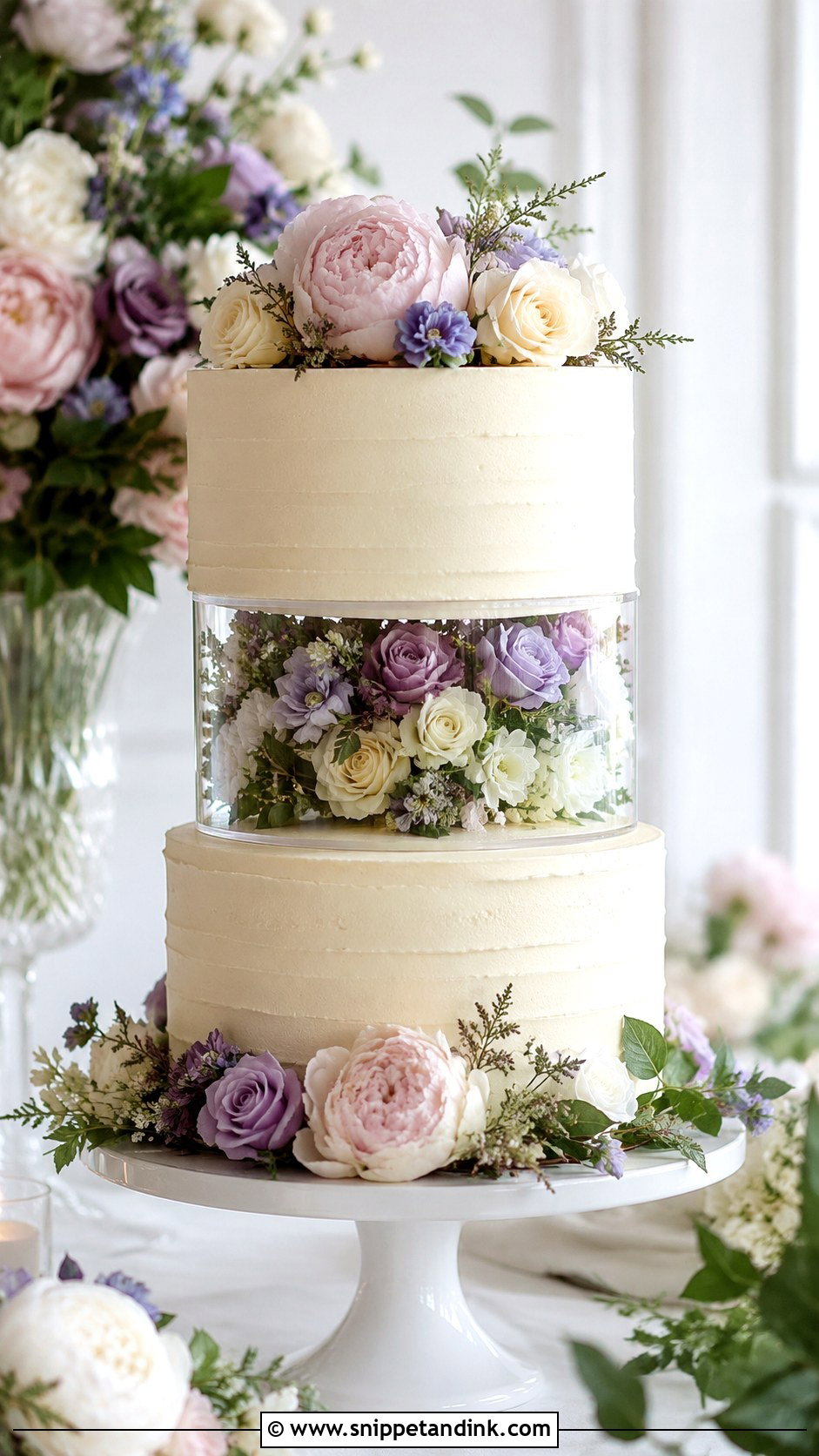
Garden separators make the cake look like part of the planting: clusters of blooms in a clear tier, a greenery-wrapped hoop, a floral ring. I arrange flowers in loose groups rather than even rows, because rows look manufactured next to real stems. Soft colors such as blush, cream, butter yellow and sage blend with most garden palettes. A tented reception protects the separator flowers from direct sun, which keeps them fresh through dessert.
24. Two Tier Wedding Cake Separator
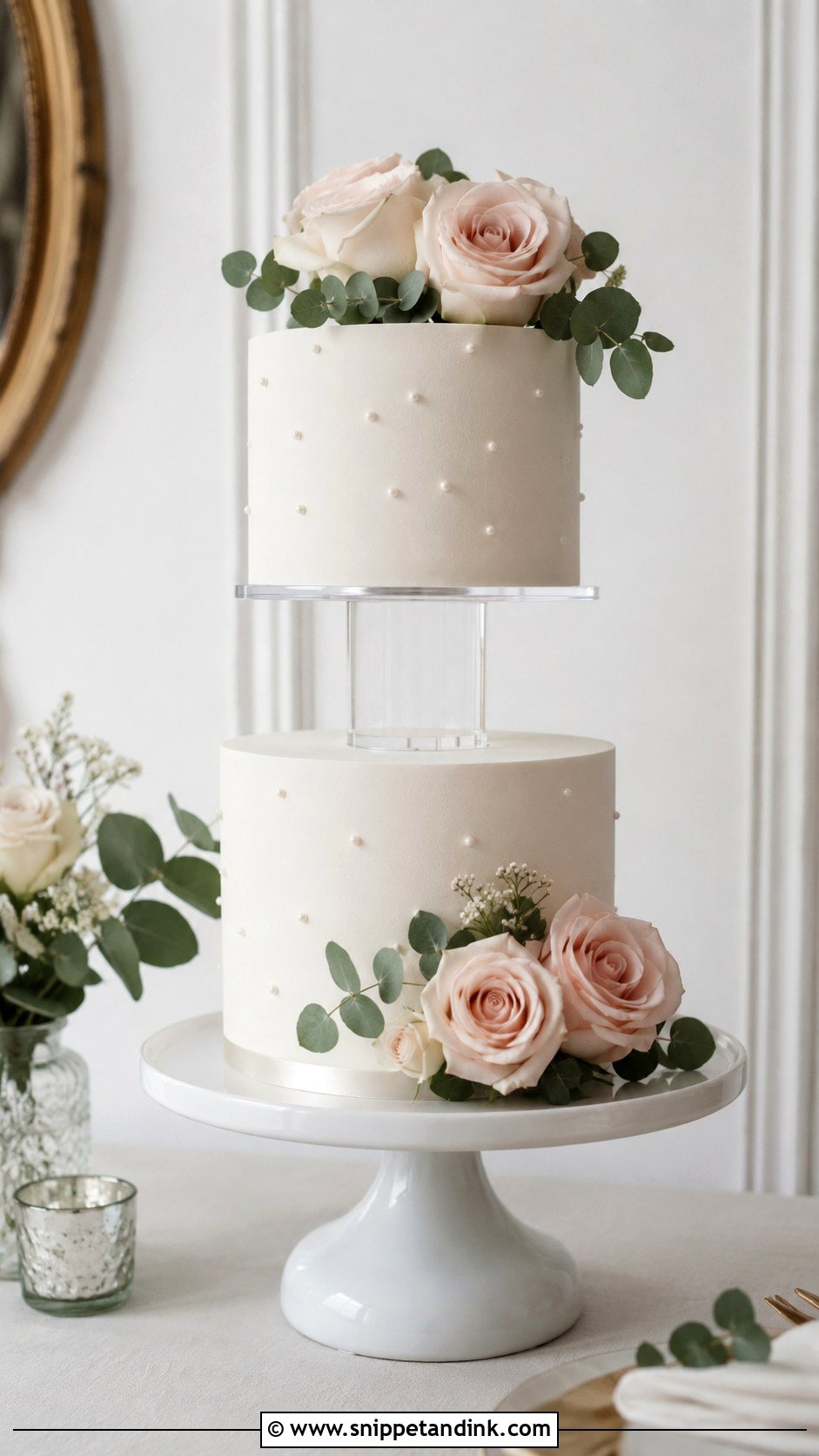
On a two-tier cake, a separator is often what stops it looking like a celebration cake from a bakery case. The gap gives it height and a focal point for an intimate wedding or a dessert table. Proportion is the risk: a tall separator on two small tiers can look like a stand with a bit of cake on it. I usually keep the gap modest and add one flower cluster. Clear acrylic reads modern; pearl or floral reads softer.

25. Three Tier Wedding Cake Separator
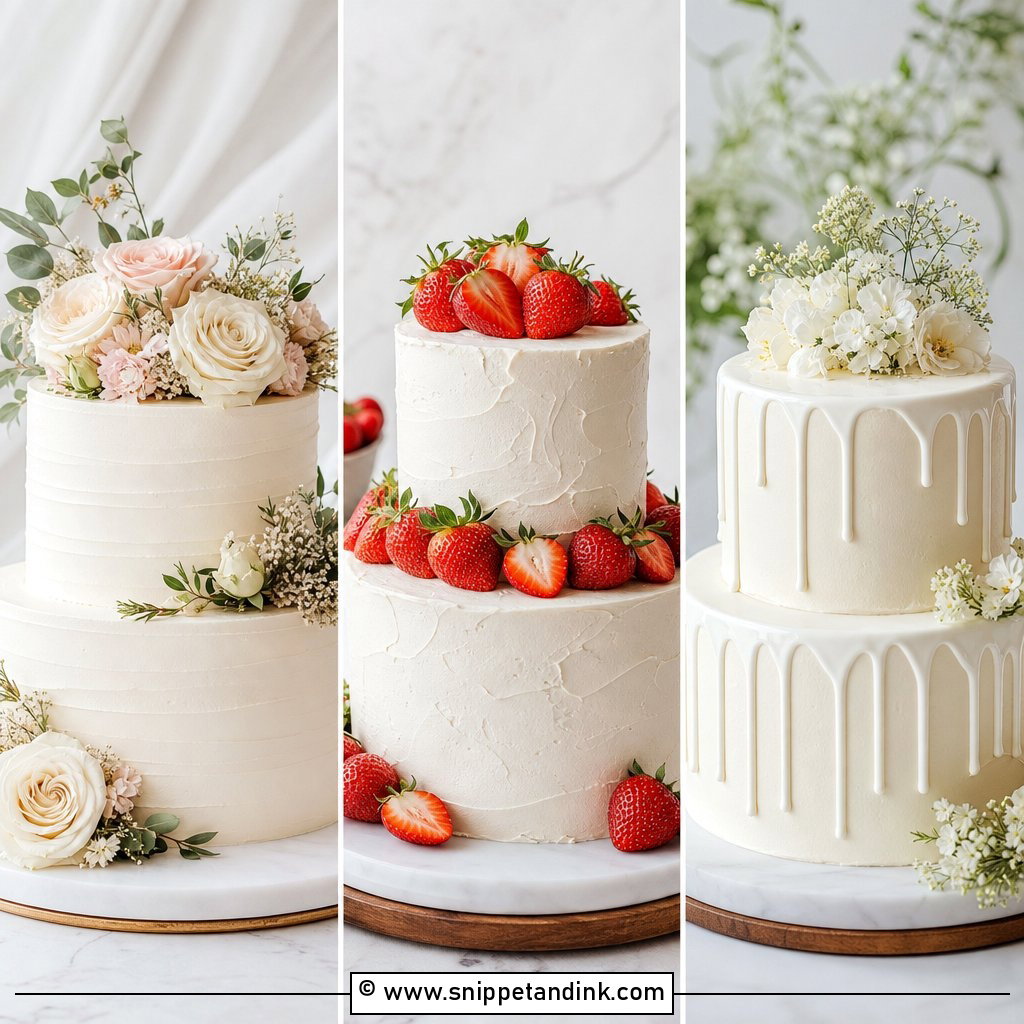
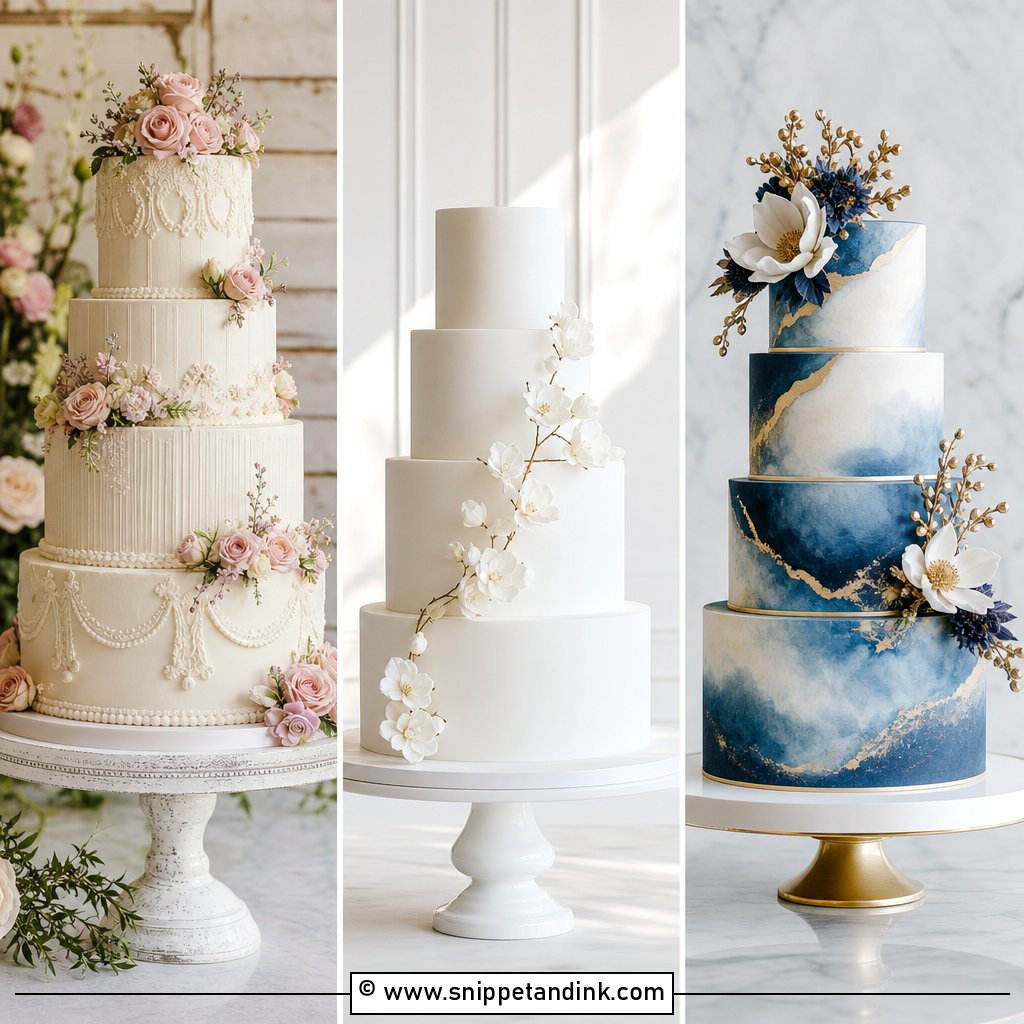
With a three tier wedding cake separator, the main decision is where the gap goes. Low, between the bottom and middle tiers, grounds the cake and is the steadier structure. High, between the middle and top, makes the cake look lighter and is easier to remove when the top tier is saved. Repeat one detail on every tier, such as the same flower or a pearl border, so the separated tier still belongs to the rest.
Why Your Separated Cake Is Stacked at the Venue
Most bakers won’t drive a separated cake fully assembled. Every bump on the road moves the upper tiers, and a gap gives them room to shift. The usual approach is to transport each tier boxed and flat, then stack on the cake table with the separator, which adds setup time to your schedule.
Plan for the baker to need the table clear, level and in position before they arrive. Moving a finished separated cake is one of the riskiest things that happens on a wedding day, so the table shouldn’t be shifted after setup, even a few feet.
Flowers and timing
When the gap holds fresh flowers, the florist and baker need to agree who fills it and when. A filled acrylic box can be prepared in advance; loose stems inside an open gap are usually placed at setup so they look fresh. Put both vendors in touch rather than relaying messages.
At the end of the night
If the separator is rented, someone has to remove it, clean off the frosting and get it back. Name that person, usually your planner or venue coordinator, and tell them where it goes.
Bring Your Tier Weight Questions to the Consultation
A separator is part decoration and part engineering, and the second half deserves as much attention as the first. Clear acrylic stays modern, flowers bring the bouquet onto the cake, gold and crystal dress it for evening, pillars and pearls lean nostalgic. Before you settle on one, show your baker a few photos and ask three things: how the upper tier is supported, who sets it up, and how long it can safely stand on display in your venue. The right answer to those makes even a simple cake look intentional.
You'll Like These Ideas:






Leave a Reply