
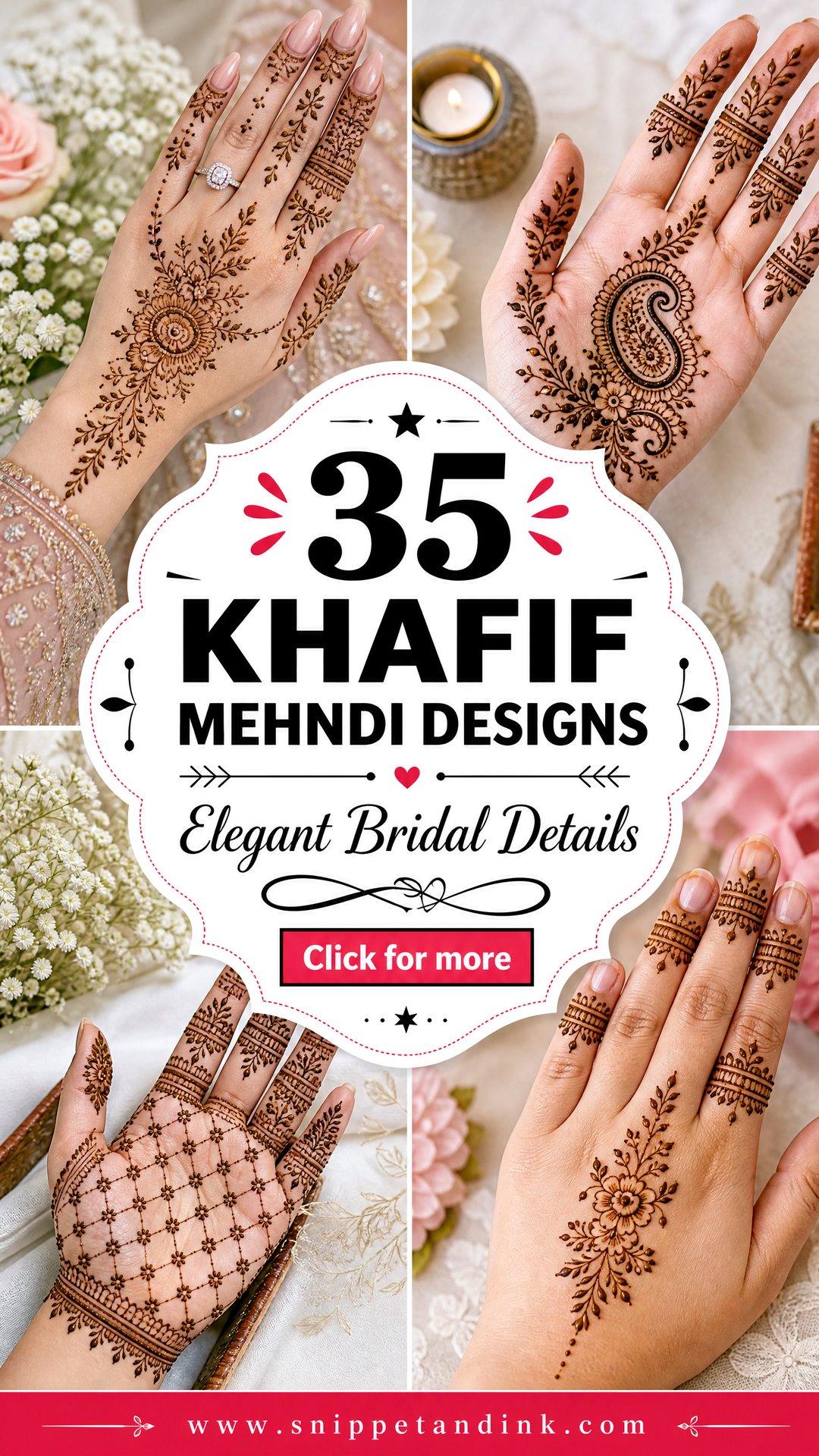
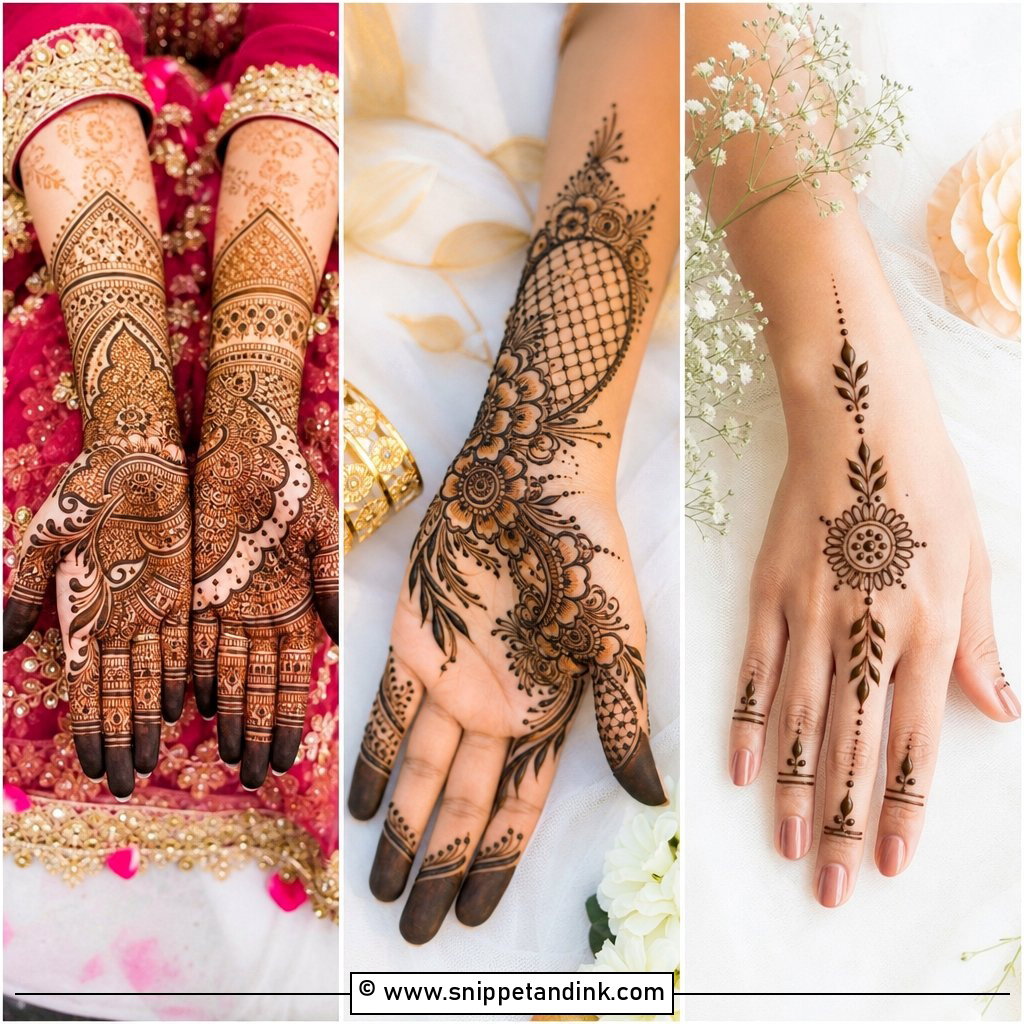
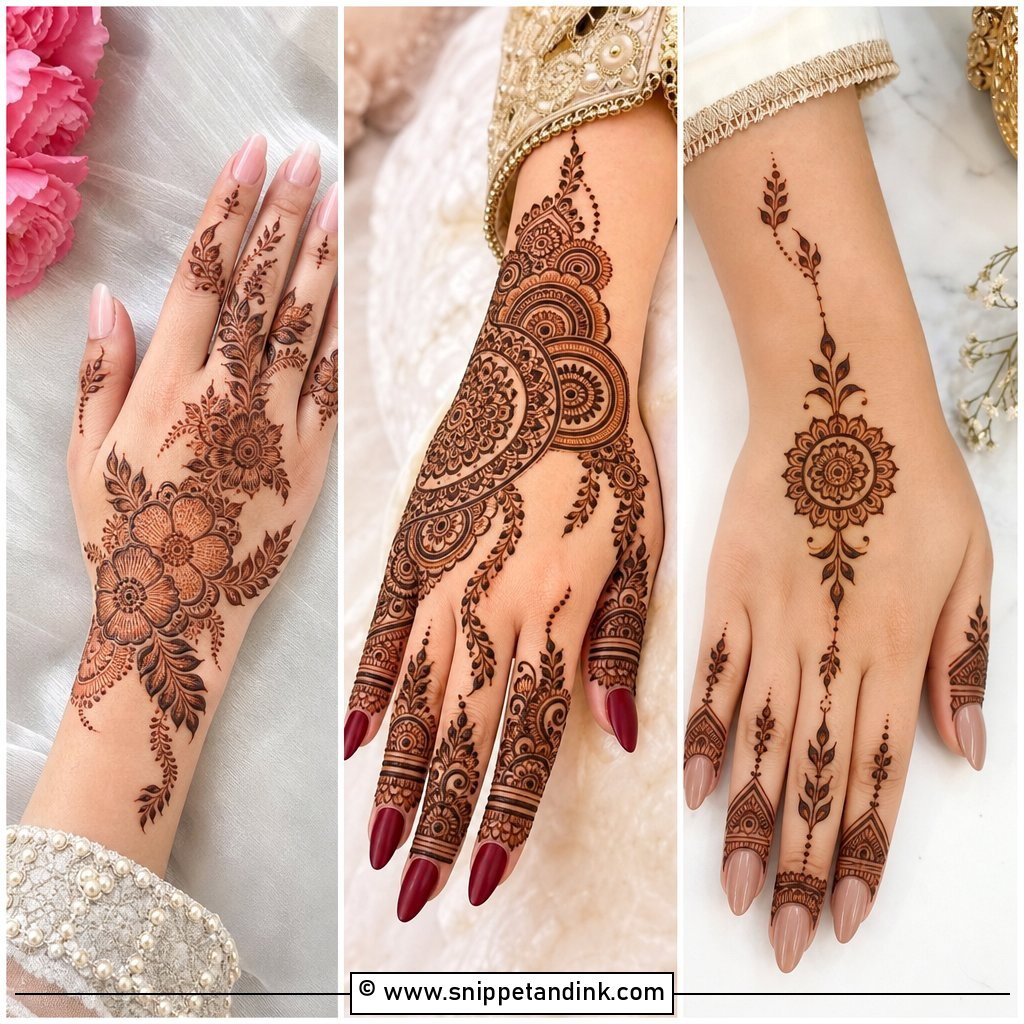
Brides keep asking me for less. Less coverage, less sitting, less of the packed palm their mothers wore. Khafif, from the Arabic word for light, is the answer I give them: fine lines, open skin and motifs placed where they will be seen, whether the layout leans Arabic, Indo-Arabic, Indian, Khaleeji or plainly modern. Below are 35 versions I draw for brides and the people around them, including two for the feet, which most people forget until the week of the wedding. With each one I’ve noted what it asks of your hands, your time and your artist.
Showing Your Artist a Screenshot, and What It Leaves Out
Nearly every client arrives with a photo, and that is helpful. But a picture of someone else’s hand misses a few things I need to know, and filling those gaps is what gets you the design you actually had in mind.
When you message or meet your artist, tell her:
- Which hands and which sides. A palm design and a back-hand design take different time and stain differently.
- How far up the arm you want it to go, and whether your sleeves will cover the forearm anyway.
- What jewellery you will wear. Bangles, a watch or a ring stack change where bands should sit.
- How long you can sit. A khafif bridal layout can still take a couple of hours for both hands and feet.
- Whether you have reacted to henna or hair dye before.
Also expect your design to differ from the photo. Many pictures online are taken while the paste is still on, or edited to look darker. The stain on your own hand will start orange and deepen over a day or two, and its final shade depends on your skin, the paste and how long you keep it on. A good artist adjusts the screenshot to fit your hand rather than copying it line for line.
1. Simple Khafif Mehndi Design
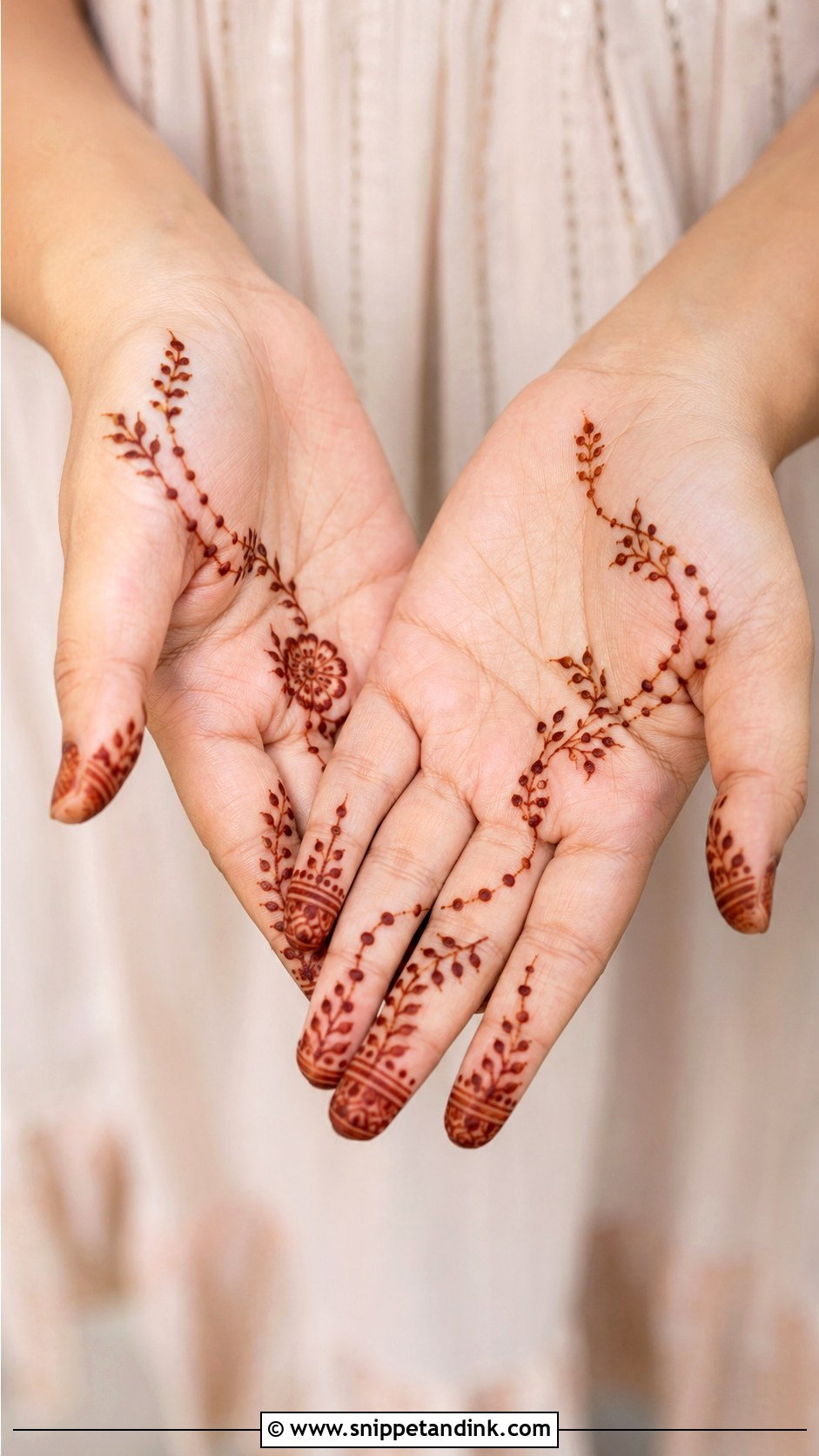
Start with a small flower or mandala on the palm and stop when it feels slightly unfinished; that instinct is usually right. Slim leafy vines and dots carry the design toward the fingers, and the open skin around them does the rest. I teach this one first because it uses only petals, curves and outlines. It dries quickly, and since there are no solid patches, it fades evenly instead of leaving dark blotches behind.
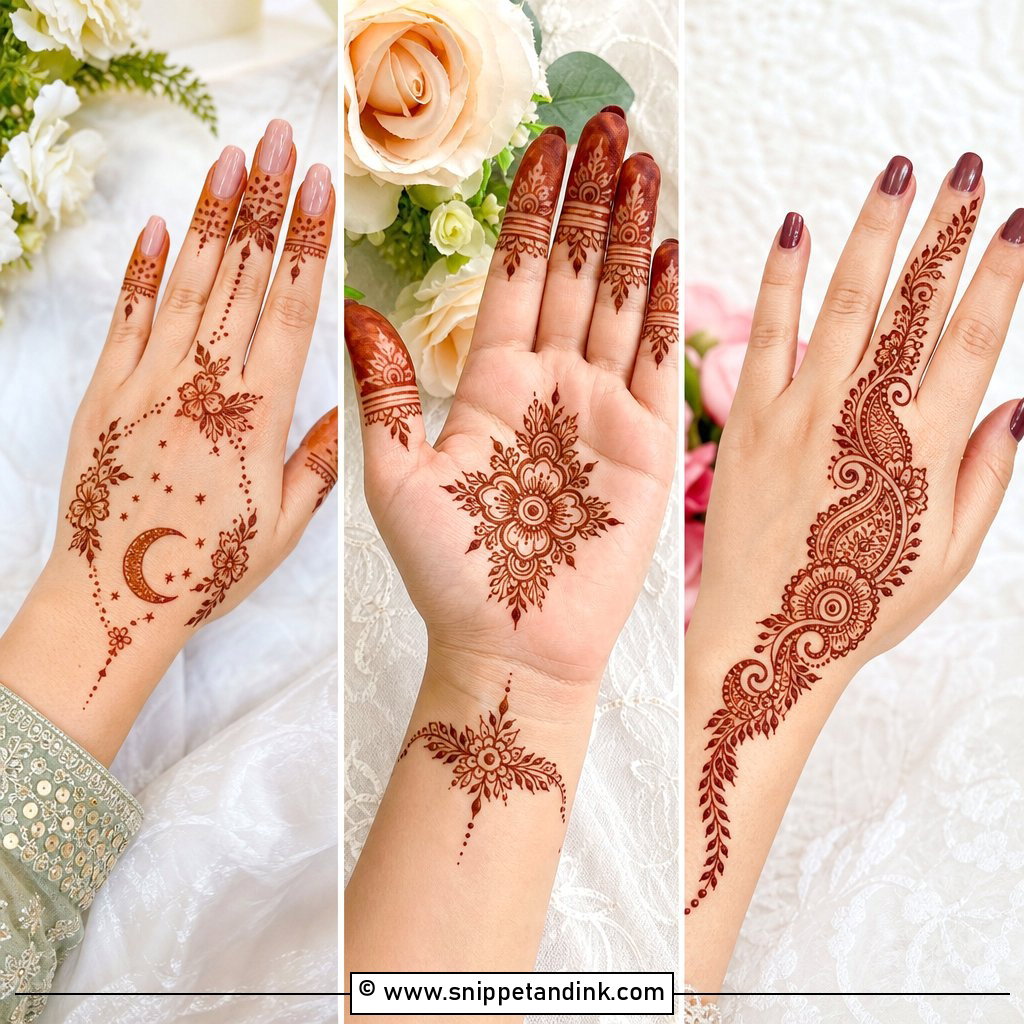
2. Front Hand Khafif Mehndi Design
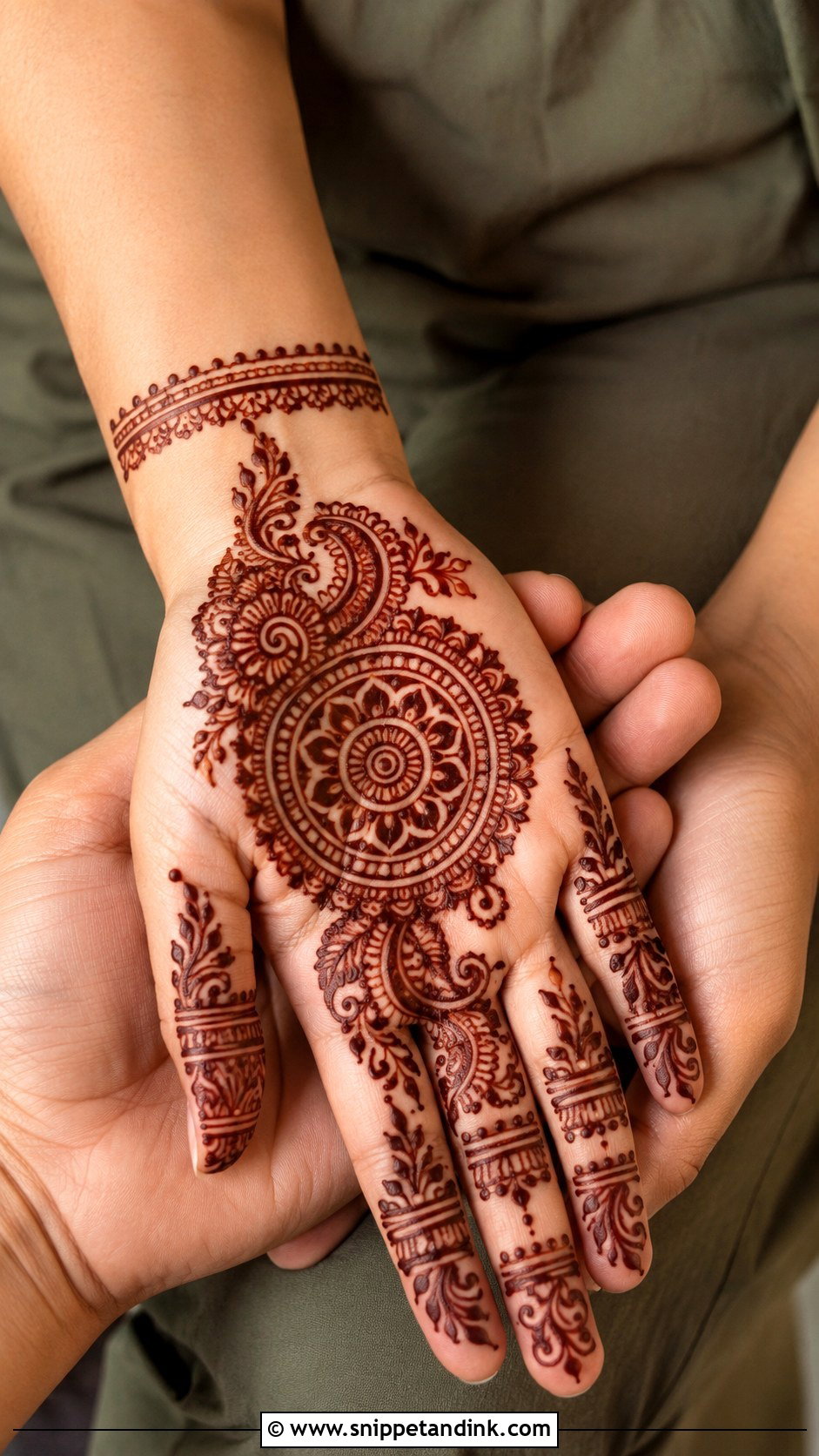
The palm is where henna stains deepest, so a front-hand khafif design gets a lot of colour from very little paste. I place a mandala, floral cluster or paisley in the centre and link it to the fingers with slim vines and dotted chains, then give the fingertips light leafy caps. On a short palm, I shrink the centre motif so the vines have room to travel; that space is what makes the hand look longer. Keep the wrist minimal.
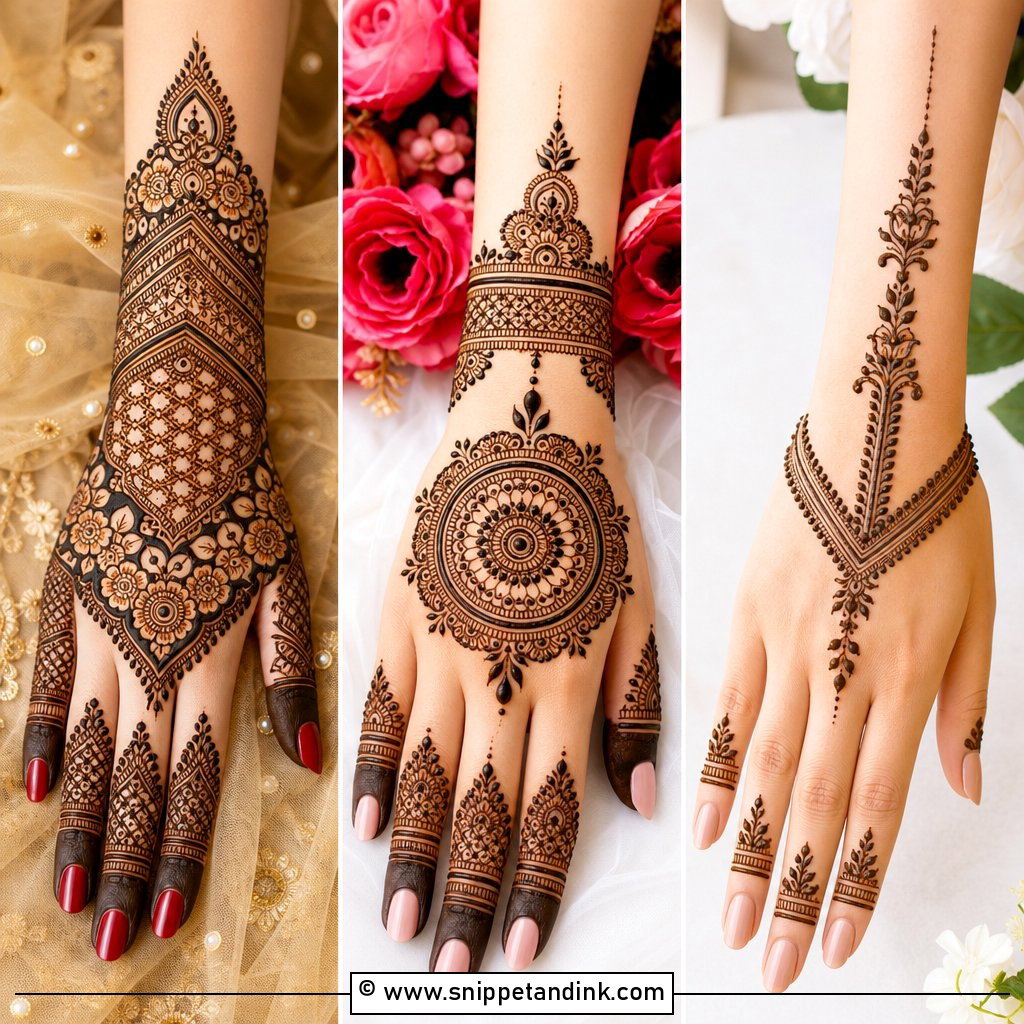
3. Back Hand Khafif Mehndi Design
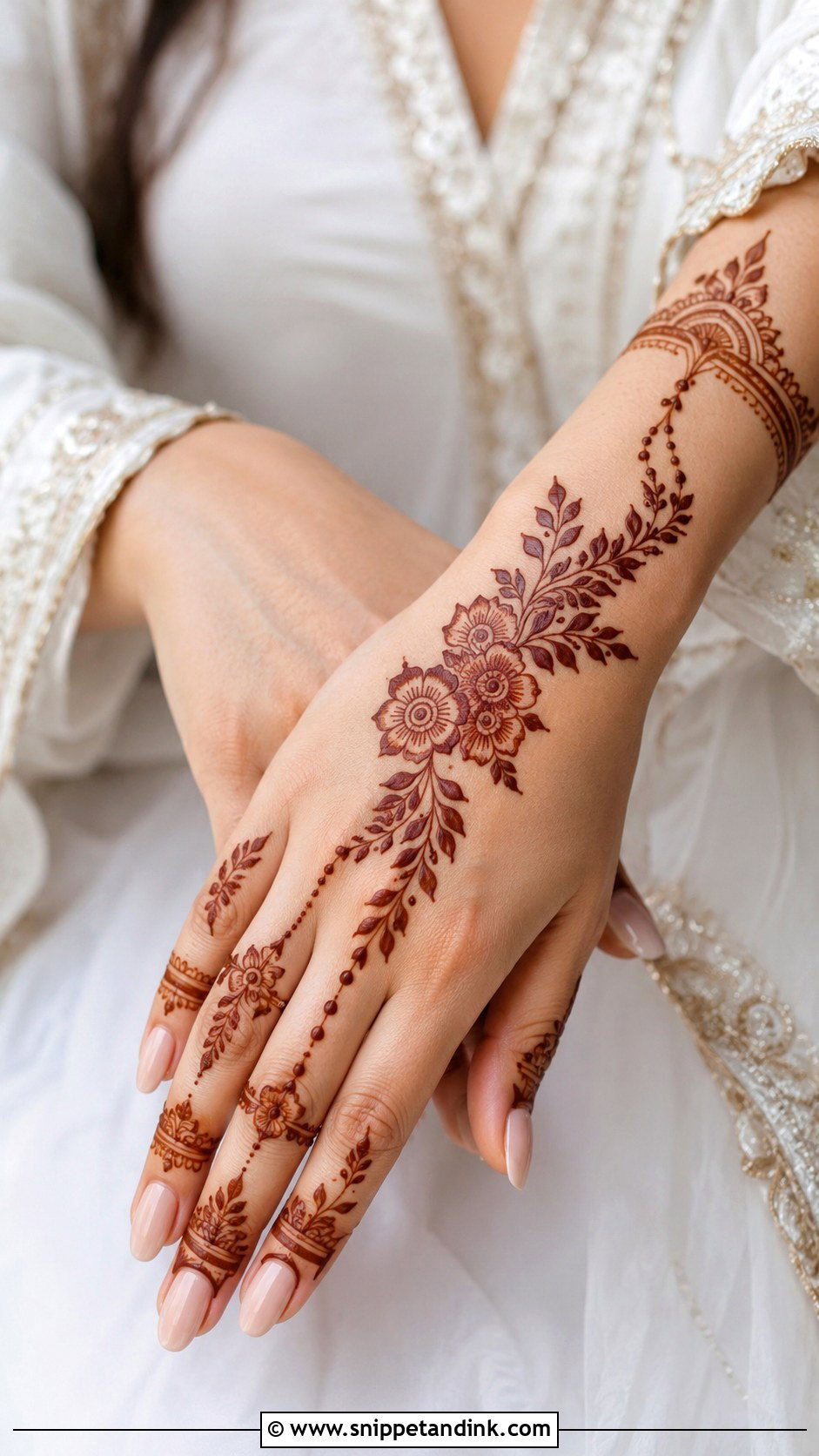
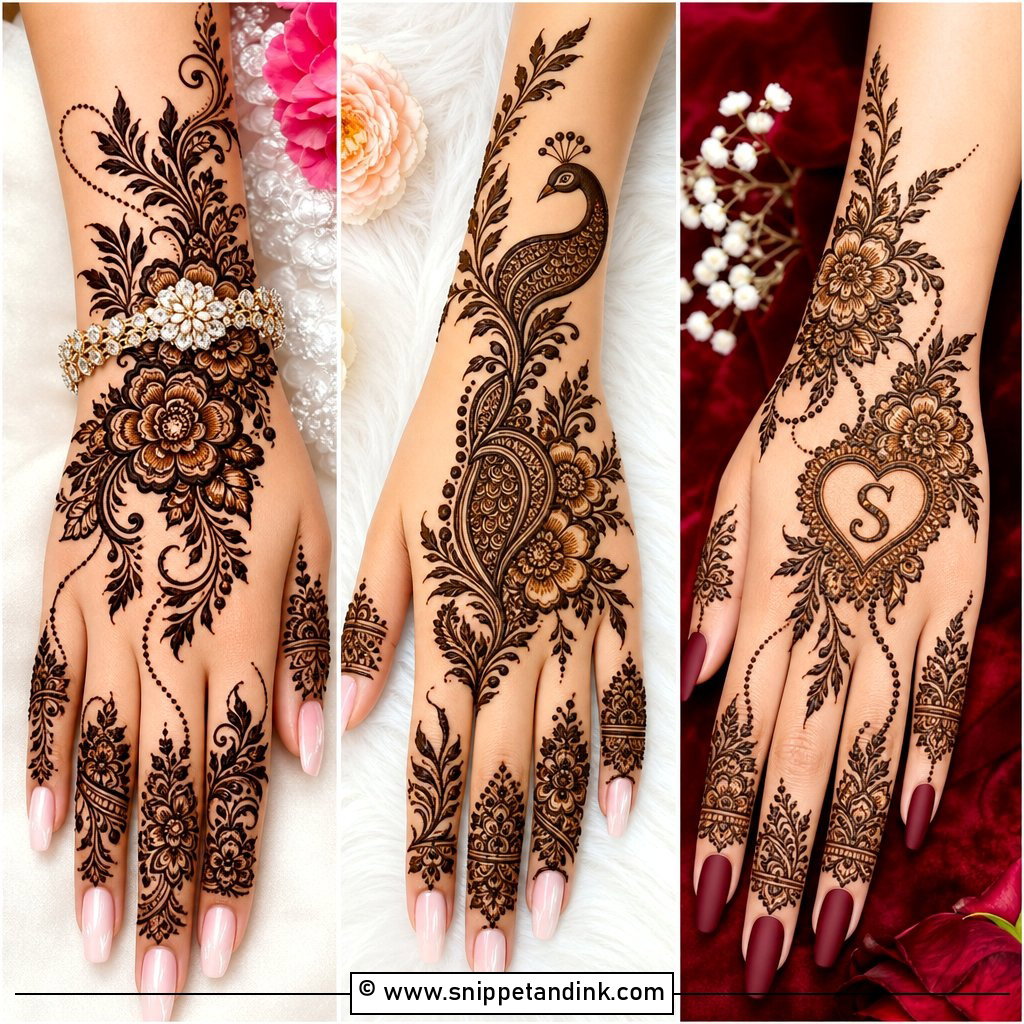
Done well, a khafif back hand looks like jewellery someone forgot to take off. Floral trails, ring shapes, bracelet bands and thin chains run from wrist to fingers with skin showing all around them. The skin there is thicker and drier, so it stains a little lighter than the palm. I compensate with slightly firmer outlines and leave the knuckles clear, since paste cracks off a bent knuckle long before it has done its job.
4. Arabic Khafif Mehndi Design
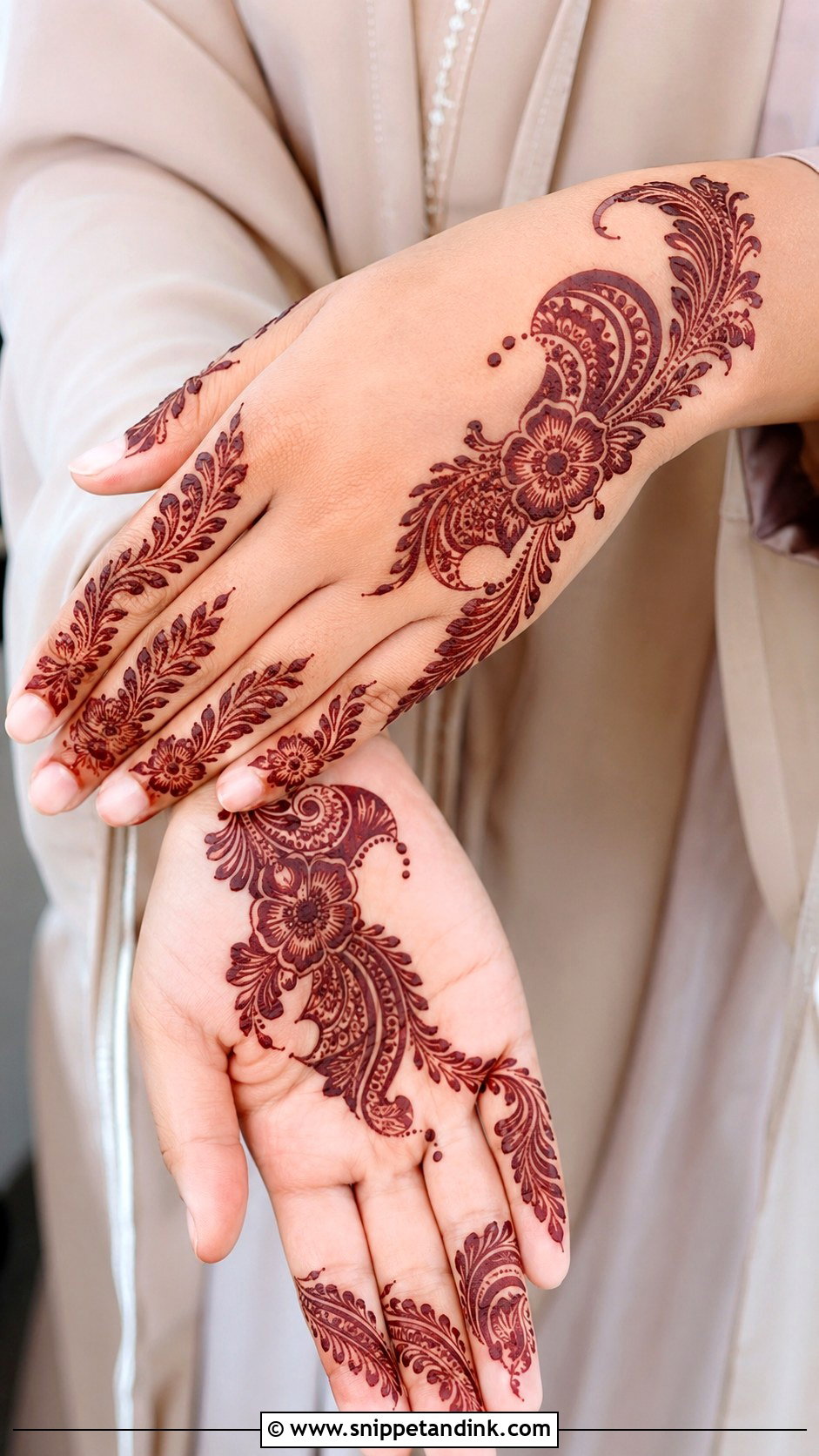
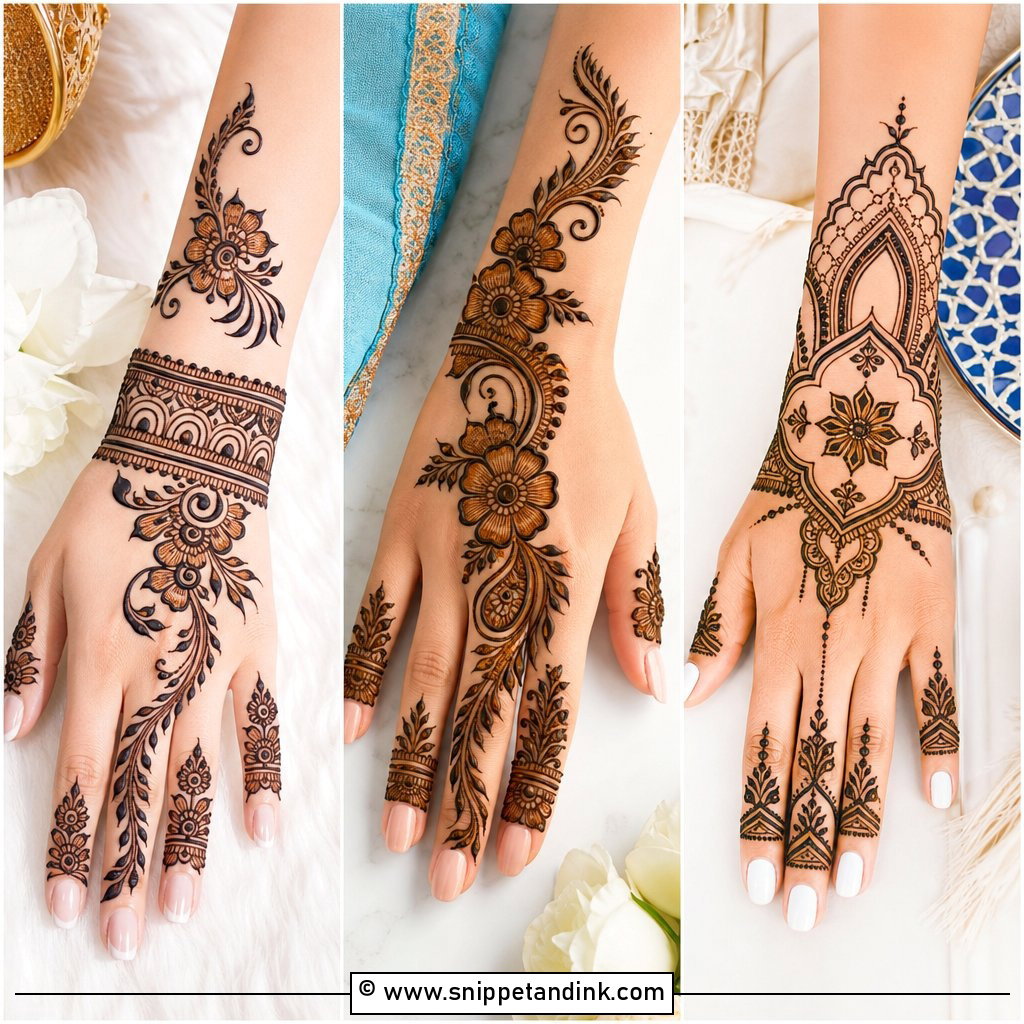
Flow is everything in Arabic work. The trail runs diagonally, either wrist to index finger or from beside the thumb curving across the palm, carrying bold flowers, paisleys and leafy strokes. In the khafif version, I thin the lines and widen the gaps. Here is the catch: a trail drawn in short, stop-start strokes looks shaky once it stains, so I draw each curve in one movement, even if it means practising it on my own hand first.
5. Indo Arabic Khafif Mehndi Design
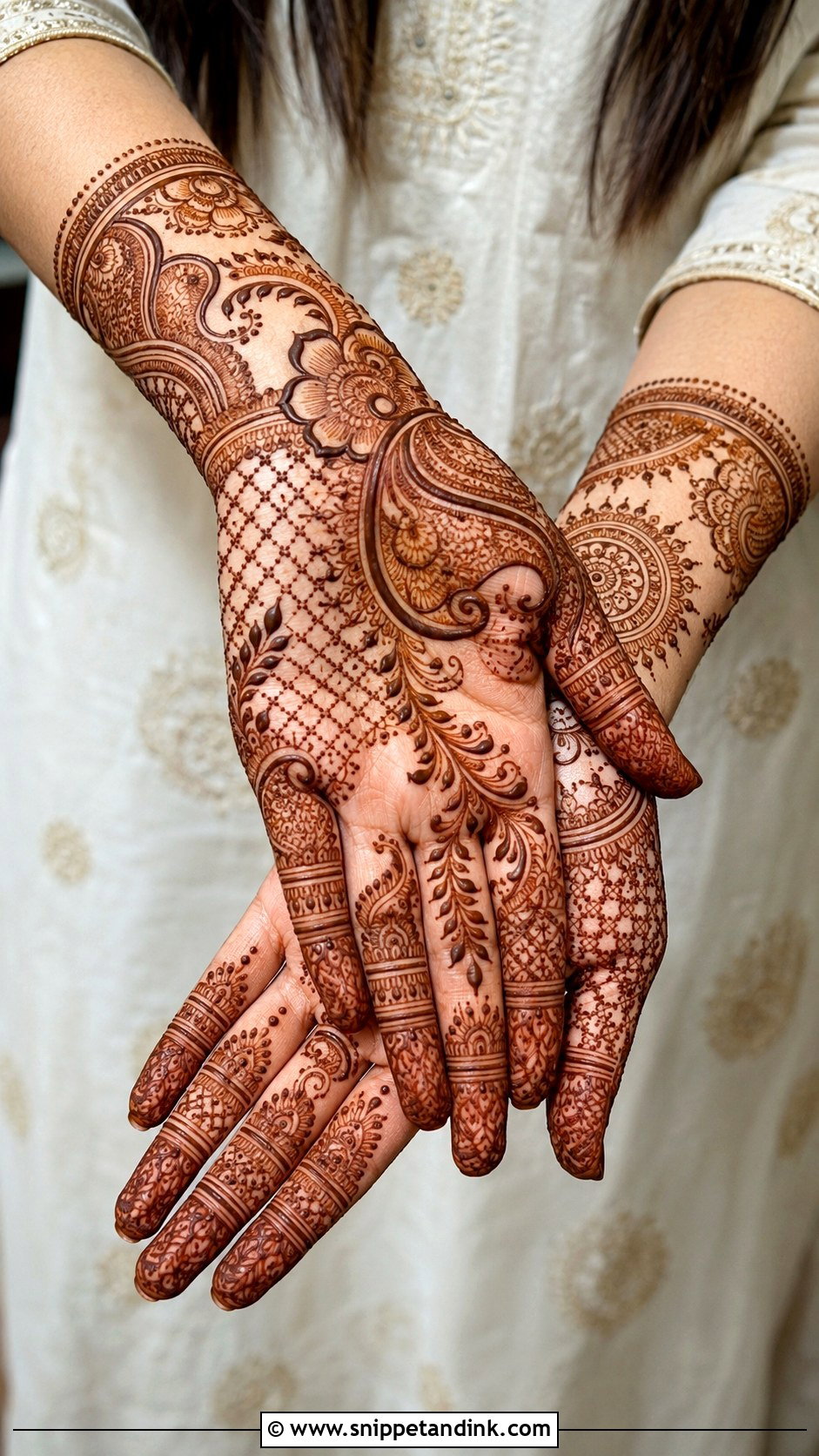
Indo-Arabic khafif borrows its spacing from Arabic henna and its detail from Indian: mini jaali, tiny paisleys and fine fillers tucked inside a few chosen shapes. A layout I often use puts a floral trail along one side of the palm, a small mandala near the centre, and thin finger patterns echoing both. It reads as considered rather than plain. Guests and bridesmaids at smaller pre-wedding functions tend to love it.
6. Bridal Khafif Mehndi Design
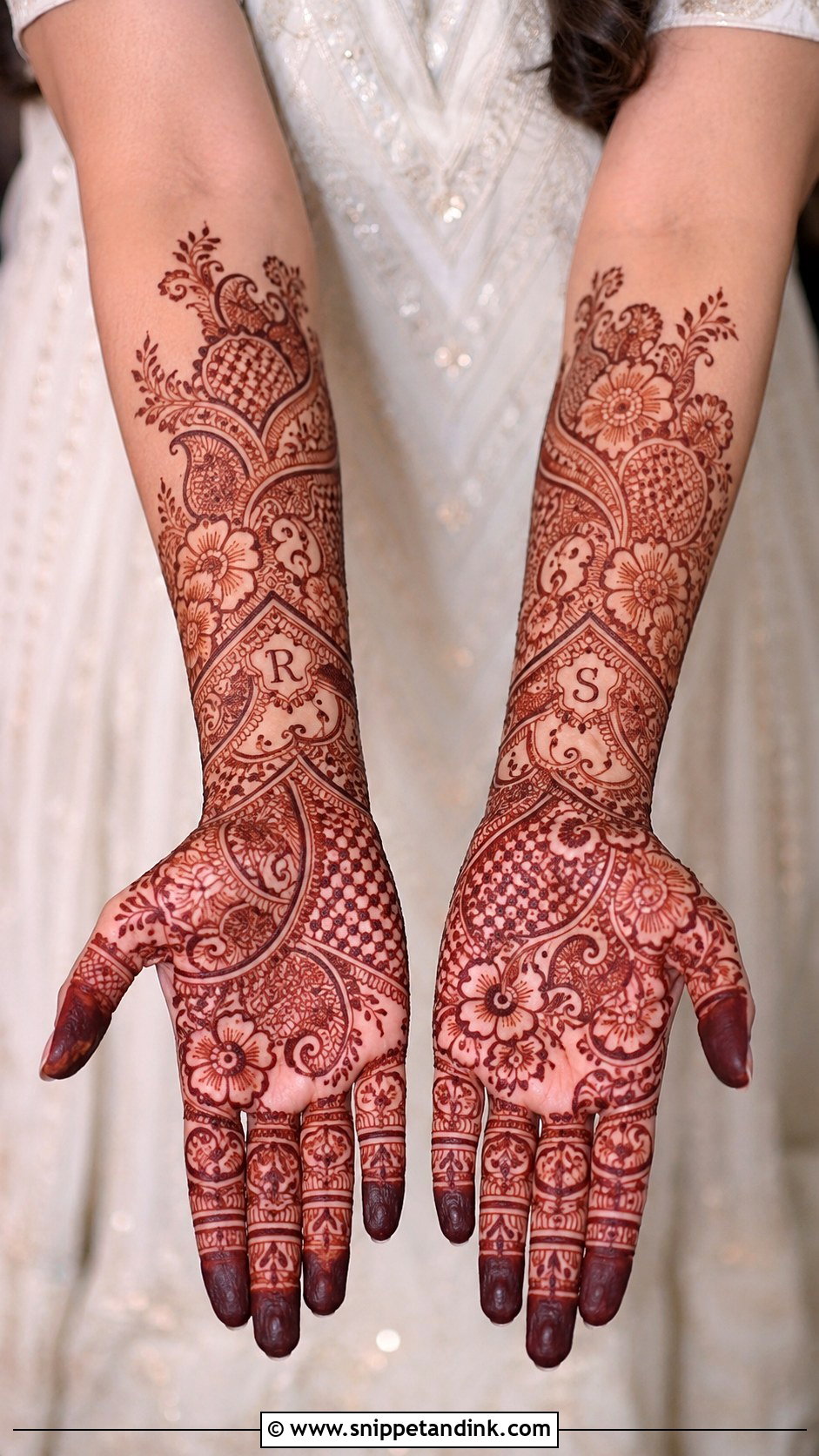
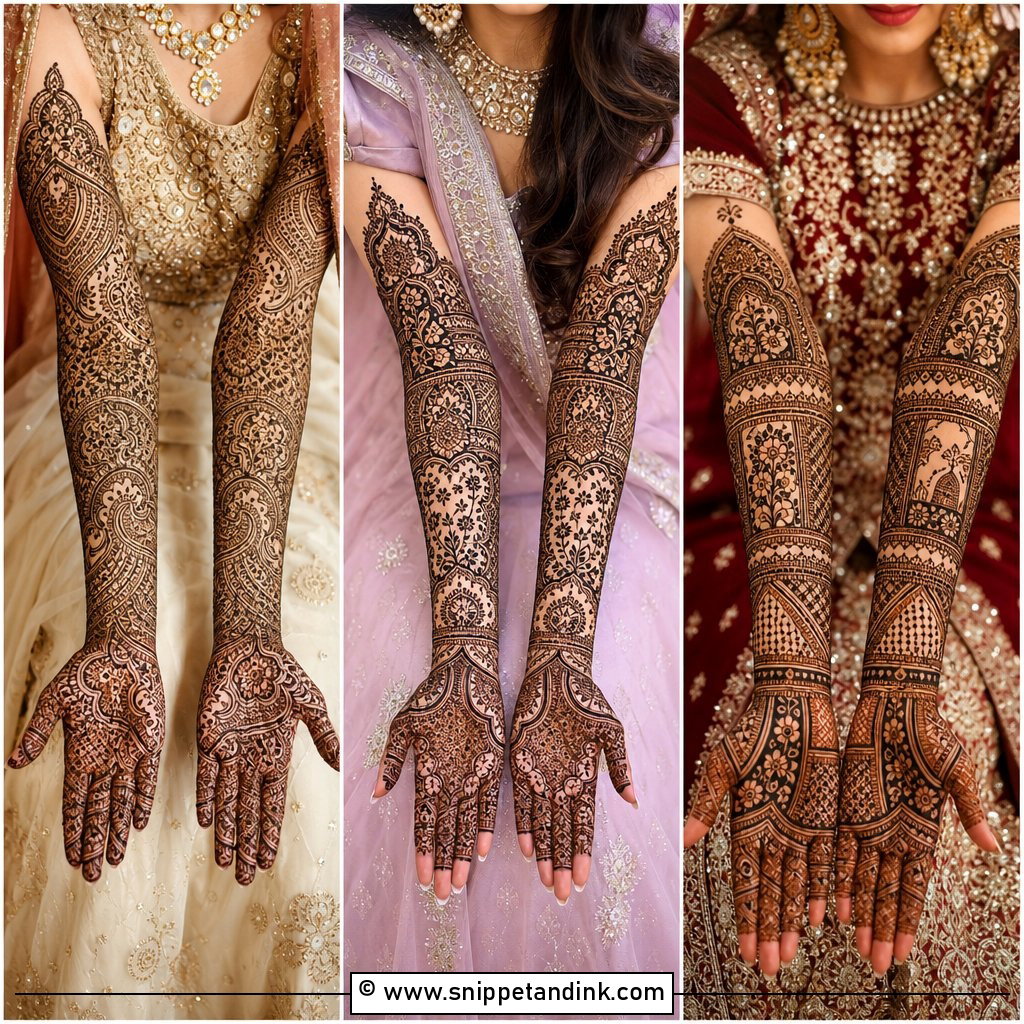
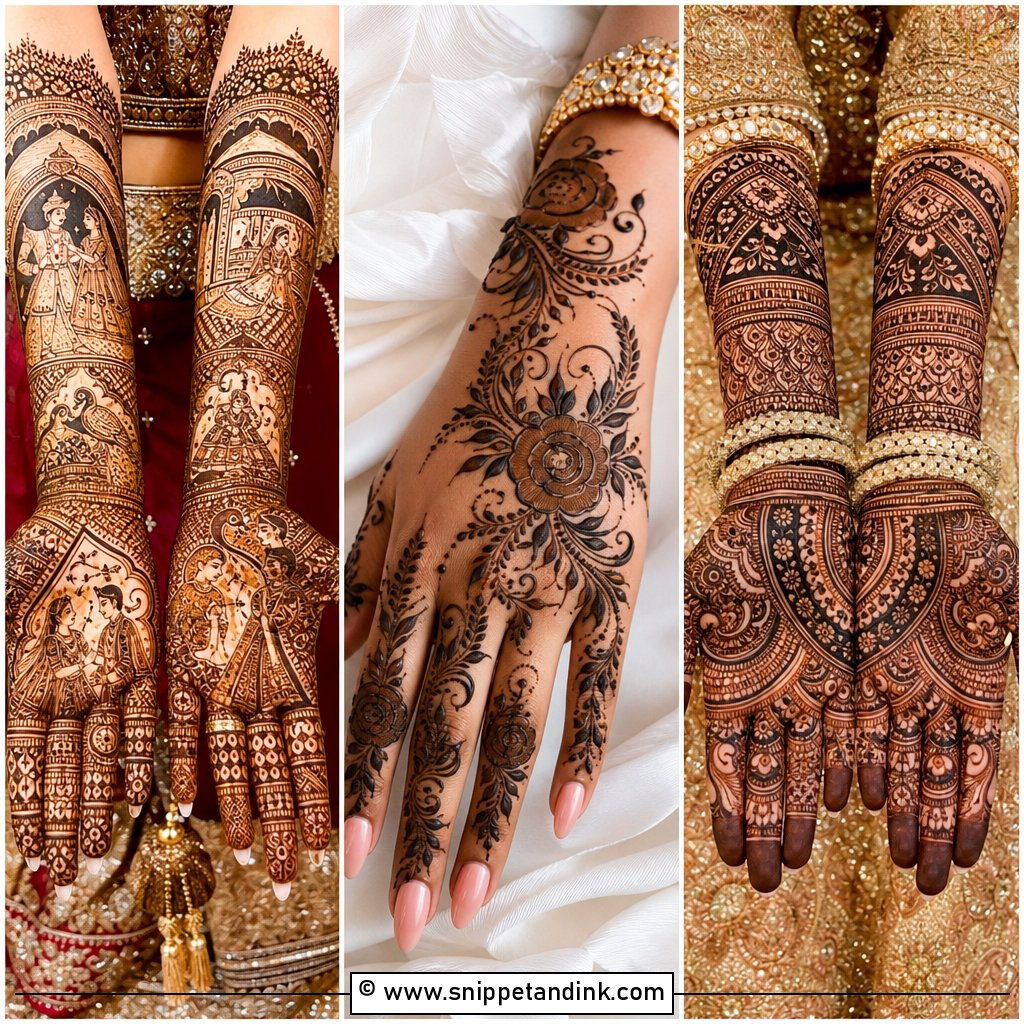
Bridal khafif still covers both hands and often the forearms, but each section sits apart from the next. I use fine vines, open florals, separated paisleys and soft jaali panels, and I put the effort into outlines rather than filling. Initials, a date or a tiny couple motif can be hidden in it if you keep them small. I’d advise against this style only if your family expects the traditional dense bridal look; the difference is obvious, and it is better to agree on it before the evening than during it.
7. Full Hand Khafif Mehndi Design
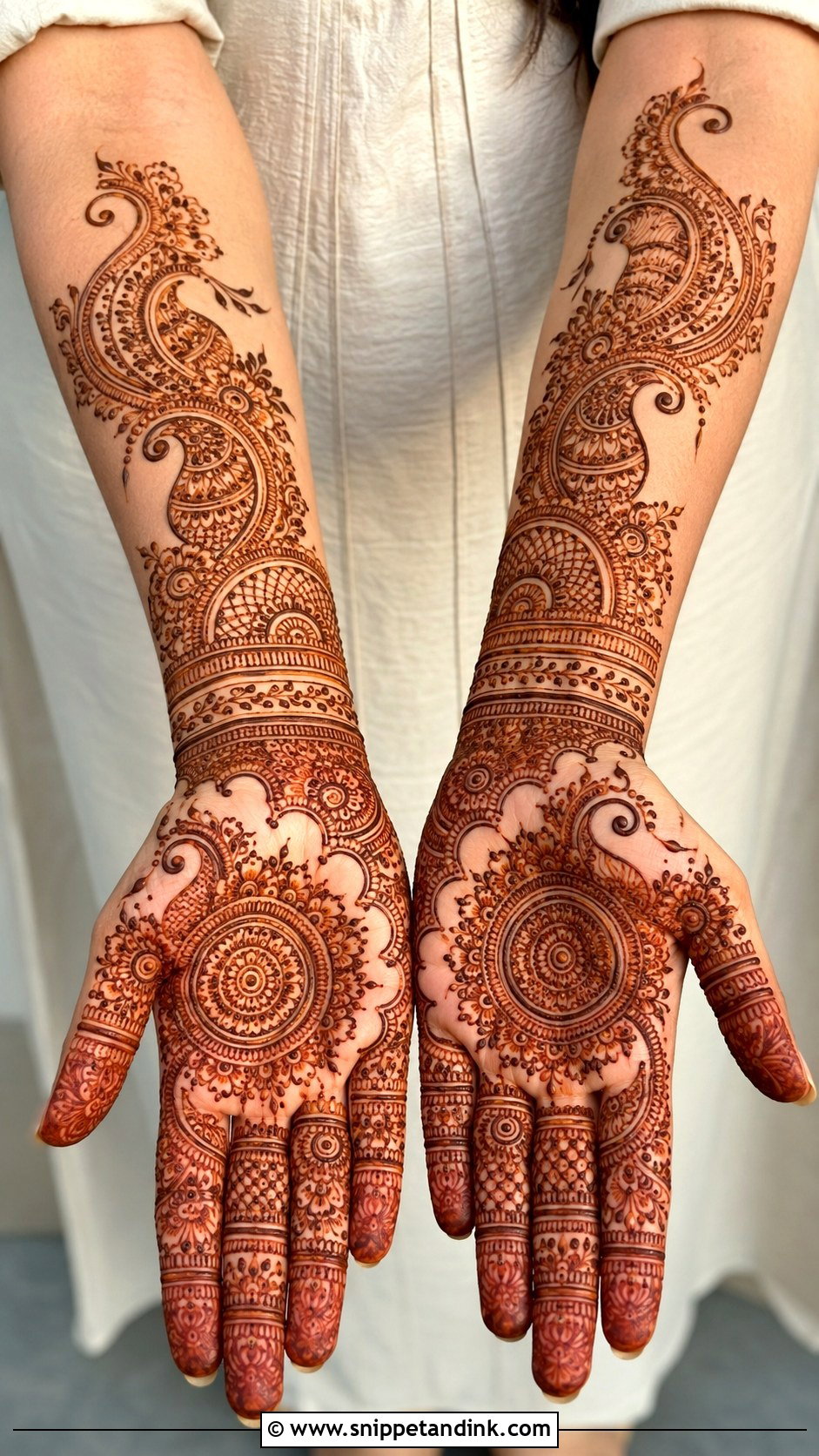
Full coverage without the packed feeling comes from repetition with gaps: spaced mandalas, slim paisley trails, floral vines, bracelet bands and small mesh sections, each with a sliver of bare skin around it. Larger main motifs and finer fillers keep it from turning messy. The extra room lets me build symmetry across both hands. Budget for more time than a half hand; the gaps are quick, but the planning is not.
8. Half Hand Khafif Mehndi Design
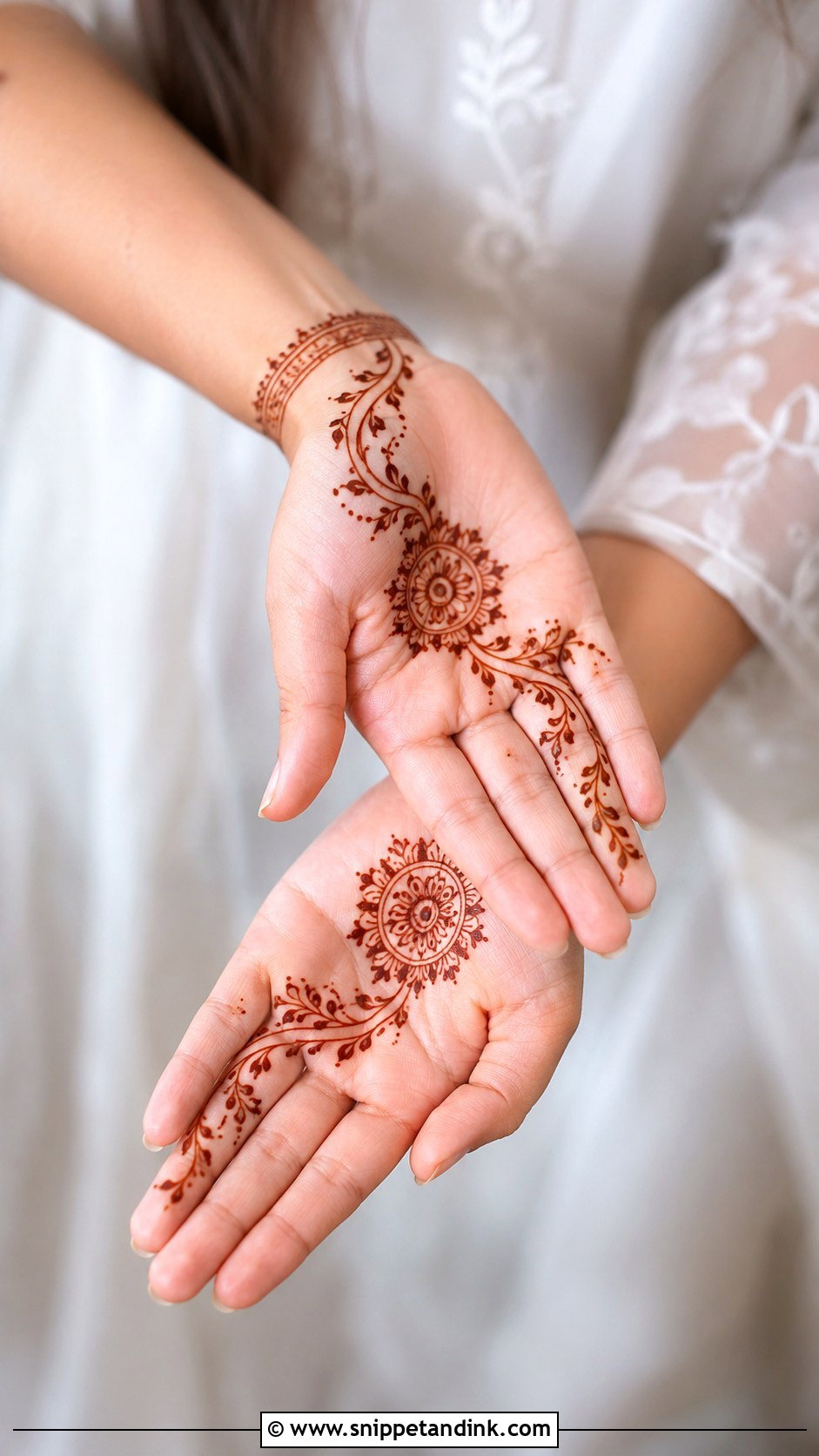
A half hand khafif mehndi design stops at the wrist and leaves the forearm bare. On the palm, I like a floral mandala with trailing vines; on the back, a wrist band with finger chains. Because there is so little of it, every line is on show. A clean half hand drawn slowly will always look better than a rushed full one, so if your slot is short, choose this and do it properly.
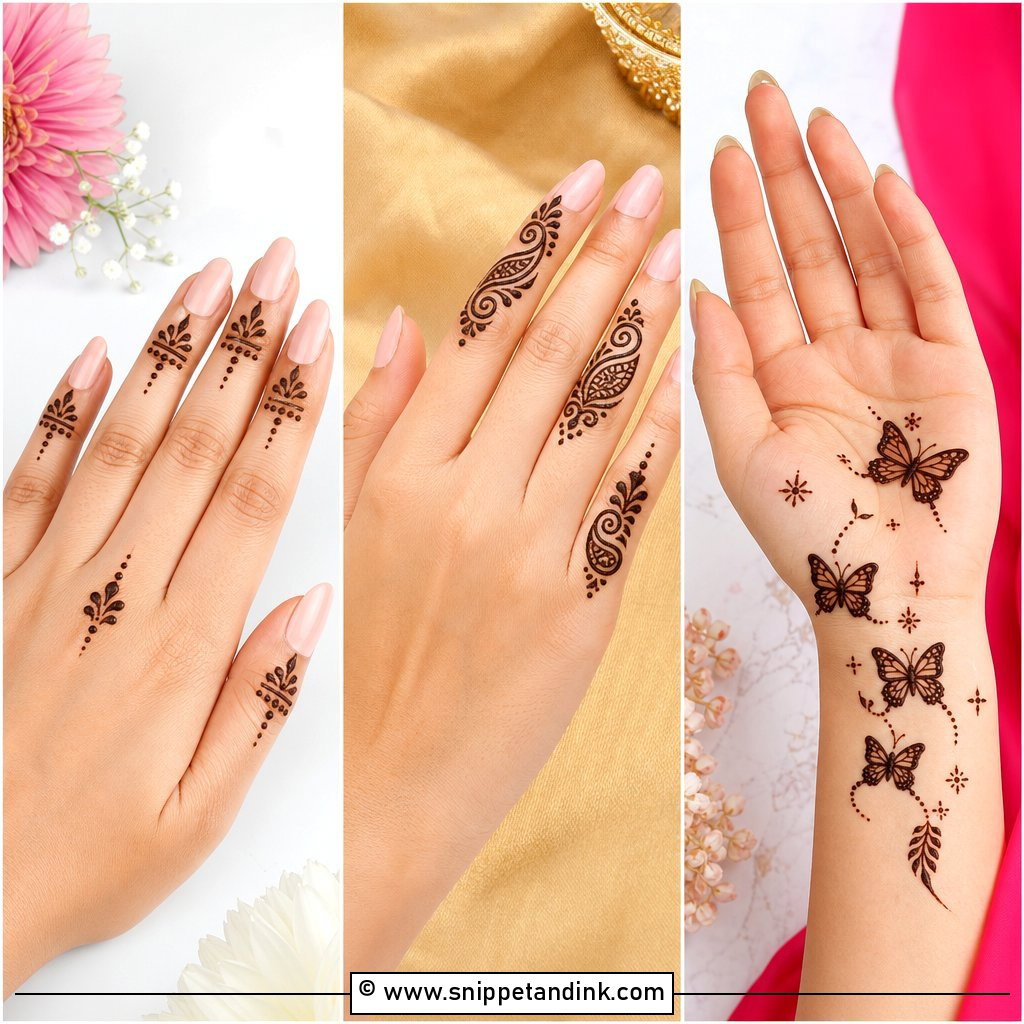
9. Finger Khafif Mehndi Design
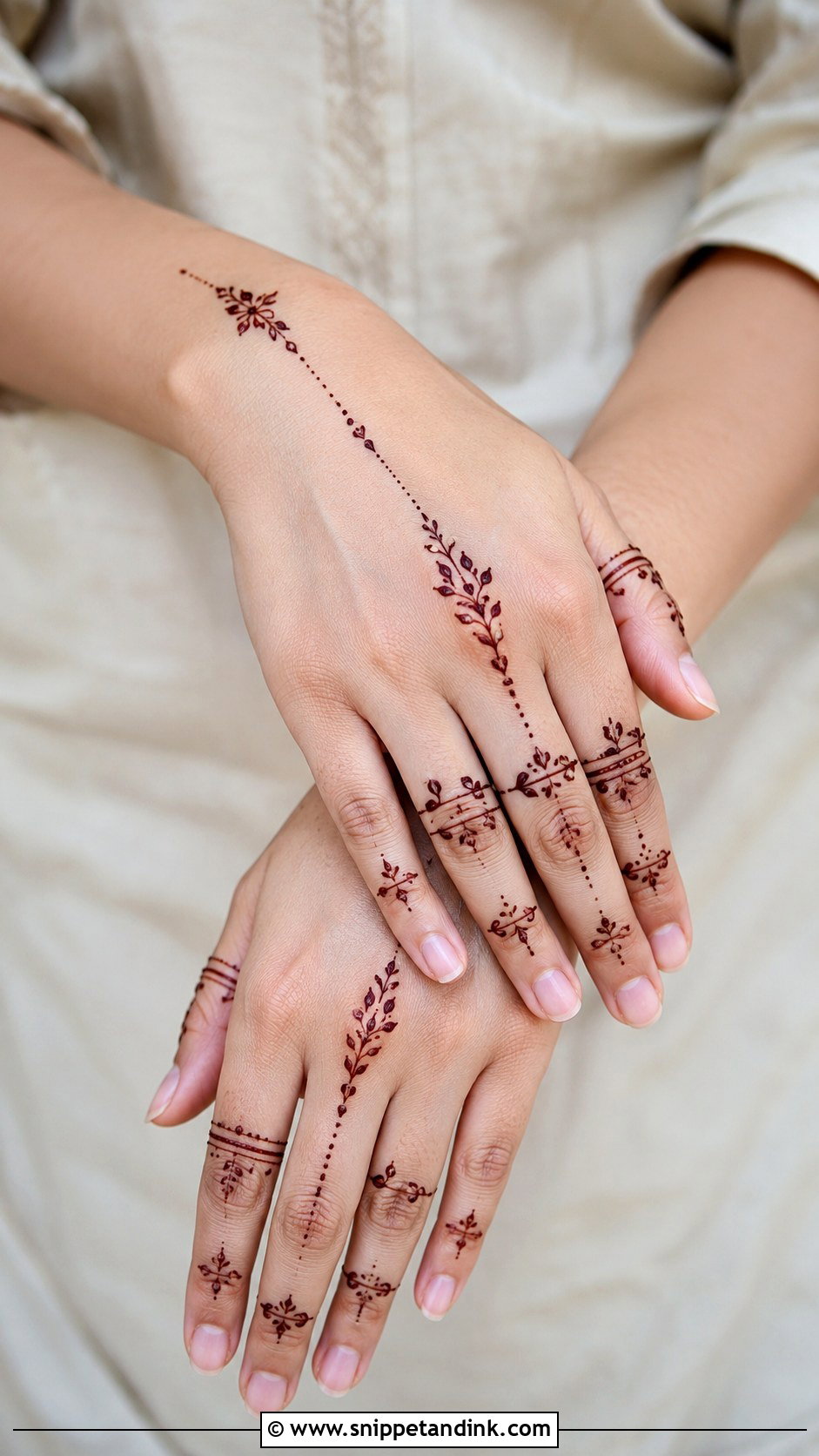
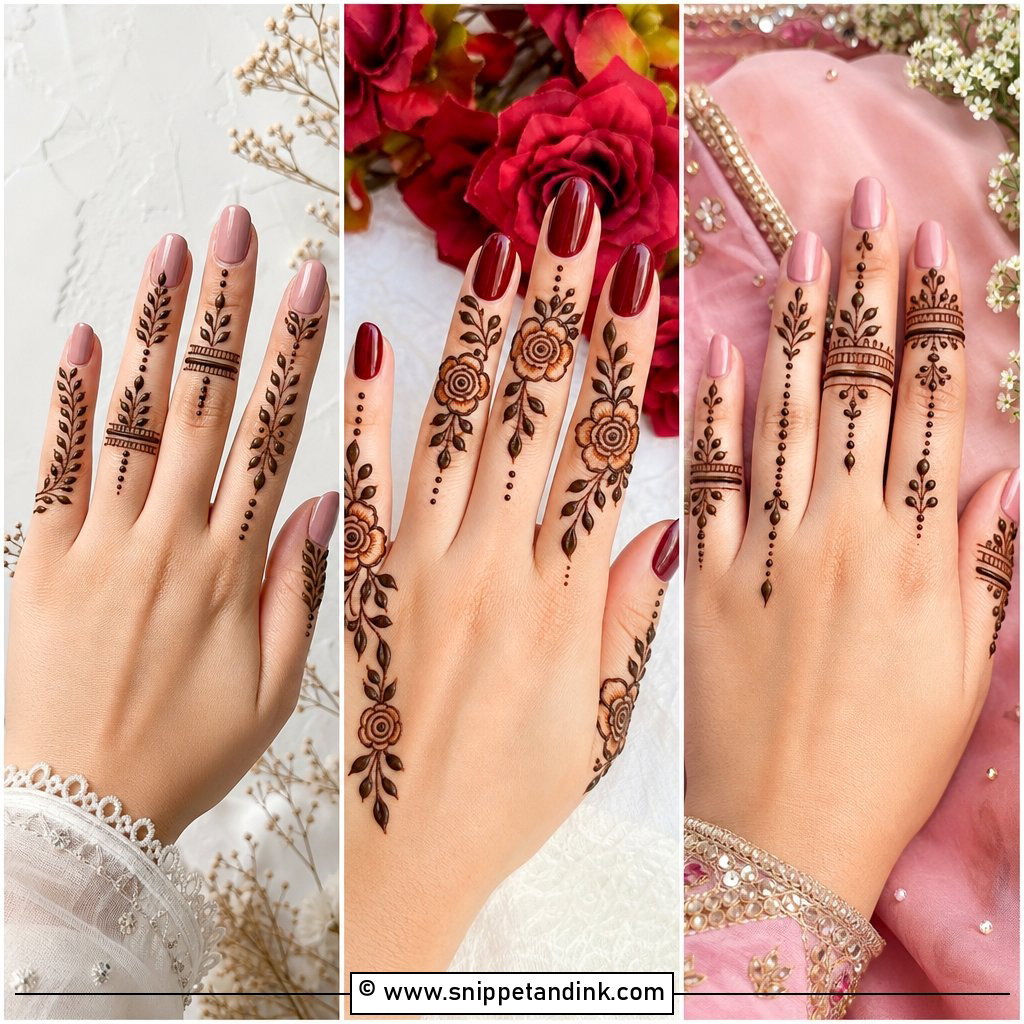
Fingers-only designs keep the hand almost bare and put slim bands, leafy tips, ring motifs and fine chains on each finger, sometimes with one small motif at the wrist. Finger pads take a strong stain, so even this tiny amount of henna is noticeable. I make each finger slightly different but tie them together with the same line weight. It is discreet enough for school or work and leaves room for real rings.
10. Palm Khafif Mehndi Design
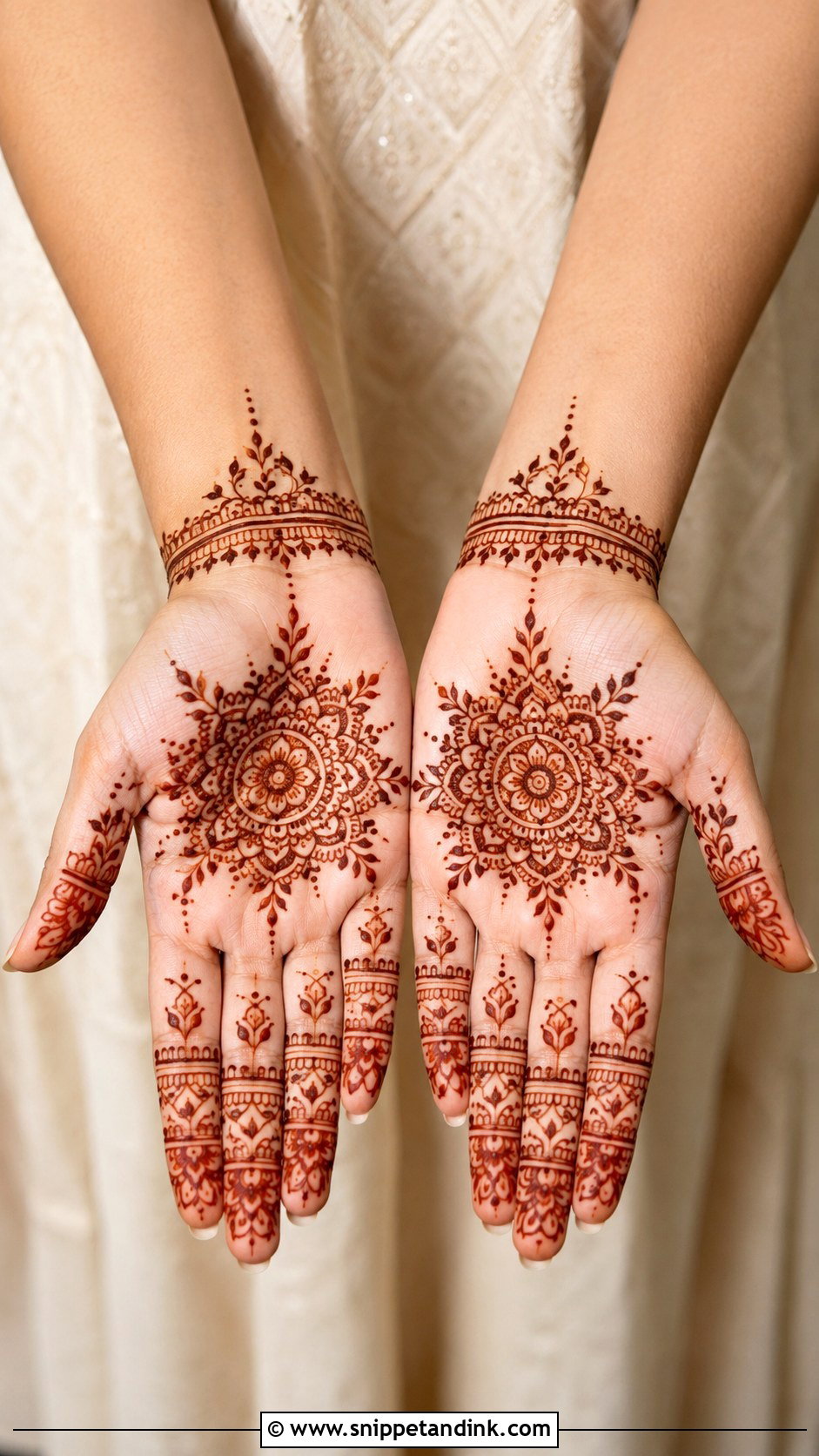
A palm khafif design lives or dies by its centre. A round mandala, lotus flower, paisley circle or soft spiral sits in the middle, small leaves and dotted trails reach toward the fingers, and a slim band or curved border closes the wrist. I size the centre motif to the palm: wider for a broad hand, compact for a small one. Leave a clear ring of skin around it so it can breathe.
11. Wrist Khafif Mehndi Design
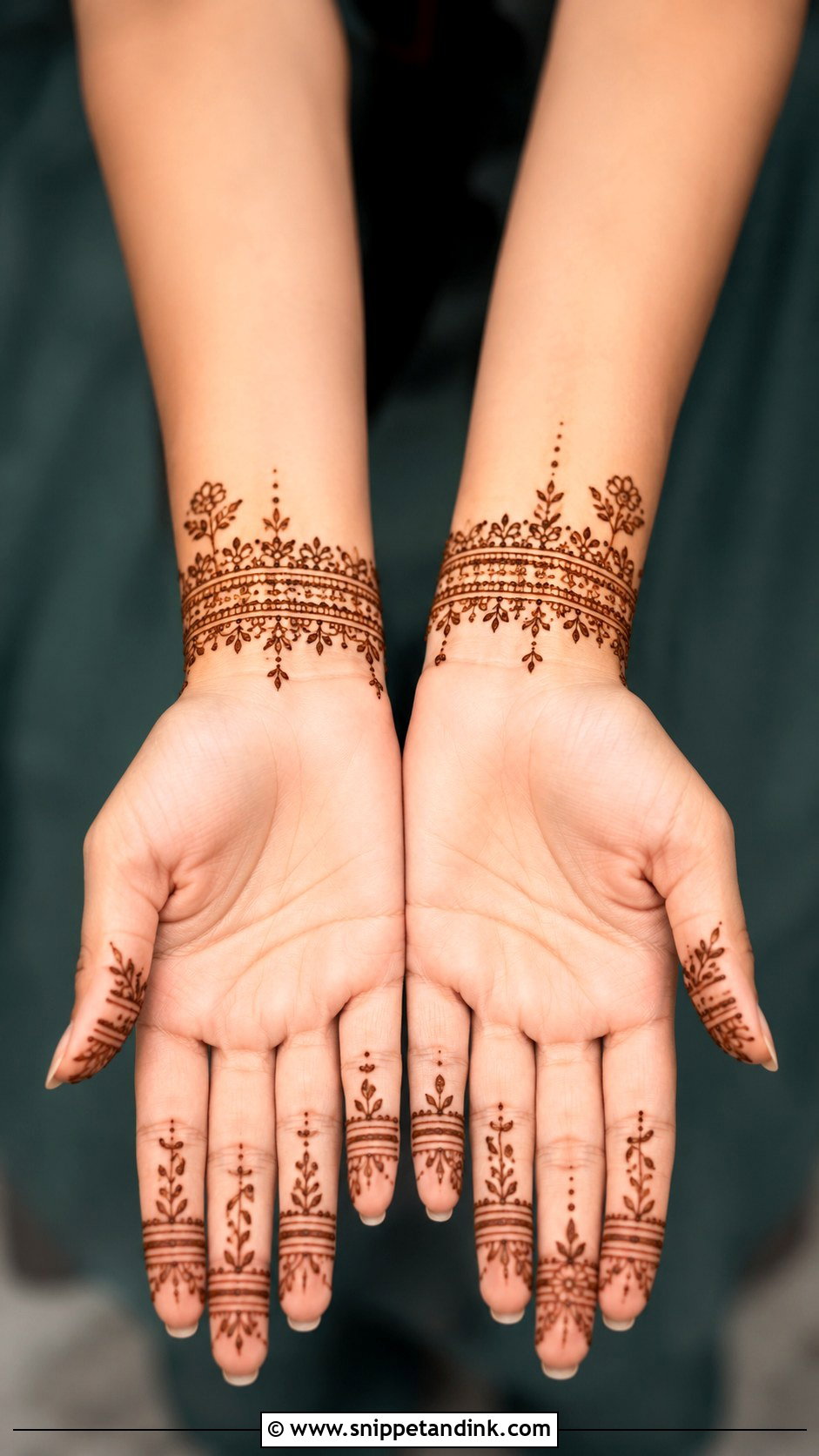
A thin band around the wrist, with small florals, hanging dots or a leafy chain drifting toward the hand, gives the effect of a fine bracelet. Fingers can stay bare or take tiny tips for balance. Crisp lines are non-negotiable here, because the whole design is one narrow strip. If you will be wearing a stack of bangles, I set the band slightly higher up the hand so the metal frames it rather than covering it.
12. Khafif Mehndi Design For Eid
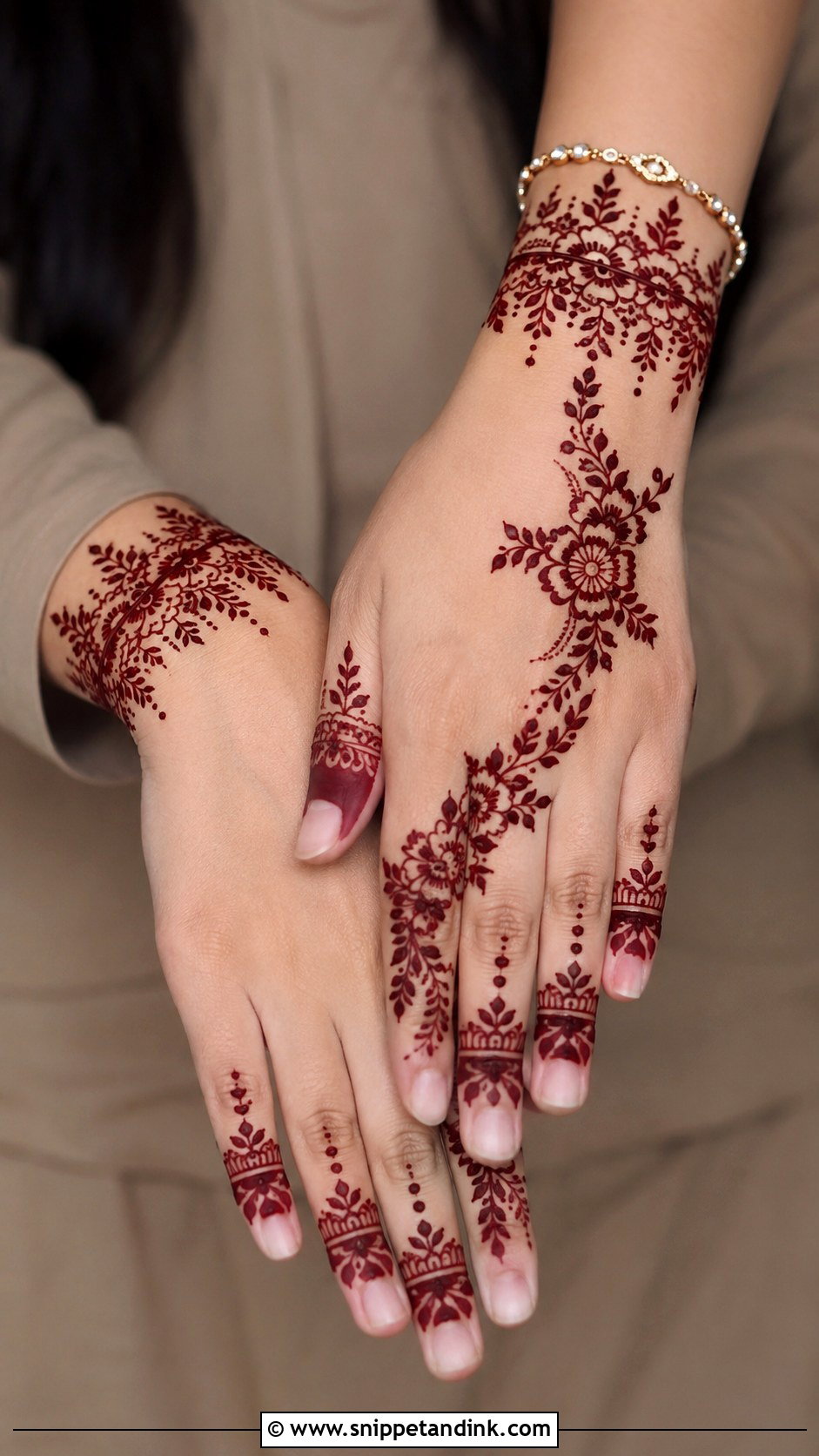
On Eid, everyone in the house wants henna and nobody has time. A floral trail on the back of the hand, finger bands and a soft wrist bracelet, or a palm mandala with leafy extensions, can be drawn quickly for each person. Apply it the night before if you can, so the stain deepens to reddish brown by morning instead of still being orange at prayers. Natural paste only; a cone promising an instant dark colour has something else in it.
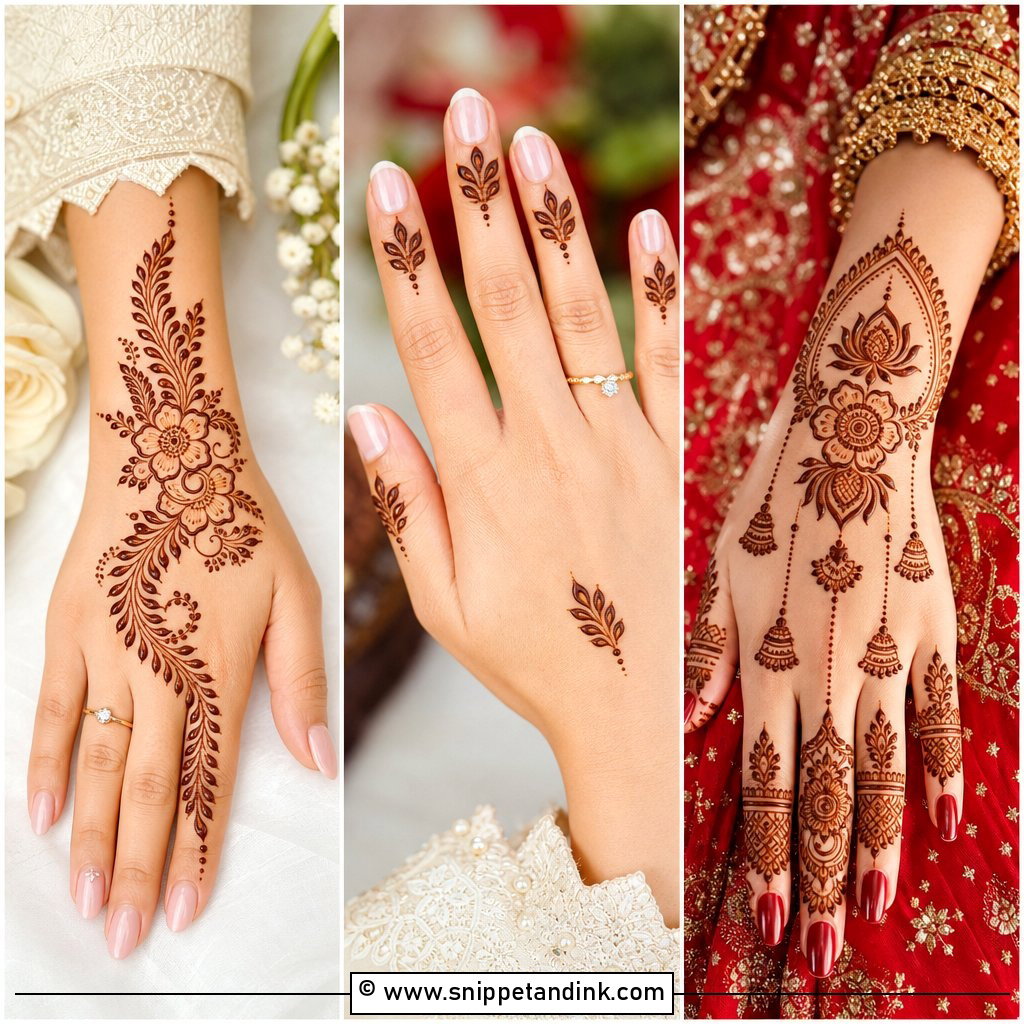
13. Khafif Mehndi Design For Wedding
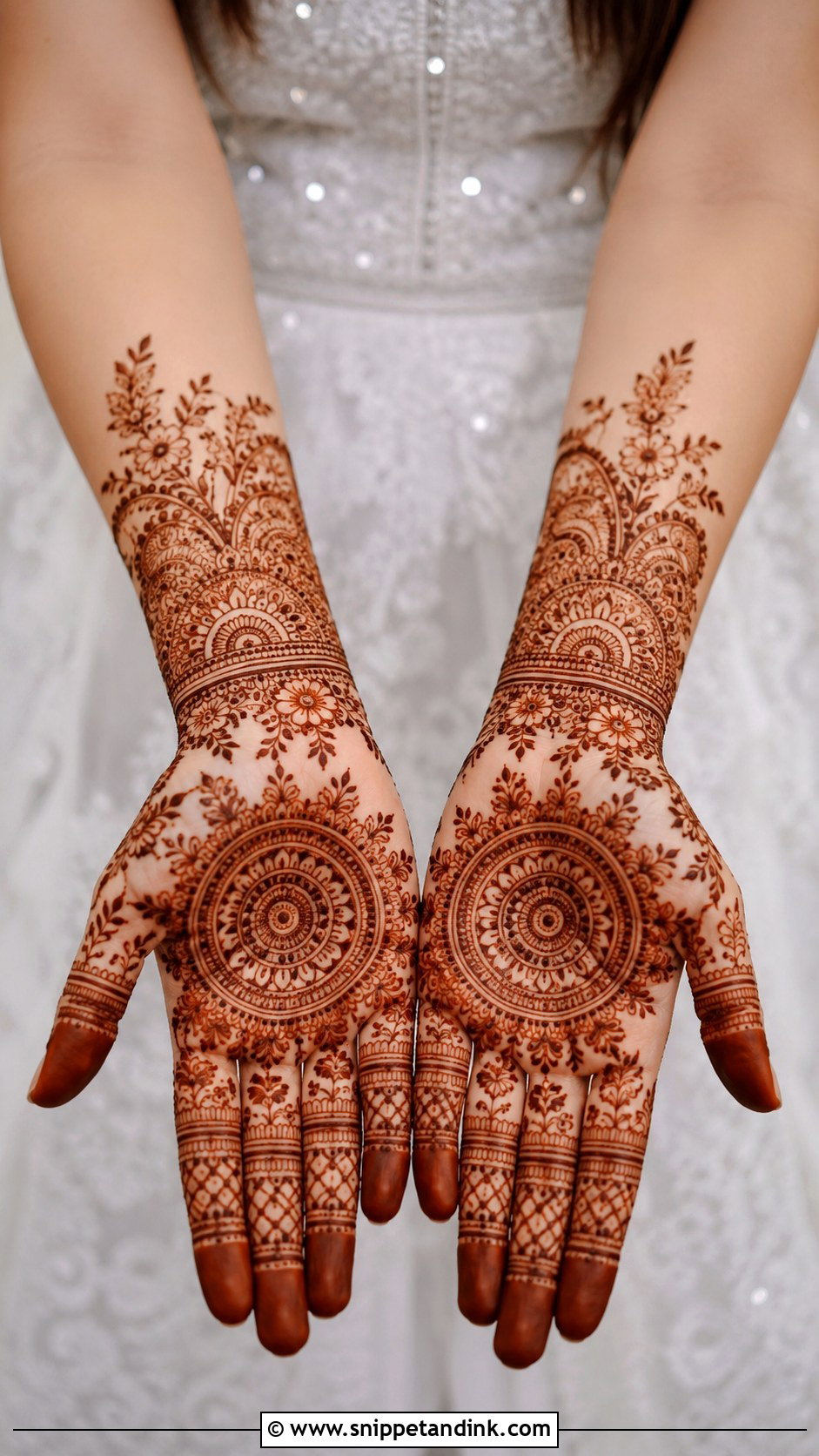
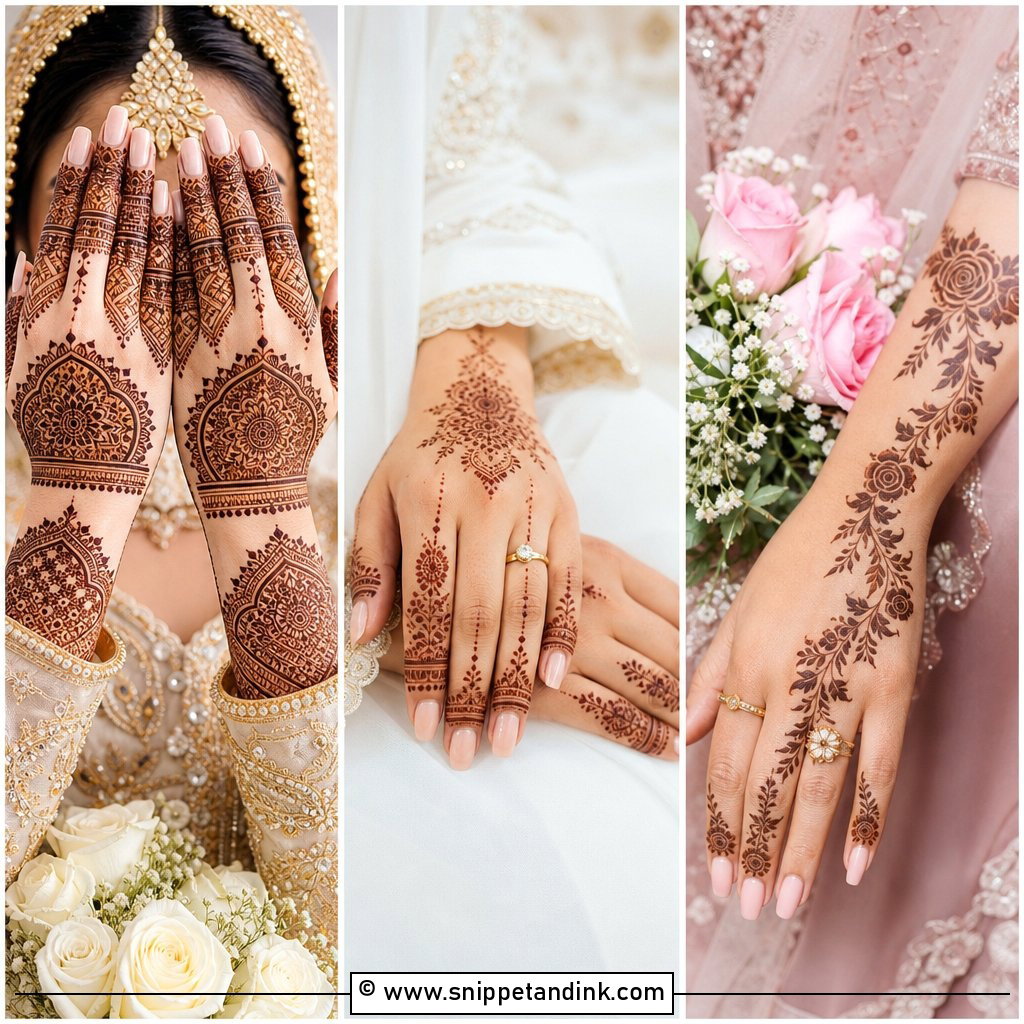
Sisters, cousins and bridesmaids want hands that look good in photos without upstaging the bride. I draw floral vines, paisley borders, mandala centres, finger detail and wrist cuffs, sometimes extending slightly above the wrist with the spacing kept open. Back-hand jewellery layouts suit sangeet and reception outfits. If your outfit has strong embroidery, show it to your artist. I often borrow a motif from the fabric so the hand and the clothes look related.
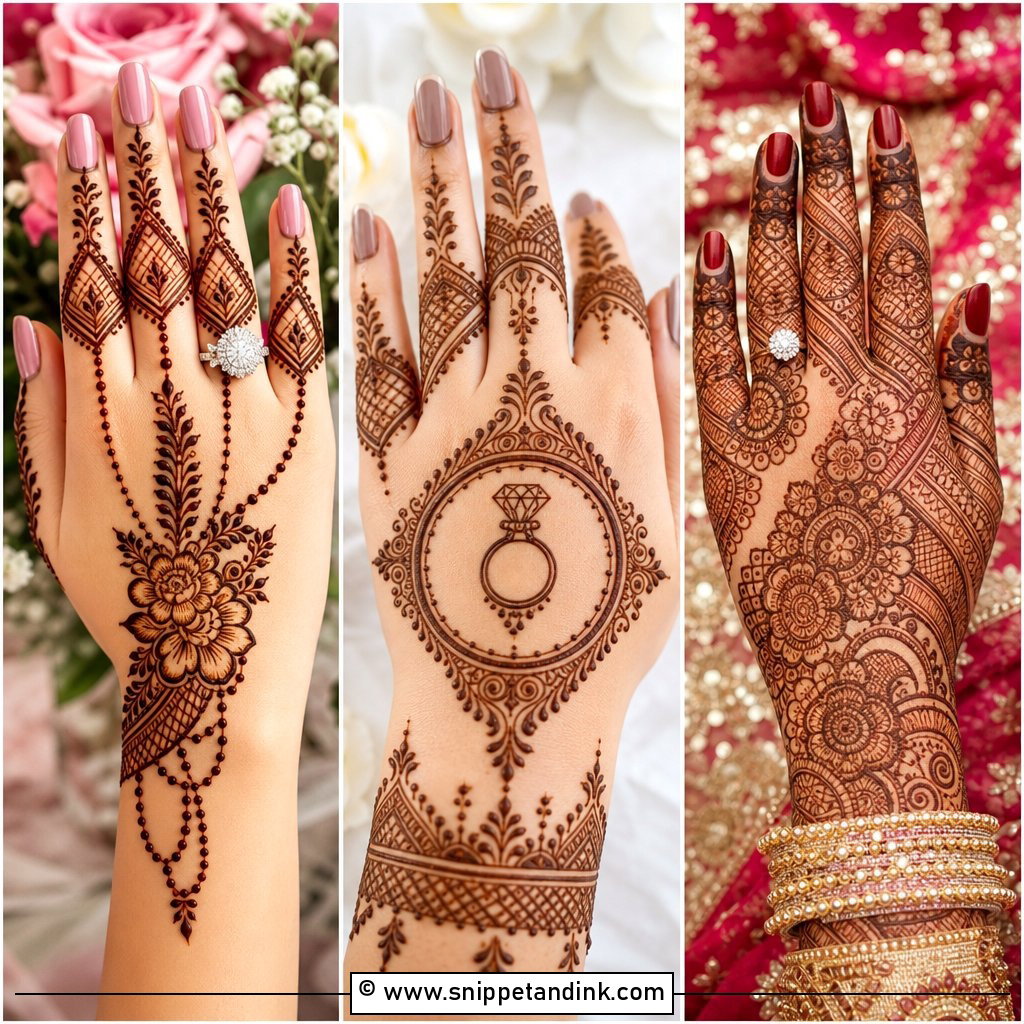
14. Khafif Mehndi Design For Engagement
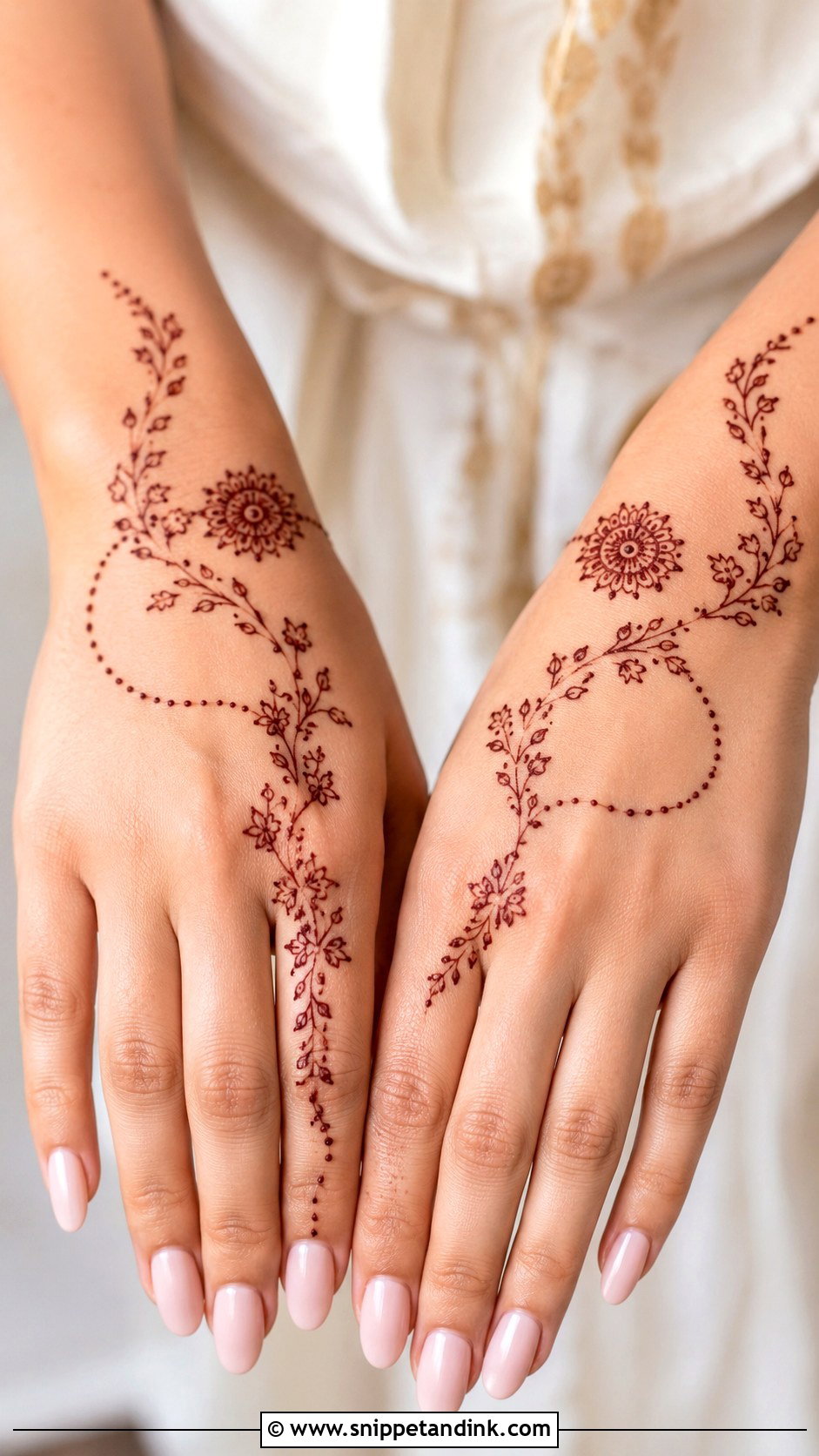
Engagement photos focus on the left hand and the ring, so I build the design around the ring finger. A delicate vine from wrist to that finger, small flowers, dots and chain details, with a tiny mandala on the back of the hand for balance. I leave a clear band of skin at the base of the ring finger where the ring sits; henna drawn right under it makes the ring hard to see. It suits pastel lehengas, sarees and gowns alike.
15. Khafif Mehndi Design For Bridesmaid
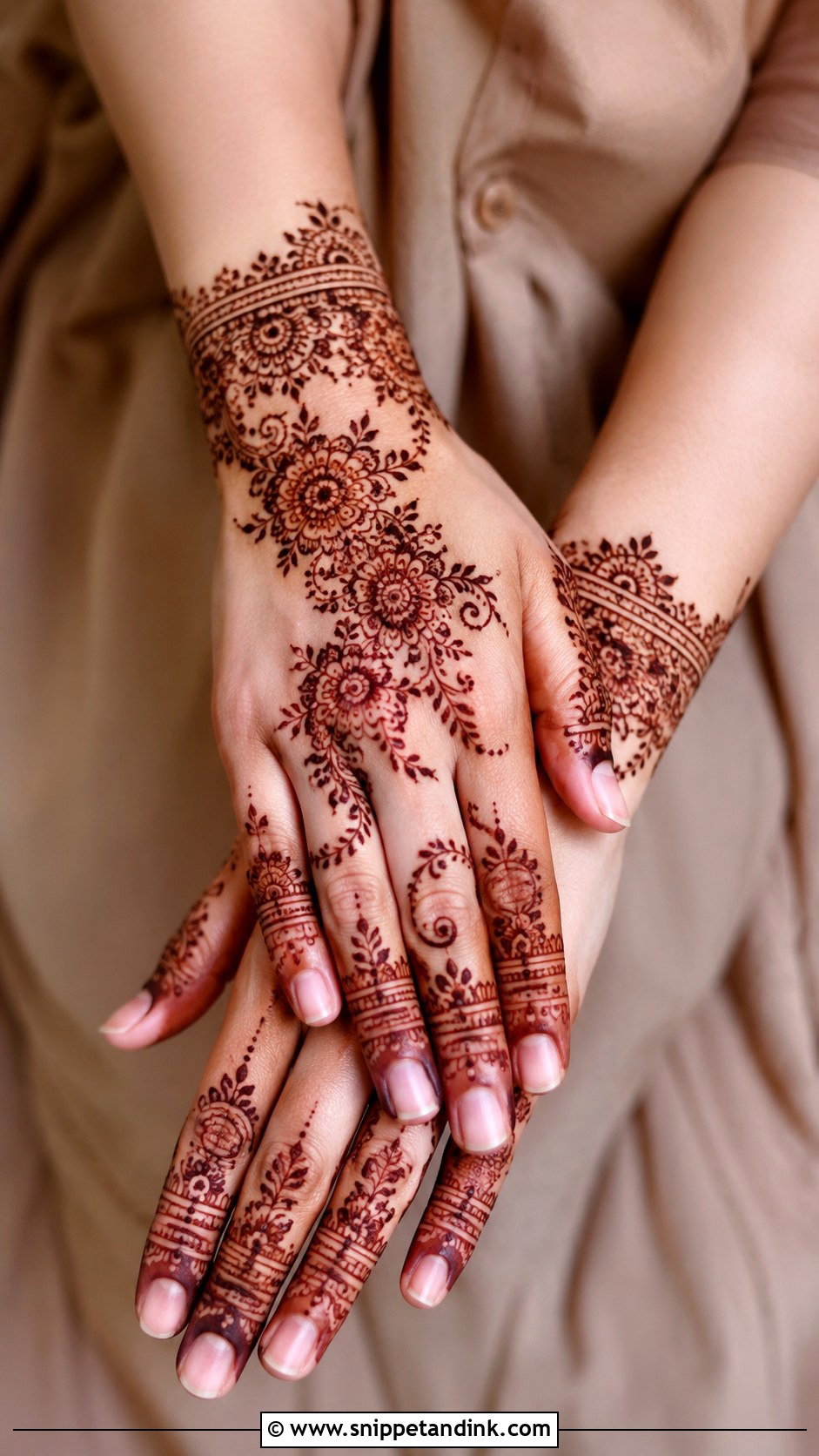
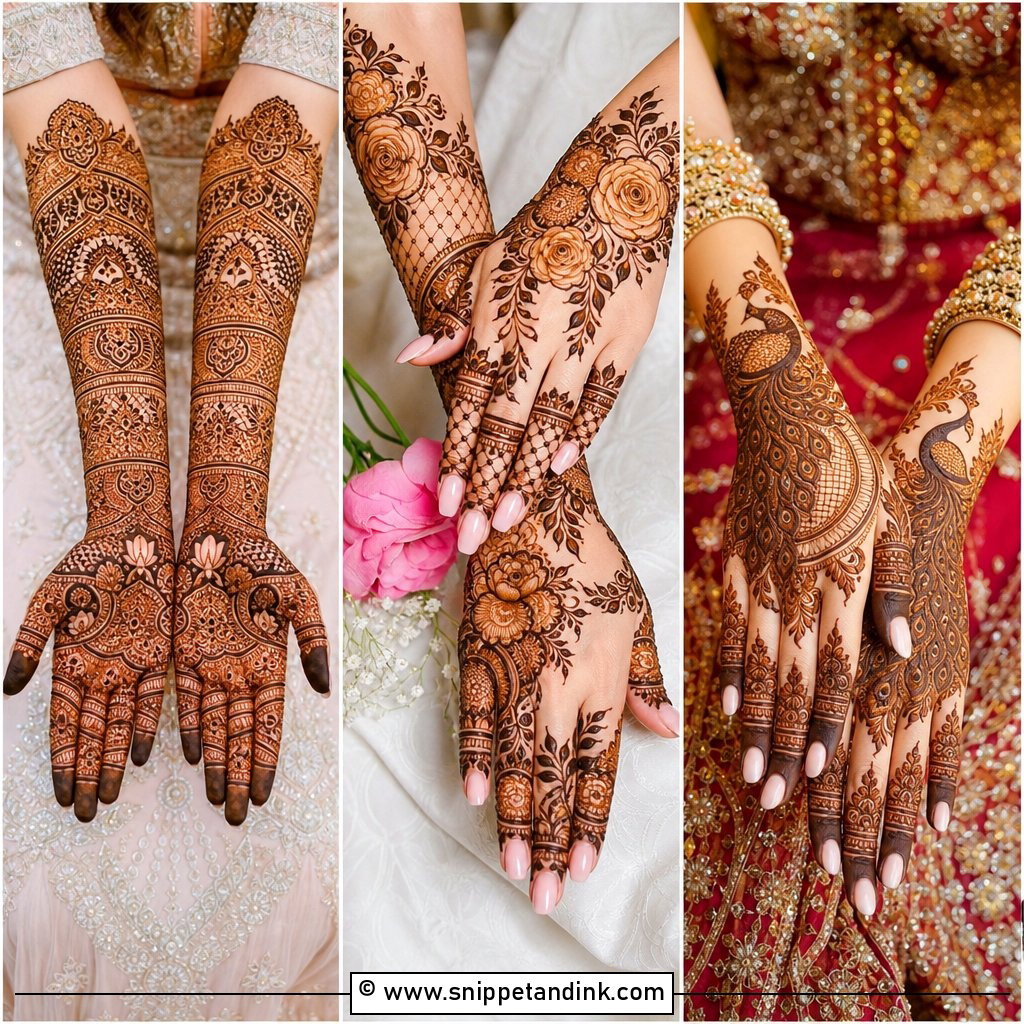
Bridesmaid designs should be quick, comfortable and consistent across the group: a back-hand floral trail, a wrist cuff and decorated fingers, or a palm mandala with slim vines for those who prefer the front. I like to tie the designs to the setting. Florals sit naturally at garden events, while jaali and paisley designs suit traditional outfits. One shared motif across every bridesmaid makes group photos look planned without making everyone identical.
16. Khafif Mehndi Design For Kids
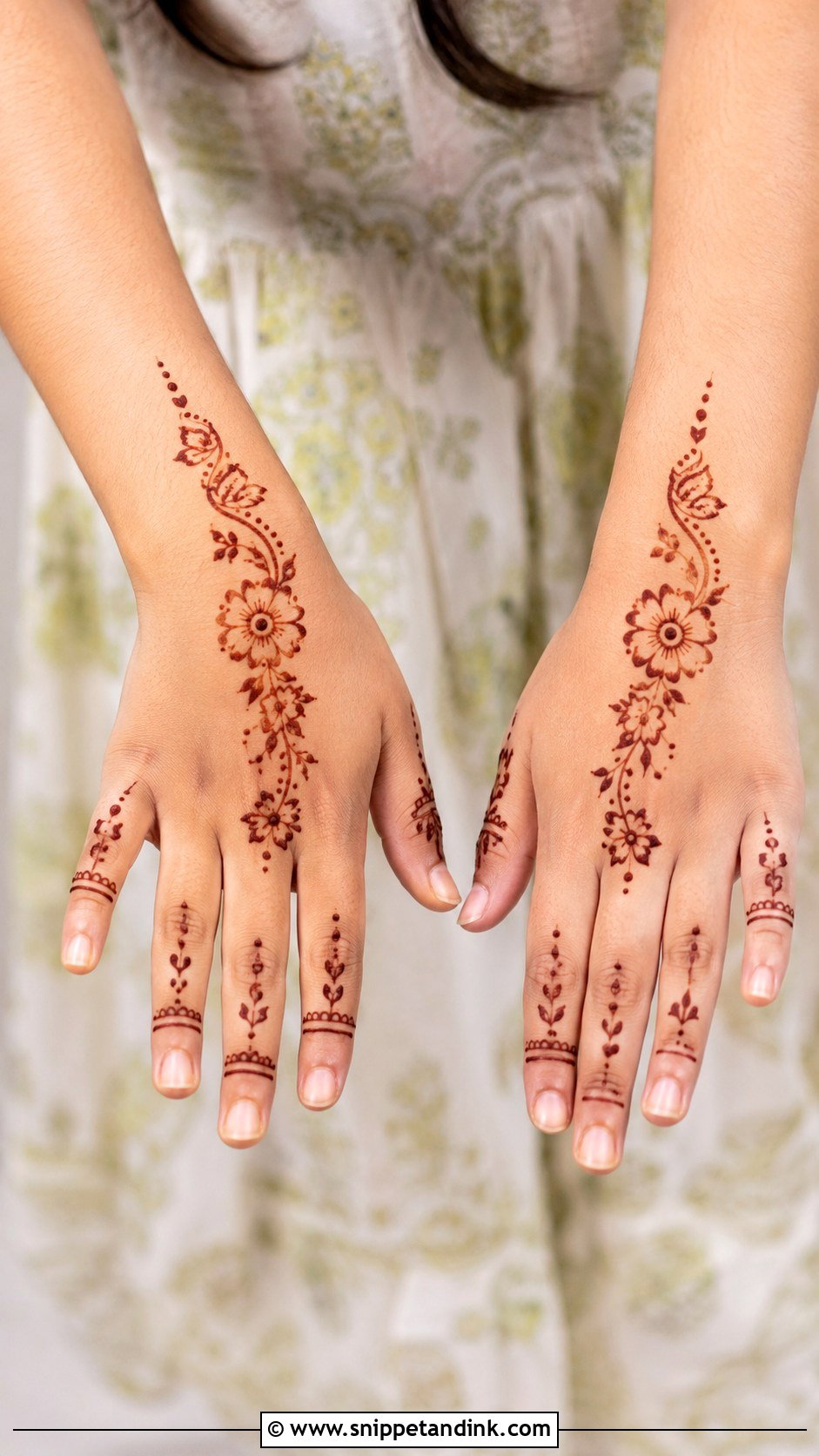
Children give you a few minutes at most. A small flower trail on the back of the hand, a simple palm mandala, or a dotted bracelet at the wrist is plenty. Hearts, stars and leaves keep it playful. I leave the fingertips bare so they can keep using their hands while it dries. Use only natural henna on children and keep the area small.
17. Khafif Mehndi Design For Girls
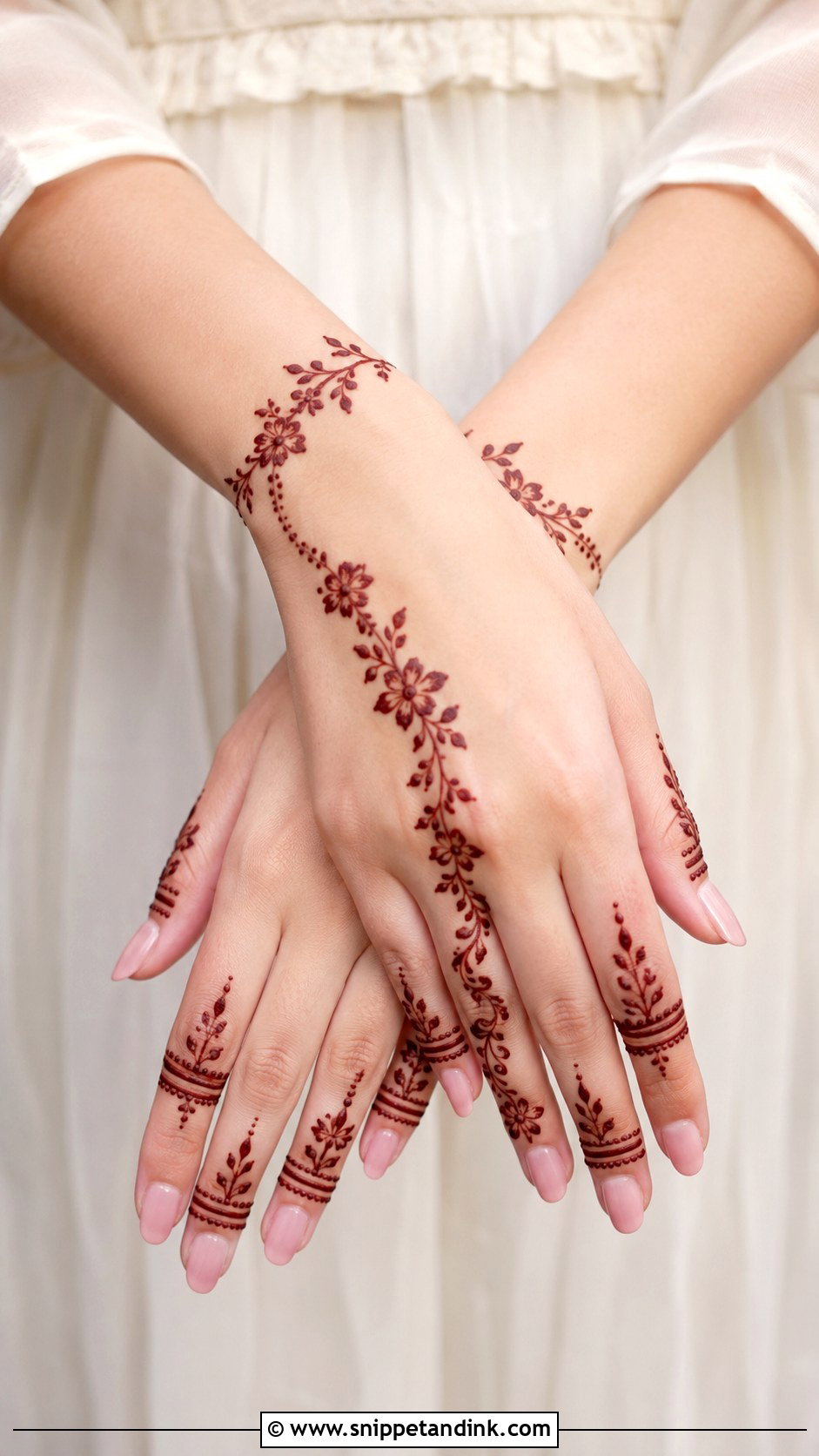
Teenagers and young women usually want henna that reads young: finger bands with a side floral vine and a small wrist detail, or a back-hand mandala connected to the middle finger by a dotted chain. Fine leaves, small flowers and open space keep it fresh rather than bridal. These designs move easily between school functions, Eid, Diwali, a cousin’s wedding and a casual outfit the week after.
18. Modern Khafif Mehndi Design
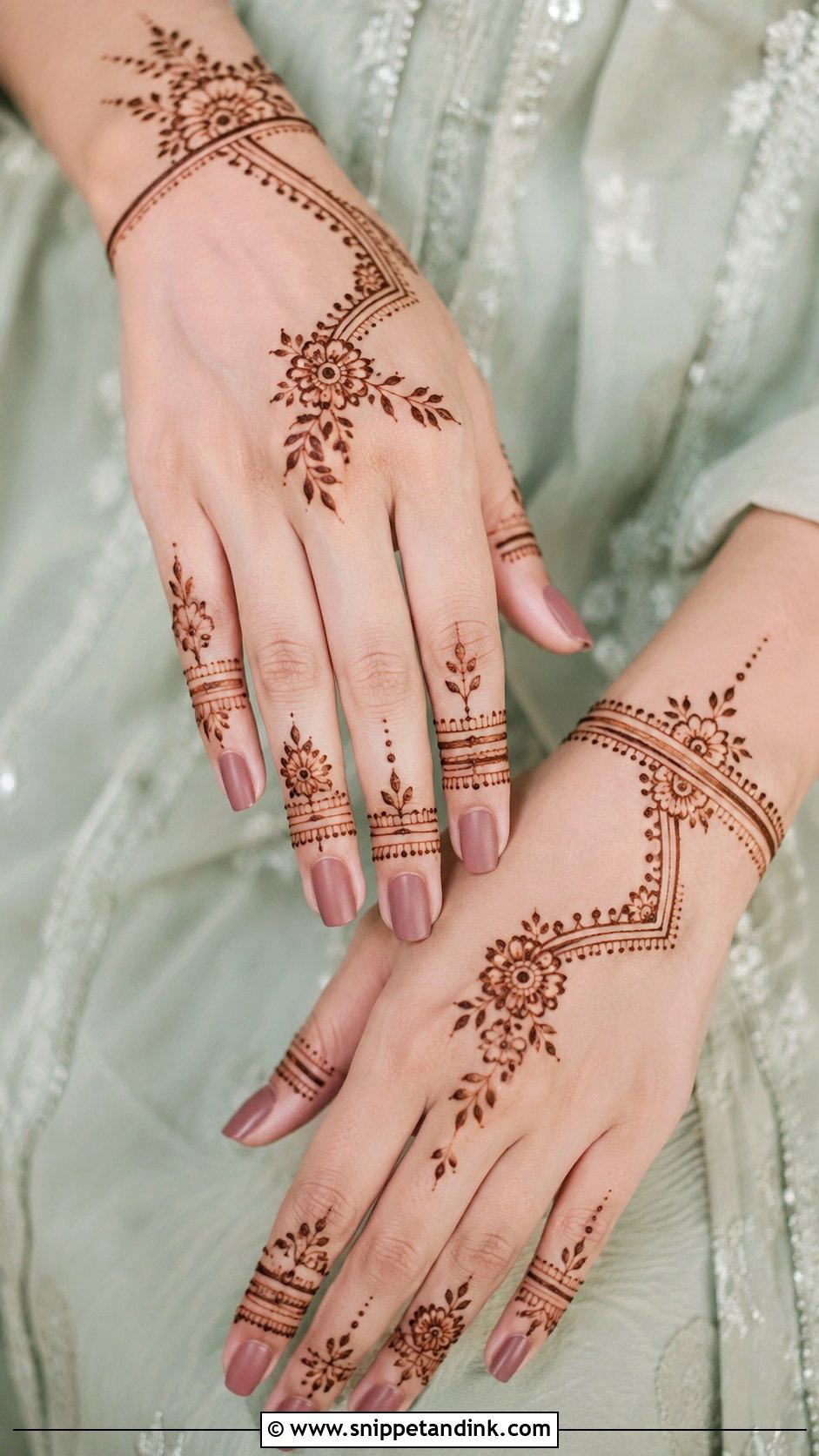
Modern khafif is about placement. I use sleek finger lines, geometric curves, bracelet bands and a few floral accents, mostly on the back of the hand, and I’m happy to make it asymmetric, heavier on one side than the other. Sharp lines and uncluttered motifs are what separate modern from unfinished. If you are unsure, show your artist the outfit; geometric work sits better with clean-cut fabrics than with heavy traditional embroidery.
19. Minimal Khafif Mehndi Design
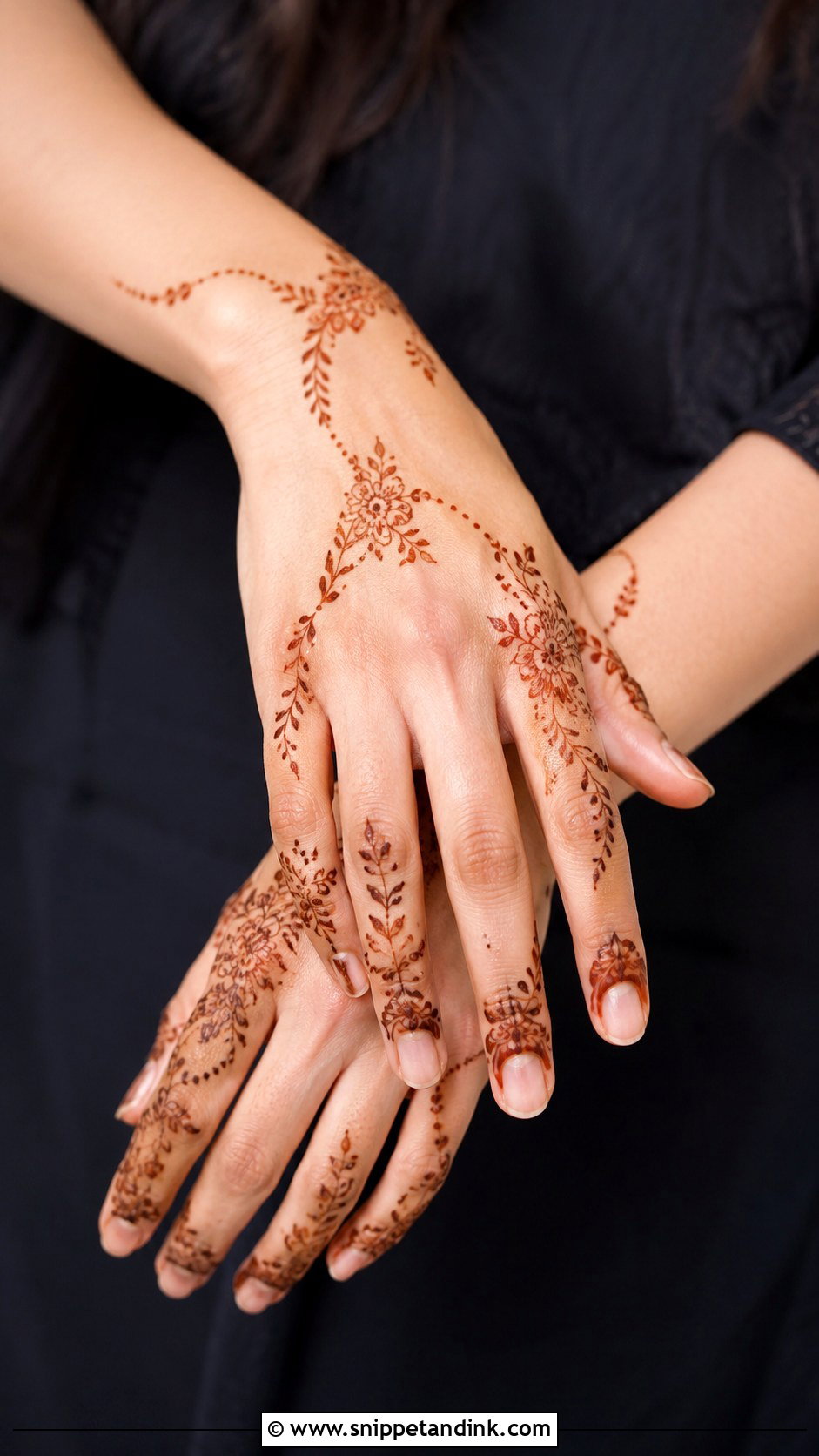
Minimal khafif might be only the fingers, one side of the palm, or a single thin vine from wrist to back hand. No shading, no heavy fill, no big motifs: tiny flowers, fine leaves, dots and open curves. It is where I send first-timers and anyone who wants their jewellery or nails to lead. The trade-off is that a thin minimal design fades faster than a bold one, so it looks its best in the first few days.
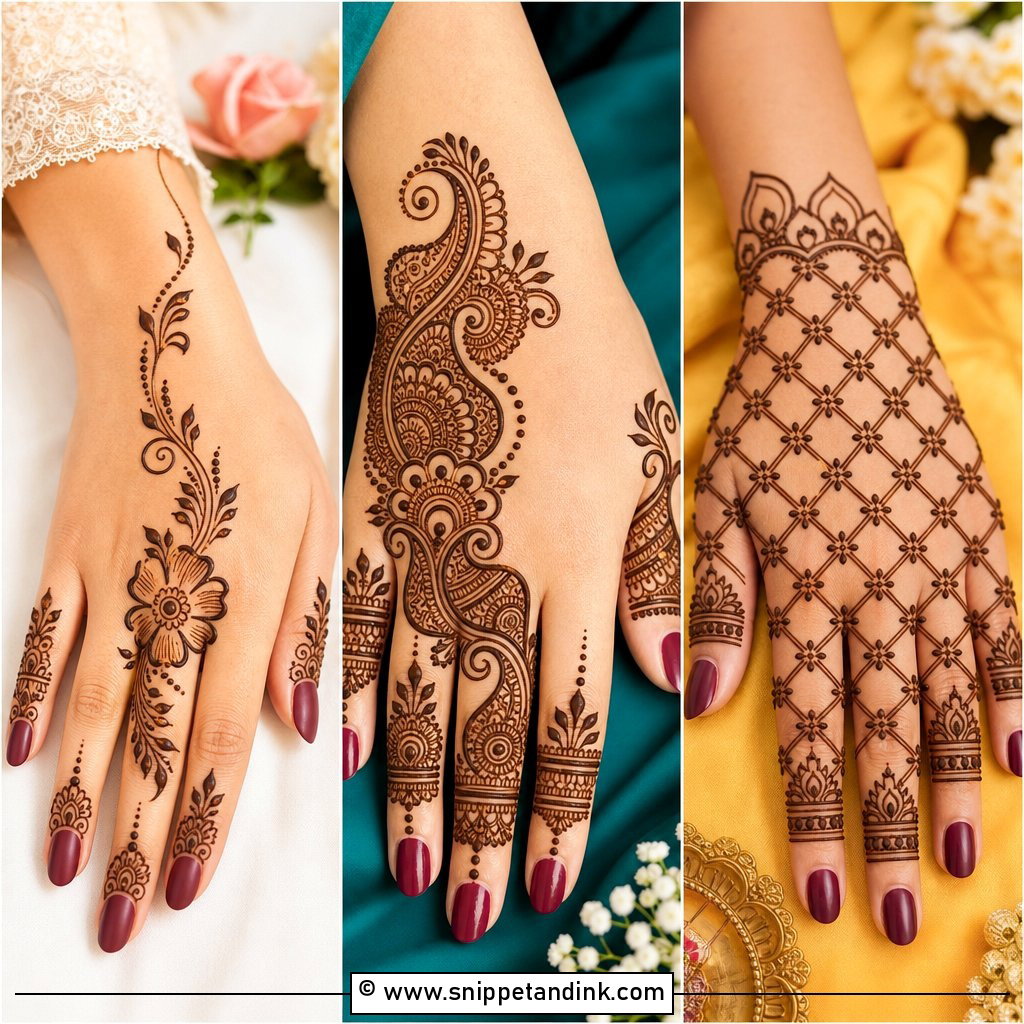
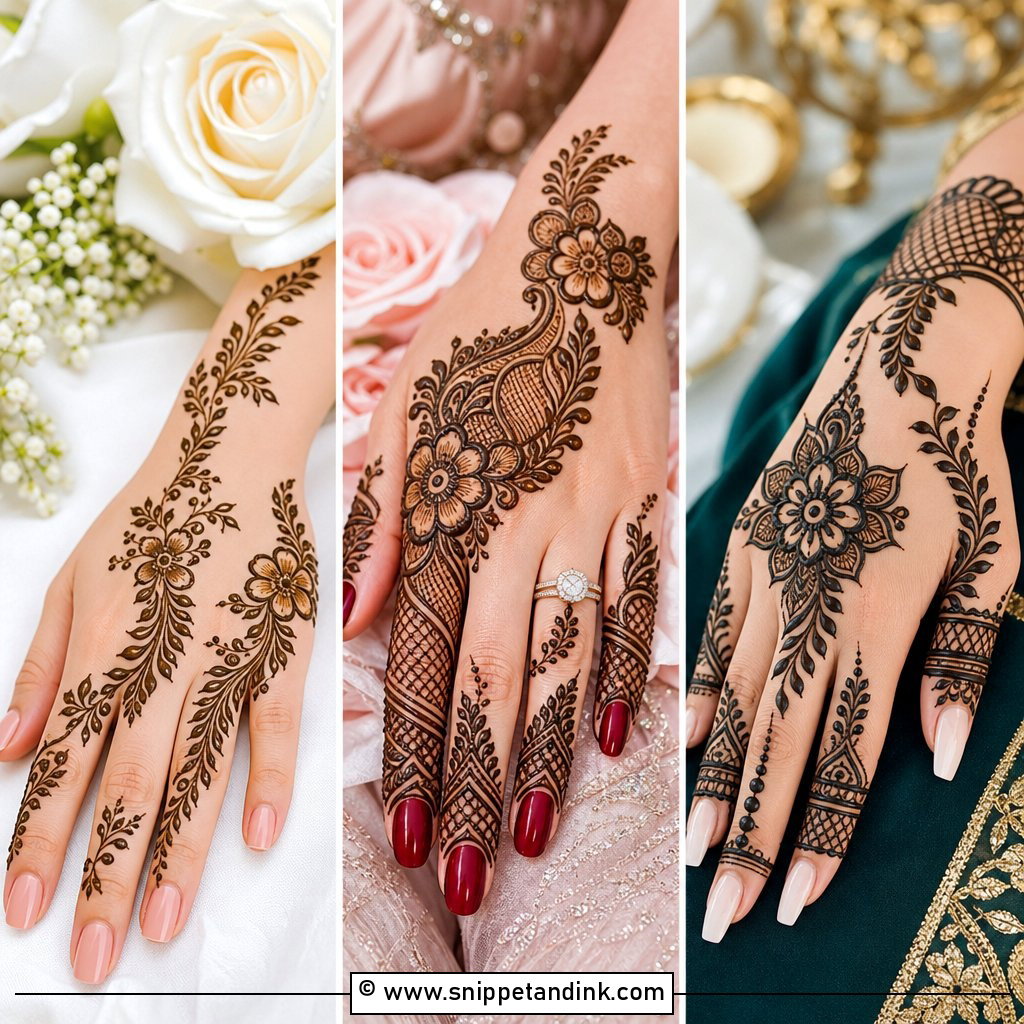

20. Floral Khafif Mehndi Design
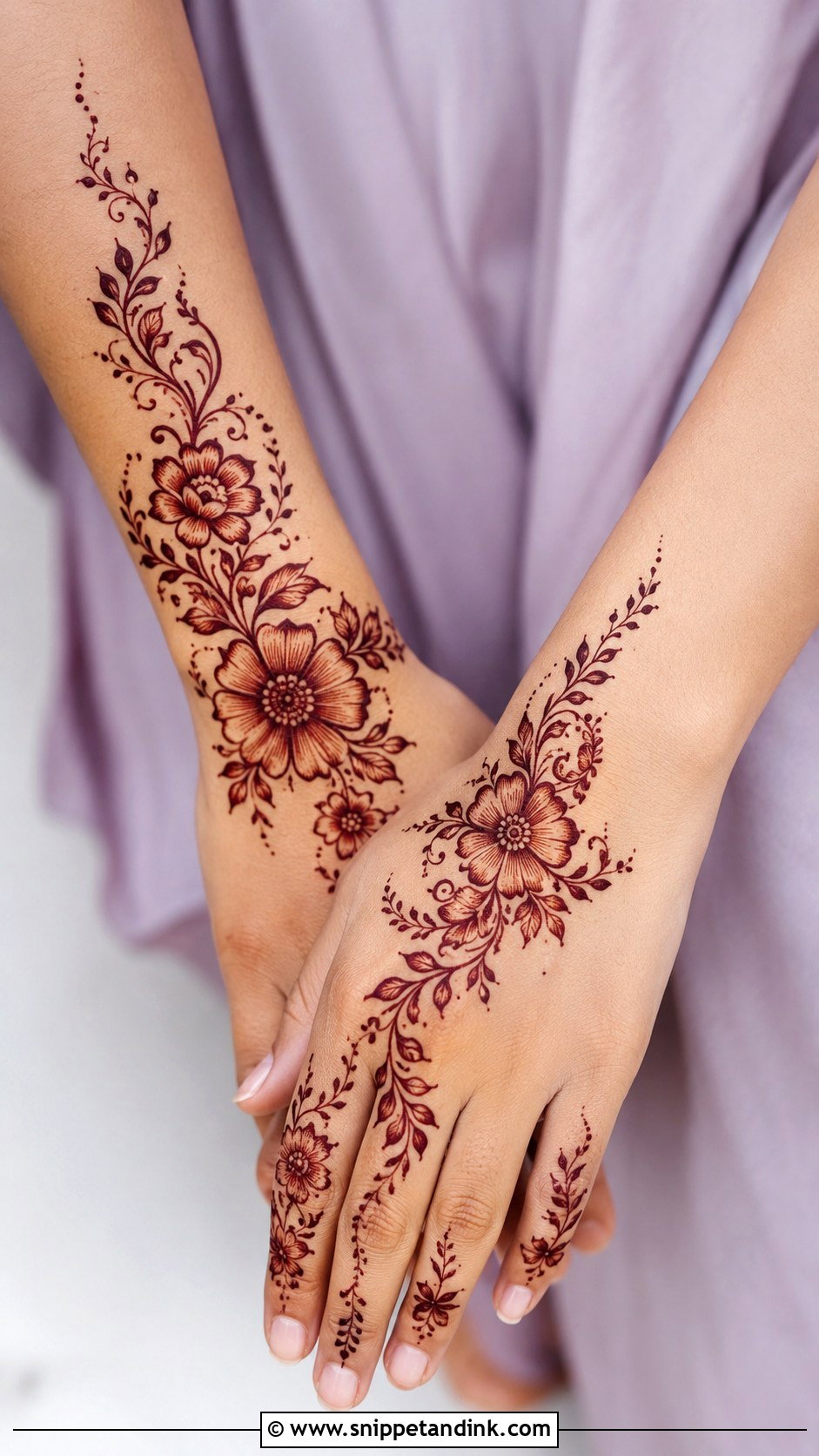
Flowers and khafif henna were made for each other because open petals are already light. A larger flower near the wrist, smaller blossoms across the hand, leafy vines and dotted filler make a complete design. On the palm, I turn the flowers into a floral mandala; on the back, I run them diagonally, which slims the hand. I outline petals with fine strokes and leave most of them open. Haldi, mehndi and summer functions suit this look.
21. Paisley Khafif Mehndi Design
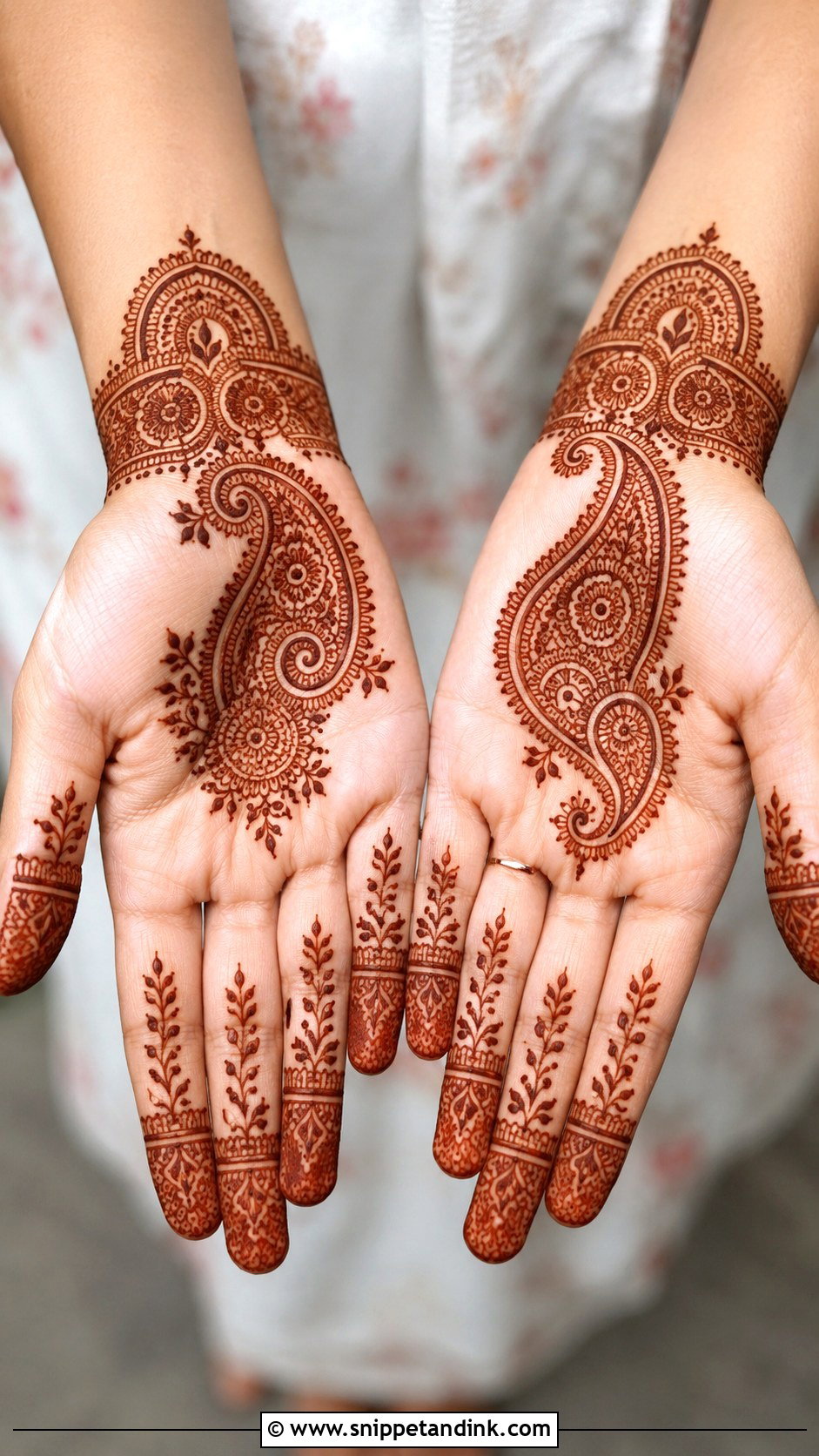
Paisleys add tradition without weight if their insides stay light. I outline them cleanly and fill with fine lines, tiny leaves, dots or mini florals rather than shading. They can sit on the palm, at the wrist or along an Arabic-style diagonal. One large paisley near the wrist, a smaller one on the palm and matching finger details is a layout I return to often for weddings and family ceremonies.
22. Mandala Khafif Mehndi Design
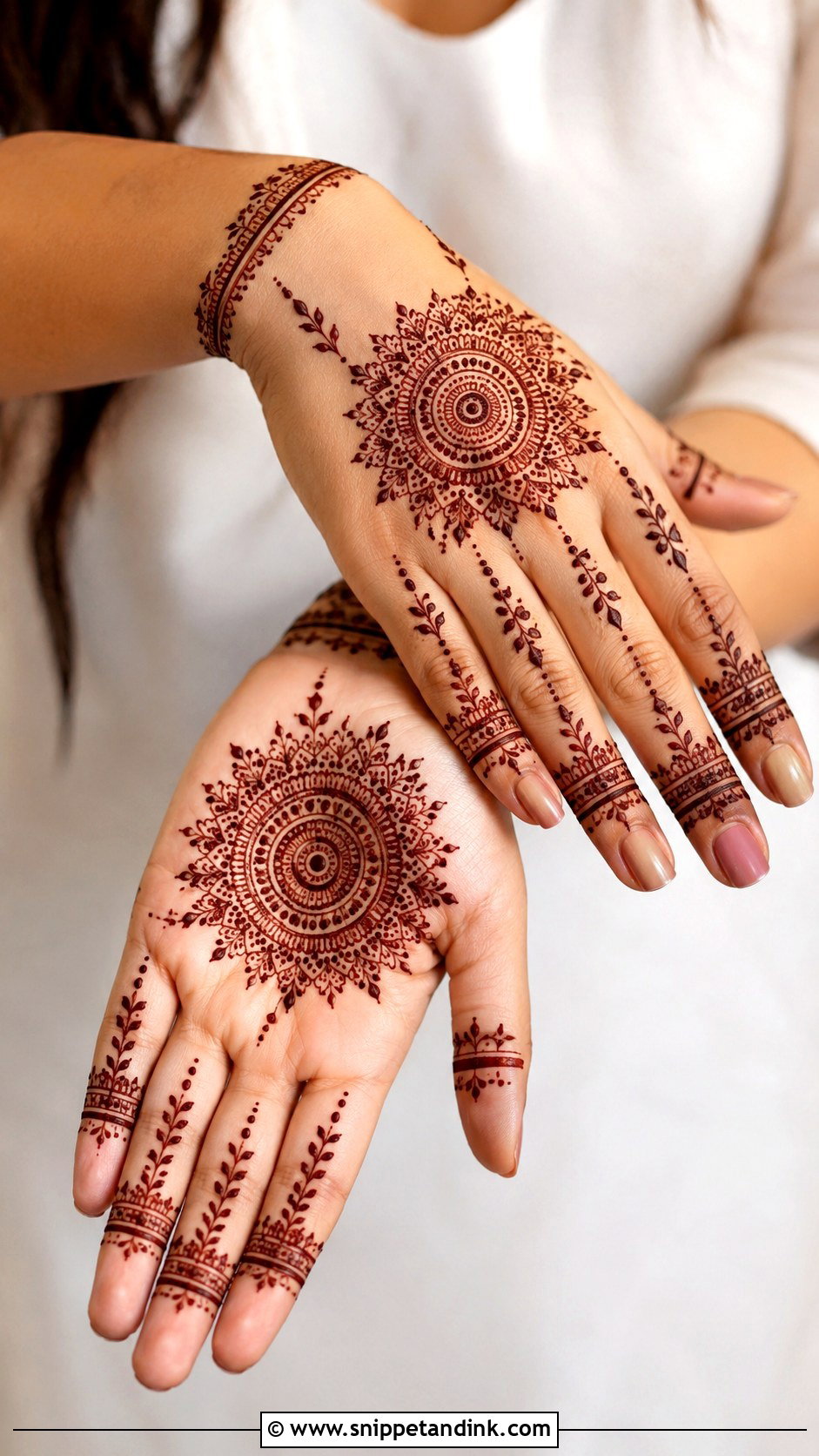
A mandala gives a beginner a clear structure: circle, petals, rings, done. In khafif style, I keep it open with fine petals and spacing, and connect it to the fingers and wrist with dotted chains, leafy lines or slim bands. On the palm it looks traditional; moved to the back of the hand it reads more like jewellery. The one thing that ruins it is a lopsided circle, so I dot four points around it before drawing.
23. Jaali Khafif Mehndi Design
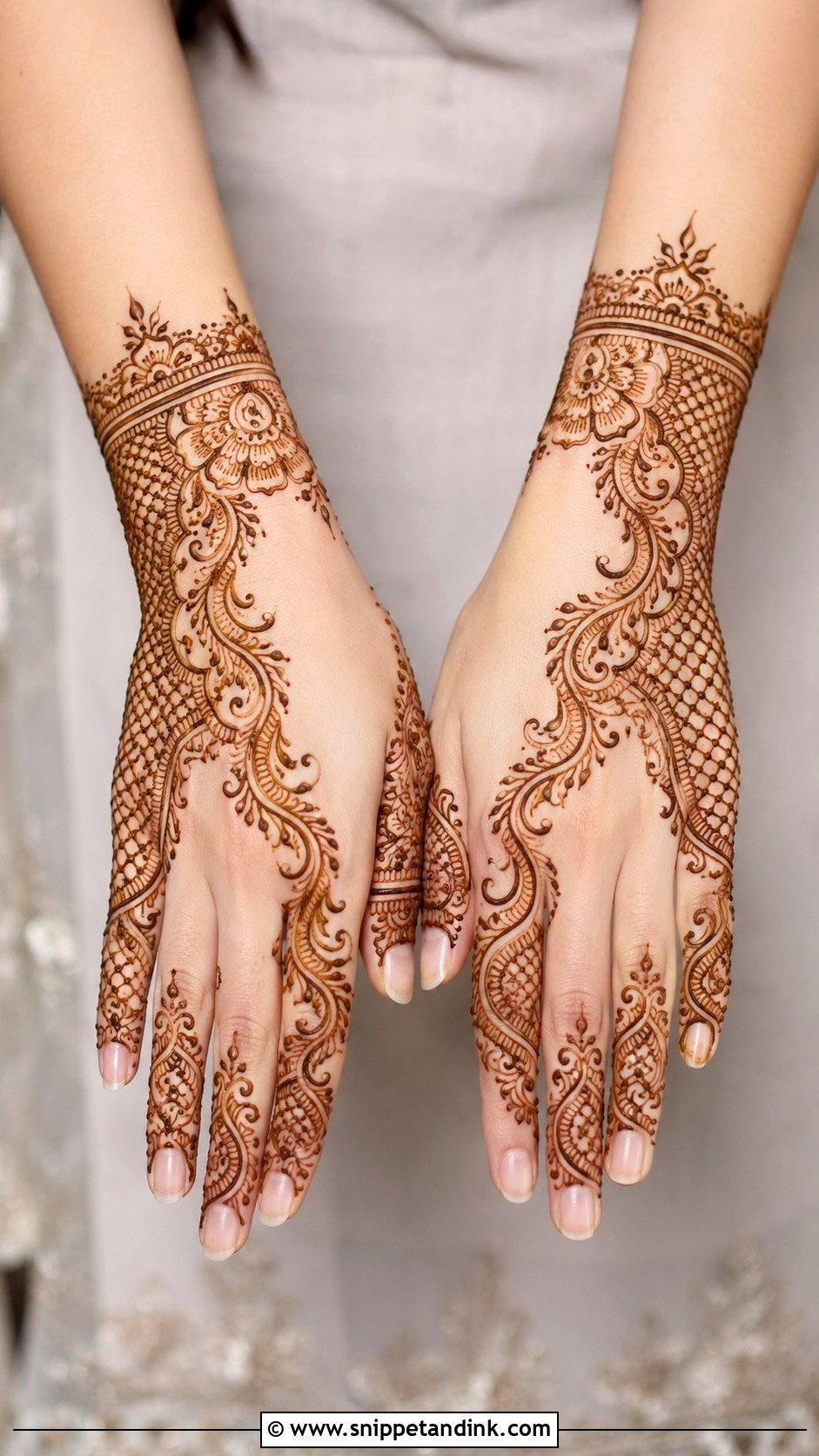
Jaali adds texture in small doses: inside a paisley, in a wrist band, in a finger panel, or along one side of the palm. A back-hand floral vine with one mesh panel near the wrist and fine finger lines is dressy without being heavy. The mesh must be small and even. If the lines sit too close, they merge as the stain develops and the panel turns into a dark patch.
24. Jewelry Khafif Mehndi Design
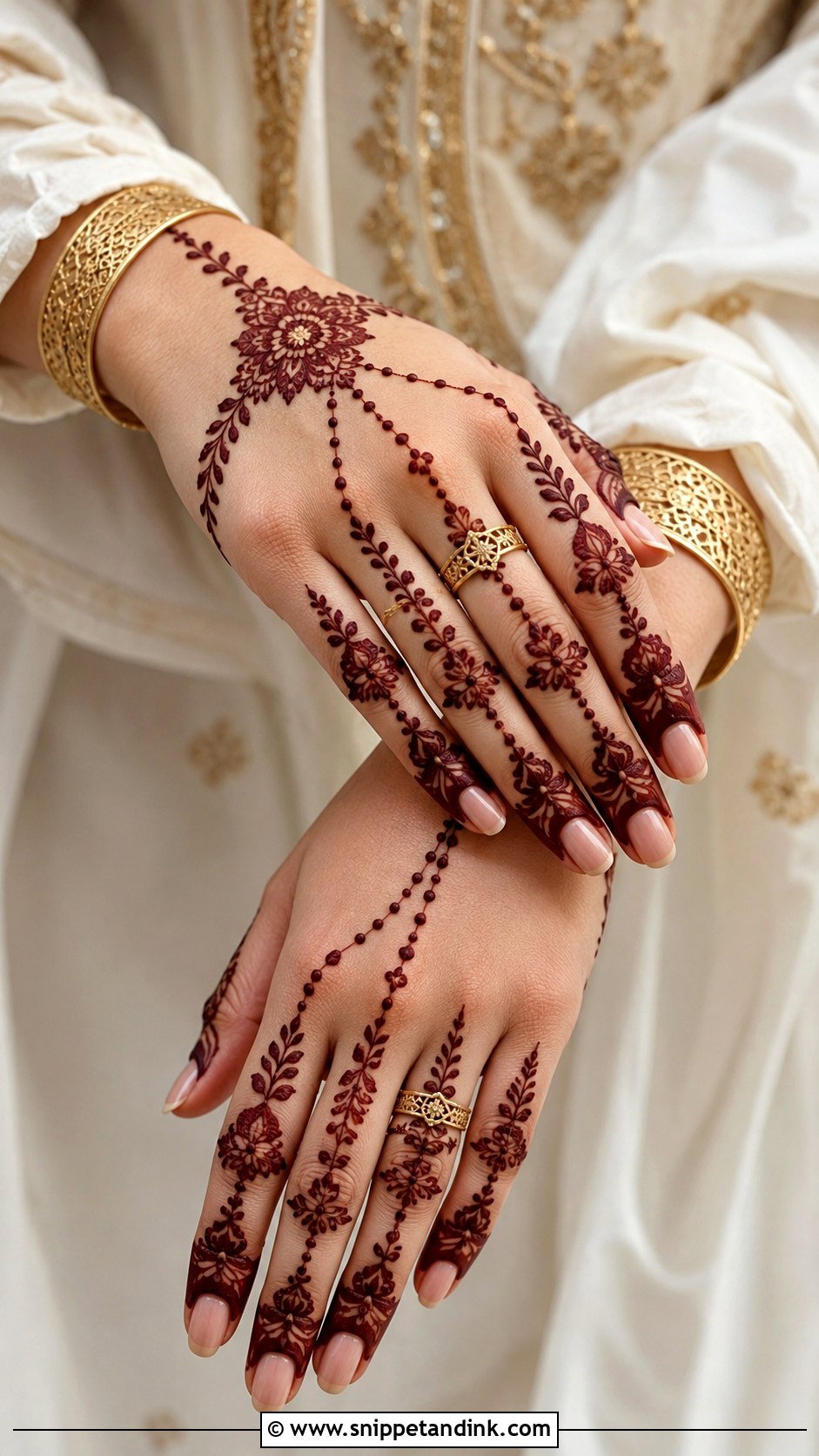
Jewellery khafif follows the shape of real hand jewellery. A wrist band links to a central flower or mandala, thin dotted chains run toward the fingers, and each finger gets a ring band or leafy tip. Precision is the whole look, which is why I take this one slowly: evenly spaced dots and lines of the same weight. Engagements, Eid and wedding guests wear it well, especially alongside real rings and bracelets.
25. Moroccan Khafif Mehndi Design
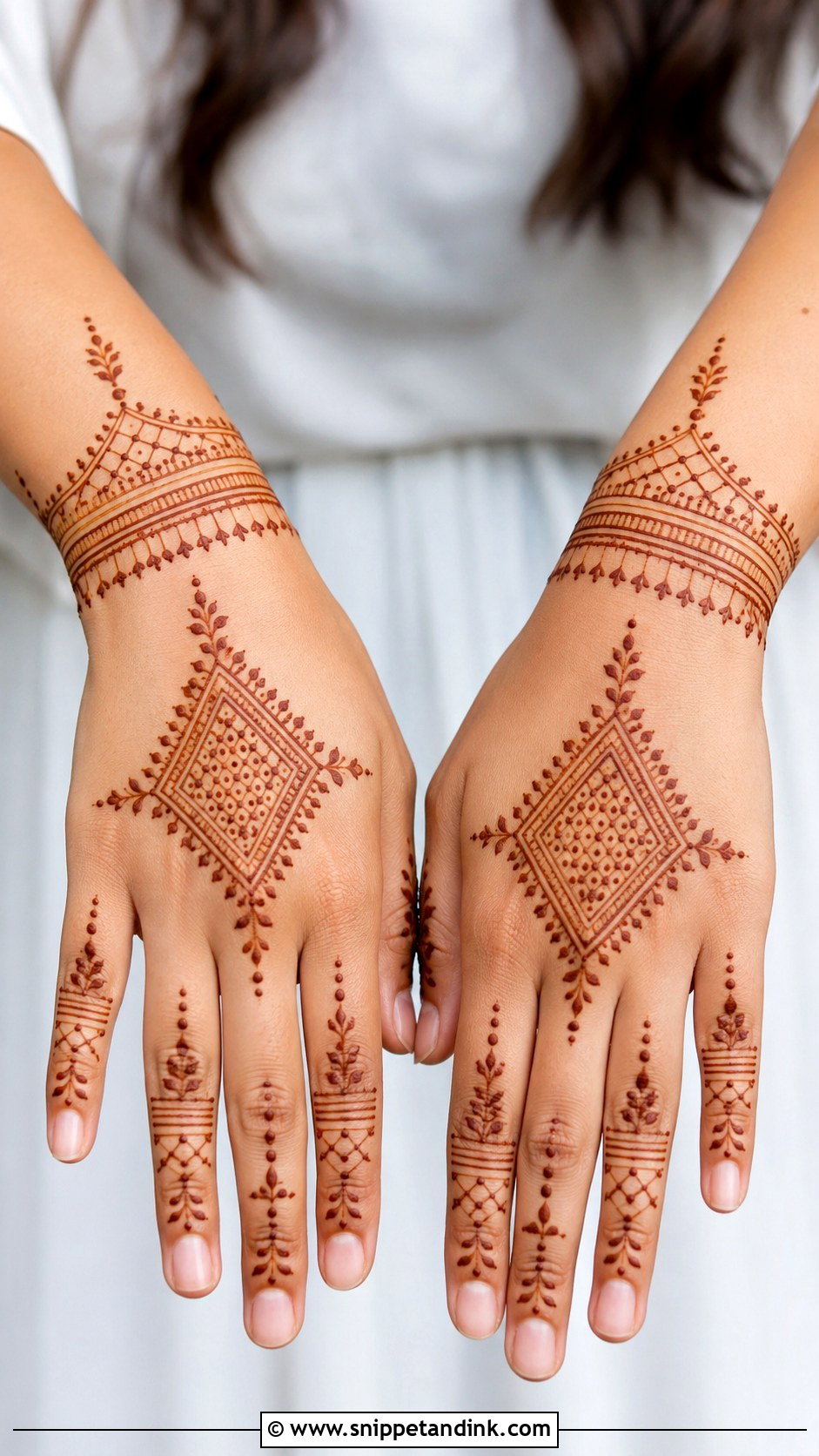
Moroccan khafif swaps flowers for geometry: diamonds, triangles, straight lines and small grids. In the light version, I space the shapes out and soften them with dots or a few leaves. It shows best on the back of the hand and fingers, where straight bands sit neatly on the bones. A wrist cuff, one central diamond and slim finger panels is a complete look. Straight lines are less forgiving than curves, so this style rewards an experienced hand.
26. Gulf Khafif Mehndi Design
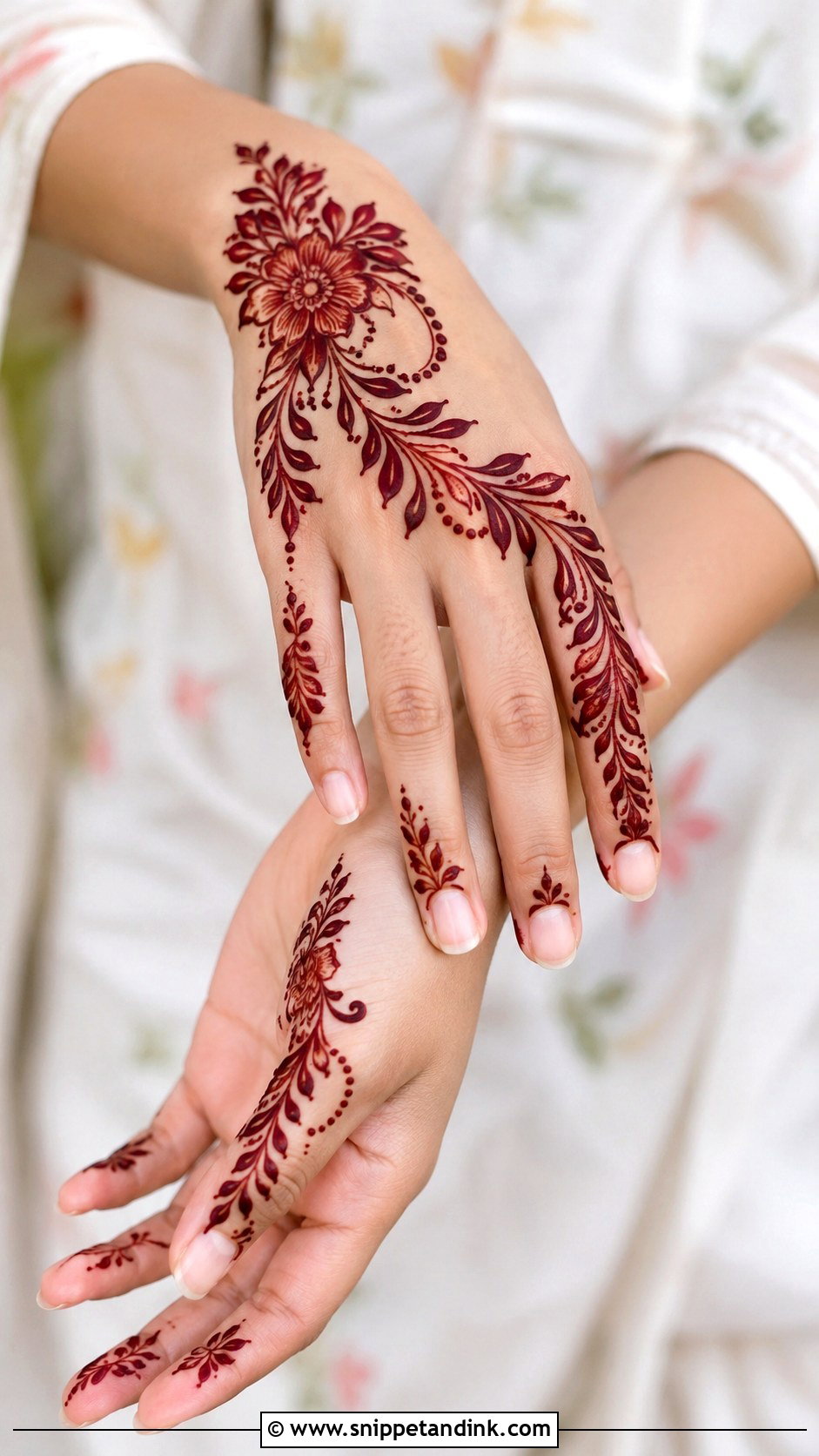
Gulf khafif uses large flowers, leafy sprays and soft curves, usually on the back of the hand or along the side of the palm, with plenty of skin showing. Shading inside the petals is done with a thin layer of paste, which stains lighter than the outlines and gives a two-tone finish. A large flower near the wrist with a leafy trail toward the index finger is my usual layout. It looks rich and takes surprisingly little time.
27. Pakistani Khafif Mehndi Design
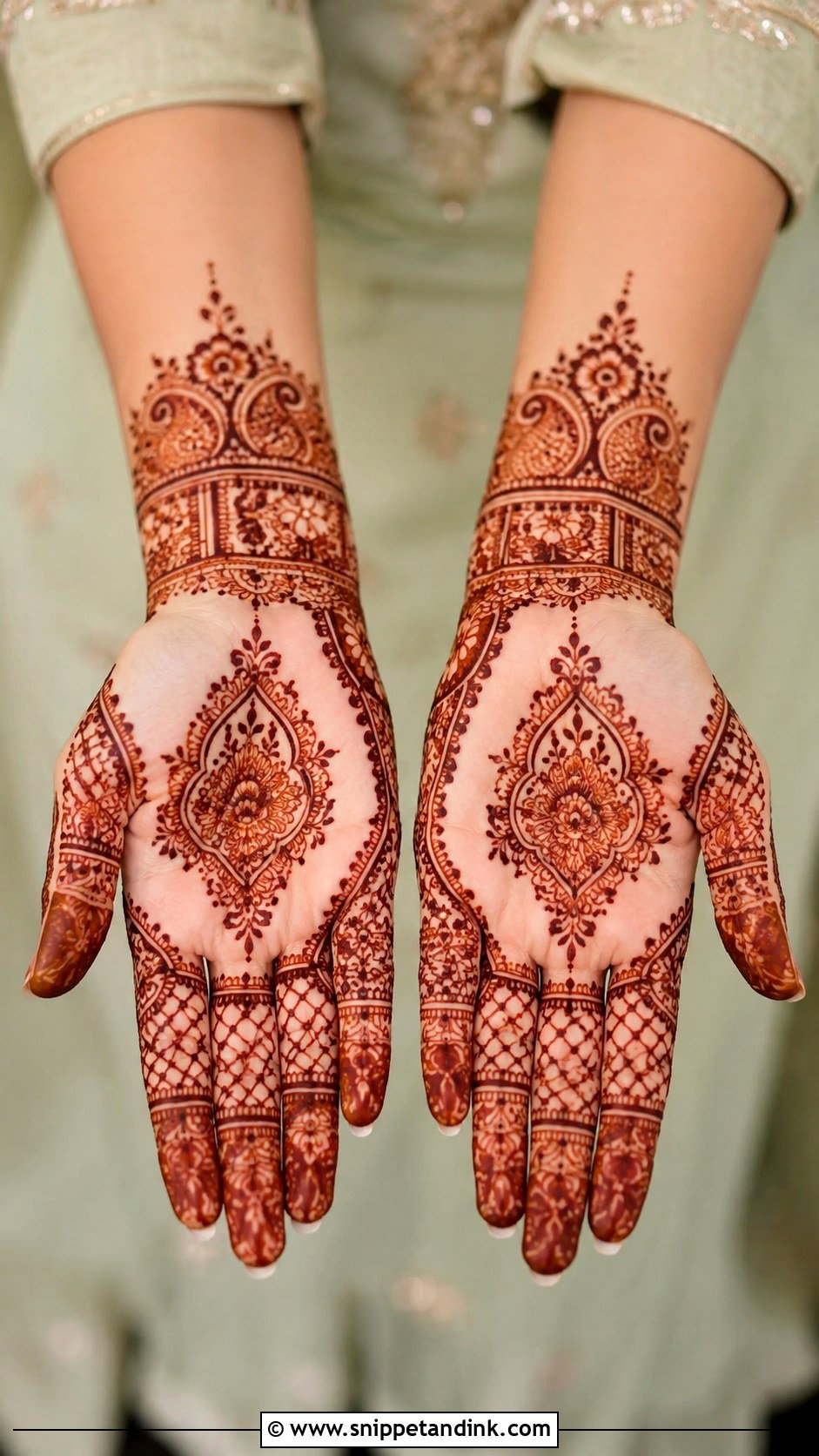
Pakistani khafif mehndi design blends Arabic flow with Indian detail: florals, paisleys, mandalas, jaali and bracelet-style wrist bands, kept light with fine outlines. On the palm, a soft central motif with filled fingers and a narrow wrist cuff; on the back, jewellery chains and floral trails. I draw a lot of these for dholki nights and nikah ceremonies, where the bride’s family often wants several women done in one evening.
28. Indian Khafif Mehndi Design
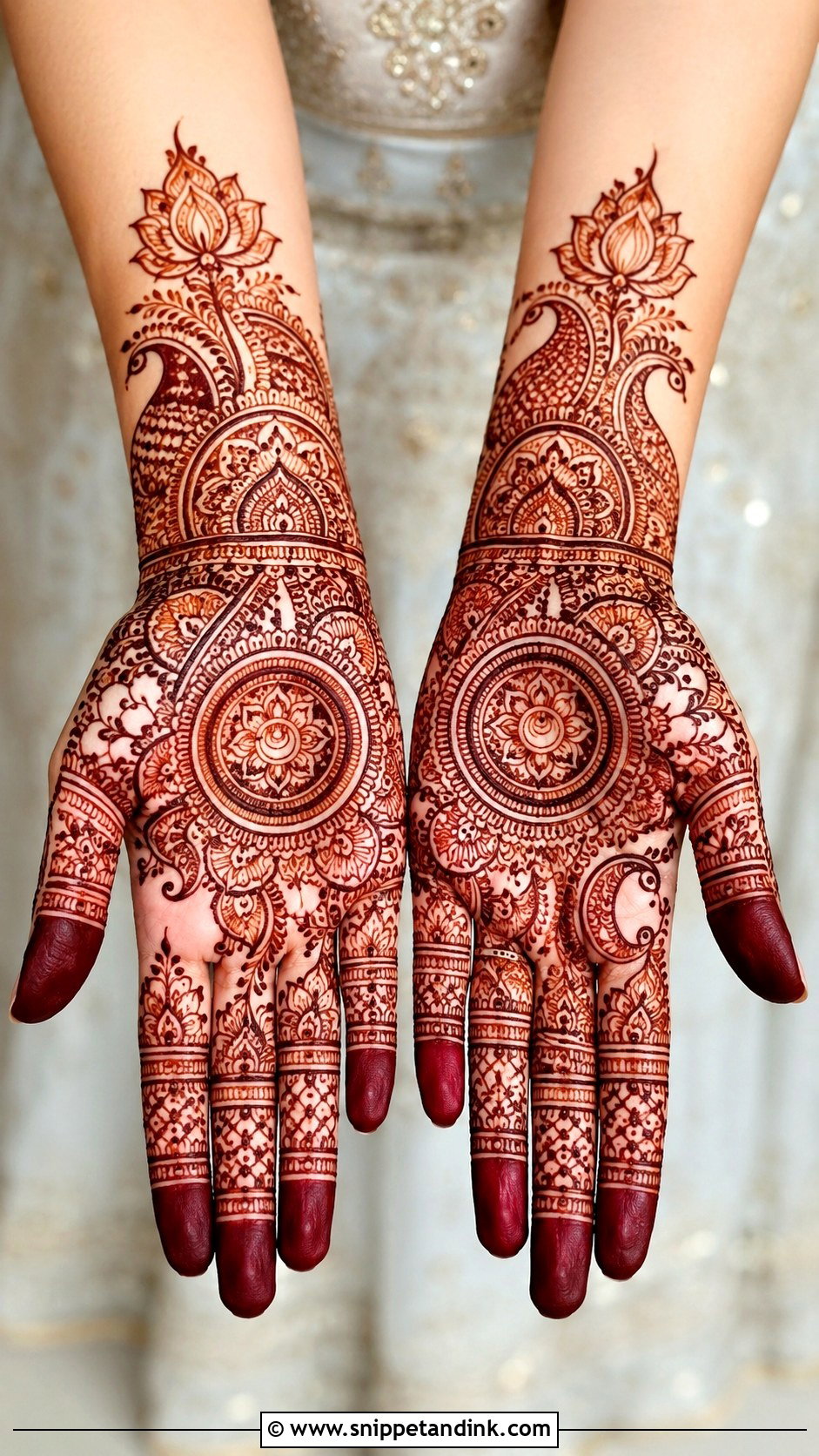
Indian khafif keeps the traditional vocabulary, open lotus flowers, paisleys, mandalas, peacock curves and fine finger detail, and gives it room. A palm mandala with slim paisley borders and light wrist bands works on the front; a floral bracelet with finger chains works on the back. I aim for detailed but never crowded. It suits pujas, festivals and family ceremonies where a cultural look matters to the elders in the room.
29. Peacock Khafif Mehndi Design
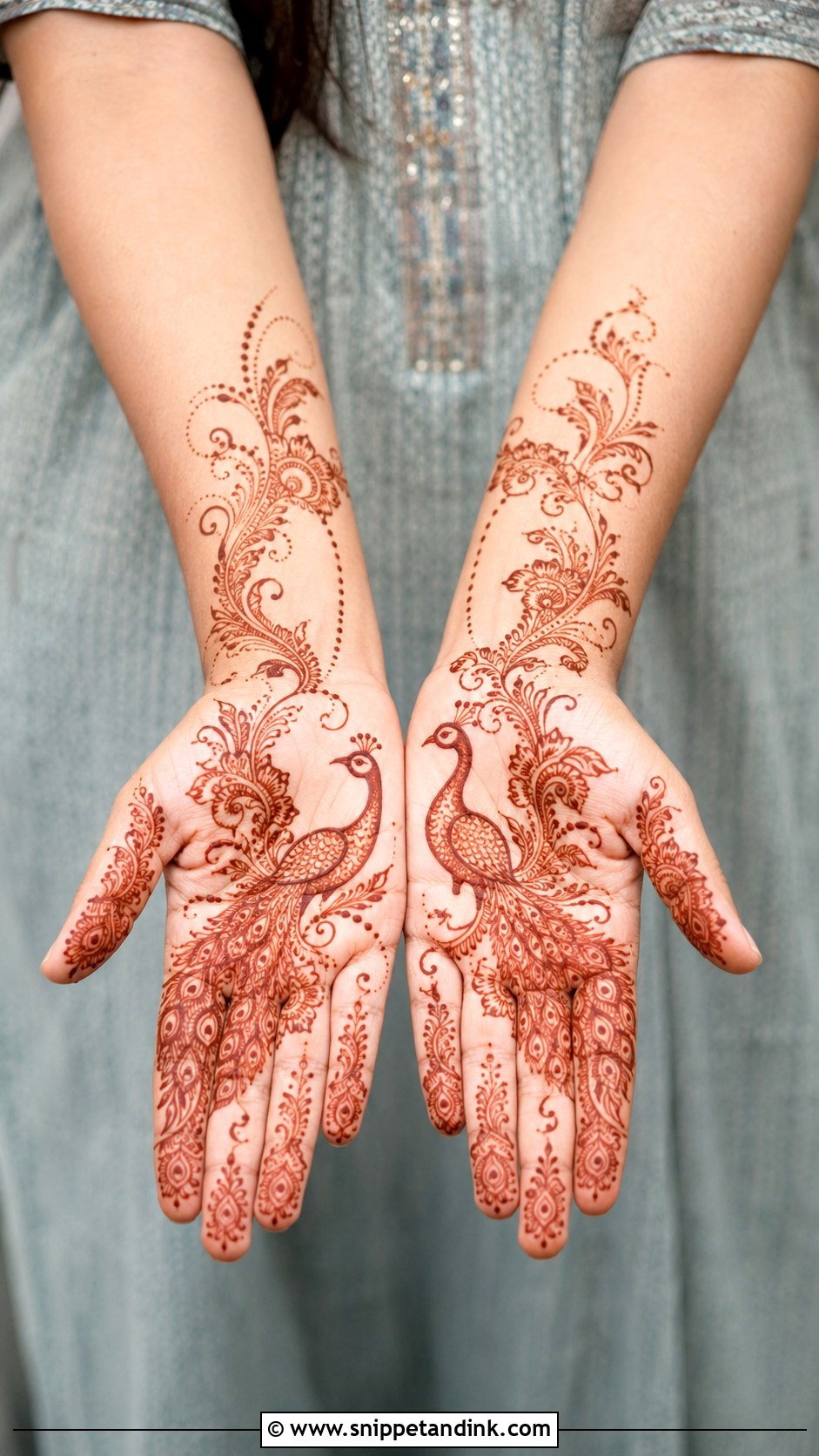
A slim peacock outline with delicate feathers, light paisleys and airy florals keeps the bird graceful instead of heavy. I place it on the palm, the wrist or the side of the back hand, and let the feathers flow into vines or dotted chains so the design feels finished. Keep the body clean and the head simple. Fine feather lines are where the detail belongs, and they are also what fades first, so this is better drawn a day or two before the event.
30. Khafif Mehndi Design For Short Fingers
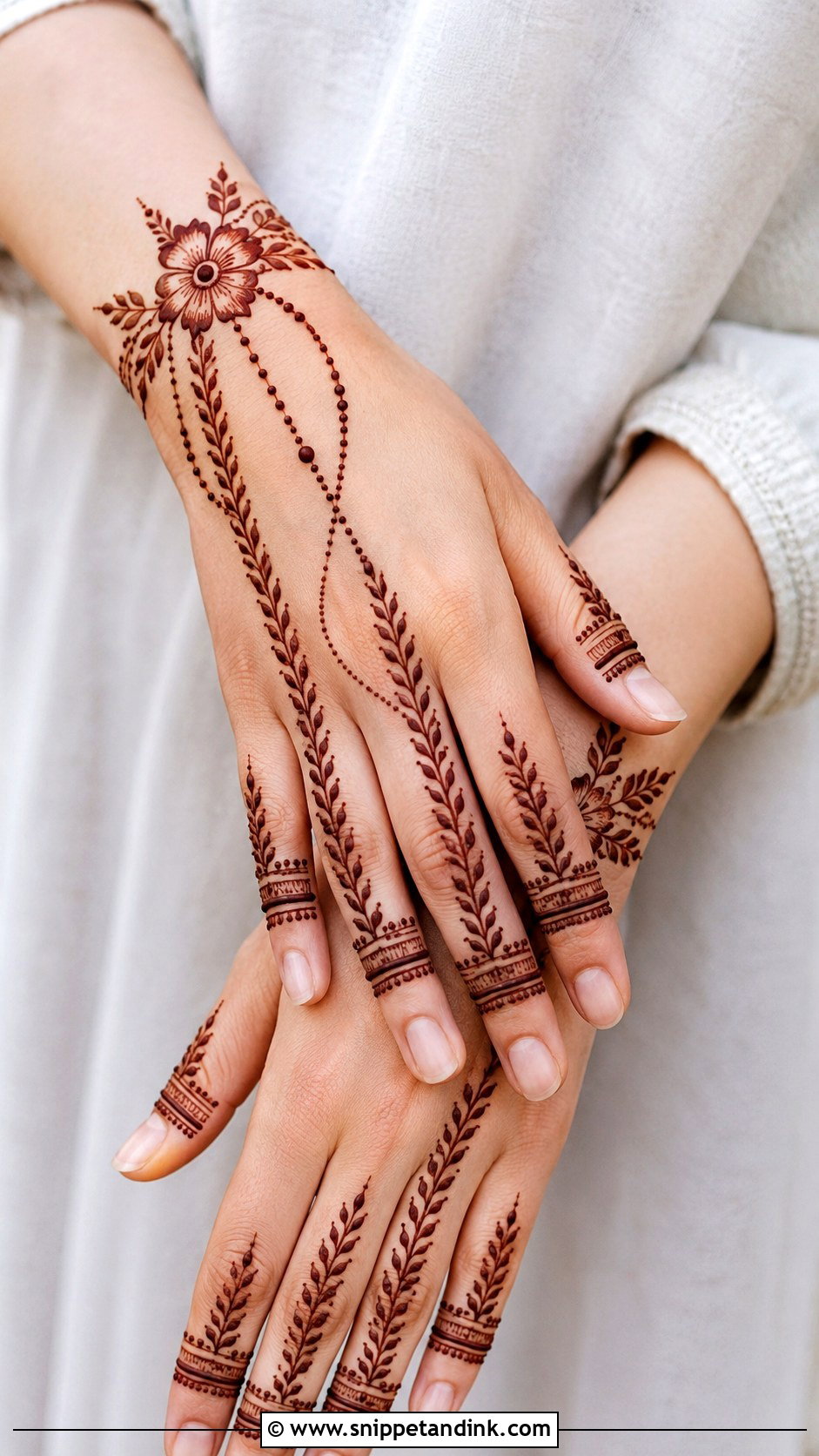
To lengthen short fingers, I use vertical lines, slim leafy trails, narrow bands and open fingertips. Thick bands across the fingers do the opposite and should be avoided. On the back of the hand, a wrist flower with thin chains leading to the fingers draws the eye upward. On the palm, I set the main motif a little lower and let the vines stretch toward the fingertips.
31. Khafif Mehndi Design For Long Fingers
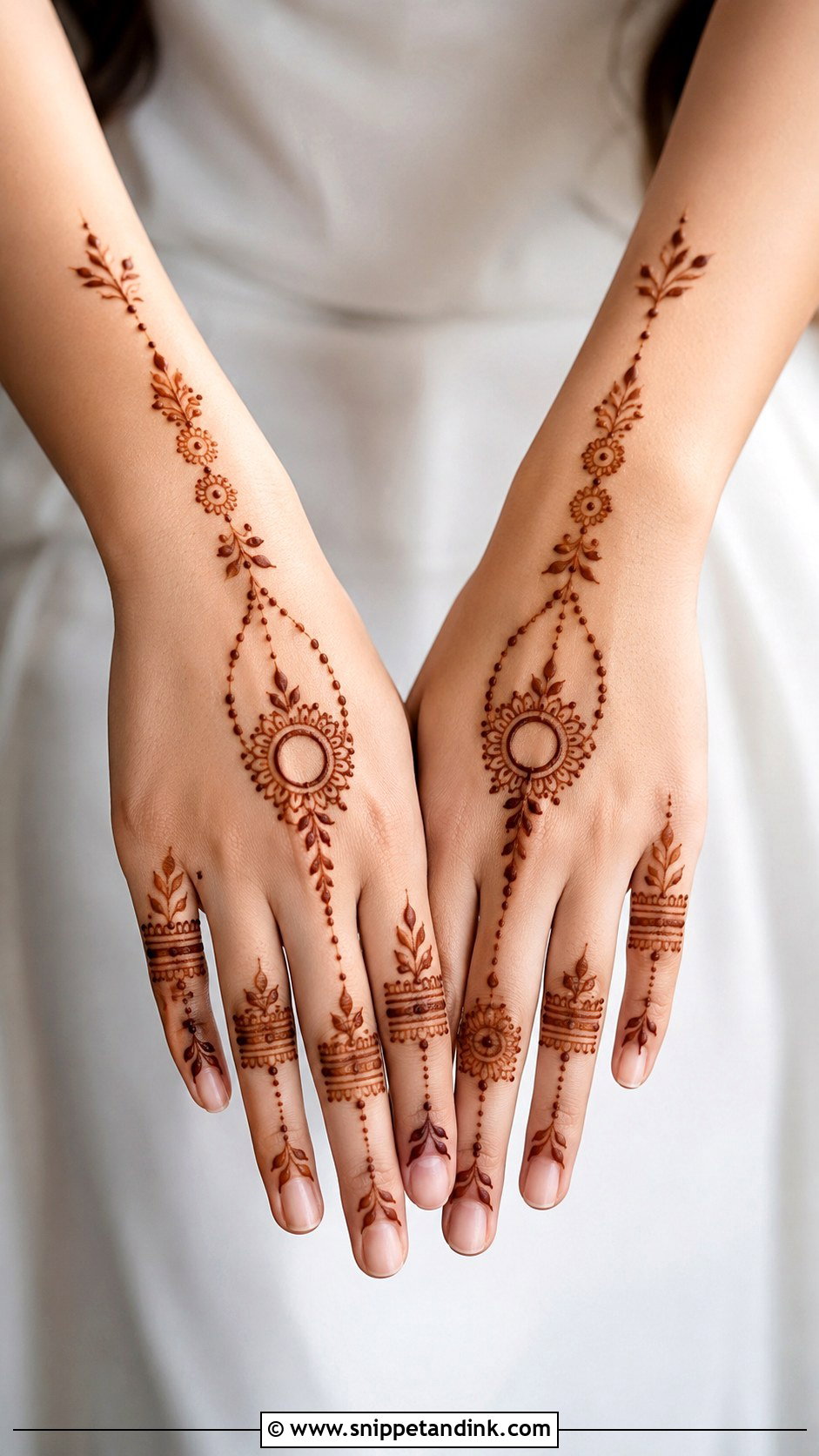
Long fingers can take layered bands, leafy tips, ring motifs and dotted chains that follow their length. A back-hand jewellery pattern suits them best, and a palm mandala with long finger vines works on the front. There is room for small panels, but I still keep gaps between sections. Without them, long fingers end up looking striped rather than decorated.
32. Khafif Mehndi Design For Small Hands
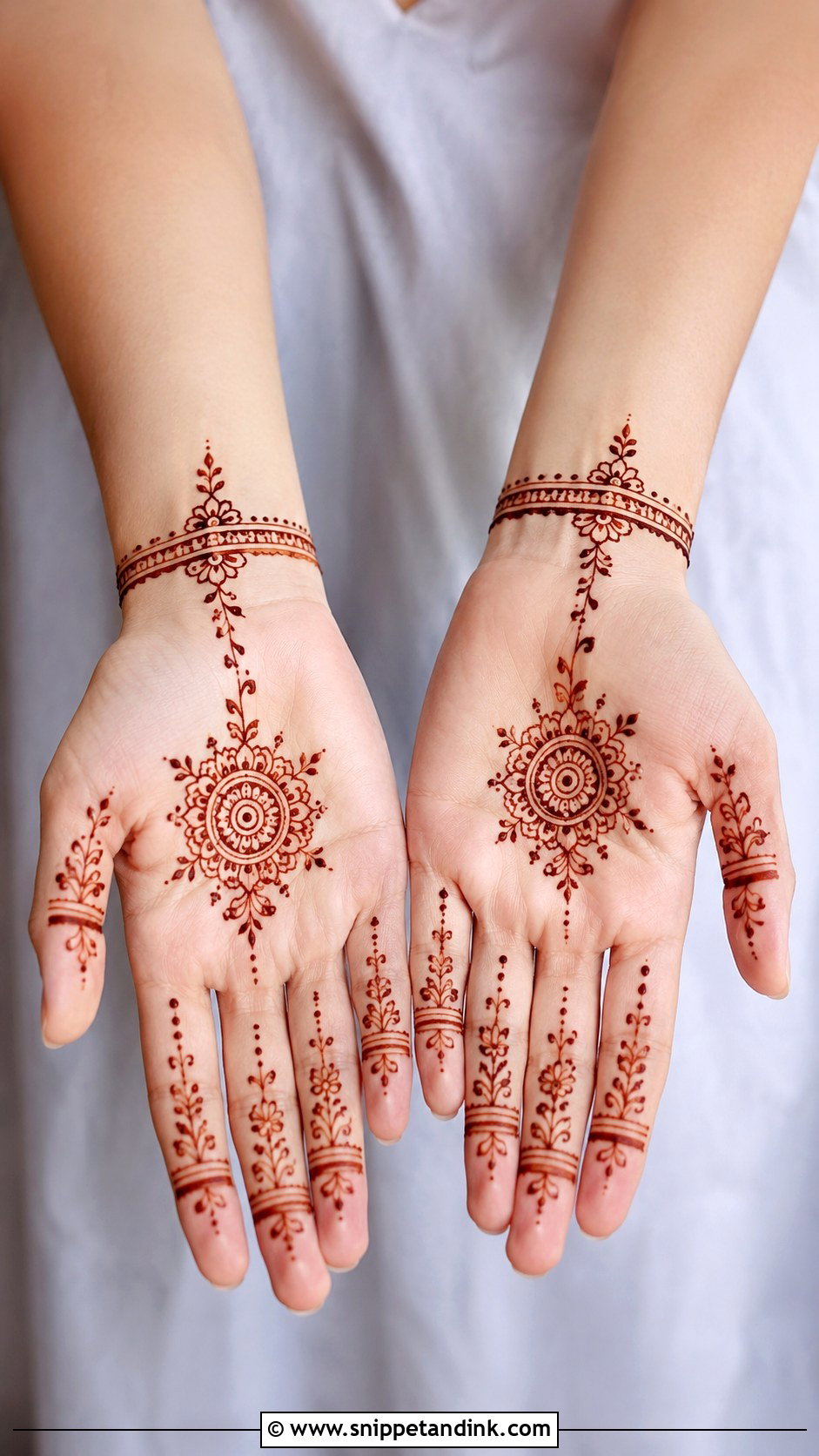
Small hands get overwhelmed quickly, so I scale everything down: compact flowers, tiny mandalas, slim vines and narrow wrist bands. A small palm mandala with delicate finger work is a safe choice; on the back, a thin bracelet with one central flower. The opposite mistake is scattering tiny motifs too far apart, which looks unfinished. Fine, confident lines and close but open spacing are what make a small hand look balanced.
33. Khafif Mehndi Design For Dark Skin
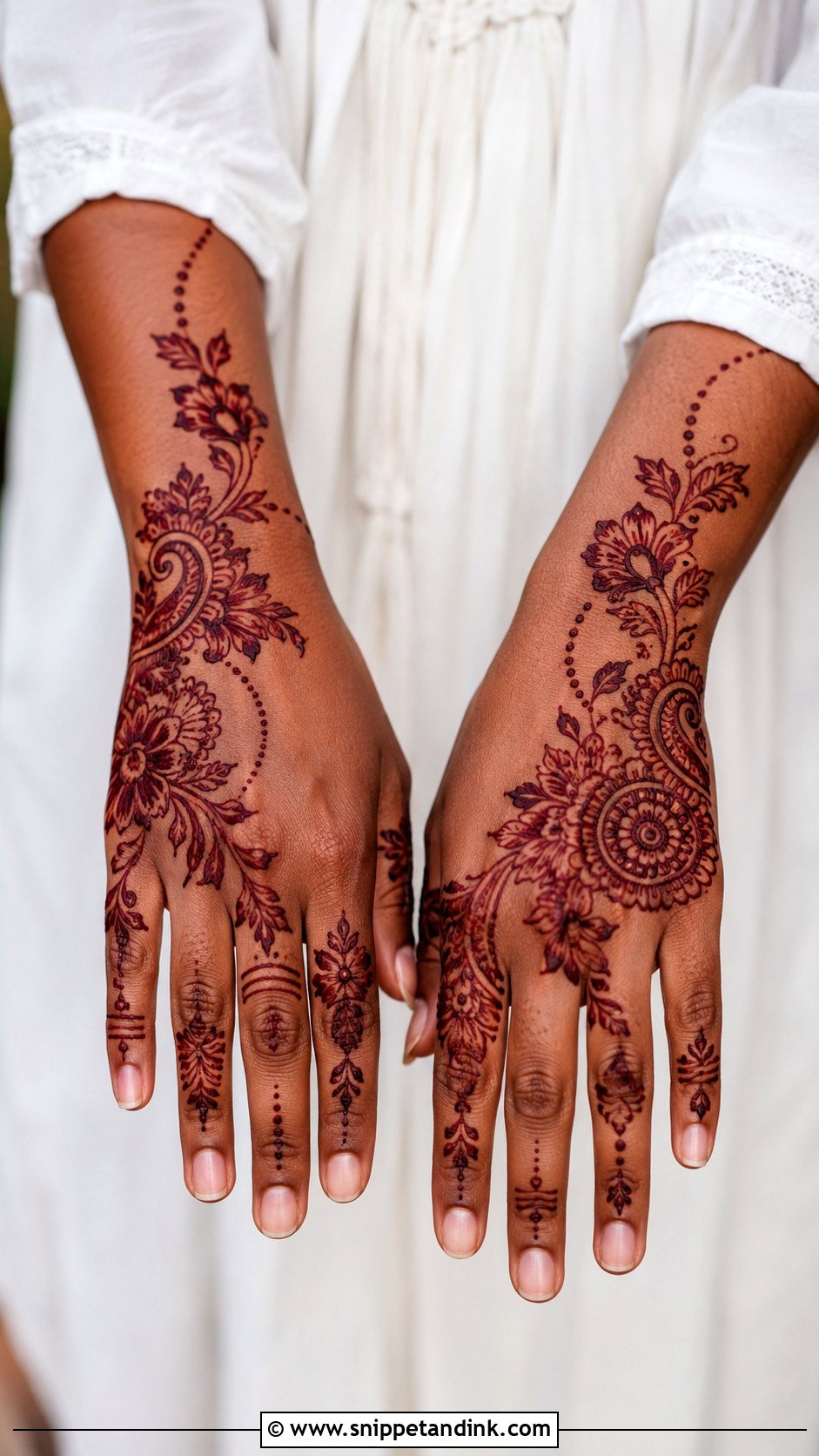
Natural henna develops into reddish brown, deep brown or maroon, and on deeper skin tones that warm colour reads well when the lines are clear and the spacing is generous. I go slightly bolder with outlines and avoid tiny crowded detail, which can blend in from a distance. Floral trails, mandalas, paisleys and jewellery patterns all hold up. Palms and fingertips will show the most contrast, so I put the key detail there. For depth, leave the paste on for as long as possible and keep water off it for the first several hours.
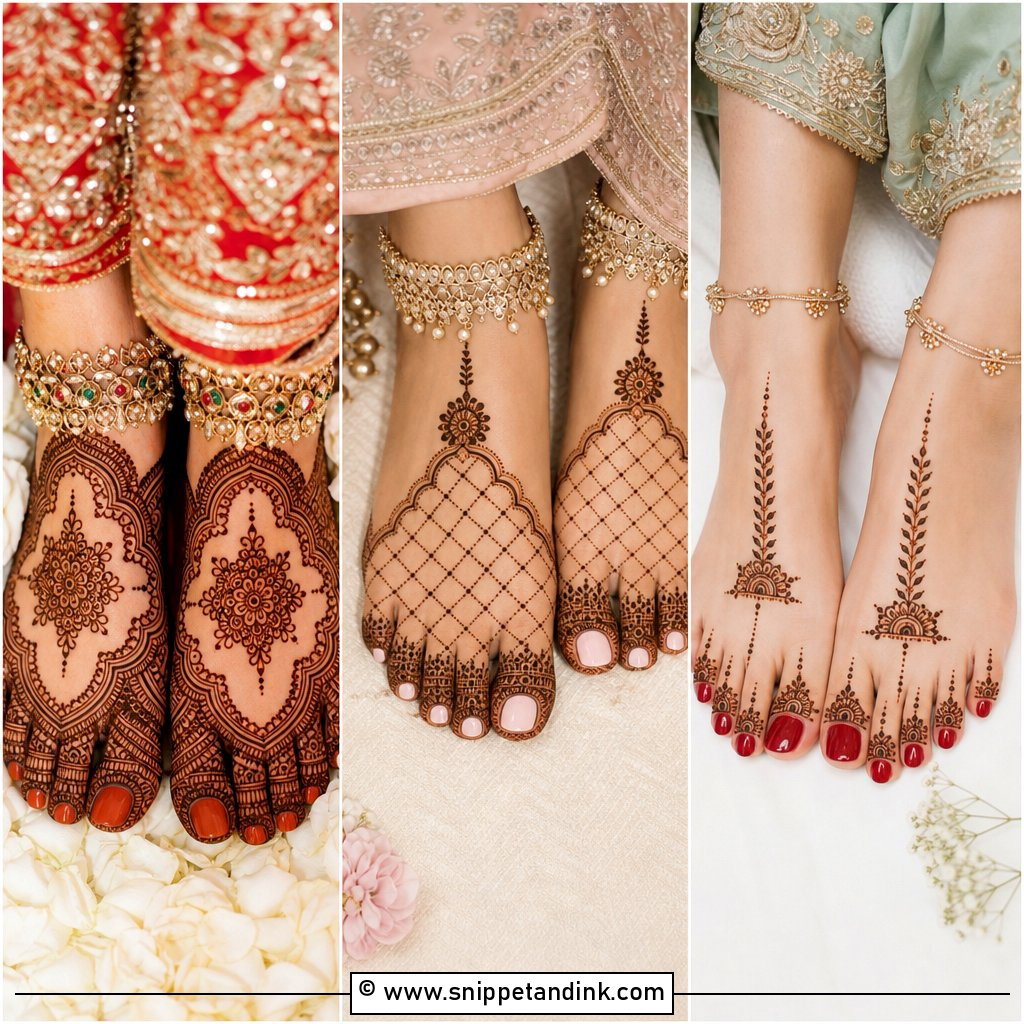
34. Khafif Foot Mehndi Design
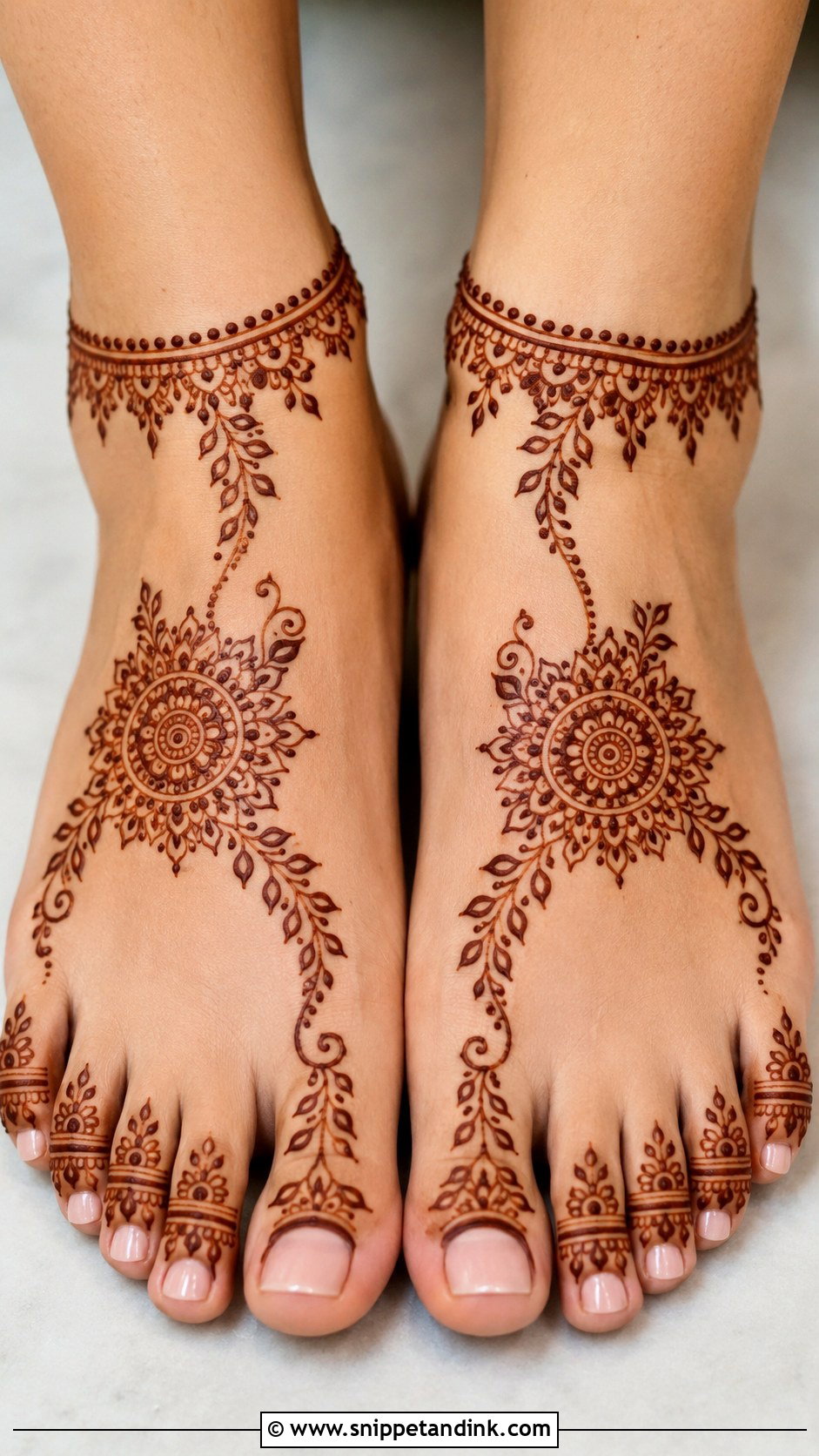
Foot henna is mostly about the top of the foot and the toes. I start with small floral bands near the toes, run leafy vines, paisleys or a central mandala across the instep, and finish with an anklet-style band. Toes get dots or small leafy caps. Leave plenty of open space; a crowded foot looks heavy in sandals. Plan to sit with your feet up while it dries, because walking on wet paste is the fastest way to smudge it.
35. Khafif Bridal Foot Mehndi Design
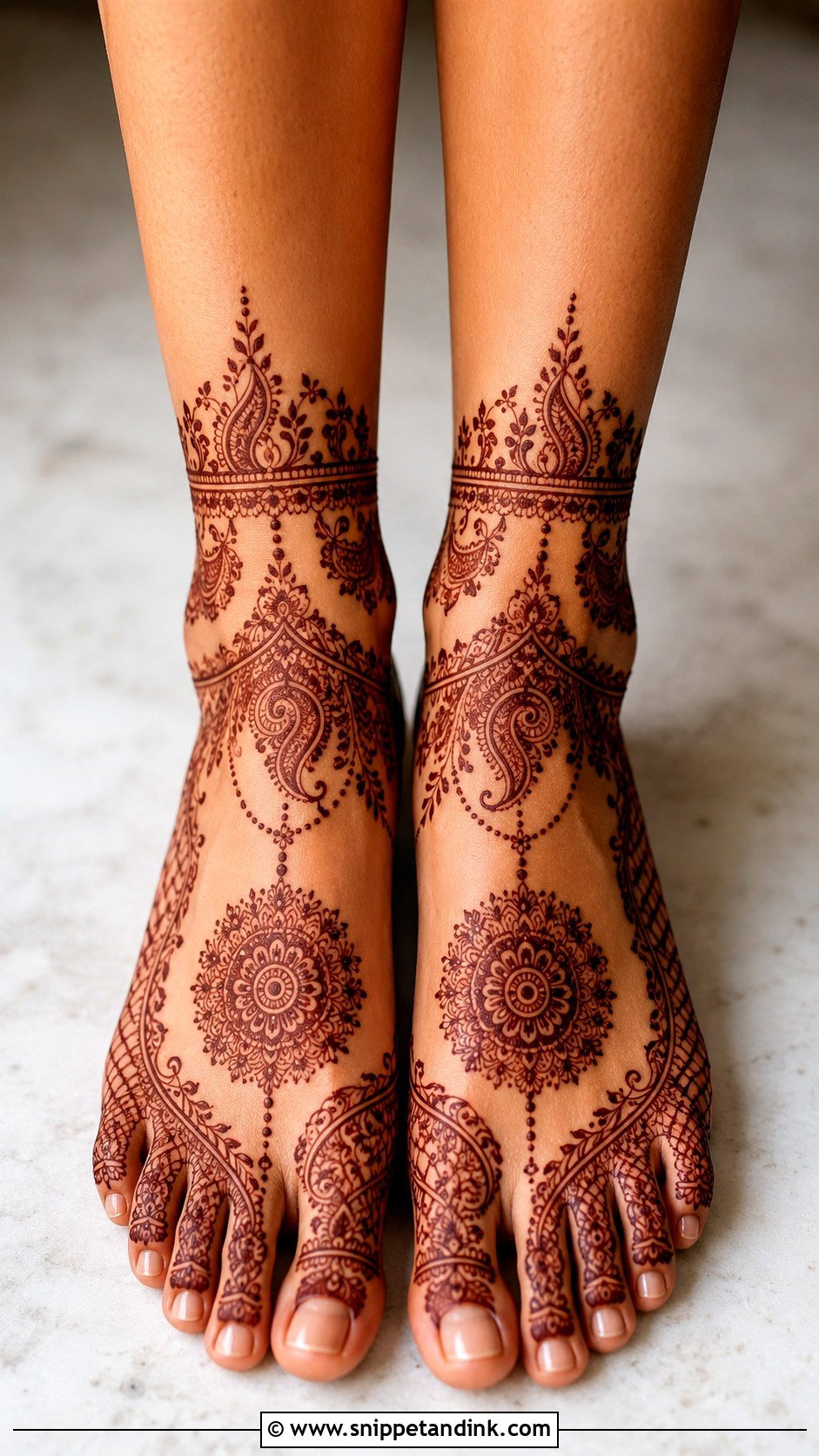
Khafif bridal foot mehndi design gives brides decorated feet without heavy leg coverage. Toe detail, a central floral mandala, paisley vines across the top of the foot and an anklet band around the ankle make the base layout, sometimes extending a little above the ankle bone. Fine jaali panels and dotted chains add richness. I usually do the feet first on a bridal night, so they have the longest time to dry while the hands are being drawn.
Feet Need Their Own Plan
Brides often book hands and add feet as an afterthought, and then find there is no time for them to dry. Feet behave differently from hands, so a few points are worth planning for.
Drying takes longer
You cannot walk while the paste is wet, and you will not want to sit still for hours with both hands and feet done. I start with the feet, then move to the hands while the feet dry. Have someone ready to fetch things for you.
Soles and tops stain differently
The soles take a very deep stain, while the top of the foot comes up lighter, similar to the back of the hand. If you want a strong colour on the instep, ask for slightly bolder outlines there.
Footwear rubs it away
Straps and closed shoes wear henna off over the following days. Choose open sandals for the first day or two, keep socks loose, and wear the design on the day you most want it seen within a few days of application.
Lines You Can Still Read From Across the Room
Light henna only works when the lines are confident and the spaces are planned. That is true whether you choose an Arabic trail, an Indian mandala, an Indo-Arabic paisley layout, Gulf florals, Moroccan geometry or a few finger bands. Size the design to your hand, match it to the occasion and the outfit, and give your artist the time she needs to draw slowly. A khafif design suits a bride, her bridesmaids and the youngest guest at the party, and each version still leaves plenty of skin showing.
You'll Like These Ideas:





Leave a Reply